Abyssinian Guinea Pig: Characteristics and Care
The Abyssinian guinea pig is one of the guinea pig breeds that has been in homes as a pet for the longest time. As their popularity has increased in recent years, so has the curiosity surrounding them.

Advertisement
The Abyssinian guinea pig is one of the guinea pig breeds that has been in homes as a pet for the longest time. As their popularity has increased in recent years, so has the curiosity surrounding them. Known for their distinctive coat, available in many different colors, and known for their close relationships with humans and love to play, Abyssinian guinea pigs have a lifespan of 5-8 years, depending on their care and regular health checkups. There are even records of an Abyssinian guinea pig that lived for 15 years. Known to be prone to digestive problems, pneumonia, vitamin C deficiency, and urinary tract issues, this blog post provides information on both general characteristics and specific Abyssinian guinea pig care.
An Abyssinian guinea pig that lived for 15 years has also been recorded. In our blog post about these adorable guinea pigs, which are known to be prone to digestive system problems, pneumonia, vitamin C deficiency, and urinary tract problems, you can find information about both general characteristics and specific Abyssinian guinea pig care.
General Characteristics of the Abyssinian Guinea Pig Breed
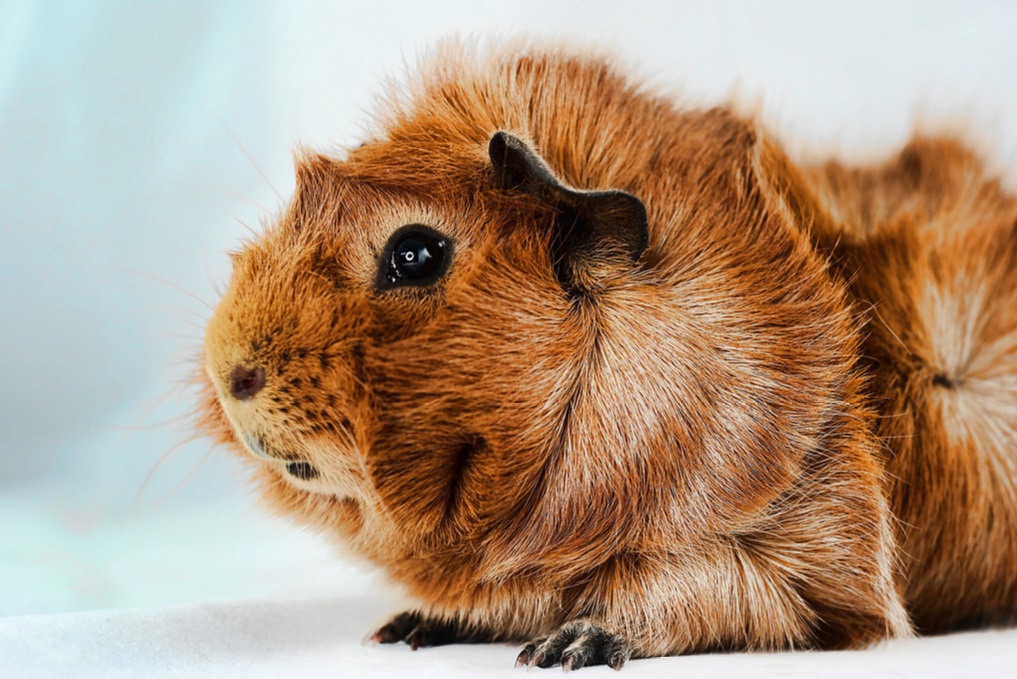
Abyssinian guinea pigs, characterized by their curling fur on body areas such as the back, shoulders, and hips, are one of the oldest guinea pig breeds. Although their origin is not precisely known, there is a general consensus that they originated in South America. They can reach a length of 25-30 centimeters at maturity. Their weight can reach up to 1400 grams in males and 1200 grams in females. Their fur color is quite diverse: it is possible to find gray, brown, red, white, and cream-colored ones.
Their bodies are long, their faces are short, and their heads are wide. The most distinctive feature of these charming guinea pigs, which steal hearts with their cute appearance, is, as mentioned earlier, the curling of their fur. Unlike other guinea pigs, their fur has 8-10 increments in pairs. These irregular protrusions are called "rosettes". The shape and structure of their rosettes can vary depending on genetic characteristics. As with other rodents, their front teeth grow throughout their lives. If their front teeth are not of ideal length, it poses a problem for both their comfort and health.
Abyssinian Guinea Pig Care and Health

Caring for Abyssinian guinea pigs is neither very easy nor very difficult. The prominent care requirements can be listed as follows:
Due to the structure of their fur, it can prevent water from coming into contact with their skin. They should be bathed only when they are really dirty, not regularly. Heat treatment should not be applied to their fur after bathing, and soft brushes should be preferred when brushing their fur. Generally, their fur should be brushed every 2-3 days with a soft brush: They don't need daily brushing as they don't have long fur like Peruvian guinea pigs. They need a dedicated living space to live a healthy, comfortable, and happy life. When determining the size of their cage, the number of guinea pigs and their size should be considered. Generally, it is recommended to choose a cage with 0.7 square meters of space for a single guinea pig. This space should be increased by 0.3 square meters for each guinea pig added to the cage. If their cage floor is wire, their feet may get injured. Rodent bedding should be placed on the floor of their cage to increase their comfort. The bedding should be made of materials that will not harm their health. All their basic needs should be provided in their cages. Their water bowls, food bowls, toys, and bedding should be cleaned regularly.
They need a special living space to live a healthy, comfortable, and happy life. When determining the size of their cages, the number of guinea pigs adopted and their sizes should be taken into consideration. Generally, it is recommended to choose a cage with an area of 0.7 square meters for a single guinea pig. This area should be increased by 0.3 square meters for each guinea pig added to the cage.
If the cage floor is made of wire, their feet may be injured. Rodent bedding should be placed on the cage floor to increase their comfort. The bedding should be made from materials that will not harm their health. All their basic needs should be provided in their cages. Their water bowls, food bowls, toys, and bedding should be cleaned regularly.
Abyssinian guinea pigs require special attention to their teeth. Since their teeth grow throughout their lives, it's important to provide them with chew toys specifically designed for rodents and to monitor their tooth length.
Abyssinian guinea pigs need a balanced diet. Hay is central to their diet. Fresh vegetables and fruits should also be included. When creating feeding plans, it's essential to provide them with foods containing vitamin C daily, as recommended by veterinarians.
Because they cannot produce vitamin C naturally, they can develop scurvy due to decreased vitamin C levels. Experts emphasize that providing them with 5-6 different vegetables containing vitamin C daily is the correct approach. New foods should be given in small amounts to prevent digestive problems. Exercise and play are essential for their health and happiness. Since they enjoy interacting with people, being allowed out of their cages for a few hours a day under controlled conditions can increase their happiness. While they aren't prone to excessive weight gain, their weight should be carefully monitored. A weight change of 0-20 grams is considered normal; a change of 30-50 grams should be observed for any unusual symptoms. If there is a weight increase of 50 grams or more, a veterinarian should be consulted immediately. For detailed information on guinea pig care and feeding, you can check out our article titled "Guinea Pig Care, Feeding, and Characteristics."
Exercise and play are essential for their health and happiness. Since they enjoy interacting with people, being allowed out of their cages for a few hours a day under controlled conditions can increase their happiness.
Although they are not very prone to weight gain, their weight should be carefully monitored. A change of 0-20 grams in weight is considered normal; a change of 30-50 grams should be observed for any other symptoms. If your pet's weight increases by 50 grams or more, you should consult a veterinarian immediately.
If you would like detailed information about the care and feeding of guinea pigs, you can check out our content titled Guinea Pig Care, Feeding and Characteristics.
Abyssinian Guinea Pig Character and Behavior
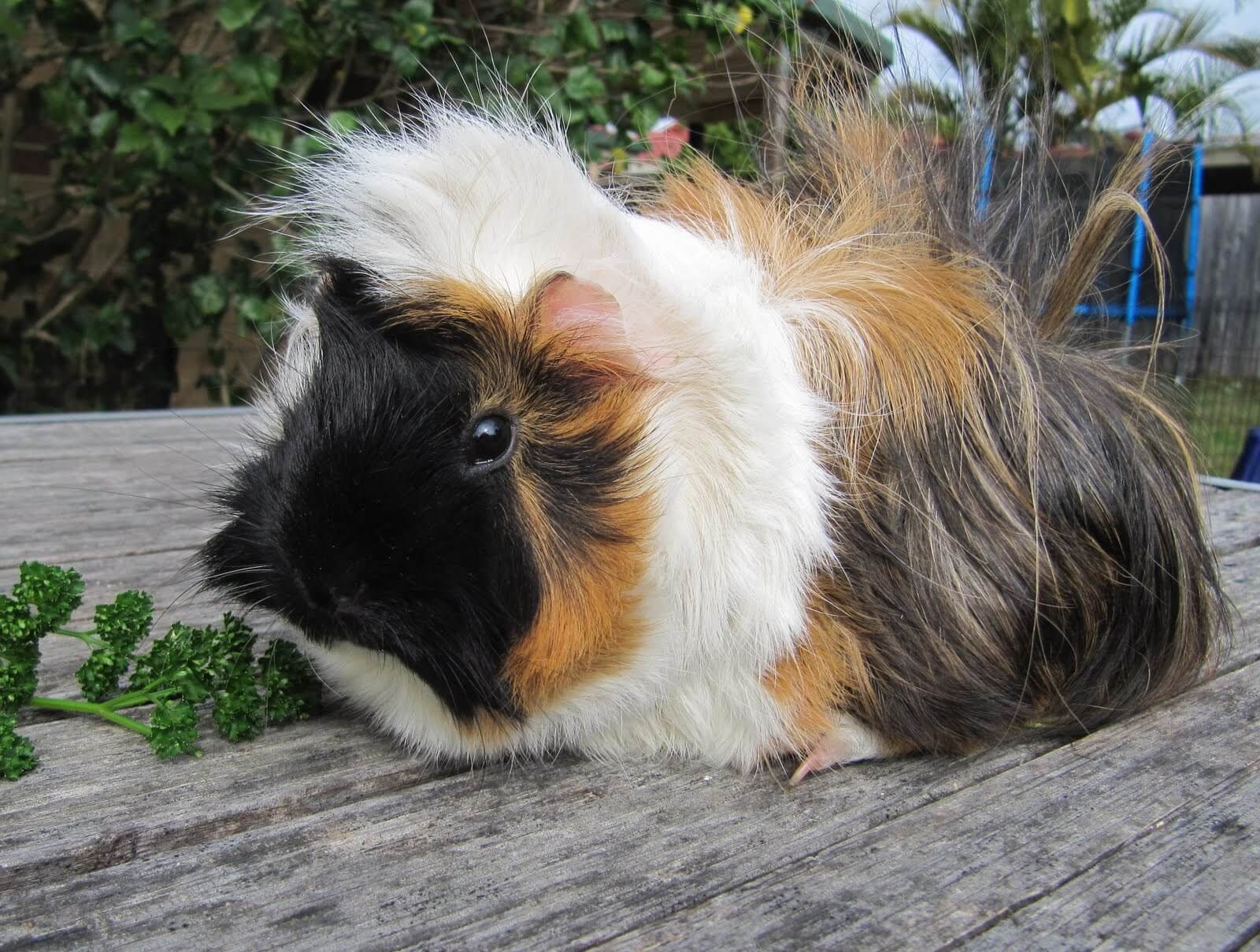
One of their most distinctive features is their extremely sociable nature. In fact, to elaborate further, they can be considered the friendliest guinea pig breed. They enjoy interacting with people and are gentle. However, not every guinea pig may exhibit the same behavioral patterns.
Because they live in herds in the wild, their social skills are quite developed. Abyssinians, who can share their living spaces with other guinea pigs, very rarely bite. They need to feel truly threatened to bite. They may also exhibit biting reflexively if they are cornered too much.
They are known for their strong character: They have their own habits and preferences. They have a very curious nature, and their search for adventure is endless. Males tend to have a more extroverted temperament than females, and their extroverted behavior can sometimes be interpreted as aggression. What are the Healthiest Foods for Cats? Cats looking at vegetables Cats eating cat food Cats have different needs to live a healthy, happy, and comfortable life: Regular veterinary check-ups, exercise for ideal mental and emotional stimulation, interactive games that strengthen their bond with humans, routine grooming, and of course, quality nutrition are among the most basic needs of cats. Nutrition, which is inextricably linked to cat health, is one of the most decisive factors in these basic processes. Even if the healthiest foods for cats are prepared under the right conditions, it would not be accurate to say that cats receive a complete and balanced diet. The cat's age, presence or absence of health problems, taste preferences, whether it has been neutered or not, and activity level should be considered when choosing food and planning its diet. Knowing the answers to the question "What are the healthiest foods for cats?" will help in choosing the right food as well as selecting healthy snacks for cats. In this article, you can find information about both the importance of nutrition in cat health and the healthiest foods for cats. The Importance of Food Choice in Cat Health Cats are carnivores and by nature, the basic requirements of their metabolism are protein sources and the nutrients they obtain through protein sources. A proper diet helps all metabolic processes of cats to proceed smoothly, increases their energy levels, and prevents possible diseases.
Advertisement
Advertisement
Keep exploring
Continue reading

Small Pet Care
Runny Nose in Rabbits: Causes, Symptoms and Treatment Methods
Rabbits are generally known for their quiet and calm nature. Therefore, they often don't openly show their discomfort.
Read guide →
Small Pet Care
Is a Guinea Pig the Right Pet for You?
Guinea pig Adopting a pet has become increasingly popular among animal lovers in recent years.
Read guide →
Small Pet Care
Hamsterlar Meyve Yiyebilir mi?
Can hamsters eat fruit? This is one of the most frequently asked questions by both new adopters and experienced parents.
Read guide →
Small Pet Care
What Should Be Considered When Choosing Rabbit Food?
Rabbits are known for being cute and enjoyable creatures to care for. However, like all other pets, they have basic needs to live a healthy and…
Read guide →