Causes, Symptoms, and Treatment Methods of Oral Melanoma in Dogs
Imagine you notice a small lump in your dog's mouth one morning. This lump, which might be mistaken for an insignificant wound or gum problem, could be one of the most aggressive oral tumors in dogs, called oral melanoma.

Advertisement
Imagine you notice a small lump in your dog's mouth one morning. This lump, which might be mistaken for an insignificant wound or gum problem, could be one of the most aggressive oral tumors in dogs, called oral melanoma. This disease is a major concern for dog owners due to its tendency to spread rapidly and its serious consequences.
Since dogs are part of our family, even the slightest change in their health causes anxiety. Oral tumors in dogs, if not detected early, can significantly affect both their lifespan and quality of life. Therefore, recognizing the symptoms, knowing the risks, and consulting a veterinarian at the right time are vital.
As stated in the VCA Animal Hospitals source, oral melanoma is one of the most common malignant oral tumors in dogs and can quickly metastasize to lymph nodes or lungs. Therefore, time is of the essence in diagnosis and treatment.
In this article, you can find the most up-to-date and reliable information about melanoma in dogs; answers to all your questions, from symptoms to treatment options, prognosis to prevention methods.
Important Warning: The content in this article is intended as general information about oral melanoma in dogs. The information here cannot in any way replace the examination, diagnosis, or treatment process to be performed by a veterinarian. For a definitive assessment of your dog's health and safe treatment options, you must consult your veterinarian.
What is Oral Melanoma?

Oral melanoma, medically known as melanoma malignum orale, is one of the most common malignant tumors found in the oral cavity of dogs. It develops from melanocyte cells, which are responsible for pigment production in the skin. Normally, these cells produce melanin pigment, which gives the dog's skin and mucous membrane tissue its color. However, when they multiply uncontrollably, they can transform into a malignant (cancerous) tumor. According to data from North Carolina State University Veterinary Hospital, oral melanoma constitutes the majority of oral tumors in dogs. This high rate explains why the disease is so critical in veterinary oncology. Melanoma is also a common type of cancer in humans, but oral melanoma in dogs is much more aggressive. It differs from other skin melanomas, especially when located in the oral cavity, due to its rapid growth and metastasis potential. The high concentration of melanocytes in the oral cavity and the exposure of this area to external factors lead to melanoma being more common in the mouth, especially in dogs. Therefore, regular oral examinations are of great importance for early diagnosis.
According to data from North Carolina State University Veterinary Hospital, oral melanoma constitutes the majority of oral tumors in dogs. This high rate explains why the disease is so critical in veterinary oncology.
While melanoma is a common type of cancer in humans, oral melanoma in dogs is much more aggressive. It differs from other skin melanomas, particularly when located in the oral cavity, due to its rapid growth and metastatic potential.
The high concentration of melanocytes in the oral cavity and the area's exposure to external factors lead to melanoma being more common in the mouth, especially in dogs. Therefore, regular oral examinations are crucial for early diagnosis.
Risk Factors for Oral Melanoma in Dogs

Several risk factors stand out in the development of oral cancer in dogs. Knowing these factors is of great importance for early diagnosis, especially in susceptible breeds.
The most frequently reported risk factors can be listed as follows:
Racial predisposition: Oral melanoma is considered to have a higher incidence in some breeds such as Cocker Spaniel, Golden Retriever, Poodle, Chow Chow, and Scottish Terrier.
Age: It mostly occurs in older dogs. The incidence increases significantly in dogs over 10 years old.
Genetic factors: Genetic differences in the immune system and cell division mechanisms in some dogs may create a predisposition to the disease.
Environmental factors: Prolonged exposure to sunlight and contact with carcinogens such as tobacco smoke are among the risk-increasing factors.
The BluePearl Veterinary Partners source emphasizes that every dog may be at risk; the likelihood of tumor development may increase when genetic and environmental factors combine.
Symptoms of Oral Melanoma in Dogs

By the time symptoms of oral tumors are noticed in dogs, the disease may be advanced. Therefore, it is important for owners not to miss even small changes. Because oral melanomas grow rapidly, they quickly lead to both local and systemic problems.
These tumors may appear as dark-colored masses in the mouth. In some cases, masses that do not contain pigment, i.e., lighter in color, may also be seen. This can make it difficult for dog owners to recognize the tumor. The most common sign is the dog's reluctance to eat or difficulty chewing.
Common symptoms:
- Bad breath (halitosis)
- Excessive drooling
- Loosening or loss of teeth
- Difficulty chewing and swallowing
- Dark or light-colored lumps in the mouth
- Swelling and pain in the face over time
According to PetMD, it is necessary to consult a veterinarian immediately if these symptoms are observed. Because oral tumors can be confused with gum problems, which can lead to a delay in diagnosis.
Stages of Oral Melanoma in Dogs
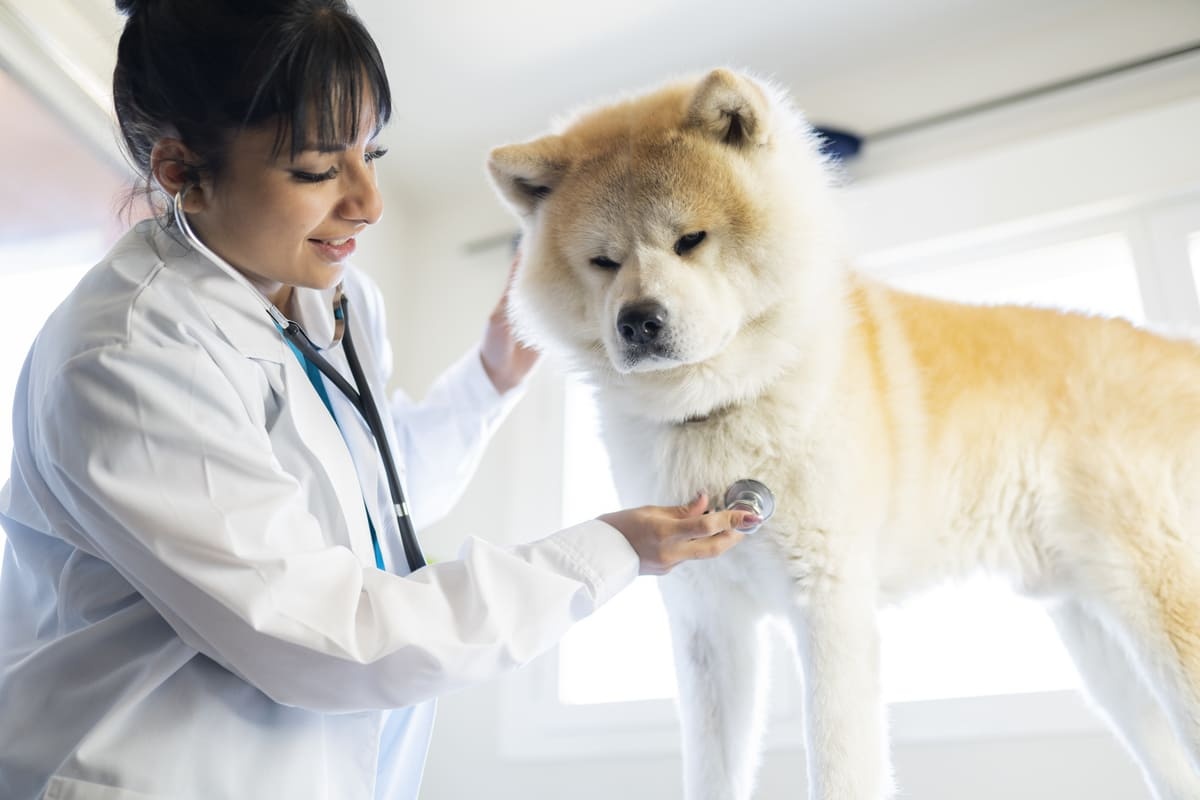
Melanoma stages in dogs are classified according to the size and spread of the tumor. Staging plays a critical role in determining the course of the disease and the treatment plan.
Stage 1: The tumor is less than 2 cm in diameter, and there is no spread to the lymph nodes. If diagnosed early, there is a high probability of complete removal by surgery.
Stage 2: The tumor is between 2–4 cm, and it has not yet metastasized to the lymph nodes. It can be controlled with surgery and additional treatments.
Stage 3: The tumor is larger than 4 cm and has spread to regional lymph nodes. At this stage, the disease progresses more aggressively.
Stage 4: Metastasis has occurred to distant organs (such as lungs, liver, and bones) via the bloodstream. Treatment is primarily aimed at preserving quality of life.
While the 1–4 staging system provides a general framework, the TNM staging system, which evaluates tumor size (T), lymph node involvement (N), and distant metastasis (M), is more technical and widely used in veterinary oncology.
How is Oral Melanoma Diagnosed in Dogs?
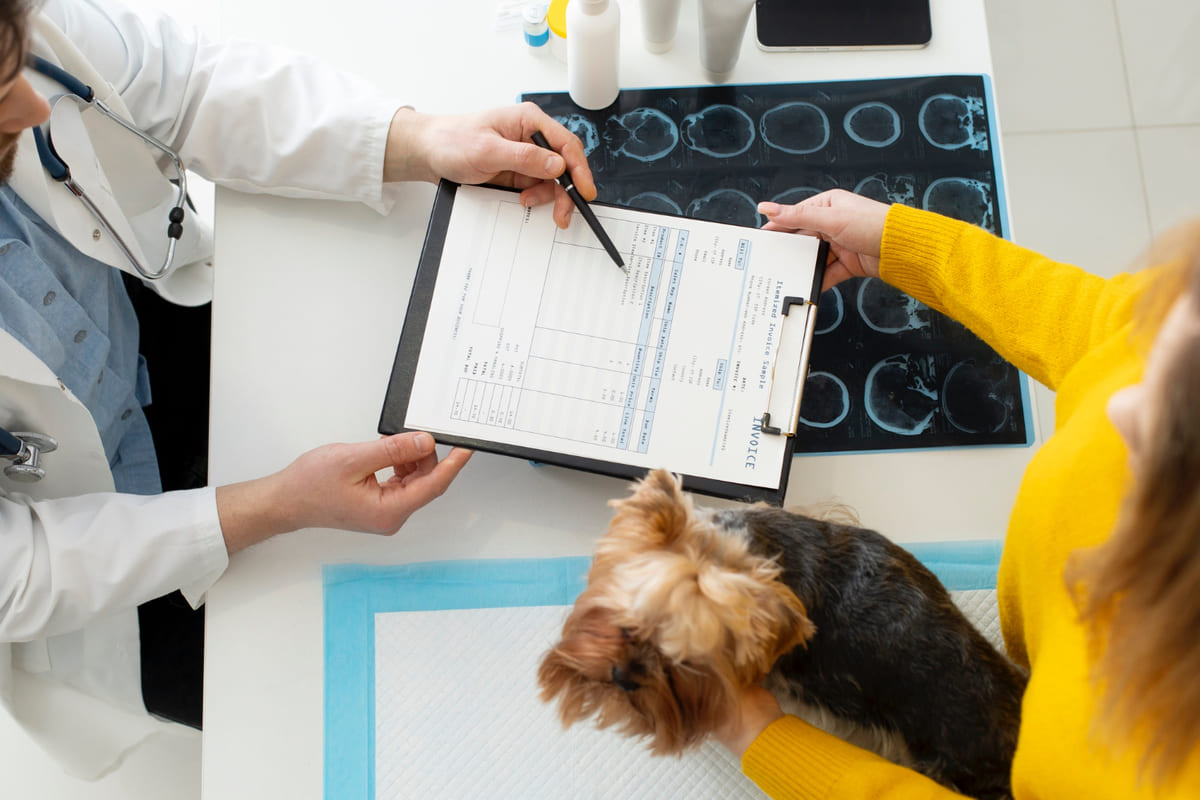
“How is melanoma diagnosed in dogs?” is one of the most frequently asked questions. A definitive diagnosis can only be made through clinical observation, biopsy, and laboratory examinations.
The first step is for the veterinarian to examine the oral cavity. Any suspicious mass seen in the mouth may appear as a simple gum inflammation or sore.
A biopsy is essential for a definitive diagnosis. A tissue sample taken from the tumor is sent for histopathological examination. This method confirms the uncontrolled proliferation of melanocyte cells in the mass. As stated in the Iowa State University Veterinary Medical Center source, a biopsy is essential for diagnosing oral melanoma.
Additional imaging methods may be used to support the diagnosis:
Radiography: Shows the spread of the tumor to the bone.
Computed tomography (CT): Creates a detailed map of the mass and surrounding tissues.
Magnetic resonance imaging (MRI): Effective in determining soft tissue invasion.
In the final stage, metastases in distant organs such as lymph nodes and lungs are investigated for staging. Thus, the treatment plan is determined in an individualized manner.
How is Oral Melanoma Treated in Dogs?
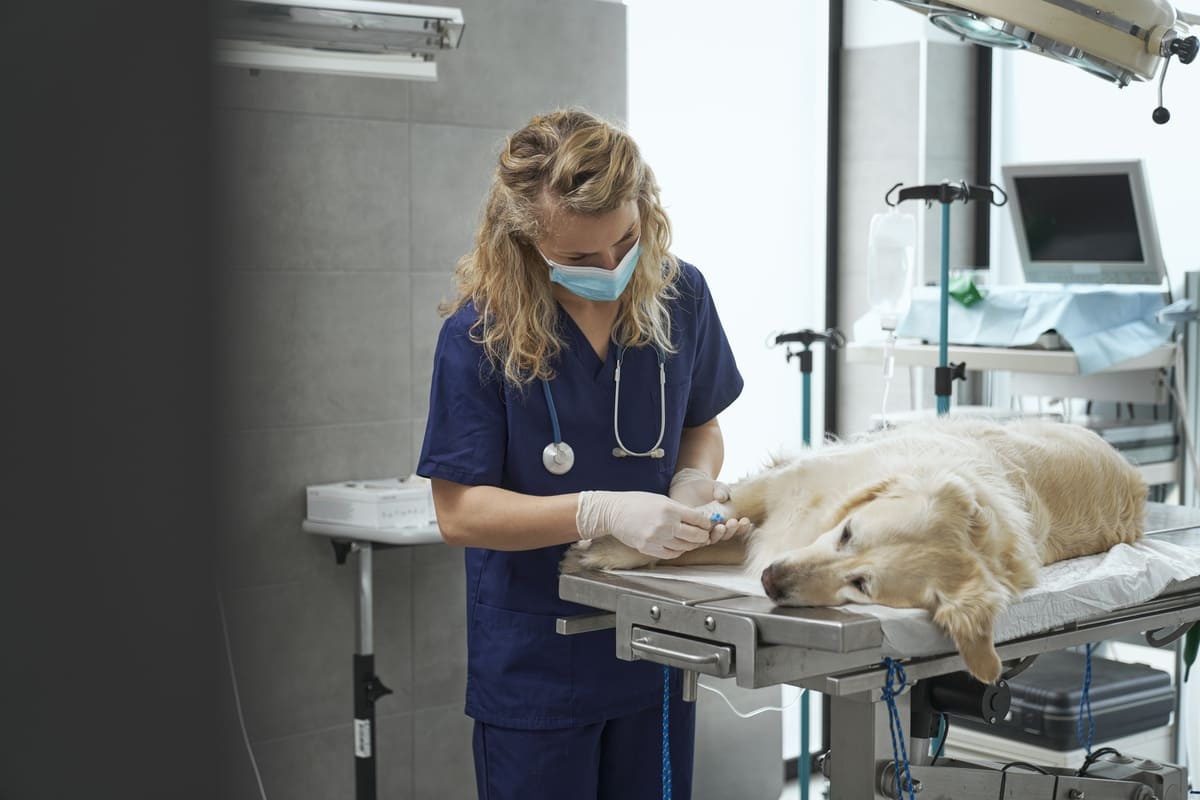
Treatment of oral melanoma in dogs; Treatment is planned according to the stage, size, and spread of the tumor. The chances of success are higher in cases diagnosed early. Treatment is generally multifaceted and may involve a combination of methods such as surgery, radiotherapy, chemotherapy, and immunotherapy.
Surgical Treatment: This is the most frequently preferred method. The aim is to remove the tumor with wide surgical margins. Surgical treatment of melanoma in dogs, especially in the early stages, has a high success rate. However, the tumor may have spread to the bone tissue, making the operation more difficult and requiring additional treatment processes. Radiotherapy: Applied when the tumor cannot be completely removed surgically or when the risk of recurrence is high. Cancer cells are targeted with high-energy beams. It is particularly effective in achieving local control. Chemotherapy: Melanomas are often resistant to chemotherapy. It is used in some cases to reduce the risk of metastasis. Immunotherapy and Vaccines: In recent years, immunotherapy has become a promising area in the treatment of melanoma in dogs. Melanoma vaccines can activate the immune system against tumor cells in selected cases. As stated in Today’s Veterinary Practice, this method can contribute to extending lifespan and improving quality of life.
Radiotherapy: This is applied when the tumor cannot be completely removed surgically or when the risk of recurrence is high. Cancer cells are targeted with high-energy beams. It is particularly effective in achieving local control.
Chemotherapy: Melanomas are often resistant to chemotherapy. It is used in some cases to reduce the risk of metastasis.
Immunotherapy and Vaccines: In recent years, immunotherapy has been a promising area in the treatment of melanoma in dogs. In selected cases, the melanoma vaccine can activate the immune system against tumor cells. As stated in Today’s Veterinary Practice, this method can contribute to extending lifespan and improving quality of life.
Is Oral Melanoma Preventable in Dogs?

While prevention of melanoma in dogs is not always possible, the chance of early diagnosis can be increased. Regular check-ups are of great importance, especially for dogs in the risk group. The following measures can be taken to support the health of dogs.
- Oral examinations should be added to routine health check-ups, especially for dogs over 7 years old.
- Dogs' gums and mouths should be checked several times a week. If any suspicious swelling, discoloration, or masses are observed, a veterinarian should be consulted immediately.
- Bad breath and saliva production should be monitored. Sudden changes may be a sign of a serious illness.
- Oral checks should be performed more frequently in breeds such as Golden Retrievers, Poodles, and Cocker Spaniels.
Frequently Asked Questions About Oral Melanoma in Dogs

Even a small change noticed in your dog's mouth can be a sign of a serious illness. At this point, the answers to the questions "what is oral melanoma, why is it so dangerous, and why is it common in dogs?" are vital. Understanding the disease correctly makes it easier to recognize the symptoms and intervene in time in the following steps. Here are some frequently asked questions and answers…
What is oral melanoma in dogs?
Oral melanoma in dogs is a malignant tumor originating from melanocyte cells that produce melanin pigment in the oral cavity. It most commonly appears on the gums, lip edges, palate, and tongue. While it is usually noticed as dark-colored masses, in some cases light-colored masses without pigment can also be seen. What are the symptoms of oral melanoma in dogs? The symptoms of oral melanoma in dogs vary depending on the stage of the disease. In the early stages, symptoms such as bad breath, increased salivation, and restlessness while chewing may be observed. In advanced cases, loosening of teeth, difficulty swallowing, bleeding, dark or light-colored masses in the mouth, and facial deformity may occur. These symptoms should be carefully evaluated as they can be confused with gum disease. Which dog breeds are at risk for oral melanoma? Although it can occur in any dog, some breeds have more pronounced risk factors for melanoma in dogs. Breeds such as Cocker Spaniels, Golden Retrievers, Poodles, Scottish Terriers, and Chow Chows are more susceptible to oral melanoma. Age also plays a significant role. The risk of developing this tumor increases in dogs aged 10 and over. Both breed predisposition and advancing age highlight the importance of regular oral examinations. How is oral melanoma diagnosed in dogs? The diagnosis of melanoma in dogs begins with a clinical examination by a veterinarian, but a biopsy is necessary for a definitive diagnosis. A tissue sample taken from suspicious masses in the mouth is sent for examination, and the cellular structure is analyzed. Imaging methods such as radiography, computed tomography (CT), and magnetic resonance imaging (MRI) may be used to support the diagnosis.
What are the symptoms of oral melanoma in dogs?
The symptoms of oral melanoma in dogs vary depending on the stage of the disease. In the early stages, symptoms such as bad breath, increased salivation, and restlessness during chewing may be observed. In advanced cases, loosening of teeth, difficulty swallowing, bleeding, dark or light-colored masses in the mouth, and facial deformities may occur. These symptoms should be carefully evaluated as they can be confused with periodontal disease.
Which dog breeds are at risk for oral melanoma?
Although it can occur in any dog, some breeds have more pronounced risk factors for melanoma. Breeds such as Cocker Spaniels, Golden Retrievers, Poodles, Scottish Terriers, and Chow Chows are more susceptible to oral melanoma.
In addition, age plays an important role. The risk of developing this tumor generally increases in dogs aged 10 and over. Both breed predisposition and advancing age highlight the importance of regular oral checkups.
How is oral melanoma diagnosed in dogs?
Diagnosis of melanoma in dogs begins with a clinical examination by a veterinarian, but a biopsy is necessary for a definitive diagnosis. A tissue sample taken from suspicious masses in the mouth is sent for examination, and the cellular structure is analyzed. Imaging methods such as radiography, computed tomography (CT), and magnetic resonance imaging (MRI) may be used to support the diagnosis.
What are the stages of oral melanoma in dogs?
Melanoma stages in dogs are determined by the size and spread of the tumor. This classification is crucial for determining the course of the disease and the scope of treatment.
Is treatment for oral melanoma in dogs possible?
Yes, treatment for oral melanoma in dogs is possible; the success rate varies depending on the stage of the tumor and the presence of metastasis. In the early stages, surgery is the most effective method because long-term control can be achieved when the tumor is removed with wide margins. In most cases, surgery alone is not sufficient. In this case, radiotherapy comes into play and can increase local control of the tumor by targeting the remaining cancer cells.
To which organs does oral melanoma metastasize in dogs? Oral melanoma is a highly aggressive tumor with a high potential for spread. The most common organ affected by metastasis is the lungs. The liver, kidneys, and bones are also among the affected organs. Therefore, chest radiography or CT scans of the lungs are standard procedures after diagnosis. What is the life expectancy of dogs with oral melanoma? The life expectancy of dogs diagnosed with oral melanoma varies depending on the stage of the disease. In early stages, surgery and radiotherapy can extend life expectancy up to one year. In moderate stages, this period may be reduced to a few months, while in advanced metastatic cases, it may be limited to 3-4 months. Immunotherapy protocols applied in recent years can significantly improve life expectancy and quality of life. However, each dog responds differently, and therefore it is not possible to give a precise timeframe.
Oral melanoma is a highly aggressive tumor with a high potential for spread. The most common organ to which it metastasizes is the lungs. The liver, kidneys, and bones are also among the affected organs. Therefore, chest radiography or CT scans to evaluate the lungs are standard procedures after diagnosis.
What is the life expectancy of oral melanoma in dogs?
The lifespan of dogs diagnosed with oral melanoma varies depending on the stage of the disease. In early stages, surgery and radiotherapy can extend life expectancy up to one year. In moderate stages, this period may be reduced to a few months, while in advanced metastatic cases, it may be limited to 3-4 months. Immunotherapy protocols applied in recent years can significantly increase life expectancy and quality of life. However, each dog responds differently, and therefore it is not possible to give a precise timeframe.
Does oral melanoma recur in dogs?
Unfortunately, yes. As stated in the VIN source, in oral tumors in dogs, the local recurrence rate exceeds 60% in cases where surgical margins are incomplete, while this rate is around 15-20% in cases where complete removal is performed.
The risk of recurrence increases depending on factors such as tumor size, location in the maxilla, and the narrowness of surgical margins. Therefore, regular check-ups and follow-up imaging are of great importance in the post-treatment process. Early detection of recurrence allows for the timely implementation of new treatment plans.
I noticed a lump in my dog's mouth, what should I do?
If you notice a lump or swelling in your dog's mouth, the first thing you should do is consult a veterinarian immediately. Not every lump in the mouth is cancer; some may be caused by infection or gum disease. Only a professional examination and biopsy can clearly determine this difference.
Attempting self-diagnosis or treatment at home wastes time and puts your dog's health at risk. Early intervention allows for treatment before the disease progresses, significantly increasing the chances of successful treatment.
Kaynaklar:
https://hospital.cvm.ncsu.edu/services/small-animals/cancer-oncology/oncology/canine-oral-melanoma
https://todaysveterinarypractice.com/oncology/diagnosis-and-treatment-of-canine-oral-melanoma/
https://vcahospitals.com/know-your-pet/oral-tumors-in-dogs-melanoma
https://southfields.co.uk/factsheet/oral-malignant-melanoma
https://www.mdpi.com/2306-7381/11/5/226
https://vetmed.iastate.edu/vmc/wpcontent/uploads/ISU20LVMC20Oncology20Canine20Oral20Malignant20Melanoma20Flyer.pdf
https://www.petmd.com/dog/conditions/cancer/melanoma-dogs-common-symptoms-causes-and-treatment
https://bluepearlvet.com/medical-articles-for-pet-owners/canine-oral-melanoma/
https://animaldentalspecialist.com/canine-oral-melanoma-om/
https://petcureoncology.com/oral-melanoma-in-dogs/
https://www.vin.com/apputil/content/defaultadv1.aspx?f5=1&id=8896607&pid=2291
Advertisement
Advertisement
Keep exploring
Continue reading
Dog Health
7 Mistakes Made in Dog Training and Correct Approaches
A dog's failure to respond immediately to commands is often interpreted as stubbornness or disobedience.
Read guide →
Dog Health
Symptoms, Causes and Treatment of Enlarged Heart in Dogs
Your dog stops earlier than usual during walks, stops playing quickly, has noticeably faster breathing when climbing stairs, or If your dog has a dry…
Read guide →
Dog Health
Beyond the Itch: Causes and Treatment Methods of Skin Diseases in Dogs
Skin diseases in dogs should not be perceived as merely negative changes in aesthetic appearance.
Read guide →
Dog Health
Joint Pain Symptoms, Diagnosis, and Treatment in Dogs, What Helps?
If you notice your dog having difficulty climbing stairs, not as eager to run as before, or limping on one leg while walking, your dog may have joint…
Read guide →