Colds in Guinea Pigs
Colds in guinea pigs are unfortunately a common condition that, if left untreated, can seriously threaten the health of our little friends. Typically starting in the upper respiratory tract, colds manifest themselves by causing watery and/or teary eyes, runny nose, loss of appetite, and respiratory…
Advertisement
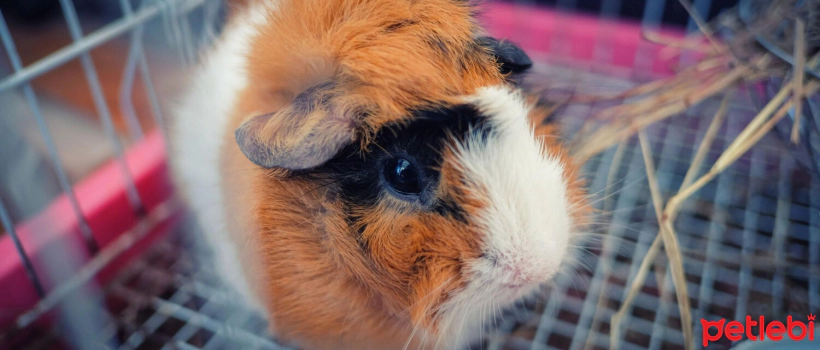
Colds in guinea pigs are unfortunately a common condition that, if left untreated, can seriously threaten the health of our little friends. Typically starting in the upper respiratory tract, colds manifest themselves by causing watery and/or teary eyes, runny nose, loss of appetite, and respiratory problems. While ensuring that their cages meet ideal conditions, conducting health checks, and providing them with a healthy diet are the first responsibilities that come to mind when it comes to keeping guinea pigs healthy and comfortable, it should not be forgotten that the temperature of their environment is also extremely important. For guinea pigs to be comfortable and safe from potential illnesses, their cages should be neither too cold nor too hot. It is equally important that their tiny bodies are not exposed to dramatic temperature changes: sudden temperature fluctuations can weaken their immune systems and reduce their resistance to many diseases. In this article, you can find valuable information about the symptoms, treatment, and prevention of colds in guinea pigs.
Symptoms of Colds in Guinea Pigs
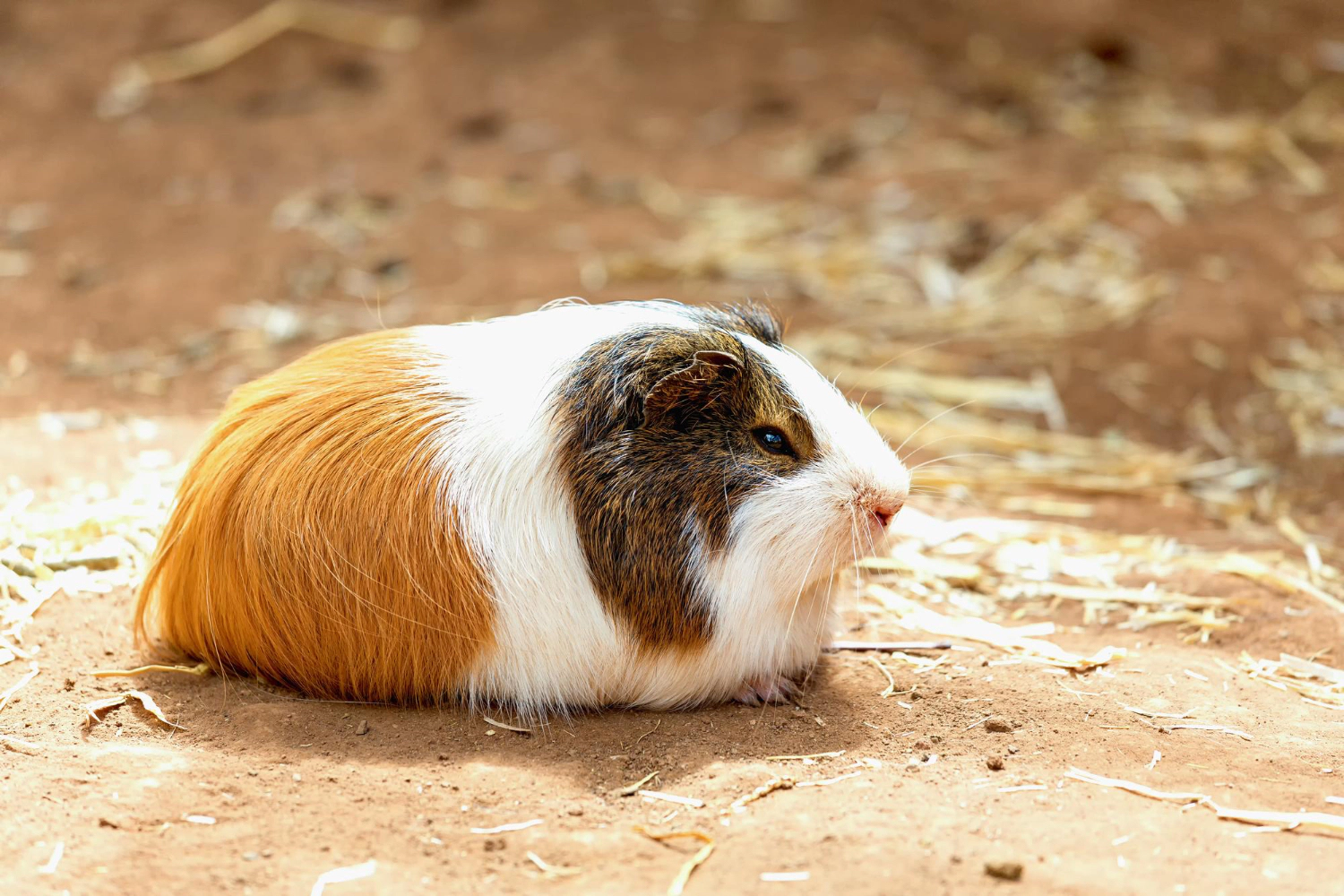
When the temperature of their environment drops below 15 degrees Celsius, symptoms of colds can appear in guinea pigs. If the temperature drops below 15 degrees Celsius, guinea pigs may get cold and their blood flow may slow down. If this natural reaction to cope with cold weather continues for a long time, various problems, primarily colds, may arise.
The optimal temperature range for guinea pigs to remain comfortable and healthy is between 18 and 22 degrees Celsius. However, simply maintaining the ambient temperature at these levels is not enough. Proper ventilation of their cages is equally important. Care should be taken to ensure the cages are not exposed to cold drafts. Sometimes, even if the ambient temperature is ideal, wet bedding or wood shavings can lead to various infections in guinea pigs. Therefore, the bedding and wood shavings chosen for guinea pig cages should have high absorbency and easy-drying properties.
Colds in guinea pigs can manifest with various symptoms: sneezing, shortness of breath, runny nose, watery or discharged eyes, and coughing are common cold symptoms. In addition to these symptoms, various signs of deteriorating general health may also be observed in guinea pigs. Loss of appetite is the leading symptom. Sick guinea pigs may have decreased appetite, significant drops in energy levels, and a high fever. If one or more of these symptoms are observed, it is important to have your guinea pig examined by a veterinarian and to implement treatment options as quickly as possible. Treatment for Colds in Guinea Pigs Treatment for colds in guinea pigs should begin promptly. This seemingly simple health problem can progress rapidly in pets with sensitive constitutions like guinea pigs and can even turn into pneumonia. In other words, an infection initially affecting the upper respiratory tract can also lead to infection of the lung tissue. By starting treatment processes before the health problem progresses, it is possible for guinea pigs to regain their health. Medication may be necessary as part of the treatment for colds in guinea pigs. At this point, it is absolutely crucial to follow the veterinarian's recommendations. Prescribed medications should be given to guinea pigs at the prescribed dose and frequency. Keeping guinea pigs comfortable and warm is also extremely important during treatment. Special care is recommended to help them regain strength and recover from the illness. If a guinea pig showing symptoms of illness is not alone in its cage, it must be kept separate from other guinea pigs. Care should be taken to ensure guinea pigs consume an ideal amount of fluids during treatment. If they refuse to drink water, they can be given warm water using a small syringe. Vitamin C is an organic compound that should always be present in a guinea pig's diet, but its importance increases for sick guinea pigs. Adding foods rich in Vitamin C to their diet can help them overcome the illness more easily. When a sick guinea pig begins treatment, its cage should be thoroughly cleaned before it is returned to its living area.
Treatment of Colds in Guinea Pigs
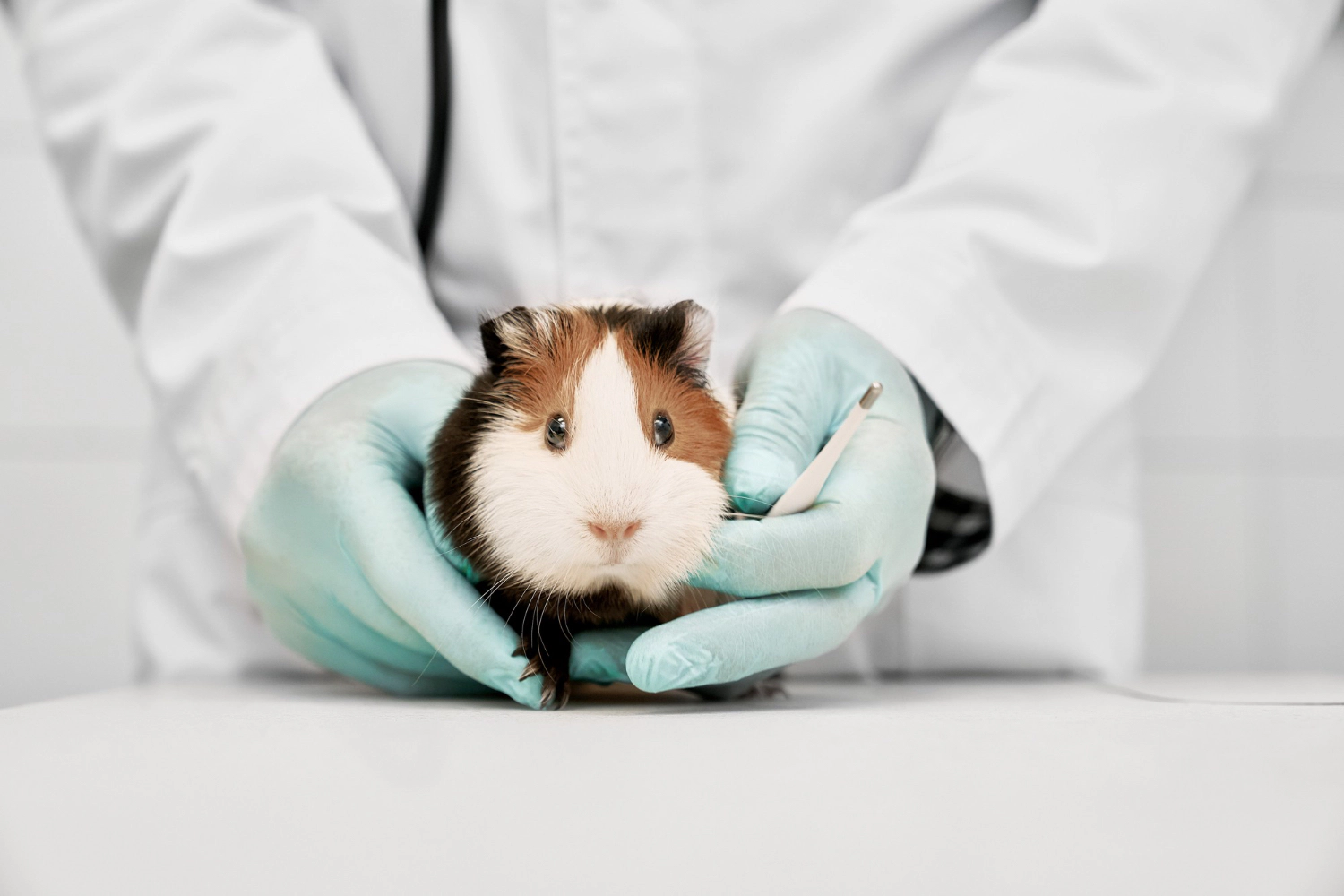
It is important to start treatment for colds in guinea pigs promptly. This seemingly simple health problem can progress rapidly in pets with sensitive constitutions like guinea pigs and even turn into pneumonia. In other words, an infection initially affecting the upper respiratory tract can also lead to infection of the lung tissue. By starting treatment before the health problem progresses, it is possible for guinea pigs to recover their health.
Medication may be necessary as part of the treatment of colds in guinea pigs. At this point, it is absolutely essential to follow the recommendations of a veterinarian. Prescribed medications should be given to guinea pigs at the prescribed dose and frequency.
Keeping guinea pigs comfortable and warm is also extremely important as part of the treatment. It is recommended that they be given special care to help them regain their strength and overcome the illness. If a guinea pig is showing signs of illness and is not alone in its cage, it must be kept separate from other guinea pigs. During treatment, care should be taken to ensure guinea pigs consume an ideal amount of fluids. If they refuse to drink water, they can be given warm water using a small syringe. Vitamin C is an organic compound that should always be present in a guinea pig's diet, but its importance increases for sick guinea pigs. Adding foods rich in Vitamin C to their diet can help them cope with the illness more easily. When a sick guinea pig begins treatment, its cage should be thoroughly cleaned before it is returned to its living area.
Preventing Colds in Guinea Pigs
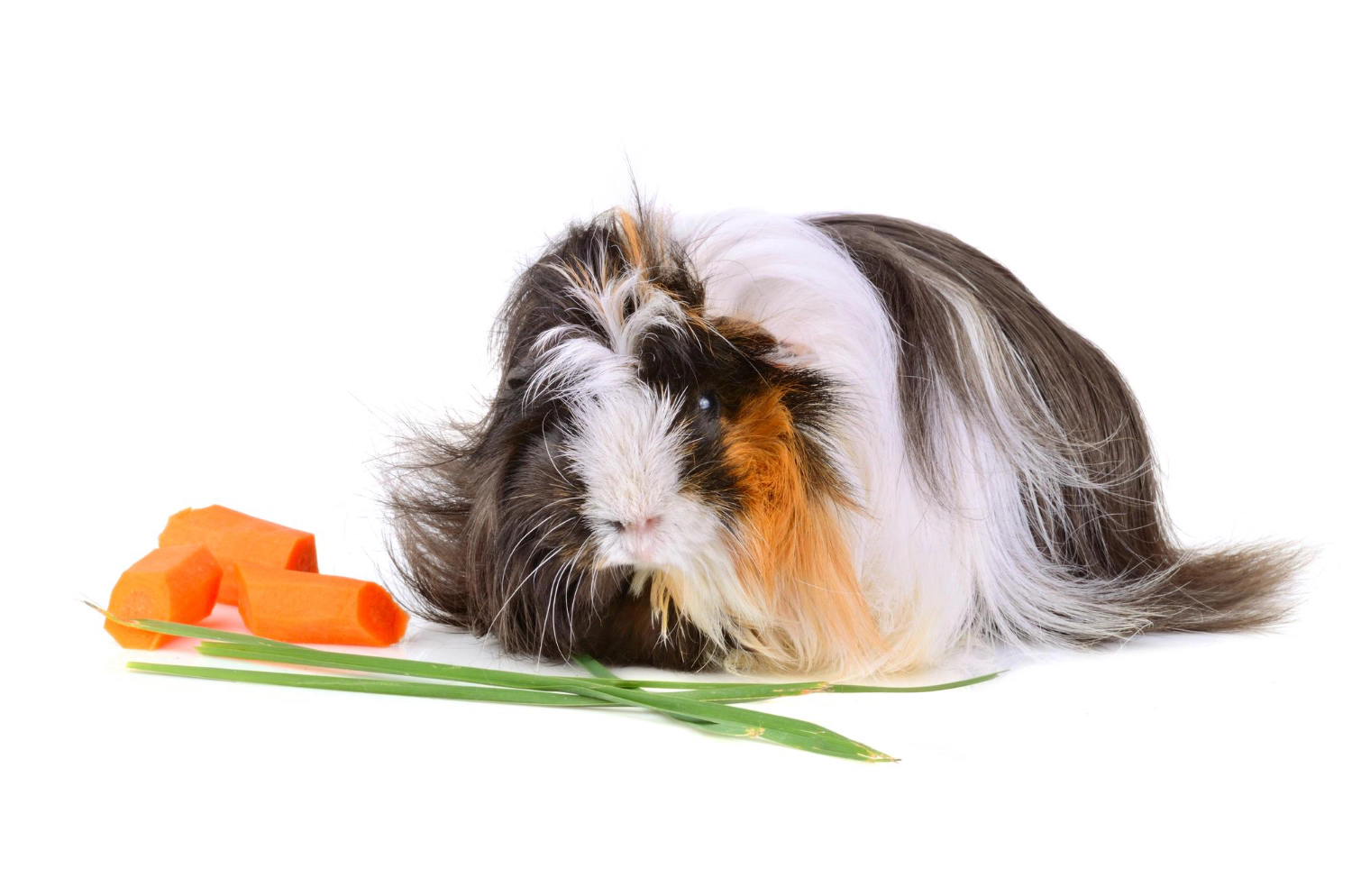
A common cold is a viral infection primarily affecting the upper respiratory tract. Since it can occur in all seasons, it is essential to keep the temperature of the environment where guinea pigs live under control. As mentioned earlier, the most comfortable temperature for guinea pigs ranges from 12 to 22 degrees Celsius. Ventilating their cages, preventing guinea pigs from being exposed to cold air currents while ventilating the cages, and regularly cleaning the cages are considered effective steps in preventing colds and other infections and diseases in guinea pigs.
Guinea pigs are quite sensitive to cold weather conditions. Leaving them outside during the winter months can seriously threaten their health. If they need to live outside in cold weather, additional precautions should be taken for guinea pigs. Their cages should be protected from rain, snow, and wind. If possible, cages should be moved to enclosed spaces. Alternatively, the living areas should be covered with a windproof, waterproof cover. Ensure that the cover does not prevent the cage from ventilating. To prevent guinea pigs from getting cold and to keep them warm, materials should be placed inside the cages that they can dig in and hide in. This can be done using pieces of fabric and small blankets, provided they are cleaned regularly. However, caution is advised, as these materials can become ideal breeding grounds for bacteria when wet, leading to bacterial infections in guinea pigs. Maintaining a strong immune system is crucial in preventing many illnesses, especially colds, in guinea pigs. Feeding them with high-quality, fresh food is critical for strengthening their immune system. Fresh grasses rich in Vitamin C, high-quality pellets, and fresh vegetables should be added to their diet. This will help maintain a strong immune system.
To prevent guinea pigs from getting cold in cold weather and to keep them warm, materials that they can dig and hide in should be placed inside their cages. For this, pieces of fabric and small blankets can be used, provided they are cleaned regularly. However, caution is necessary, as these materials, when wet, can become ideal breeding grounds for bacteria and cause guinea pigs to contract bacterial infections.
Maintaining a strong immune system is important in preventing many illnesses in guinea pigs, especially colds. Feeding them with high-quality, fresh food is critical for strengthening their immune system. Fresh grasses rich in vitamin C, high-quality pellets, and fresh vegetables should be added to their diet. This will help maintain a strong immune system.
Stress in guinea pigs can also weaken their immune systems and make them more susceptible to disease. To keep them from stress, their cages should be spacious and clean, and areas where they can hide should be provided. Since guinea pigs are social rodents, having another guinea pig in their cage to share their lives with helps reduce their stress. Therefore, it is recommended that those who own guinea pigs have at least two companions. Not neglecting their care routines and spending time with them are also steps that contribute to reducing their stress.
Advertisement
Advertisement
Keep exploring
Continue reading

Small Pet Care
Runny Nose in Rabbits: Causes, Symptoms and Treatment Methods
Rabbits are generally known for their quiet and calm nature. Therefore, they often don't openly show their discomfort.
Read guide →
Small Pet Care
Is a Guinea Pig the Right Pet for You?
Guinea pig Adopting a pet has become increasingly popular among animal lovers in recent years.
Read guide →
Small Pet Care
Hamsterlar Meyve Yiyebilir mi?
Can hamsters eat fruit? This is one of the most frequently asked questions by both new adopters and experienced parents.
Read guide →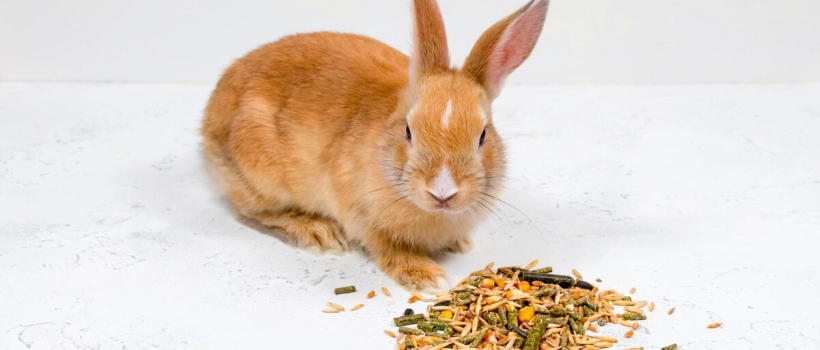
Small Pet Care
What Should Be Considered When Choosing Rabbit Food?
Rabbits are known for being cute and enjoyable creatures to care for. However, like all other pets, they have basic needs to live a healthy and…
Read guide →