Common Health Problems and Prevention in Guinea Pigs
Guinea pigs, one of the most beloved pet species due to their friendly attitude towards humans, energy, and cuteness, can live for a relatively long time compared to many rodent species when they receive the necessary care, remain under the control of a veterinarian, and of course, are fed a…

Advertisement
Guinea pigs, one of the most beloved pet species due to their friendly attitude towards humans, energy, and cuteness, can live for a relatively long time compared to many rodent species when they receive the necessary care, remain under the control of a veterinarian, and of course, are fed a healthy diet. Although generally considered healthy, guinea pigs, like all pets, can experience some health problems. In this article, we have prepared information about common health problems in guinea pigs, providing important information on guinea pig health. What are the Common Health Problems in Guinea Pigs? In guinea pigs living alone in their cages, health problems are shaped by factors such as aging, dental problems, reproductive problems, injury, digestive system problems, vitamin C deficiency, and inadequate care. Infectious diseases caused by viruses and bacteria are often a result of multiple guinea pigs living together. After a general introduction to guinea pig health problems, let's delve into the details of common health problems.
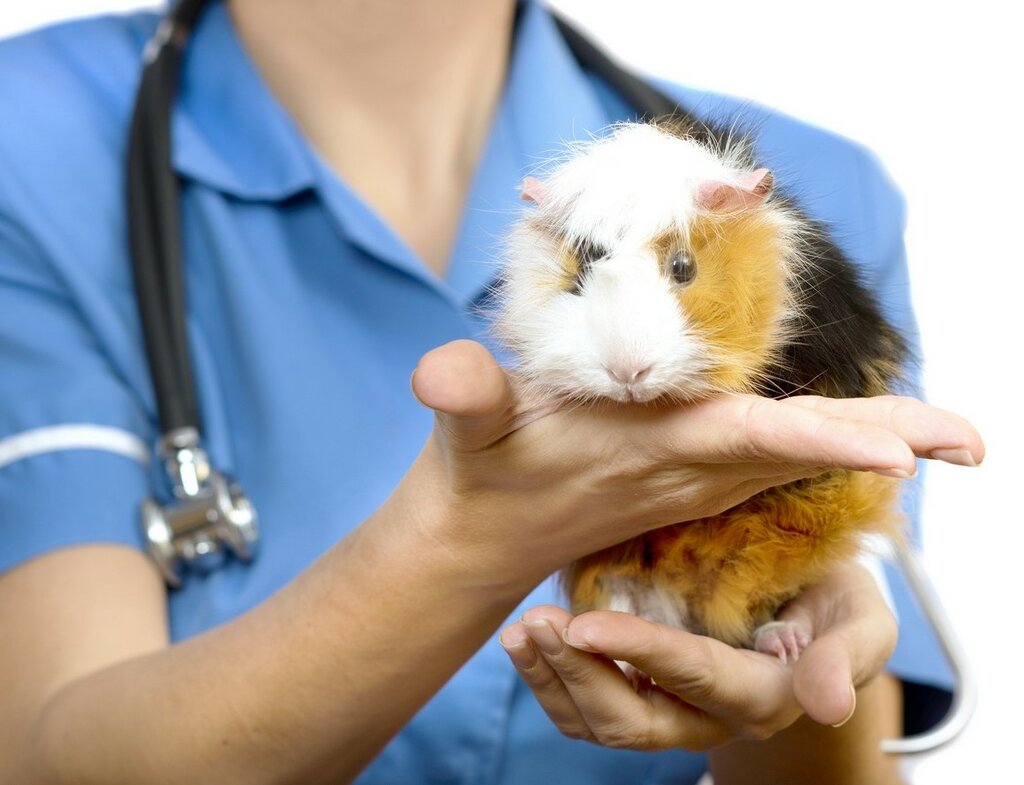
What are the Common Health Problems in Guinea Pigs?
Health problems in guinea pigs living alone in cages are shaped by factors such as aging, dental problems, reproductive problems, injury, digestive system problems, vitamin C deficiency, and inadequate care. Infectious diseases caused by viruses and bacteria are often a result of multiple guinea pigs living together. After a general introduction to guinea pig health problems, let's delve into the details of common health issues.
Stomach and Digestive System Problems in Guinea Pigs
Guinea pigs exhibiting symptoms such as less frequent or absent defecation, decreased appetite, and diarrhea should be examined by a veterinarian. These symptoms may be the result of viral infections, feeding errors, or dental and digestive problems.
Intestinal obstruction, also known as ileus, is a common health problem in guinea pigs. To prevent it, keeping dental health under control, adding fiber-rich foods to their diet, and avoiding sudden changes in their feeding plans are considered important steps. This problem, caused by gas accumulation in the gastrointestinal tract, can have serious consequences for guinea pigs. Sometimes, an underlying health problem can also lead to digestive system problems.
Vitamin C Deficiency (Scurvy) in Guinea Pigs
Vitamin C is an essential vitamin for guinea pigs; in other words, guinea pigs cannot produce the vitamin C necessary for their metabolism themselves. Therefore, it is essential that their diet contains sufficient vitamin C. Vitamin C plays a role in maintaining skin health, joint mobility, and gum health. If vitamin C deficiency occurs, guinea pigs can contract many diseases, including infections. Guinea pigs experiencing vitamin C deficiency may exhibit various symptoms such as decreased coat quality, swollen joints, sores on the skin or gums, and difficulty moving.
It is known that guinea pigs need 10-50 mg of vitamin C per day, and this amount can vary depending on age, stress level, and general health condition. To ensure they receive vitamin C, it is recommended to feed them pellet feeds containing vitamin C. Adding vitamin C to their water can change the taste of the water, reduce their water consumption, and since vitamin C degrades very quickly in water, its benefits may not be experienced. Dental Problems in Guinea Pigs Guinea pigs' front teeth and molars grow continuously. The anatomical structure of their teeth and their circular chewing movements are balanced; when this balance is disrupted, the risk of encountering dental and gum problems is very high. In addition to tooth growth, gingivitis can also occur in guinea pigs. The prominent causes of dental and gum problems in guinea pigs can be listed as follows: Insufficient fiber in their diet causes them to not exhibit ideal chewing behavior. Their teeth grow, and this can lead to tooth alignment problems.

Dental Problems in Guinea Pigs
Guinea pigs' front teeth and molars grow continuously. The anatomical structure of their teeth and their circular chewing movements are balanced; when this balance is disrupted, the risk of encountering dental and gum problems is very high. In addition to tooth growth, gingivitis can also occur in guinea pigs.
The prominent causes of dental and gum problems in guinea pigs can be listed as follows:
- Insufficient fiber in their diet prevents them from exhibiting ideal chewing behavior. Their teeth grow longer, which can lead to dental alignment problems.
- Insufficient exposure to sunlight and lack of calcium and vitamin D in their diet can cause their bones to soften. Pressure during chewing can cause alignment problems in their teeth and related dental diseases.
- The lengthening of their teeth is the most common cause of dental and gum diseases. They may injure themselves due to their long teeth while eating, and may avoid eating altogether.
Ectoparasites in Guinea Pigs
It is important to be aware of ectoparasites when it comes to health problems in guinea pigs. Guinea pigs that scratch and itch more than usual should be suspected of having external parasites. External parasites can be transmitted from one guinea pig to another, as well as from their toys. When adding a new guinea pig to their cage, it's important to ensure the new pet doesn't have skin problems. Also, when placing a new toy or other equipment in the cage, it's recommended to freeze it in the freezer for one day. Extreme cold is a practical way to eliminate parasites. Respiratory Diseases in Guinea Pigs Lung and respiratory diseases in guinea pigs can quickly lead to serious consequences. Therefore, if a specific symptom such as shortness of breath is observed, they should be examined by a veterinarian without delay. Pneumonia is a significant problem for them. This health problem, characterized by inflammation in the lungs, usually occurs due to bacterial infections. Although rare, it can also be caused by adenovirus. Runny nose, difficulty breathing, and sneezing are common symptoms. Along with pneumonia, guinea pigs may also experience conjunctivitis, fever, weight loss, loss of appetite, and depression.

Respiratory Diseases in Guinea Pigs
Lung and respiratory diseases in guinea pigs can quickly lead to serious consequences. Therefore, if a specific symptom such as shortness of breath is observed, it should not be neglected to have them examined by a veterinarian without delay. Pneumonia is a significant problem for them. This health problem, characterized by inflammation in the lungs, usually occurs due to bacterial infections. Although rare, it can also be caused by adenoviruses. Runny nose, difficulty breathing, and sneezing are common symptoms. In guinea pigs, pneumonia can be accompanied by conjunctivitis, fever, weight loss, loss of appetite, and depression. Tumors in Guinea Pigs While skin tumors and leukemia can occur in young guinea pigs, cancer types are generally not very common in guinea pigs under 5 years old. Benign skin tumors may appear on the base of the tail; treatment is surgical. Approximately one-quarter of tumors in guinea pigs affect the reproductive tract. In addition to tumors seen in the ovaries or uterus, cancer can also occur in the mammary glands of both female and male guinea pigs.
Tumors in Guinea Pigs
While skin tumors and leukemia can occur in young guinea pigs, cancer types are generally not very common in guinea pigs under 5 years of age. Benign skin tumors may appear on the base of the tail, and treatment is done surgically. Approximately one-quarter of tumors in guinea pigs affect the reproductive tract. In addition to these tumors seen in the ovaries or uterus, cancer can also occur in the mammary glands of both female and male guinea pigs.
Metastatic Calcification in Guinea Pigs
Metastatic calcification, which can be briefly described as the hardening of body tissues due to calcium accumulation, often causes life-threatening complications without showing any symptoms. This health problem, usually seen in male guinea pigs older than 1 year, may manifest with symptoms such as weight gain, increased urination, and stiffening of muscles and joints. The exact cause is unknown, but it is thought to be influenced by excessive calcium, phosphorus, and vitamin D in the diet, and a deficiency in magnesium. Therefore, it is important to include high-quality dry feed in their diet. These feeds help them obtain the necessary vitamins and minerals in a balanced way.
Inner Ear Infection in Guinea Pigs
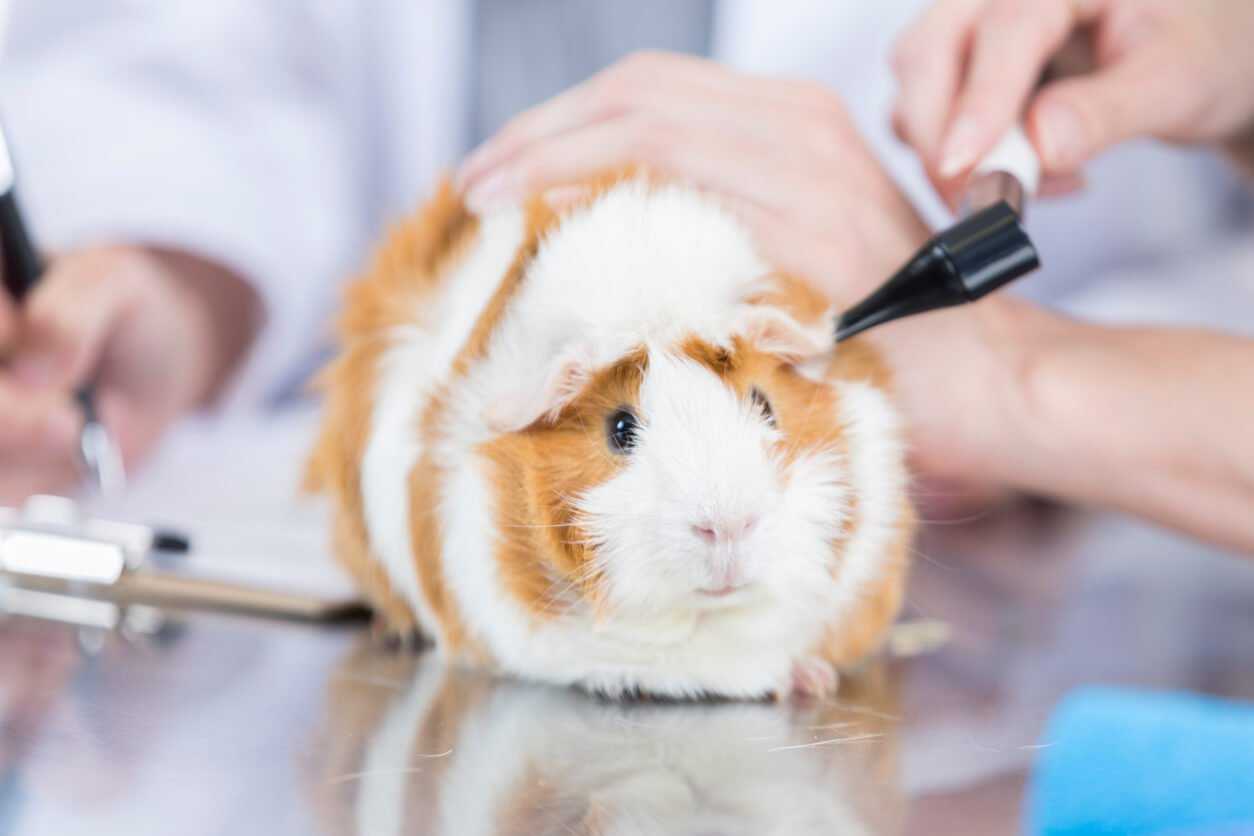
Inner ear infection is a common health problem in guinea pigs. Manifesting with symptoms such as head shaking, weight loss, and feeding problems, inner ear infection may require antibiotic treatment. In very rare cases, surgical treatment to puncture the eardrum and drain fluid from the inner ear may be necessary. Pregnancy, additional illnesses, and stress can increase the risk of infection in guinea pigs. Young guinea pigs are particularly susceptible to infections. The bacteria that cause the infection are; It can be transmitted in different ways, such as droplet inhalation, direct contact, or contact with contaminated objects. Infected guinea pigs may develop discharge from the eyes or nose, and sneezing and shortness of breath may be observed. If a guinea pig is breathing with its mouth open, it should be taken to a veterinarian immediately. Urinary Diseases in Guinea Pigs Guinea pigs are prone to the formation of urinary tract stones called uroliths. Stones can form due to inflammation, infection, and even dietary choices. While stones generally form in the bladder, it is also possible for them to be found in the kidneys or ureters. If stones block the urinary tract, they can be life-threatening and cause severe pain. Male guinea pigs have a higher risk of stone formation and urethral obstruction due to stone formation. This health problem, which requires urgent medical intervention; This can lead to symptoms such as not eating, making noises while urinating, blood in the urine, and inability to urinate. Tips for Preventing Health Problems in Guinea Pigs Not all diseases that guinea pigs are prone to can be prevented, however, many problems can be overcome with proper care and good observation. Healthy nutrition, monitoring the length of their teeth, washing hands before touching them, and seeking support from veterinarians when any changes in their health are observed can help them live a comfortable and healthy life. Since the symptoms of diseases in guinea pigs do not always appear clearly, regular veterinary check-ups should not be neglected. Regular health check-ups make it possible to diagnose diseases in the early stages before they show symptoms, as well as to take measures to support the health of this rodent species.
Urinary Diseases in Guinea Pigs
Guinea pigs are prone to the formation of urinary tract stones called uroliths. Stones can form due to inflammation, infection, and even dietary choices. While stones generally form in the bladder, they can also occur in the kidneys or ureters. If stones block the urinary tract, they can be life-threatening and cause severe pain. Male guinea pigs have a higher risk of developing stones and urethral obstruction due to stone formation. This health problem, which requires urgent medical attention, can cause symptoms such as loss of appetite, urinating noises, blood in the urine, and inability to urinate.

Tips for Preventing Health Problems in Guinea Pigs
While not all diseases that guinea pigs are prone to can be prevented, many problems can be overcome with proper care and careful observation. Ensuring they eat a healthy diet, monitoring the length of their teeth, washing your hands before touching them, and seeking veterinary support if you notice any changes in their health can help them live a comfortable and healthy life. Since guinea pigs don't always show obvious signs of illness, regular veterinary checkups are essential. Regular health checkups allow for early diagnosis of diseases that haven't yet shown symptoms, as well as enabling preventative measures to support the health of this rodent species.
Advertisement
Advertisement
Keep exploring
Continue reading

Small Pet Care
Runny Nose in Rabbits: Causes, Symptoms and Treatment Methods
Rabbits are generally known for their quiet and calm nature. Therefore, they often don't openly show their discomfort.
Read guide →
Small Pet Care
Is a Guinea Pig the Right Pet for You?
Guinea pig Adopting a pet has become increasingly popular among animal lovers in recent years.
Read guide →
Small Pet Care
Hamsterlar Meyve Yiyebilir mi?
Can hamsters eat fruit? This is one of the most frequently asked questions by both new adopters and experienced parents.
Read guide →
Small Pet Care
What Should Be Considered When Choosing Rabbit Food?
Rabbits are known for being cute and enjoyable creatures to care for. However, like all other pets, they have basic needs to live a healthy and…
Read guide →