Dog Behaviors: Get to Know Body Language and Its Meanings!
Dogs, even though they can't speak with words, can actually tell you a lot. Every movement, every posture gives clues about their emotional world and needs. Understanding dogs' behavior correctly helps build a stronger bond with them and prevent potential misunderstandings.
Advertisement
Dogs, even though they can't speak with words, can actually tell you a lot. Every movement, every posture gives clues about their emotional world and needs. Understanding dogs' behavior correctly helps build a stronger bond with them and prevent potential misunderstandings. In this article, you can discover ways to improve your communication with your dog by better understanding its body language.
The Role of Dog Body Language in Communication
Dogs communicate very effectively using their bodies. From ear position to tail movements, eye contact to body posture, many bodily cues help us understand their mood.
Understanding your dog's body language is the cornerstone of establishing accurate and healthy communication with it. Understanding your dog's emotional state allows you to respond appropriately. Calming a frightened dog or having fun with a happy dog depends on correctly interpreting these bodily signals. However, it's necessary to interpret a dog's movements as a whole. A dog wagging its tail isn't always happy. This movement can sometimes indicate tension or indecision.

Understanding Dog Body Language
To better understand your dog's body language, it's important to pay attention to different parts of its body. Ears, eyes, tail, and overall body posture offer important clues that help you understand what your dog is thinking and feeling.
Ear Movements and Meanings of Dogs
The position of a dog's ears provides quite clear information about their mood and can be considered a reflection of their interaction with the environment.
Ears Held Erect: Signs of Interest and Curiosity
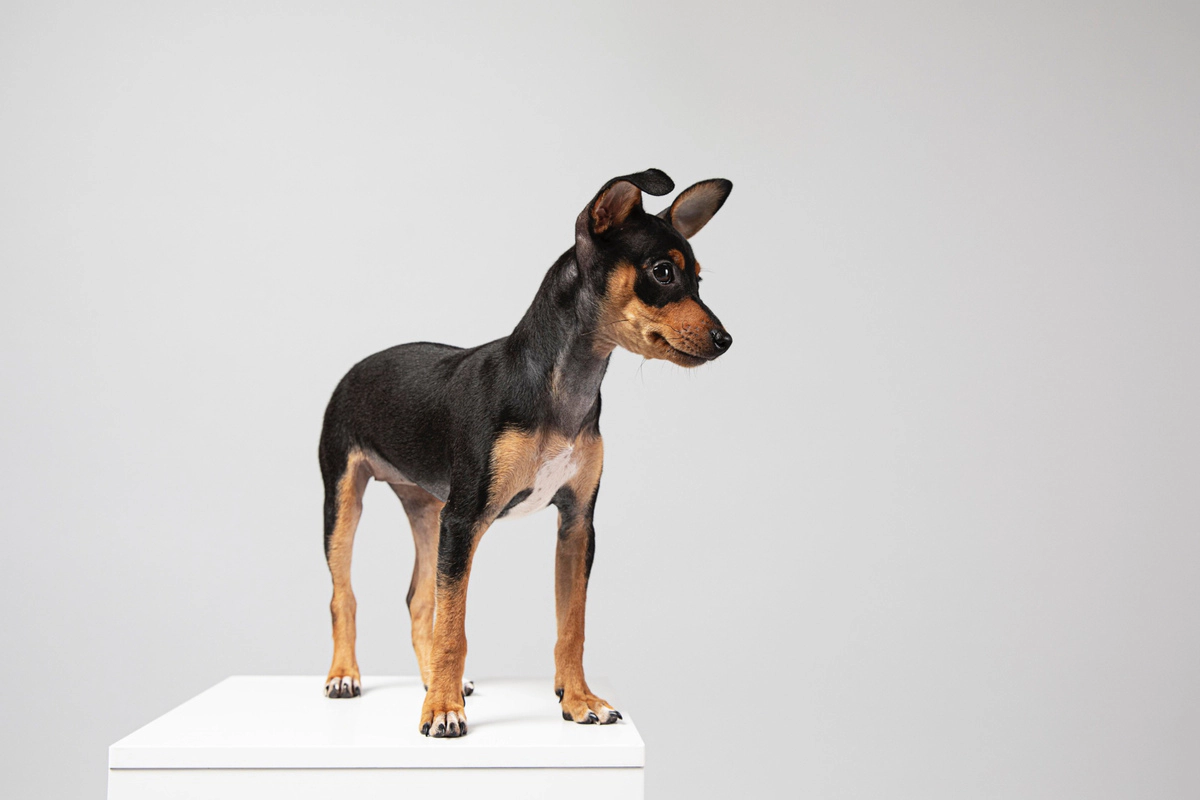
Ears held erect indicate that your dog is interested in and paying attention to what is happening around them. In this case, your dog may be interested in a new sound or sight. The barking of a strange dog or the flight of a bird may attract your dog's attention.
Flat Ears: Signs of Fear, Obedience, and Discomfort
Flat ears indicate that the dog feels threatened or is shy. This behavior can sometimes stem from anxiety experienced when the dog enters an unfamiliar environment or hears a loud noise. If your dog exhibits this posture, you should approach it gently to help it feel safe.
Dogs' Eye Movements and Their Meanings
Your dog's eyes provide important clues to understanding its emotional state. Movements such as eye contact or avoidance show how your dog is reacting to you or its surroundings.
Eye Contact: Trust, Threat, or Interest
Direct eye contact can indicate that your dog trusts you or is attentively focused on you. Intense and tense eye contact can also signify a perceived threat or challenge. It's preferable to avoid direct eye contact, especially when encountering a stranger dog. This will prevent you from sending the wrong message.
Avoiding Eye Contact and Blinking: An Attempt to Calm Down
If your dog avoids eye contact or blinks slowly, this is a sign that it wants to calm down or prevent tension from building in the environment. It particularly indicates your dog's attempt to relax in stressful or tense situations. Avoiding eye contact is an important calming signal to show that your dog doesn't perceive a threat.
Tail Movements and Meanings of Dogs
Tail movements give the clearest messages about your dog's emotional state. Factors such as whether the tail is high or low, the way it wags, and its speed provide information about what your dog is feeling.
Tail Raising and Wagging: An Expression of Happiness and Excitement
If your dog's tail is held high and wagging rhythmically, you can assume that your dog is happy and excited. This movement is often observed, especially when it sees a familiar face or is invited to a favorite play activity. In this case, interacting with your dog strengthens the bond between you.
Tail Tucked Between Hind Legs: An Expression of Fear or Anxiety
A dog with its tail tucked between its legs is an indication that it is experiencing fear or anxiety. In this case, it is important to reassure your dog, pet it calmly, and offer support. Leaving your dog alone in this state can increase its anxiety.
Tail Held Still or Wagging Rapidly: Aggression or Indecisiveness
If your dog's tail is wagging sharply or motionless, this is a sign that it perceives a threat and is in a defensive position. Rapid and sudden wagging of the tail may indicate that your dog is indecisive or tense. In this case, it is necessary to help your dog relax and eliminate the situation that is causing it distress.
General Body Posture and Positions of Dogs
Your dog's overall posture is also an important indicator of its mood and attitude towards its surroundings.
Relaxed Posture
If your dog's body is relaxed and loose, you can understand that it feels safe and content with its surroundings. Your dog will stand like this when it is happy and comfortable and does not perceive any threat.
Leaning Forward
Your dog leaning its body forward may indicate a perceived challenge or threat. This position expresses that your dog is trying to establish its boundaries or wants to make a strong statement towards its surroundings. It would be beneficial to be careful, especially when it displays this posture towards unfamiliar dogs, considering the potential for conflict.
Lying on its Back
Your dog lying on its back with its belly exposed is a sign of trust and comfort. This position shows that your dog completely trusts you or those around it, perhaps seeking some affection. If you pet your dog while it is in this position, the feeling of trust can be reinforced. However, not every dog that lies on its back and exposes its belly exhibits this behavior for the same purpose. Sometimes dogs may exhibit the same behavior as a reflection of the dominance they have established in their environment.
Body Language Analysis According to Dogs' Moods
Carefully analyzing your dog's body language is crucial for understanding its emotional state. The body language of a happy, frightened, aggressive, or anxious dog contains different signals.
Body Language of a Happy and Relaxed Dog
A happy dog usually reveals itself with a relaxed posture, gentle gaze, and a wagging tail.
A dog that wags its tail comfortably, keeps its ears relaxed, and has a gentle expression in its eyes is in a peaceful and contented mood. These signs indicate that your dog feels safe and at peace with its surroundings.
Body Language of a Dog That Wants to Play
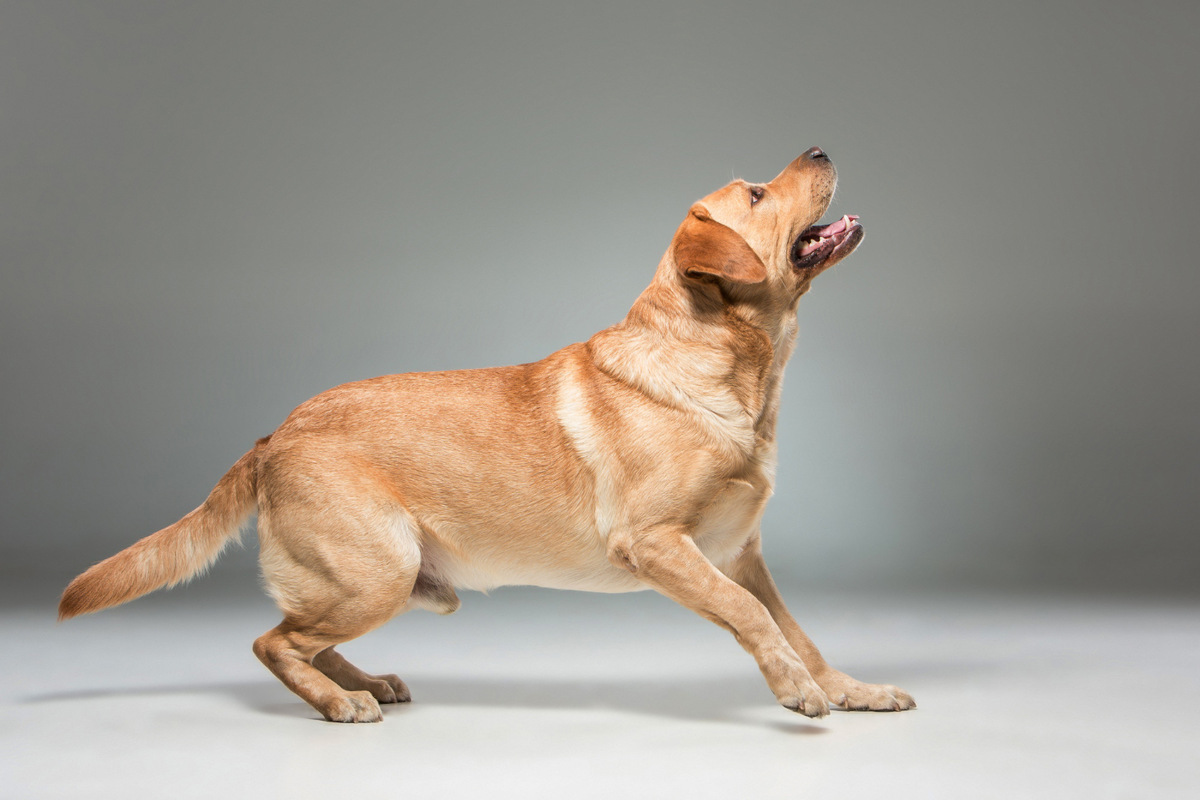
A dog inviting you to play will make energetic movements, placing its front paws on the ground and lifting the back of its body. This classic "play invitation" position shows that your dog is happy and energetic. Spending time with your dog in this position provides both a fun activity and strengthens the bond between you.
Body Language of a Frightened Dog
Understanding the behavior of a frightened dog is the first step to comforting it. The tail being between the legs and the ears being pulled back are the most obvious signs that your dog feels vulnerable. In this case, gently petting your dog and providing a comfortable environment will help reduce its fear.
Frightened dogs may frequently lick their lips, avoid eye contact, or withdraw in an attempt to reassure themselves. These signs are often observed when your dog feels uncomfortable, and it is important to give them more reassurance in such situations.
Sounds Accompanying Dogs' Body Language
Dogs can express many emotions through sounds they make in addition to body language. Vocal communication methods such as barking, howling, and growling offer important clues about what your dog is feeling and wants to convey. Correctly interpreting the meanings of these sounds helps you better understand your dog's needs.
Types and Meanings of Barking
A dog's barking is often a sign that they want to draw attention to a situation or are reacting to something. Not all barks mean the same thing. Different types of barks express your dog's different mood and the message it wants to convey.
- Warning Bark: Your dog may bark when it is drawn to a situation that it perceives as a threat. This bark is frequently observed when a stranger or animal approaches. Warning barks usually consist of strong, consecutive short barks.
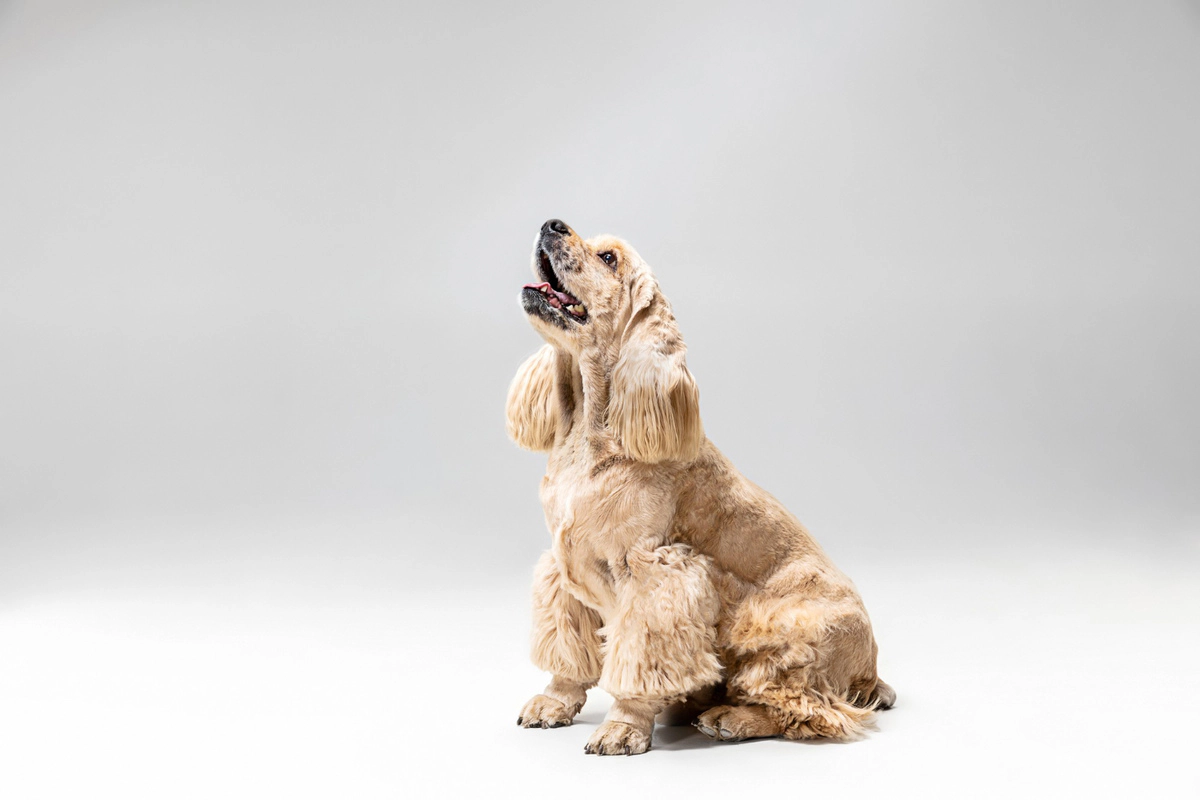
- Excitement Bark: Excitement barks are the type of bark you hear when your dog is happy and enthusiastic. Your dog may bark like this when it sees its owner or starts playing a favorite game. These barks are high-pitched and choppy.
- Loneliness Bark: Long, mournful barks heard when your dog has been left alone or abandoned for a long time are loneliness barks. This bark expresses the dog's desire to be reunited with you. It is a low-pitched, weeping-like bark.
One of the best ways to understand your dog's barking is to pay attention to the body language it displays during barking. For example, during a warning bark, your dog's body may be tense, its ears erect, and its gaze focused. In an excited bark, the dog often completes its posture with energetic movements and tail wagging. To understand barking, it is very important to look not only at the sound but also at the dog's overall posture.
Howling and Its Meanings
Howling is an older and more natural form of communication for dogs. Howling, which wolves use to maintain their connection within the pack, is used by dogs for similar purposes.
- Flock Gathering: Dogs sometimes howl instinctively. This behavior reflects the need to communicate with other members of the pack and can often become a "gathering call" as other dogs join in the howling.
- Loneliness Howl: Howling when your dog is alone or feels lonely is a type of cry for help. This howl is an expression of your dog's desire to alleviate its feeling of loneliness and reconnect with you.
For more detailed information, you can check out our content on Why Do Dogs Howl? Why Do Dogs Howl at Night and During the Call to Prayer?
Growling and Its Meanings
Growling is a behavior your dog usually exhibits when it feels discomfort, fear, or aggression. Correctly interpreting the meaning of growling will help you understand how to handle this behavior in your dog.
- Defensive Growling: When your dog growls when it feels threatened, it's an indication of a defensive attitude. This type of growling can be seen with the ears flattened back, the tail between the legs, and the dog's body withdrawn.
- Aggressive Growling: If your dog growls with a tense body, eyes fixed on a single point, and a raised tail, this is a sign of aggressive behavior. In this case, the safest approach is to avoid approaching the dog and try to eliminate the situation that is bothering it. If your dog growls aggressively at an approaching creature while you are outside, it is best to hold its leash tighter and move away from the area. For detailed information about dog sounds and their meanings, you can click here.

Messages Conveyed by Dogs' Body Language in Social Interaction
A dog's social structure influences how they interact with both other dogs and humans. These social behaviors enable them to live in harmony with their environment.
Social Interactions with Other Dogs
Interactions between dogs range from friendly play to displays of power. Understanding how these interactions occur can help your dog develop its social skills.
- Friendly Approach: One of the signs of dogs interacting in a friendly manner with other dogs is a soft and relaxed body posture, and a loosely wagging tail. Approaching each other with their heads bowed is an indication of a "friendly" approach.
- Play Behaviors: When dogs want to play, they place their front paws on the ground and lift their hindquarters, exhibiting a posture called the "play bow." This movement indicates that the dog is inviting another dog or its owner to play and is often accompanied by enthusiastic tail wagging.
- Signs of Aggression: Signs such as a harsh stare, an erect and fixed tail, and a bowed body are indicators of an aggressive posture. These behaviors may occur when your dog feels threatened or wants to protect its territory. If your dog is not socializing with other dogs, you can consult your veterinarian, seek professional help, or find detailed information in our article titled "What Should You Do If Your Dog Is Not Socializing with Other Dogs?"
- Dominance Signs: Indicators of dominance in dogs are revealed through body language such as an upright posture, holding the head high, and direct eye contact with other dogs.
Social Interactions with Humans
Dogs' relationships with humans form an important part of their social lives. Various behaviors exhibited by dogs in this relationship help us understand their emotions and intentions.
- Climbing onto Laps: A dog's behavior of climbing onto laps is a sign that it expects attention and affection. This is a behavior frequently observed, especially in puppies. If your dog wants to climb onto your lap, you can assume that it wants to feel safe and establish closeness with you.
- Affection Shows: Dogs may lean towards you to have their heads petted or place their paws on you. These types of affectionate behaviors reflect the strong bond between you and the trust your dog has in you. For more information, you can read our article "Does Your Dog Trust You? How to Gain Trust in Dogs?".
- Suspicious Behaviors: If your dog is distant, withdrawn, or keeps its ears flat towards a stranger, it indicates a suspicious attitude. In this case, it is important to give your dog time without forcing it and allow it to gain trust.
- Fearful Behaviors: If your dog shows signs such as tail between its legs, crouching, or rapid breathing, this indicates that it is afraid. In this case, adopting a calm and gentle approach will help your dog feel safe.
How to Use Your Dog's Body Language for Training and Communication
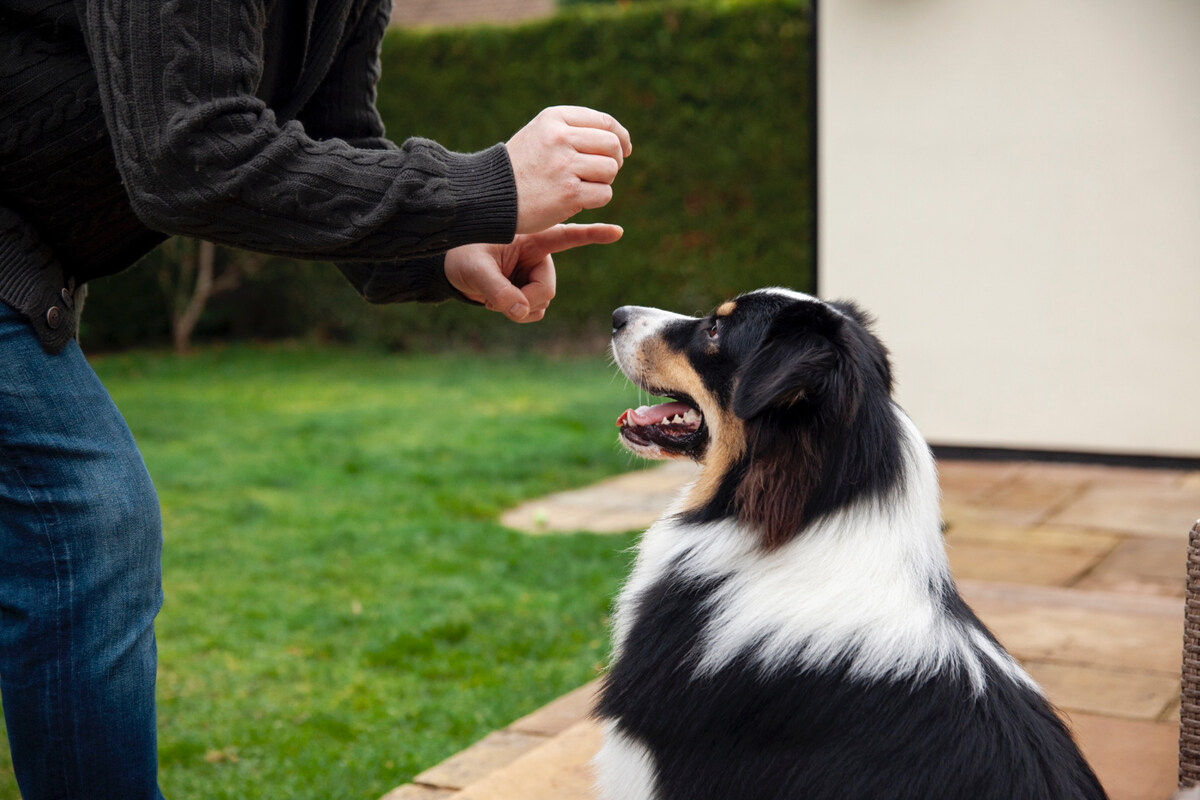
Paying attention to your dog's body language during training helps you accurately understand its reaction to the training process. Additionally, it allows you to more effectively determine your training methods and approach.
Determining Training Time by Understanding Your Dog's Mood
Understanding when your dog is receptive to learning, stressed, or tired is one of the most important ways to succeed in the training process. By choosing methods appropriate to your dog's body language during training sessions, you can act in harmony with it.
Identifying the Right Time for Positive Reinforcement
Positive reinforcement is a highly effective technique in dog training. When using this method, it is crucial to identify moments when your dog is relaxed and receptive to learning. Using positive reinforcement when your dog is happy and attentive will help your dog learn new behaviors faster. You can also use dog treats to reinforce your dog's behavior. Reinforcing the desired behavior at the right time is very important in dog training.
Using Body Language When Intervening in Misbehaviors
To correct misbehaviors, it is necessary to correctly understand your dog's body language and intervene accordingly. In this way, you can correct misbehaviors without experiencing tension and without increasing your dog's stress.
Calming Techniques and the Importance of Maintaining a Calm Posture
Staying calm when faced with inappropriate behavior and reflecting that calmness back to your dog helps them calm down as well. In a tense environment, reassuring your dog by correctly interpreting their signals is one of the most effective ways to prevent such behavior in the future.
Frequently Asked Questions
Dogs' body language is an important communication tool that helps us understand their emotional state and needs. You can find the most frequently asked questions and answers about dogs' body language in this section of our content.
Does my dog wagging its tail always mean it's happy?
No, your dog wagging its tail doesn't always indicate happiness. The way the tail wags, its position, and speed can have different meanings. A high, rhythmic wagging tail usually indicates happiness, while a stiff, fast wagging tail may signify tension or indecision. Therefore, it's important to consider the way your dog wags its tail together with its overall body posture.
What should I understand when my dog's ears are flattened?
Flattened ears can indicate that your dog is scared, uncomfortable, or in a submissive mood. This shows that the dog feels threatened or is experiencing some kind of stress. If you observe this frequently, it will be helpful to keep your dog in a relaxing environment and make it feel safe so that it can relax.
How can I recognize the body language of an aggressive dog?
The body language of an aggressive dog is quite telling. Signs such as a tense posture, intense stares, baring teeth, and low-frequency growling indicate this. A stiff and motionless tail can be a sign that the dog feels threatened and is preparing to defend itself or attack. In such a situation, it is very important to remain calm and avoid approaching the dog directly.
My dog avoids eye contact, is this normal?
Yes, it is often normal for your dog to avoid eye contact and is a sign that it is exhibiting calming behavior. Dogs may avoid eye contact to show that they do not feel threatened or to avoid tension. This can also indicate that your dog wants to relax. It's important not to confuse this behavior with aggression and to approach your dog with understanding.
Kaynaklar:
https://www.akc.org/expert-advice/advice/how-to-read-dog-body-language/
https://www.petmd.com/dog/behavior/how-to-read-dog-body-language
https://www.rspca.org.uk/adviceandwelfare/pets/dogs/behaviour/understanding
https://www.dogstrust.org.uk/dog-advice/understanding-your-dog/body-language
https://positively.com/dog-training/article/communication-canine-body-language
https://www.guidedogs.org.uk/getting-support/information-and-advice/dog-care-and-welfare/dog-body-language/
https://www.purewow.com/family/dog-body-language
https://bowwowinsurance.com.au/pet-community/pet-talk/dog-communication-body-language/
Advertisement
Advertisement
Keep exploring
Continue reading

Dog Behavior & Training
Seeing a Dog in a Dream: From White Dogs to Attacks, From Feeding Dogs to Being Bitten, All Meanings
Seeing a dog in a dream sometimes leaves a warm feeling of friendship, and sometimes creates a tension that makes you think even after waking up.
Read guide →
Dog Behavior & Training
Why Do Dogs Fear Fireworks?
Fear of fireworks in dogs is a common problem many people encounter during Christmas, holidays, or celebrations.
Read guide →
Dog Behavior & Training
Can Dogs Be Left Alone at Home?
Before adopting a dog, it is essential to carefully consider the responsibilities this new friend will bring and how these responsibilities will…
Read guide →
Dog Behavior & Training
Most Common Behavioral Problems in Dogs
Behavioral problems in dogs are often misunderstood and mishandled by dog owners. This is especially common among first-time dog owners.
Read guide →