Hamster Species, Care, Feeding and Characteristics
Hamsters, which have found a place in the homes and hearts of millions of animal lovers, are among the most popular pets due to their cuteness and relatively easy care requirements. However, it is not possible to define them simply as tiny rodents.

Advertisement
Hamsters, which have found a place in the homes and hearts of millions of animal lovers, are among the most popular pets due to their cuteness and relatively easy care requirements. However, it is not possible to define them simply as tiny rodents. Hamsters' needs and behaviors can vary depending on their species.
In this article, you can find important information about hamster types, hamster care, feeding, and supporting the health of hamsters; you can improve the quality of life of the hamster you will adopt.
What is a Hamster?

Hamsters are small and cute mammals belonging to the rodent family. Their physical characteristics include a rounded body, short legs, and an almost invisible tail. Their physical structure has evolved to adapt to living in underground tunnels. Their almost invisible tails and flexible body structure support their survival in their natural environment.
They can carry and store food thanks to their cheek pouches. They are particularly known for being nocturnal; that is, they are more active during the night. Being active at night feeds their instincts for exploration and hiding, helping them cope with the challenges they encounter in their natural environment. However, as we will detail shortly, it is important to know that they are nocturnal before adopting one.
Hamsters, who prefer to live in tunnels in the wild, can exhibit the same tunnel-digging behavior in a cage at home. These behaviors are also detailed in Live Science, a resource that provides comprehensive information on hamster care.
Appropriate care conditions are also very important for hamsters to live a healthy life at home. Balanced nutrition, appropriate cage selection, and regular cleaning are among the basic requirements for hamsters to live in a comfortable environment.
Hamster Species

Hamsters have a wide variety with different species and unique characteristics. Each species shows significant differences from its physical structure to its behavior, living space, and care requirements. Here are the most common hamster species and their notable characteristics:
Suriye Hamsteri (Golden Hamster)
The Syrian hamster is one of the best-known hamster species and is approximately 15-18 cm long and weighs 120-150 grams. They prefer to live alone and, with proper care and attention, can lead a healthy life.
A balanced diet should be provided for their nutrition, consisting of high-quality pellet feed, fresh vegetables, and fruits. It is very important to always have clean and fresh water available in their cages. Although their average lifespan is short, around 2-3 years, regular veterinary checkups and proper nutrition play a major role in ensuring a healthy life.
Although they are quite curious and active animals, they don't particularly like being held. They can happily spend time in their own designated living space. Choosing a large and spacious hamster cage is important for their comfort. The interior of the cage, as well as the cage itself, requires care.
The cage must include a running wheel, a hiding place, and hamster toys. Thanks to this equipment, they can remain happy and healthy both physically and mentally.
Dwarf Campbell Hamster
Campbell hamsters, measuring 5-7 cm in length and weighing a maximum of 70 grams, are popular for their striking physical characteristics and cute appearance. Their diet should include vegetables, protein-based foods, and hamster food; sugary foods should be avoided due to their predisposition to diabetes.
Choosing the right food plays a significant role in maintaining their health. Due to their delicate nature, regular cage cleaning and hygiene are necessary. Otherwise, they may experience health problems.
Although they prefer to live in pairs due to their social nature, it is important to properly introduce the individuals to be kept together. Their variety of colors, such as gray, brown, and white tones, increases their diversity. Careful planning of their care and feeding regimens is recommended for them to lead a healthy and happy life.
Sibirya Hamsteri (Winter White)
This hamster species, also known as the Winter White, is particularly noticeable for its fur turning white during colder months, and this seasonal color change gives them a unique appearance. While their fur turns white in winter, it returns to darker tones in summer.
With a gentle, friendly, and calm nature, the Siberian hamster can exhibit a more social character compared to other hamster species. They are quite easy to care for. Although they don't need a large cage due to their small size, the cage should definitely contain rodent bedding and chew toys. You can find our article "What is Hamster Bedding? What is it Used For?" here.
Chinese Hamster
Distinguished from other hamster species by its slender and elongated build, the Chinese hamster can grow up to approximately 9 cm in length. Although shy, it can become accustomed to humans over time. A balanced diet is important in its feeding regimen. In addition to pellet feed, it should be supplemented with fresh vegetables and fruits.
When arranging its living space, a cage with narrowly spaced wires should be preferred, and areas where the hamster can hide should be provided. During the breeding season and especially for the healthy growth of the pups, a protein-rich diet is necessary. These arrangements will help meet both their physical and behavioral needs.
Roborovski Hamsteri
Roborovski hamsters, one of the smallest hamster species in the world, only grow to a length of 5 cm and are known for their extremely fast and agile nature. Although they are more social than other hamster species, care should be taken when forming groups, and compatible individuals should be brought together.
Their diet consists mainly of nuts, vegetables, and small amounts of protein. Therefore, a balanced diet should be provided. Due to their small size, care should be taken in cage arrangements, and a safe environment should be created. Also, due to their energetic nature, it is very important to have equipment that will support their activities, such as exercise wheels, tunnels, and play areas.
European Hamster
Reaching lengths of 26-34 cm, the European hamster has a strong build. However, its mobility may be less than other species. It generally prefers to live alone and is not social. Fresh vegetables, root vegetables, and seeds are important in its diet, so a balanced diet is necessary. They are known to hibernate when the air temperature drops below 10 degrees Celsius.
For both the physical and mental health of this species, having a living environment that resembles its natural habitat is of great importance. It is especially happy when an arrangement that mimics its natural habitat is made within a large cage.
Hamster Characteristics

The prominent hamster characteristics mentioned in the RSPCA source can be listed as follows:
- Although hamsters generally live up to two years, some can live longer.
- Hamsters, who like to hoard their food, get their name from the German word "hamstern," meaning to hoard. The Syrian hamster, in particular, can carry up to half its body weight in food in its cheek pouches.
- There are 24 species of hamsters, belonging to the Cricetidae family. The most common pet species include Syrian, Chinese, Campbell dwarf, Siberian, and Roborovski dwarf hamsters.
- Hamsters, who love to explore their surroundings, use their whiskers to sense objects around them. Their whiskers vibrate up to 30 times per second during various behaviors, creating a whisker-waving motion. This movement allows them to gather information about nearby objects.
- They love to dig. They prefer terrestrial life; they build nests in tunnels they dig in dry, rocky plains or slopes with light vegetation. Some species have well-developed ear flaps that prevent soil from entering their ears while digging.
- Like all rodents, their teeth grow continuously. Their teeth have a special system that sharpens them by rubbing against each other during gnawing.
- Hamsters, possessing well-developed senses of smell, hearing, and touch, effectively use these senses to detect predators.
- Being nocturnal, hamsters have large eyes that can be effective in low-light conditions.
- Intelligent and quick learners, hamsters can be trained to come when food is offered or to perform simple tricks.
- While adult Syrian hamsters generally live alone in the wild, some species, such as the Roborovski dwarf hamster, naturally live in groups. They quickly establish a hierarchy when they first meet. In a similar situation, the dominant animal may become aggressive.
- Domestic hamsters also generally prefer to live alone. This characteristic is an important factor that distinguishes them from other rodent species.
How to Care for a Hamster? Hamster Care and Tips

For hamsters to live healthy and happy lives, their living spaces must be cleaned regularly. Wood shavings, sand, or similar bedding materials inside the cage should be replaced weekly; hamster waterers, hamster food bowls, toys, and other accessories should be washed regularly. This cleaning routine prevents the formation of bacteria and bad odors, protecting your hamster's respiratory and skin health.
Feeding is another fundamental element of hamster care. Your hamster's diet should include quality hamster pellets, fresh vegetables and fruits, and occasional protein sources. Providing hamsters with suitable materials to gnaw on helps balance the continuous growth of their teeth and supports their dental health. Ensuring a balanced diet helps hamsters stay energetic and develop healthily. Regular veterinary checkups are necessary to closely monitor hamster health. The veterinarian can examine important parameters such as tooth length, weight, behavior, and overall health, allowing for early diagnosis and treatment of potential illnesses. This supports your hamster's quality of life and lifespan. Finally, creating an environment that supports hamsters' natural behaviors is also crucial. Considering their instincts to explore and hide, the cage should include hamster beds and houses, hiding places, and exercise toys. Avoiding sudden and unnecessary changes keeps stress levels low, ensuring your hamster feels safe and secure.
Regular veterinary checkups are necessary to closely monitor the health of your hamster. The veterinarian can examine important parameters such as tooth length, weight, behavior, and general health status, allowing for early diagnosis and treatment of potential diseases. This supports your hamster's quality of life and lifespan.
Finally, creating an environment that supports the hamster's natural behaviors is also of great importance. Considering their instincts to explore and hide, hamster beds and houses, hiding places, and exercise toys should be provided in the cage. Avoiding sudden and unnecessary changes will keep stress levels low and ensure your hamster feels safe. For detailed information on hamster care, you can read our article "How to Care for a Hamster? What Should You Pay Attention To?" Hamster Cleaning and Hygiene Providing a clean and hygienic environment is crucial for your hamster's health. The wood shavings on the cage floor should be replaced at regular intervals to prevent odor and bacteria buildup. Toys, tunnels, and other accessories should also be washed regularly and cleaned with pet-friendly disinfectants. This helps reduce the risk of respiratory and skin problems in your hamster.
For detailed information on hamster care, you can read our content on How to Care for a Hamster? What Should You Pay Attention To?
Paying Attention to Hamster Cleaning and Hygiene

Providing a clean and hygienic environment is of great importance for your hamster's health. The bedding spread on the cage floor should be replaced at regular intervals to prevent odor and bacteria formation.
Toys, tunnels, and other accessories should also be washed regularly and cleaned with pet-friendly disinfectants. This practice helps reduce the risk of respiratory and skin problems in your hamster.
Ensure that the products used during cleaning do not harm the hamster's health. Natural and safe cleaning materials that do not leave chemical residues should be preferred.
Regular hygiene practices also play an important role in improving your hamster's quality of life by keeping its stress levels low. Indeed, controlling the stress levels of hamsters is crucial for the continuation of their health.
What Do Hamsters Eat, What Should They Be Fed With? Feeding Tips
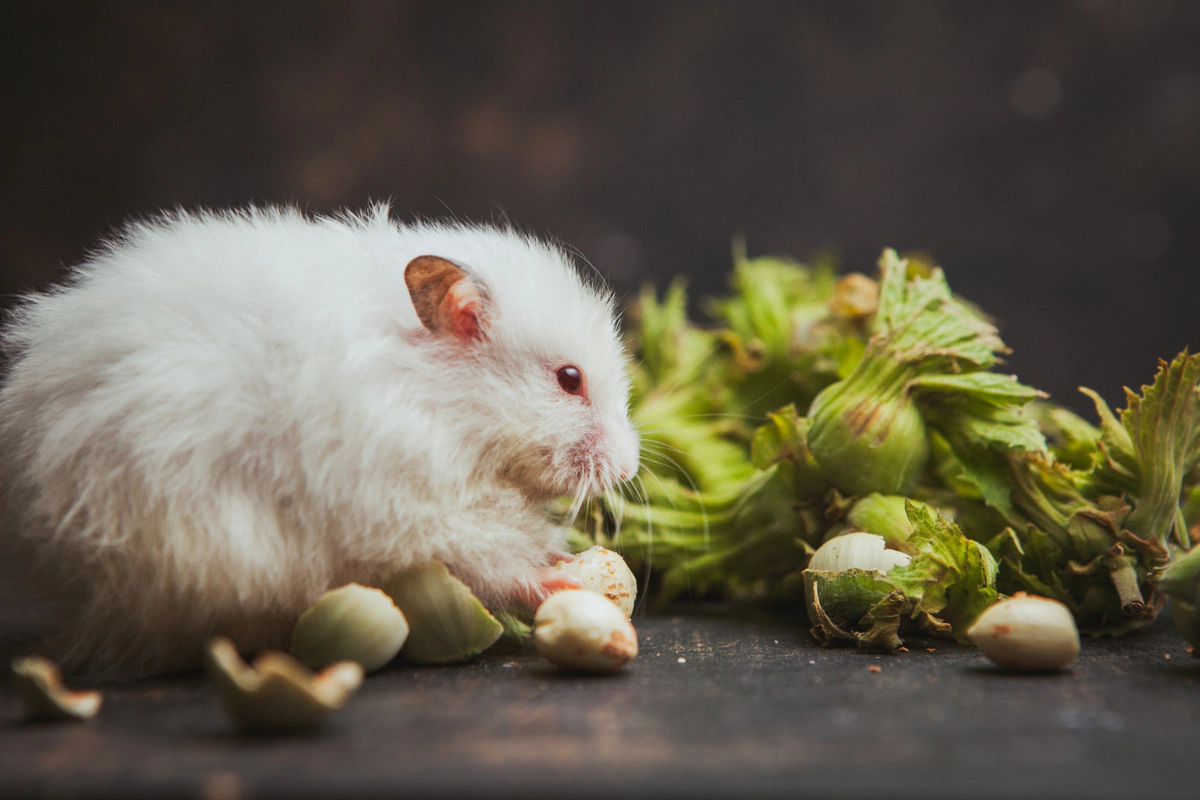
Balanced nutrition is vital for supporting and protecting hamster health. Hamsters are fed pellet feeds formulated to provide the vitamins, minerals, and proteins they need. In addition to this basic nutrition, adding fresh fruits and vegetables to their diet contributes to the regular functioning of their digestive system.
At this point, it is also necessary to consider the fact that they have constantly growing teeth. Providing them with foods that have a hard texture to chew on is also of great importance in order to prevent their teeth from growing excessively.
In addition to main meals, small portions of snacks can be included in the feeding program. This makes it easier to keep the hamster's energy level and metabolism balanced.
Ensuring the availability of clean and fresh water at all times is one of the basic requirements for hydration. These feeding habits support the overall health of hamsters, improve their quality of life, and help prevent long-term health problems. For comprehensive information on hamster nutrition, you can read our content titled "What Do Hamsters Eat, How Do They Be Fed?".
Hamster Sahiplenirken Bilinmesi Gerekenler

Before adopting a hamster, it is important to have comprehensive information about the lifestyle, types, and care requirements of these small rodents. The things that those who want to adopt a hamster should definitely know can be listed as follows:
- It's important to remember that hamsters generally have short lifespans. You can read our article "How Long Do Hamsters Live?" for more details.
- Different species have their own unique behaviors and social needs. For example, Syrian hamsters prefer to live alone, while some dwarf species may enjoy living in groups.
- It should be considered that hamsters are nocturnal and prefer to rest more during the day. This requires you to evaluate whether it suits your lifestyle before adopting one.
- A suitable living space and regular care are essential for a healthy hamster. A sufficiently large and hygienic cage is a basic requirement for the hamster's comfort. Furthermore, their living spaces should be enhanced with accessories such as clean flooring materials, tunnels, wheels, and chew toys. Balanced nutrition, access to clean water, and regular health checkups are key to maintaining a hamster's health. Hamster Diseases and Symptoms As stated in the MSD Vet Manual, hamsters are sensitive animals prone to various health problems. Therefore, proper care and regular veterinary checkups are extremely important. Digestive problems can be common in hamsters. Symptoms such as diarrhea, loss of appetite, bloating, and abdominal pain are indicative of a digestive problem. Digestive disorders can often be caused by factors such as improper nutrition, cold environments, or stress.
- A balanced diet, clean water supply, and regular health checkups are key to maintaining your hamster's health.
Hamster Diseases and Symptoms

As stated in the MSD Vet Manual, hamsters are sensitive animals prone to various health problems. Therefore, proper care and regular veterinary check-ups are very important.
Digestive problems can be common in hamsters. Symptoms such as diarrhea, loss of appetite, bloating, and abdominal pain are indicative of a digestive problem. Digestive disorders can often be caused by factors such as improper feeding, cold environments, or stress.
Poor food quality can disrupt a hamster's digestive health, laying the groundwork for more serious illnesses. Intestinal parasites can also lead to digestive problems. Veterinary intervention may be necessary when such symptoms are detected.
Other common illnesses observed in hamsters include respiratory problems. Symptoms such as coughing, runny nose, and difficulty breathing may indicate a cold or respiratory infection. Failure to maintain appropriate temperature conditions in the hamster's environment and damp food can play a role in the development of such illnesses.
Stress, dirty environments, and allergic reactions can also trigger respiratory illnesses. In cases where these symptoms are observed, prompt treatment by a veterinarian is necessary.
Hamsters are prone to various gastrointestinal problems due to their sensitive digestive systems. Digestive system diseases usually manifest as symptoms such as diarrhea, loss of appetite, weight loss, and abdominal discomfort. These conditions can result from inflammation and irritation caused by improper feeding, infectious agents, or the consumption of irritants. Digestive obstructions can also lead to serious problems requiring urgent intervention. In addition, eye diseases, dental malocclusion (problems caused by continuous tooth growth), and skin disorders can be observed in hamsters. Irregular tooth growth can cause feeding difficulties and consequently weight loss. Respiratory problems manifest as runny nose, sneezing, and difficulty breathing. Hamster Health Considerations The bedding and litter in the cage should be replaced at regular intervals. Toys, water bowls, and feeders should be disinfected frequently.
In addition, eye diseases, dental malocclusion (problems caused by continuous tooth growth), and skin disorders can also be observed in hamsters. Irregular tooth growth can cause feeding difficulties and consequently weight loss. Respiratory problems manifest as runny nose, sneezing, and difficulty breathing.
Things to Consider for Hamster Health
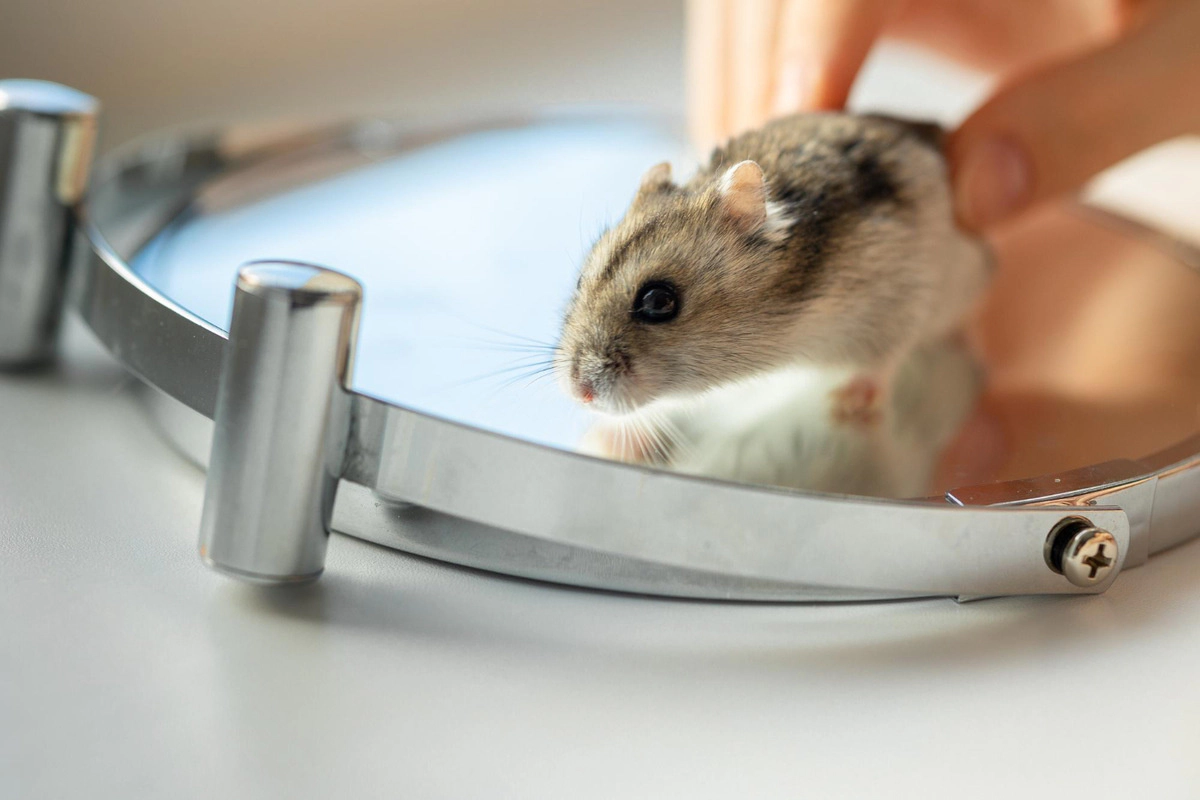
- The bedding and litter in the cage should be replaced regularly. Toys, water bowls, and food bowls should be disinfected frequently.
- A balanced diet should be provided, including quality hamster pellets, fresh vegetables and fruits, and chew materials to protect dental health.
- Regular veterinary visits are crucial for early detection of disease symptoms.
- Daily exercise needs should be met by providing a treadmill, tunnels, and exploration areas to support natural behaviors.
- Considering that hamsters prefer to live alone, unnecessary social interventions should be avoided, and a quiet, safe environment should be provided.
- The cage should be of sufficient size and have an appropriate temperature and humidity balance to increase the hamster's comfort and safety.
- Changes in behavior, appetite, weight, and overall health should be monitored regularly. Any abnormalities should be addressed promptly.
Interaction with Hamsters and Their Social Needs

Although hamsters are by nature quite independent animals, interacting with humans can help them feel happier and more secure. Regularly spending time with your hamster will both strengthen the bond between you and help them get used to your presence.
The social needs of hamsters can vary depending on their species. As we have previously exemplified, Syrian hamsters prefer to live alone, while dwarf hamsters may be happier in pairs or groups. Therefore, it is important to adopt an approach appropriate to your hamster species. To establish a healthy interaction with your hamster, you can follow these steps: Be Patient: Hamsters generally need time to adjust to new environments and people. Allow them to get used to their cage without disturbing them in the first few days. Being patient will make it easier for them to trust you. Choose the Right Time: Since hamsters are generally nocturnal, avoid interrupting their daytime naps. Prefer evening hours to interact with them. Move Slowly and Gently: Sudden movements and loud noises can stress hamsters. When approaching them, be sure to move slowly and speak in a calm tone of voice.
To establish a healthy interaction with your hamster, you can follow these steps:
Be Patient: Hamsters generally need time to adjust to new environments and people. Allow them to get used to their cage without disturbing them in the first few days. Being patient will make it easier for them to trust you.
Choose the Right Time: Since hamsters are generally nocturnal, avoid interrupting their daytime naps. Prefer evening hours to interact with them.
Move Slowly and Gently: Sudden movements and loud noises can stress hamsters. When approaching them, be sure to move slowly and speak in a calm tone of voice.
Prepare Your Hands: Before picking up your hamster, make sure your hands are clean and free of any soapy odors.
Offer Small Rewards: You can build their trust by offering healthy treats like small pieces of vegetables or fruit. Extending your hand directly when offering a reward helps your hamster get used to you.
Pay Attention to Cage Layout: Make sure there are areas in the cage where they can hide and feel safe. A hamster that feels safe is more open to human interaction.
Observe Their Social Needs: If you have more than one hamster, pay attention to the dynamics between them. If you observe aggressive behaviors such as chasing or fighting, you may need to separate them.
By spending time with your hamsters in the right way, you can ensure they are both healthy and happy. Every hamster has a different personality. Therefore, adopting an approach that suits their needs will yield the best results.
Recommended Toys and Tools for Hamsters

Choosing the right toys and tools by considering your hamster's needs and preferences is one of the most practical ways to support their physical and mental health. These opportunities you provide will allow them to exhibit their natural behaviors and contribute to a healthy and happy life.
Hamster Wheel
One of the basic needs of hamsters is movement, and one of the most effective ways to provide this is with exercise wheels. A hamster wheel of the right size will meet your hamster's need to run without straining their back. Quiet-operating models are considered a better choice for both your hamster's and your comfort. You can find detailed information in our article "What is a Hamster Wheel, What Does it Do, Why is it Necessary?".
Tunnels and Hiding Places
Hamsters tend to dig tunnels and hide in nature. Tunnels and small hiding places located inside the cage allow them to mimic their natural living habits. These types of toys help them feel safe and satisfy their instinct to explore. Products of different lengths and shapes can also make the cage arrangement more fun.
Gnawing Toys
Hamsters' teeth grow continuously, and therefore chew toys are vital for their dental health. Safe chew toys made of wood or natural materials help them file down their teeth. Additionally, it keeps them stress-free by satisfying their need to gnaw.
Climbing Toys and Ladders
Hamsters, despite their small size, love to climb and explore. Climbing toys and ladders added to their cages will increase your hamster's agility while entertaining them. Models made of wood or safe plastic materials are ideal in terms of durability.
Exercise Balls
You can opt for exercise balls to allow your hamster to move safely outside the cage. These balls allow them to explore the environment while also ensuring their safety. Be careful not to leave these balls in for too long to tire your hamster.
Things to Consider When Choosing Toys and Vehicles
Ensure that the toys used are made from non-toxic, natural, and hamster-safe materials. Therefore, the authenticity of the products is important. Shopping only from platforms that are authorized sellers of products like Terralora means encountering quality products.
The toys you choose should be the right size for your hamster. Toys that are too big or too small can hinder their movement.
You should place the toys evenly in the cage to allow your hamster to move comfortably. This way, they can have the freedom of movement they need.
Choosing the right toys will make a big difference in ensuring your hamster lives an active, happy, and healthy life. You can add color to the lives of your little friends with these toys that meet both their physical and mental needs.
Frequently Asked Questions About Hamsters
Answering frequently asked questions about hamsters can help you care for them more effectively. You can find information in this section of our content that will help you better understand the needs of these cute little friends and provide them with a suitable living space.
Is a hamster a mouse?
Although hamsters and mice are similar rodents, they show significant differences in terms of physical characteristics, behaviors, and care requirements. Hamsters generally have shorter tails, rounder bodies, and fuller cheek pouches, while mice are distinguished by their long tails and slender bodies.
Behaviorally, hamsters prefer to live more alone. Mice, on the other hand, are social animals and tend to live in groups. Their nutritional needs also differ; hamsters feed on a variety of grains, fruits, and vegetables, while mice need a protein-rich diet.
Hamsters are more sensitive and susceptible to stress, so they need to be kept in a calm and quiet environment, while mice are more adaptable to environmental changes. These differences play an important role in the care and arrangement of living spaces for both rodents. You can find detailed information in our article titled "Is a Hamster a Mouse? What are the Differences Between Hamsters and Mice?".
Do hamsters play?
Yes, hamsters love to play and need an active lifestyle. You can offer them various play activities to keep them entertained and healthy. Hiding in tunnels, running on wheels, playing with chew toys, and exploring areas are both fun and beneficial for hamsters. In addition, providing tunnels of different sizes, interactive toys, and objects made of natural materials for gnawing supports their mental and physical health. Regularly organizing play sessions will both keep your hamster happy and help them bond with you. Is hamster care difficult? Although hamster care is generally easy, a few important details need attention. Regular cleaning of the cage, establishing a balanced and healthy diet, providing an environment where they can exercise, not neglecting veterinary check-ups, and approaching them with love are sufficient for hamsters to live a happy and healthy life. Do hamsters smell? Hamsters naturally don't smell and, with regular care, shouldn't have any odor problems. However, if their cages aren't cleaned regularly, urine and food residue can accumulate and cause unpleasant odors. To prevent this, the hamster cage should be cleaned at least once a week, the bedding daily, and the litter changed. Good ventilation and maintaining a hygienic living space are also important for preventing odors. Do hamsters menstruate? While hamsters don't menstruate like humans, female hamsters have estrus cycles that repeat every four days. Although they become ready to mate during this cycle, there is no bleeding because the uterine lining doesn't shed.
In addition, providing tunnels of different sizes, interactive toys, and objects made of natural materials for gnawing supports their mental and physical health. Regularly organizing play sessions will both keep your hamster happy and help them bond with you.
Is hamster care difficult?
Although hamster care is generally easy, a few important details need attention. Regular cleaning of the cage, establishing a balanced and healthy diet, providing an environment where they can exercise, not neglecting veterinary check-ups, and approaching them with love are sufficient for hamsters to live a happy and healthy life.
Do hamsters smell?
Hamsters do not naturally smell, and with regular care, there will be no odor problems. However, if their cages are not cleaned regularly, especially urine and food residues can accumulate and cause unpleasant odors. To prevent this, the hamster cage should be cleaned at least once a week, the bedding daily, and the litter changed. Good ventilation and maintaining a hygienic living space are also important for preventing odors.
Hamster regl olur mu?
Although hamsters don't menstruate like humans, female hamsters have estrus cycles that repeat every four days. While they become ready to mate during this cycle, there is no bleeding because the uterine lining hasn't shed yet.
They may be more active during their heat cycle and may emit a distinctive odor. If you notice bleeding in your hamster, this is not normal and may be a sign of infection, injury, or reproductive problems. It is important to consult a veterinarian if a similar symptom is observed.
What is hamster litter used for?
Hamster litter is used to maintain the hygiene of hamsters and support their natural behaviors. It helps keep their fur clean and shiny. Hamsters remove excess oil and dirt from their fur by bathing in the litter.
Litter baths protect the skin health of hamsters and prevent itching. In addition, since hamsters like to dig and build their nests in their natural environment, litter is an ideal material for them to satisfy their instinctive digging and nest-building behaviors. It also makes general cage cleaning easier, preventing bad odors from forming and ensuring the hamster's living space remains hygienic. Where does a hamster relieve itself? Hamsters naturally choose a specific corner of the cage as their toilet area. To encourage this behavior, you can place a suitable litter box in that corner and fill it with special litter that hamsters prefer. How long do hamsters live? The lifespan of hamsters varies depending on the species. Under normal conditions, they are known to live between 2 and 3 years. Syrian hamsters live an average of 2-3 years, while dwarf hamster species, especially Roborovski hamsters, can live up to 3-4 years.
Hamster tuvaletini nereye yapar?
Hamsters naturally choose a specific corner of the cage as their toilet area. To encourage this behavior, you can place a suitable litter box in that corner and fill it with the special litter that hamsters prefer.
How long do hamsters live?
The lifespan of hamsters varies depending on the species. Under normal conditions, they are known to live between 2 and 3 years. Syrian hamsters live an average of 2-3 years, while dwarf hamster species, especially Roborovski hamsters, can live up to 3-4 years.
With healthy nutrition, suitable living conditions, and regular veterinary checkups, this period can be extended somewhat. Genetics, stress levels, eating habits, and quality of care also play an important role among the factors affecting their lifespan.
How often should a hamster cage be cleaned?
The cage bedding should be cleaned once a week. If bad odors or excessive dirt accumulation are noticed, more frequent cleaning is recommended. Food and water bowls should be checked daily and cleaned with healthy products. Ensuring the freshness of leftover food is also important to prevent odor formation and support hamster health. Hamsters feel more comfortable if the bedding is cleaned daily.
“How to clean a hamster cage?”, “How often should a hamster cage be cleaned?”, “What should be considered when cleaning a hamster cage?” To learn the answers to important questions like these, you can click here.
How to determine the sex of a hamster?
Careful examination is necessary to determine the hamster's sex. Female hamsters have genital and anal openings closer together. They appear almost fused. Male hamsters have a noticeable distance between these openings. Male hamsters have more prominent testicles on the underside of their abdomen; these testicles are noticeably larger, especially when they mature. Female hamsters, on the other hand, generally have more rounded features. To accurately determine the sex, the hamster should be held gently and observed carefully. If you are unsure, consulting a veterinarian is the safest method.
Should hamsters be bathed?
No, our cute hamster friends don't like water at all, and bathing them with water can even be dangerous for them. The loss of natural oils in their fur can lead to dry skin and illness. But don't worry! There's a great way to meet their cleaning needs: sand baths. You can use special hamster sand to both clean them and provide entertainment.
How to train a hamster?
Training your hamster is possible with patience and love. First, you need to establish a strong bond with it. To gain its trust, it's important to speak gently to it every day and allow it to sniff your hand. Treats are the magic key here. You can encourage it to come to your hand with small treats and teach it simple commands. With slow movements and plenty of patience, your little friend can quickly get used to you and be eager to come to you.
How big do hamsters grow?
The size of hamsters varies depending on their species. Their growth rate can vary depending on their genetic characteristics, diet, and living conditions. With a healthy and balanced diet, hamsters reach the maximum size appropriate for their species and lead an energetic life.
What do hamsters dislike?
Hamsters are sensitive and timid creatures, so it's important to make their world calmer and more peaceful. Loud noises can frighten their little hearts, and sudden movements can cause them stress. They are particularly bothered by cigarette smoke, perfumes, and chemical smells. Creating a quiet, peaceful environment to make them feel safe is one of the most effective methods.
What should a hamster cage be like?
Although small, hamsters need as much space as possible. A large and secure cage supports their passion for exploration. Layered cages are a great choice for species that love to climb. You'll see how your hamster's eyes light up when it has a running wheel, tunnels, and hiding places inside. Besides all this, a comfortable sleeping area and a cage full of chew toys will ensure they have a great time.
What is the sleep pattern of hamsters?
Hamsters are nocturnal animals. While they sleep deeply during the day, they run around energetically at night. Not disturbing them during the day is one of the main priorities to maintain their healthy sleep patterns. Since they are active at night, you can help them burn off their energy by keeping a running wheel and toys in their cage. You should also take care to maintain your own sleep pattern during this process.
Should hamsters live alone or in pairs?
Hamsters' social needs vary depending on their species. Syrian hamsters prefer to live alone and may fight out of jealousy if they are in the same cage with another hamster. On the other hand, dwarf hamsters are more social; they can happily live in pairs or small groups. Carefully observing them when you first introduce them is a great way to understand if they are adapting.
Hamsterlar neden kafeslerini kemirir?
Hamsters' teeth constantly grow, and they naturally need to chew to wear them down. Boredom or stress can also cause them to chew on their cages. To keep them happy and satisfy their chewing needs, you can provide dental tartar, pieces of natural wood, or special chew toys. This way, their teeth stay healthy and they expend their energy properly.
Kaynaklar:
https://www.livescience.com/27169-hamsters.html
https://www.rspca.org.uk/adviceandwelfare/pets/rodents/hamsters
https://www.treehugger.com/surprising-facts-about-hamsters-4864087
https://www.petmd.com/exotic/care/evr_ex_hm_how-to-care-for-your-hamster
https://www.wedgewood.com/blog/10-things-you-to-know-about-keeping-a-hamster-as-a-pet/
https://www.thesprucepets.com/hamsters-overview-1238973
https://www.msdvetmanual.com/all-other-pets/hamsters/introduction-to-hamsters
https://www.animalhumanesociety.org/resource/hamster-care
https://www.vetstreet.com/our-pet-experts/8-things-you-should-know-about-the-cuddly-and-popular-hamster
Advertisement
Advertisement
Keep exploring
Continue reading

Small Pet Care
Runny Nose in Rabbits: Causes, Symptoms and Treatment Methods
Rabbits are generally known for their quiet and calm nature. Therefore, they often don't openly show their discomfort.
Read guide →
Small Pet Care
Is a Guinea Pig the Right Pet for You?
Guinea pig Adopting a pet has become increasingly popular among animal lovers in recent years.
Read guide →
Small Pet Care
Hamsterlar Meyve Yiyebilir mi?
Can hamsters eat fruit? This is one of the most frequently asked questions by both new adopters and experienced parents.
Read guide →
Small Pet Care
What Should Be Considered When Choosing Rabbit Food?
Rabbits are known for being cute and enjoyable creatures to care for. However, like all other pets, they have basic needs to live a healthy and…
Read guide →