How to Give Rewards and Snacks to a Neutered Kitten?
The Feline Veterinary Medical Association supports neutering kittens until they are five months old. The exact time should be determined by a veterinarian after evaluating the kitten's health.

Advertisement
The Feline Veterinary Medical Association supports neutering kittens until they are five months old. The exact time should be determined by a veterinarian after evaluating the kitten's health.
Spaying/neutering does not end a kitten's growth period. Your cat needs to continue receiving the nutrients necessary for its development. Energy intake needs to be managed more carefully after the operation. This critical balance naturally leads the pet owner to the question: Should I choose kitten food or food specifically for neutered kittens?
The priority is a complete and balanced food suitable for the growth period. A product prepared for neutered kittens can be preferred if its suitability for the growth period is clearly stated on the label. Adult neutered cat food should not be automatically chosen simply because the operation was performed. When making a decision, the kitten's growth trajectory, body condition, and the energy density of the food should be evaluated together.
Treats given with affection are also part of this feeding regimen. It is not necessary to completely eliminate treats. Every treat given should be included in the daily feeding plan and total energy intake. The goal is to maintain the balance of daily nutrition and continue sharing these little joys with your cat.
Warning: The timing of neutering and the post-operative feeding plan may vary depending on the kitten's age, health, development, and body condition. Consult your veterinarian for food selection, daily portion size, and treat amounts.
Why Do the Nutritional Requirements of Neutered Kittens Change?
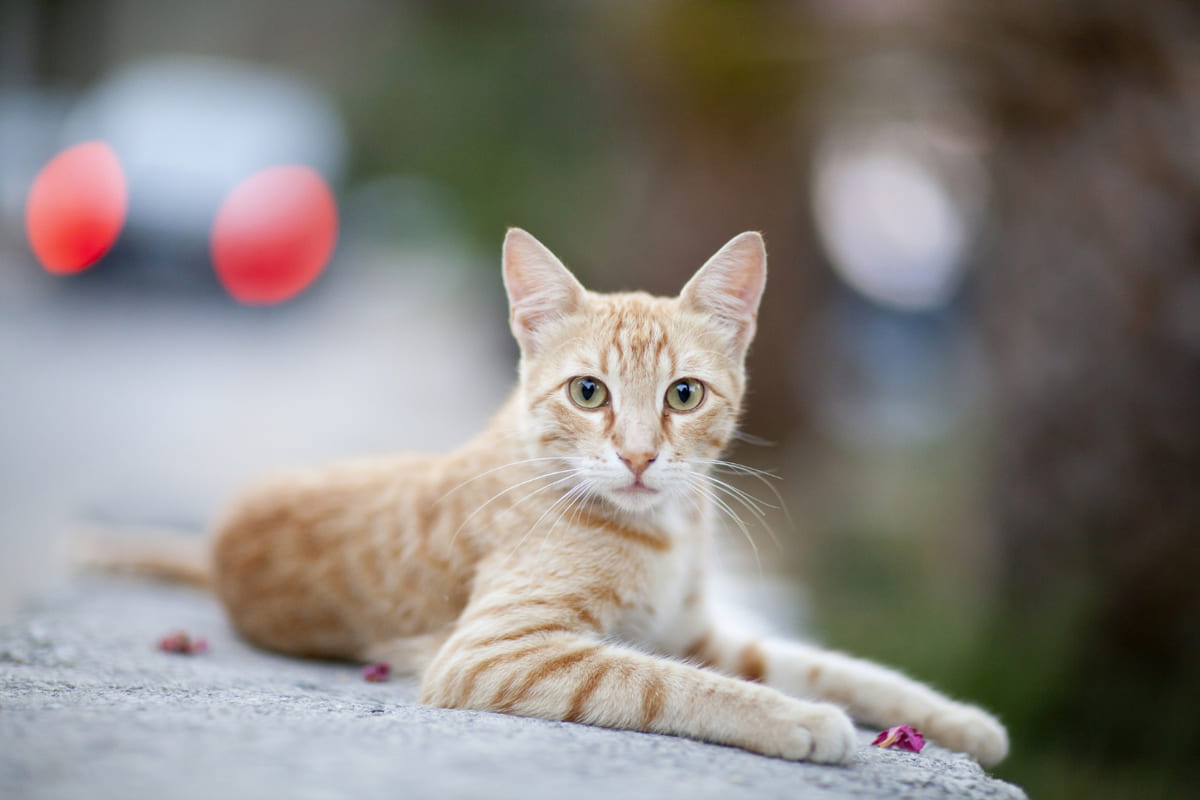
You may be unsure how to adjust your kitten's diet after neutering. On the one hand, you need to prevent excessive weight gain, and on the other hand, support its continued growth. Neutering does not change all nutritional requirements. The points that need to be monitored more closely are appetite, energy intake, and body condition.
The way to establish this balance is not to immediately reduce the main food portion. A complete and balanced food suitable for the life stage should be selected, and the daily amount should be determined according to the kitten's weight, growth habit, activity, and body condition. Portion adjustments should be planned with a veterinarian.
Why is Energy Balance Important While Growth Continues?
Energy balance aims to meet the kitten's growth requirements while preventing unnecessary energy excess. After neutering, some kittens may experience an increase in food intake and body weight.
In a study published in the British Journal of Nutrition, 12 pairs of sibling female kittens at 11 weeks of age were examined. One kitten from each pair was neutered at 19 weeks, while the other was not. The cats were fed free access to dry food until they were one year old.
Nutrition and body weight increased in neutered kittens. The results were statistically significant for both variables. Ten weeks after the operation, intake per kilogram was found to be an average of 17% higher compared to unneutered siblings.
This ratio cannot be interpreted as an expectation applicable to every kitten. The findings were obtained from female kittens with free access to dry food. The researchers recommended giving an amount of food that will maintain ideal body condition rather than unlimited feeding.
How Does Main Food Selection Affect the Treat Plan?
The chicken-based neutered kitten food developed for neutered young cats is formulated with nutrients that support easy digestion. The protein and calorie content aims to help maintain ideal body weight, while the balanced mineral content aims to support the control of urinary pH. The first ingredient in the formula is chicken cooked in its own juices. Chicken is a source of protein and essential amino acids. The small kibble is prepared considering the mouth structure of young cats.
The reward plan should be prepared after determining the daily amount of the base food appropriate for the life stage. The base food should provide the essential nutrients needed for growth, and the rewards given should be included in the daily energy calculation.
The AAHA and AAFP cat life stage guidelines recommend that individual characteristics such as age, neutering status, activity level, diseases, body and muscle condition be taken into account in the nutritional assessment. Then, a food and feeding plan suitable for the cat's needs is determined.
How Much Treat Should Be Given to a Neutered Kitten?
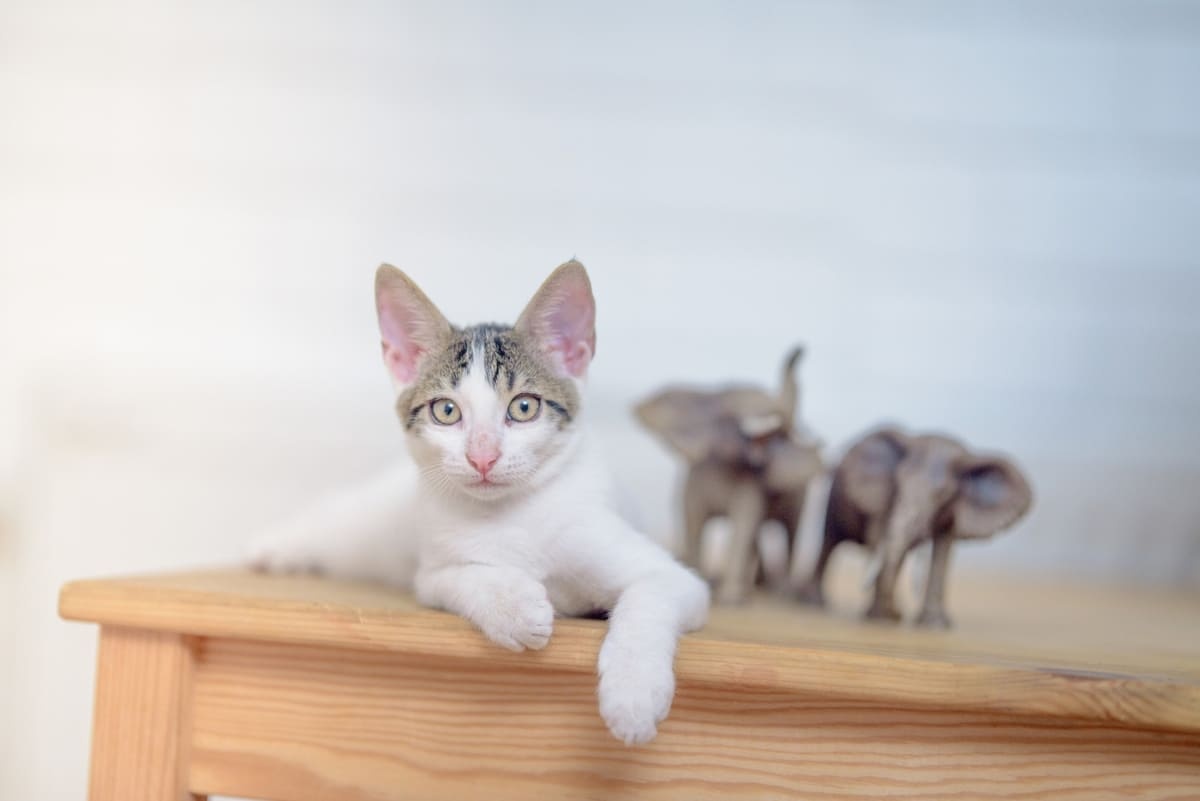
Rewards are not foods that can be added to the daily diet without limit. The amount given should be considered within the cat's total daily energy intake. All treats and snacks offered throughout the day are included in the same calculation.
The exact amount varies depending on the kitten's weight, growth habit, activity level, body condition, and the energy value of the main food. Therefore, a "three treats a day" or "one pack" recommendation cannot be given for every cat.
The size of the treat alone is also not a sufficient measure. A small cream packet and a dry treat do not provide the same amount of energy. The portion information and calorie value of the product should be examined together. If calorie information is not available on the packaging, it can be obtained from the manufacturer.
What Does the 10% Rule Mean in Treat Food?
The 10% rule refers to the upper limit of treats in the cat's total daily energy intake. This ratio is not a target amount to be given or a ready-made portion formula applicable to each puppy.
The World Association of Small Animal Veterinarians recommends that calories from treats should not exceed 10% of daily energy intake.
It states that the main nutrition should be provided by a complete and balanced food, and that treats should not replace meals. In other words, 10% is not a share to be filled, but a recommended limit not to be exceeded.
How to Balance Main Food on Treat Days?
On treat days, the amount of main food should not be directly reduced by the amount of the treat in grams. The energy density of the two products may be different. If necessary, the amount of main food should be adjusted based on calories to avoid exceeding the daily energy target, and the nutritional requirements of the growth period should be maintained.
It is also incorrect to equate treats with main food based on grams. Portions of the same weight of the two products may contain different amounts of energy. When establishing a daily balance, the calorie value should be considered in addition to the grams.
First, the kitten's daily main feeding plan should be determined, then the energy that can be allocated for treats should be calculated. If a change in the amount of main food is necessary, growth requirements should be maintained. This adjustment should be made according to the daily energy needs determined by the veterinarian.
What to Consider When Choosing Treats and Snacks for a Neutered Kitten?

A suitable treat should be chosen according to the kitten's life stage, daily feeding plan, existing sensitivities, and its structure that it can safely consume. The taste of the product or marketing statements on the package are not the sole criteria for selection.
In FEDIAF's 2025 feeding guidelines, "complete food" is defined as a product that can meet the daily nutritional requirements of a specified life stage. Products formulated specifically for a life stage must clearly indicate this stage on the label.
Treats and snacks are mostly complementary products. Because they can add a significant amount of energy to the daily diet, usage instructions and portion information should be checked.
The following points should be considered during selection:
Size and structure: The treat should be appropriate for the puppy's mouth size and chewing habits.
Ingredients: If there is a known food sensitivity, the ingredient list should be carefully reviewed.
Compatibility with main diet: For cats using a veterinary diet, a veterinarian should be consulted before giving a treat outside of the feeding plan.
Controlled trial: A new treat should be tried in small amounts and alone. Especially for cats with digestive sensitivities, it is recommended that new treats be tried slowly and one at a time. If food allergies or special diets are involved, the choice should be made in consultation with a veterinarian.
Human food does not automatically become a safe treat when given in small pieces. Foods whose content, energy value, and suitability for cats are unknown should not be used as regular treats.
How can treats be used to support weight control?

Treats are easier to track within the feeding regimen when the daily amount is predetermined and used in planned interactions.
Supporting weight management doesn't mean trying to completely compensate for the energy from rewards with play. Every piece given during play or training continues to be part of the cat's total daily energy intake.
If more than one person in the household gives rewards, the daily amount can be kept in a shared bowl. At the end of the day, it can be seen how much was given when everyone took from this bowl. This prevents small pieces offered as a token of affection from accumulating unnoticed.
Rewards can also be used to reinforce positive behaviors such as coming when called, approaching the carrier, or using the scratching post.
Can a Daily Main Food Portion Be Used as a Reward?
Yes, a small portion of the daily main food portion can be used as a reward during play or training. As long as these portions are separated from the daily amount measured from the beginning, no extra energy is added to the feed.
For application, the cat's daily food amount is measured first. A small portion is taken into a separate bowl and used in interactions throughout the day. The remaining food is given in the normal meal schedule. After the separated amount is used, no more food should be added to the food bowl.
The reward value of the main food may not be the same for every cat. If your cat is not interested in its own food, a different reward can be preferred. In this case, the product used should be kept within the daily reward limit.
What Mistakes Should Be Avoided When Giving Rewards to a Neutered Kitten?

Here are some examples of common mistakes when rewarding neutered kittens:
- Replacing treats with main meals: Snacks should not replace complete and balanced main food appropriate for the growth period.
- Not keeping track of daily totals: All products given at different times should be considered in the same daily energy calculation.
- Offering directly from the packaging: It becomes difficult to visually track the amount given from the package. The daily portion should be set aside in advance.
- Not accounting for rewards given by other people in the household: A shared bowl or a simple daily record can make repetitions visible.
- Trying more than one new product at the same time: It becomes difficult to distinguish which product might be effective if digestive symptoms develop.
- Overlooked changes in weight and body condition: Kitten growth and fat accumulation are not the same thing. Weight trends should be monitored along with body condition.
- Continuing to feed the same product while vomiting or diarrhea persists: Recurring symptoms should be evaluated by a veterinarian.
When to Consult a Veterinarian?
Significant weight changes, persistent hunger, loss of appetite, recurrent vomiting or diarrhea, suspected food sensitivity, and growth concerns require veterinary evaluation.
Kittens naturally gain weight as they grow. Therefore, rather than a single weighing result, the trend of weight over time and body condition should be evaluated. Faster-than-expected changes or deviations from the growth curve may require a review of the feeding plan.
It is valuable to observe if there are recurring digestive symptoms. The timing, frequency, and other accompanying changes of the symptoms should be evaluated together by a veterinarian.
Frequently Asked Questions

When can a neutered kitten switch to adult cat food?
The transition is usually made around one year of age or when the kitten reaches physical maturity. Most cats reach 80–90% of their expected adult size between 9–12 months. In large breeds, maturation may take up to 18 months.
Is it normal for a kitten's appetite to increase after neutering?
An increase in appetite may be observed after the operation, but constant and significant hunger should not be automatically considered normal. Daily consumption, weight gain, and body condition should be monitored together. Sudden or persistent changes in appetite should be discussed with a veterinarian.
When can a kitten eat and drink water after neutering?
The discharge instructions of the veterinarian who performed the operation should be followed regarding feeding and watering. Approximately half of a normal evening meal can be offered a few hours after returning home. If the kitten tolerates this amount and appears hungry, the remaining amount can be given about an hour later. Access to water should not be restricted unless the veterinarian suggests a different plan.
Why is water consumption important for neutered kittens?
Adequate water intake; It supports essential functions such as regulating body temperature, digestion, electrolyte balance, and the transport of nutrients to organs. If a significant decrease in water intake, lethargy, or dry gums are noticed, a veterinarian should be consulted.
Kaynaklar:
https://www.aaha.org/resources/2021-aaha-aafp-feline-life-stage-guidelines/nutrition-and-weight-kittens
https://www.aaha.org/resources/2021-aaha-aafp-feline-life-stage-guidelines/nutrition-and-weight-management-2
https://wsava.org/wp-content/uploads/2024/06/Feeding-treats-to-your-cat-v2.pdf
https://vcahospitals.com/know-your-pet/cat-treats
https://pmc.ncbi.nlm.nih.gov/articles/PMC5468748
https://pubmed.ncbi.nlm.nih.gov/22005425/
https://europeanpetfood.org/wp-content/uploads/2025/09/FEDIAF-Nutritional-Guidelines_2025-ONLINE.pdf
https://ontariospca.ca/blog/spayed-neutered-and-thriving-kitten-nutrition-essentials/
Advertisement
Advertisement
Keep exploring
Continue reading

Cat Lifestyle & Guides
What is Cat Soup? Is it Beneficial for Cats?
If your cat rarely visits its water bowl, is sometimes reluctant to eat dry food, or shows interest in different textures, liquid products may catch…
Read guide →
Cat Lifestyle & Guides
Benefits of Colostrum for Cats and Dogs
Colostrum is the first milk produced by mother cats and dogs after birth. Thanks to its antibodies and high nutrient content, it responds to the…
Read guide →
Cat Lifestyle & Guides
Why is Gut Health Important in Cats?
In cats, bowel health is linked to many areas, from digestive regularity and immune system-related processes to energy levels and daily comfort.
Read guide →
Cat Lifestyle & Guides
What are FOS and MOS? Effects on Gut Health in Cats and Dogs
When choosing food for your cat or dog, check the ingredient list on the back of the package for FOS and MOS You may see the following expressions.
Read guide →