What are the differences between a Guinea Pig and a Hamster?
Hamsters and guinea pigs are both beloved rodents and are frequently confused with each other in appearance. From a very general perspective, the similarity in their care needs, behaviors, and physical characteristics brings up the question of "Guinea pig or hamster?".
Advertisement
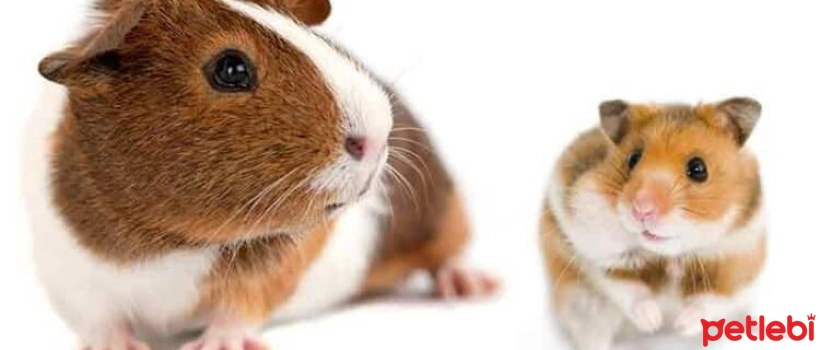
Hamsters and guinea pigs are both beloved rodents and are frequently confused with each other in appearance. From a very general perspective, the similarity in their care needs, behaviors, and physical characteristics brings up the question of "Guinea pig or hamster?". Both guinea pigs, also known as guinea pigs, and hamsters belong to the "Rodentia" genus, but they belong to different families within the same genus. Both animal species are furry, and their round eyes are positioned on either side of their heads. Their dental structures are extremely similar: their front teeth are sharp and constantly growing. Because their teeth are constantly growing, both have specialized care and feeding needs. Excessive tooth growth is among the main factors negatively affecting the overall health of guinea pigs and hamsters. Besides their similarities, there are also significant differences between the two animal species. In this article, you can find information that will help you answer the question "Guinea Pig or Hamster?" correctly.
What are the Physical Characteristics and Size Differences Between Guinea Pigs and Hamsters?
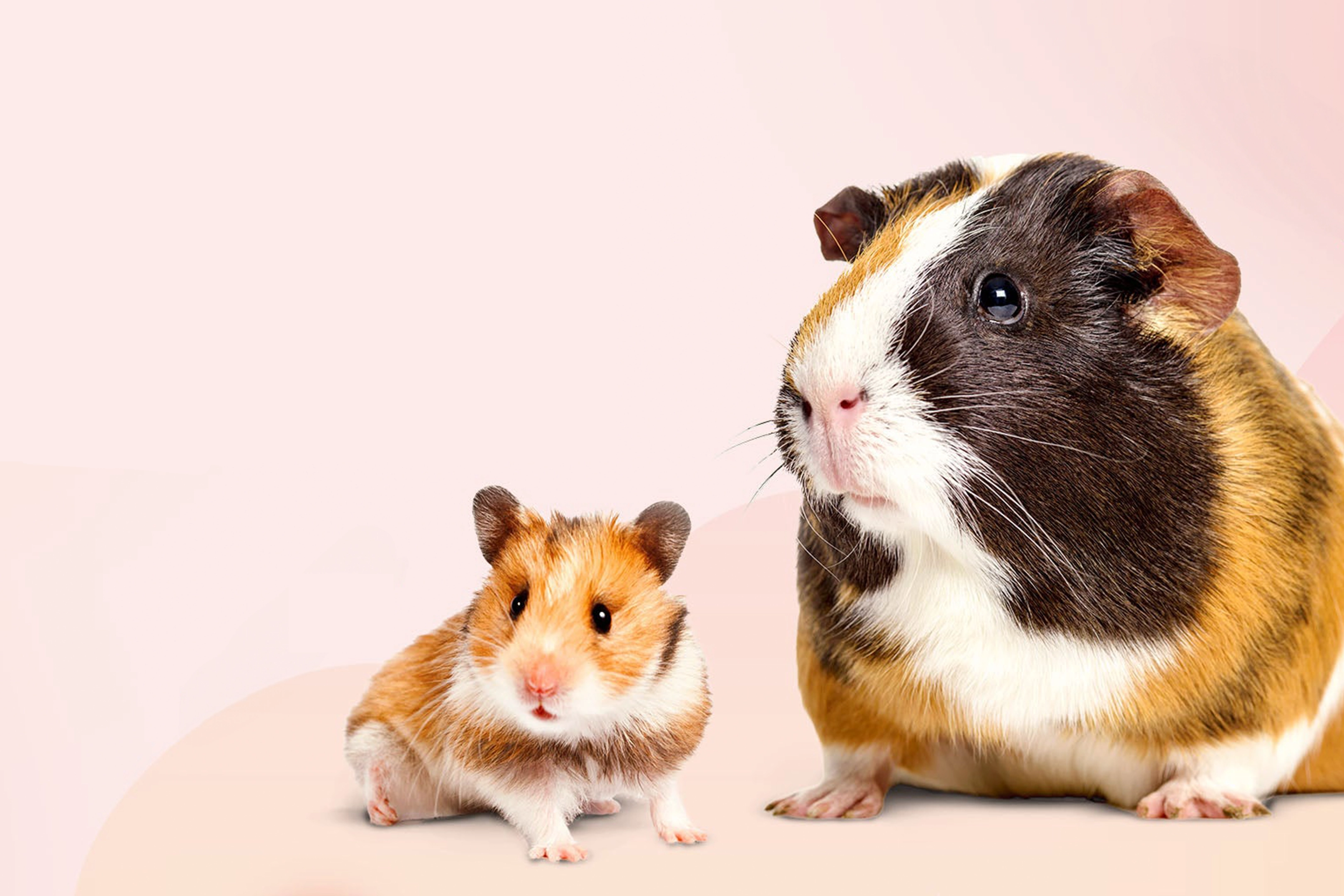
As mentioned earlier, hamsters and guinea pigs belong to different families of the same lineage: Hamsters belong to the Cricetidae family, while guinea pigs belong to the Caviidae family. Their family differences have resulted in the divergence of their physical characteristics.
Compared to hamsters, guinea pigs are much larger. In adulthood, guinea pigs reach sizes of 20-30 centimeters, while hamsters reach sizes of 5-15 centimeters. Some of the most popular hamster breeds worldwide are called dwarf hamsters, and dwarf hamsters are much smaller in size. Their weight is also directly proportional to their size: Guinea pigs, which are much heavier than hamsters, can weigh between 700 and 1200 grams, while hamsters can weigh up to 150 grams. Dwarf hamsters are much lighter, weighing around 30-50 grams. Lifespans also differ between these two animal species. When properly cared for, provided with a healthy diet, and with regular health checkups, guinea pigs live longer than hamsters. Guinea pigs have a lifespan of 3-8 years, while hamsters live between 2-3 years depending on the species. Guinea pigs have larger ears than hamsters, and their fur is longer and fluffier. Guinea pigs have a more rounded and broader body structure, while hamsters have a thinner and smaller body. In addition, hamsters are omnivores, while guinea pigs are herbivores. Hamsters have pouches in their cheeks that allow them to store food, an anatomical structure not found in guinea pigs. Guinea pigs consume food directly instead of storing it, and therefore freshness is an important requirement for them in their diet. For details, you can check out our content on Guinea Pig Care, Feeding and Characteristics. What are the Differences Between Guinea Pigs and Hamsters in Terms of Behavior and Social Needs? One of the most fundamental differences between them is that hamsters sleep during the day and are active at night; guinea pigs are diurnal animals. This fundamental difference has shaped the character of both animal species. For example, while hamsters tend to be active at night because they feel threatened, guinea pigs may take naps when they feel sleepy. Experts say that guinea pigs' sleep patterns evolved this way because they don't feel threatened as much, and the reason behind this change is the long process of domestication. Hamsters and guinea pigs have quite different personalities: Guinea pigs are significantly more social than hamsters. Many guinea pig species are inclined to interact with humans and spend time with and make contact with people they trust. Their sociability also positively influences the relationships they form with their own kind. They can usually live together with other guinea pigs. Hamsters are more territorial and mostly live alone in their cages. Hamsters are quieter than guinea pigs. Guinea pigs make many different sounds in different situations. Guinea pigs, when feeding time approaches or when they want to interact with people, express their excitement by making sounds, and when they want to express their displeasure, they may attract your attention with loud squeals.
Lifespan also differs between these two animal species. When properly cared for, provided with a healthy diet, and with regular health checkups, guinea pigs live longer than hamsters. Guinea pigs have a lifespan of 3-8 years, while hamsters live between 2-3 years depending on the species.
Guinea pigs have larger ears than hamsters, and their fur is longer and fluffier. Guinea pigs have a more rounded and broader body structure, while hamsters have a thinner and smaller body. In addition to all this, hamsters are omnivores, while guinea pigs are herbivores. Hamsters have pouches in their cheeks that allow them to store food, an anatomical structure that is not found in guinea pigs. Guinea pigs consume food directly instead of storing it, and therefore freshness in their diet is an important requirement for them. For details, you can check out our Guinea Pig Care, Feeding and Characteristics content.

What are the Differences Between Guinea Pigs and Hamsters in Terms of Behavior and Social Needs?
One of the most fundamental differences between them is that hamsters sleep during the day and are active at night; guinea pigs are diurnal animals. This fundamental difference has shaped the character of both animal species. For example, hamsters tend to be active at night because they feel threatened, while guinea pigs may take naps when they feel sleepy. Experts state that guinea pigs' sleep patterns evolved this way because they don't feel threatened as much, and the reason behind this change is the long process of domestication.
Hamsters and guinea pigs have quite different personalities: Guinea pigs are significantly more social than hamsters. Many guinea pig species are inclined to interact with humans and spend time with and make contact with people they trust. Their sociability also positively influences the relationships they form with their own kind. They can usually live together with other guinea pigs. Hamsters are more territorial and mostly live alone in their cages.
Hamsters are quieter than guinea pigs. Guinea pigs make many different sounds in different situations. Guinea pigs, which express their excitement by making sounds when feeding time is approaching or when they want to interact with people, can attract your attention with their loud squeals when they want to express their displeasure.
Are Guinea Pig and Hamster Care and Cage Requirements the Same?
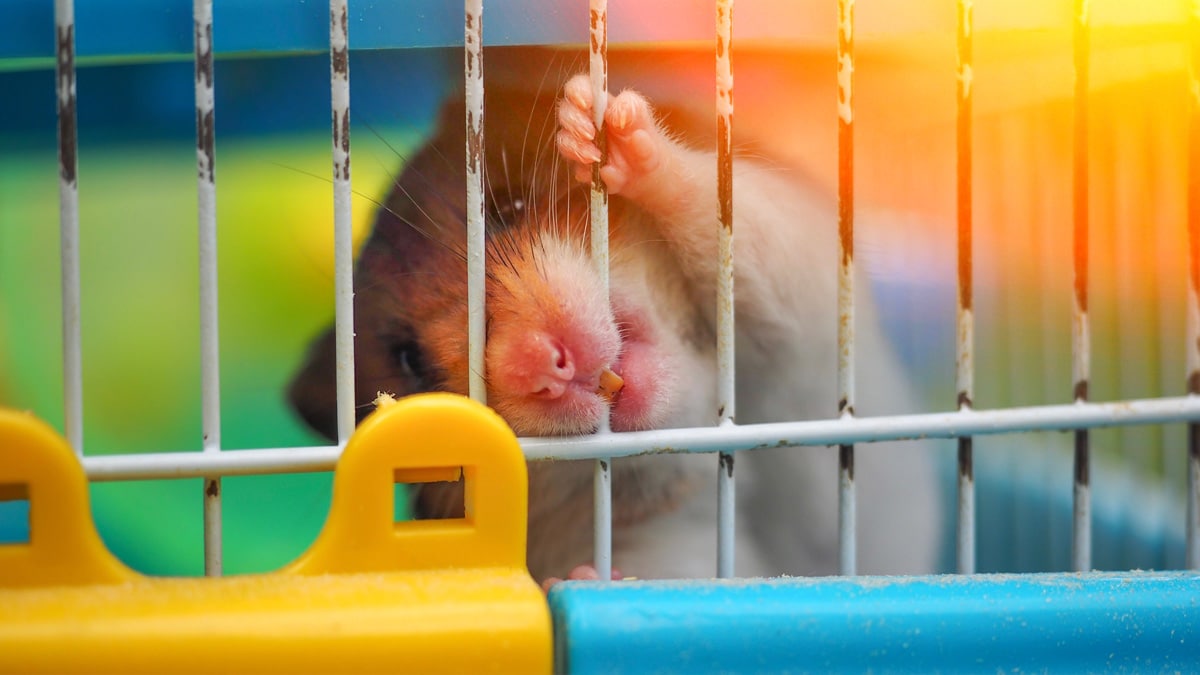
The fact that guinea pigs are larger than hamsters leads to differences in their living spaces: Guinea pigs need larger cages than hamsters to live comfortably and healthily. Having a guinea pig with whom they can socialize in a large cage can greatly support their happiness. Since guinea pigs are not animals that jump and climb inside the cage, cages with a more horizontal structure can meet their needs. According to The Human Society, it is recommended that the cage chosen for two guinea pigs should be at least around 700 cm2. You can find information about hamster cage recommendations in our article "What Should a Hamster Cage Be Like?".
The requirements inside the cage also differ. While wheels are an important exercise tool for hamsters, guinea pigs cannot exercise on wheels. Similarly, exercise balls, which are frequently preferred for hamsters, can be harmful to the health of guinea pigs. For both species, chew toys and food that help control tooth length are considered important requirements.
In terms of care, not neglecting cage cleaning is one of their most common needs. However, some differences emerge when it comes to fur care. Although both hamsters and guinea pigs can clean themselves, guinea pigs have longer and fluffier fur and therefore require more fur care.
Advertisement
Advertisement
Keep exploring
Continue reading

Small Pet Care
Runny Nose in Rabbits: Causes, Symptoms and Treatment Methods
Rabbits are generally known for their quiet and calm nature. Therefore, they often don't openly show their discomfort.
Read guide →
Small Pet Care
Is a Guinea Pig the Right Pet for You?
Guinea pig Adopting a pet has become increasingly popular among animal lovers in recent years.
Read guide →
Small Pet Care
Hamsterlar Meyve Yiyebilir mi?
Can hamsters eat fruit? This is one of the most frequently asked questions by both new adopters and experienced parents.
Read guide →
Small Pet Care
What Should Be Considered When Choosing Rabbit Food?
Rabbits are known for being cute and enjoyable creatures to care for. However, like all other pets, they have basic needs to live a healthy and…
Read guide →