White Dog Breeds and Characteristics
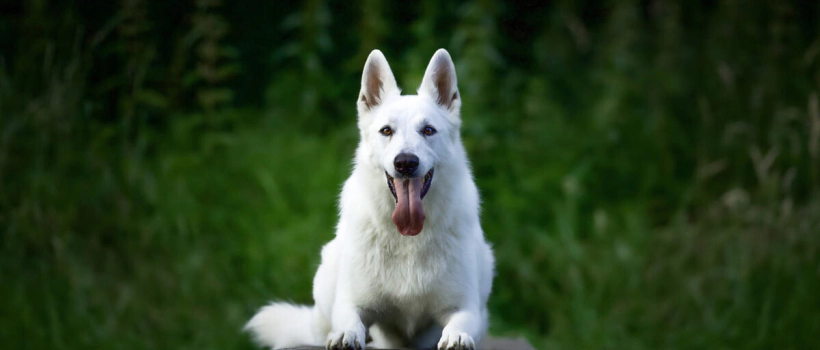
It is always wondered why white-furred dogs are so striking. Is it only their appearance that makes them unique, or is their pure white fur just the tip of the iceberg?
Advertisement
It is always wondered why white-furred dogs are so striking. Is it only their appearance that makes them unique, or is their pure white fur just the tip of the iceberg?
Some white dog breeds have struggled for survival pulling sleds in the frozen lands of the north, while others have been loyal companions to aristocratic families for centuries. Some defy snowstorms with their thick, insulating fur; others offer affectionate companionship to their owners in the hustle and bustle of city life.
There are many things to know about them. Let's explore together the most frequently asked questions about white dog breeds and their characteristics.
Samoyed
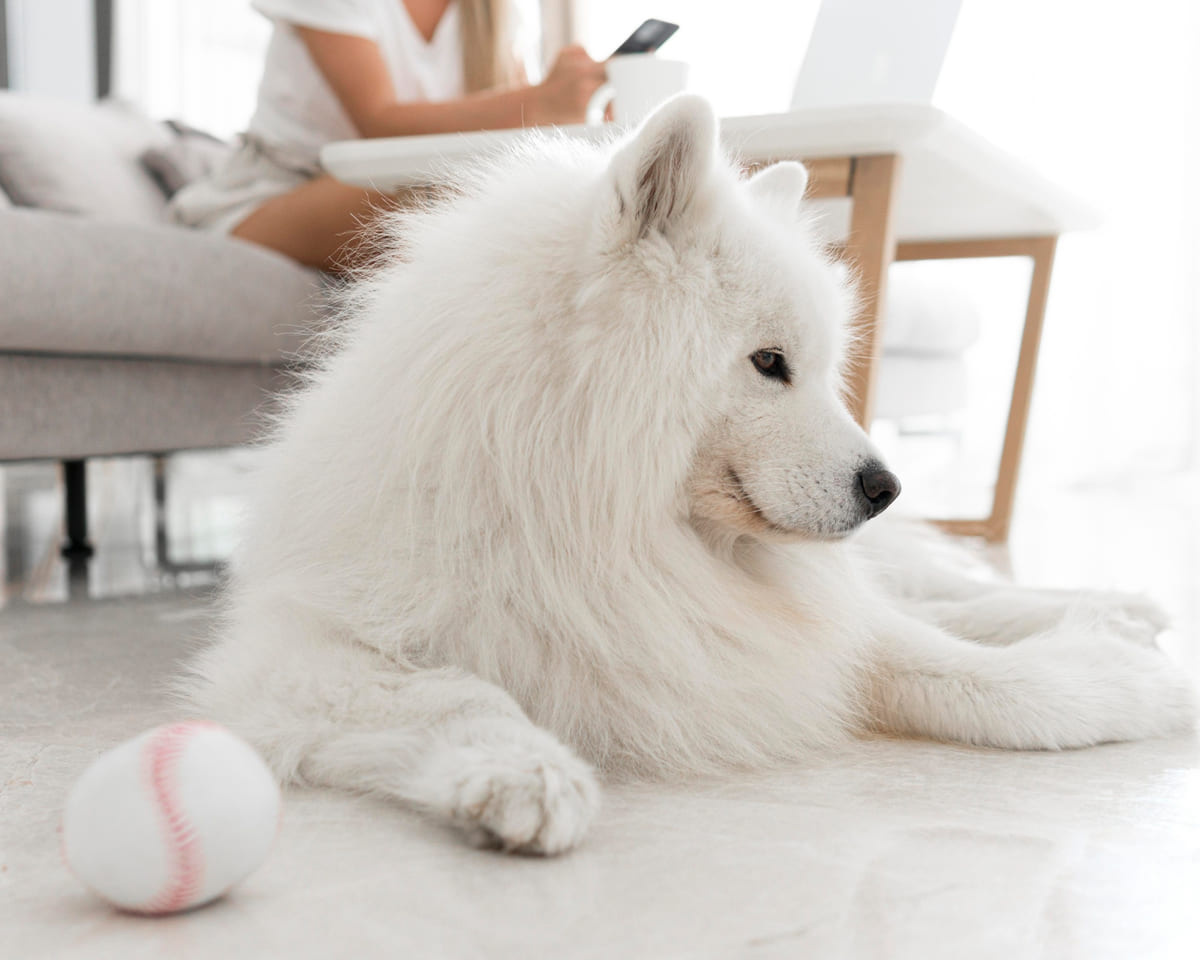
The Samoyed takes its name from the Samoyede people of northern Siberia. Throughout history, they have been bred to herd reindeer, pull sleds, and protect their owners from the cold. Their fur is thick, double-layered, and completely white. They are called "smiling-faced dogs" because of the warm expression reflected in their character.
They are a cheerful, social, and people-oriented breed. They get along extremely well with children and are known for their devotion to their owners. However, be aware: They have a high tendency towards independence, and patience and consistency are required in the training process.
The most important aspect of this breed is coat care. If brushing isn't done several times a week, matting can occur. Of course, they shed heavily during seasonal changes. PetMD emphasizes that Samoyeds need frequent brushing due to their thick fur; otherwise, the risk of infection increases when the skin doesn't get enough air.
Bichon Frisé
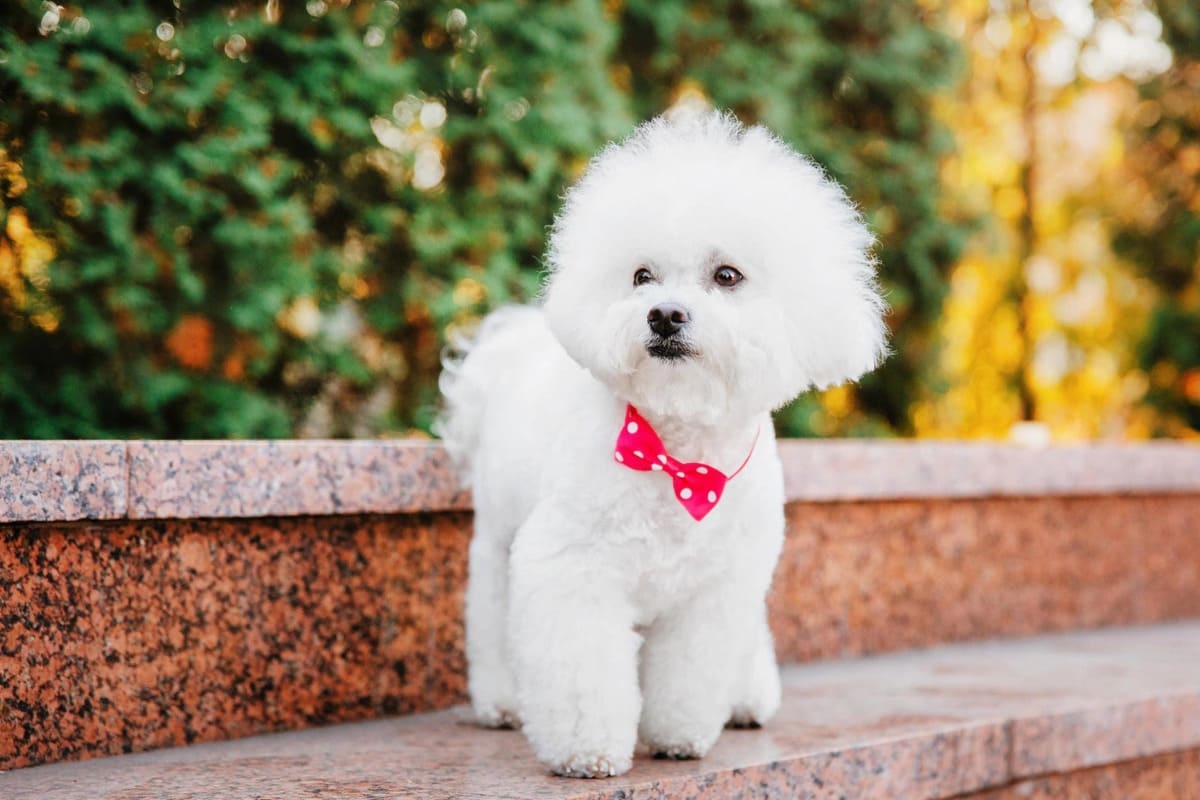
We are presenting one of the most popular curly-haired dogs: The Bichon Frisé, whose origins lie in the Canary Islands off the coast of Spain, was brought to the USA by a French family in 1956 and recognized by the American Kennel Club (AKC) in 1972.
Described as cheerful, friendly, and affectionate, the Bichon Frisé is a people-oriented, energetic, and playful breed. They prefer playing with dog toys, sitting on laps, or running around with children. Because they are intelligent and gentle, they are also quite easy to train.
The Bichon Frisé's social nature makes it very suitable for a family environment and places it among the dogs that get along best with children. Due to their love and devotion to their owners, they have little tolerance for being alone and may experience separation anxiety.
One of the most important characteristics of the Bichon Frisé is that it is considered a hypoallergenic breed. Although it has a low shedding rate, its grooming requirements are high. Some sources state that daily brushing is necessary to maintain the best appearance of its curly white hair. Its care requires regular bathing and professional grooming. Spots around the eyes should be cleaned frequently.
Great Pyrenees

A representative of nobility and strength among white dogs, the Great Pyrenees originates from the Pyrenees Mountains between France and Spain. Because of its strong protective instinct, it may exhibit a cautious attitude towards strangers. It acts like a natural guard dog and is especially suited to living in large areas.
Behind its impressive demeanor lies a calm spirit and a deep sense of loyalty. Its compatibility with children makes it suitable for family life. It is instinctively independent; its centuries-long history of protecting herds by making its own decisions has given it a free personality even today.
According to Bow Wow Insurance data, the Great Pyrenees is a hardy breed but can be prone to serious health risks such as hip dysplasia and gastric torsion. Therefore, portion control and exercise balance should be maintained; fast eating should be prevented. The same source also states that regular veterinary check-ups play a critical role in joint development, especially during the growth period.
Maltese Terrier
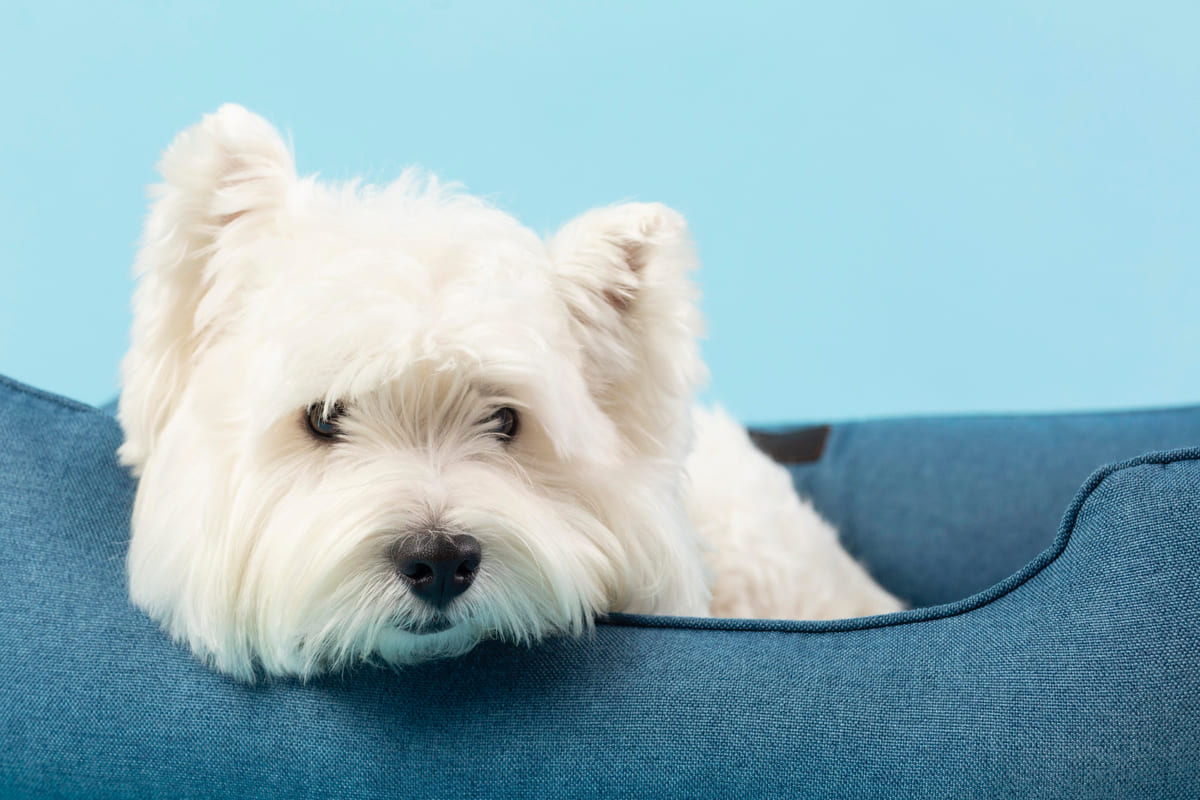
A star that captivates everyone with its long, silky coat: the Maltese. Named after the island of Malta, this small breed has long lived in close proximity to humans. Despite its delicate build, it stands out with its energetic and intelligent character. Moreover, it has a playful and quite courageous spirit.
Maltese dogs require regular grooming. Because their fur is fine, it is prone to tangling and breakage. Daily brushing is necessary to keep their fur healthy. Grooming is also important for maintaining skin health. Brown spots, especially around the eyes, can be largely prevented by using dog eye care products.
Like all dogs, their diet should be carefully planned. For Maltese Terrier nutrition, small breed dog food formulated specifically for their age and general health condition should be preferred. When choosing food, it is best to get the advice of a veterinarian.
West Highland White Terrier
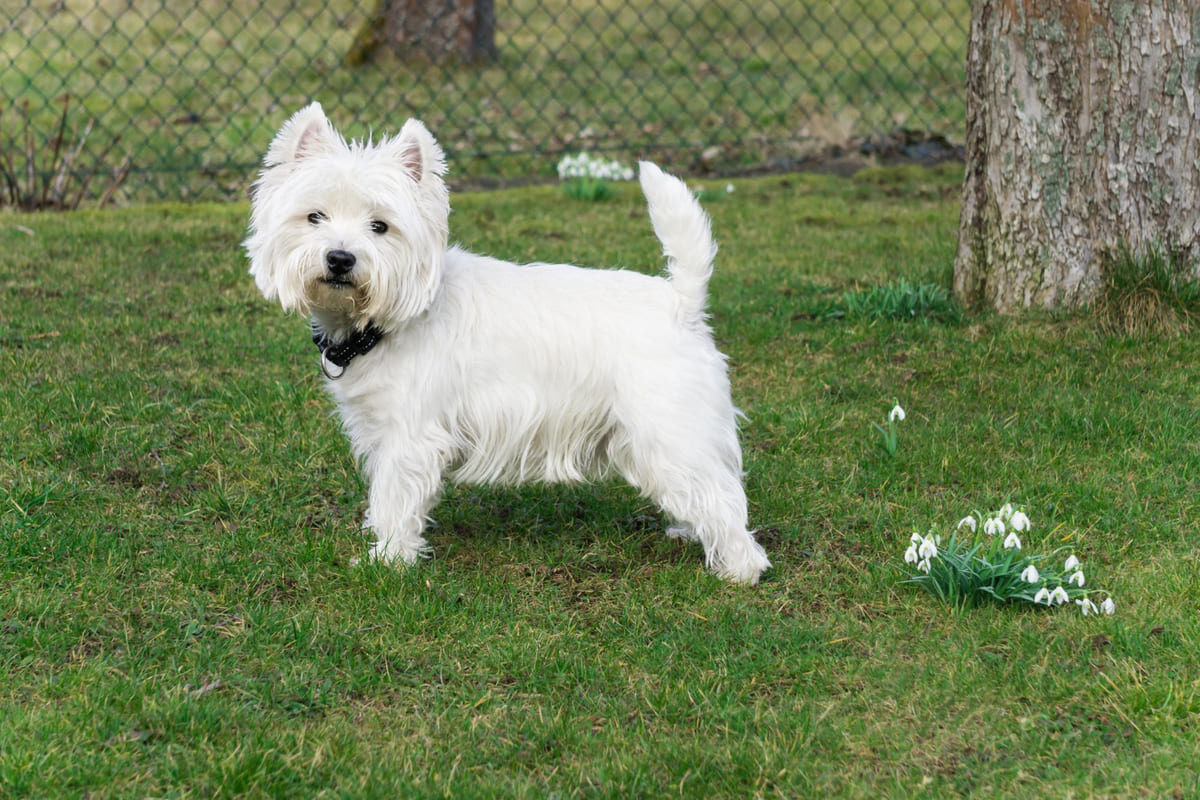 The West Highland White Terrier, or “Westie” as it is commonly known, is a small but big-charactered breed. This white dog, originating from Scotland, was historically bred for hunting foxes and rodents.
Its stiff white coat is easier to groom than other long-haired breeds. Weekly brushing is important to maintain skin health and the natural shine of the coat. The Westie's thick coat provides protection against cold and damp weather conditions.
The Dog Academy source states that the Westie is an independent but devoted dog to its family. Its high energy makes it ideal for families with children. However, lack of exercise can increase restlessness and barking tendencies in this breed.
According to Spruce Pets, West Highland White Terriers require regular dental, nail, and ear care. During routine dog care, products specifically designed and formulated for dogs should be preferred. They may be genetically predisposed to skin sensitivity; therefore, high-quality protein sources should be preferred in their diet.
Komondor

One of the most unusual in appearance among white dog breeds. Originating from Hungary, the Komondor has been bred for centuries to protect herds from wolves and wild animals.
Its most distinctive feature that sets it apart from other breeds is its long, filamentous coat resembling carpet tufts. These natural "cord" hairs provide excellent insulation against weather conditions and give the Komondor both durability and camouflage advantages.
The Komondor, a long-haired dog breed, is quite agile despite the weight of its fur. It has a quiet, determined, and extremely protective character. It is loyal to its family but reserved towards strangers. Because its fur easily absorbs water, it should not be washed frequently, and care should be taken during the drying process. Improper drying can cause moisture buildup and infections on the skin.
Coton de Tulear
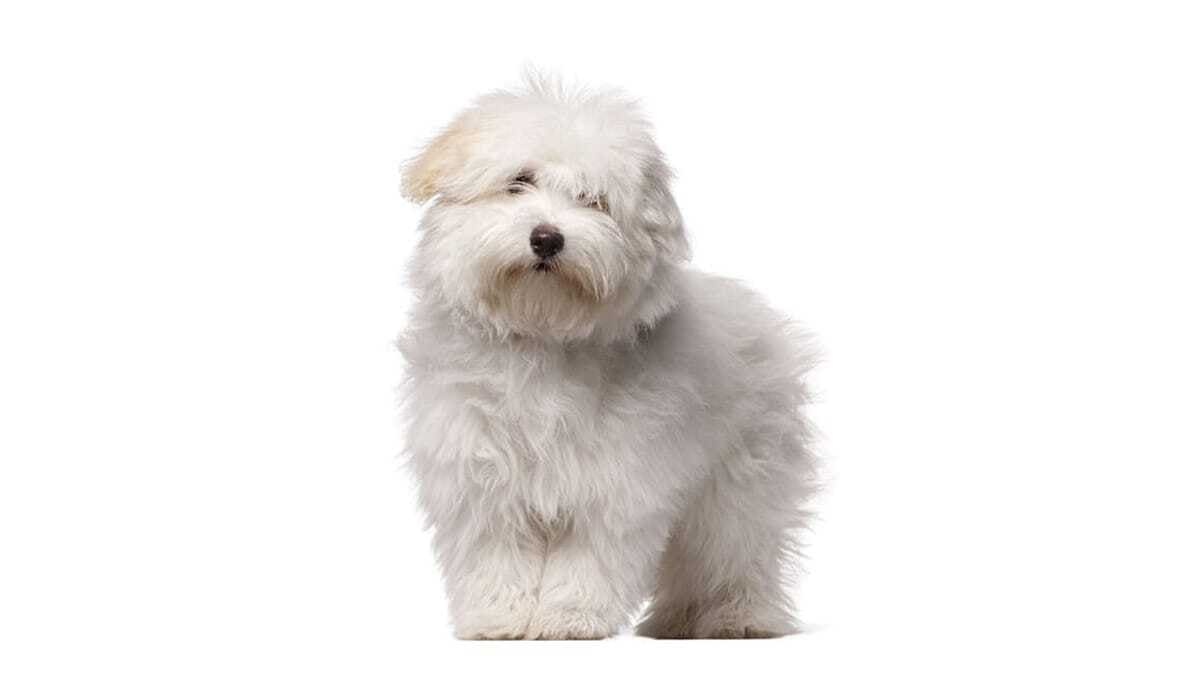 The Coton de Tulear, originating from Madagascar, takes its name from the French word "coton," meaning cotton: its fur is soft and light like cotton. It is a cheerful and warm-hearted breed. It forms strong bonds with people, does not like to be alone, and, so to speak, constantly seeks interaction.
Its fur requires regular care; it can become matted if not brushed several times a week. With its low shedding, it is also considered suitable for individuals with allergies. Balanced nutrition, regular grooming, and dog vitamins used as recommended by a veterinarian can be effective in keeping their coats healthy.
They like to move but don't require excessive exercise. Short walks, a few play sessions, and time spent with attention are enough for their happiness. Generally, because they shed very little, they are frequently adopted by people prone to allergies.
American Eskimo

It is a derivative of the Spitz breed originating from Germany, and the variant developed in the United States is called the American Eskimo Dog. American Eskimo dogs are known for their intelligence, agility, and deep devotion to their owners. In terms of character, they are cheerful, social, and eager to learn.
Their coat is double-layered; the outer hairs are long and silky, while the inner layer is dense and soft. Regular brushing is essential to maintain the whiteness of their coat. This grooming routine also supports skin health by removing dead hairs. The American Eskimo is a source of happiness in a family environment due to its playful nature; it also craves mental stimulation because of its high intelligence level. American Eskimo dogs are social creatures and can develop separation anxiety if left alone for long periods. They are happiest when they form a strong emotional bond with their owners. Regular exercise, play, and human interaction are key to maintaining behavioral balance. Japanese Spitz According to information on PetMD, this breed, unique with its upwardly positioned triangular ears, small and elegant feet resembling cat paws, has an impressive appearance with its fluffy, snow-white fur. According to Japanese Spitz Club (JSC) records, this breed, which emerged in Japan in the 1920s, has an unknown exact origin. The Japanese Spitz is related to northern breeds such as the German Spitz, American Eskimo, and Pomeranian.
American Eskimo dogs are social creatures and can develop separation anxiety if left alone for long periods. They are happiest when they form a strong emotional bond with their owners. Regular exercise, play, and human interaction are key to maintaining behavioral balance.
Japanese Spitz

According to information on PetMD, this breed, unique with its upwardly positioned triangular ears, small and elegant feet resembling cat paws, has an impressive appearance with its fluffy, snow-white fur. According to Japanese Spitz Club (JSC) records, this breed, which originated in Japan in the 1920s, has unknown exact origins. It is related to northern breeds such as the German Spitz, American Eskimo, and Pomeranian. Their coat is soft and dense, so regular brushing prevents tangling. They are extremely loyal to their owners, and have a playful and compatible character with children. Many sources state that this breed is easily trainable and sheds little hair. It is also emphasized that their dirt-resistant coat means they don't need frequent bathing. With high emotional intelligence, easy care, and an energetic nature, the Japanese Spitz is considered one of the most suitable white dog breeds for the home.
Because its coat is soft and dense, regular brushing prevents tangling. It is extremely loyal to its owners, and has a playful and compatible character with children.
Many sources state that this breed is easily trainable and sheds little hair. It is also emphasized that thanks to its dirt-resistant coat, it does not require frequent bathing. With its high emotional intelligence, easy care, and energetic nature, the Japanese Spitz is considered among the most suitable white dog breeds for the home.
Akbaş

The Akbaş, originating from Turkey, is a very special shepherd dog known for both its physical strength and balanced character. This noble breed, named after its white fur, has been bred for centuries in the harsh conditions of Anatolia to protect herds from predators. Despite its large size, it has a calm and controlled nature; it does not act aggressively unless it perceives a threat.
One of the strongest dogs, the Akbaş's character is based on calmness, loyalty, and protectiveness. It usually develops a strong bond with a single person and is extremely affectionate towards its family. Its long legs, broad chest, and thick coat complement both its endurance and elegant appearance.
The World Animal Foundation source emphasizes that the Akbaş is a protection dog capable of making independent decisions thanks to its high intelligence. It is stated that careful exercise is necessary in excessively hot environments.
Bolognese

The Bolognese is an elegant dog originating from Bologna, Italy. In appearance, it resembles the Bichon Frisé, but its character is calmer. Throughout history, it has been a favorite of noble families and has been noted for its loyal and quiet nature. Thanks to its small size, it adapts perfectly to home life and forms a strong bond with its owners.
Its coat is long, soft, and fluffy. The Kennel Club source states that daily brushing is necessary. Low shedding is an advantage for people with allergies. It likes to play but is not overly active. With a 30-minute daily exercise plan, weight balance can be maintained and it can be healthier.
Dogo Argentino
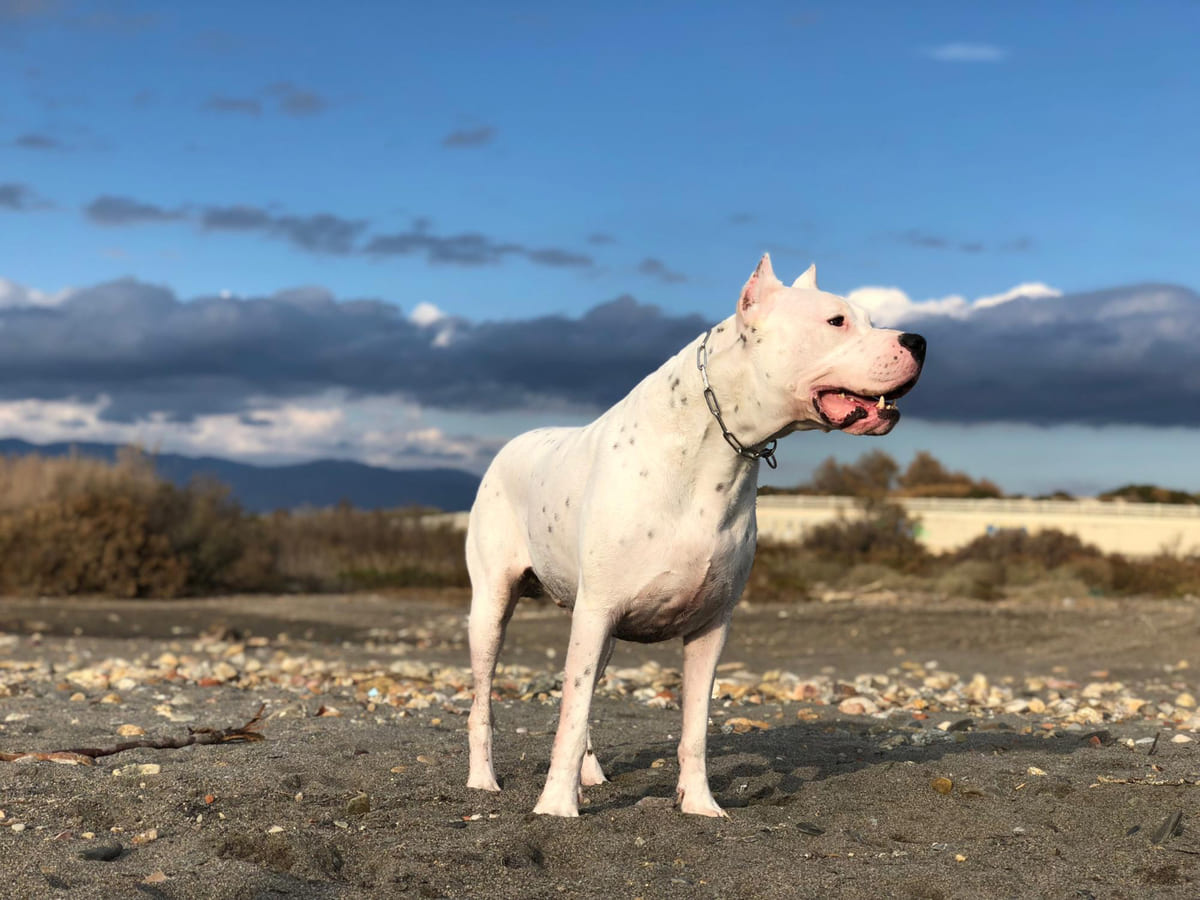 The Dogo Argentino holds a special place among large white dog breeds with its strong build and courageous character. Developed in Argentina in the 1920s by Dr. Antonio Nores Martinez, this breed stands out for its endurance in hunting and its protective instincts.
It is intelligent, determined, and possesses a deep sense of loyalty to its owners. Although they make powerful guard dogs thanks to their fearless nature, with proper socialization and training they become calm and balanced family members.
The Dogo Argentino has high energy; regular exercise, long walks, and games are essential for both its physical and mental health. The World Animal Foundation source states that the Dogo Argentino is surprisingly agile despite its high muscle density. It emphasizes that this breed needs careful exercise in hot weather, as prolonged exposure to the sun can lead to skin sensitivity.
The Dogo Argentino may be genetically predisposed to deafness, so hearing tests are recommended during puppyhood. Otherwise, with regular health checkups, it is possible for them to live a long and healthy life.
Siberian Husky

Husky dogs can be encountered in various color combinations, and the white variant, while rare, is captivating.
This sled dog is known for its endurance and grace. Its thick, double-layered white coat protects it from the cold, while its blue or brown eyes give it a striking appearance. Its medium size, agile and energetic build make it ideal for long walks and outdoor activities.
He is intelligent, free-spirited, and sociable. He is devoted to his family and enjoys acting independently. Regular exercise is essential for him as he can become restless if he cannot release his excess energy.
Havanese
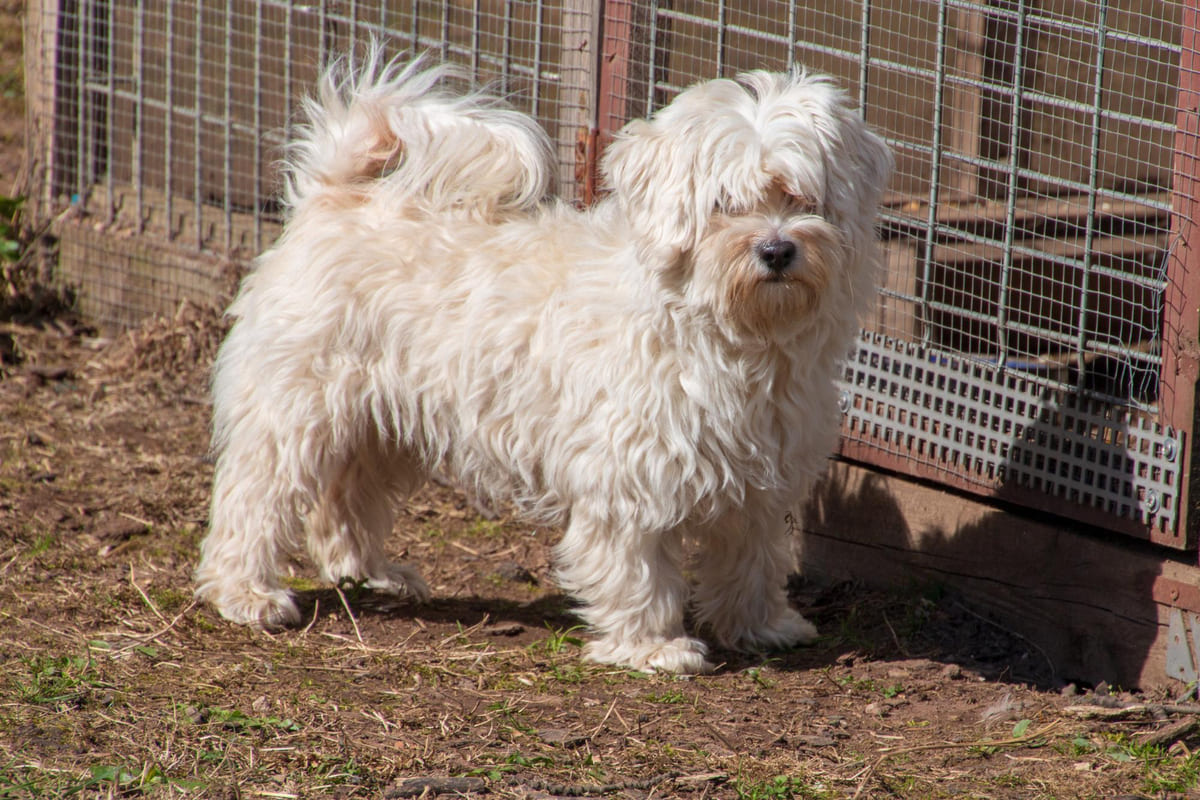
The Chewy is a small and affectionate white dog of Caribbean origin. Its silky, wavy coat gives it an elegant appearance, and under ideal conditions, it sheds very little, making it quite suitable for home life. It is characterized by its lively, playful, and social character. It has a strong attachment to its family and does not like being left alone for long periods.
Its energy level is moderate; short walks and games meet its daily needs. Regular brushing is necessary to prevent tangling. It has high emotional intelligence and easily gets along with both children and other animals. As stated in the Chewy source, with complete care and regular health checkups, it can live 14 to 16 years.
Lhasa Apso
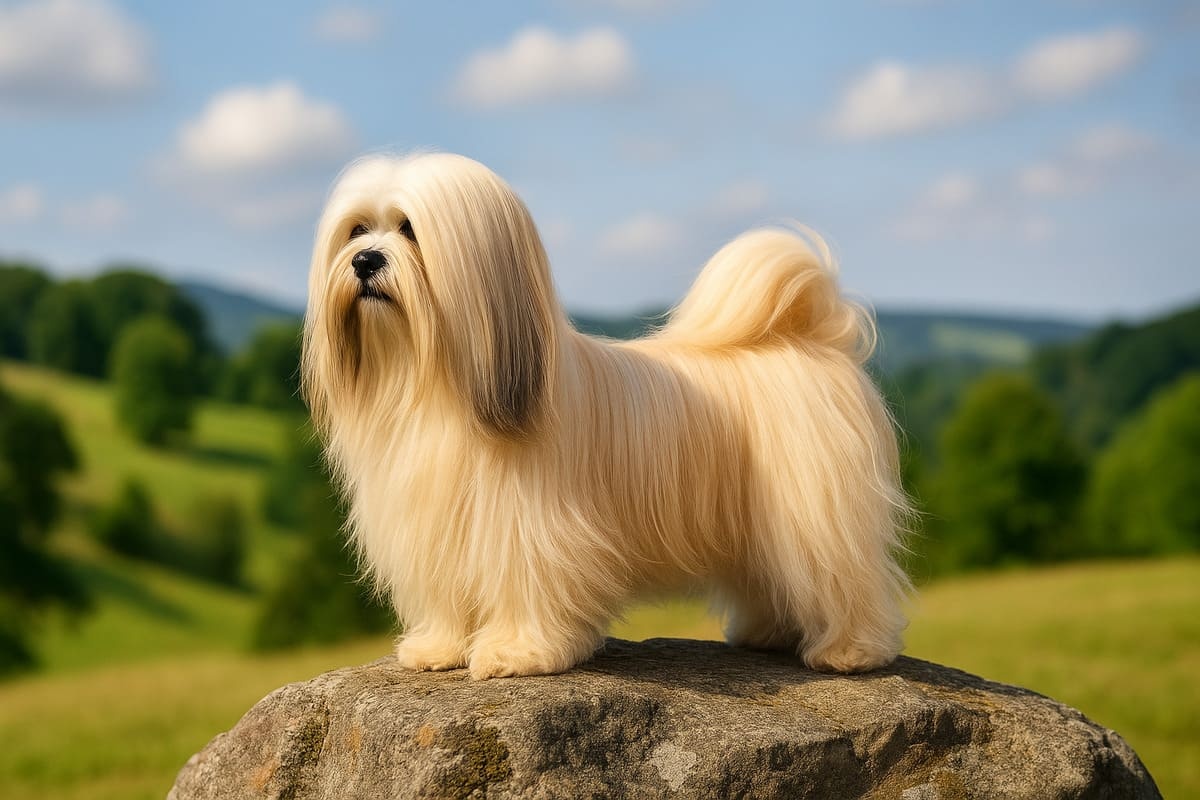
We're talking about a friend whose origins lie in Tibet, who has been bred as a guard dog in temples throughout history, and who is known for his intuitive intelligence and protective nature: the Lhasa Apso. Its long, straight, and dense coat gives it a majestic appearance, but regular grooming is essential to maintain its unique look.
Despite its small size, it has high self-confidence. It is affectionate towards its owners and cautious towards strangers. With its quiet but watchful nature, it easily adapts to both apartment living and quiet family environments.
Frequently Asked Questions About White Dog Breeds
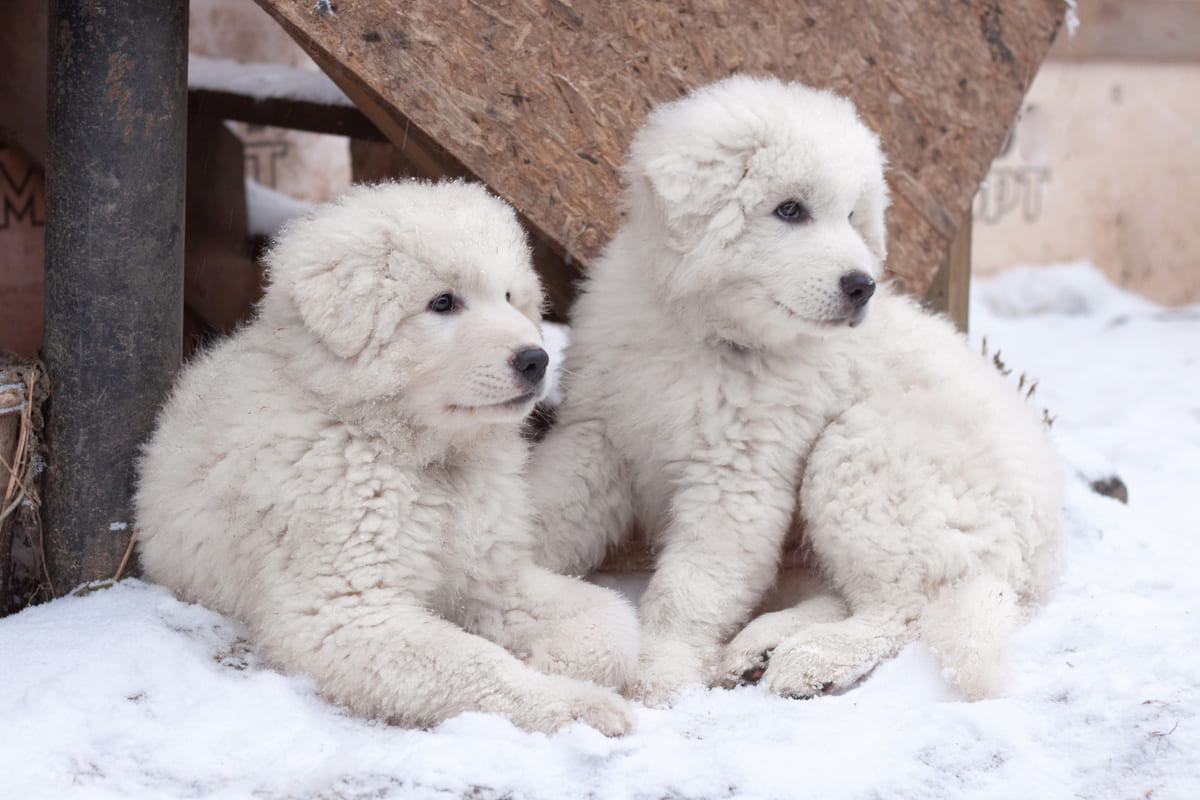
In this section of our content, you can find answers to frequently asked questions about white dog breeds.
Why are white dog breeds so popular?
White dogs are both aesthetically and emotionally appealing with their appearance representing elegance and purity. Their popularity has increased due to their frequent appearance on social media. Many white dog breeds are also preferred for their loyal character and people-oriented nature. Breeds with smiling facial expressions, such as Samoyeds, radiate positive energy, while miniature breeds like Maltese and Bichon Frisé adapt to family life with their affectionate nature.
Why do white dogs' coats turn yellow?
Yellowing of white dog coats is mostly caused by environmental factors and lack of care. Yellowing occurs as a result of oxidation in areas that come into contact with tears, saliva, and urine. Additionally, prolonged exposure to sunlight can disrupt the natural oil balance in the fur, leading to discoloration. Nutrition is also an important factor; dog foods containing quality protein and omega-3 help maintain the whiteness of the coat by supporting hair pigmentation. Do white dog breeds cause allergies? All dogs produce a certain amount of allergens. This fact remains constant, only some white breeds are in the "hypoallergenic white dog" category. Because these breeds shed less, the amount of dandruff released into the environment is low. Breeds such as Bichon Frisé, Maltese, and Coton de Tulear fall into this group. Regular bathing, the use of air filters in the home, and frequent cleaning further reduce the amount of allergens. What are the common health problems in white dogs?
Do white dog breeds cause allergies?
All dogs produce a certain amount of allergens. This fact remains constant; only some white breeds fall into the "hypoallergenic white dog" category. Because these breeds shed less, the amount of dandruff released into the environment is low. Breeds such as Bichon Frise, Maltese, and Coton de Tulear belong to this group. Regular bathing, the use of air filters in the home, and frequent cleaning further reduce the amount of allergens.
What are the common health problems in white dogs?
Health problems in white dogs are generally due to genetic factors and pigment deficiency. The most common problems include congenital deafness, skin allergies, and eye disorders. Dogs with light-colored skin are more sensitive to the sun. Some breeds, such as Great Pyrenees and Samoyeds, are prone to orthopedic problems such as hip dysplasia.
What should be done to keep the coat of white dogs white?
The first step in maintaining coat whiteness is the right grooming routine. Weekly brushing removes dead hair and dirt, preventing yellowing. Using dog shampoo for white dogs can restore the natural shine to the coat. Tear cleansing solutions should be preferred for brown spots around the eyes. Food choice also directly affects coat quality. Low-quality foods can disrupt the skin's oil balance.
Are white dogs difficult to care for?
The difficulty of care varies depending on the breed. Breeds with long coats require more attention, while short-haired types are easier to manage. Basic rules include regular brushing, bathing, nail trimming, and ear cleaning. Daily cleaning habits should be established to prevent stains from tears and saliva. Although this care routine may seem laborious at first, it makes a big difference in terms of the dog's health and coat shine.
Are white dogs sensitive to the sun?
Dogs with light-colored skin are more sensitive to the sun than other breeds. Prolonged exposure to direct sunlight can cause burns. Especially for short-haired and thin-skinned breeds, shaded areas and access to water should be provided during the summer months.
Which is the most beautiful white dog breed?
The most beautiful white dog breeds vary according to personal preference. All dogs are beautiful in their own way, and excellent friendships can be formed with all of them.
Can white dogs live in hot climates?
Breeds with thick coats may struggle in hot weather; a cool environment, plenty of water, and shaded areas are necessary. Short-haired breeds may be happier living in hot climates. In summer, exercise hours should be done early in the morning or in the cool evening.
Kaynaklar:
https://www.thesprucepets.com/white-dog-breeds-4846529
https://www.petmd.com/dog/general-health/white-dogs
https://worldanimalfoundation.org/dogs/white-dog-breeds/
https://www.dailypaws.com/living-with-pets/pet-compatibility/white-dog-breeds
https://www.thekennelclub.org.uk/search/breeds-a-to-z/breeds/toy/bolognese/
https://dogacademy.org/blog/white-dog-breeds-our-top-picks/
https://bowwowinsurance.com.au/dogs/dogs-breeds/white-dog-breeds/
https://www.chewy.com/education/dog-breeds/havanese
Advertisement
Advertisement
Keep exploring
Continue reading
Dog Breeds
German Dog Breeds
Their intelligence, hardworking nature, protective instincts and devotion to their families German Shepherd dogs, world-renowned for their loyalty…
Read guide →
Dog Breeds
Meet the Black Dog Breeds: 14 of the Most Elegant and Powerful Loyal Companions
Everyone has different criteria in the dog adoption journey. Some choose dogs based on their energy level, some on their size, and some on their…
Read guide →
Dog Breeds
Curly-Haired Dog Breeds and Characteristics
Every dog has its own unique charm. Some conquer our hearts with their long ears, others with the loving look in their eyes.
Read guide →
Dog Breeds
Terrier Dog Breeds: Brave, Adorable, and Apartment-Friendly Breeds
Terrier dog breeds are among the most active members of the dog world with their energy and sharp intelligence.
Read guide →