10 Interesting Facts About Cats' Paws
Cats are quite interesting creatures with their behaviors, habits, and desires. The fact that people realize cats try to understand humans in a very different way has a great impact on making them interesting creatures.
Advertisement
Cats are quite interesting creatures with their behaviors, habits, and desires. The fact that people realize cats try to understand humans in a very different way has a great impact on making them interesting creatures. Just as their behaviors are interesting to people, so are their physiological characteristics. Thanks to their flexible and athletic body structures, they can perform unimaginable maneuvers or sleep in very different positions. One of the interesting aspects of cats is their paws. Cats' paws may be small, but they are vitally important in terms of function.

1. Number of Claws
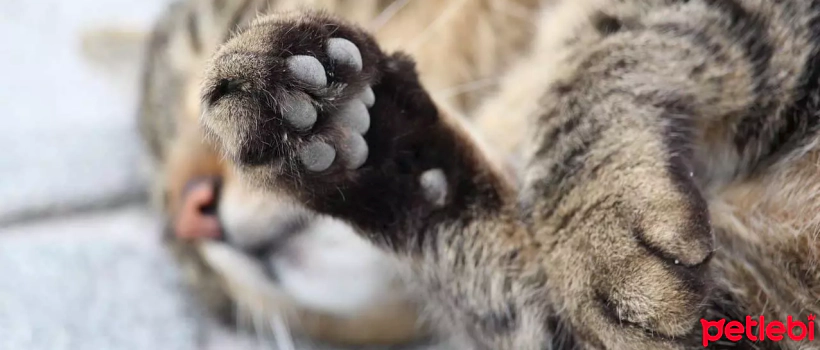
If you look closely at your cat's paw, you may notice that the number of claws on the front is greater than on the back. Cats have five claws on their front paws and four on their back paws. These extra claws on the front act as a kind of thumb.

2. Walking Style
Cats have an incredible anatomy. Although they appear to walk on their feet from the outside, they actually walk on their tiptoes. Cats, dogs, elephants, and many other animals walk only on their toes. These animals have evolved this way to survive in the wild. Dinosaurs, which lived millions of years ago, are also known to have walked on their tiptoes despite being enormous creatures.
3. Polydactyly
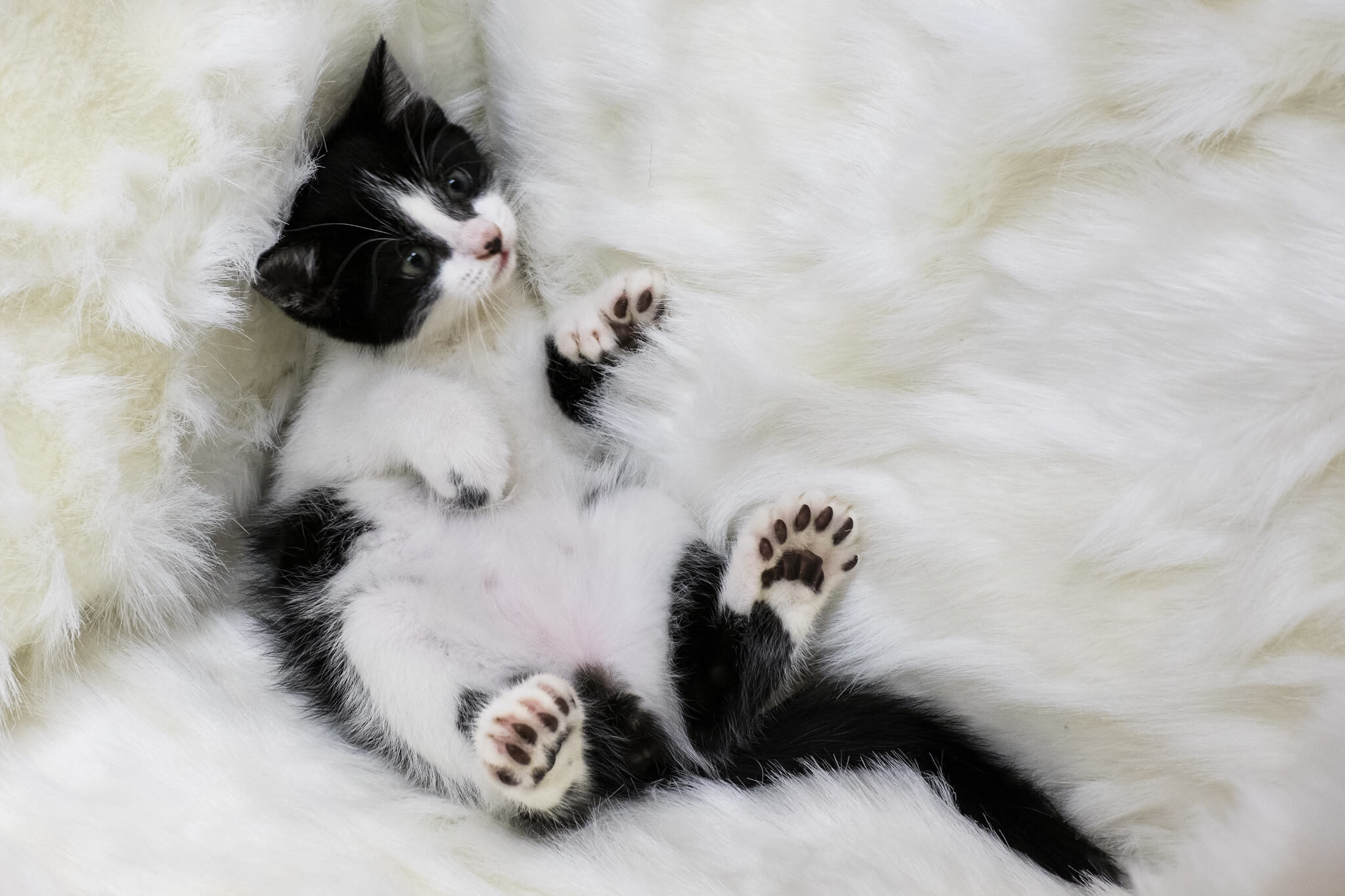
Like humans, some cats can be born with extra claws. This condition, called polydactyly, is usually seen in one of the front or back paws. Polydactyl cats are also called Hemingway's cats. The famous American writer Ernest Hemingway's cat, Snowball, was a polydactyl cat, and all his kittens also had extra claws. Snowball's descendants still live in America, and they all have multiple claws. Polydactyly is thought to be extremely rare in cats, but this is not true. Polydactyly is particularly common in Maine Coon cats. To learn more about cats with multiple claws, you can check out our blog post titled "Things You Should Know About Polydactyl Cats".

4. Dominant Paw
Cats, like humans, have a dominant paw. According to research, male cats are generally left-pawed, while female cats are more right-pawed. You can easily tell which side of your cat's paw is dominant. Closely observe your cat as it crosses over an object or climbs to a height. The paw they use first for movement is their dominant paw.

5. Grooming Tool
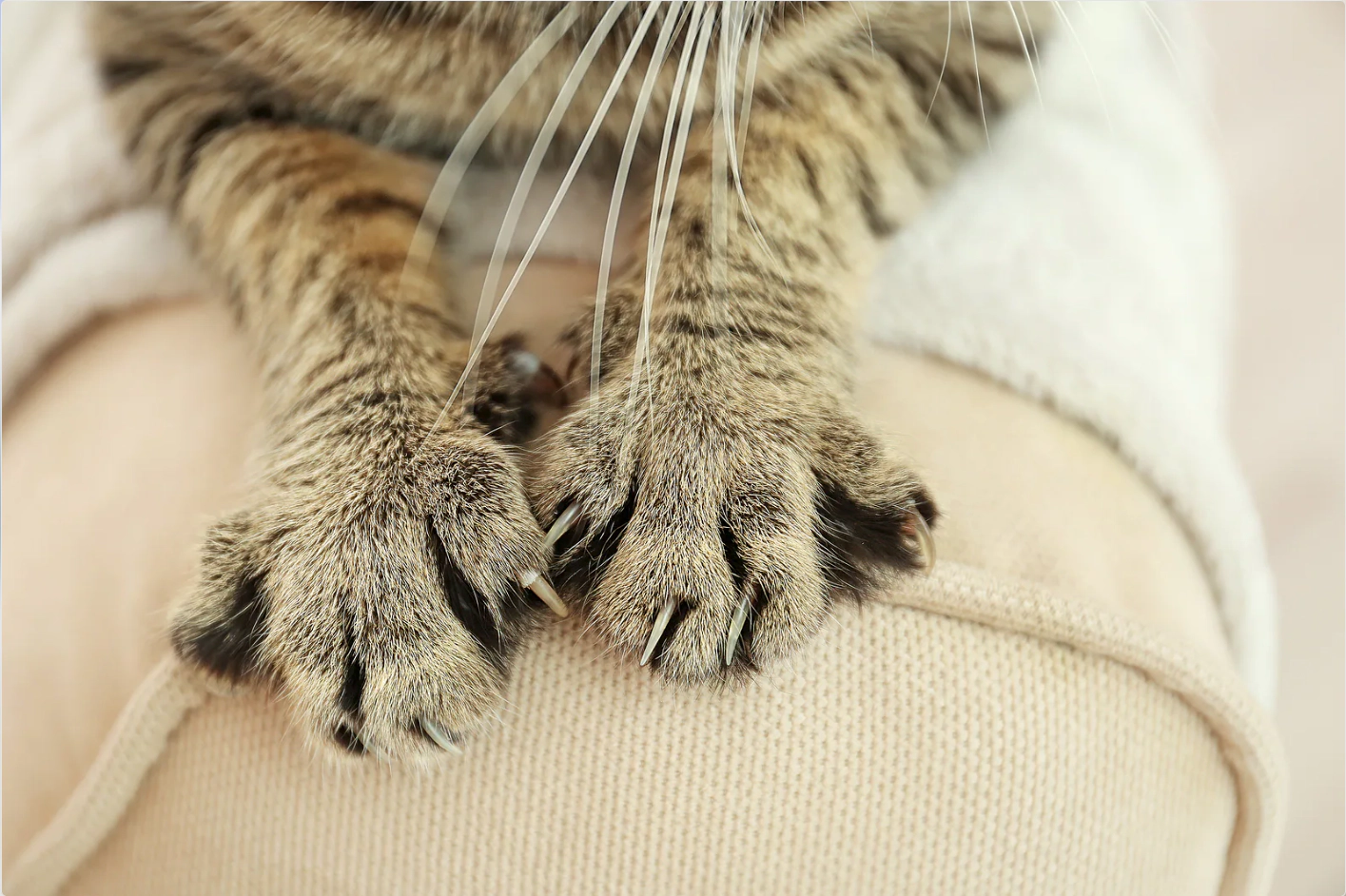
Cats use their paws for many things, and grooming their fur is one of them. An average cat spends five hours a day cleaning and grooming its fur. They mainly use their tongues, front teeth, and paws for this.
6. Koku Bezleri
Cats have scent glands in their paws. You may have seen your cat making massage-like movements with its paws. This is actually the cat's way of leaving its scent on you because it loves you.
7. Silent Walking
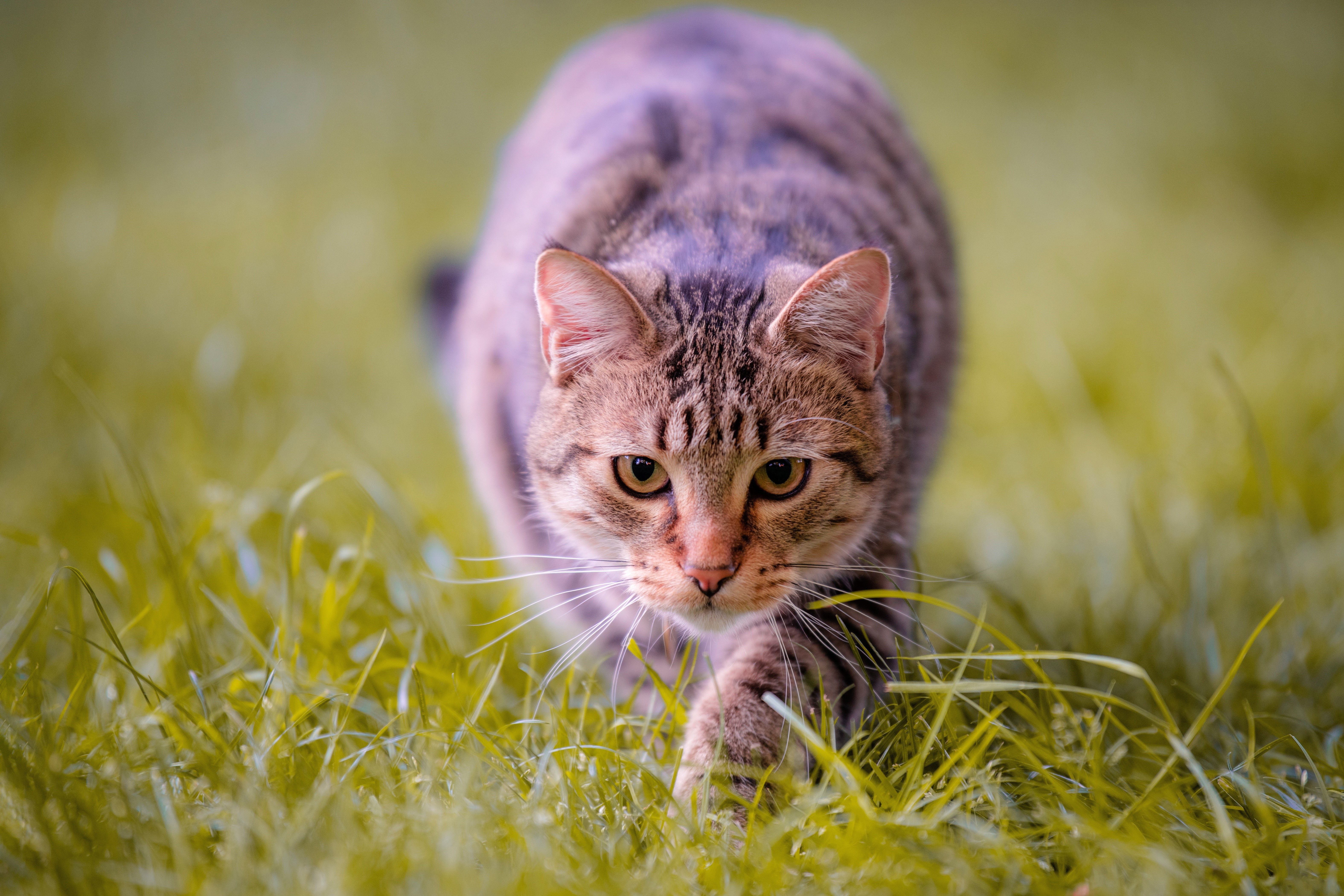
Cats are excellent hunters in nature. In addition to their keen senses of hearing and sight, their ability to walk very silently makes them very successful hunters. Almost none of the maneuvers they make while tracking their prey are heard by the prey. This also means a high success rate in catching prey.

8. Extremely Sensitive
Many cat lovers enjoy squeezing the soft pads on cats' paws, but this is a behavior that should be avoided. These pads are full of numerous nerve receptors that aid in hunting. The presence of so many nerve endings makes the cat's paw extremely sensitive to touch. Therefore, many cats do not like having their paws touched. If your cat allows its paws to be touched and stroked, it is a sign of trust in you.

9. Shock Absorbing Function
Cats are famous for landing on their four feet. This is due to their self-righting reflex. However, during landing, the paws act as shock absorbers. This is also true for large felines such as lions or tigers.

10. Sweating Point
Cats or dogs cannot sweat like humans; instead, when they get too hot, they breathe rapidly to cool down. They also sweat through their paws. Cats also sweat through their paws when they are stressed.
Advertisement
Advertisement
Keep exploring
Continue reading

Cat Lifestyle & Guides
What is Cat Soup? Is it Beneficial for Cats?
If your cat rarely visits its water bowl, is sometimes reluctant to eat dry food, or shows interest in different textures, liquid products may catch…
Read guide →
Cat Lifestyle & Guides
How to Give Rewards and Snacks to a Neutered Kitten?
The Feline Veterinary Medical Association supports neutering kittens until they are five months old.
Read guide →
Cat Lifestyle & Guides
Benefits of Colostrum for Cats and Dogs
Colostrum is the first milk produced by mother cats and dogs after birth. Thanks to its antibodies and high nutrient content, it responds to the…
Read guide →
Cat Lifestyle & Guides
Why is Gut Health Important in Cats?
In cats, bowel health is linked to many areas, from digestive regularity and immune system-related processes to energy levels and daily comfort.
Read guide →