10 Tips for Creating a Cat-Friendly Garden
Some cats living indoors can spend time in the garden in safe conditions with the approval of veterinarians. At the same time, the gardens of apartments or houses can be used as safe havens for cats.

Advertisement
Some cats living indoors can spend time in the garden in safe conditions with the approval of veterinarians. At the same time, the gardens of apartments or houses can be used as safe havens for cats. Naturally, the number of people who want to create a more comfortable and safe garden for cats is extremely high.
By nature, cats are curious, active, and playful, and the conditions that support their physical and mental health are quite varied. When it comes to creating a cat-friendly garden, many different factors come to mind. Moreover, whether the garden will be used only by house cats or by our feline friends living on the street can affect the rules of creating a cat-friendly garden.
Gardens that contain elements where cats can be protected from the weather, hide, play, scratch, and have access to clean water and food are generally considered cat-friendly gardens.
So how and where should you start creating a cat-friendly garden? In this article, you can find information about what should be included in gardens where cats can spend enjoyable, healthy, and safe time.

Provide Hiding Places
Your cats, whether living in your house or those who take refuge in your garden, need access to hiding places where they can feel safe. Hiding places where they can spend time and even stay comfortable when faced with potential dangers can help them be happy.
After creating hiding places where cats can relax, efforts should be made to keep these areas clean. Cat houses, wooden furniture, and hiding places made of insulated cardboard will also encourage our feline friends to claim the gardens as their own.
However, it should not be forgotten: The decision to let house cats outside should be made carefully. Indeed, experts have differing opinions on this matter. You can read our article "Should House Cats Be Let Outside?" for details.

You Can Designate a Special Toilet Area
If you have decided to let your cat out into your garden and created a safe area for it, you can also take steps to address its toilet needs. This will reduce the risk of damage to your flowers, if any, help your cat minimize contact with plants while relieving itself, and keep your garden cleaner.
Having a litter box that your indoor cat can use when going out into the garden will make your cat feel at home. However, be careful, if different cats enter your garden, the use of the same litter by different cats can mean the spread of possible diseases. Therefore, it is important to be careful.

Provide a Scratching Area
Create suitable scratching areas so that your cat can keep its claws healthy. Scratching is a natural and necessary behavior for cats, done to protect their claws and mark their territory. Some cats prefer horizontal scratching posts, while others may prefer vertical ones. Therefore, you can satisfy your cat's scratching needs by offering both options. You can find various types of cat scratching posts here. If you have trees in your garden, they will naturally meet your cat's needs for both scratching and spending time at a height. If you don't have trees in your garden, or if you don't want your tree to be used as a scratching post, you can also bring out logs or a scratching post you use at home. Create a Versatile Fun Area For your cat to expend its energy, it can experience physical and mental benefits simultaneously. You can create a safe garden for it while also providing a sufficiently fun environment. Ultimately, playtime is just as important for your cat as its food, warmth, and safety.
If you have trees in your garden, they will naturally meet your cat's needs for both scratching and spending time at a height. If you don't have trees in your garden or don't want your tree to be used as a scratching post, you can also bring out logs or a scratching post you use at home.

Create a Multi-Purpose Play Area
For your cat to expend its energy, it can experience simultaneous physical and mental benefits. While creating a safe garden for it, you can also ensure it has a sufficiently fun environment. After all, playing is as important as feeding, warming, and being safe for your cat.
Playing a little with your cat every day will strengthen the bond between you and help you get to know each other better. Some cats may not like being cuddled or petted, but they may enjoy playing. Some love games with people, while others prefer to play alone. Whatever your cat's preference, you can create opportunities in your garden for it to play in a way it enjoys.
If you don't have a cat or don't let your cat out, but want to turn your garden into a fun play area for the cats in your area, you can try different methods. For example, you can build a scratching post yourself out of wood and/or hang toys in different areas of the garden.

Make Sure the Plants Are Safe
To prevent your cat or cats spending time in your garden from getting hurt, you must ensure that the plants in your garden are not toxic to cats. Choosing safe plants is one of the basic requirements for creating a cat-friendly garden.
If you want to grow plants in your garden, you can choose cat-safe alternatives. Moreover, you can use safe grasses that will provide hiding places for cats. By prioritizing plants that cats can safely consume, you can also contribute to their health. You can check out our content on cat-safe houseplants.
Provide Shelter Areas
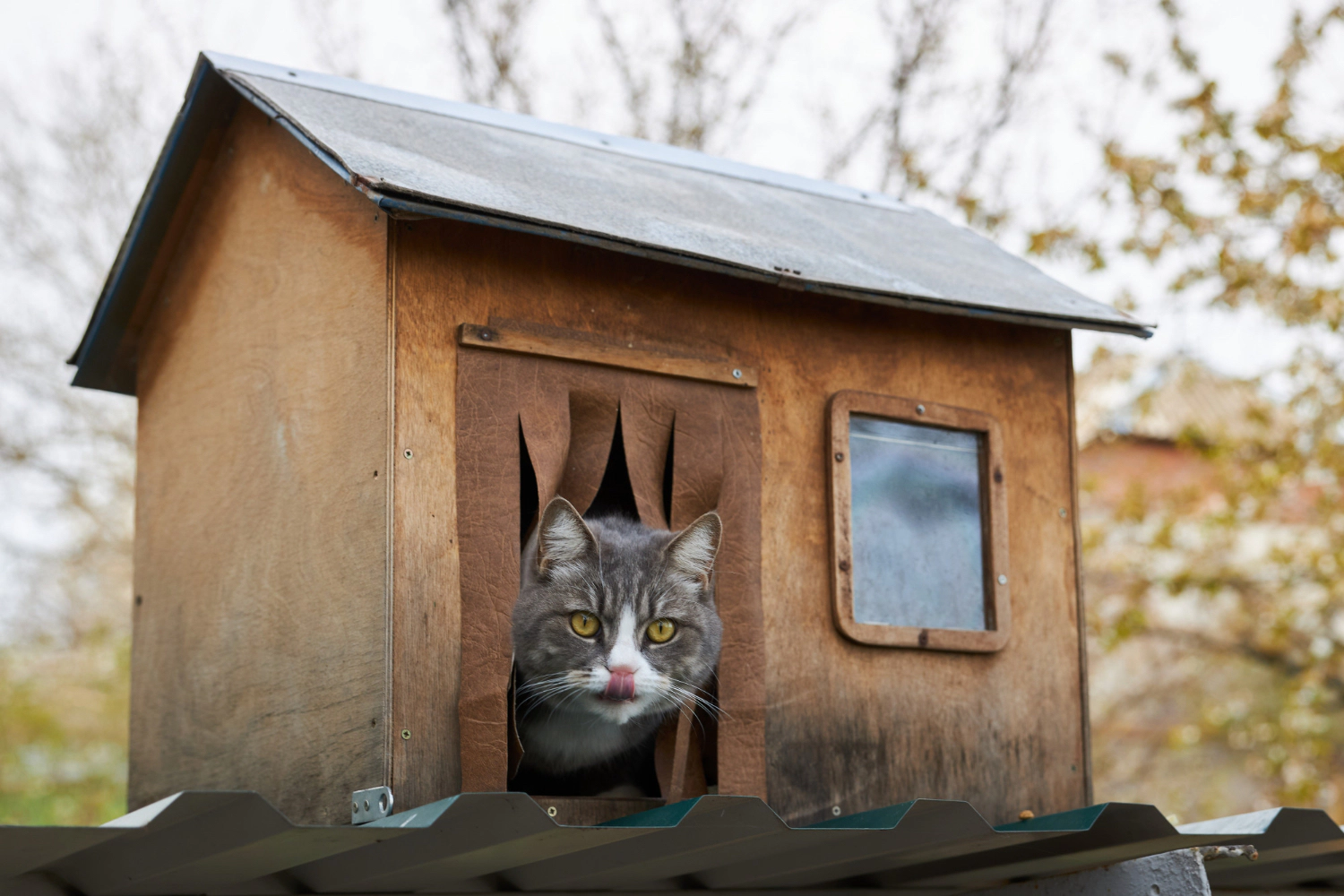
If you have cats spending time in your garden, they will need shelter areas where they can spend time even in cold weather. It is not as difficult as you might think to diversify shelter areas where they can be protected from rain, cool off in the shade when needed, and not be affected by extreme cold.
For example, trees and bushes in your garden can become natural shelters for them. Cat houses and umbrellas can make it easier for them to find shaded areas in the summer. Cardboard boxes can provide ideal conditions for both hiding and shelter.

Clean Drinking Water and Food are Essential
Like all living things, cats can become seriously dehydrated if they do not consume enough water. For details, see How Much Water Should Cats Consume? You can read our content. Even if your cat living in your house has the opportunity to drink water, if there are cats that have adopted your garden as their home, providing them with clean water is one of the basic requirements for creating a cat-friendly garden.
You can put fresh water in clean bowls every day, and increase the number of bowls according to the number of cats in your garden. If possible, it is of course possible to meet their food needs as well. You can ensure that cats are fed in your garden, especially in extremely hot and cold weather.
Provide Elevated Areas in Your Garden
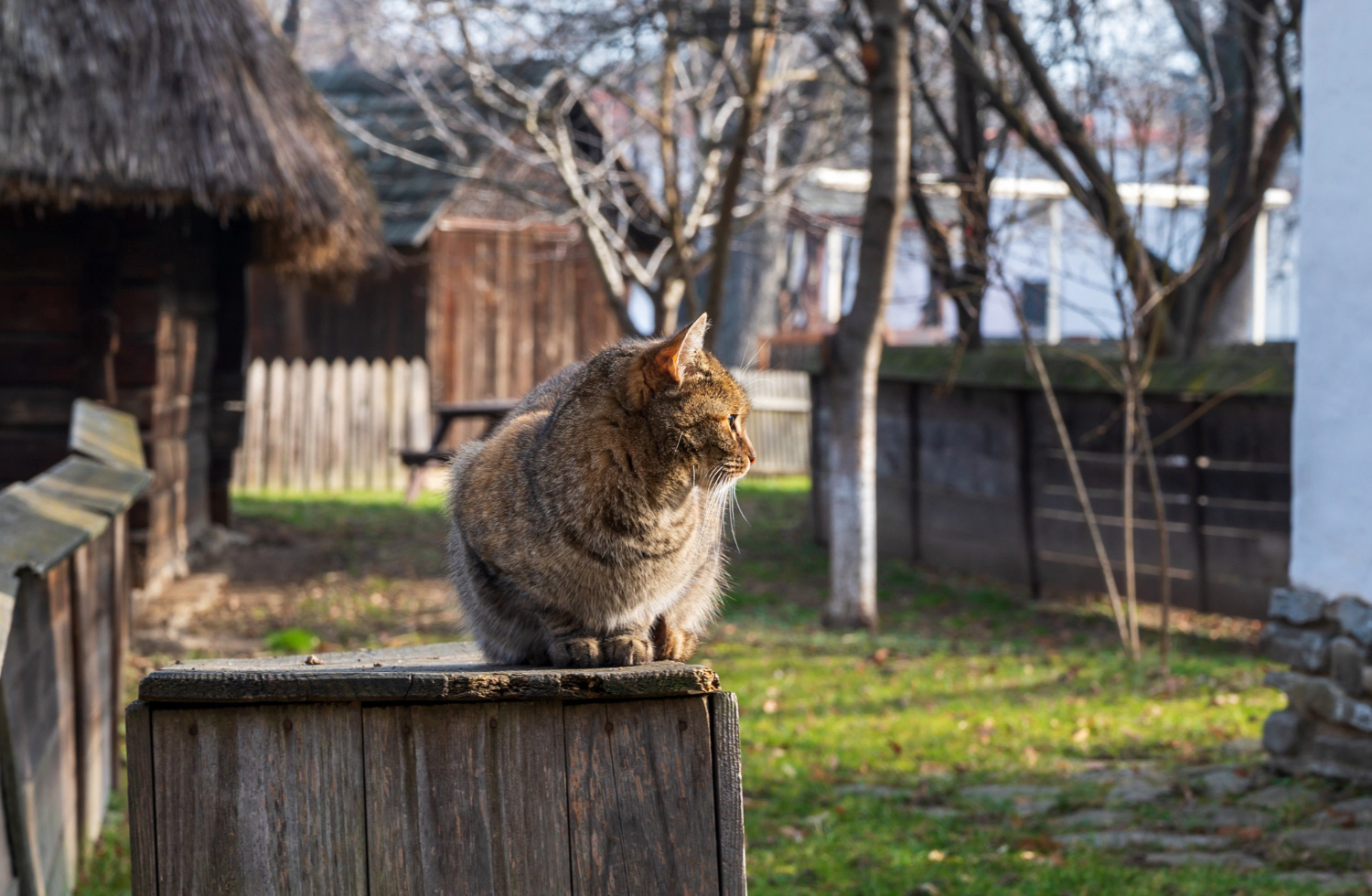
When cats feel threatened or think their lives are in danger, they instinctively want to find a high place. Providing high areas in your garden where your cat can feel safe or take an afternoon nap will please them.
Trees are, of course, ideal for meeting cats' need to spend time at a high place. However, if you don't have trees in your garden, you can install shelves on the garden walls, creating areas for cats to climb and relax at a height. Avoid Harmful Chemicals If you are using plant nutrients with chemical content to help your flowers and plants grow healthier in your garden, it would be beneficial to be careful. Many chemicals can be toxic to cats. Even some organic alternatives can be harmful to cats, so you should check whether the fertilizer or plant nutrient you choose is safe for cats to use cat-friendly options. Take Precautions Appropriate to the Purpose of Your Garden Those who want to create a cat-friendly garden need to take precautions specific to the users of their garden. For example, if the garden is to be allocated to a cat living in the house, other cats should not be allowed into the garden to prevent possible fights. Similarly, if the garden is to be used by stray cats, it is best not to let the house cat out into the garden.
Avoid Harmful Chemicals
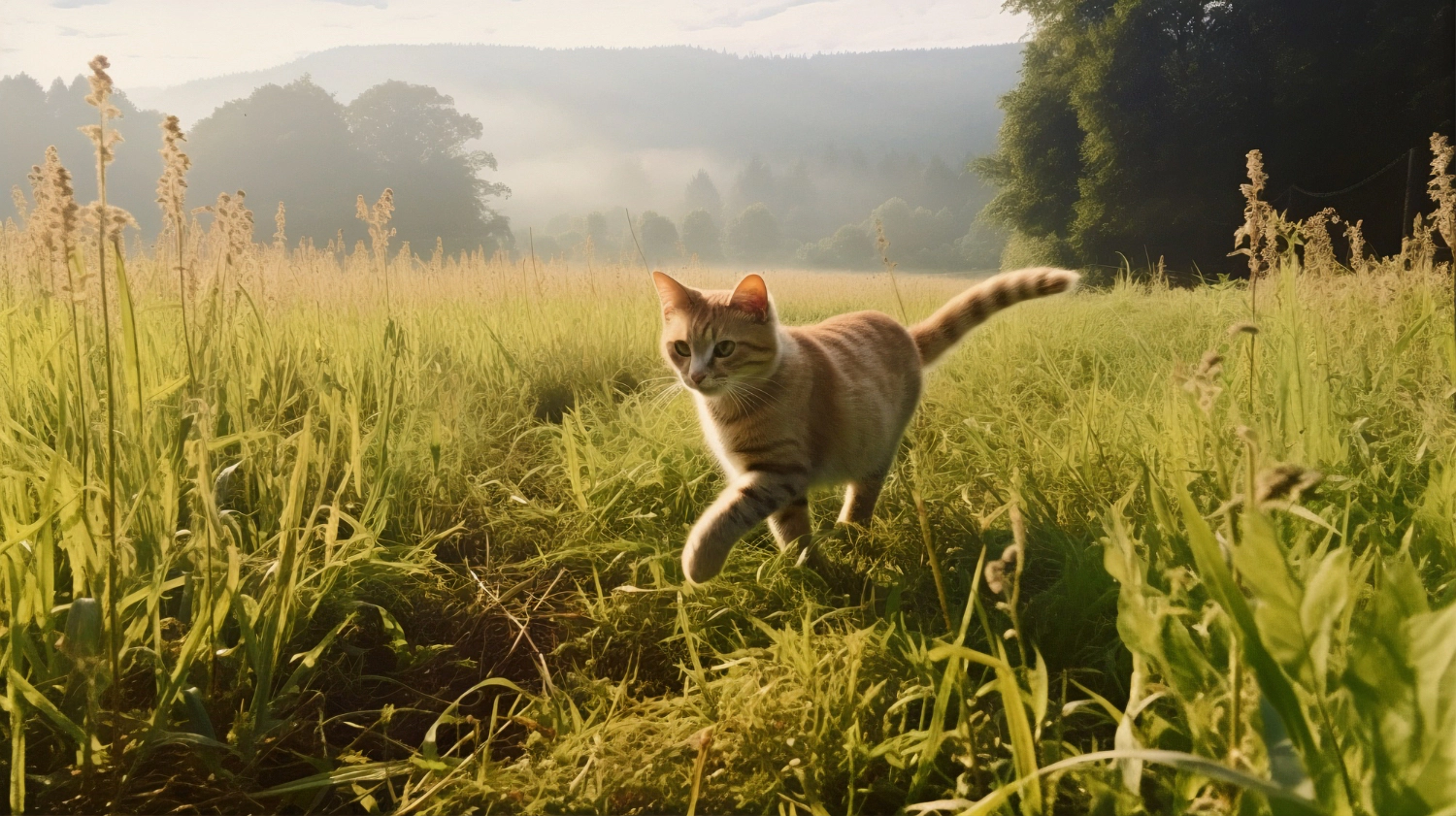
If you are using plant nutrients with chemical ingredients to help your flowers and plants grow healthier in your garden, it is advisable to be careful. Many chemicals can be toxic to cats. Even some organic alternatives can be harmful to cats, so you should check whether the fertilizer or plant nutrient you choose is safe for cats to use cat-friendly options.

Take Precautions Appropriate to Your Garden's Intended Use
Those who want to create a cat-friendly garden need to take precautions specific to the users of their garden. For example, if the garden is to be allocated to a cat living in the house, other cats should not be allowed into the garden to prevent potential fights. Similarly, if the garden will be used by stray cats, it is best not to let the cat from the house into the garden.
Letting cats out into the garden is not a decision to be made impulsively. First, veterinarians' recommendations should be taken into account, and the house cat's vaccinations and parasite treatments should be complete. The fact that it is not accustomed to outdoor conditions should be considered, and safety risks should be thoroughly determined.
Advertisement
Advertisement
Keep exploring
Continue reading

Cat Lifestyle & Guides
What is Cat Soup? Is it Beneficial for Cats?
If your cat rarely visits its water bowl, is sometimes reluctant to eat dry food, or shows interest in different textures, liquid products may catch…
Read guide →
Cat Lifestyle & Guides
How to Give Rewards and Snacks to a Neutered Kitten?
The Feline Veterinary Medical Association supports neutering kittens until they are five months old.
Read guide →
Cat Lifestyle & Guides
Benefits of Colostrum for Cats and Dogs
Colostrum is the first milk produced by mother cats and dogs after birth. Thanks to its antibodies and high nutrient content, it responds to the…
Read guide →
Cat Lifestyle & Guides
Why is Gut Health Important in Cats?
In cats, bowel health is linked to many areas, from digestive regularity and immune system-related processes to energy levels and daily comfort.
Read guide →