Adopting a Cat from the Street: Things to Know and Pay Attention To
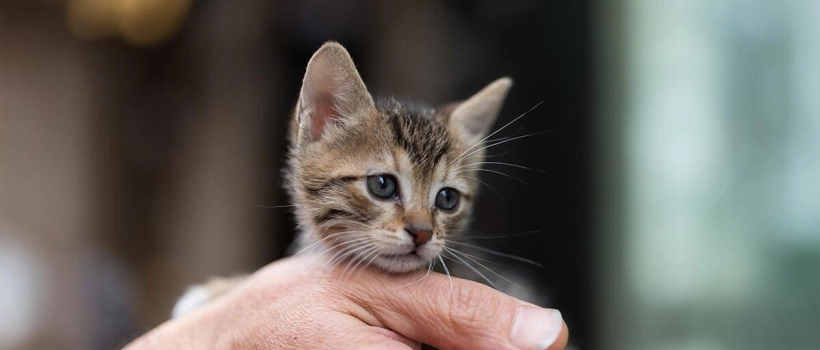
If you are one of those who want to brighten your life by adopting a cat from the street, you are not alone. There are millions of cats already alone and trying to survive in difficult conditions. But beware! First of all, it is necessary to understand whether the cat is really stray.
Advertisement
If you are one of those who want to brighten your life by adopting a cat from the street, you are not alone. There are millions of cats already alone and trying to survive in difficult conditions. But beware! First of all, it is necessary to understand whether the cat is really stray.
PetMD emphasizes this point as well. Not every cat you see outside may be a stray cat in need of help; it could be a lost house cat or simply a pet cat wandering around its neighborhood.
In this article, you can find comprehensive answers to the question "How to adopt a stray cat?" including health, legal responsibilities, and a long-term care plan.
Important: The risk of infectious diseases, including rabies, cannot be completely eliminated in any cat you adopt from the street or whose vaccination history you don't know. Therefore, it is very important to follow the vaccination schedule recommended by your veterinarian during the first examination, especially the rabies vaccine.
If a cat bites or deeply scratches you or someone in the house, you should seek medical attention the same day, even if the incident seems minor. The veterinarian will plan rabies prevention treatment based on the condition of the wound and the cat's vaccination history. These steps are the safest way to protect both your and your cat's health.
How to Adopt a Street Cat Step by Step?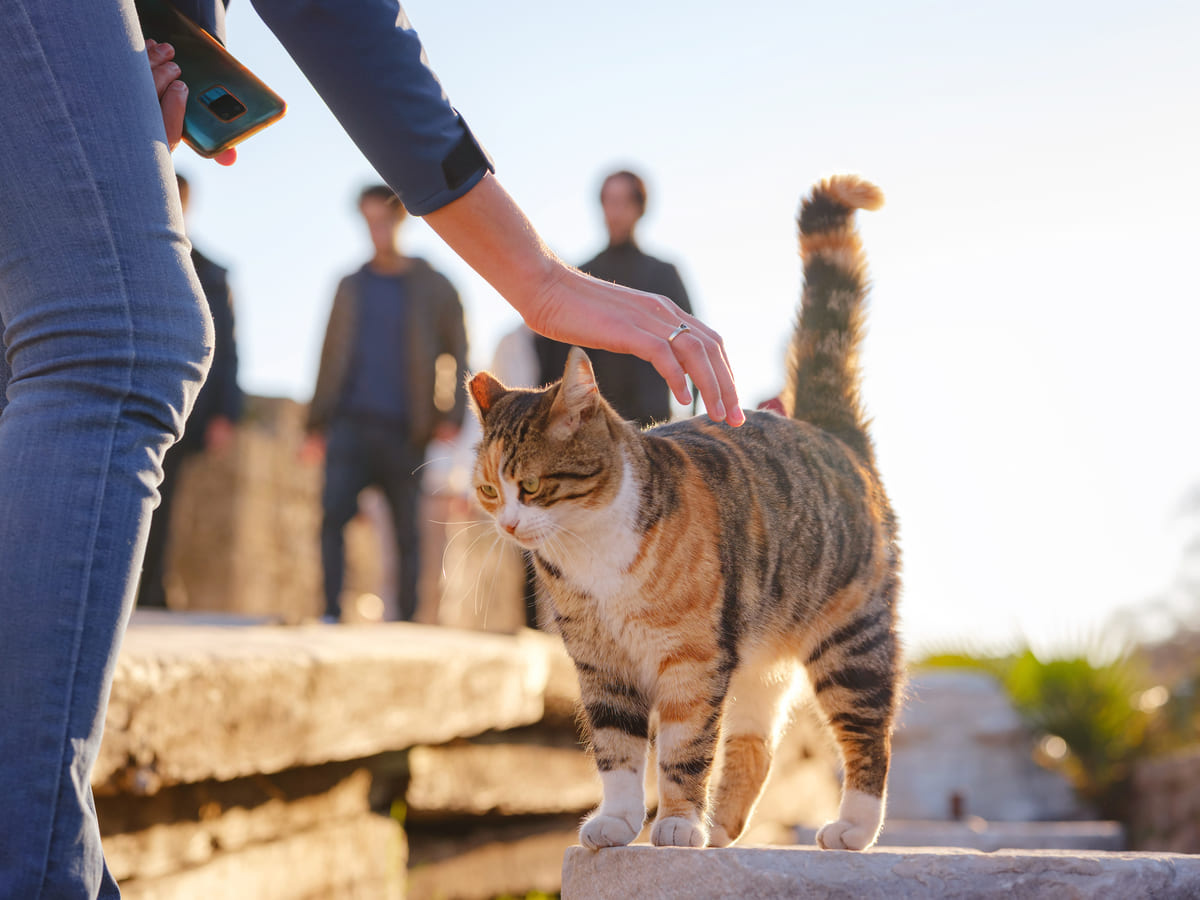
For those who want to adopt a street cat, the roadmap can be listed as follows:
Observe the Cat: Is It Really Homeless?
First, it is helpful to observe the cat's behavior and appearance for a few days, if possible. For example, cats that approach people, meow, wait at the door, and sometimes try to come inside are usually street cats or house cats that have gone outside.
The differences between street cats and cats that have run away or been abandoned become clear here. If the cat's fur is well-groomed, it doesn't look too thin, and it's not overly afraid of people, there's a chance it's owned. In such cases, checking for collars and names (if available) and asking if neighbors know anything about the cat are important steps.
Transport the Cat Safely
You've made sure the cat isn't lost, its owner hasn't been found, and you've decided to adopt it. At this point, to avoid traumatizing the cat, you should take it to the veterinary clinic using a box or carrier. The New York Times' new cat checklist explains that a carrier is essential for both the transition to a home environment and the trip to the vet.
Avoid sudden movements when putting the cat in the carrier, speak in a soft tone. Very timid or panicked cats should be walked slowly and calmly. This will reduce the chance of triggering their fears.
Get a Veterinary Examination
A veterinary examination is the most critical part of the process for a stray cat. All reliable sources such as PetMD and Catster recommend a comprehensive examination for cats taken from the streets.
- Veterinary examination usually proceeds as follows:
- General examination (weight, hydration, body condition, coat structure, teeth-gum check)
- Treatment for internal and external parasites
- Tests such as FIV and FeLV in cats, if deemed necessary
- Planning of the vaccination program
- Information about the timing and method of sterilization
In Turkish legislation and municipal practices, the sterilization and registration of stray animals is considered an important issue. The Turkish Municipalities Union (TBB) document also emphasizes that municipalities are responsible for sterilization, vaccination, and registration processes.
Important: In Turkey, according to the regulations of the Ministry of Agriculture and Forestry and the Animal Protection Law No. 5199; it is legally mandatory to identify owned cats, dogs, and ferrets with microchips and register them in the PETVET system by December 31, 2025, regardless of age.
Creating a Safe Home Environment for Cats
It is essential to prepare for creating a safe home environment for a cat before bringing it home. The basic needs for your new cat are listed as follows: Carrier Cat litter and litter box Food and water bowls Cat food suitable for age and general health In addition to meeting all these basic needs, it is recommended that you also make the following preparations for your cat: Prepare a quiet, preferably separate, room. Leave areas where the cat can hide, such as a box, cat house, or under furniture, in the first few days.
The basic needs for your new cat are listed as follows:
- Carrier
- Cat litter and litter box
- Food and water bowls
- Cat food suitable for age and general health condition
Once you have met all these basic requirements, it is also recommended that you make the following additional preparations for your cat:
- Prepare a quiet, preferably separate, room.
- In the first few days, leave areas where the cat can hide, such as boxes, cat houses, or under furniture.
- Place food and water bowls in an accessible, quiet spot.
- Place the litter box in a quiet, easily accessible corner.
The process needs to be planned with extra care, especially if there is another cat in the house. Keeping the new cat in a separate room initially and introducing them to each other gradually can significantly reduce stress.
Differences Between Street Cats and House Cats

When considering adopting a street cat, knowing that its behaviors and needs may differ from those of a house cat makes the process more predictable.
A street cat's character can vary greatly depending on its previous life experiences.
These cats may exhibit behaviors such as waiting at doorsteps, communicating by meowing, and asking for help. Of course, there are also harsh realities: the possibility that street cats have faced hardships and even suffered violence cannot be ignored.
Domestic cats, on the other hand, generally have a more relaxed, secure attachment style and predictable behavior because they grow up directly with humans. Cats in families that exhibit responsible pet ownership lead much more comfortable lives compared to street cats.
Besides behavioral differences, health status is also important. It is known that cats from the street may carry a higher risk in terms of parasites, infections, or a history of trauma. Because they are exposed to more environmental stressors than domestic cats, behaviors such as being alert, hiding, and reacting suddenly may be observed during the adaptation process.
This situation also brings with it questions such as "How long does the adaptation process for a stray cat take?", "Is it difficult to adopt a traumatized cat?". What needs to be known is that with proper care, a calm environment, and gradual socialization steps, a very large percentage of stray cats can successfully adapt to home life.
Things to Consider When Adopting a Stray Cat

- Don't delay the health check. The first step is always an examination, parasite treatment, and microchip check.
- Make the transition to the home smooth. In the first few days, a quiet room, hiding places, and a low-stimulus environment will comfort the cat.
- Prepare a safe living space. A litter box, food and water bowls, a scratching post, and a comfortable bed are sufficient for a start.
- Respect the cat's pace. Allow the cat to establish contact; avoid sudden movements and forceful actions.
- Establish regular feeding. Offer easily digestible, high-quality cat food and clean water. Gradually establish a meal schedule.
- If another cat lives in the house, keeping them in separate rooms and introducing them gradually in the first few days reduces the risk of stress and infection.
- Determine a suitable location for litter box training. Placing the litter box in a quiet and accessible location makes toilet training easier for both kittens and adult cats.
- All cats love routines. Therefore, the earlier meal times, playtime, and rest schedules are established, the faster the adaptation will be.
Things to Know Before Adopting a Traumatized Cat Living on the Street

Adopting a traumatized cat requires more patience, time, and emotional resilience than adopting a normal street cat. Cats that have lived on the streets for a long time, been mistreated, or have been in accidents may show more intense signs of stress and anxiety. Behaviors commonly observed in a traumatized cat can be listed as follows: Constantly hiding, avoiding eye contact Hitting, swatting, and running away when approached Overreacting to sudden noises and movements Constantly checking surroundings even while eating Undergoing inconspicuous places, refusing to leave corners where it feels safe These signs are often characteristic of a traumatized cat and indicate a state of intense insecurity. In such a situation, expecting it to improve with love in a few days can lead to disappointment for both you and the cat. It's best to accept from the outset that adaptation can sometimes take weeks or even months.
Common behaviors in a traumatized cat can be listed as follows:
- Constantly hiding, avoiding eye contact
- Hissing, swatting, and running away when approached
- Overreacting to sudden sounds and movements
- Constantly checking surroundings even while eating
- Urinating in unseen places, not leaving corners where it feels safe
These symptoms are often indicative of a traumatized cat and a state of intense insecurity. Expecting that this will improve with love in a few days can be disappointing for both you and the cat. It's best to accept from the outset that adaptation can sometimes take weeks or even months.
When you observe similar behavioral patterns in the cat you adopt, it's best not to force it and to interact with it patiently. If the cat is exhibiting aggressive behavior or reacting intensely that you can't control, its trauma history may be very severe. In such cases, you may want to consider seeking professional help.
In short, before adopting a traumatized cat, you need to be sure of your circumstances, your level of patience, and whether you are ready for a long-term socialization process with a stray cat if necessary. This way, you can both start a friendship that can last for many years and prevent the cat's trauma history from strengthening.
Frequently Asked Questions
This section of our content contains answers to frequently asked questions from those considering adopting a cat from the street.
What are the types of cats that live on the streets?
Street cats actually represent a hybrid gene pool with mixed genetic structures, strengthened by natural selection, rather than a specific breed, making them resilient and intelligent. Many are based on specific breeds but are not purebred, which makes them both healthy and well-adapted to city life.
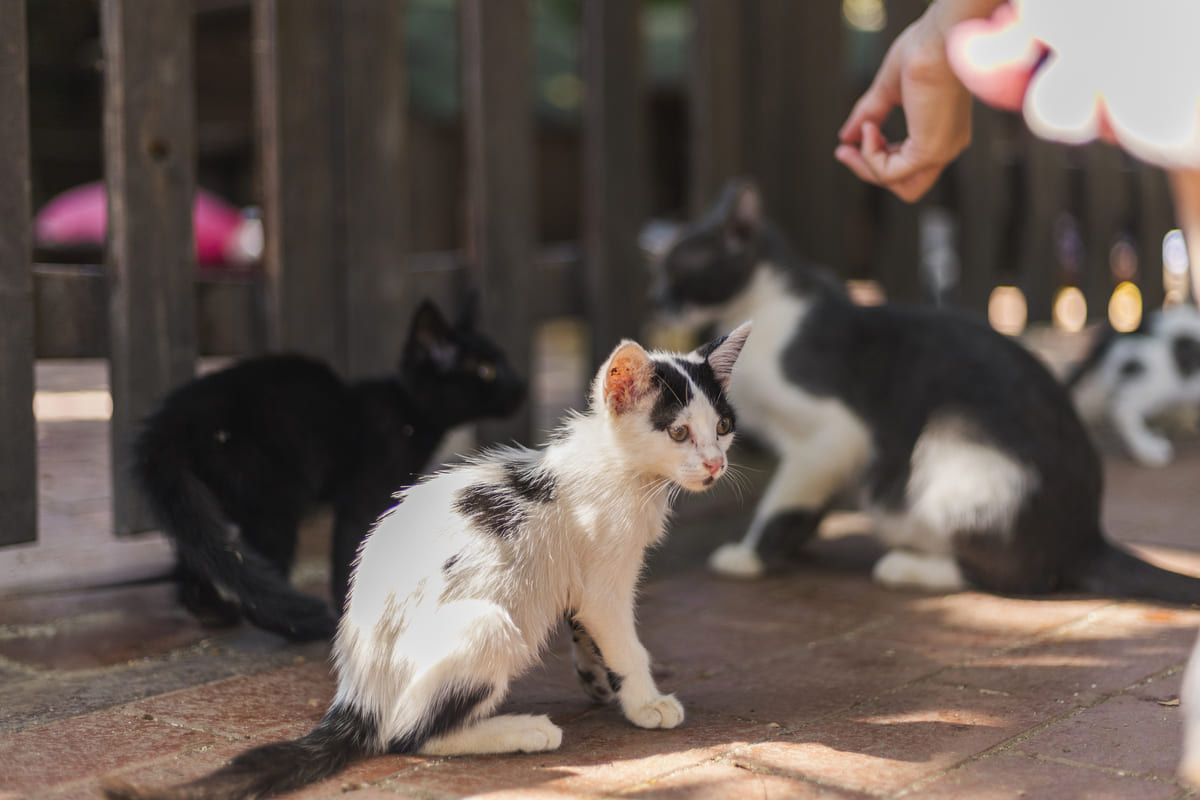
The most common cats encountered on the streets are tabby cats with their striped coats, strong hunting abilities, and robust immunity; ginger cats with their orange-toned fur and affectionate character; black cats with their completely black fur and easy adaptability; white cats, which are rarer but known for their white fur and sometimes hearing sensitivity; and Tuxedo cats with their black and white "tuxedo" pattern and social nature.
In addition, there are countless hybrid combinations such as British Shorthair - tabby, Van cat - tabby, or Persian cat - street cat. Thanks to this genetic diversity, street cats exhibit different facial features, fur lengths, color, and pattern variations.
What are the benefits of adopting a street cat?
- Adopting a street cat means directly saving a life.
- Every cat adopted contributes to reducing the stray animal population living on the streets.
- Street cats often have strong immune systems and high adaptability; once they get used to a home environment, they can exhibit a balanced and resilient character.
- Because they come from a difficult past, once they develop a sense of security, they can form a very strong, emotional, and loyal bond with their owners.
Do stray cats transmit diseases to humans?
When basic health checks are performed and regular vaccinations and parasite treatments are continued, the risk of stray cats transmitting diseases is quite low. Taking hygiene and isolation measures in the first few days is sufficient. After the health screening is completed, a cat adopted from the street can live as safely as a house cat.
My adopted cat is very timid, what should I do?
When acclimatizing a timid cat to a new environment, the best method is to allow it to approach at its own pace without forcing it. Preparing a quiet room, leaving safe areas where it can hide, and using gentle body language without getting down to eye level will speed up the process. Establishing a routine also helps increase the cat's confidence. If necessary, support can be sought from a veterinarian or a behavioral specialist.
How can I acclimate a stray cat I adopted to a home environment?
The first step in acclimatizing a cat to a home environment is to provide a safe space by initially keeping it in a separate room. Having basic necessities such as food, water, a litter box, and a comfortable resting area readily available will reassure the cat. Over time, you can naturally facilitate the acclimatization process by gradually increasing its contact with you and other parts of the house. A regular routine and a calm approach will help the cat feel secure.
Kaynaklar:
https://www.petmd.com/cat/general-health/adopting-stray-cat
https://www.inventorcat.co.uk/post/adopting-a-stray
https://www.cats.org.uk/help-and-advice/lost-found-and-feral-cats/stray-cats
https://www.catster.com/lifestyle/adopt-a-stray-cat/
https://www.nytimes.com/wirecutter/reviews/new-cat-checklist/
https://www.tarimorman.gov.tr/Sayfalar/GormeEngellilerDetay.aspx?OgeId=6470&Liste=Haber
https://www.tbb.gov.tr/sites/default/files/attachments/2025-08/sahipsiz-hayvanlara-yonelik-belediye-hizmetleri.pdf
Advertisement
Advertisement
Keep exploring
Continue reading

Cat Lifestyle & Guides
What is Cat Soup? Is it Beneficial for Cats?
If your cat rarely visits its water bowl, is sometimes reluctant to eat dry food, or shows interest in different textures, liquid products may catch…
Read guide →
Cat Lifestyle & Guides
How to Give Rewards and Snacks to a Neutered Kitten?
The Feline Veterinary Medical Association supports neutering kittens until they are five months old.
Read guide →
Cat Lifestyle & Guides
Benefits of Colostrum for Cats and Dogs
Colostrum is the first milk produced by mother cats and dogs after birth. Thanks to its antibodies and high nutrient content, it responds to the…
Read guide →
Cat Lifestyle & Guides
Why is Gut Health Important in Cats?
In cats, bowel health is linked to many areas, from digestive regularity and immune system-related processes to energy levels and daily comfort.
Read guide →