Alaska Malamute Dog Characteristics, Care and Temperament
When it comes to dogs that can withstand cold weather, one of the first that comes to mind is the Alaska Malamute, a strong sled dog bred to pull heavy loads over long distances. This breed, also known as the "Alaska wolf," can form close bonds with people.

Advertisement
When it comes to dogs that can withstand cold weather, one of the first that comes to mind is the Alaska Malamute, a strong sled dog bred to pull heavy loads over long distances. This breed, also known as the "Alaska wolf," can form close bonds with people. Its strength and need for movement require that daily life be planned accordingly.
Therefore, adopting an Alaska Malamute requires considering many factors simultaneously: Regular exercise, training, grooming, and contact with people are part of its daily life. If you live in a warm place, being able to provide a cool environment and schedule outdoor activities for suitable times also affects the decision to adopt.
Warning: If your Alaskan Malamute becomes excessively breathless, weak, or unsteady during a walk in hot weather, stop the activity immediately. Move your dog to a cool place and consult a veterinarian without delay.
General Characteristics of the Alaskan Malamute Dog

According to the AKC, the Alaskan Malamute's deep chest, strong shoulders, and muscular legs give it a build suitable for carrying heavy loads. Despite its large size, its movements are balanced and fluid. Its broad head and strong muzzle are also part of the breed's distinctive appearance.
Adult males can reach approximately 63.5 cm shoulder height and 38.5 kg weight. In females, these values are approximately 58.5 cm and 34 kg. Natural size differences can be seen among dogs.
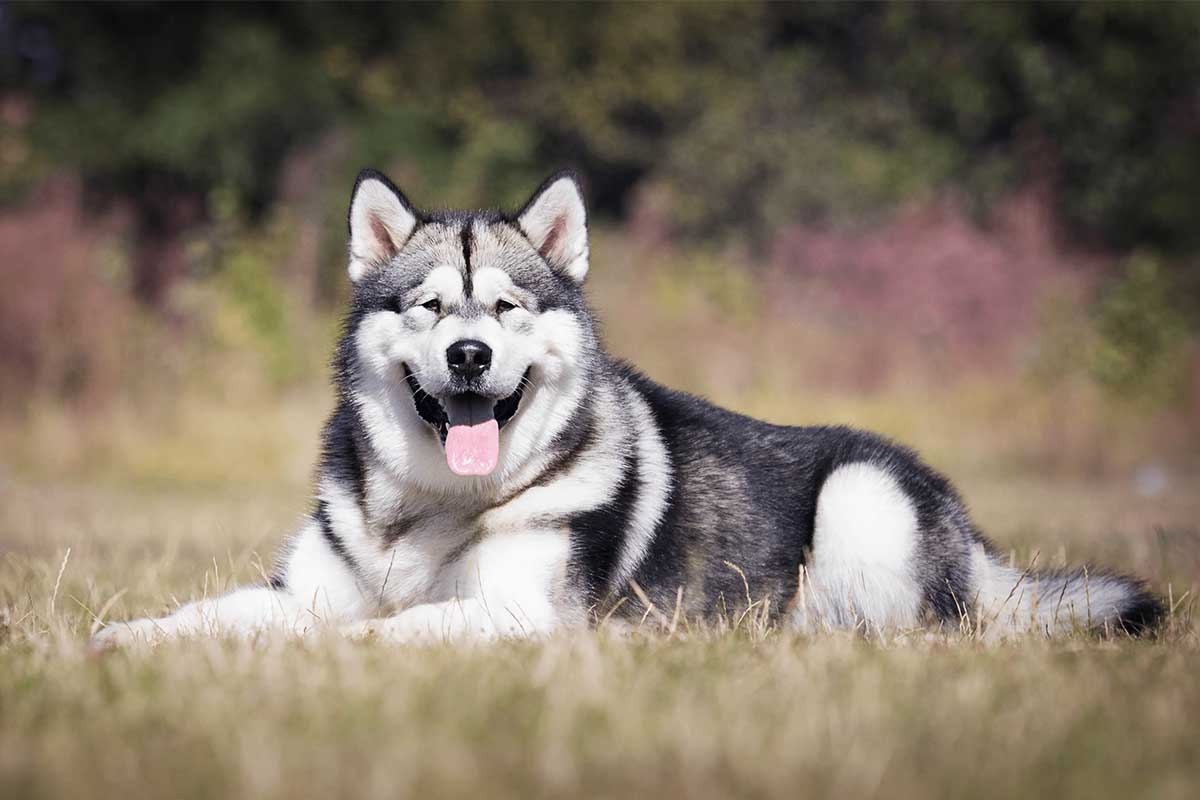
The Alaskan Malamute has erect, triangular ears. Its brown, almond-shaped eyes and white markings on its face give it a unique expression. It carries its bushy tail over its back. Its coat consists of a dense, woolly undercoat with a harsh outer layer. The fur appears longer around the neck, shoulders, and tail.
The Alaskan Malamute's coat can include shades of gray, black, red, and sable, along with white. There are also completely white Alaskan Malamute dogs. Coat density can vary depending on the season, and the coat may become sparser in the summer months.
Alaska Malamute Character and Adaptation to Family Life
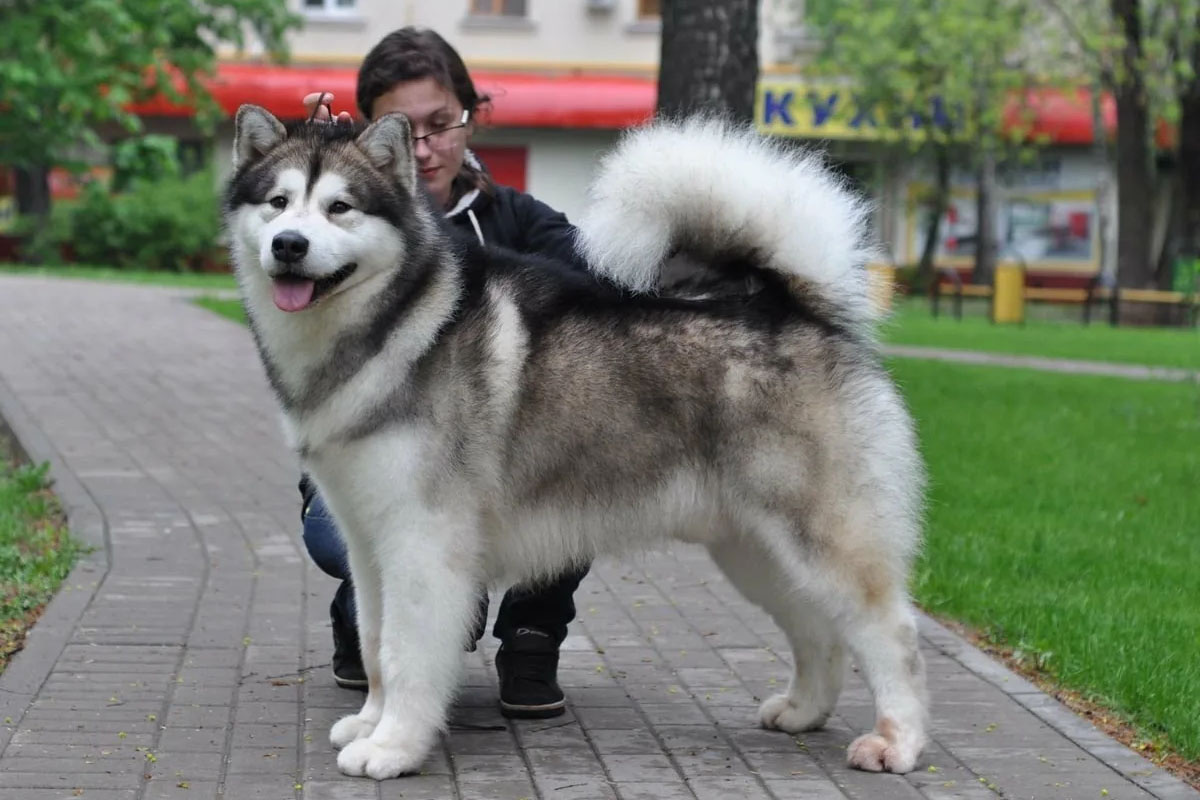
Someone seeing an Alaskan Malamute for the first time might think that it will be distant from people because of its wolf-like appearance. However, Alaskan Malamutes are generally friendly and enjoy spending time with their families. The expectation that their imposing appearance would make them a good guard dog doesn't always align with their character.
The Alaskan Malamute's ability to get along well with people can lead to a positive relationship in a home with children. Nevertheless, it's possible for a large, powerful dog to accidentally bump into a small child during play. Therefore, time spent together should be under adult supervision. Children also need to learn to give the dog space when it's eating, sleeping, or wants to leave.
The idea that "if it gets along well with people, it will get along well with my cat" should be approached with caution. While some Alaskan Malamutes can live in the same house with cats, they may have a tendency to chase small animals. Introducing them should be done in a controlled manner, and both animals should be provided with a safe space to retreat to.
Can an Alaska Malamute be Kept in an Apartment or a House with a Garden?

An Alaska Malamute can live in an apartment. This requires meeting its daily exercise needs, spending time with people at home, and having a cool area to rest. A Malamute that is sufficiently exercised can behave calmly indoors. However, a situation where it is left alone for long periods or has limited opportunities to go outside will not be suitable for it.
Before adopting an Alaska Malamute, especially when it comes to apartment living, it may be necessary to consider relationships with neighbors. Alaska Malamutes may howl occasionally to make their presence known. While the frequency of this behavior varies from dog to dog, it is a characteristic to consider in a building with close neighbors.
A house with a garden provides an Alaska Malamute with additional space for exercise. However, allowing them to roam freely in the garden alone is no substitute for walks and activities together. Moreover, for a dog that is curious about digging and exploring its surroundings, the garden boundaries need to be secure. On hot days, they should also have access to shade and a cool indoor space.
Alaska Husky Training and Socialization Needs
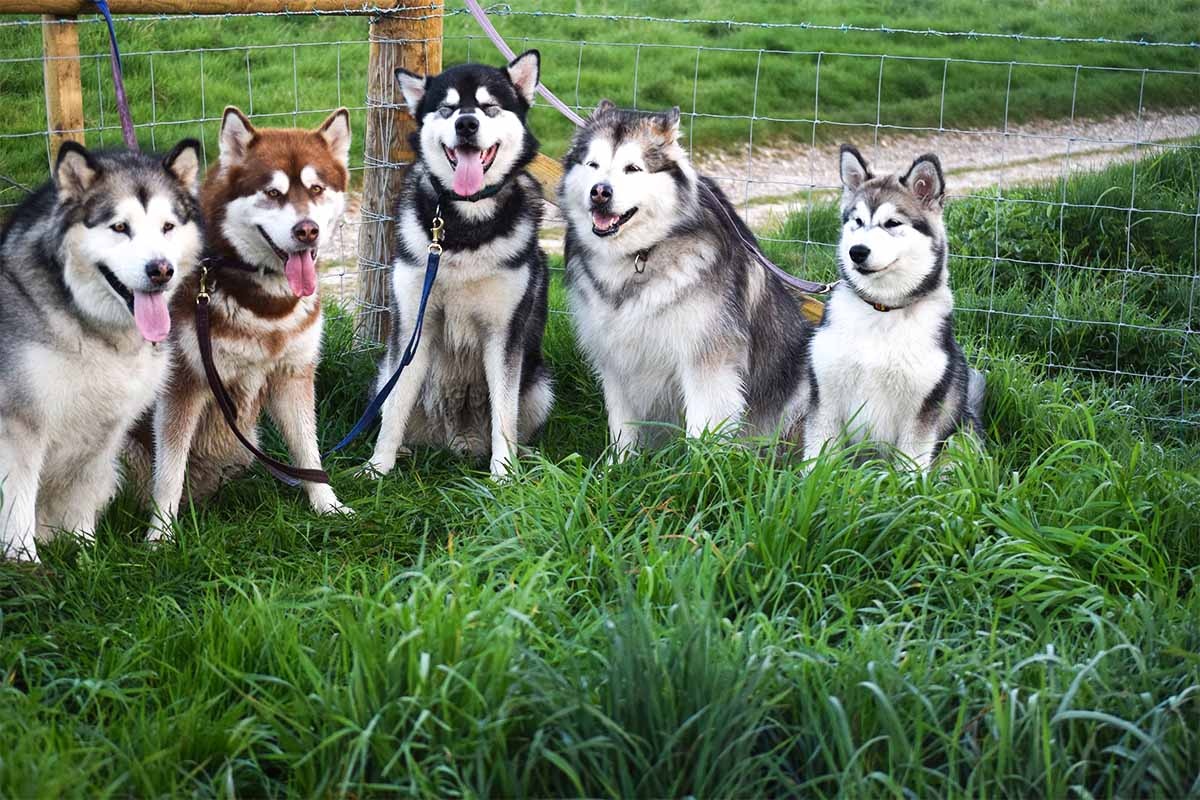
Alaska Husky training progresses through work that should begin early and be continued regularly. They are highly adept at learning, but when they are drawn to a scent or movement that catches their attention, they may not immediately respond to your request. Short sessions, clear rules, and rewarding correct behavior can make the training process effective. As always, a reward-based approach should be preferred over harsh interventions.
Leash training directly affects this breed's daily life. If a strong Alaska Husky pulls on the leash during a walk, it can become difficult to manage. Working on walking with a loose leash in calm environments and gradually increasing distractions is a more manageable starting point.
The ability to return when called should also be worked on, but this skill should not be relied upon alone in open areas. Even if the dog is trained, leash walks should be preferred in areas that are not securely enclosed.
The cornerstone of training is socialization. Socialization begins with the Alaskan Malamute puppy getting to know different people, dogs, sounds, and environments through safe experiences. It is important to proceed at a relaxed pace, according to the dog's comfort level. This process can be supported in adulthood to help the dog adapt to new situations.
Alaska Malamute Dog Care, Coat Structure, and Exercise Needs

If you are considering keeping an Alaskan Malamute at home, be prepared to see hair on clothes, furniture, and floors. Alaska Malamute grooming requires regular brushing. Their double-layered coat sheds year-round, and shedding can significantly increase during seasonal changes. Daily brushing makes it easier to collect loose hairs and detect knots in the dense undercoat early on.
When brushing, simply running the brush over the fur may not be enough. Dividing the fur into small sections and gently working your way down to the undercoat will allow you to see the buildup, especially around the neck, hind legs, and tail. During seasonal shedding, a comb suitable for the undercoat can be useful. It is important not to press hard on the skin and not to pull on knots.
Bathing with shampoos specifically formulated for dogs is part of the Alaska Malamute's coat care, but frequent washing should not replace brushing.
After washing, you should ensure that the dense undercoat is thoroughly dry. Check the appearance of the skin, ears, and nails during grooming. It is also a useful habit to check for grass clippings or small foreign objects stuck between the paws after walks.
The Alaskan Malamute has high exercise needs. For a healthy adult, approximately two hours of total exercise per day is a framework frequently given in breed guidelines. This duration should not be considered a target to be applied to every dog or a one-off intense run. Walking, movement in a safe area, play, and scent-based activities can be distributed throughout the day. Age, condition, and health status will change the duration and pace of activity. Important: A puppy Alaskan Malamute's activity plan should not be the same as an adult's. During the developmental period, age-appropriate games and short walks are preferred over long and strenuous activities. On hot days, the time of the walk and the temperature of the ground are as important as the amount of exercise. Alaska Malamute Nutrition The large size of the Alaskan Malamute, classified among large breed dogs, makes nutritional choices particularly important, especially during puppyhood. Simply giving a rapidly growing Alaskan Malamute larger portions is not a suitable plan. Complete foods for large breed puppies are formulated with the energy and mineral requirements of their growth period in mind. Therefore, do not add calcium or vitamin supplements to puppy food unless recommended by a veterinarian.
Important: A puppy's exercise plan should not be the same as an adult's. During the developmental period, age-appropriate play and short walks are preferred over long and strenuous activities. On hot days, the time of the walk and the temperature of the ground are as important as the amount of exercise.
Alaska Malamute Nutrition

The large size of the Alaska Malamute, classified among large breed dogs, makes feeding choices particularly important, especially during puppyhood. Simply giving a rapidly growing Alaskan Malamute larger portions is not a suitable plan. Complete foods for large breed puppies are formulated with the energy and mineral requirements of the growth period in mind. Therefore, do not add calcium or vitamin supplements to puppy food unless recommended by a veterinarian.
The portion size of an adult Malamute is also not determined by whether it was previously bred to pull sleds. How much it is active during the day and its body condition are more indicative. Moreover, it can be easy to miss weight changes under its dense coat. Regular weighing and a body condition assessment with a veterinarian are helpful in adjusting the amount of food.
PDSA recommends dividing an adult dog's daily food portion into two meals and including training rewards within that portion. Rewards should not exceed 10% of daily calories to help maintain the balance of the main diet.
Water consumption should be monitored with extra care in the feeding plan. Fresh, clean water should always be available within the dog's reach. Health Problems That Can Be Seen in Alaska Malamute Dogs PetMD lists joint and eye diseases, hypothyroidism, and some hereditary disorders among the health problems that can be seen in Alaska Malamutes. Knowing your dog's usual gait and daily energy level will help you notice a new change. In such a case, sharing your observations and health history with your veterinarian will contribute to the evaluation. Hip and Elbow Dysplasia Hip and elbow dysplasia are problems related to the development of joints. If your Alaska Malamute limps while walking, has difficulty standing up after resting, or avoids movements it used to do comfortably, its joints should be evaluated. There may be other causes for these changes as well. The veterinarian will investigate the underlying cause through examination and imaging if necessary.
Health Problems That Can Be Seen in Alaska Malamute Dogs
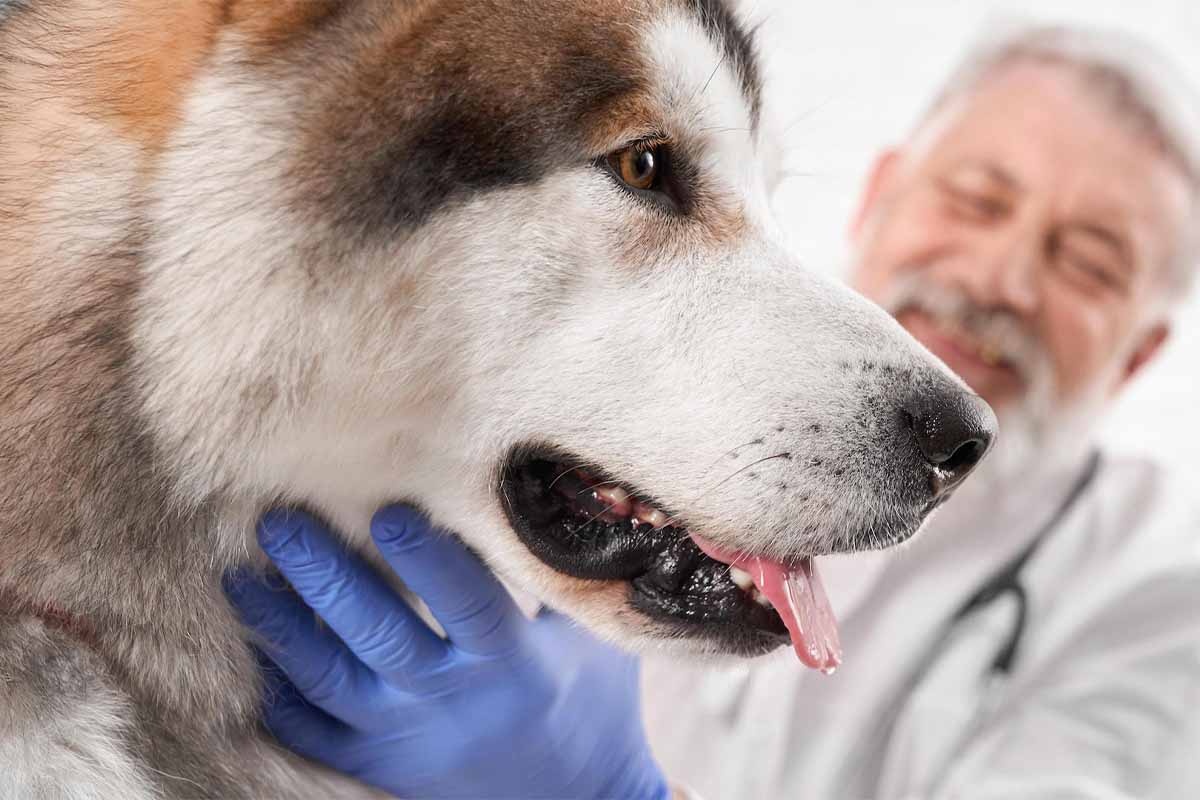
PetMD lists joint and eye diseases, hypothyroidism, and some hereditary disorders among the health problems that can be seen in Alaska Malamutes. Knowing your dog's usual gait and daily energy level will help you notice any new changes. In such a case, sharing your observations and health history with your veterinarian will contribute to the evaluation.
Hip and Elbow Dysplasia
Hip and elbow dysplasia are problems related to the development of joints. If your Alaskan Malamute limps while walking, has difficulty standing up after resting, or avoids movements it used to do comfortably, its joints should be evaluated. There may be other causes for these changes. The veterinarian will investigate the underlying cause with examination and imaging if necessary.
Eye Problems
Cataracts can affect the transparency of the eye lens, reducing vision. Cone degeneration, another inherited problem that can be seen in Alaskan Malamutes, can make it difficult to see, especially in bright light. Difficulty finding objects or changes in its movement in bright environments warrant an eye exam.
Hypothyroidism
Insufficient production of thyroid hormones can affect a dog's energy, weight, and skin and coat appearance. Hypothyroidism should be considered a possibility for an Alaskan Malamute that is gaining weight and becoming noticeably lethargic despite no change in food intake. Since these types of changes can also be seen in different health problems, a veterinary evaluation and comprehensive testing are necessary for diagnosis.
Hereditary Polyneuropathy
Hereditary polyneuropathy is a disease that affects the function of the nerves. Symptoms may include imbalance in the dog's gait, frequent falls, or changes in its voice.
Chondrodysplasia
Chondrodysplasia is a hereditary problem affecting the bone and cartilage development of Alaskan Malamute puppies. Significant differences in the shape and growth of the legs may be observed. If you have any concerns about the puppy's development, a veterinary evaluation should be sought instead of making a decision based solely on appearance.
Things to Know Before Adopting an Alaskan Malamute

When adopting an Alaskan Malamute, considering your daily life with this powerful and active dog will make things easier. Here are some things to consider before adoption:
- The Alaskan Malamute can be challenging for first-time dog owners due to its strength and independent nature.
- They enjoy long, brisk walks. You should plan in advance how to meet this need, even on busy days.
- They like to spend time with people. A lifestyle where they are alone for long periods may not suit them.
- An Alaska Malamute can live in a city and in a house without a yard. The possibility of going outside, the space in the house, and a place where they can cool down are important factors in this decision.
- Regular brushing is necessary, and grooming needs increase during shedding periods. You may also encounter hair left behind by a large dog in the house, and saliva that may be visible from time to time.
- Barking or howling may occur in response to visitors or activity in the surroundings. Take this into account if you have close neighbors.
- Even if they are comfortable with dogs they know, their approach to unfamiliar dogs may be different. Living with cats or other pets requires controlled introductions and additional training when needed.
- The Alaska Malamute can adapt to family life. Contact with children should be under adult supervision, and the dog should be given space to rest.
Frequently Asked Questions
What is the difference between an Alaska Malamute and a Siberian Husky?
The Alaska Malamute is generally larger and heavier. It is known for its ability to pull heavy loads, while the Siberian Husky is known for its ability to carry lighter loads over long distances. Eye color can also be a clue. Siberian Huskies may have blue eyes, while Malamutes have brown eyes.
Can an Alaskan Malamute live in Turkey's hot cities?
Yes, they can, but in a hot city, care needs to be planned more carefully. There should be a cool area in the house, and outdoor activities should be scheduled for times when the weather is suitable. If you cannot consistently provide these conditions, reconsidering your decision to adopt is critical for the dog's well-being and health.
Can an Alaskan Malamute stay home alone?
Some Alaskan Malamutes can gradually adapt to short periods of solitude. However, staying home alone for long hours every day can be difficult for this people-oriented breed. If you observe intense restlessness, constant noises, or damage to belongings while you are away, seek support from a behavioral specialist. For detailed information, you can read our article on Separation Anxiety Symptoms and Treatment Methods in Dogs.
Should an Alaska Malamute's coat be shaved in the summer?
They should not be routinely shaved. Cutting the double-layered coat can affect skin protection and the regrowth pattern of the coat. In summer grooming, remove loose undercoat with regular brushing. If there is a medical procedure or significant matting, discuss how to proceed with your veterinarian.
Can an Alaska Malamute escape from the yard, and how can the yard be made safe?
It's possible. Some Malamutes may escape from the yard by digging under the fence or through an open gate. Check the points where the fence meets the ground, gate locks, and areas where the dog could jump over. Also, observe your dog while in the yard.
Is Alaskan Malamute easy to train?
Although Alaskan Malamutes learn quickly, they may not always apply the learned behavior when their attention is drawn to a situation. Progress with short, regular sessions and a reward-based approach. Working on leash walking and returning when called early on will make daily life easier.
How much exercise should an Alaskan Malamute get per day?
Approximately two hours of exercise per day is given as a general reference for a healthy adult Alaskan Malamute. This time can be supplemented with different activities spread throughout the day. However, the exercise duration should be reduced for puppies, senior dogs, or dogs with health problems, and the duration and timing of exercise should be readjusted in hot weather.
Kaynaklar:
https://www.pdsa.org.uk/pet-help-and-advice/looking-after-your-pet/puppies-dogs/large-dogs/alaskan-malamute
https://www.omlet.co.uk/breeds/dogs/alaskan_malamute/
https://www.chewy.com/education/dog-breeds/alaskan-malamute
https://www.royalcanin.com/uk/dogs/breeds/alaskan-malamute
https://vcahospitals.com/know-your-pet/dog-breeds/alaskan-malamute
https://www.akc.org/dog-breeds/alaskan-malamute/
https://images.akc.org/pdf/breeds/standards/AlaskanMalamute.pdf
https://www.petmd.com/dog/breeds/alaskan-malamute
Advertisement
Advertisement
Keep exploring
Continue reading
Pet Lifestyle & Guides
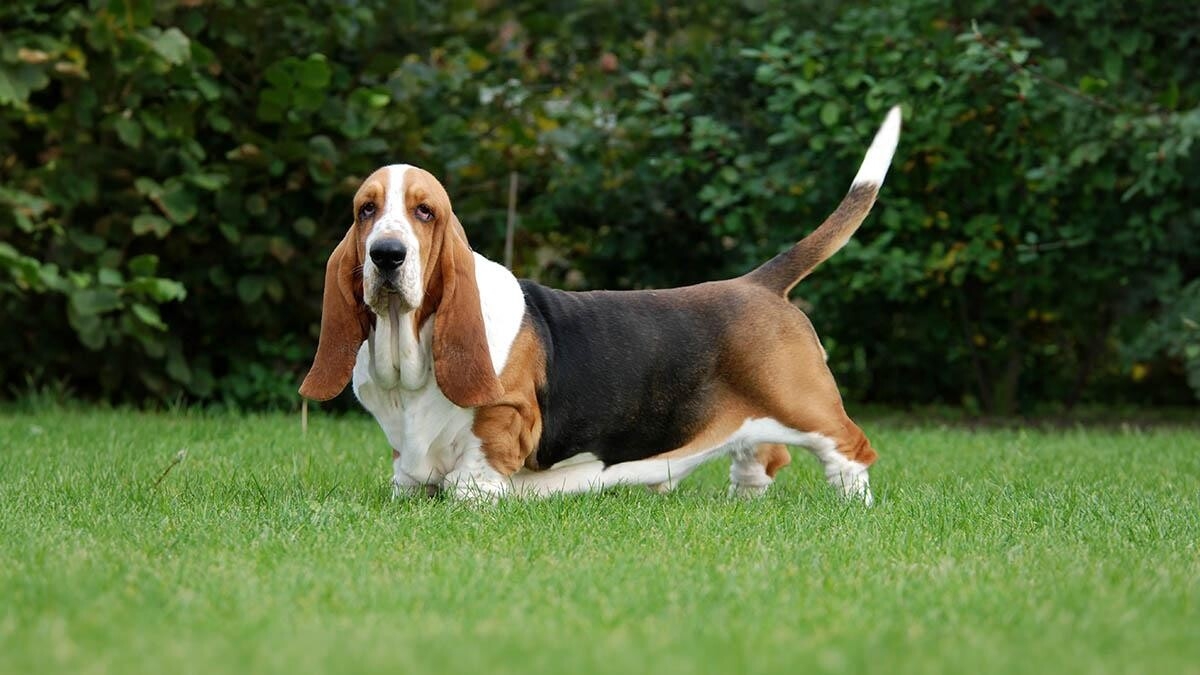
Basset Hound Dog Characteristics, Care and Temperament
A short walk with a Basset Hound can unexpectedly become longer with breaks to examine scents.
Read guide →
Pet Lifestyle & Guides
Boston Terrier Dog Characteristics, Care and Temperament
The Boston Terrier is a compact and well-balanced breed classified as a small breed of dog. Its short, glossy coat, erect ears, large round eyes…
Read guide →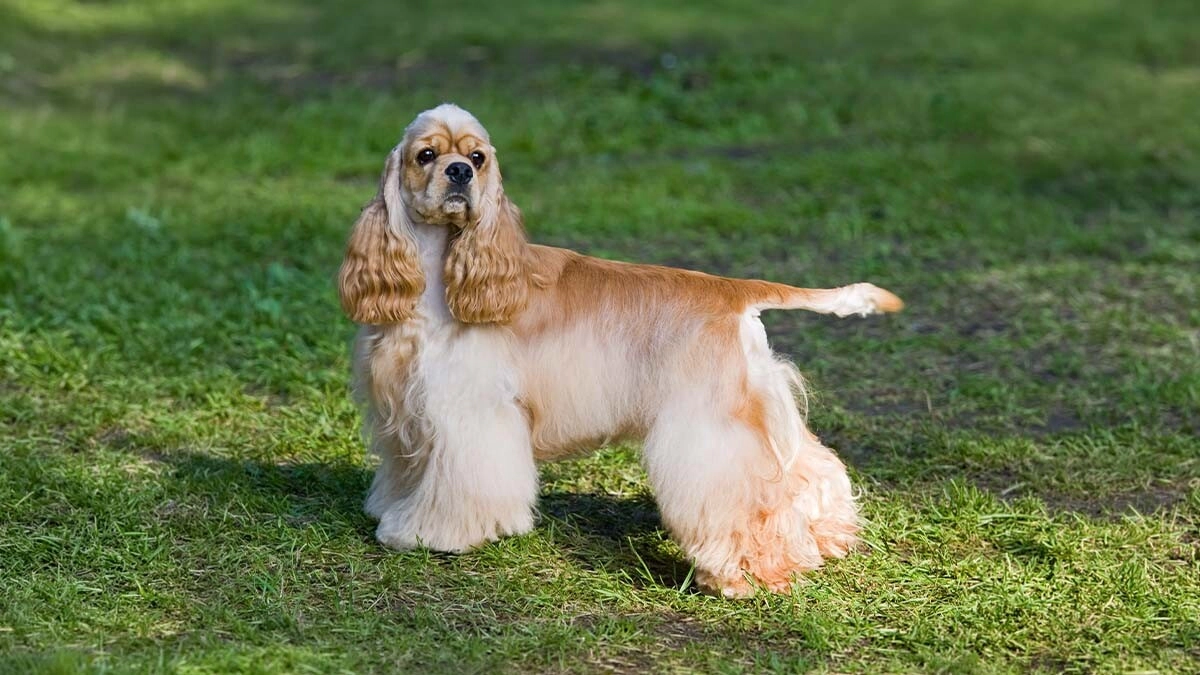
Pet Lifestyle & Guides
American Cocker Spaniel Dog Characteristics, Care and Temperament
The American Cocker Spaniel's gentle gaze, silky fur, and cheerful demeanor make it easy to quickly bond with this breed.
Read guide →
Pet Lifestyle & Guides
Weimaraner Dog Characteristics, Care and Temperament
A Weimaraner's elegant and calm demeanor doesn't immediately reveal the high pace of its daily life.
Read guide →