Basset Hound Dog Characteristics, Care and Temperament
A short walk with a Basset Hound can unexpectedly become longer with breaks to examine scents. The edge of a pavement or the base of a bush can keep its attention for a long time. This habit, very familiar to those who live with Basset Hounds, is one of the everyday reflections of the breed's…
Advertisement
A short walk with a Basset Hound can unexpectedly become longer with breaks to examine scents. The edge of a pavement or the base of a bush can keep its attention for a long time. This habit, very familiar to those who live with Basset Hounds, is one of the everyday reflections of the breed's tracking history.
Among the characteristics of a Basset Hound dog, a strong sense of smell, closeness to its family, and a tendency to act independently stand out. At home, it may enjoy resting with family members, but outside, it may pursue a scent that catches its attention.
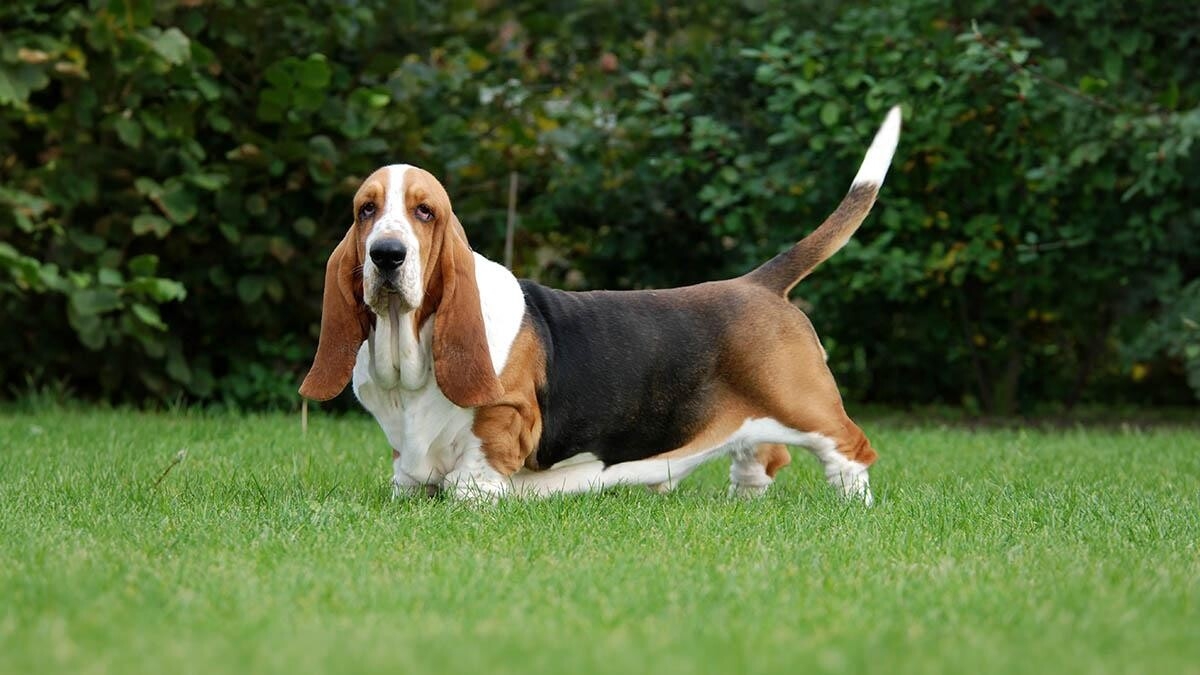
This article is about this special dog breed. In this article, you can find answers to your questions about the Basset Hound, a dog that stands out with its long ears, highly developed hunting instincts, and charming appearance. Warning: Bad ear odor or difficulty walking requires veterinary evaluation. Care and exercise recommendations should be tailored to each dog's age and health condition. General Characteristics of the Basset Hound Dog The Basset Hound is a breed of French origin known for its short legs, long body, and strong bone structure. The name "Basset" is related to the French meaning of "low-slung" or "short." Breeding efforts in England also contributed to its current appearance. The Basset Hound's broad and deep chest gives its low-slung body a powerful appearance. According to the American Kennel Club, its movements are balanced, fluid, and powerful. Shoulder height is approximately 35 cm. Adult weight is given as approximately 18–30 kg.
Warning: Bad ear odor or difficulty walking requires veterinary evaluation. Care and exercise recommendations should be tailored to each dog's age and health condition.
General Characteristics of the Basset Hound Dog

The Basset Hound is a breed of French origin known for its short legs, long body, and strong bone structure. The name "Basset" is related to the French meaning of "low-slung" or "short". Breeding efforts in England also contributed to its current appearance.
The Basset Hound's broad and deep chest gives its low-slung body a powerful appearance. According to the American Kennel Club, its movements are balanced, fluid, and powerful. Shoulder height is approximately 35 cm. Adult weight is given as approximately 18–30 kg.
The top of its head is domed. Its long ears hang down from the lower sides of its head and have a fine, velvety texture. Dark eyes and loose skin around the head are distinctive features of its face.
Its coat is short, dense, and straight. In addition to the tricolored appearance combining black, white, and brown tones, colors such as reddish-white or lemon yellow-white can also be seen.
Basset Hound Dog Character and Adaptation to Family Life
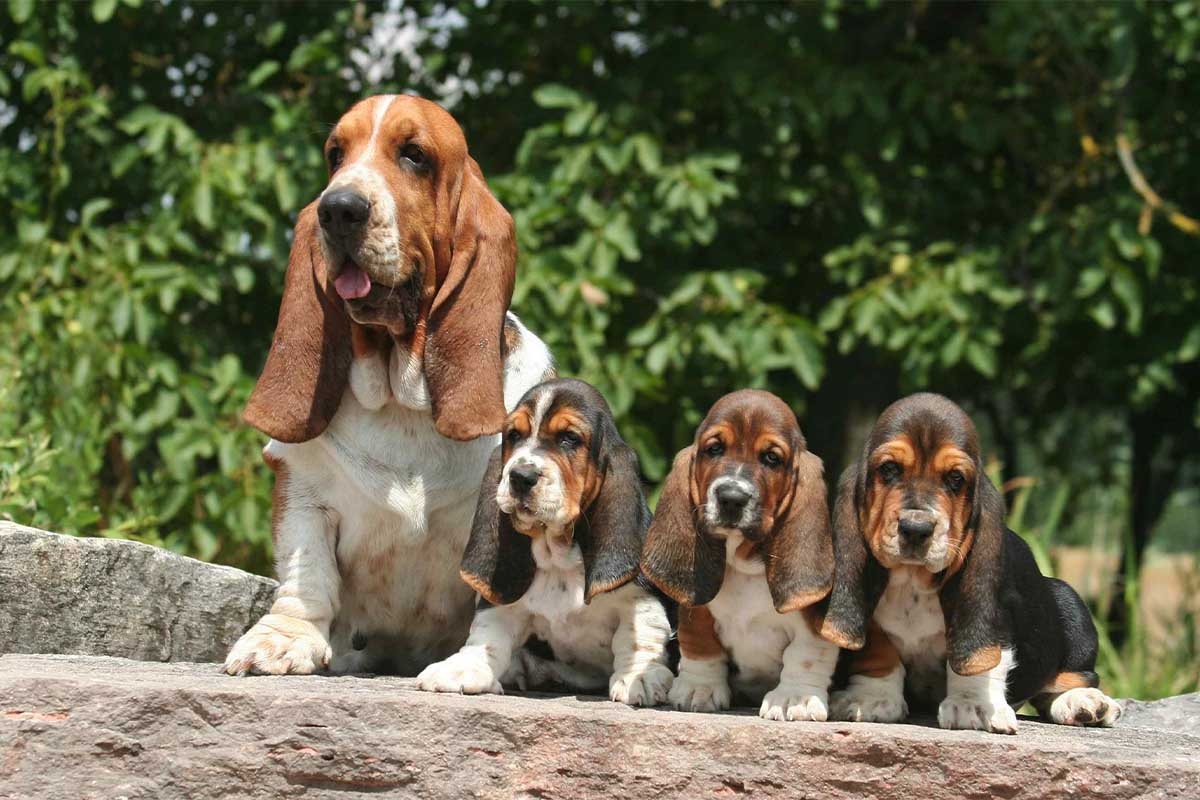
The Basset Hound can generally be described as a family dog with a gentle temperament and open to socializing. It may be friendly towards strangers or remain calm without showing much interest. When evaluating the Basset Hound's character, the dog's past experiences and individual preferences should also be taken into consideration. Basset Hounds can get along well with children. However, they may not always want to participate in active games. When the dog goes to rest, the game should be allowed to end. Children should be taught not to pull their long ears, climb on them, or disturb them while they are eating. In this way, the foundations of a loving relationship can be laid.
Basset Hounds can also get along well with children. However, they may not always want to participate in active games. When the dog is resting, the game should be allowed to end. Children should be taught not to pull their long ears, climb on them, or disturb them while they are eating. This way, the foundations of a loving relationship can be laid. Short exercises and rewards that capture the dog's attention can make participation in training easier. Rewarding the desired behavior as soon as it occurs helps the dog understand what is expected. Harsh or punitive methods should be avoided. For detailed information, you can read our content on 7 Mistakes Made in Dog Training and the Right Approaches. Training can initially be done in an environment with few distractions. As the dog learns a skill, the training can be moved to different environments. For example, the "sit" command, which is easily practiced at home, can be practiced again in a busy street. When the environment becomes more challenging, reducing expectations and rewarding small advancements helps establish a more understandable learning pattern.
It is also possible for a Basset Hound to live with other dogs and cats. Compatibility depends on the animals' previous experiences and how the introductions are handled. Initial encounters should be kept controlled, and each animal should be given space to retreat.
Can a Basset Hound be Kept in an Apartment or a House with a Garden?

If their daily exercise and care needs are met, they can live in both apartments and houses with gardens. However, some factors require attention.
A Basset Hound may bark and make long, echoing sounds when excited or unable to obtain something they want. If keeping them in an apartment is considered, the dog's tendency towards vocal communication and the shared living space with neighbors should be evaluated together. If barking is not controlled, complaints may arise from the neighborhood.
For a Basset Hound living in a house with a garden, the security of fences and garden gates requires extra attention. They may wander off through an open gate while following a scent that interests them. Regular walks should accompany time spent in the garden. This will satisfy their need to explore and sniff different environments.
Important: In houses with many stairs, how the dog will be taken outside when it gets old or has difficulty moving should be considered in advance. Due to its heavy body, it may be difficult to carry when necessary. An easily accessible living space facilitates long-term care.
Basset Hound Dog Training and Socialization Needs

Possessing advanced hunting abilities, the Basset Hound is a dog prone to independent behavior and can be stubborn at times. It may want to pursue its own interests, and it may take time to redirect its attention to another task. Therefore, Basset Hound training requires patience and consistency. Short training sessions and rewards that capture the dog's attention can make training easier. Rewarding the desired behavior as soon as it occurs helps the dog understand what is expected. Harsh or punitive methods should be avoided. For detailed information, you can read our content on 7 Mistakes Made in Dog Training and the Right Approaches. Training can initially be done in an environment with few distractions. As the dog learns a skill, the training can be moved to different environments. For example, the "sit" command, which is easily practiced at home, can be practiced again in a busy street. When the environment becomes more challenging, reducing expectations and rewarding small advancements helps establish a more understandable learning pattern. Walking without pulling on the leash and being able to drop an object from the ground are important skills for a Basset Hound in its daily life. Because they may show interest in food or scented objects found on the ground, "leave it" exercises should be done with safe objects in a controlled environment. Edible scraps and foreign objects along the walking route should also be monitored during training.
Short exercises and rewards that capture the dog's attention can make training easier. Rewarding the desired behavior as soon as it occurs helps the dog understand what is expected. Harsh or punitive methods should be avoided. For detailed information, you can read our content on 7 Mistakes Made in Dog Training and the Right Approaches.
Training can initially be done in an environment with few distractions. As the dog learns a skill, the training can be moved to different environments. For example, the "sit" command, which is easily practiced at home, can be practiced again in a busy street. When the environment becomes more challenging, reducing expectations and rewarding small advancements helps establish a more understandable learning pattern.
For a Basset Hound, walking without pulling on the leash and being able to drop an object from the ground are important skills in daily life. Because they may show interest in food or scented objects found on the ground, "drop" exercises should be done with safe objects in a controlled environment. Edible scraps and foreign objects along the walking route should also be monitored during training.
Basset Hound Dog Care, Coat Type and Exercise Needs

Basset Hounds shed a moderate amount of hair throughout the year. You can easily remove shed hair with a regular weekly brushing routine, and you can increase the frequency of brushing during periods of increased shedding. When choosing a brush, it is beneficial to opt for products that will not irritate their skin and will gently adapt to their coat type.
Basset Hound ear care includes regular checks and cleaning as needed. The cleaning agent and frequency should be determined with a veterinarian. Overly frequent cleaning can irritate the ear canal. Cotton swabs should not be used, and foreign objects should not be inserted into the canal.
The saliva accumulating around the mouth and the moisture remaining in the skin folds should be checked during grooming. These areas should be gently cleaned and then dried. Bathing frequency should be adjusted according to the dog's level of soiling and skin health, and skin folds should not be left damp after bathing.
Nails should be checked regularly and trimmed as needed. Regarding oral care, a regular brushing habit should be established using toothpaste suitable for dogs. Toothpastes made for humans should not be used. Gradual acclimatization to grooming procedures helps the dog accept these practices more easily.
The Basset Hound's exercise needs can be met with leisurely walks and activities where it can sniff around. Long-distance running and strenuous activities are not suitable for this breed.
Scent games can also enrich a Basset Hound's daily routine. Activities that start with an easy search and progress according to the dog's interest provide mental engagement. Thus, daily activities are diversified with games that utilize the breed's natural interests alongside walks.
Basset Hound Dog Nutrition

The Basset Hound is considered among the medium-to-large dog breeds. When choosing food, the dog's age and healthy adult weight should be taken into account. Puppy foods suitable for the expected adult weight should be preferred for puppies, and complete and balanced foods suitable for the target weight range of the product should be preferred for adults.
Dry and wet food can be used together. Dry food generally contains more calories per gram. Wet food, on the other hand, contributes to the water intake from feeding with its high moisture content. However, canned dog food alone does not meet the fluid needs. Therefore, fresh drinking water should always be available.
Health Problems That Can Be Seen in Basset Hound Dogs
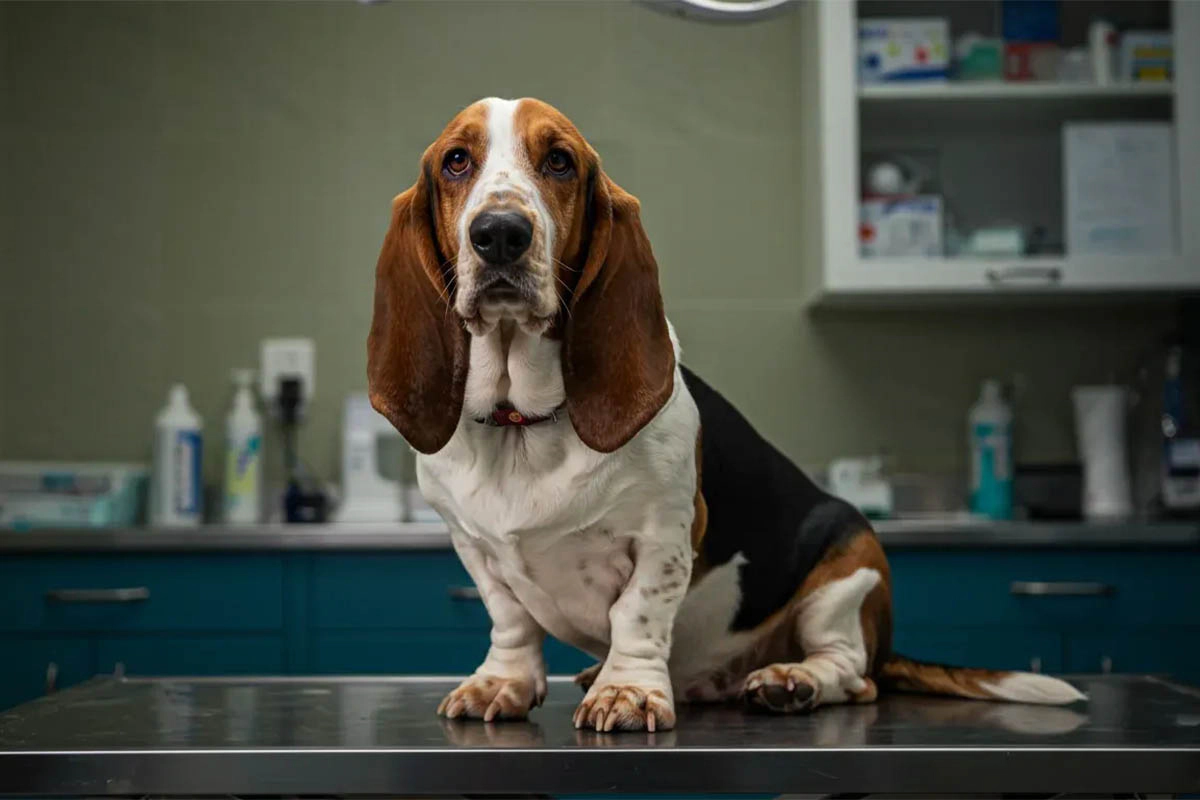
Basset Hounds may be prone to certain skin, ear, and joint problems. Health risks to watch out for include:
Ear and Skin Problems
Allergies and seborrhea, characterized by scaling, dryness, or oiliness of the skin, can occur in Basset Hounds. Bacterial or yeast infections can develop in skin folds and ears. If recurring itching, redness, or head shaking is noticed, the underlying cause should be investigated by a veterinarian.
Hip and Elbow Dysplasia
Dysplasia refers to abnormalities in the development of a joint. In Basset Hounds, it can affect the hip or elbow joint, leading to pain and lameness. Diagnosis requires examination and imaging if necessary. The approach to be followed is determined according to the severity of the problem and how much the dog's quality of life is affected.
Arthritis and Joint Pain
Arthritis is a condition characterized by inflammation and pain in the joints. In Basset Hounds, existing joint problems can predispose to arthritis over time. If stiffness after rest or difficulty standing is noticed, a veterinary evaluation is required.
Patella Luksasyonu
Patella luxation is the dislocation of the kneecap from its normal position. The dog may hold its hind leg in the air for a few steps while walking, then return to its normal gait. These intermittent changes also require examination. The treatment approach is determined according to the degree of dislocation and the dog's freedom of movement.
Intervertebral Disc Disease (IVDD)
Deterioration and herniation of the discs between the vertebrae can put pressure on the spinal cord or nerves. Symptoms can range from pain to weakness in the legs. Sudden difficulty walking, dragging legs, or inability to stand should prompt immediate veterinary attention.
Gastric Displacement and Torsion (GDV)
The deep chest structure of a Basset Hound makes them at risk for gastric displacement and torsion. In GDV, the distended stomach can twist around itself, disrupting circulation. Unexplained retching, restlessness, or abdominal swelling should prompt immediate veterinary attention. It is not necessary to wait for all symptoms to appear.
Things to Know Before Adopting a Basset Hound

- Vaccinations, parasite treatments, and, if possible, past health records should be reviewed before adoption.
- Information should be obtained about the adult Basset Hound's previous life, experience with being alone, and known behavioral difficulties.
- A care support plan should be made for days spent outside the home for long hours. Some Basset Hounds may have difficulty being left alone for extended periods.
- A budget should be allocated for unexpected veterinary expenses in addition to regular expenses.
- A person who will take care of the dog during holidays or illness should be determined in advance.
Frequently Asked Questions

What is the difference between a Basset Hound and a Beagle?
A Basset Hound has shorter legs, a heavier body, and longer ears. A Beagle is generally lighter and more agile. Both breeds are interested in scent tracking. When choosing between breeds, daily activity expectations and care needs should be considered in addition to appearance.
Why doesn't my Basset Hound come when I call it after it's following a scent on a walk?
When a Basset Hound is focused on following a scent, it may have difficulty responding to a call. The recall skill should be practiced in a safe, enclosed area, and distractions should be increased gradually. A leash must be used in open areas. If it comes when called at home, it doesn't guarantee it will return with the same reliability on the street.
How long do Basset Hounds live?
The average lifespan of Basset Hound dogs is stated in sources as 12–13 years. Lifespan can vary depending on the dog's genetic characteristics, health status, and care conditions. Maintaining a healthy weight and regular veterinary checkups help support their health throughout their life.
What should I do if my Basset Hound howls when left alone at home?
First, the time and duration of the howling should be observed with a camera recording. The reaction to outside sounds and the restlessness due to being left alone may require different approaches. Attempts at leaving the dog alone should begin with short periods where the dog is relaxed. If significant stress is observed, the attempts should be stopped and veterinary support should be sought.
Can a Basset Hound puppy climb stairs or jump off a chair?
Frequent climbing and descending of stairs and jumping from high chairs should be limited for a Basset Hound puppy. Stair use should be evaluated with a veterinarian based on the puppy's development and mobility. Controlling access to high surfaces and implementing slip-resistant measures can help reduce the risk of falls.
Can a Basset Hound swim?
Some Basset Hounds can swim, but their short legs and body structure can make movement in water difficult. Water acclimatization should take place in a controlled and shallow area; the dog should not be forced into the water. An appropriate dog life vest should be used, and the dog should not be left unattended in or near water.
Is it normal if a Basset Hound's ears smell bad?
No, a noticeable bad odor should be evaluated by a veterinarian. Instead of trying to clean the ears more frequently, the cause of the odor should be investigated. Products should not be applied to the ear before examination, especially if there is pain or redness, and leftover drops from previous treatment should not be used without a veterinarian's recommendation.
How much exercise should a Basset Hound get per day?
Breed guidelines recommend up to one hour of exercise per day for adult Basset Hounds. This time can be divided throughout the day. The duration and intensity should be evaluated separately for puppies, senior dogs, or those with health problems. Instead of forcing the dog to complete the full duration, a routine should be established where the dog can move comfortably.
Kaynaklar:
https://www.akc.org/dog-breeds/basset-hound/
https://images.akc.org/pdf/breeds/standards/BassetHound.pdf
https://www.royalkennelclub.com/search/breeds-a-to-z/breeds/hound/basset-hound/
https://www.purina.co.nz/find-a-pet/dog/breed-library/basset-hound
https://www.rover.com/blog/breeds/basset-hound/
https://www.omlet.co.uk/breeds/dogs/basset_hound/
https://www.petmd.com/dog/breeds/basset-hound
https://vcahospitals.com/know-your-pet/dog-breeds/basset-hound
Advertisement
Advertisement
Keep exploring
Continue reading

Pet Lifestyle & Guides
Alaska Malamute Dog Characteristics, Care and Temperament
When it comes to dogs that can withstand cold weather, one of the first that comes to mind is the Alaska Malamute, a strong sled dog bred to pull…
Read guide →
Pet Lifestyle & Guides
Boston Terrier Dog Characteristics, Care and Temperament
The Boston Terrier is a compact and well-balanced breed classified as a small breed of dog. Its short, glossy coat, erect ears, large round eyes…
Read guide →
Pet Lifestyle & Guides
American Cocker Spaniel Dog Characteristics, Care and Temperament
The American Cocker Spaniel's gentle gaze, silky fur, and cheerful demeanor make it easy to quickly bond with this breed.
Read guide →
Pet Lifestyle & Guides
Weimaraner Dog Characteristics, Care and Temperament
A Weimaraner's elegant and calm demeanor doesn't immediately reveal the high pace of its daily life.
Read guide →