Aquarium Fish: 10 Species That Will Transform Your Home into an Underwater Paradise with Their Beauty
When you decide to set up an aquarium in your home, the first impulse is usually to choose the most colorful fish. However, the secret to vibrant colors lies not only in the fish's appearance but also in the right water parameters, compatible aquarium mates, and a safe environment for the fish.
Advertisement
When you decide to set up an aquarium in your home, the first impulse is usually to choose the most colorful fish. However, the secret to vibrant colors lies not only in the fish's appearance but also in the right water parameters, compatible aquarium mates, and a safe environment for the fish.
If you want to create a true underwater paradise, you need to choose species that are stars on their own and those that shine in schools in a balanced way, and not forget the silent heroes of the bottom. Even the most eye-catching fish can become dull if filtration, heating, and an established water cycle are not properly set up.
If you're ready, let's take a closer look at 10 amazing species that will add both color and movement to your aquarium.
Important: All the species included in this article are strong options in terms of color and movement. However, it should not be assumed that they can live in a single aquarium. Each species has a different ideal temperature, pH, and water hardness range. Therefore, choosing a colorful one alone is not enough; as we emphasized at the beginning of the article, the sustainability of vibrant colors is possible with the right water parameters and the right pairings.
Lepistes (Guppy)
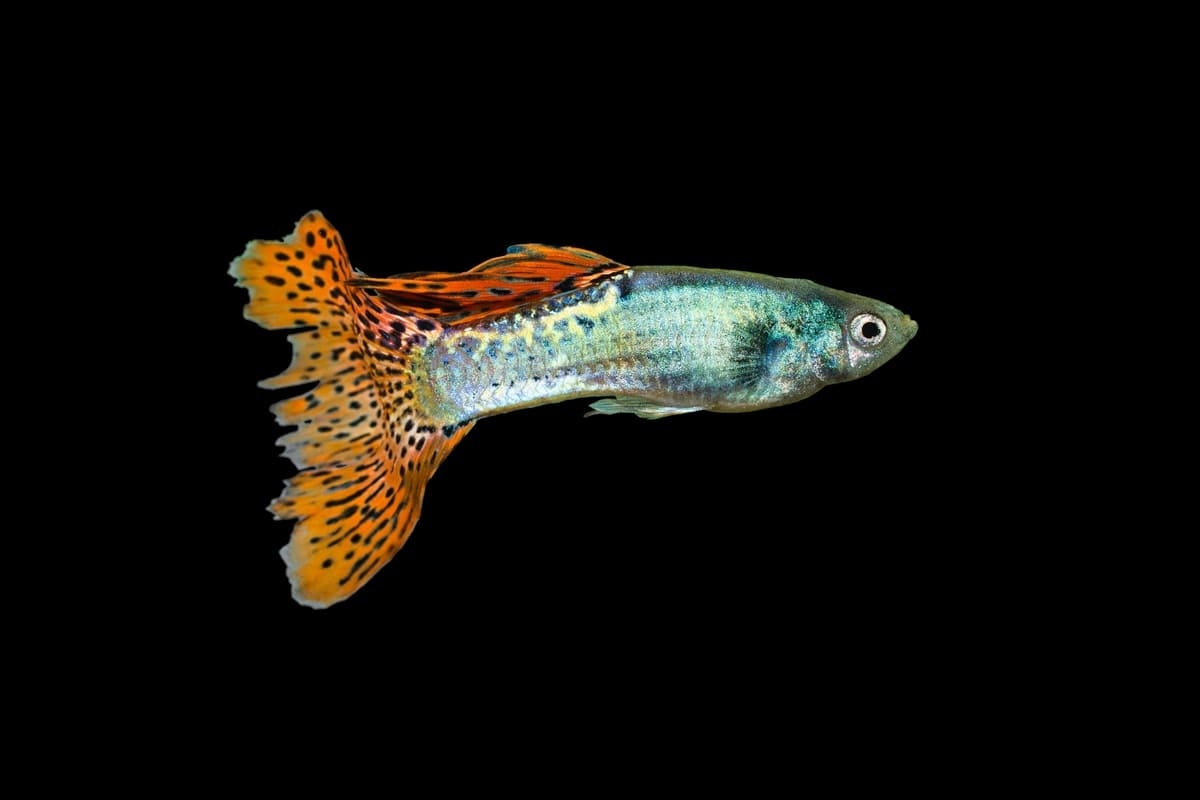
Guppies are one of the most frequently encountered options for those setting up their first aquarium, looking for a colorful, active, but not overly demanding species. They quickly create a sense of movement and variety in the aquarium. The reason why guppies stand out among aquarium fish for beginners is their quick adaptability and ability to remain peaceful in most community setups.
The most critical aspect of guppy care is breeding management. Without a plan, the aquarium can quickly become overcrowded. This deteriorates water parameters more quickly, and the expected lively scene can be replaced by a stressful environment. Therefore, it is necessary to consider the male-female balance from the beginning, create planted/hiding areas for the fry, and not overfeed.
Indeed, Aquaforest also emphasizes that when choosing a beginner species, attention should be paid to the fish's hardiness as well as the care burden that the increasing population will create.
- Difficulty level: Generally suitable for beginners. The care burden increases if breeding is not controlled.
- Compatibility: It is a peaceful species. Generally problem-free in a community with similar calm species.
- Feeding: They have a good appetite. Overfeeding can disrupt the water balance, so moderation is necessary.
- Ideal aquarium type: A community aquarium with a stable water balance, plants/hiding areas, and a controlled live load.
Plati (Platy)
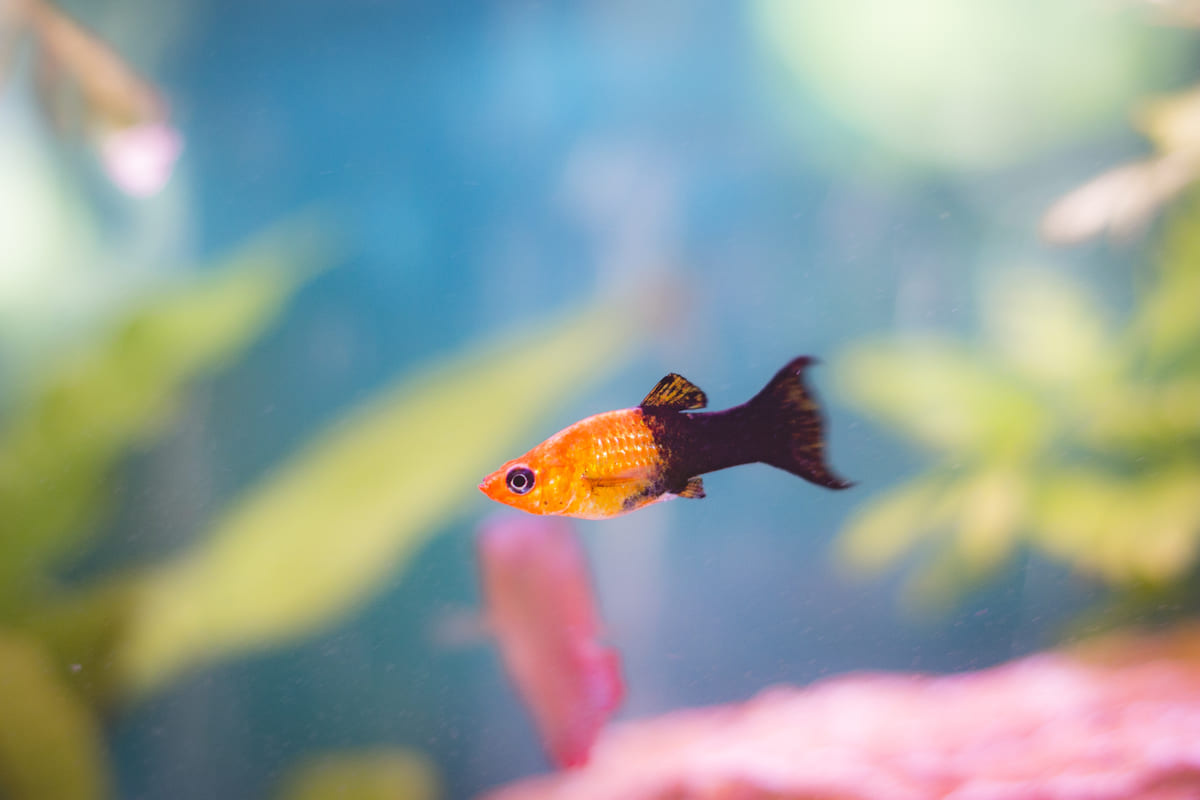
The platy fish is one of the safest options for those who want to create a peaceful community aquarium. Although it attracts attention with its vibrant colors, what makes it truly valuable is its harmonious character that does not disturb the peace in the aquarium. Therefore, it is one of the first species that comes to mind when answering the question 'Which fish get along well with each other?'.
The most critical point in platy care is choosing the right aquarium companion. Although docile, it can become stressed around fin-nipping or overly hyperactive species. Also, don't overload the aquarium, trusting in its perceived hardiness. Overcrowding will tire even the most resilient fish.
- Difficulty level: Suitable for beginners. With regular care and stable water conditions, it is much less demanding to keep.
- Compatibility: A strong candidate among peaceful species. Generally lives without problems with calm small to medium species.
- Feeding: Not picky. Overfeeding can quickly degrade water quality.
- Ideal aquarium type: A calm community aquarium with an established water structure and not overcrowded.
Neon Tetra
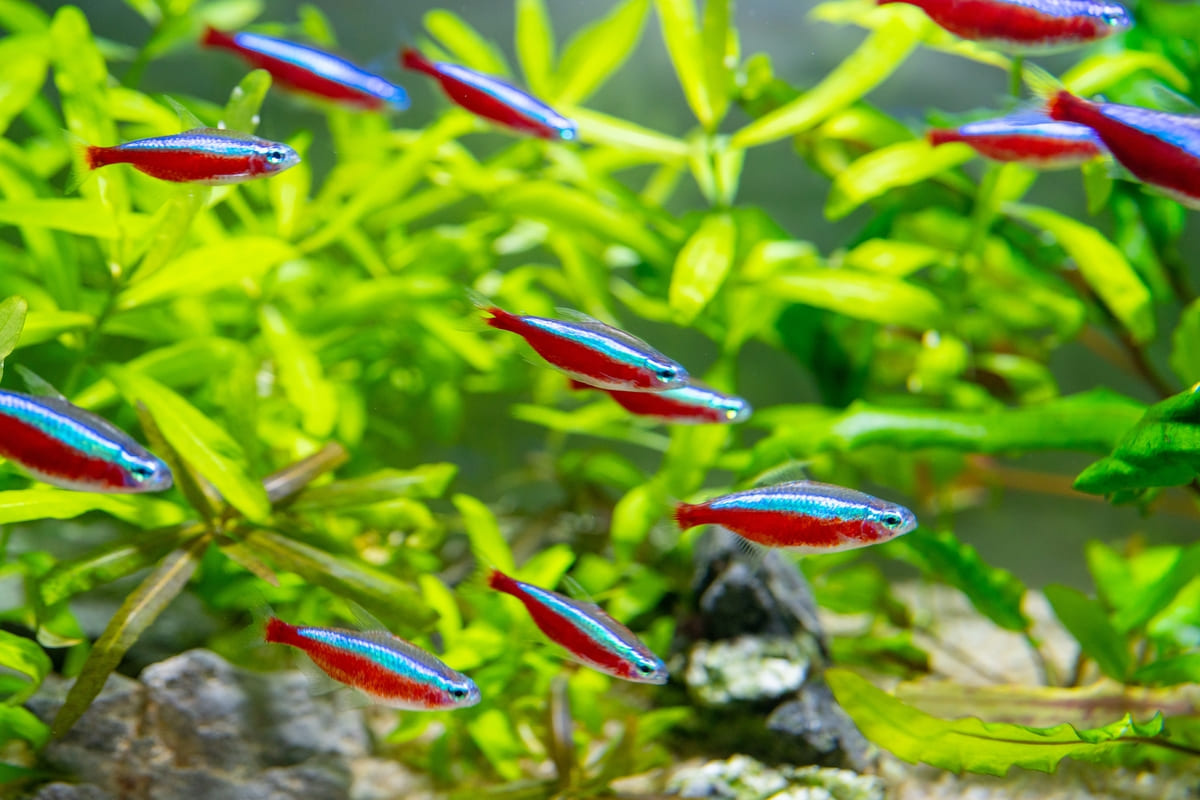
Neon tetras create a captivating visual spectacle in the aquarium when kept in schools. In planted arrangements and under dim light, the brightness on their lateral line becomes even more pronounced. Therefore, it is a perfect option for those who want a vibrant look that is not tiring to the eyes.
One of the elements that makes this species fascinating is its schooling behavior. When there are few of them, they may become shy and hide in corners. When they are in a large group, their self-confidence increases, and they swim as if dancing in the middle layer of the aquarium. Therefore, planning in groups of at least 6-8 gives the best result.
- Difficulty level: Suitable for beginners. It is quite easy to keep in stable water parameters.
- Compatibility: It is a peaceful species. Generally lives without problems with calm schooling fish.
- Feeding: Easily consumes small-grained food.
- Ideal aquarium type: A calm schooling aquarium with established water circulation, plants, and hiding places.
Harlequin Rasbora (Triangular Rasbora)
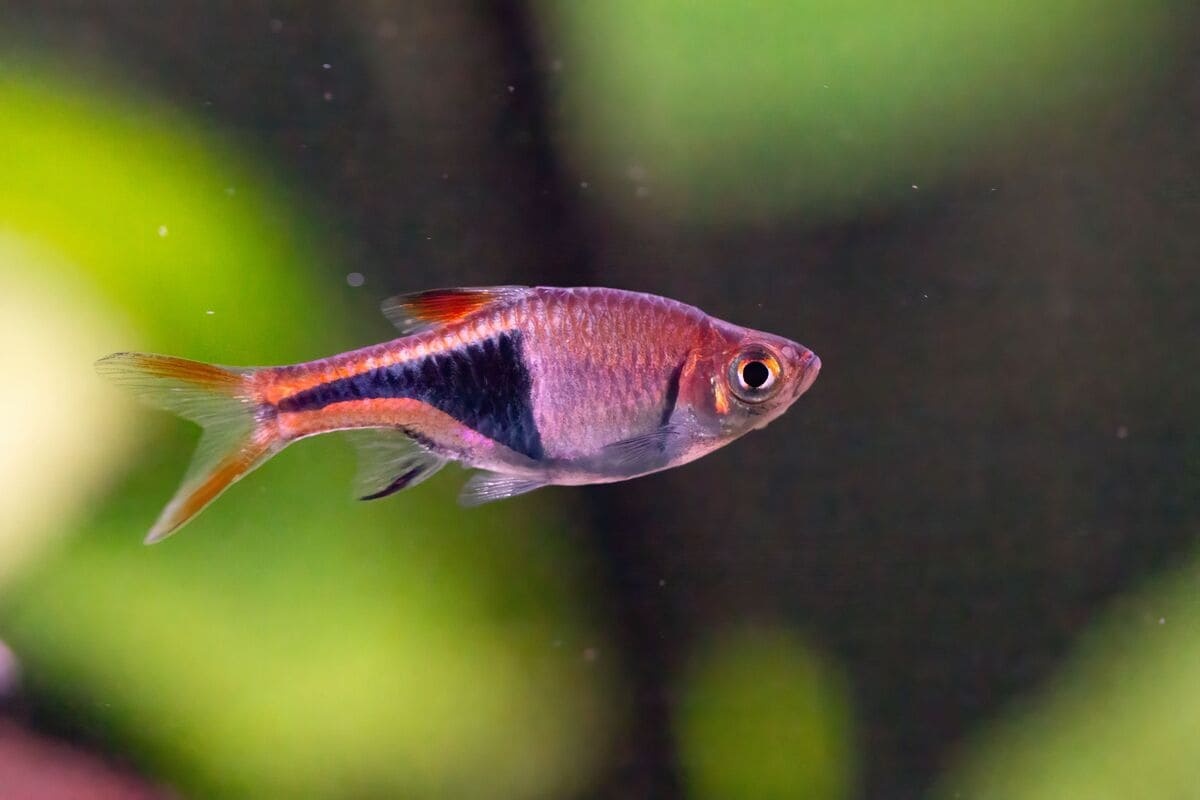
Harlequin rasbora displays the aesthetics of schooling fish not with chaotic movement, but with a more orderly and fluid swimming. They aesthetically fill the middle-to-top layer, especially in planted and natural-looking setups. They add a tidy, rather than crowded, vibrancy to the aquarium.
Rasboras also look much more impressive and feel safer in groups. When left alone, they can become stressed and pale, but when in a school, they set the rhythm of the aquarium. They can sometimes get stressed with very active aquarium mates. Difficulty level: Suitable for beginners. They are much easier to care for in aquariums with established biological balance. Compatibility: They get along perfectly with calm community species. They may experience stress with overly aggressive species. Feeding: They are not picky and readily consume small-grained foods. Ideal aquarium type: A calm community aquarium with plants or hiding places that supports schooling behavior.
- Difficulty level: Suitable for beginners. In aquariums with established biological balance, they are much easier to care for.
- Compatibility: They get along perfectly with calm community species. They may experience stress in the presence of overly aggressive species.
- Feeding: They are not picky and readily consume small-grained foods.
- Ideal aquarium type: A calm community aquarium with plants or hiding places, supporting schooling behavior.
Betta (Siamese Fighting Fish)

The Betta fish is one of the most frequently chosen species for those who want a strong focal point in their aquarium. Thanks to its long and showy fins and color transitions that become more prominent under the light, it can create a striking effect even in a small setup. It is especially ideal for those who want to create a simple but visually appealing aquarium, free from clutter.
The critical point here is not to treat Betta fish like small bowlfish and confine them to narrow spaces. Betta fish are naturally suited to being kept alone; however, the fact that they have specific needs should not be overlooked. With stable water parameters, appropriate temperature, and regular care, they will both look more vibrant and be more resilient.
Male Bettas have a high tendency towards aggression. Therefore, two male Bettas should not be kept together in the same aquarium. If a community aquarium is being considered, the plan should be made more carefully. Very active species, fish that tend to poke fins, or species with fins similar to those of a Betta can increase the risk of stress and fighting. Therefore, the answer to the question "Which fish can live with Bettas?" varies depending on the setup of your aquarium and the species you choose. Difficulty level: May be suitable for beginners. However, it is essential not to neglect water management. Compatibility: Single keeping is the safest option. If a community is to be established, calm species that do not poke fins and do not disturb Bettas should be preferred. Feeding: They have a good appetite. However, portion control is important as overfeeding can quickly spoil the water.
Very active species, fish that tend to poke fins, or species that resemble Betta fins can increase the risk of stress and fighting. Therefore, the answer to the question "What fish can Betta fish live with?" depends on the setup of your aquarium and the species you choose.
- Difficulty level: May be suitable for beginners. However, it is essential not to neglect water management.
- Compatibility: Single keeping is the safest option. If a community is to be established, calm species that do not poke fins and do not disturb Bettas should be preferred.
- Feeding: They have a good appetite. However, portion control is important as overfeeding can quickly spoil the water.
- Ideal aquarium type: A heated, filtered aquarium with stable water parameters that do not fluctuate rapidly.
Zebra Danio

Zebra danio are an inexhaustible source of energy for those who do not like stagnation in their aquarium. They behave much more naturally when kept in a group. However, this high pace can sometimes be tiring for very calm and shy species.
The most common mistake regarding this species is being misled by their size and confining them to small spaces. However, what is critical for Zebra danios is not the volume, but a long and unobstructed swimming corridor where they can release their inexhaustible energy. When the space is large, they do not get stressed and add tremendous activity to the aquarium. The volume should also not be kept small.
- Difficulty level: Generally suitable for beginners. However, aquarium companions should be chosen carefully.
- Compatibility: They live without problems with species that are as active and hardy as themselves. They can stress very calm species. With ideal care, they can live between 3-5 years in the aquarium.
- Feeding: They are not picky. Portion control is essential to maintain hydration levels.
- Ideal aquarium type: An energetic community aquarium with a well-established water system and sufficient swimming space.
Corydoras (Corporate Fish)

Corydoras transforms the usually stagnant bottom area of the aquarium into a lively scene with constant movement. Their waddling, group swimming around the bottom adds both movement and a charming atmosphere to the aquarium. However, the most critical point in Corydoras care is to view these creatures not as cleaning robots, but as sensitive fish with their own unique needs. The most common misconception about this species is the idea that they can only feed on scraps. Although Corydoras clean up food particles at the bottom, this is not enough to satisfy their hunger. They can become weak if they are not regularly fed with sinking foods designed for bottom-dwelling fish. Also, their whiskers around their mouths are very sensitive. Sharp or coarse-grained pebbles can damage the whiskers. Therefore, they live much healthier in fine and soft sandy substrates. Difficulty level: Suitable for beginners. However, the substrate (sand) must be chosen correctly.
The most common misconception about this breed is the idea that they can only be fed scraps. Although Corydoras will sift through food particles at the bottom, this is not enough to satisfy them. They can become weak if they are not regularly fed sinking food designed for bottom-dwelling fish.
Also, their whiskers around their mouths are very sensitive. Sharp or coarse-grained pebbles can damage their whiskers. Therefore, they live much healthier in fine and soft sandy substrates.
- Difficulty level: Suitable for beginners. However, the substrate (sand) must be chosen correctly.
- Compatibility: It is perfectly compatible with calm community species. It should not be kept with aggressive species or those that constantly stir up the substrate.
- Feeding: It should be fed regularly with tablet/granule food that sinks to the bottom.
- Ideal aquarium type: A peaceful community aquarium with an established biological cycle and fine sand in the substrate.
Dwarf Gourami
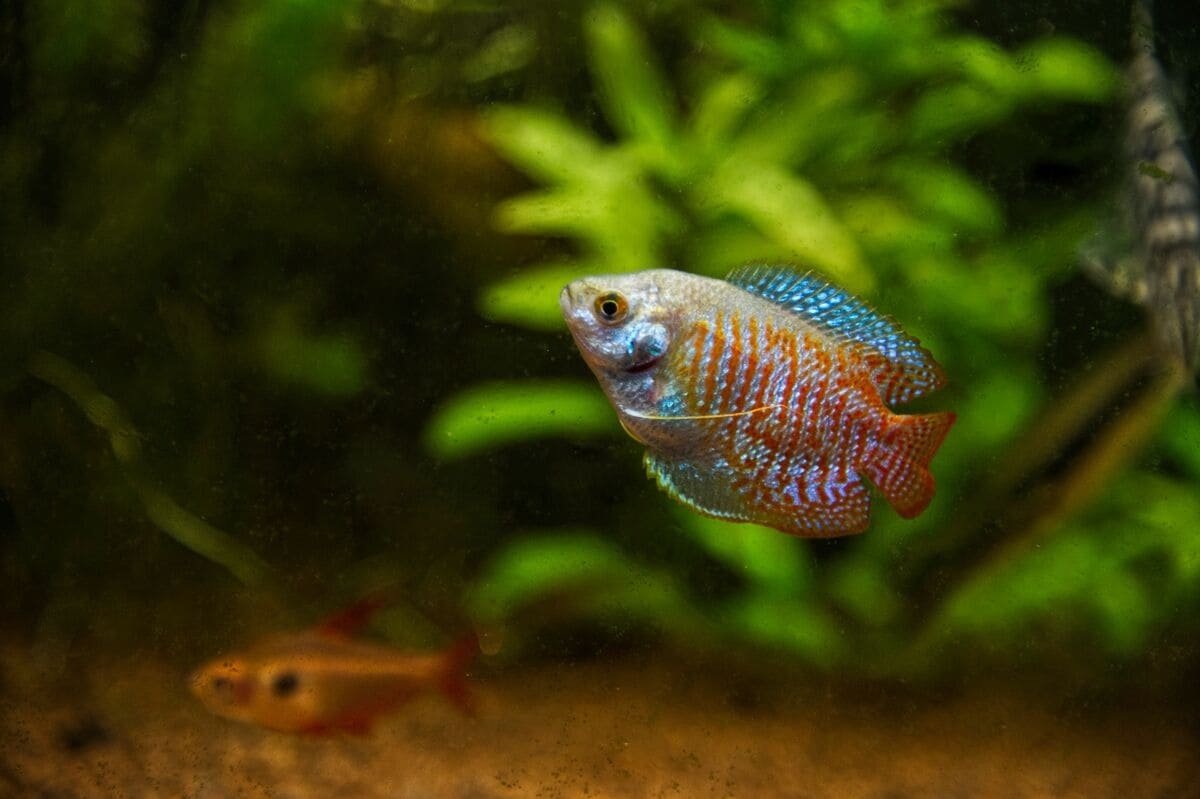
The dwarf gourami is a great alternative for those looking for a fish that will be the focal point in a community aquarium but are not ready for a solitary and sensitive character like the Betta. With its vibrant colors and calm demeanor, it stands out in the middle layer. It visually balances the activity created by schooling fish.
However, they shouldn't be considered an entirely problem-free species. While generally calm, they can be territorial and may become restless and stressed if constantly disturbed or in overly active aquariums.
- Difficulty level: Suitable for beginners. However, they are sensitive to stress factors. Some experienced individuals note that this fish can be challenging.
- Compatibility: Can live without problems with peaceful species. Should not be kept with very hyperactive or fin-nipping species.
- Feeding: Not picky. Maintains its form with moderate feeding and occasional live/frozen food supplements.
- Ideal aquarium type: A calm community aquarium with low currents and planted hiding places.
Angelfish
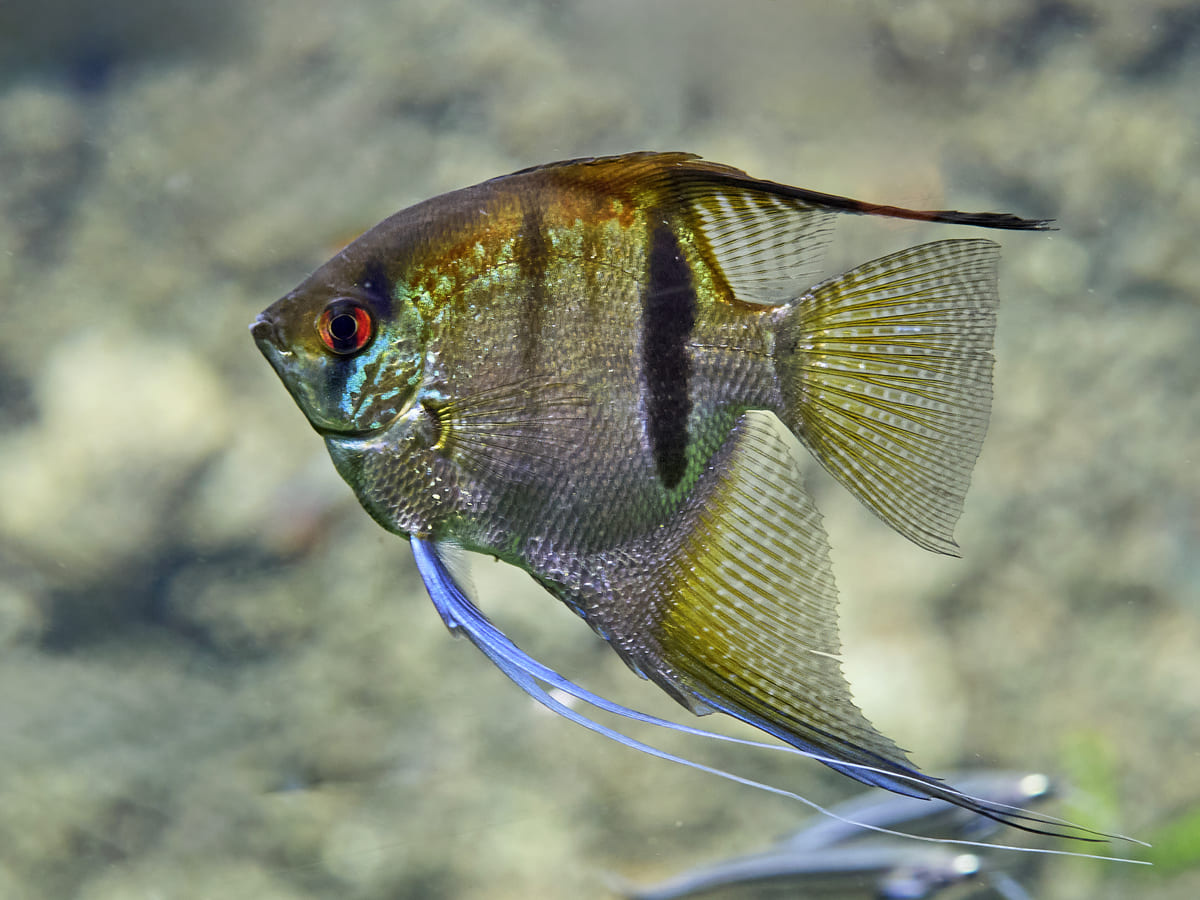
Angelfish, with its unique triangular body shape and gliding swim, is undoubtedly one of the most eye-catching species in aquariums. With its broad fins and majestic posture, it creates a captivating sight, especially in large aquariums. However, this elegant appearance should not make one forget the species' predatory instincts and need for space.
The most critical issue with angelfish is compatibility. As emphasized on PetMD, one should not be fooled by the name "Angel": It has the potential to eat fish small enough to fit in its mouth (for example, baby guppies or very small tetras). Therefore, it is necessary to consider them not as a species randomly added to the aquarium, but as one of the main characters that determine the hierarchy of the aquarium.
- Difficulty level: Sensitive to water parameters and insufficient volume.
- Compatibility: Cannot be compatible with all species. May eat very small species, and fin-eating species can harm Angelfish.
- Feeding: Not selective but voracious. Protein-rich diet supports their development.
- Ideal aquarium type: Especially high (volume) aquariums with established biological cycles. Sources state that the minimum aquarium size is 100 cm.
Boesemani Rainbowfish

The Boesemani rainbowfish is one of the rare species that can create a true spectacle of color in an aquarium. Whether they display their famous colors depends entirely on the living conditions provided. A spacious swimming area, stable water parameters, and a high-quality diet are essential for the beauty of their colors to shine through.
These fish only display their full beauty when in a large group of their own kind. While they remain shy and hide their colors when kept alone or in pairs, when in a school they swim confidently in the middle-upper layer of the aquarium.
- Difficulty level: Medium. High water quality is necessary for them to display their colors.
- Compatibility: They get along well with active and peaceful species of similar size.
- Feeding: They have a good appetite. It is recommended to feed them high-quality foods that support their color pigments.
- Ideal aquarium type: Longitudinal, with ample swimming space, planted, and clear water, a community aquarium.
Frequently Asked Questions

In this section, you can find answers to the most frequently asked questions when setting up an aquarium.
How do I know if the water has settled before adding fish to the aquarium?
Water settling means that the biological cycle has been fully established. The most accurate method is to use a test kit. Because visible clarity can be misleading. The most common mistake is thinking, "the water is crystal clear, I can add fish." Clarity only indicates cleanliness; it does not guarantee that the water is safe for fish.
What signs indicate that fish are stressed in the aquarium?
Stress usually begins with small signals. Fading colors, increased hiding, rapid gill movements, rubbing against the glass, sudden escapes, and loss of appetite are among the first warning signs. These symptoms do not always mean illness. Often, they are triggered by incompatible aquarium companions, sudden water changes, insufficient filtration, or irregular routines. Nevertheless, it is necessary to be cautious and observe the symptoms.
What are the 5 most common aquarium mistakes made by beginners?
The most common mistakes in this hobby, which is usually started with excitement, are:
- Impatience: Adding live creatures before the biological balance (cycle) of the water is fully established can disrupt the system.
- Overfeeding: Mistaking every movement of the fish for hunger and overfeeding them quickly degrades the water.
- Incompatible species selection: Bringing together fish with contrasting personalities based solely on appearance creates stress and conflict.
- Insufficient filtration: It is wrong to view the filter only as a garbage collector. A filter with insufficient capacity cannot maintain the chemical balance of the water, creating an unhealthy environment for the fish.
- Unbalanced maintenance: Neglecting maintenance for a long time and then doing a thorough cleaning disrupts water parameters. The key is regular and partial water changes.
What are the top 3 priorities for a lively and healthy appearance in a small aquarium?
In small aquariums, the margin of error is small. Therefore, success lies in maintaining water balance rather than flashy decorations. Choosing a small number of fish that do not strain the volume preserves water quality. Because the volume is small, water parameters can deteriorate very quickly.
The way to prevent this is with a high-quality filter that performs biological cleaning. Water parameters fluctuate quickly in small aquariums. Maintaining stability with regular, small water changes without neglecting maintenance is vital.
What causes algae growth in an aquarium and what should be corrected first?
Algae problems are evidence that the light and nutrient balance in the aquarium has been disrupted. Usually, excessive lighting and overfeeding trigger this process. However, cleaning without addressing the root of the problem is only temporary. Therefore, before resorting to chemicals for a solution, it is necessary to cut off the source: First, reduce the light duration and decrease feeding.
Kaynaklar:
https://www.petmd.com/fish/general/angelfish-fun-facts
https://blog.vedhafishfarm.com/the-10-most-playful-fish-perfect-for-your-home-aquarium/
https://www.aquaticexperts.com/blogs/blog/top-10-colorful-freshwater-aquarium-fish-for-stunning-aquascapes
https://aquaforest.eu/en/knowledge-base/popular-freshwater-aquarium-fish-for-beginners-10-species-for-your-home-tank/
https://decodingbiosphere.com/2025/01/07/top-10-aquarium-fishes-beautify-your-home-underwater-world/
https://www.aquariumcoop.com/blogs/aquarium/top-10-colorful-fish
https://diapteron.co.uk/dive-into-the-world-of-aquatic-wonder-top-10-aquarium-fish-for-beginners/
https://www.aquariumsource.com/colorful-freshwater-fish/
https://fishlist.com.sg/blogs/news/top-10-freshwater-fish-every-aquarium-enthusiast-should-own
Advertisement
Advertisement
Keep exploring
Continue reading
Aquarium & Fish
Why Does Aquarium Water Smell?
The water is clear, the fish appear normal. However, a strong odor is present when approaching the aquarium.
Read guide →
Aquarium & Fish
How to Choose Aquarium Lighting?
The whole atmosphere of an aquarium can change the moment you turn on the light. Colors become more vibrant, the depth of the water and movement…
Read guide →
Aquarium & Fish
What are Aquarium Filter Materials? In What Order are They Used?
The water cleaning power of an aquarium filter depends on the materials inside it performing their functions correctly.
Read guide →
Aquarium & Fish
What is an Aquarium Heater, How to Choose One? How Many Watts of Heater are Needed?
The water in the aquarium is the entire environment in which the fish live. Excessively cold water or frequent temperature changes can cause stress…
Read guide →