Bee Stings in Cats
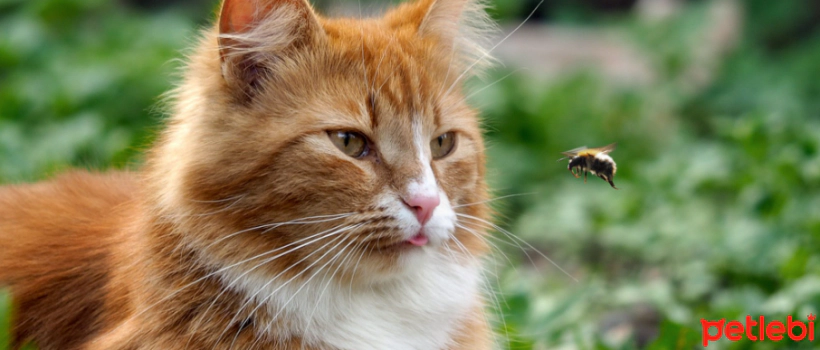
Cats are animals that love to hunt, and their hunting instincts become clearly apparent when they see small and moving insects. Also, due to their curious nature and desire to explore, cats want to smell, observe, and identify insects. This desire continues when they encounter wild or honey bees.
Advertisement
Cats are animals that love to hunt, and their hunting instincts become clearly apparent when they see small and moving insects. Also, due to their curious nature and desire to explore, cats want to smell, observe, and identify insects. This desire continues when they encounter wild or honey bees. At this point, the possibility of the cat being stung by wild or honey bees arises. When a cat is stung by a bee, it is necessary to quickly assess the changes in the cat, provide first aid, and consult a veterinarian. In this article, you can learn what you need to know about bee stings in cats, the precautions that can be taken against bee stings, and how to provide first aid. Bee Stings and Symptoms in Cats Cats, just like humans, can have various allergies. Therefore, it is important to protect cats from bee stings. Even if a bee sting does not cause an allergic reaction, it can become a painful experience for cats. If a cat is stung by a bee, the consequences can range from a mild irritation to life-threatening anaphylactic shock. The symptoms a cat will show against a bee sting vary depending on its immune system and the type of bee.
Bee Stings and Symptoms in Cats
Cats, just like humans, can have various allergies. Therefore, it is important to protect cats from bee stings. Even if a bee sting doesn't cause an allergic reaction, it can become a painful experience for cats. If a cat is stung by a bee, the consequences can range from a mild irritation to life-threatening anaphylactic shock. The symptoms a cat will show from a bee sting vary depending on its immune system and the type of bee.
Therefore, a very careful examination of a cat stung by a bee is critically important. If the cat is allergic to bee stings, symptoms are expected to appear within 20 minutes. In some allergies, it may take hours for symptoms to appear, so close monitoring may be continued for up to a day. Mild swelling, itching, and redness at the site of the bee sting are considered mild symptoms.
Severe symptoms of bee stings in cats;
- Swelling in the head and neck area that is severe enough to impede breathing,
- Itching in any part of the body,
- Difficulty breathing and wheezing,
- Excessive drooling,
- Vomiting,
- Diarrhea,
- Loss of balance or dizziness,
- Seizures can be listed as symptoms.

First Aid and Intervention
If a cat is stung by a bee, the first thing to do is to find the stinger in the affected area. Bees are known as the only insects that leave their stingers behind after stinging, and the stinger continues to secrete venom. Removing the stinger helps reduce the amount of venom that enters the cat's body. Since using tweezers or other tools to squeeze the stinger will cause more venom to come out of the venom sac, after finding the stinger, you should try to remove it by gently tapping the area or scraping it off with an object like a credit card and/or gently pressing.
If you notice the severe symptoms mentioned above in your cat, you should seek help from your veterinarian. Veterinarians can save cats' lives with the right intervention in cases of serious allergies resulting from bee and insect stings. If you've shared your observations about your cat with your veterinarian and they've said you can treat it at home, here are a few suggestions to improve your cat's comfort:
Apply a cream suitable for insect bites in cats to the bite area. If you're sure your cat was stung by a honey bee, you can apply a mixture of baking soda and water to soothe the area. If your cat was stung by a wasp, you can apply some apple cider vinegar to the area.
A cold compress can be applied to the bitten area for 10 minutes to reduce swelling.
If your cat tries to lick or scratch the area excessively after being stung by a bee, you can prevent it from harming itself by using a collar.
If the cat was stung in the mouth, it may have difficulty eating and drinking. In these cases, the cat can be given dry food softened with water or wet food.
Veterinary Intervention and Prevention
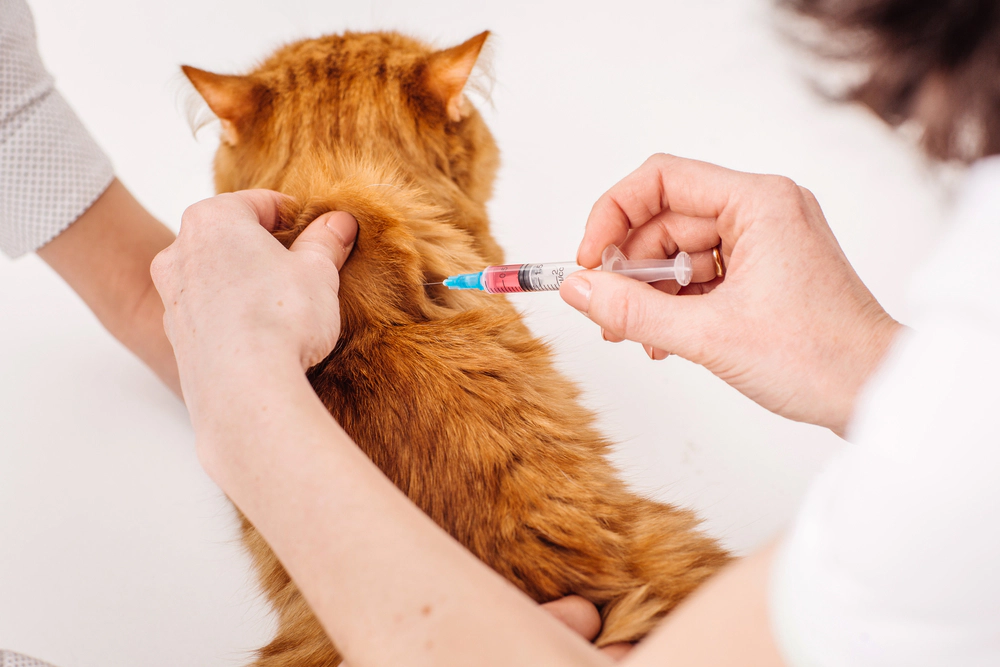
If a cat shows severe symptoms after a bee sting, it must be examined by a veterinarian. Medical treatment is important both to reduce the allergic reaction and to prevent a possible seizure. Cats may need to be given antihistamines, corticosteroids, or epinephrine after a bee sting.
A cat experiencing a seizure may need intravenous and/or oxygen support to stabilize it after receiving proper medical attention. Blood and urine tests are recommended to determine if allergic reactions following a bee sting have caused organ damage. The veterinarian may request that the cat be kept under observation in the clinic if necessary. Depending on the allergic reaction the cat shows, an appropriate dose of EpiPen (epinephrine injection) may be prescribed for the cat in case of recurrence in the future.
Suggestions to Protect Cats from Bee Stings
Due to their curious nature, cats can still experience annoying problems like bee stings, no matter how many precautions are taken. However, there are measures that can be taken to reduce the risk; here are some:
- If there is a beehive in the garden or on the exterior walls of the house, or inside windows, this hive needs to be dealt with. Moving the hive to an area inaccessible to cats, taking safety precautions, is one of the first steps that can be taken.
- If you see a bee enter the house, the cat should be kept safe in a room until the bee leaves the house.
- Installing screens on windows and balcony doors will restrict the entry of insects into the house, thus reducing the likelihood of cats being stung by bees.
- Even if you take all precautions, if your cat is stung by a bee, you can help your cat overcome this situation without problems by acting quickly and without panicking.
Advertisement
Advertisement
Keep exploring
Continue reading

Cat Lifestyle & Guides
What is Cat Soup? Is it Beneficial for Cats?
If your cat rarely visits its water bowl, is sometimes reluctant to eat dry food, or shows interest in different textures, liquid products may catch…
Read guide →
Cat Lifestyle & Guides
How to Give Rewards and Snacks to a Neutered Kitten?
The Feline Veterinary Medical Association supports neutering kittens until they are five months old.
Read guide →
Cat Lifestyle & Guides
Benefits of Colostrum for Cats and Dogs
Colostrum is the first milk produced by mother cats and dogs after birth. Thanks to its antibodies and high nutrient content, it responds to the…
Read guide →
Cat Lifestyle & Guides
Why is Gut Health Important in Cats?
In cats, bowel health is linked to many areas, from digestive regularity and immune system-related processes to energy levels and daily comfort.
Read guide →