Benefits of Fish Oil for Cats
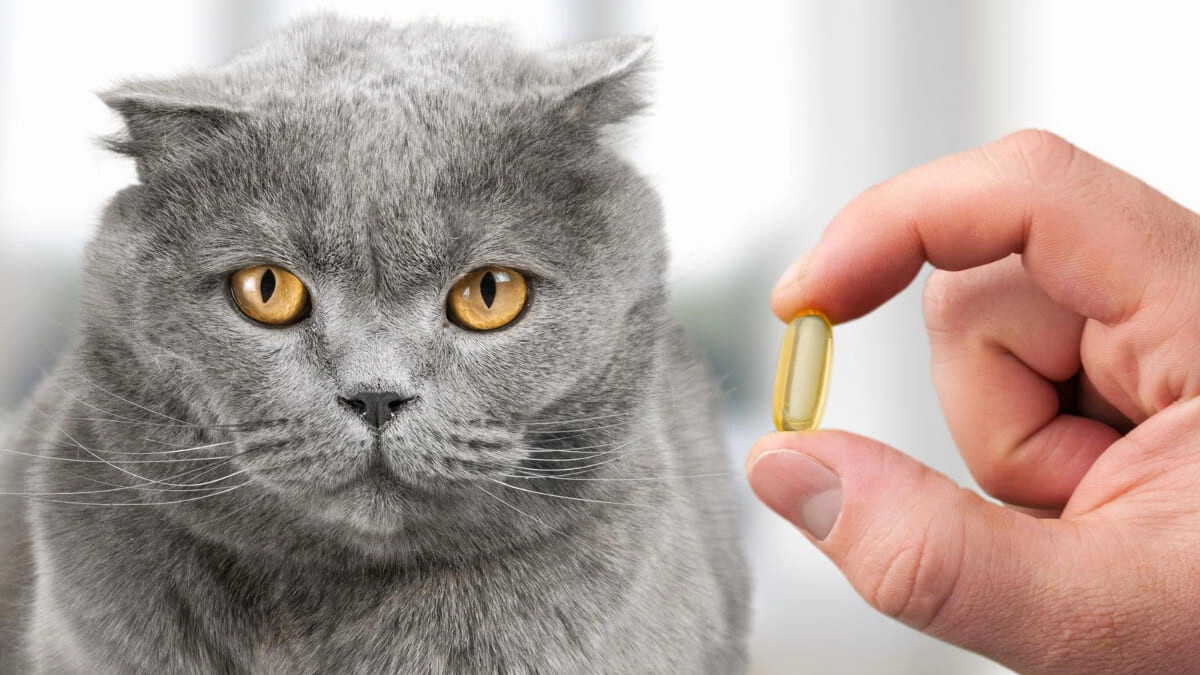
Fish oil is a supplement derived from cold-water fish that contains a high concentration of omega-3 fatty acids called EPA and DHA. You often come across it when researching options to help your cat's fur shine and feel better overall.
Advertisement
Fish oil is a supplement derived from cold-water fish that contains a high concentration of omega-3 fatty acids called EPA and DHA. You often come across it when researching options to help your cat's fur shine and feel better overall.
Omega-3 fatty acids are among the nutrients that cats cannot synthesize in sufficient quantities in their own bodies and therefore must obtain through diet. Veterinary sources state that fish oil can be used to support many systems, from skin and coat structure to joint comfort, heart and kidney function, and the general inflammatory response.
Indeed, PetMD states the following: Fish There is significant evidence that fish oil can lower blood pressure in cats, prevent protein loss in urine, and thus slow the progression of kidney disease. In addition, it is stated that consuming foods high in EPA content can extend the lifespan of cats with kidney disease.
In this article, you can find information about the potential benefits of fish oil for cats and suggestions to support your pet's health.
Important: It is safe to think of fish oil not as a solution replacing primary treatment, but as a nutritional supplement that has the potential to be beneficial when planned with the right product and the right dose in the appropriate patient.
Benefits of Fish Oil for Skin and Coat Health in Cats
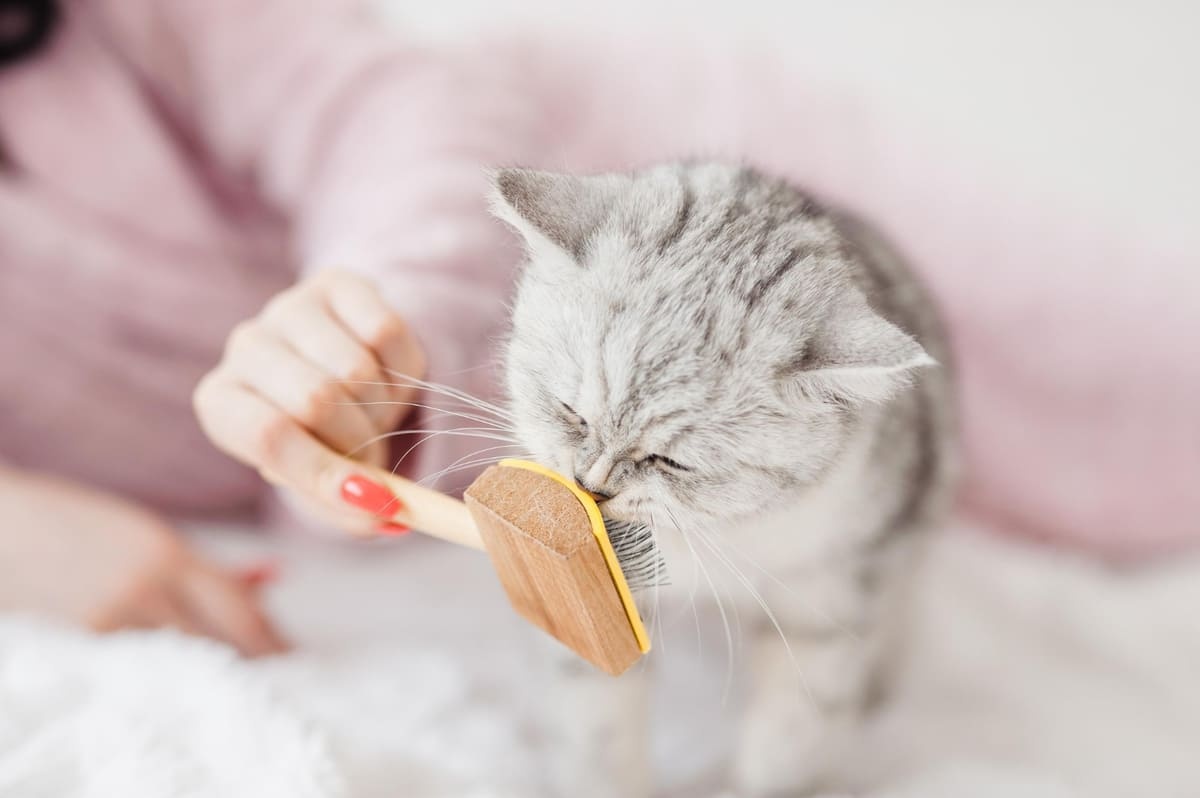
The most well-known effect of fish oil for cats is its potential contribution to skin and coat structure. In particular, EPA and DHA regulate the inflammatory response on the skin surface, allowing the protective barrier to function more balancedly. It contributes. VCA Animal Hospitals states that fish oil is used as a supportive treatment in allergic and inflammatory skin diseases, and that this effect is largely due to its anti-inflammatory properties.
When coat health deteriorates in cats, the first change usually noticed is dullness, coarsening, and an increase in the amount of hair shed during brushing. Fish oil supplementation can help some cats' fur look softer and shinier. PetMD reports that fish oil can help reduce itching and support the skin's moisture balance in cats with dry and flaky skin, which can secondarily improve the appearance of the coat.
Important: Dull coat alone does not indicate omega-3 deficiency; factors such as parasite control, food quality, stress level, and skin diseases should be considered together.
While dry skin and mild itching in cats are not always an indicator of a major disease, they can reduce their quality of life. Omega-3 oil Because omega-3 fatty acids help regulate the inflammatory response without suppressing it, the relationship between itching and omega-3 in cats is considered more supportive. In some cats, this can reduce skin sensitivity and make the skin surface between the fur look healthier. Warning: Fish oil alone does not replace the treatment of serious skin diseases or allergic conditions. In such problems, it should be considered as an additional support, if deemed appropriate, alongside the diagnosis and treatment recommended by a veterinarian. A strong skin barrier during seasonal shedding helps the shedding process progress more evenly. Cat coat shine, amount of shedding, and skin comfort should be evaluated together with many variables such as genetic structure, basic nutritional quality, and internal and external parasite control. When fish oil supplementation is deemed appropriate for the cat, it can make a small but significant contribution to this picture. The important thing here is not to give fish oil every time we see dull fur, The key is to proceed by assessing your cat's overall health and needs in consultation with your veterinarian.
Warning: The use of fish oil alone does not replace the treatment of serious skin diseases or allergic conditions. In such problems, it should be considered as an additional support, if deemed appropriate, alongside the diagnosis and treatment recommended by a veterinarian.
A strong skin barrier during seasonal shedding helps the shedding process progress more evenly. Cat coat shine, amount of shedding, and skin comfort should be evaluated in conjunction with many variables such as genetic makeup, basic nutritional quality, and internal and external parasite control.
Fish oil supplementation, when deemed appropriate for the cat, can make a small but significant contribution to this picture. The important thing here is not to give fish oil every time we see dull fur, but to proceed by evaluating your cat's general health and needs together with your veterinarian.
Benefits of Fish Oil on Joint and Mobility in Cats

As cats age, their joints can become more sensitive. Moreover, this change doesn't always manifest as a noticeable lameness. Sometimes it only shows itself through small clues such as less jumping, hesitation when climbing stairs, or preferring to climb onto the sofa instead of jumping.
Omega-3 fatty acids, particularly EPA, can help alleviate discomfort around the joints by contributing to the regulation of the inflammatory response in the body. PetMD emphasizes that fish oil can be used as a supportive treatment for joint-related ailments in cats due to its natural anti-inflammatory properties.
Important: When it comes to joint health in cats, fish oil supplementation is part of the overall management plan. It should be considered as such. It is reported that it can be used in addition to approaches such as pain control and weight management recommended by the veterinarian, especially in cats diagnosed with osteoarthritis.
In some cats, this supplement may create small but noticeable changes in daily activity levels, playtime, or the feeling of stiffness in the first steps after resting. Sources such as The Vet Desk also state that fish oil can be considered among the options that support the quality of life in cats with joint problems.
The important thing here is that the impression that your cat is moving more comfortably cannot always be measured definitively from the outside.
Some cats show the change with an increased desire to play, while others only show it by starting to go to their favorite bed more often. Therefore, the decision to start fish oil supplementation in cats should be made together with the veterinarian, taking into account X-ray findings, accompanying diseases and medications used.
The Effects of Fish Oil on the Heart and Circulatory System in Cats Benefits

The effects of fish oil are not limited to skin and joints: Omega-3 fatty acids also play a role in the heart and circulatory system.
The Animal Medical Center of Chicago reports that fish oil containing EPA and DHA may help reduce susceptibility to heart rhythm disorders and can be considered a supportive tool in reducing the risk of clot formation in cats with heart disease. Since the level of evidence is not high, it is not correct to expect the same result in every case.
WebMD similarly states that omega-3 fatty acids in fish oil can be used to support heart health in cats and dogs.
When it comes to cardiovascular health, fish oil supplementation is generally considered within the framework of preventive support. Especially in cats with heart disease, it can be used to support the circulatory system alongside drug treatment when deemed appropriate by the veterinarian. At this point, the goal is to provide an additional nutritional supplement to the plan arranged under the supervision of a doctor. The aim is to provide.
The same requirement does not apply to every cat. Many cat foods already contain omega-3. If there is kidney disease, clotting disorders, or other medical conditions, the use of fish oil should be planned more carefully. Therefore, if fish oil supplementation is considered for heart health purposes, the cat's existing diagnoses, medications used, and health history must be evaluated together.
Benefits of Fish Oil on Brain, Nervous System, and Behavior in Cats

Omega 3 is a nutrient that also concerns the brain and nervous system in cats. DHA, in particular, is a fatty acid that is abundantly found in the structure of nerve cells, and PetMD emphasizes that DHA is essential for kittens during their growth period. Therefore, some kitten foods add fish oil or its derivatives to their formulas to support brain and vision development.
The correct use of fish oil in kittens; learning The process can indirectly contribute to areas such as adapting to new environments and participating in interactive play. While Omega-3 supplementation is considered to support a healthy development process from a nutritional perspective, the basic food content and daily energy requirements of kittens should always be reviewed with a veterinarian before starting any supplementation. In older cats, the issue is addressed more in the context of supporting cognitive functions. Fish oil can be considered a helpful option, especially in aging cats and dogs, to support brain health and cognitive functions. Behaviors such as disorientation, restless wandering at night, or overreacting to small changes in routine, which may occur with advancing age, are not problems that can be solved with fish oil alone. A diet containing Omega-3 can provide additional support for the nervous system. Important: In case of such complaints, the possibility of an underlying neurological or systemic disease must be evaluated by a veterinarian. It is necessary.
In older cats, the issue is addressed more in the context of supporting cognitive functions. Fish oil can be considered as a helpful option, especially in aging cats and dogs, to support brain health and cognitive functions.
Behaviors such as disorientation, restless wandering at night, or overreacting to minor changes in routine, which can appear with advancing age, are not problems that can be solved with fish oil alone. A diet containing omega-3 can provide additional support for the nervous system.
Important: When such complaints occur, the possibility of an underlying neurological or systemic disease must be evaluated by a veterinarian.
Benefits of Fish Oil for the Immune System in Cats

The immune system relies on a balanced inflammatory response in many parts of the body, and omega-3 fatty acids are among the nutrients that play a role in this balance. Sploot Vets emphasizes that fish oil can support heart and kidney function and overall immune health, as well as shinier coats and more flexible joints for many cats.
When it comes to supporting the immune system in cats, the role of fish oil is mostly evaluated within the framework of general resistance. It can be added to the diet, especially in cats with a history of chronic diseases, recurring skin or joint problems, or older cats, if deemed appropriate by a veterinarian.
In this way, the body's inflammatory response can be managed in a more balanced way and a more stable course can be achieved in conjunction with other treatment approaches. It can be targeted.
Fish oil alone is not a treatment that solves immune system problems. Specific treatment approaches are essential in cases such as infectious diseases, autoimmune disorders, or the presence of tumors. Supplements like fish oil should only be considered as a secondary component of the treatment plan.
When you want to provide immune support in cats, it is important to first review basic factors such as basic nutritional quality, vaccination and parasite control program, stress level, and living environment. Fish oil, when used in the right cat, in the right dose, and at the right time, can add an extra layer of support to this picture.
Frequently Asked Questions
Similar questions may arise in the minds of cat owners when it comes to fish oil supplementation. Below, you can find answers to basic questions that can help you see the framework more clearly when making a decision on use.
Is fish oil suitable for every cat? Is it safe?
Fish oil is a supplement considered safe for many cats when used with the correct ingredients and dosage. However, it is not automatically necessary or suitable for every cat. It should be used more cautiously in cats with obesity, pancreatitis, bleeding disorders, or certain metabolic diseases. Therefore, it is best to discuss the possibility of giving your cat fish oil with your veterinarian.
How should fish oil be stored?
Fish oil is sensitive to oxidation. Therefore, it is important to pay attention to storage conditions. Keeping the product away from heat and light, and closing the lid immediately after each use helps maintain quality. If you notice any signs such as a strong and unpleasant odor, bitter taste, or significant color change, you should not use the product.
How much fish oil should be given to cats?
The dosage of fish oil varies depending on the cat's weight, general health, and the EPA/DHA content of the supplement. Current guidelines provide recommendations in milligrams per kilogram based on the total omega-3 content. When planning the dosage, the total EPA + DHA content of the supplement should be taken into account.
Today’s Veterinary Practice states that such supplements may have pharmacological effects and that careful calculations should be made, especially when using more than one omega-3 source simultaneously.
The safest way is to create an individual dosage plan by evaluating the product label information and your cat's needs with your veterinarian.
Can fish oil made for humans be given to cats?
Fish oil capsules made for humans may not always be suitable for cats in terms of the amount of omega-3 they contain, the capsule form, and the added excipients. Also, products made for humans may contain high doses, additional vitamins, sweeteners, or other unnecessary and even risky ingredients for cats. It may also contain carrier components.
Therefore, it is necessary to prefer products specifically formulated for cats, with clear information on the label regarding their use in cats, and to still consult a veterinarian before use.
Can fish oil have side effects?
Although fish oil supplements are generally considered safe, some side effects may occur, especially at high doses or in sensitive cats. Catster states that excessive amounts of fish oil may be associated with undesirable effects such as diarrhea, digestive upset, weight gain, and rarely, changes in bleeding tendency.
If fish oil causes side effects in cats, the dose should be reduced, use discontinued, and in any case, a veterinarian should be consulted.
Can kittens use fish oil?
In kittens, a high DHA content Nutrition is considered important for brain and vision development; PetMD also emphasizes that DHA is especially necessary for growing cats. As we just mentioned, since this requirement is often met in kitten food formulas, it cannot be said that every kitten needs an additional fish oil supplement. The decision will be up to the veterinarian.
Kaynaklar:
https://www.splootvets.com/post/best-fish-oil-for-cats-omega-3-benefits-side-effects
https://www.petmd.com/cat/general-health/fish-oil-cats
https://www.animalmedicalcenterofchicago.com/fish-oil-for-dogs-and-cats-six-benefits/
https://vcahospitals.com/know-your-pet/fish-oil
https://www.purina.ca/articles/cat/nutrition/omega-3-benefits-for-cats
https://drruthroberts.com/blogs/pet-blog/fish-oil-for-cats
Advertisement
Advertisement
Keep exploring
Continue reading

Cat Lifestyle & Guides
What is Cat Soup? Is it Beneficial for Cats?
If your cat rarely visits its water bowl, is sometimes reluctant to eat dry food, or shows interest in different textures, liquid products may catch…
Read guide →
Cat Lifestyle & Guides
How to Give Rewards and Snacks to a Neutered Kitten?
The Feline Veterinary Medical Association supports neutering kittens until they are five months old.
Read guide →
Cat Lifestyle & Guides
Benefits of Colostrum for Cats and Dogs
Colostrum is the first milk produced by mother cats and dogs after birth. Thanks to its antibodies and high nutrient content, it responds to the…
Read guide →
Cat Lifestyle & Guides
Why is Gut Health Important in Cats?
In cats, bowel health is linked to many areas, from digestive regularity and immune system-related processes to energy levels and daily comfort.
Read guide →