Betta Fish Care and Aquarium: What You Need to Know for a Healthy Betta Fish
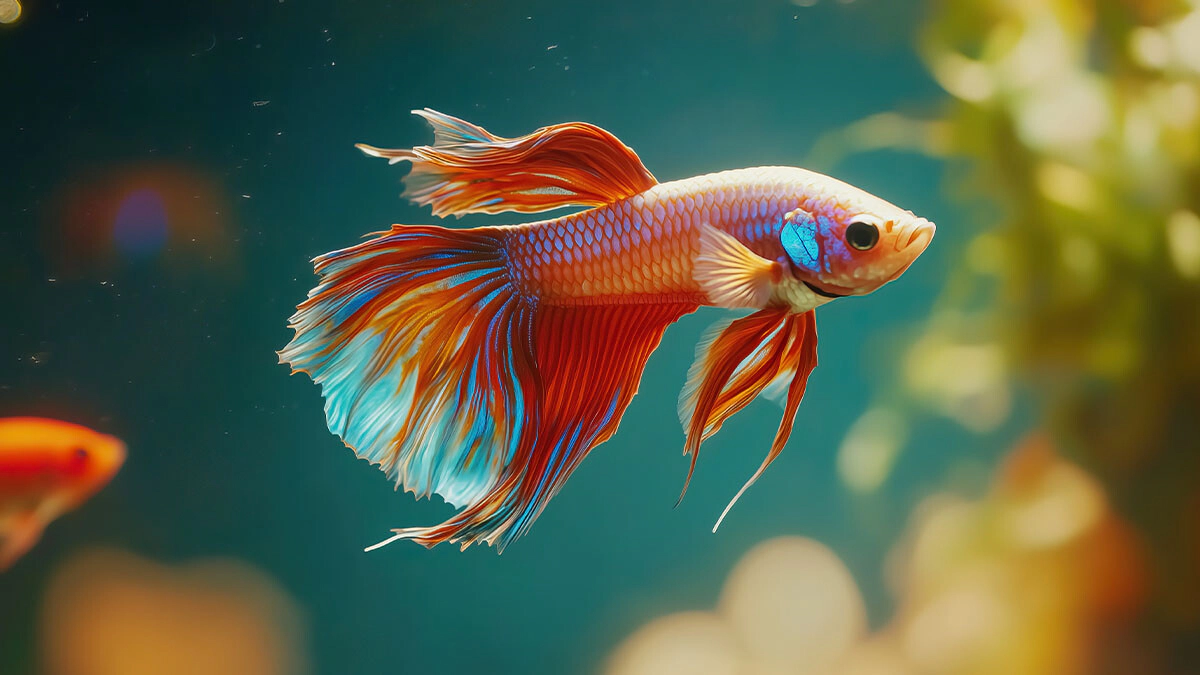
Caring for a betta fish, also known as a fighting Siamese fish, is not as easy as it seems. The basic rule for a healthy betta fish is to provide a living space with ideal volume, a constant temperature, and a low-flow filtration system.
Advertisement
Caring for a betta fish, also known as a fighting Siamese fish, is not as easy as it seems. The basic rule for a healthy betta fish is to provide a living space with ideal volume, a constant temperature, and a low-flow filtration system.
Common beliefs such as "a small container is enough for a betta fish" are among the mistakes that can shorten the life of the fish. If your betta is motionless at the bottom, closing its fins, or showing a lack of appetite, it can be assumed that its quality of life is not sufficient.
Maintenance requirements for setting up a betta fish aquarium should be considered as a whole. Water temperature, water quality, feeding schedule, aquarium equipment, decor selection, and cleaning routine should all be considered together.
In this article, we have compiled practical and up-to-date information on everything from setting up a betta fish aquarium to feeding, breeding process, and disease management. We wish you pleasant reading.
Warning: This content is for general information purposes only. In case of significant health problems, a veterinarian should be consulted.
What are the Basic Care Needs of a Betta Fish?

|
Kontrol Periyodu |
What Needs to Be Done |
Purpose and Benefit |
|
Daily Monitoring |
Feed consumption, color and fin vitality, water temperature, filter and heater control. |
Early diagnosis of potential diseases and technical malfunctions. |
|
Weekly Maintenance |
Basic water parameter testing, 20-25% partial water change, cleaning of bottom debris. |
Maintaining water chemistry balance and reducing biological load. |
|
General Principles |
Constant temperature of 24-28°C, minimum volume of 19L, measured feeding, and a calm environment. |
To keep the fish's immune system strong by minimizing stress. |
Betta fish begin to show signs of care errors through small behavioral changes. Therefore, to properly establish the logic of care, it is necessary to first clearly understand the basic needs of the betta fish.
What are the basic needs of a betta fish?
Betta fish need a warm, calm, and balanced living environment. According to National Geographic, the basis of good betta fish care is temperature stability, low current, clean water, and a safe living environment.
The fact that they can breathe air from the surface does not mean that they can live comfortably in dirty or unstable water. Therefore, when planning betta fish care, the aquarium conditions must be established correctly from the beginning.
The most common mistakes in betta fish care are:
- Choosing a small-volume container
- Considering the heater unnecessary
- Incorrectly adjusting the filter flow
- Fazla yem vermek
- Adding fish to an unprepared aquarium
- Neglecting aquarium cleaning
What Should a Betta Fish Aquarium Be Like?
Correct aquarium setup is one of the most differentiating stages in betta fish care. Many care problems begin when the tank is incorrectly planned from the start.
The rapid deterioration of the water, the unstable temperature fluctuations, or the fish's inability to swim comfortably are often directly related to the setup.
How many liters should an aquarium be for a betta fish and what shape should it be chosen in?
Instead of small containers for a single betta fish, an aquarium of at least 15-20 liters, and practically 20 liters or more, is a safer choice. A larger volume helps keep water parameters more stable and increases the fish's movement space.
The shape of the aquarium is as important as the volume. Betta fish frequently come to the surface and naturally live in shallow, slow-flowing waters. Therefore, in practice, an aquarium with a wider longer side is more functional.
When the horizontal swimming area is increased, it becomes easier for the fish to move, reach the surface, and use the space. Conversely, narrow and tall tanks may be less useful for bettas, even if they are the same volume.
What equipment is needed for a betta aquarium?
While the list of necessary equipment for a betta aquarium is not very long, each item directly affects the quality of maintenance.
The basic setup should include an aquarium, lid, low-flow filter, heater, thermometer, water conditioner, test kit, appropriate food, and safe decorations. The Chewy guide also emphasizes that the heater and filter are among the most important pieces of equipment.
The selection of decorations and plants for a betta aquarium is as important as the equipment. Instead of hard or sharp pieces that could tear the fins, decorations that offer hiding places and don't obstruct the swimming line should be preferred.
It is recommended to place live plants that are safe for fish in the aquarium. PetMD reminds that plastic plants can damage the fins.
How to set up a betta fish aquarium step by step?
- Place the aquarium on a flat, stable surface that will not be directly exposed to temperature fluctuations.
- Add the substrate and decorations. Make sure the decorations do not have sharp edges.
- Prepare the water with a suitable water conditioner instead of adding it directly.
- Install the filter, heater, and thermometer.
- Maintain the water temperature within a stable range.
- Do not add the fish immediately. Ensure the tank is operational and that the basic water conditions are safe.
- Monitor the water temperature, the fish's appetite, and swimming behavior more closely during the first few days.
The transition to a new aquarium should not be rushed. The temperature difference, the chemical composition of the new water, and the environmental change can cause the betta to become more inactive or more withdrawn in the first few days. Therefore, appetite, swimming patterns, and hiding tendencies should be carefully monitored in the initial stage.
How to clean a betta aquarium?
When cleaning a betta aquarium, the goal is not to completely empty the tank, but to reduce the accumulated load without disrupting the water balance. The PetMD maintenance guide also states that partial water changes should be performed, the new water should be properly prepared, and the temperature should be kept close to the existing tank water.
This approach both reduces the risk of sudden stress and ensures safer maintenance.
The key points to consider when cleaning a betta fish aquarium are:
- The entire water in the aquarium should not be changed at once.
- New water to be added should be prepared in advance.
- The water temperature should be kept close to the existing aquarium water.
- Waste accumulating at the bottom should be removed in a controlled manner.
- Instead of completely resetting the filter, maintenance should be done gently.
- Fish should not be taken out of the tank unnecessarily frequently.
- Soap, detergent, and harsh cleaning products should not be used.
The important thing here is not to make the aquarium spotless, but to create a more stable and secure living environment for the betta fish. Too frequent and harsh intervention can create problems as much as neglecting maintenance for a long time.
Therefore, the cleaning routine should be planned according to the tank volume, water condition, and maintenance schedule.
What are the Ideal Water Conditions for Betta Fish?

The nitrogen cycle, which is the cornerstone of biological balance in the aquarium, is the process by which toxic ammonia from fish waste and leftover food is converted into less harmful nitrate by beneficial bacteria; When this cycle doesn't function properly, even if the water looks clear, it can become a toxic environment for your fish.
What is the ideal water temperature for a betta fish?
The safest approach for betta fish is to keep the water temperature constant between 24–28°C. Just as important as the degree value itself is that the temperature doesn't fluctuate throughout the day. Especially in small aquariums, sudden temperature changes can lead to problems such as stress, loss of appetite, and inactivity.
The main problem with temperature is often not the average value, but the difference between day and night. As room temperature changes indoors, small tanks are affected more quickly. Therefore, using a thermometer and choosing a heater suitable for the tank size is also important to reduce fluctuations in water temperature.
Why is water quality important in a betta fish aquarium?
Water quality is directly related to the daily behavior of the fish. PetMD recommends monitoring pH, ammonia, nitrite, and nitrate at least once a week for the first two months in new setups, and then monthly thereafter.
Aqueon also emphasizes calm water and a pH range of approximately 6.8–7.5 for bettas. The main idea here is: even if the water looks clear, it may be chemically problematic. Therefore, visual inspection does not replace testing.
Important: It is risky to assume everything is fine without measuring the water. Water that appears clear may be chemically unbalanced. Especially if you have added a new plant or animal to the tank, be sure to monitor it more frequently during this sensitive period.
Can tap water be used for betta fish?
Tap water can be used, but with one important condition. Before being added to the aquarium, it must be treated with a water conditioner that neutralizes chlorine and chloramine.
There's another detail often overlooked here: the temperature of the new water. Aqueon recommends that the water to be added be prepared at a temperature close to the water in the tank. This small step is important, especially during partial water changes, to reduce the risk of sudden stress.
How to plan water changes in a betta aquarium?
Water changes vary depending on the aquarium's volume, number of fish, filter, and feeding schedule. PetMD recommends changing approximately 10–25% of the total water every two to four weeks, with more frequent maintenance if needed.
Aqueon explains that a partial change of approximately 25% in routine water changes can be done even while the fish are in the tank, provided the new water is properly prepared. Therefore, the best approach is to proceed regularly but in a controlled manner according to the test results and the tank load, rather than doing the same thing every week.
How Should Betta Fish Be Fed?

Feeding betta fish is one of the easiest-looking but most frequently misunderstood areas of care. As emphasized on Bettafish.org, bettas are carnivorous and need a protein-rich diet. Therefore, the feeding regimen should focus on establishing a balanced routine without straining digestion.
What do betta fish eat?
Betta fish are carnivorous, and high-quality pellet foods with a high protein content should be preferred as their main meal. Live, frozen, or dried foods can be given as supplements.
The main feeding regimen should be based on balanced and controlled portions. Overfeeding both makes digestion difficult and can rapidly degrade water quality.
Therefore, high-quality pellet foods are the main choice in most care routines. Live, frozen, or dried foods can be used as supplements. The main criterion here is that the food should be close to the betta fish's natural feeding structure.
What happens if you overfeed a betta fish?
Overfeeding first strains the digestive system, then begins to degrade water quality. Especially feeds with high filler content can lead to problems such as bloating and constipation. When the wrong feed choice is combined with overfeeding, the quality of care can rapidly decrease.
How to choose the best feed for betta fish?
The first thing to look at when choosing betta fish feed is the content. Feeds that prioritize protein, do not contain unnecessary fillers, and are easy for the fish to consume are more suitable. Pellet feeds often offer a practical advantage as they allow for more controlled portioning. Since some pellets can swell in water, it may be safer to soak them beforehand if necessary.
What do Betta Fish Behaviors Tell Us?

Betta fish can behave quite differently even within the same species. Some may appear more active and curious, while others may be calmer, more shy, or more territorial.
Therefore, when interpreting behavior, it is necessary to look at the fish's own routine, aquarium conditions, and when the change began. Bettablogging also specifically states that betta characteristics are not always easy to read and that different temperaments can be seen within the same species.
What are the behaviors of a healthy betta fish?
A healthy betta fish may swim around the aquarium during the day, surface occasionally, react to its surroundings, and establish a balanced routine between rest and activity. Being calm alone is not a sign of a problem. The important thing is to maintain the fish's usual routine.
Resting behavior can also be considered normal if it is consistent with the fish's general condition. However, if rest is accompanied by loss of appetite, hiding, decreased responsiveness, or deterioration in appearance, the situation should be re-evaluated.
What behaviors in betta fish might be a sign of problems?
Sudden changes in behavior require attention. Signs such as constantly appearing alert, moving back and forth along the aquarium glass, excessive shyness, frequent flaring, or hiding more than usual may suggest that the fish is uncomfortable with its environment.
Bettablogging, especially moving back and forth along the glass, is associated with tension, fear, or overstimulation.
Therefore, if these behaviors are observed, aquarium layout, visual stimuli, tank mates, and general sources of stress should be considered first.
What are the differences in behavior between male and female betta fish?
Male betta fish often exhibit more pronounced territoriality and may react more quickly to other males. While females display a different social structure, this doesn't always mean they will live together without problems.
The Spruce Pets also states that males can be more dominant, while females can sometimes live in groups, but this needs careful management.
When interpreting behavioral differences, the fish's overall attitude, the order in the aquarium, and its reactions to other fish should be considered together.
What are the Signs and Causes of Stress in Betta Fish? How to Prevent It?
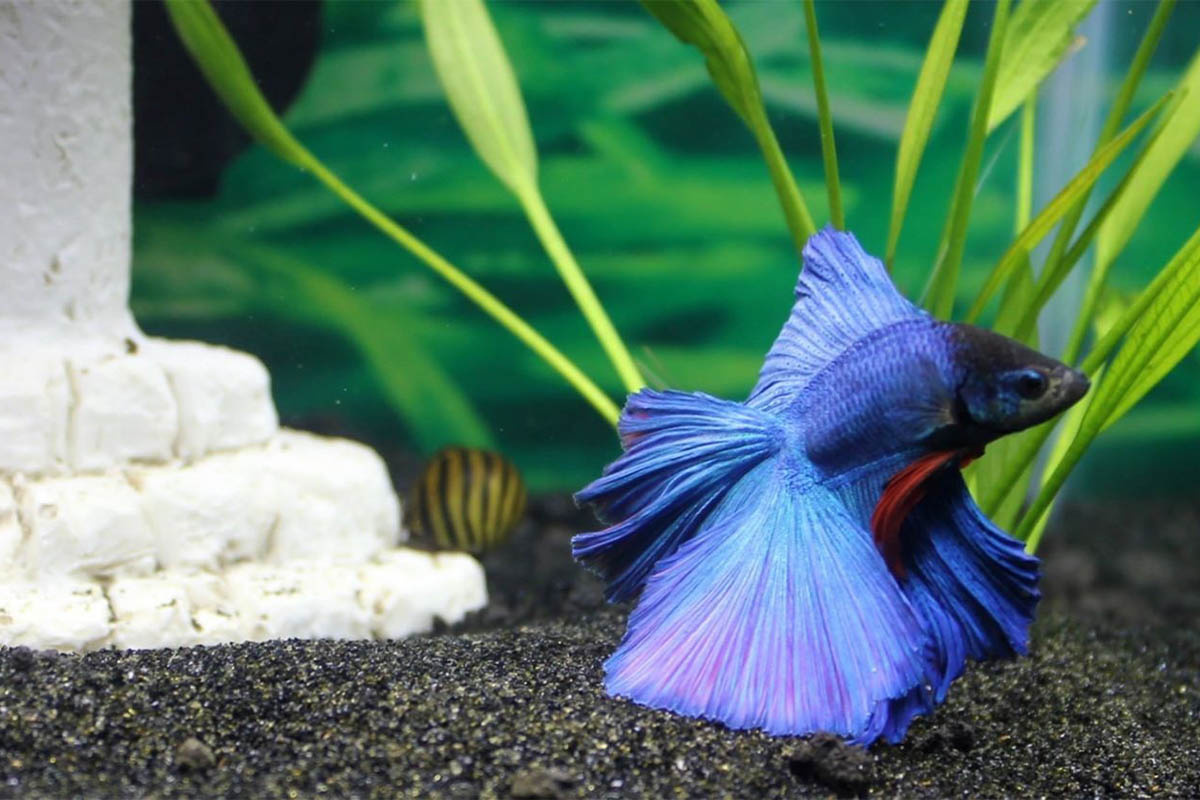
Stress in betta fish can be noticed by symptoms such as loss of appetite, hiding, spending long periods at the bottom, dullness of color, and closed fins. The most common causes are temperature fluctuations, strong filter flow, small aquariums, and sudden water changes.
The clearest answer to the question "What should be done to reduce stress in betta fish?" is to make their living environment as stable and peaceful as possible.
To do this, you should keep the water temperature constant between 24-28°C, choose a low-flow filter that will not tire the fish, and avoid sudden, large changes that disrupt the water balance. By adding safe hiding places to the aquarium and minimizing environmental stimuli by not taking the fish out of the tank unnecessarily, the stress level can be reduced.
Important: If loss of appetite or lethargy persists despite all these measures, professional intervention may be necessary.
What are the Health Problems of Betta Fish and How to Recognize Early Signs?

|
Belirti |
Possible cause |
Ne zaman destek gerekir? |
|
Prolonged immobility at the bottom |
Stress, cold water, poor water quality, inability to adapt to a new tank |
Difficulty breathing, not eating, if the condition does not improve in 24-48 hours |
|
Loss of appetite |
Overfeeding, stress, water deterioration, initial health problem |
If it lasts for a few days or is accompanied by lethargy |
|
Fin closing |
Environmental stress, fin damage, water quality problem |
Fin rot, If redness and distress increase |
|
Constant hiding |
Adaptation to environment, overstimulation, stress |
If loss of appetite and discoloration also begin |
|
Going back and forth along the glass |
Tension, stress, territoriality |
If the behavior becomes persistent and the fish appears tired |
|
Rubbing against decorations |
Parasitic problem, irritation, stress |
White spots, rapid breathing, or general restlessness if present |
|
Swelling in the abdomen |
Overfeeding, digestive problems, more serious health condition |
If scales are opening outwards, loss of balance, increasing swelling |
|
Rapid breathing / straining at the surface |
Water quality problem, oxygen stress, acute stress |
Urgent evaluation required |
Health problems in betta fish often begin with small signs. Changes such as prolonged loss of appetite, noticeable lethargy, discoloration, difficulty breathing, fin damage, and fin closing require attention.
These symptoms are also listed among the most common early warning signs in a sick betta fish in the Bettafish.org disease guide.
What are the common diseases in betta fish?
Fin and tail rot: Noticeable by fraying, retraction, and a black or red damaged appearance at the edges of the fins.
Ich (white spot): Small white spots, like grains of sugar, appear on the body and fins. The fish may rub against decorations.
Velvet disease: A fine, powdery appearance resembling golden yellow or rust may develop on the body. It is usually accompanied by rubbing behavior.
Fluid accumulation: Significant swelling in the abdomen and outward spreading of scales are observed. This may indicate an advanced and serious condition.
Swim bladder disorder: The fish may lie on its side, remain on the surface, or lose depth control.
Eye swelling: Significant outward swelling is observed in one or both eyes.
Columnaris: This is a dangerous bacterial infection that progresses extremely rapidly. Cottony white areas may form in the mouth, gills, or body. It can occur due to water quality or stress.
What are the early signs of disease in betta fish?
The following symptoms may be seen together or individually:
- Food refusal
- Normalden fazla hareketsizlik
- Dull color
- Fin closing or tearing
- Difficulty breathing
- White spots or cottony appearance
- Swelling in the abdomen
- Unsteady swimming
Important: If symptoms worsen rapidly, if the fish does not eat for several days, if significant swelling occurs, or if breathing is difficult If the situation becomes difficult or if there is a significant deterioration in appearance, veterinary support is needed. Especially in advanced cases, waiting is not advisable.
How Do Betta Fish Reproduce?
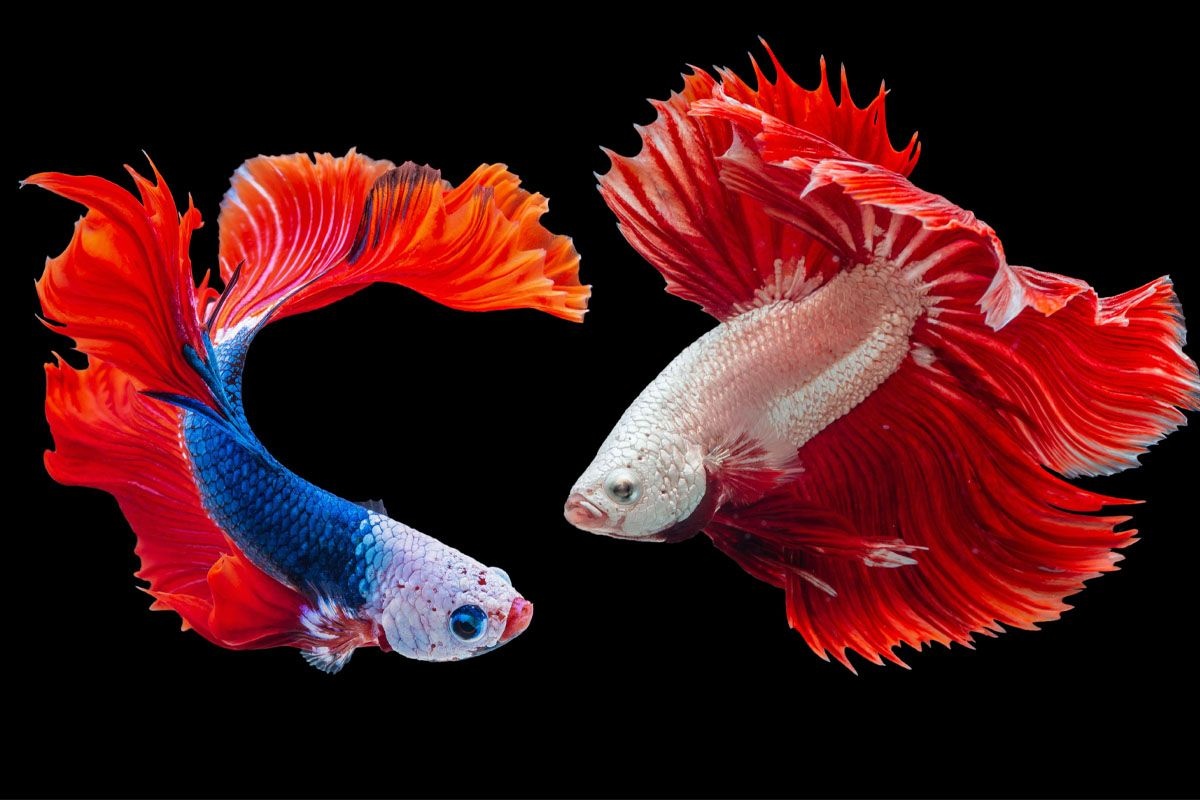
According to the Aqueon guide, during the breeding season, the male betta builds a bubble nest near the water surface. After the female lays eggs, the male collects the eggs, carries them to the nest, and protects them until they hatch.
Betta fish breeding should not be considered a simple mating process. Females and males are not normally kept in the same tank. They can be brought together briefly for breeding purposes, but the female must be separated after spawning is complete. Separate tank setups, correct timing, and careful observation are important for a healthy process.
Betta fish breeding is not a matter of care that should be focused on in the initial stages; Once the basic maintenance routine is established, it is a more delicate process to consider.
Frequently Asked Questions
How to set up a betta fish aquarium and what equipment is needed?
A heater, thermometer, low-flow filter, lid, water conditioner, test kit, and safe decor are essential. The aquarium must be operational and established before adding the fish.
What are the ideal water conditions and temperature range for betta fish?
Although sources give slight differences, the common line is warm and stable water. The safe frame is summarized in most guides in the 22–28°C range. In practice, water that remains stable around 24–27°C is more recommended.
How should betta fish be fed and what are the best types of food?
High-protein, high-quality pellet foods should be chosen as the main meal for betta fish. Frozen or live supplementary foods such as artemia, krill, and bloodworms can be offered as treats a few times a week. Water quality should be maintained by adjusting the correct portion size that the fish will consume in a few minutes.
Is the care of female betta fish different from that of males?
Basic care is similar. The difference lies more in cohabitation and behavior management. Males are often kept alone, while females can be grouped under appropriate conditions.
How does the betta fish breeding process work and how is fry cared for?
The male builds a bubble nest, collects and protects the eggs. The male leaves when the fry begin to free swim. This process is difficult for beginners as it requires experience.
How should beta fish aquarium plants and decorations be chosen?
Sharp and risky decorations should be avoided, and arrangements that provide hiding places but do not obstruct the swimming line should be preferred. Access to the surface should also remain open.
What are the signs of stress in beta fish and how can they be prevented?
Loss of appetite, hiding, dull color, and fin closure require attention. To prevent stress in beta fish, it is necessary to keep the water balanced, adjust the current to a level that will not tire them, and avoid sudden changes.
How to recognize early signs of betta fish disease?
Damaged fins, white spots, cottony areas, lethargy, and loss of appetite can be early warning signs. The first step is to check the water and temperature.
What do betta fish behaviors mean and how to determine their sex?
Lively swimming, good appetite, and normal fin posture are positive signs. For sex determination, fin structure, color intensity, and egg spot should be evaluated together.
How often should a betta fish aquarium be cleaned and what should be considered?
Regular testing and partial water changes are the basic approach. Fresh water should be prepared, the temperature should be maintained at a suitable level, and the tank should not be completely emptied at once.
Kaynaklar
https://bettafish.org
https://www.aqueon.com/articles/the-ultimate-guide-to-betta-fish
https://www.aquariumcoop.com/blogs/aquarium/betta-fish-types
https://www.thesprucepets.com/siamese-fighting-fish-bettas-1378308
https://www.peta.org/features/never-buy-betta-fish-as-pets-how-siamese-fighting-fish-suffer/
https://www.nationalgeographic.com/animals/fish/facts/betta-fish
https://www.petmd.com/fish/care/betta-fish-facts
https://www.petmd.com/fish/betta-fish-care-sheet
https://www.aqueon.com/articles/origin-of-betta-fish-and-facts
https://www.chewy.com/education/fish/betta-fish/how-to-keep-your-betta-fish-healthy-and-happy
https://bettablogging.com/temperament
https://bettafish.org/diseases/
Advertisement
Advertisement
Keep exploring
Continue reading
Aquarium & Fish
Why Does Aquarium Water Smell?
The water is clear, the fish appear normal. However, a strong odor is present when approaching the aquarium.
Read guide →
Aquarium & Fish
How to Choose Aquarium Lighting?
The whole atmosphere of an aquarium can change the moment you turn on the light. Colors become more vibrant, the depth of the water and movement…
Read guide →
Aquarium & Fish
What are Aquarium Filter Materials? In What Order are They Used?
The water cleaning power of an aquarium filter depends on the materials inside it performing their functions correctly.
Read guide →
Aquarium & Fish
What is an Aquarium Heater, How to Choose One? How Many Watts of Heater are Needed?
The water in the aquarium is the entire environment in which the fish live. Excessively cold water or frequent temperature changes can cause stress…
Read guide →