Bloody Diarrhea in Dogs (Parvoviral Enteritis) - Symptoms and Treatment
Bloody diarrhea is a condition that can affect dogs at some point in their lives and, unfortunately, can become extremely dangerous for some. Briefly, it can be defined as the presence of blood in the stool, ranging from a few drops to a significant amount.

Advertisement
Bloody diarrhea is a condition that can affect dogs at some point in their lives and, unfortunately, can become extremely dangerous for some. Briefly, it can be defined as the presence of blood in the stool, ranging from a few drops to a significant amount. The color of the blood in the stool can vary from bright red to dark brown depending on the severity and location of the bleeding. In some cases, bloody diarrhea may be accompanied by vomiting, loss of appetite, dehydration, and lethargy. These symptoms usually indicate a more serious underlying condition. The causes of bloody diarrhea in dogs can vary, and many health problems, from minor digestive issues to life-threatening illnesses, can lead to bloody diarrhea in dogs. Treatment varies depending on the causes, the dog's age, and the severity of its symptoms. In this article, you can find important information about bloody diarrhea in dogs. What is Parvoviral Enteritis (Bloody Diarrhea)? Parvoviral enteritis, briefly known as parvo, is a highly contagious viral disease frequently seen in puppies, especially those under six months old. Parvoviral enteritis is caused by the canine parvovirus, which attacks the lining of the intestinal system in dogs, causing serious inflammation. The virus can be transmitted from infected dogs, their feces, food bowls, toys, or living spaces. Parvovirus can cause a range of symptoms including vomiting, diarrhea, lethargy, fever, loss of appetite, and dehydration. Diarrhea is often bloody and foul-smelling. If left untreated, the disease can lead to life-threatening complications such as sepsis and shock. In severe cases, the virus can also attack the heart muscle, causing myocarditis and sudden death. Parvovirus treatment involves supportive care to manage symptoms and prevent complications. In cases of dehydration, intravenous fluid therapy, anti-nausea and anti-diarrheal medications, and antibiotics to prevent secondary infections are some of the methods used in parvovirus treatment. In severe cases, blood transfusions may be necessary to replace red blood cells. Isolation of the infected dog may also be necessary to prevent the infection from spreading to other dogs.

What is Parvoviral Enteritis (Bloody Diarrhea)?
Parvoviral enteritis, briefly known as parvo, is a highly contagious viral disease frequently seen in puppies, especially those under six months old. Parvoviral enteritis in dogs is caused by the canine parvovirus, which attacks the lining of the intestinal system, causing serious inflammation. The virus can be transmitted from infected dogs, their feces, food bowls, toys, or living spaces.
Parvo can cause a range of symptoms including vomiting, diarrhea, lethargy, fever, loss of appetite, and dehydration. Diarrhea is often bloody and foul-smelling. If left untreated, the disease can lead to life-threatening complications such as sepsis and shock. In severe cases, the virus can also attack the heart muscle, causing myocarditis and sudden death. Parvo treatment involves supportive care to manage symptoms and prevent complications. In cases of dehydration, intravenous fluid therapy, anti-nausea and anti-diarrheal medications, and antibiotics to prevent secondary infections are some of the methods used in parvo treatment. In severe cases, blood transfusions may be necessary to replace red blood cells in the blood. Isolation of the infected dog may also be necessary to prevent the infection from spreading to other dogs.
Causes and Transmission Routes of the Disease
Bloody diarrhea in dogs is caused by a virus called canine parvovirus (CPV). This virus, abbreviated as CPV, has different types. The most common type of CPV is CPV-2. Parvo is transmitted through direct contact with infected dogs or their feces. It can also spread indirectly through contaminated objects such as food bowls, toys, and kennels. The virus is quite resistant and can survive in the environment for several months. This significantly increases the risk of transmission.
Risk factors for parvovirus include age, vaccination status, environment, breed, and stress. Puppies and young dogs under six months old are at high risk of contracting the virus because their immune systems are not fully developed. Dogs that are not vaccinated against CPV or whose vaccinations are not up-to-date are also at higher risk of contracting the virus. You can find important information on this topic in our Puppy and Adult Dog Vaccination Schedule content. It is also known that dogs kept in overcrowded or unsanitary conditions are at a significantly increased risk of contracting the virus.
Some breeds, such as Rottweilers, Dobermans, and Pit Bulls, may be more susceptible to parvovirus. Dogs with weakened immune systems due to stress or other illnesses are also at higher risk of contracting the virus. In general, prevention is very important in parvovirus management. Vaccination is the most effective way to prevent the disease, and good hygiene practices can help minimize the risk of transmission.

Parvoviral Enterit Belirtileri
Parvoviral enteritis can cause a range of symptoms that can vary in severity depending on the stage of the disease and the dog's immune system response. Common parvo symptoms include fatigue, loss of appetite, fever, dehydration, vomiting, and diarrhea.
Vomiting: Dogs with parvo may vomit frequently and have difficulty keeping food down. Vomit may be yellow or green in infected dogs. In some cases, blood and/or mucus may be found in the vomit.
Diarrhea: One of the hallmark symptoms of parvo is diarrhea, which can be severe and may contain blood or mucus. Diarrhea may be frequent, watery, and foul-smelling.
Fatigue: In parvovirus enteritis, the most common symptom in dogs, along with vomiting and diarrhea, is fatigue and lethargy. Infected dogs may not want to play, eat, or drink, and may spend more time sleeping than usual.
Loss of appetite: Dogs with parvovirus may lose their appetite and may not want to eat or drink. This can lead to life-threatening dehydration in dogs.
Diagnosis and Laboratory Tests
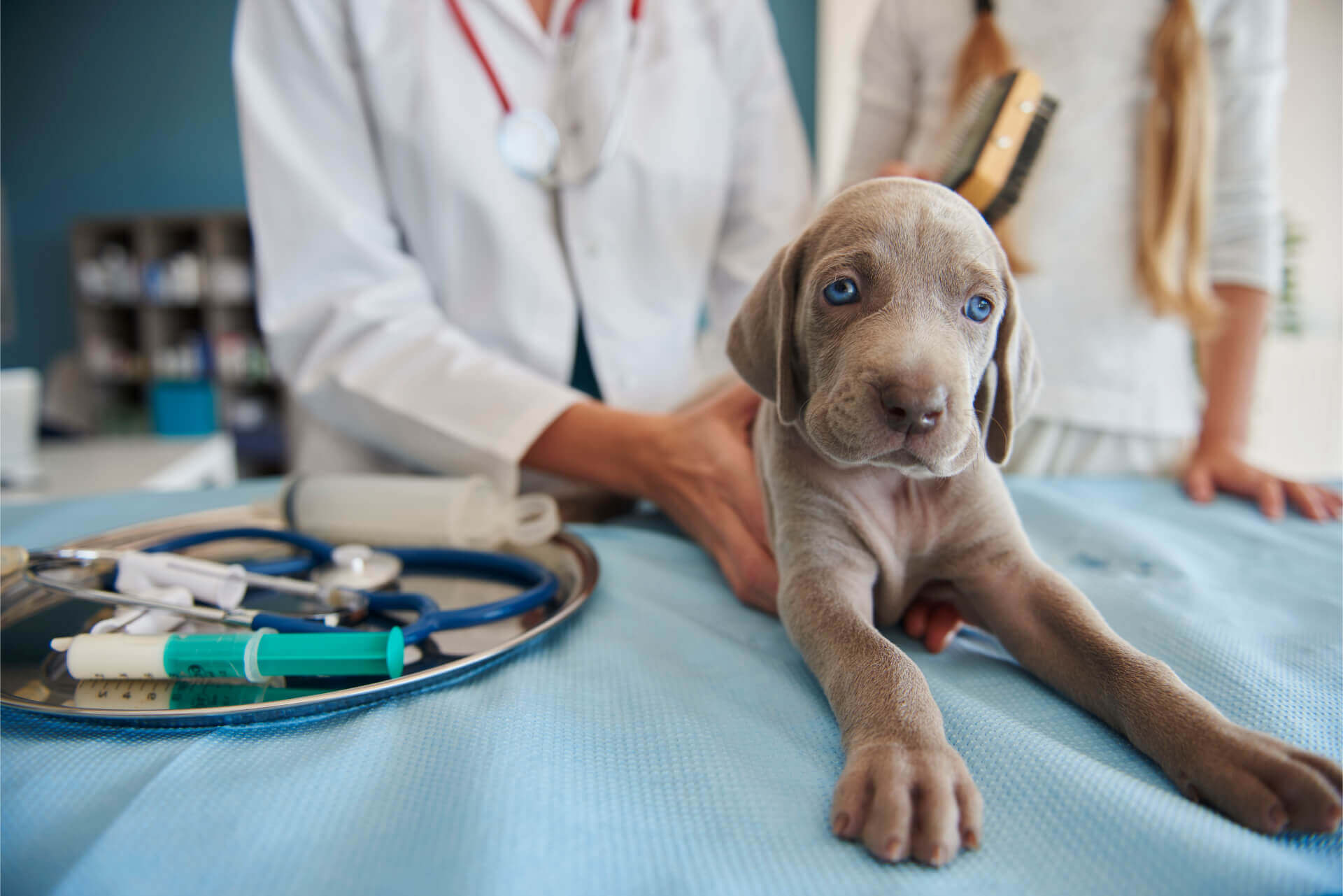
A physical examination and various tests are necessary to diagnose bloody diarrhea. After a detailed physical examination, the veterinarian will ask for information about the dog's health history and vaccinations. To confirm the diagnosis of parvovirus, the veterinarian may order diagnostic tests such as stool tests or blood tests. A stool test can check for the presence of parvovirus in a dog's stool. A blood test can detect antibodies against the virus in the dog's bloodstream. In some cases, a veterinarian may also perform imaging tests such as abdominal ultrasound or X-rays to assess the extent of damage to the dog's intestinal system. Early diagnosis is extremely important when it comes to parvo. Controlling the disease before it progresses positively affects the dog's overall health and the success of treatment. Therefore, if you suspect your dog has parvoviral enteritis, the first thing you should do is schedule a visit to a veterinary clinic as soon as possible. Treatment Options and Methods Treatment for bloody diarrhea generally involves various methods to control and alleviate the symptoms caused by the disease. The treatment of bloody diarrhea varies depending on the severity of the disease, the dog's immune system, and any underlying problems. Dogs with severe parvovirus often require hospitalization. Intravenous fluid therapy is administered to prevent dehydration and electrolyte imbalances, which are common with vomiting and diarrhea. Hospitalization also allows for close monitoring and management of other symptoms such as pain and nausea. Anti-nausea medication may be needed to help prevent vomiting, a common symptom of parvovirus. This medication can help improve the dog's comfort level. Anti-nausea medication soothes the dog's stomach, allowing it to eat and drink more comfortably. Antibiotic treatment may be necessary to prevent or treat bacterial infections that can develop as a result of damage to the intestinal lining. Dogs with parvovirus are at high risk of bacterial infections, so antibiotic treatment can help reduce the risk of complications.
In some cases, a veterinarian may also perform imaging tests such as abdominal ultrasound or X-rays to assess the extent of damage to the dog's intestinal system. Early diagnosis is extremely important when it comes to parvovirus. Controlling the disease before it progresses positively affects the dog's overall health and the success of treatment. Therefore, if you suspect your dog has parvoviral enteritis, the first thing you should do is schedule a visit to a veterinary clinic as soon as possible.
Treatment Options and Methods
To treat bloody diarrhea, various methods are generally used to control and alleviate the symptoms caused by the disease. The treatment of bloody diarrhea varies depending on the severity of the disease, the dog's immune system, and any underlying problems. Hospitalization is usually necessary for dogs with severe illness. Intravenous therapy is administered to prevent dehydration and electrolyte imbalances that are common with vomiting and diarrhea. Hospitalization also allows for close monitoring and management of other symptoms such as pain and nausea.
Anti-nausea medication may be needed to help prevent vomiting, a common symptom of parvo. This medication can help improve the dog's comfort level. Anti-nausea medication soothes the dog's stomach, allowing it to eat and drink more comfortably.
Antibiotic treatment may become necessary to prevent or treat bacterial infections that can develop as a result of damage to the intestinal lining. Dogs with parvovirus have a high risk of bacterial infection, so antibiotic treatment can help reduce the risk of complications.
Importance of Disease Prevention and Vaccination
Some common causes include dietary changes, bacterial infections, parasites, viral infections, inflammatory bowel disease, cancer, and ingestion of toxic substances. In some cases, bloody diarrhea may also occur as a symptom of more serious conditions such as kidney or liver disease, or even cancer. Although there may be few treatment options that can be successfully completed for some conditions such as cancer,
it is possible to minimize the risk of illness due to causes such as dietary changes, infections, or parasites.
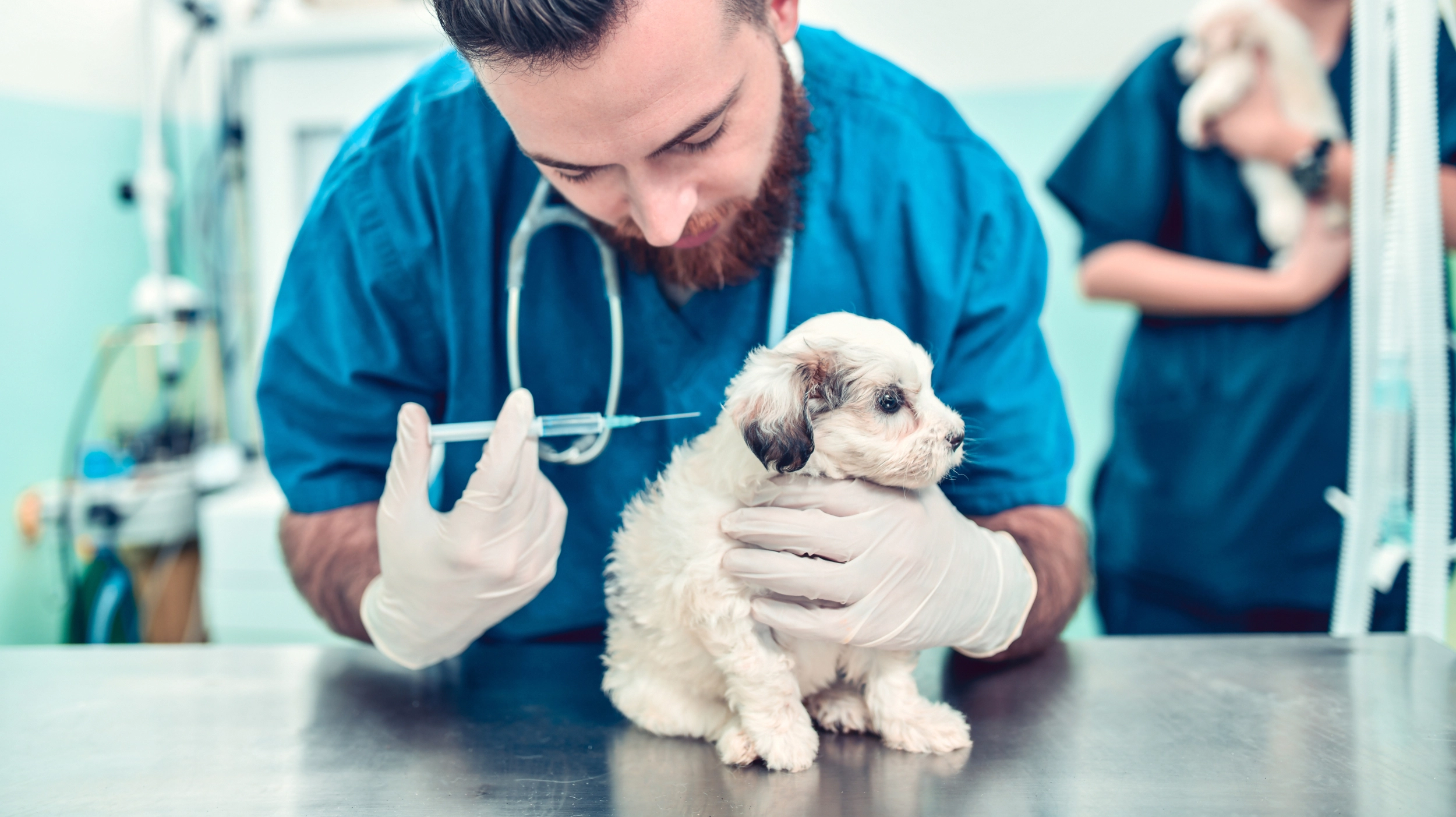
Some of the precautions that can be taken include spreading out changes in food over time instead of doing it all at once, getting the dog vaccinated regularly from puppyhood, keeping the dog away from infected dogs or dogs with questionable vaccinations and other pets, and keeping toxic substances that could cause poisoning in places where they cannot physically reach them.
Recovery Process and Care Tips for Dogs
The recovery process for bloody diarrhea in dogs varies depending on the underlying cause and the severity of the disease. While some cases of bloody diarrhea may be mild and resolve spontaneously with minimal intervention, others may be severe and even life-threatening.
However, bloody diarrhea is generally a problem that can be successfully treated. After the disease causing bloody diarrhea is treated, time is needed for the inflamed intestines to rest and heal. For this, it may be necessary to change the dog's diet for several months. It is possible to choose the most beneficial foods for dogs with the recommendation of veterinarians. You can find different types of dog food here.
Advertisement
Advertisement
Keep exploring
Continue reading
Dog Health
7 Mistakes Made in Dog Training and Correct Approaches
A dog's failure to respond immediately to commands is often interpreted as stubbornness or disobedience.
Read guide →
Dog Health
Symptoms, Causes and Treatment of Enlarged Heart in Dogs
Your dog stops earlier than usual during walks, stops playing quickly, has noticeably faster breathing when climbing stairs, or If your dog has a dry…
Read guide →
Dog Health
Causes, Symptoms, and Treatment Methods of Oral Melanoma in Dogs
Imagine you notice a small lump in your dog's mouth one morning. This lump, which might be mistaken for an insignificant wound or gum problem, could…
Read guide →
Dog Health
Beyond the Itch: Causes and Treatment Methods of Skin Diseases in Dogs
Skin diseases in dogs should not be perceived as merely negative changes in aesthetic appearance.
Read guide →