Cats and Lactose Intolerance
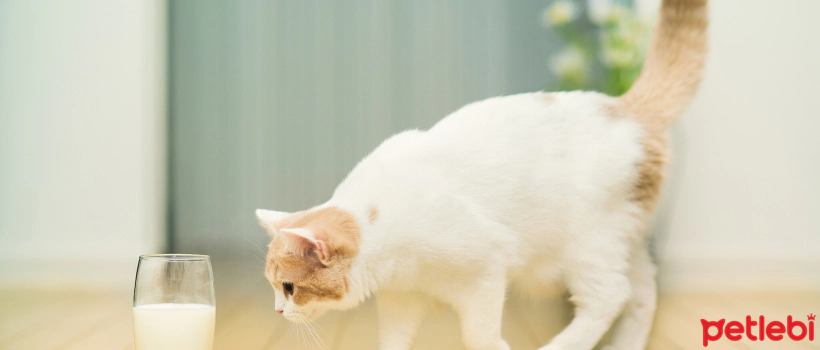
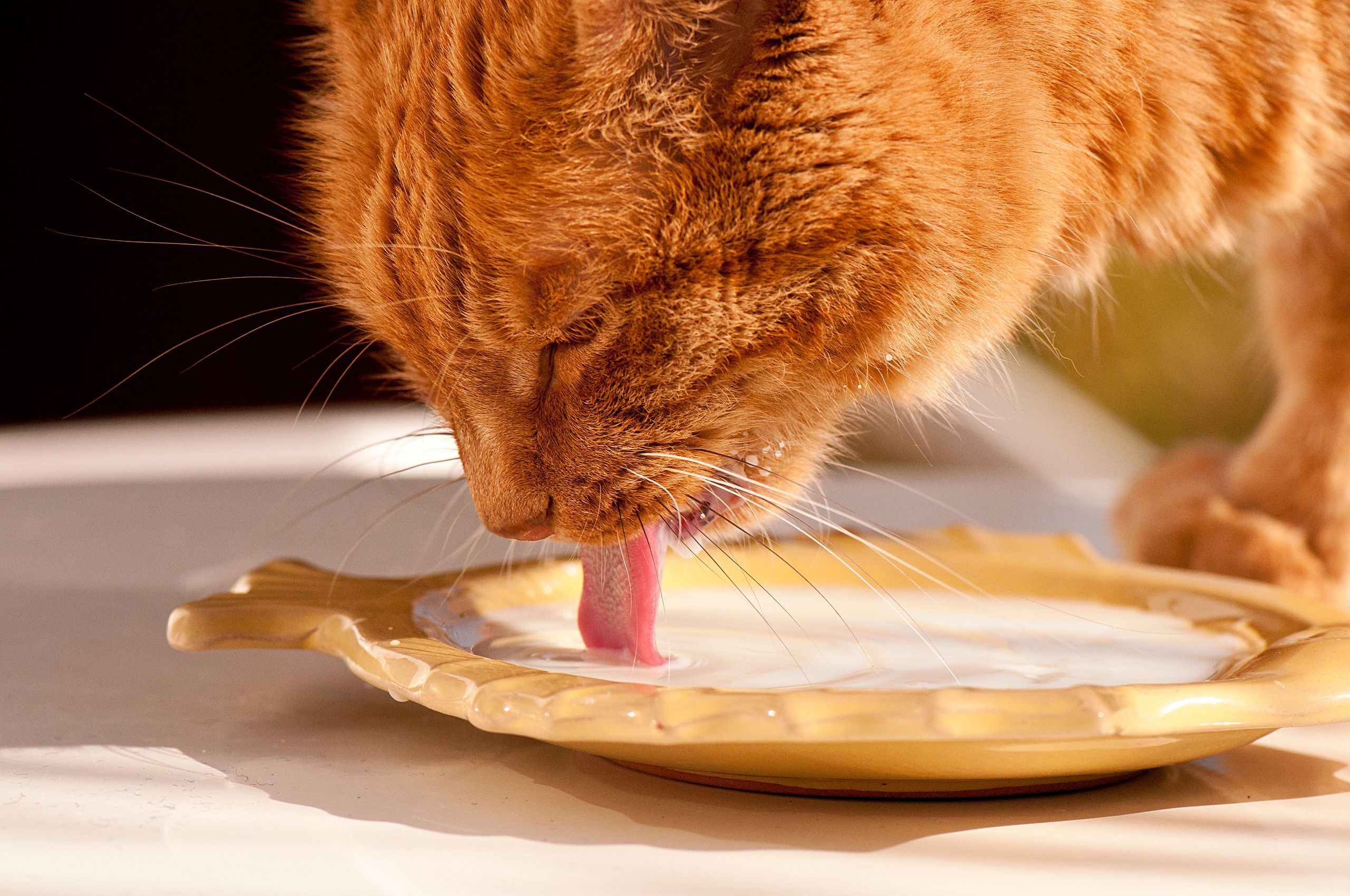
There seems to be a perfectly natural relationship between cats and milk. A cat drinking milk from a small bowl or kittens drinking fresh cow's milk on a farm may seem perfectly normal. However, this scene, which even finds its place in paintings, is not as natural as you might think.
Advertisement
There seems to be a perfectly natural relationship between cats and milk. A cat drinking milk from a small bowl or kittens drinking fresh cow's milk on a farm may seem perfectly normal. However, this scene, which even finds its place in paintings, is not as natural as you might think. One of our common characteristics as mammals is that we drink mother's milk after birth. When mammals transition from breast milk to solid food, they stop drinking milk. In fact, a large majority experience gastrointestinal discomfort when consuming milk and dairy products. Moreover, since humans are also mammals, this situation applies to us as well. Gastrointestinal discomfort due to milk and dairy product consumption is called lactose intolerance. In this article, you can find answers to frequently asked questions about lactose intolerance in cats. What is Lactose Intolerance in Cats? Many cats enjoy the taste of milk and dairy products. Cats have very little, or even no, lactase, an enzyme that breaks down lactose, a disaccharide sugar, into glucose and galactose. Therefore, the body cannot digest dairy products and tries to expel them directly. Undigested lactose sugars begin to attract all the bacteria in the intestine. Subsequently, the sugar ferments, causing side effects in the stomach and intestinal system. As a result, stomach acid and gas develop in cats. Lactose intolerance in cats occurs in this sequence. Moreover, this condition is the same in all mammals, including humans. However, a gene mutation in humans allows many people to digest milk and dairy products today. Cats are 100% carnivorous by nature. The digestive system of kittens can digest the milk produced by their mother cat, but as the cat grows, it loses the ability to digest this milk. The biggest reason for this is that the body does not produce the lactase enzyme because there is no longer a need to digest the lactose sugar in the milk. Some adult cats still produce lactase, albeit very slowly, but in the vast majority of cats, lactase production stops with adulthood. Lactose sensitivity in cats is not actually an illness or disorder, but a natural result of the structure of the adult cat's digestive system.

What is Lactose Intolerance in Cats?
Many cats love the taste of milk and dairy products. Cats have very little, or even no, lactase, an enzyme that breaks down lactose, a disaccharide sugar, into glucose and galactose. Because of this, the body cannot digest dairy products and tries to expel them directly. Undigested lactose sugars begin to attract all the bacteria in the intestines. Then, the sugar ferments, causing side effects in the stomach and intestinal system. As a result, cats develop stomach acid and gas. Lactose intolerance in cats occurs in this sequence. Moreover, this condition is the same in all mammals, including humans. However, a gene mutation in humans allows many people to digest milk and dairy products today.
Cats are naturally 100% carnivorous animals. Kitten digestive systems can digest the milk produced by their mother, but as the cat grows, it loses this ability. The main reason for this is that the body no longer produces the lactase enzyme because it no longer needs to digest the lactose sugar in the milk. Some adult cats still produce lactase, albeit very slowly, but in the vast majority of cats, lactase production stops with adulthood. Lactose intolerance in cats is not actually an illness or disorder, but a natural result of the structure of the adult cat's digestive system.
In cats, the secretion of the lactase enzyme, necessary for lactose digestion, begins to slow down from 4-6 weeks after birth. This continues until cats are 6 months old, and lactase production stops from the 6th month onwards. Once lactase production stops, it does not restart.
What are the Symptoms of Lactose Intolerance in Cats?
Your cat's consumption of milk stresses its digestive system. This is quite different from the reaction to lactose allergy. In lactose allergy in cats, when cats consume milk and dairy products, the immune system begins to overreact, and the immune system attacks the body itself. Symptoms of lactose intolerance in cats include excessive gas, abdominal pain, bloating, vomiting, diarrhea, constipation, excessive thirst, increased heart rate, and dry gums. One or more of these symptoms may be present simultaneously. How is Lactose Intolerance Diagnosed in Cats? It is necessary to consult a veterinarian immediately when the symptoms of lactose sensitivity in cats begin to worsen. Prolonged diarrhea or vomiting, in particular, leads to dehydration in cats, which can cause serious problems. At this point, it is necessary to inform the veterinarian that the cat consumes milk and dairy products. However, to determine whether the symptoms in the cat are due to lactose intolerance and to have sufficient information about the cat's health, diagnosis can be made using advanced imaging methods such as X-rays or ultrasounds, in addition to a physical examination.
How is Lactose Intolerance Diagnosed in Cats?
When the symptoms of lactose intolerance in cats begin to worsen, it is necessary to consult a veterinarian without delay. Especially prolonged diarrhea or vomiting leads to dehydration in cats, which can cause serious problems. At this point, it is necessary to inform the veterinarian that the cat consumes milk and dairy products. However, to determine whether the symptoms in the cat are due to lactose intolerance and to obtain sufficient information about the cat's health, diagnosis can be made using advanced imaging methods such as X-rays or ultrasounds, in addition to a physical examination.
Treatment Methods for Lactose Intolerance in Cats
The most effective solution to prevent lactose intolerance in cats is to not allow them to consume milk and dairy products. Treatment for lactose intolerance focuses on eliminating or relieving the symptoms that occur after cats cannot digest milk, not the lactose intolerance itself. Pain relievers can be used to reduce abdominal pain, or intravenous fluid treatments can be used in cases of excessive thirst caused by diarrhea or vomiting. Once you are sure that the cat is not consuming milk, you can see that the symptoms gradually disappear. Some people therefore prefer to give their cats lactose-free milk. Since these products do not contain lactose sugar, cats can easily digest them. However, lactose-free milk alone cannot meet the daily nutritional needs of cats and therefore cannot be a sole food source for cats. If your cat likes it, you can give it lactose-free milk occasionally.
Advertisement
Advertisement
Keep exploring
Continue reading

Cat Lifestyle & Guides
What is Cat Soup? Is it Beneficial for Cats?
If your cat rarely visits its water bowl, is sometimes reluctant to eat dry food, or shows interest in different textures, liquid products may catch…
Read guide →
Cat Lifestyle & Guides
How to Give Rewards and Snacks to a Neutered Kitten?
The Feline Veterinary Medical Association supports neutering kittens until they are five months old.
Read guide →
Cat Lifestyle & Guides
Benefits of Colostrum for Cats and Dogs
Colostrum is the first milk produced by mother cats and dogs after birth. Thanks to its antibodies and high nutrient content, it responds to the…
Read guide →
Cat Lifestyle & Guides
Why is Gut Health Important in Cats?
In cats, bowel health is linked to many areas, from digestive regularity and immune system-related processes to energy levels and daily comfort.
Read guide →