Causes of Aggression in Dogs
Aggressive behavior in dogs can pose a potential danger to both dog owners and other people or pets. It can be particularly unsettling if dogs, who are usually docile and friendly, suddenly become aggressive, growl, lunge, and show their teeth.

Advertisement
Aggressive behavior in dogs can pose a potential danger to both dog owners and other people or pets. It can be particularly unsettling if dogs, who are usually docile and friendly, suddenly become aggressive, growl, lunge, and show their teeth. Rarely, under certain circumstances, aggression in dogs can also be directed towards family members. Therefore, early recognition of aggressive behavior in dogs, knowledge of the causes of aggression in dogs, and answers to the question "How can aggression be prevented in dogs?" are extremely important. Aggression in dogs must be controlled before it reaches a level that harms both the dog and those around it. In this article, we will address frequently asked questions about aggression in dogs. Why Do Dogs Become Aggressive? There are many reasons that can lead to aggression in dogs. Accurately identifying this cause or causes is crucial for shaping a plan to prevent aggressive behavior in dogs. Aggression Due to Illness or Injury Some medical problems can trigger aggressive behavior in dogs. The sudden appearance of teeth baring or biting attempts in dogs that have not previously exhibited aggressive behavior is usually due to pain. Indeed, pain is known to be among the main causes of aggression in dogs. It is necessary to determine if dogs that suddenly become aggressive have any underlying problems such as injuries or stress due to pain. Arthritis, bone fractures, internal injuries, tumors, and muscle tears should be ruled out. In addition to all of these, it is important to remember that brain diseases affecting cognitive functions can also occur, and aggression symptoms, especially in older dogs, may arise for this reason. Those experiencing similar situations in their dogs should consult a veterinarian to diagnose and treat underlying diseases causing aggression. Fear-Induced Aggression A frightened dog may suddenly become aggressive. It is known that many dogs exhibiting aggressive behavior become aggressive when they feel threatened and believe they cannot escape. Fear-induced aggression is common in dogs that have experienced violence in the past or were not socialized early on, and can be considered normal to a degree. Professional training may be necessary to control fear-induced aggression in dogs.
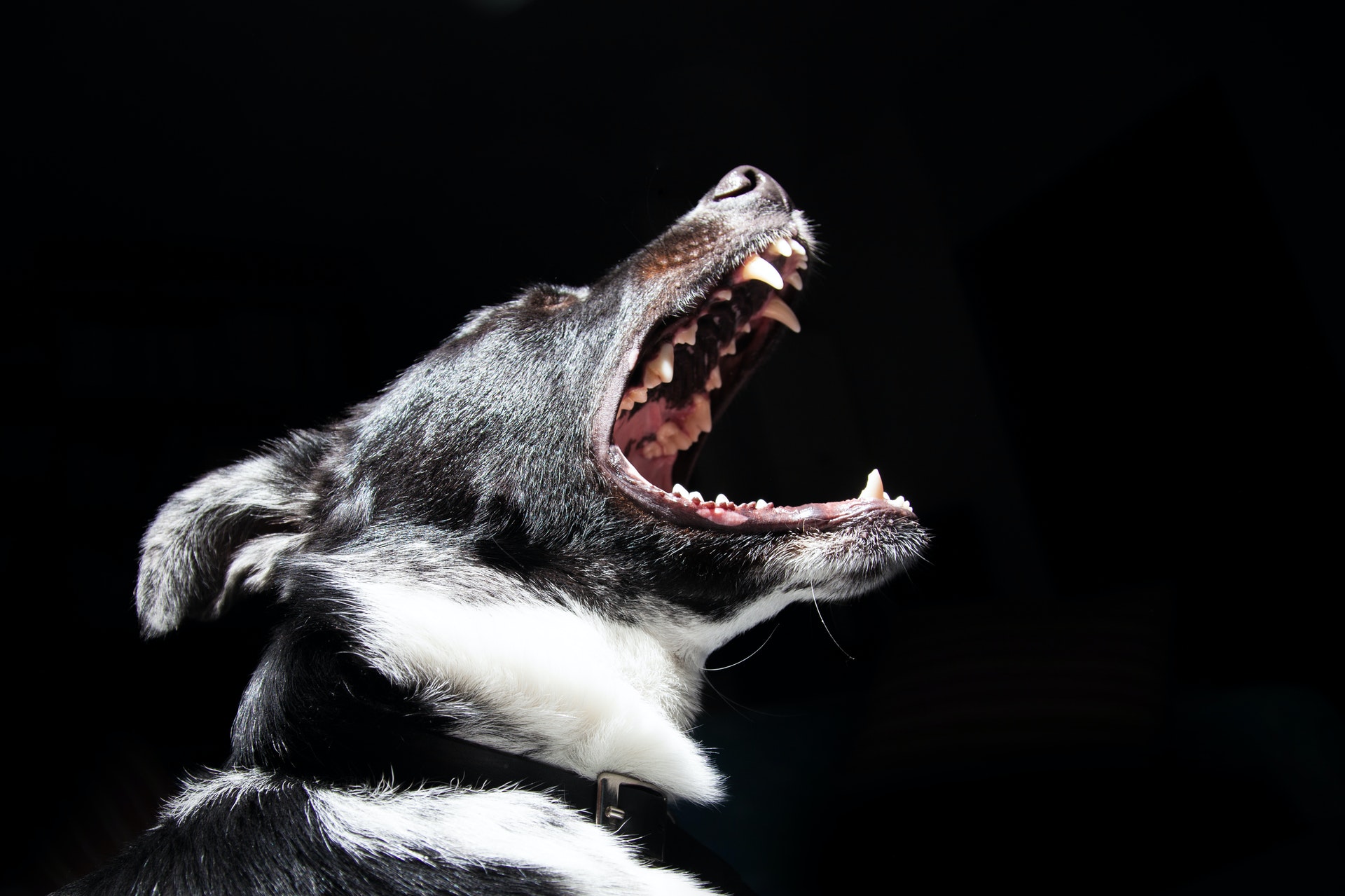
Why Do Dogs Become Aggressive?
There are many reasons why dogs become aggressive. Accurate identification of this cause or causes is crucial for developing a plan to prevent aggressive behavior in dogs.
Aggression Due to Illness or Injury
Certain medical problems can trigger aggressive behavior in dogs. Dogs that haven't previously exhibited aggressive behavior may suddenly show signs such as baring their teeth or attempting to bite, often due to pain. Indeed, pain is known to be one of the primary causes of aggression in dogs. It's important to determine if dogs that suddenly become aggressive have injuries or are stressed due to pain. Arthritis, bone fractures, internal injuries, tumors, and muscle tears should be ruled out. In addition, it's crucial to remember that brain diseases affecting cognitive function can also cause aggression, especially in older dogs. Those experiencing similar situations in their dogs should consult a veterinarian to diagnose and treat underlying causes of aggression.
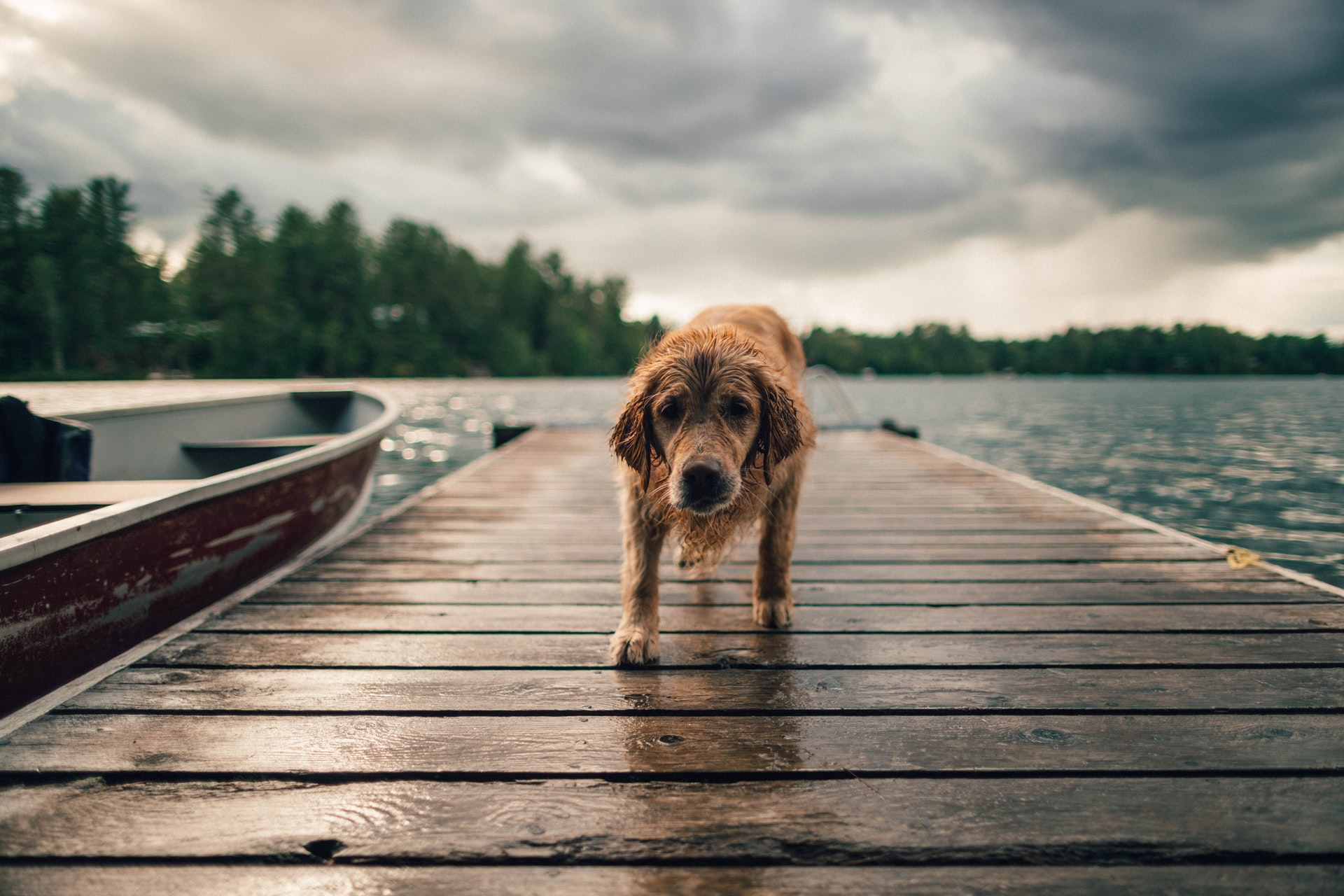
Fear-Induced Aggression
A frightened dog can suddenly become aggressive. It is known that many dogs exhibiting aggressive behavior become aggressive when they feel threatened and believe they cannot escape. Fear-induced aggression is common in dogs that have experienced violence in the past or were not socialized early on, and can be considered normal to a certain extent. Professional training may be necessary to control fear-induced aggression in dogs.
Aggression Due to Possessiveness
One of the most common causes of aggression in dogs is adopting a protective/possessive attitude. A dog may become aggressive when it possesses something and wants to protect it. The thing it wants to protect could be a toy, food, or the house in general. Dogs exhibiting aggression due to possessiveness and protectiveness may growl when their toys or food bowls are approached, or bite a stranger entering the house. The degree of protective aggression can vary from dog to dog, depending on the value of the protected object or area to the dog.
Aggression Due to Dominant Behavior
It is known that dogs can also exhibit aggression as a display of dominance. Aggression that arises as a reflection of dominant behavior is usually directed towards other dogs, but sometimes it can also be directed towards people. The key variable to consider at this point is determining whether dominance manifests as an attitude or is a character trait. Dogs exhibiting dominant behavior prefer to display this behavior in a way that varies from situation to situation in order to assert themselves. When they feel their authority is being undermined, they may growl or bite the pet or person who is challenging their authority.
Aggression Due to Coercion
When a dog cannot do what it wants, it may become frustrated due to the coercion it experiences. As the duration of frustration increases, the aggression in its behavior may increase, leading to aggression. Being prevented from doing something it wants or being forced into a behavior it doesn't want is among the causes of aggression in dogs. In such a situation, the dog may enter an aggressive psychological state and divert its target. The person or animal closest to it may become its target.
How to Prevent Aggression in Dogs? Aggression in dogs, as detailed above, can arise from many causes. Identifying the causes of aggression in dogs and closely observing signs of aggression are crucial for preventing potential problems. If your dog is licking its lips, yawning, ruffle its fur, growling, or tucking its tail between its legs, it's important to be vigilant. The first step in preventing aggression is identifying the situations in which the dog becomes aggressive. To ensure that the aggression isn't caused by pain or suffering, a veterinary examination should be prioritized. Based on subsequent observations, the factors triggering aggression in dogs should be eliminated. Punishing dogs is not the right method for preventing aggression; contrary to expectations, harsh punishments can actually escalate aggression in dogs. Moreover, trying to reduce aggression through punishment can also lead to dogs exhibiting sudden movements without showing any signs. It is important to consider professional training processes to create lasting behavioral changes in dogs. If a puppy shows aggression, socialization from a young age and seeking support from professionals to maintain calm behavior will be the best choice. It is known that the reasons for aggressive behavior in dogs can vary and may appear suddenly in some cases. Therefore, it is equally important not to exhibit sudden reactions towards unfamiliar dogs and not to take dogs outside without a leash. Dog muzzles can be of great benefit in this regard. Experts recommend the use of dog muzzles to minimize the dangers or risks that dogs may be exposed to. You can examine dog muzzle products by clicking here and protect both your pet and others from possible dangers.
As we have detailed above, aggression in dogs can occur due to many reasons. Identifying the causes of aggression in dogs and closely observing the signs of aggression are of great importance in preventing potential problems.
If your dog is licking its lips, yawning, ruffle its fur, growling, or tucking its tail between its legs, it's wise to be alert. The first step in preventing aggression is identifying the situations in which your dog becomes aggressive. To ensure that aggression isn't caused by pain or suffering, a veterinary examination should be prioritized. Based on subsequent observations, the factors triggering aggression in your dog should be eliminated.
Punishing dogs is not the right method to prevent aggression; contrary to expectations, harsh punishments can actually escalate aggression in dogs. Moreover, attempting to reduce aggression through punishment can lead to dogs exhibiting sudden, unprovoked behaviors.
To create lasting behavioral changes in dogs, it's important to consider professional training processes. If a puppy shows aggression, socialization from a young age and seeking professional support to maintain calm behavior is the best option.
It's known that the reasons for aggressive behavior in dogs can vary and may appear suddenly in some cases. Therefore, it's equally important not to react impulsively to unfamiliar dogs and not to let dogs out unleashed. Dog muzzles can be very helpful in this regard. Experts recommend using dog muzzles to minimize the dangers or risks dogs may face. You can review dog muzzle products by clicking here and protect both your pet and others from potential dangers.
Advertisement
Advertisement
Keep exploring
Continue reading

Dog Behavior & Training
Seeing a Dog in a Dream: From White Dogs to Attacks, From Feeding Dogs to Being Bitten, All Meanings
Seeing a dog in a dream sometimes leaves a warm feeling of friendship, and sometimes creates a tension that makes you think even after waking up.
Read guide →
Dog Behavior & Training
Why Do Dogs Fear Fireworks?
Fear of fireworks in dogs is a common problem many people encounter during Christmas, holidays, or celebrations.
Read guide →
Dog Behavior & Training
Dog Behaviors: Get to Know Body Language and Its Meanings!
Dogs, even though they can't speak with words, can actually tell you a lot. Every movement, every posture gives clues about their emotional world and…
Read guide →
Dog Behavior & Training
Can Dogs Be Left Alone at Home?
Before adopting a dog, it is essential to carefully consider the responsibilities this new friend will bring and how these responsibilities will…
Read guide →