Causes, Symptoms, and How to Lower High Blood Pressure in Dogs?
Hypertension can damage many different parts of a dog's body, such as the heart, kidneys, eyes, and nervous system. Therefore, it is important to take it seriously and consult a veterinarian as soon as it is noticed.

Advertisement
Hypertension can damage many different parts of a dog's body, such as the heart, kidneys, eyes, and nervous system. Therefore, it is important to take it seriously and consult a veterinarian as soon as it is noticed. In this article, we will discuss what you need to know about high blood pressure in dogs.
What is High Blood Pressure in Dogs?
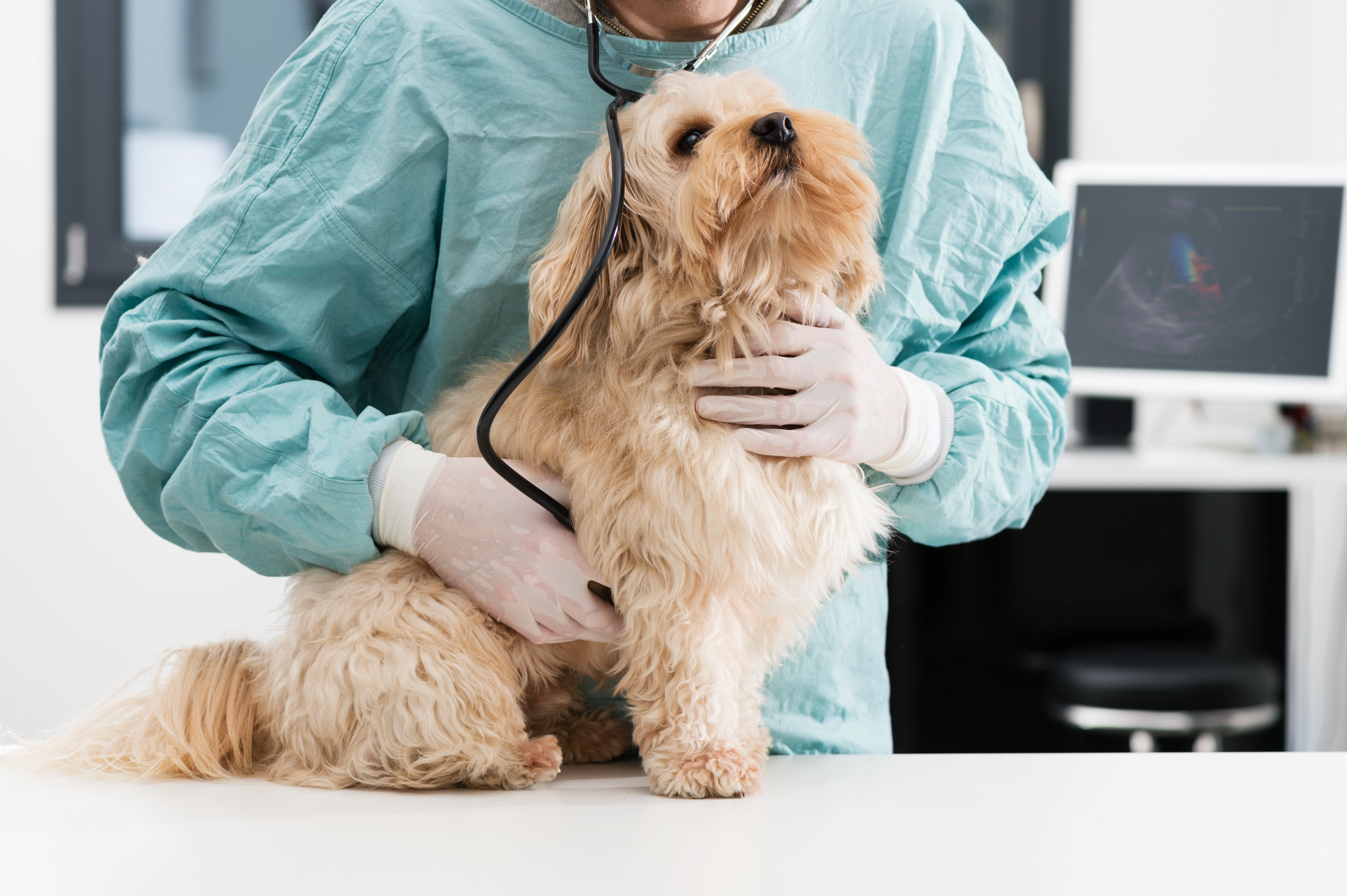
High blood pressure, or hypertension, in dogs is the name given to the condition where arterial blood pressure is persistently higher than normal. When this condition occurs as a result of a disease, it is referred to as secondary hypertension. The disease itself is considered primary hypertension. Blood pressure, or hypertension, measures the pressure of blood flow within the walls of the arteries when the heart pumps blood. Systolic blood pressure is the pressure in the arteries when the heart contracts. Diastolic pressure is the pressure when the heart relaxes. These are commonly known as high and low blood pressure. Blood pressure is measured in millimeters of mercury, or mmHg, and is expressed first as systolic and then diastolic. Causes of Hypertension in Dogs Secondary hypertension is more common in dogs. In this case, another condition underlies the increase in blood pressure. Secondary hypertension can be caused by a single condition, or it can result from more than one condition. Kidney disease, diabetes, Cushing's syndrome, adrenal tumors, and obesity are among the main causes of high blood pressure in dogs. 85% of hypertension cases in dogs are secondary. Primary hypertension usually occurs with age. Symptoms of High Blood Pressure in Dogs Symptoms of high blood pressure in dogs sometimes do not appear. However, high blood pressure can manifest itself along with bleeding in various parts of the body, clot formation, or blood pressure-related diseases such as kidney disease. Sudden blindness due to retinal detachment, bleeding in the eye, bloody urine, nosebleeds, difficulty breathing, coughing, lethargy, blood clots that cause stroke, loss of appetite, and excessive thirst and urination due to kidney disease are some of the symptoms of high blood pressure. Stroke cases caused by clots occur less frequently in dogs than in humans. Also, when vision loss begins due to bleeding, the pupils remaining constantly dilated is one of the signs of high blood pressure.
Blood pressure, or hypertension, measures the pressure of blood flow within the walls of the arteries when the heart pumps blood. Systolic blood pressure is the pressure in the arteries when the heart contracts. Diastolic pressure is the pressure when the heart relaxes. These are commonly known as high and low blood pressure. Blood pressure is measured in millimeters of mercury, or mmHg, and is expressed as systolic first, then diastolic.
Causes of Hypertension in Dogs
Secondary hypertension is more common in dogs. In this case, another condition underlies the elevated blood pressure. Secondary hypertension can be caused by a single condition or by multiple conditions. Kidney disease, diabetes, Cushing's syndrome, adrenal tumors, and obesity are among the main causes of hypertension in dogs. 85% of hypertension cases in dogs are secondary. Primary hypertension usually occurs with age.
Symptoms of High Blood Pressure in Dogs
Symptoms of high blood pressure in dogs sometimes do not appear. However, high blood pressure can manifest itself along with blood pressure-related diseases such as bleeding in various parts of the body, clot formation, or kidney disease. Sudden blindness due to retinal detachment, bleeding in the eye, bloody urine, nosebleeds, difficulty breathing, coughing, lethargy, blood clots leading to stroke, loss of appetite, and excessive thirst and urination due to kidney problems are some of the symptoms of hypertension. Stroke cases caused by blood clots are rarer in dogs than in humans. Also, when vision loss begins due to bleeding, the pupils remaining constantly dilated is another symptom of hypertension.

How to Measure Blood Pressure in Dogs?
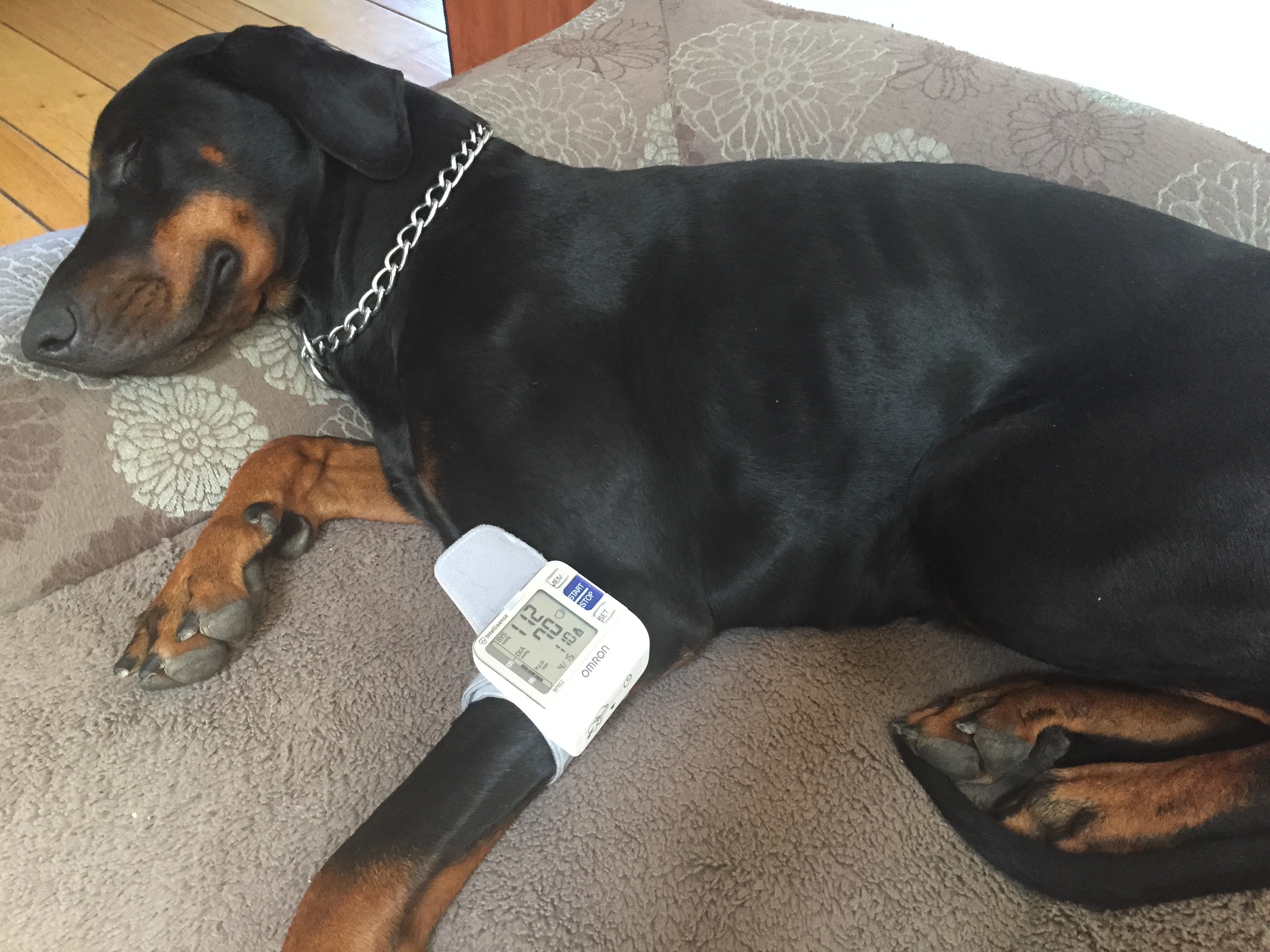
The question "How to measure blood pressure in dogs?" is one of the first questions that comes to mind, especially when high blood pressure is suspected. The measurement is usually performed with a special cuff and an oscillometric blood pressure monitor attached to this cuff. In some hospitals, classic pump blood pressure monitors and Doppler pulse devices are used. Blood pressure in dogs is measured from the forelimbs, tail, or the lower parts of the hind limbs. Measuring blood pressure accurately in dogs can be difficult. Tension or excitement causes blood pressure to rise in dogs. Also, dogs need to sit calmly while the measurement is taken. However, it can be difficult to maintain stillness in some dogs. It is important for the veterinarian to ensure that the dog remains calm and relaxed at this point. Multiple measurements may be taken to obtain accurate results. The dog's age, breed, type, and movements during the measurement affect the measurement. Therefore, a certain margin of error is also taken into account.
There is no single answer to the question, "What should the blood pressure be in dogs?". There are specific ranges for evaluating blood pressure in dogs. Measurements between 131/71 and 150/95 are considered normal in dogs. Blood pressure above 150/95 is harmful to the body. When high blood pressure and target organ damage are detected, some treatments need to be started. Blood pressure above 180/120 is considered serious. Immediate action is needed to prevent the damage that high blood pressure can cause.
Treatment of Hypertension in Dogs
After a diagnosis of hypertension in dogs, the underlying causes need to be investigated. With the treatment of the disease causing high blood pressure, hypertension usually disappears as well. However, some dogs still need to continue taking medication to lower their blood pressure. In such cases, medications that open blood vessels to lower blood pressure are preferred. Reducing sodium intake can help control blood pressure in some cases. However, reducing sodium does not have the same significant effect as in humans. Low-sodium diet recommendations are usually made by veterinarians when they deem it appropriate. After treatment, the dog's blood pressure should be monitored regularly for a while. After some time, routine check-ups are sufficient. However, if any change or symptoms related to high blood pressure reappear, it is necessary to consult a veterinarian without delay.
Advertisement
Advertisement
Keep exploring
Continue reading
Dog Health
7 Mistakes Made in Dog Training and Correct Approaches
A dog's failure to respond immediately to commands is often interpreted as stubbornness or disobedience.
Read guide →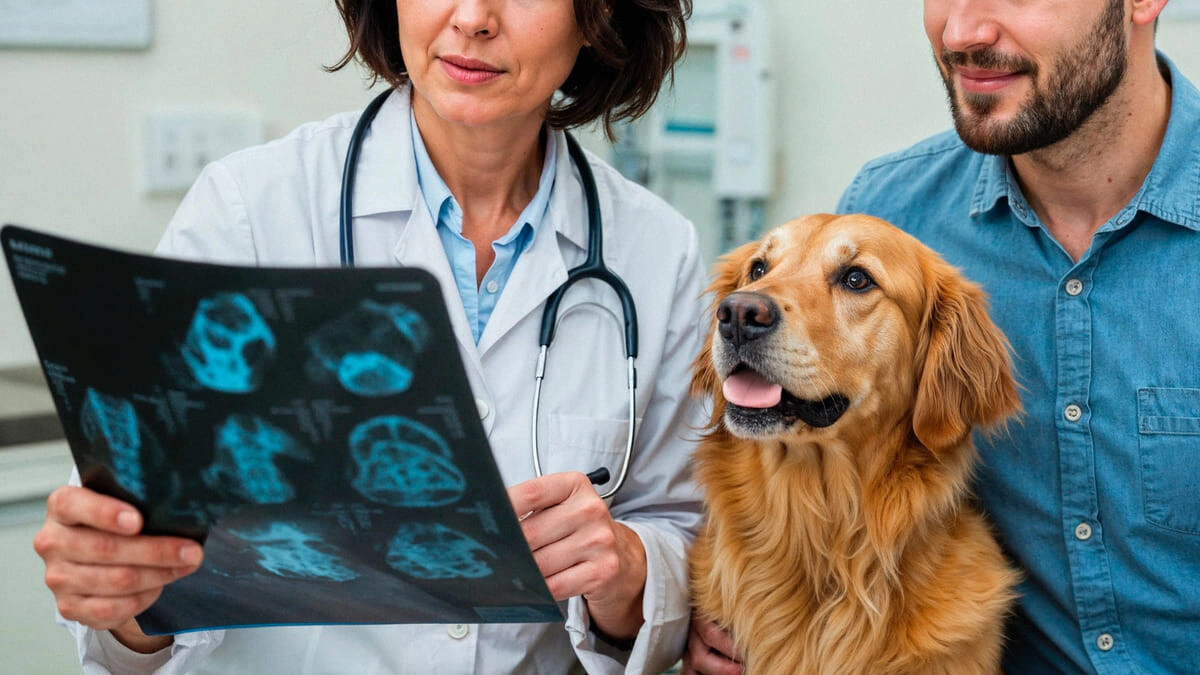
Dog Health
Symptoms, Causes and Treatment of Enlarged Heart in Dogs
Your dog stops earlier than usual during walks, stops playing quickly, has noticeably faster breathing when climbing stairs, or If your dog has a dry…
Read guide →
Dog Health
Causes, Symptoms, and Treatment Methods of Oral Melanoma in Dogs
Imagine you notice a small lump in your dog's mouth one morning. This lump, which might be mistaken for an insignificant wound or gum problem, could…
Read guide →
Dog Health
Beyond the Itch: Causes and Treatment Methods of Skin Diseases in Dogs
Skin diseases in dogs should not be perceived as merely negative changes in aesthetic appearance.
Read guide →