Causes, Symptoms and Treatment of Entropion in Dogs
Entropion is an eyelid disorder that can affect dogs, cats, and humans. It is known as a very painful disease that can cause serious damage to the surface of the eye if left untreated. However, effective treatment plans can be made for entropion in dogs. “What is entropion in dogs?
Advertisement
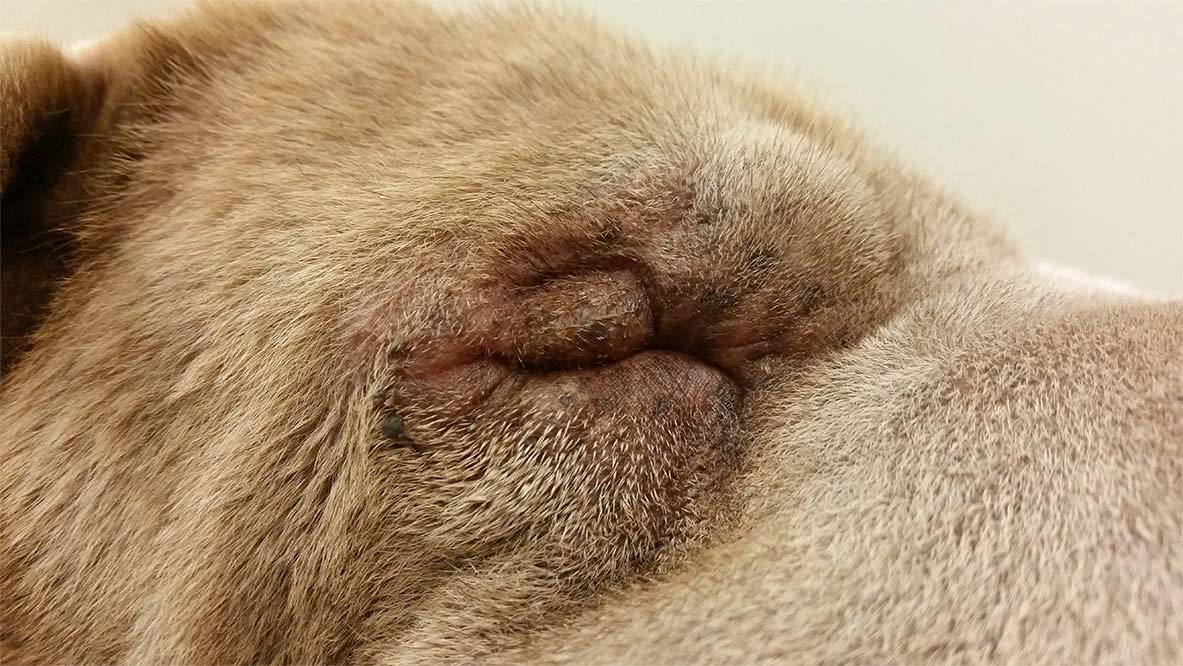
Entropion is an eyelid disorder that can affect dogs, cats, and humans. It is known as a very painful disease that can cause serious damage to the surface of the eye if left untreated. However, effective treatment plans can be made for entropion in dogs. “What is entropion in dogs?” The answer to the question can be briefly given as the inward turning of the eyelid. This causes the eyelashes and other hairs around the eye to rub against the surface of the eyeball, leading to irritation. Entropion can occur only in the upper or lower eyelid, or in some cases, in both eyelids. What are the Symptoms of Entropion? Entropion is usually seen in dogs under one year old. However, it can occur in dogs of any age. If left untreated, eye problems progress rapidly. If you suspect your dog has an eye problem, you should contact a veterinarian immediately. Symptoms of entropion include strabismus, squinting, excessive tearing, eye discharge, swelling around the eyes, rubbing the eyes, conjunctivitis, excessive blinking, and corneal ulcers. Dogs squint to keep the hair around their eyelids out of their eyes. When corneal damage occurs, swelling usually develops in the eye area, and the dog frequently rubs its eyes. Rubbing the hair around the eyes can increase itching and pain in the eye area. Furthermore, rubbing can lead to corneal ulcers. If left untreated, corneal ulcers can cause vision problems over time. When a corneal ulcer occurs, an opaque or bluish cloudy appearance develops in the cornea. What Causes Entropion in Dogs? Entropion in dogs is associated with genetic predisposition. Any dog can develop entropion. However, short-nosed and giant dog breeds are more prone to this health problem. In short-nosed dogs like bulldogs, the connective tissue around the eyes is subjected to more pulling forces. Therefore, inward curling can occur. In large and giant breed dogs, the eyelids are excessively loose, which leads to the eyelids turning inward. Bullmastiff, Bulldog, Cavalier King Charles Spaniel, Chesapeake Bay Retriever, Great Dane, Pug, Shar-pei, and Saint Bernard breeds are prone to inward eyelid turning. Trauma or certain neurological disorders can also increase the risk of entropion. Temporary entropion can occur with some eye conditions. In such cases, the entropion disappears with the treatment of the eye condition. How is Entropion Diagnosed in Dogs? Entropion can cause problems for eye health. The earlier it is diagnosed, the less damage it causes to the eye. Entropion can be diagnosed during a routine eye examination. To determine if the dog needs additional eye treatment, the eyeball is also checked for damage using a fluorescent eye spot test.
Entropion Belirtileri Nelerdir?
Entropion is most commonly seen in dogs under one year old, but it can occur in dogs of any age. If left untreated, eye problems progress rapidly. If you suspect your dog has an eye problem, you should contact a veterinarian immediately.
Symptoms of entropion include strabismus, squinting, excessive tearing, eye discharge, swelling around the eyes, rubbing the eyes, conjunctivitis, excessive blinking, and corneal ulcers. Dogs squint to keep the hair around their eyelids out of their eyes. When corneal damage occurs, swelling usually develops in the eye area, and the dog frequently rubs its eyes. Rubbing the hair around the eyes can increase itching and pain in the eye area. Furthermore, rubbing can lead to corneal ulcers. If left untreated, corneal ulcers can cause vision problems over time. When a corneal ulcer occurs, an opaque or bluish, cloudy appearance develops in the cornea.

What Causes Entropion in Dogs?
Inward turning of the eyelids in dogs is associated with genetic predisposition. Entropion can occur in any dog. However, short-nosed and giant dog breeds are more prone to this health problem. In short-nosed dogs like Bulldogs, the connective tissue in the eyes is subjected to more pulling forces. Therefore, inward turning may occur. In large and giant breeds, the eyelids are excessively loose, which also leads to the inward turning of the eyelids. Bullmastiff, Bulldog, Cavalier King Charles Spaniel, Chesapeake Bay Retriever, Great Dane, Pug, Shar-pei, and Saint Bernard breeds are prone to inward turning of the eyelid. Trauma or certain neurological disorders can also increase the risk of entropion. Temporary entropion can be seen with some eye conditions. In such cases, entropion disappears along with the treatment of the eye condition.

How is Entropion Diagnosed in Dogs?
Entropion can cause problems for eye health. The earlier it is diagnosed, the less damage it causes to the eye. Entropion can be diagnosed during a routine eye examination. To determine if the dog needs additional eye treatment, damage to the eyeball is also checked with a fluorescent eye spot test.

Treatment Methods
Entropion treatment varies depending on the severity of the condition. Whether or not corneal damage has occurred is also an important factor in determining the treatment method. Topical antibiotic ointment can be used to prevent infections and keep the eyes lubricated. In puppies with entropion, the eyelids can be temporarily held together with stitches. These stitches are removed when the dog is old enough. In some dog breeds, the head can grow enough for the entropion to resolve spontaneously. However, surgery is required in cases where corneal damage has occurred. Entropion surgery is performed regardless of the dog's age. Especially in older dogs, surgery is the only option to prevent such a condition from recurring. This surgery is called blepharoplasty. In this surgery, excess eyelid tissue is removed and the remaining tissue is reshaped properly. After the surgery, dogs need to wear a collar to prevent them from rubbing their eyes. Pain in the area is easily controlled with pain medication.
Advertisement
Advertisement
Keep exploring
Continue reading
Dog Health
7 Mistakes Made in Dog Training and Correct Approaches
A dog's failure to respond immediately to commands is often interpreted as stubbornness or disobedience.
Read guide →
Dog Health
Symptoms, Causes and Treatment of Enlarged Heart in Dogs
Your dog stops earlier than usual during walks, stops playing quickly, has noticeably faster breathing when climbing stairs, or If your dog has a dry…
Read guide →
Dog Health
Causes, Symptoms, and Treatment Methods of Oral Melanoma in Dogs
Imagine you notice a small lump in your dog's mouth one morning. This lump, which might be mistaken for an insignificant wound or gum problem, could…
Read guide →
Dog Health
Beyond the Itch: Causes and Treatment Methods of Skin Diseases in Dogs
Skin diseases in dogs should not be perceived as merely negative changes in aesthetic appearance.
Read guide →