Color Blindness in Cats
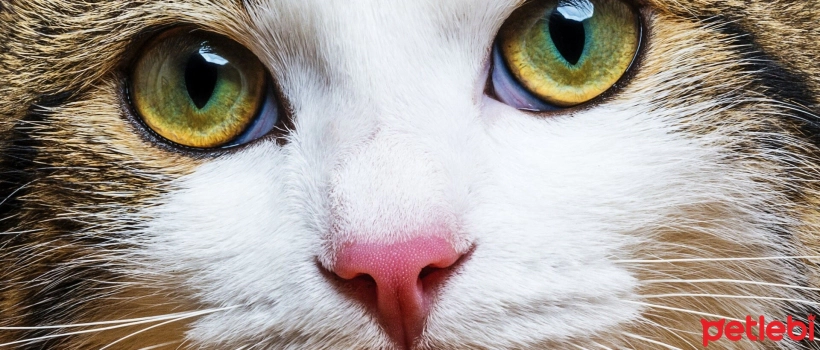
How cats see the world and how they visualize the objects and living things around them is one of the most frequently asked questions. We know that cats don't perceive colors, shades, or light the same way we do. Another known aspect of cats' vision is that they have excellent vision in the dark.
Advertisement
How cats see the world and how they visualize the objects and living things around them is one of the most frequently asked questions. We know that cats don't perceive colors, shades, or light the same way we do. Another known aspect of cats' vision is that they have excellent vision in the dark. However, another common belief is that cats are colorblind. Color blindness is the inability to distinguish certain colors from each other. Color blindness should not be considered as the complete absence of color vision. Moreover, it is known that this situation takes on a different dimension when it comes to cats. Cats' Sense of Vision Understanding color blindness in cats is extremely difficult because tests cannot be applied as they can in humans. There are two different types of cells in the eye called rods and cones. Rod cells help to see a single type of light, while cone cells enable the perception of colors. Humans have three types of cone cells that are sensitive to red, blue, and green. This allows humans to have trichromatic vision. In this way, it is possible to see all the colors of the rainbow.
Color blindness is the inability to distinguish certain colors from each other. It shouldn't be considered simply as the complete absence of color vision. Moreover, the situation takes on a different dimension when it comes to cats.
The Vision of Cats
Understanding color blindness in cats is extremely difficult because tests cannot be applied as they can in humans. The eye contains two different types of cells called rods and cones. Rod cells help in seeing a single type of light, while cone cells enable color perception. Humans have three types of cone cells sensitive to red, blue, and green. This allows humans to have trichromatic vision, enabling them to see all the colors of the rainbow.
Traditional thinking holds that cats have two types of cone cells in their eyes: one sensitive to shades of blue and purple, and the other to shades of yellow and green. The characteristics of these cells prevent cats from perceiving blue, green, and red colors like humans. This is called dichromatism. The two types of cone cells in cats cause blue, green, and red tones to appear more gray. It is thought that cats' color perception is very similar to that of people with red-green color blindness.
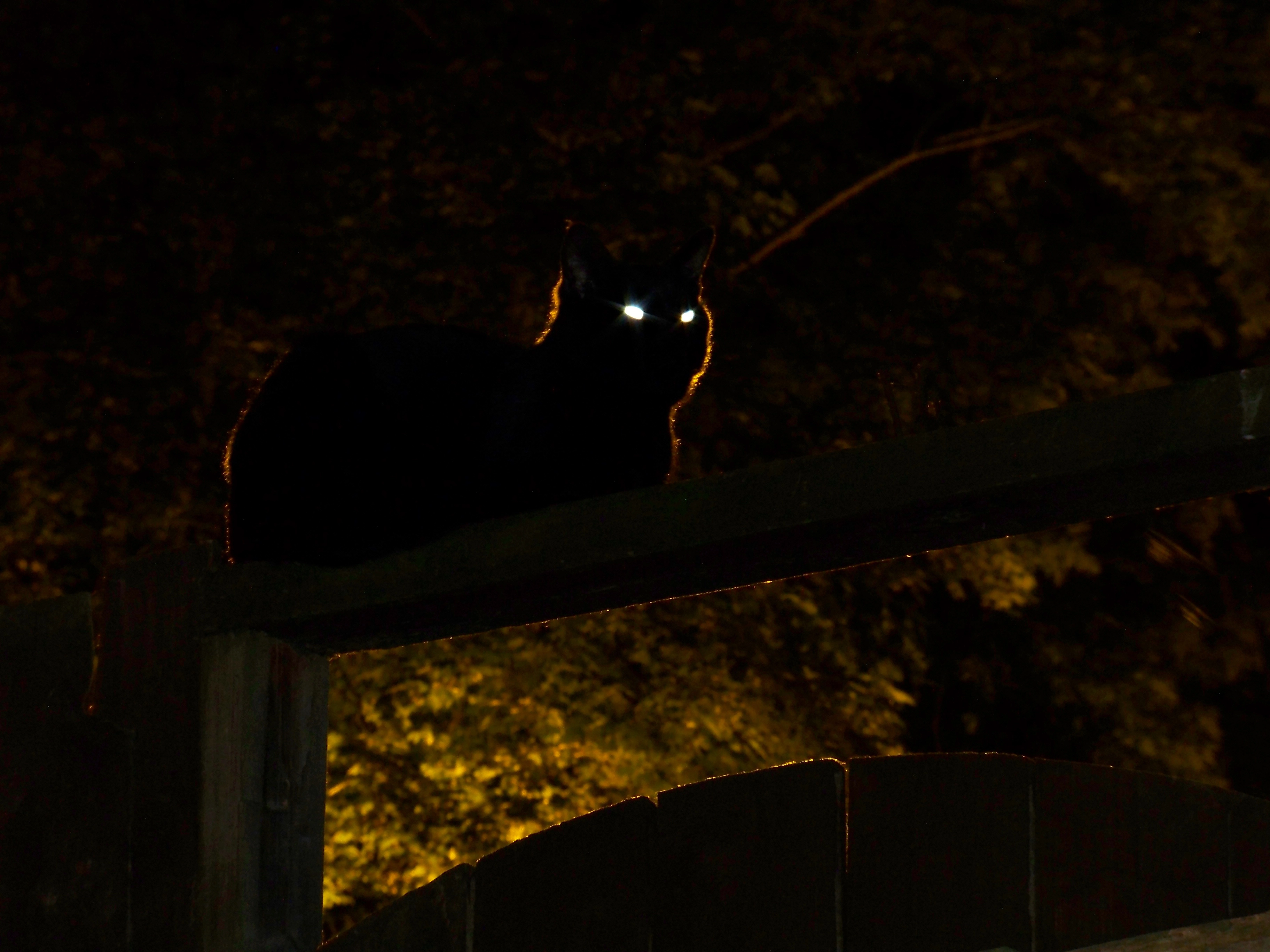
However, since cats have three different types of cones, there are studies on whether cats are also trichromatic. One study suggests that the third type of cone may be sensitive to shades of cyan. Another study indicates that cats may have photopic trichromatic vision. This essentially suggests that cats can see a color spectrum similar to humans' in daylight, but this spectrum may not be as vibrant as ours. This means that cats see the world in pastel colors rather than the brightness of daylight. There are even some studies aimed at understanding whether cats can see ultraviolet light. Animals with UV vision can see urine traces. It is thought that the reason cats consistently distribute their litter in the same way may be due to this type of vision. Although cats don't perceive colors like humans, the large number of rod cells in their eyes indicates that they have a more sensitive light perception and night vision. Therefore, cats can see much better than us in the dark. Contrary to popular belief, cats are crepuscular, not nocturnal. That is, they are most active at dawn and dusk. Being able to distinguish colors at these times of day is not as important as being able to see in low light. Cats also have a wider field of vision than humans. While humans have a 180-degree field of vision, cats have a 200-degree field.
Although cats don't perceive colors like humans, the large number of rod cells in their eyes indicates that they have a more sensitive light perception and night vision. Therefore, cats can see much better in the dark than we can. Contrary to popular belief, cats are crepuscular, not nocturnal. This means they are most active at dawn and dusk. At these times of day, being able to distinguish colors is not as crucial as being able to see in low light. Cats also have a wider field of vision than humans. While humans have a 180-degree field of vision, cats have a 200-degree field.
Although cats have a wider field of vision than humans, their vision is not as sharp as ours. In fact, it is possible to describe cats as nearsighted. Because humans can see objects with sharp detail up to an average of 200 meters. In cats, this distance is only 20 meters.
Cats' eyes are located in the front of the skull, just like ours. Due to their anatomical structure, cats have binocular vision. Binocular vision allows for depth perception, which is an important factor for catching prey.

Does Color Blindness Have an Effect on Cats?
Since we do not know whether cats have dichromatic or photopic trichromatic vision, it is quite difficult to distinguish the extent of their color perception and what limitations their vision may have. While some claim cats don't react to toys with colors they don't see, such as red or yellow, there's a big difference between being unable to distinguish a particular color and being unable to see it at all. A red toy might not appear red to a cat, but the cat may still see it and play with it. Whether cats have dichromatic or photopic trichromatic vision, what we are certain of is that they cannot perceive the visible light spectrum as we do. However, being unable to distinguish certain colors is perfectly normal for cats. In fact, some cats are thought to have even more limited color vision. Red-green color blindness, yellow-blue color blindness, and monochromatic vision are hereditary traits in humans. It is thought that cats may have a similar hereditary trait that further limits their color vision, but this has not been definitively proven.
Whether cats have dichromatic or photopic trichromatic vision, what we are certain of is that they cannot perceive the visible light spectrum in the same way we do. However, the inability to distinguish certain colors is perfectly normal for cats. In fact, some cats are thought to have even more limited color vision. Red-green color blindness, yellow-blue color blindness, and monochromatic vision are hereditary traits in humans. It is thought that cats may have a similar hereditary trait that further limits their color vision, but this has not been definitively proven.
Just because a cat loves a toy or object doesn't mean it perceives its color, or conversely, if it doesn't play with a toy at all, it doesn't mean it doesn't perceive its color and therefore doesn't play with it. There is no test to detect color blindness in cats. Therefore, there is no way to know if a cat is color blind.
Color Blindness Perception in Cats
Cats, unlike humans, cannot perceive the visible light spectrum, but this does not impair the vision of most cats in any way. Most cats live happy and healthy lives regardless of their ability to see colors. When we compare the color spectrum we can see with the perception of cats, it is correct to say that they are colorblind, but this is the natural way of seeing and perceiving cats.
Advertisement
Advertisement
Keep exploring
Continue reading

Cat Lifestyle & Guides
What is Cat Soup? Is it Beneficial for Cats?
If your cat rarely visits its water bowl, is sometimes reluctant to eat dry food, or shows interest in different textures, liquid products may catch…
Read guide →
Cat Lifestyle & Guides
How to Give Rewards and Snacks to a Neutered Kitten?
The Feline Veterinary Medical Association supports neutering kittens until they are five months old.
Read guide →
Cat Lifestyle & Guides
Benefits of Colostrum for Cats and Dogs
Colostrum is the first milk produced by mother cats and dogs after birth. Thanks to its antibodies and high nutrient content, it responds to the…
Read guide →
Cat Lifestyle & Guides
Why is Gut Health Important in Cats?
In cats, bowel health is linked to many areas, from digestive regularity and immune system-related processes to energy levels and daily comfort.
Read guide →