Common Misconceptions About Bird Care: Debunking Myths with Scientific Facts
We can only understand how sensitive and special pet birds are when we own them. The chirping of a budgie or the affectionate gaze of a parrot gives its owner indescribable happiness. However, due to the misconceptions about bird care circulating on the internet and social media, the physical and…
Advertisement
We can only understand how sensitive and special pet birds are when we own them. The chirping of a budgie or the affectionate gaze of a parrot gives its owner indescribable happiness. However, due to the misconceptions about bird care circulating on the internet and social media, the physical and psychological health of our friends can be harmed.
In this article, we have addressed the most common myths for both first-time bird owners and experienced bird owners. You can discover the basic truths of bird care in the rest of our article.
Myth 1 – “Birds Are Happy Living in Cages”
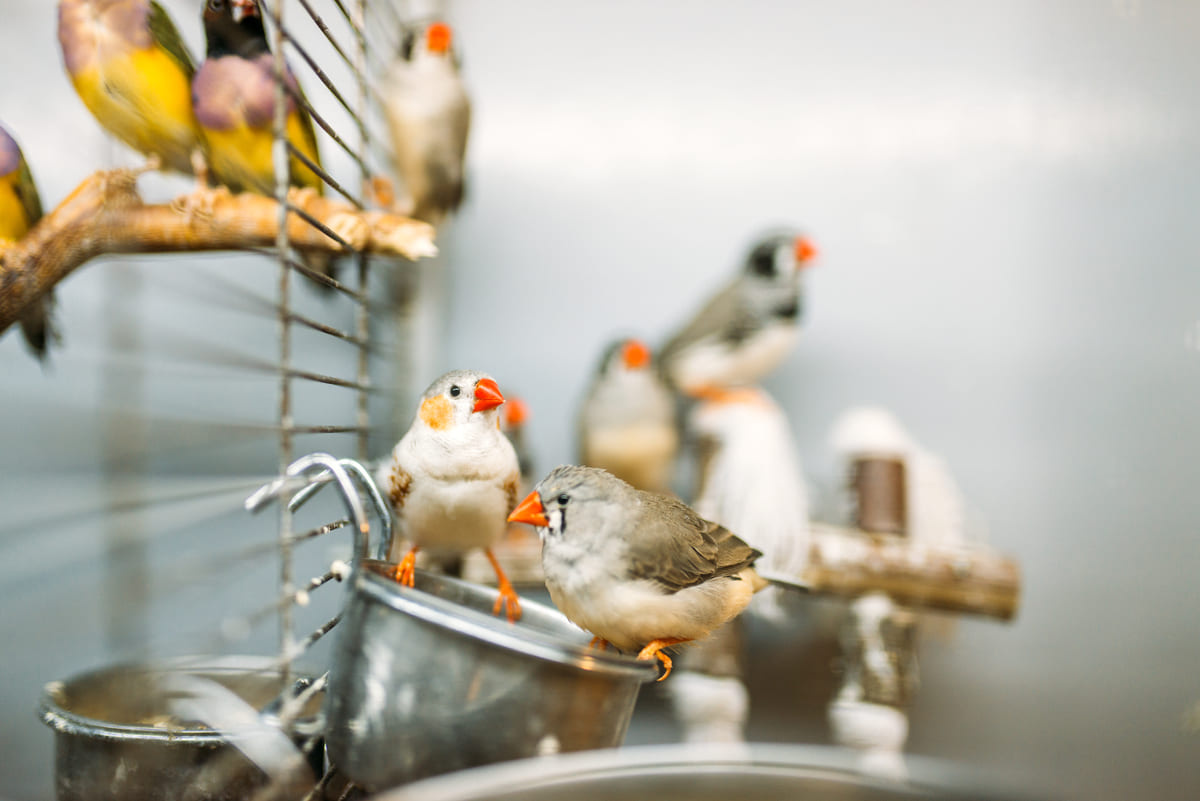
As stated in the Bird Street Bistro source, parrots and budgies are creatures that fly long distances and live in flocks in nature. Keeping them constantly in cages does not satisfy their needs for flying, playing, and exploring. This can lead to behavioral problems in the long term, and even health problems related to bird stress. Feather loss, aggression, and screaming behaviors can be observed, especially in birds living in small cages.
For birds to be happy, they need to spend time outside their cages for certain periods every day. A safe area should be created in the home environment, and birds should be given the opportunity to fly freely. At least 1-2 hours of daily interaction outside the cage, playtime, and flight are of great importance for bird behavior. The specified time for interaction outside the cage may be shorter or longer for some birds.
Myth 2 – “Birds Can Be Given Any Kind of Food”
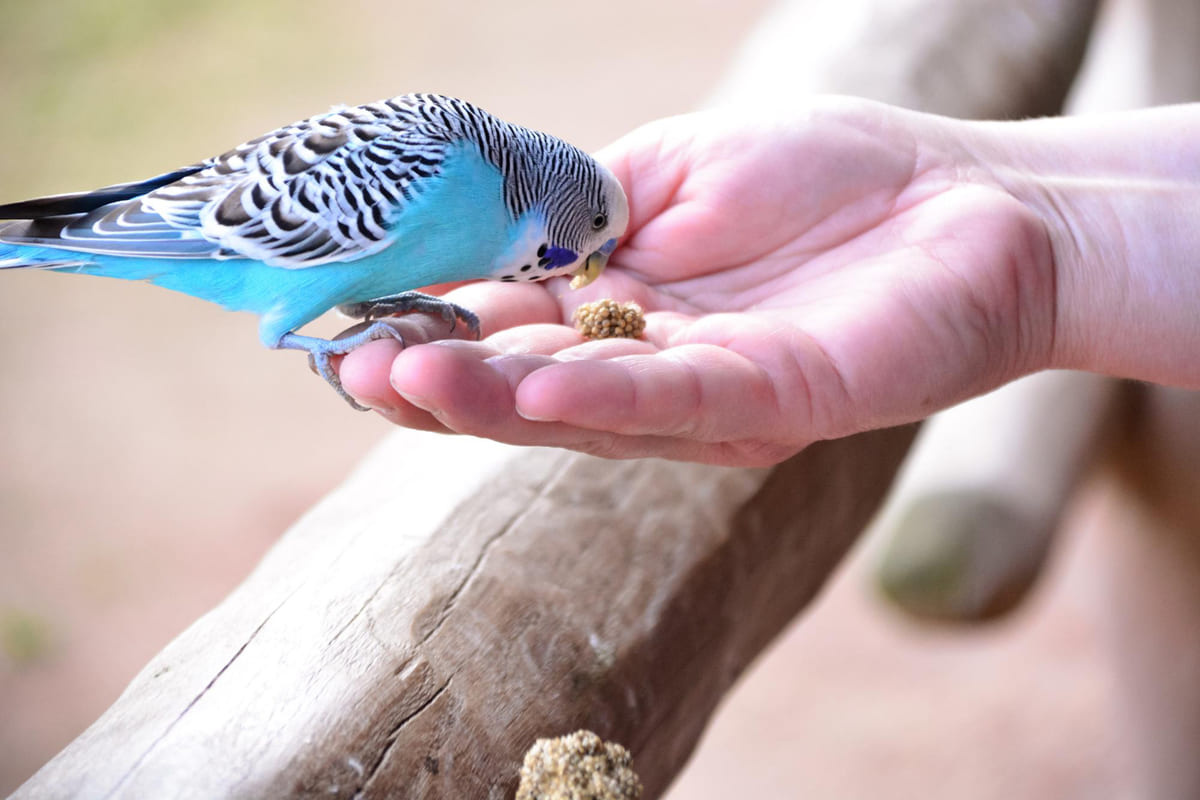
Many bird owners think their beloved pets can eat anything. However, this is a misconception. Human food, spicy foods, fried foods, chocolate, and especially salty snacks harm the digestive system of birds. Some foods can have a toxic effect on birds.
Incorrect feeding habits cause vitamin deficiencies, obesity, and digestive problems in birds. Vitamin-mineral imbalance is especially common in birds fed only on seeds. One of the most common mistakes is the habit of feeding only seed mixtures. This situation poses serious health risks, especially for parrots and budgies.
A balanced feeding plan should be implemented for pet birds to stay healthy. Their daily diet should include quality feed mixes, fresh vegetables and fruits, and boiled grains.
This variety strengthens the birds' immunity and plays a protective role in bird health.
Myth 3 – “Bird Bathing Isn't Necessary, Birds Clean Their Feathers Anyway”
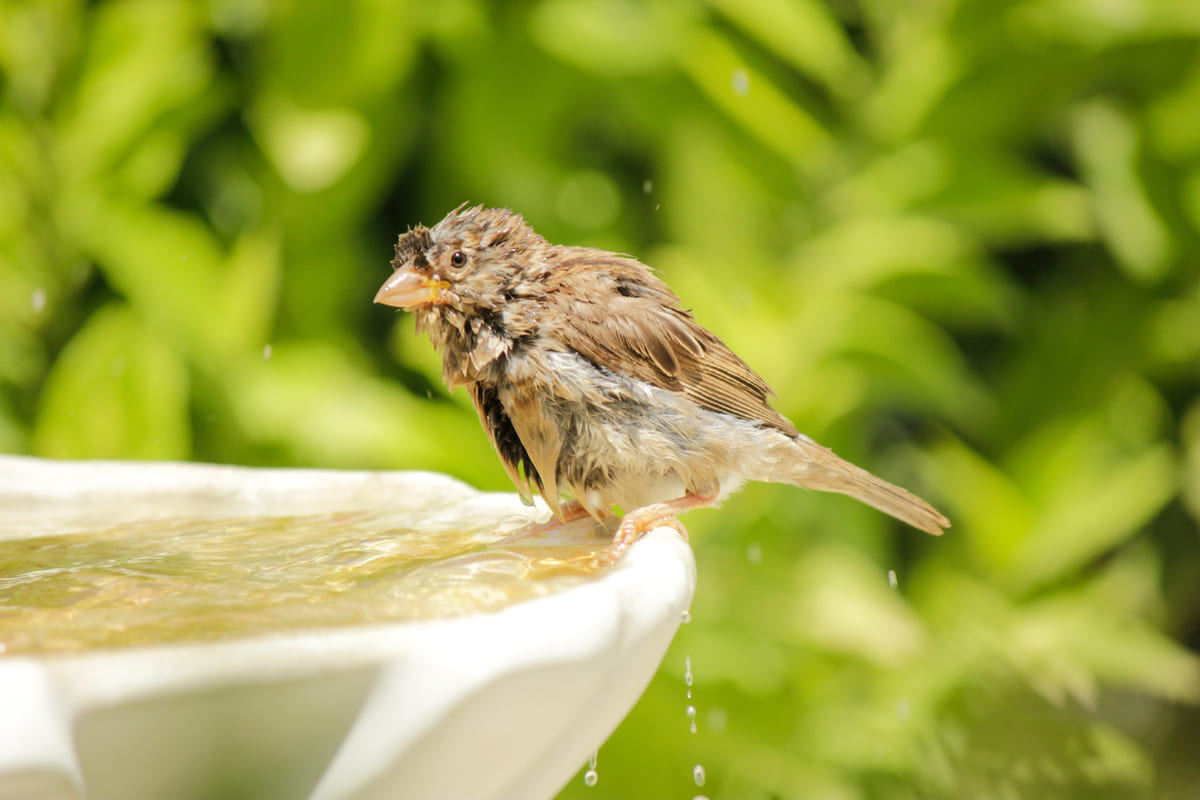
Although birds groom their feathers by beaking, this process does not eliminate the need for bathing. In birds that are not bathed, feather care is insufficient, and dust and dirt accumulate on the feathers. This triggers problems such as itching, skin irritation, and intense feather loss. In the long term, lack of hygiene can lead to fungal infections on the skin.
Regular bathing is essential for both the hygiene and mental health of birds. Bathing 2-3 times a week, especially in summer, and once a week in winter if the ambient temperature is suitable is ideal. Bathing should only be done under the supervision of a veterinarian for birds with wing or respiratory diseases.
Bathing needs vary depending on species, age, health status, and individual preference. Some birds may not want to be bathed frequently. If the humidity is high, the frequency of bathing may decrease. You can review bird care products here.
Myth 4 – “You Can Tell When Birds Are Sick”
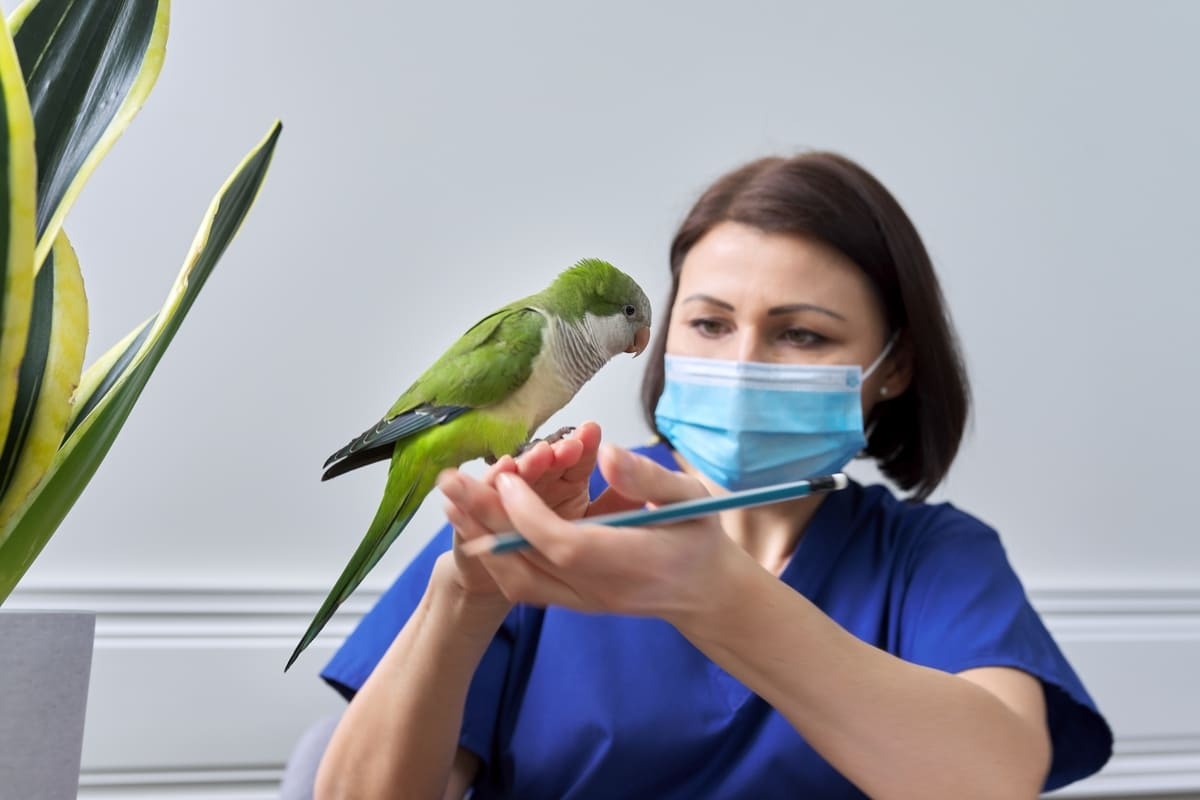
Birds naturally hide signs of illness to protect themselves from predators. This instinct continues in a home environment. Many owners only realize their bird is sick when the condition worsens. When symptoms such as weakness, loss of appetite, or ruffled feathers are noticed late, the chances of treatment decrease. Furthermore, as emphasized in the Beyond Penguins source, external appearance alone is not enough to observe the health of birds. They often suffer silently and only show noticeable changes when the disease progresses. Therefore, the belief that "if a bird is sick, it will be immediately obvious" is quite wrong. Regular checks are vital to maintain the health of birds. In addition, changes in the color and consistency of droppings, behavioral differences, feather structure, and respiration should be observed daily. Myth 5 – “Birds Adapt to Any Environment” Birds' sensitive metabolisms are highly responsive to environmental changes. Cigarette smoke, high noise levels, sudden temperature fluctuations, or chemical odors such as perfume can have negative effects on bird psychology. Behavioral problems such as loss of appetite, screaming, feather plucking, and aggression may occur in birds under stress.
Furthermore, as highlighted in the Beyond Penguins source, outward appearance alone is not enough to observe the health of birds. They often suffer silently and only show noticeable changes as the disease progresses. Therefore, the belief that "if a bird is sick, it will be immediately obvious" is quite wrong.
Regular checks are vital for maintaining the health of birds. In addition, daily changes in the color and consistency of droppings, behavioral differences, feather structure, and respiration should be observed.
Myth 5 – “Birds Adapt to Any Environment”
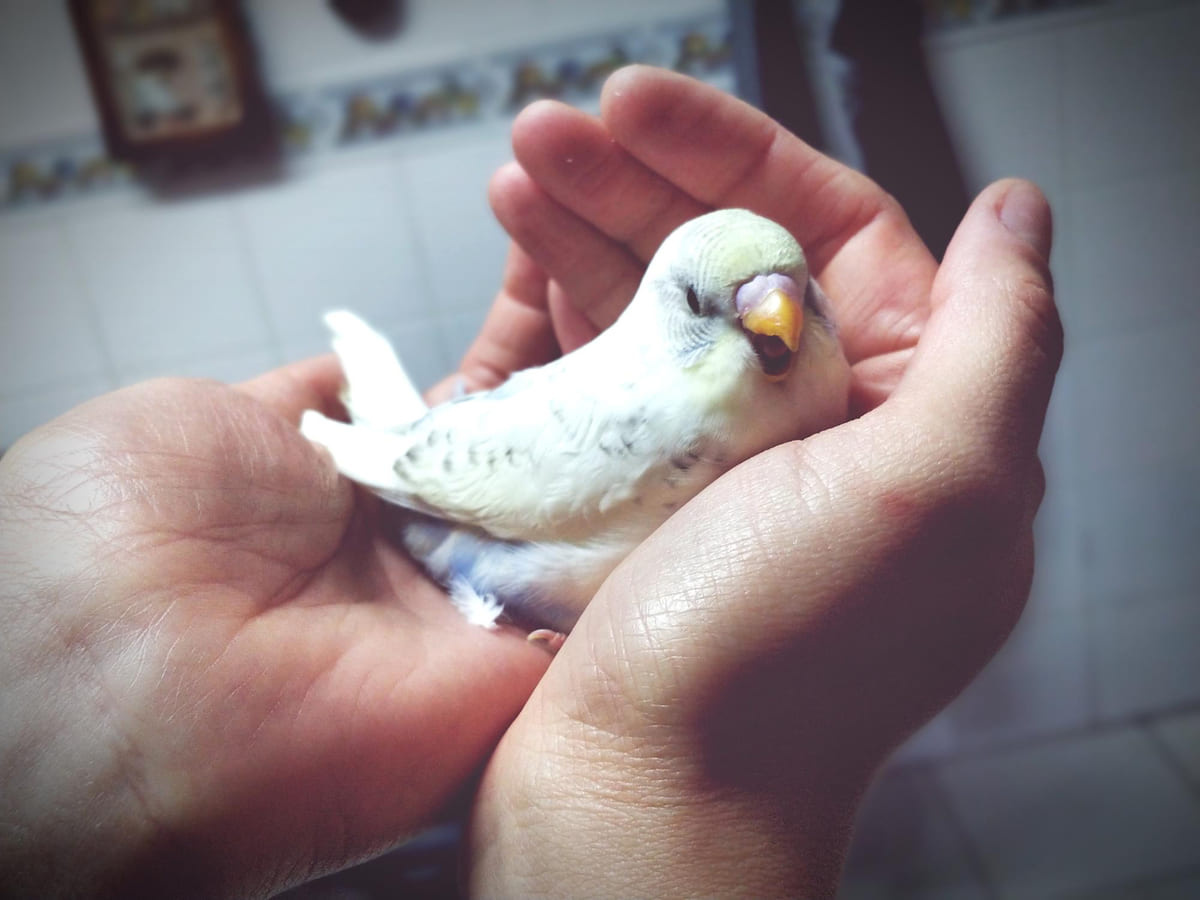
Adapt to Any Environment” Birds' sensitive metabolisms are highly responsive to environmental changes. Cigarette smoke, high noise levels, sudden temperature fluctuations, or chemical odors like perfume can negatively affect avian psychology. Behavioral problems such as loss of appetite, screaming, feather plucking, and aggression may occur in birds under stress.
Carefully arranging the living environment is of great importance for the health and happiness of birds. The ideal room temperature should be between 20–24 °C, and sudden temperature changes should be avoided. Approximately 50% humidity is beneficial for both respiratory and feather health. A quiet environment should be provided to prevent loud music, television, or noisy conversations from triggering stress. In addition, a clean air environment free from cigarette smoke, room sprays, and detergent odors is necessary to increase the peace and energy of birds.
Myth 6 – “Birds Can Sleep Comfortably with Lights On at Night”
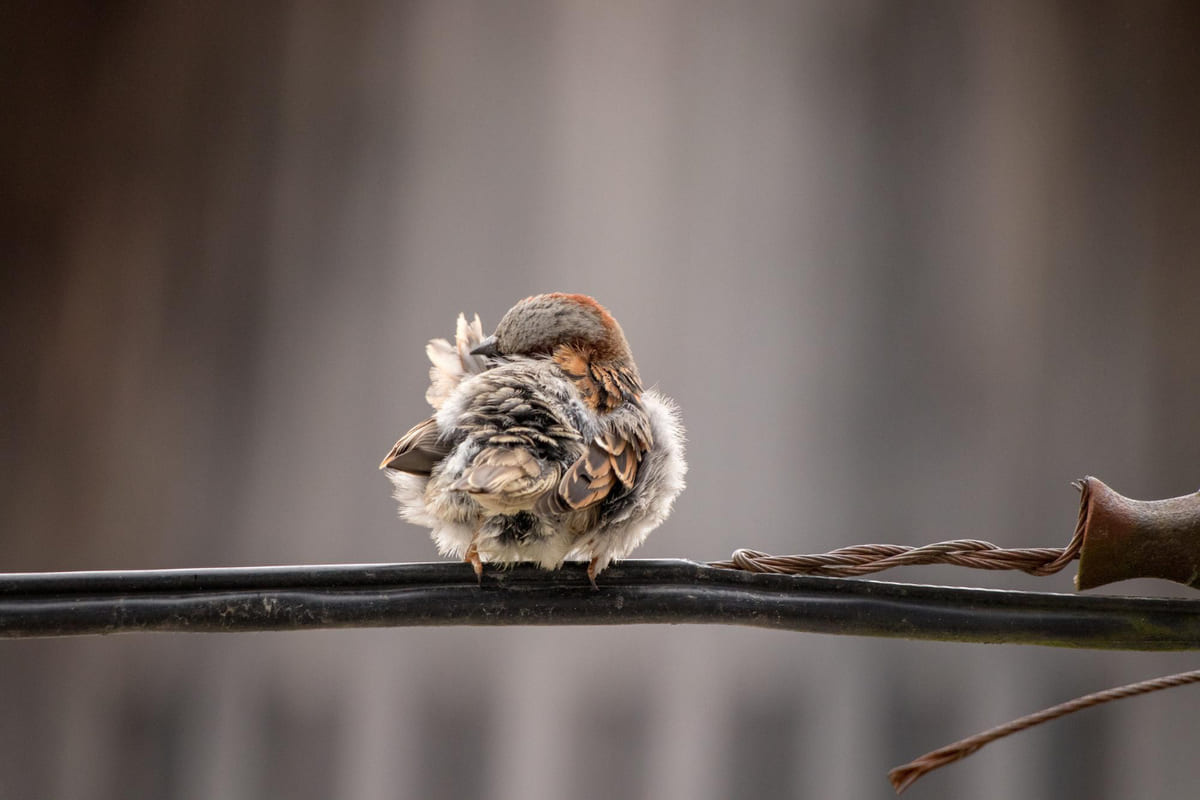
The biological rhythm of birds is based on darkness and silence. The sleep patterns of birds exposed to light throughout the night may be disrupted. Sleep deprivation can lead to a weakened immune system, behavioral problems, and stress-related issues such as feather loss.
Birds need to sleep in a dim and quiet environment for at least 10–12 hours at night. It is helpful to cover the cage with a thin, breathable cloth in the evening. The cage should be kept away from televisions, computers, or nightlights. Sleeping in a quiet room improves their sleep quality and helps maintain their biological rhythms, which are as important as bird hygiene.
Myth 7 – “It’s Not a Problem Even If the Bird Cage Is Small”
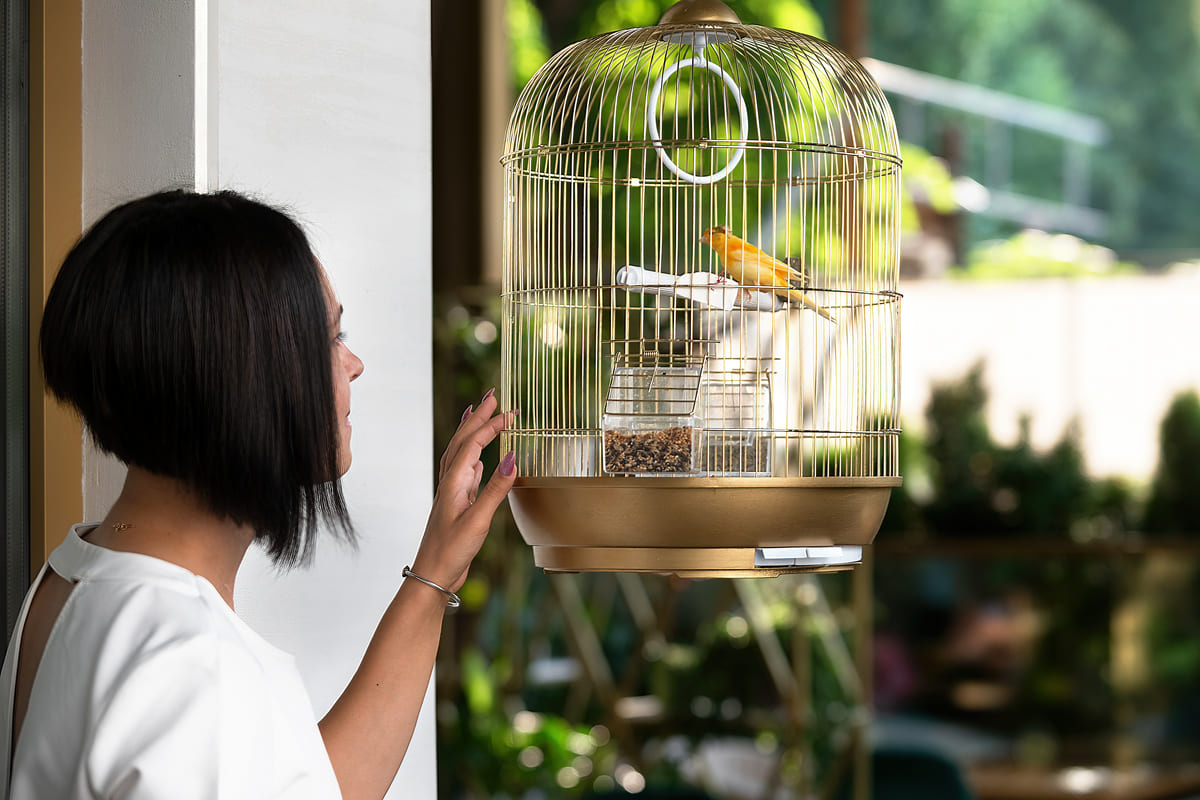
Birds need to meet their needs for flying and climbing to stay healthy. In small cages, their movement space will be limited, which can weaken their wing muscles and lead to behavioral problems. Indeed, one of the biggest mistakes made in budgie care is using cages smaller than the minimum dimensions. These conditions can cause problems in birds such as stress, feather plucking, and constant screaming.
The larger the cage, the healthier and happier the bird will be. Choosing the right cage is as important as regular cage cleaning and directly affects both the physical and mental well-being of birds.
Myth 8 – “Birds Socialize on Their Own”
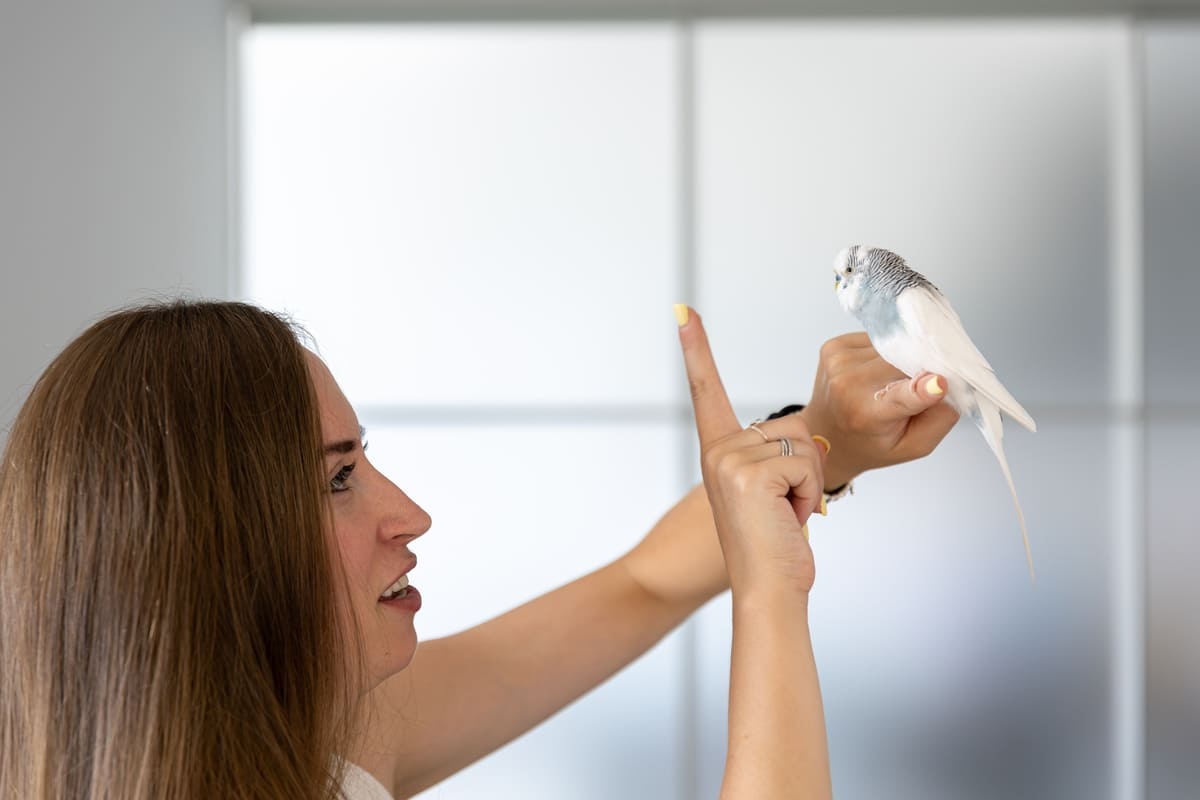
Birds are extremely social creatures. Leaving them alone and not meeting their needs for play and interaction can lead to problems such as depression and stress. Screaming, aggression, and feather plucking behaviors are common in birds that experience neglect. Parrots, in particular, tend to self-harm when they lack sufficient social interaction.
Daily attention is essential for birds to stay happy and healthy. It is necessary to talk to them, play with them, and provide them with safe bird toys to spend time with. Even hearing their owners' voices is a means of bonding for them. Regular communication strengthens the feeling of bird friendship and improves the bird's psychological well-being.
Myth 9 – “Birds Don't Need Training”
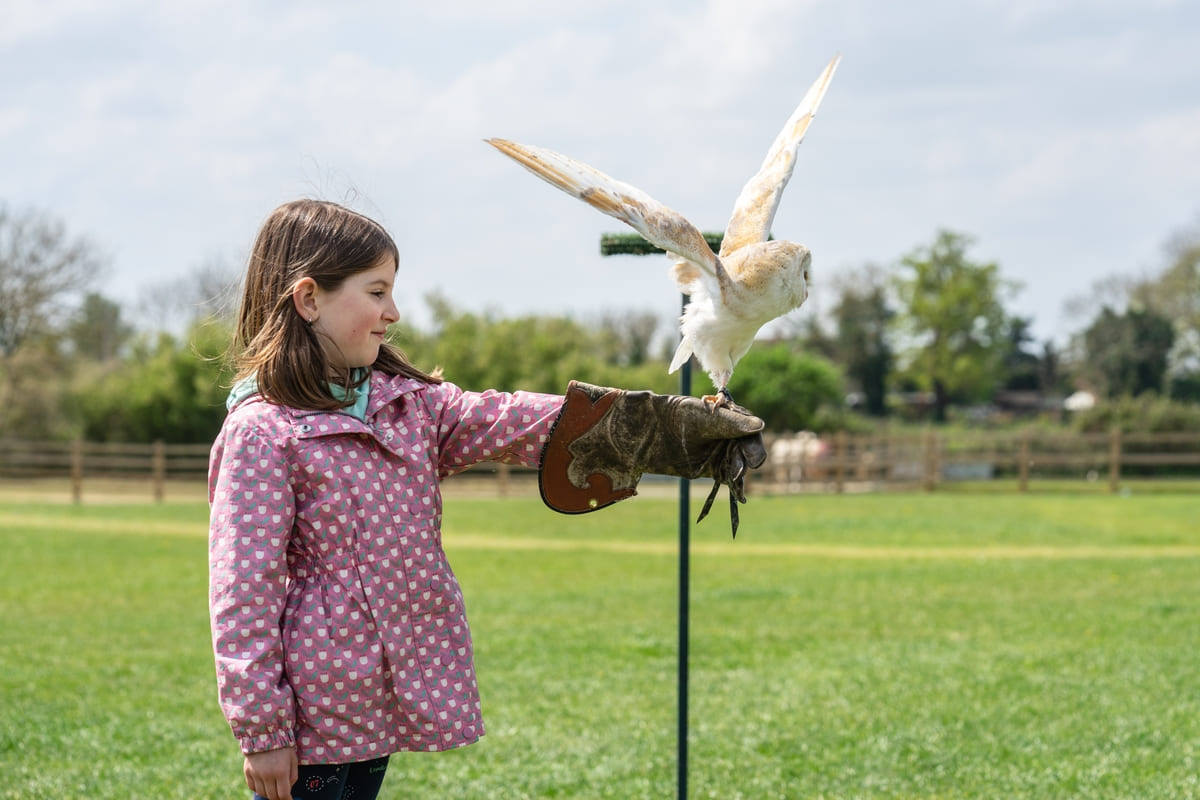
Many people who own birds think that birds live by their natural behaviors and don't need training. However, untrained birds exhibit behavioral problems such as biting, screaming, and chewing on furniture. When training is not provided, the bond between the bird and its owner remains weak.
According to MyRightBird, training supports the mental development of birds and reduces behavioral problems. Stressful behaviors are frequently observed in birds that lack training.
Bird training should be done with patience and positive reinforcement. Reward-based methods accelerate the learning process of birds and strengthen the trust relationship.
Myth 10 – “Birds Don’t Chew on Everything in the House”
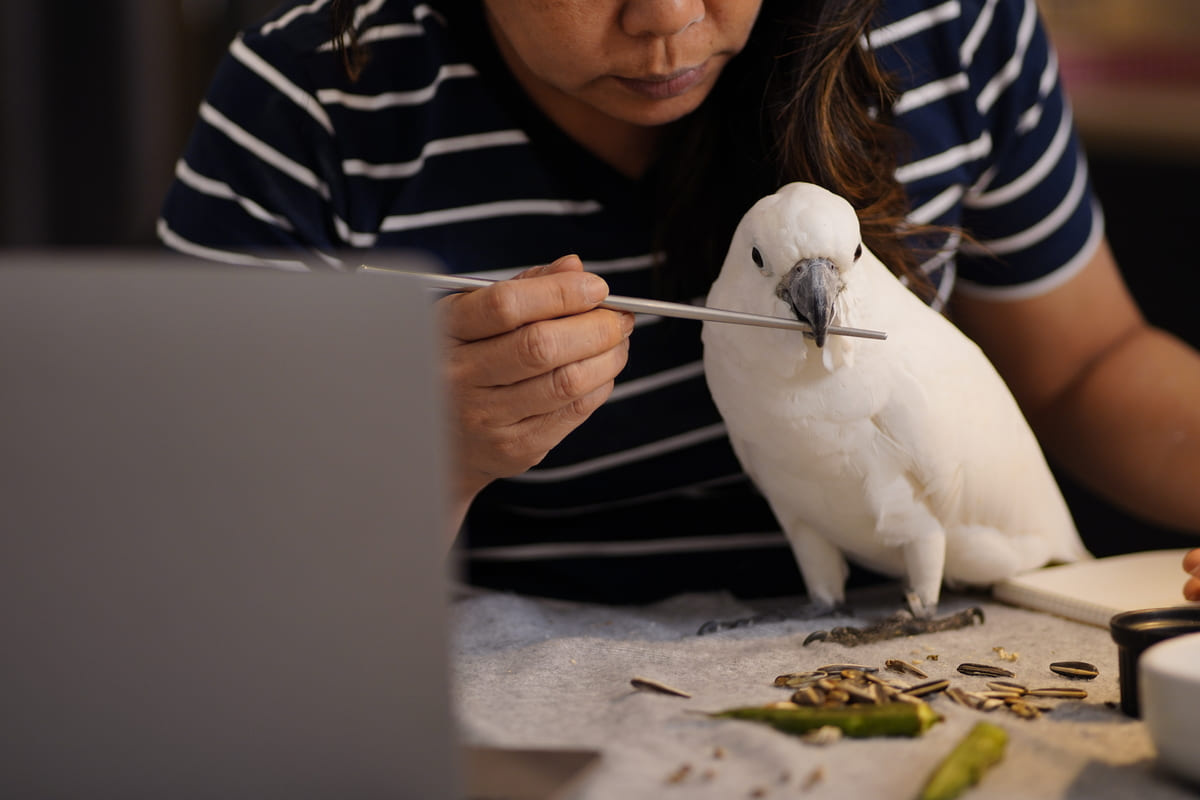
Birds naturally explore objects around them with their beaks. While this often seems like innocent play, it can create serious dangers in a home environment. Electrical cords, poisonous houseplants, furniture paint, and small objects pose risks to birds' health.
Providing a safe play area for birds is the best solution. When released, they must be supervised, electrical cords must be protected, and they must be kept away from harmful plants. Offering them natural tree branches or safe toys helps them satisfy their need to gnaw in a healthy way.
Myth 11 – “Birds Are Cold Resistant”
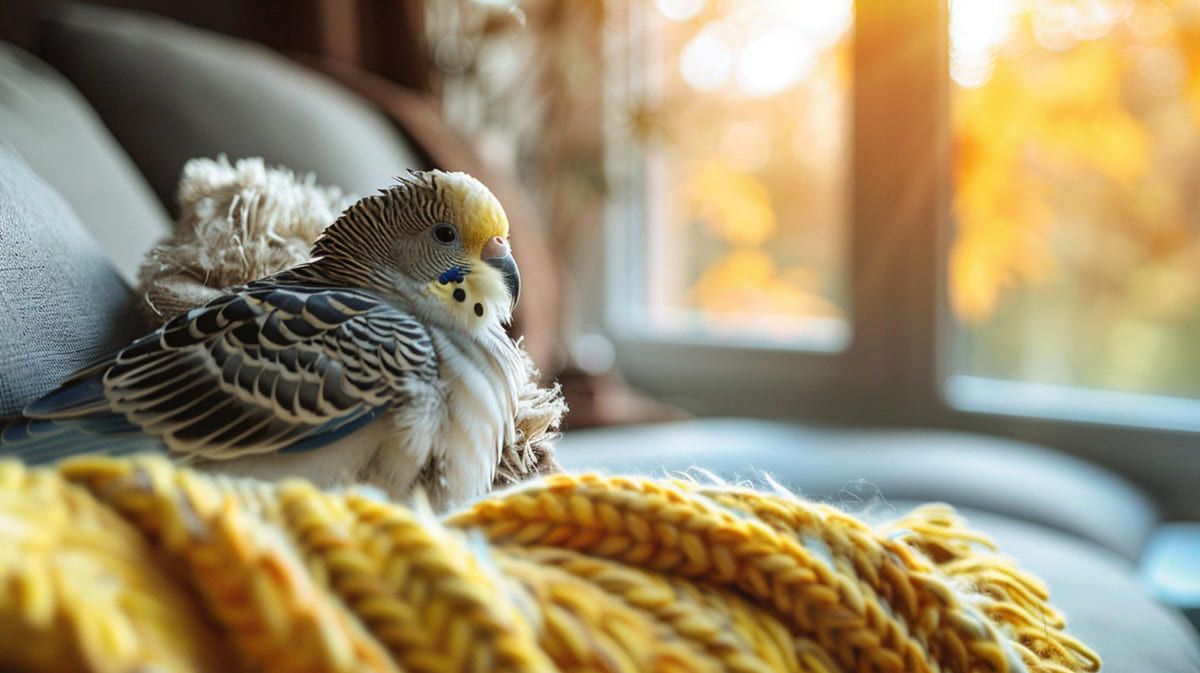
Many people think that birds are cold resistant because of their feathers. However, sudden temperature changes lead to respiratory infections, especially in smaller species. Hypothermia can be fatal in birds.
The ideal room temperature for birds is between 20–24 °C. They need to be protected from sudden temperature drops. It is dangerous for the cage to be near a window, in front of an air conditioner, or in drafty areas. Birds lose more heat during the night, so it is very important to keep the room temperature constant during the cold months.
Frequently Asked Questions About Bird Care
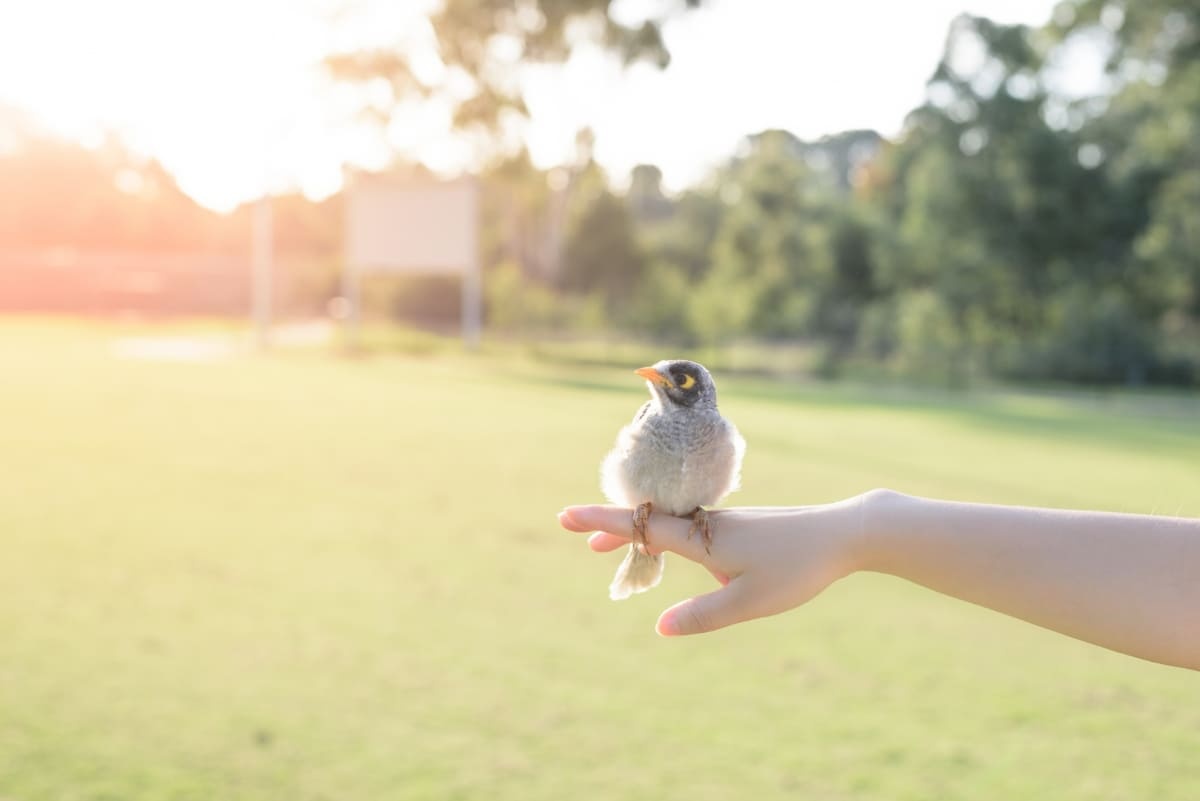
When you become a new bird owner, dozens of questions may arise in your mind. While some answers may seem easy, it is often possible to fall into the trap of commonly held misconceptions. If you are ready, let's take a look at the answers to the most frequently asked questions together.
What mistakes do new bird owners often make?
Beginner bird owners often choose small cages and ignore the bird's need for movement. Feeding birds solely on seeds is one of the most common mistakes and leads to nutritional imbalance. Hygiene problems arise when regular bird cage cleaning is not done. Lack of attention also negatively affects the birds' psychology.
Which is the most suitable brand of bird food?
When choosing bird food, the quality of the ingredients should be prioritized over the brand. A balanced seed mixture supplemented with fresh vegetables and fruits is the most suitable feeding plan. Using only one type of bird food can cause vitamin deficiencies. Therefore, variety is critically important for bird health.
Why do birds fluff up their feathers?
Birds fluff up their feathers to maintain their body temperature when they are cold. They may also exhibit this behavior when they are sick. Short-term puffing up is considered normal. If it continues for a long time, veterinary examination is necessary.
What are the signs of stress in birds?
Stressed birds often scream or chirp excessively. Feather plucking is one of the most obvious signs. Loss of appetite and restlessness are also common. Long-term stress seriously affects the bird's health.
How often should pet birds have health checkups?
Birds should have a general health checkup at least once a year. If there are signs of illness, veterinary examination is necessary. Regular checkups are very important for early diagnosis. This practice prolongs the life of the birds.
Is feather shedding normal in birds?
Seasonal molting is natural for birds. However, excessive and irregular shedding may indicate health problems. Nutritional deficiencies also lead to feather loss. Why do birds scratch? Itching is normal during molting. However, parasitic or fungal infections can also cause itching. If constant itching is observed, this is a health problem. In such cases, a veterinarian should be consulted without delay. How should water be given to birds? Birds should be given fresh and clean water every day. Waterers should be washed and disinfected regularly. Dirty waterers lead to bacterial growth, posing a serious risk to bird health. Should vitamins be used for birds?
Why do birds scratch?
Itching is normal during molting. However, parasitic or fungal infections can also cause itching. If constant itching is observed, this is a health problem. In such cases, a veterinarian should be consulted without delay.
How should water be given to birds?
Birds should be given fresh and clean water every day. Waterers should be washed and disinfected regularly. Dirty waterers lead to bacterial growth, posing a serious risk to bird health.
Should I use vitamins for my birds?
A balanced diet is often sufficient. If deemed necessary by a veterinarian, supplemental vitamins may be recommended. Unnecessary vitamin use can be harmful. Therefore, they should be used consciously and under control.
Do birds like to play with mirrors?
Research on this topic is mixed. Some birds enjoy being occupied with mirrors, while in others, it increases feelings of loneliness. It should be remembered that mirrors cannot replace social interaction.
How often should a bird cage be cleaned?
Food and water bowls should be cleaned daily. General cleaning of the cage should be done at least once a week. Regular cleaning prevents the multiplication of germs. This practice directly protects the health of the birds.
Do birds like baths, and how can they be trained?
Most birds enjoy bathing, and it's good for them. Spraying with warm water or offering small containers are effective methods. They may be shy at first, so patience is needed. With regular repetitions, it becomes easier for them to get used to bathing.
Do birds bond with humans?
Yes, birds form strong bonds with humans with regular attention. They can recognize their owners by their voices and scents. Approaching them with love and patience strengthens this bond. This relationship also increases their happiness.
Kaynaklar:
https://beyondpenguins.ehe.osu.edu/issue/arctic-and-anarctic-birds/common-misconceptions-about-birds
https://www.birdstreetbistro.com/blogs/parrot-blog/4-common-myths-about-parrot-care
https://pdsparrotshop.com/blogs/pds-parrot-blog/social-media-misinformation-separating-fact-from-fiction-in-pet-bird-care
https://placeforwildbirds.org/mythsandmisconceptions/
https://myrightbird.com/articles/debunking-common-myths-about-pet-bird-ownership
https://wagwalking.com/wellness/bird-care-101-a-primer-for-new-pet-parent
Advertisement
Advertisement
Keep exploring
Continue reading
Bird Care
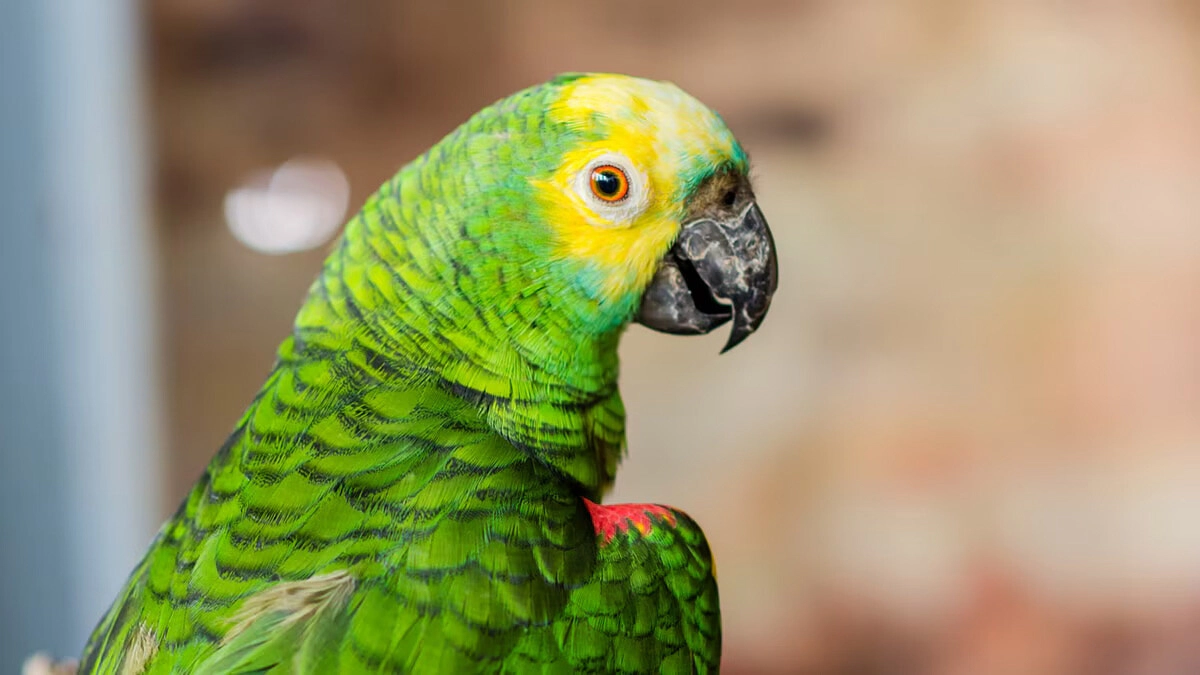
Comprehensive Guide to Amazon Parrot Care, Feeding and Training
Caring for an Amazon Parrot isn't as simple as putting food in the cage, keeping an eye on the water, and getting through the day.
Read guide →
Bird Care
Things to Consider When Choosing Bird Food
As stated in PetMD, a significant portion of errors in bird nutrition stem from not selecting feed according to the species and needs.
Read guide →
Bird Care
Canary Characteristics, Care and Feeding
If you want a cheerful, loving, and lively energy in your home, canaries can start a wonderful change in your life.
Read guide →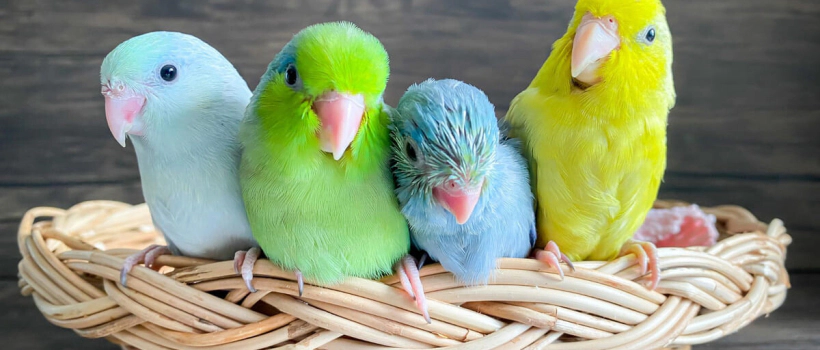
Bird Care
Forpus Parrot Characteristics, Care and Feeding
Forpus parrots, one of the smallest and cutest members of the parrot world, Forpus is a group that is often misunderstood in scientific classification.
Read guide →