Things to Consider When Choosing Bird Food
As stated in PetMD, a significant portion of errors in bird nutrition stem from not selecting feed according to the species and needs. For example, a seed that is an energy source for one bird species may only cause unnecessary fat accumulation in another.
Advertisement
As stated in PetMD, a significant portion of errors in bird nutrition stem from not selecting feed according to the species and needs. For example, a seed that is an energy source for one bird species may only cause unnecessary fat accumulation in another. Therefore, feed selection is too critical to be reduced to a single brand or recommendation.
The right feed choice makes sense when the bird's species, age, habitat, and feed content are considered together. While the wrong feed can trigger health problems, the right feed choice directly increases the bird's overall mood, singing, and daily energy.
In this content, you can find the basic criteria you should consider when choosing bird feed.
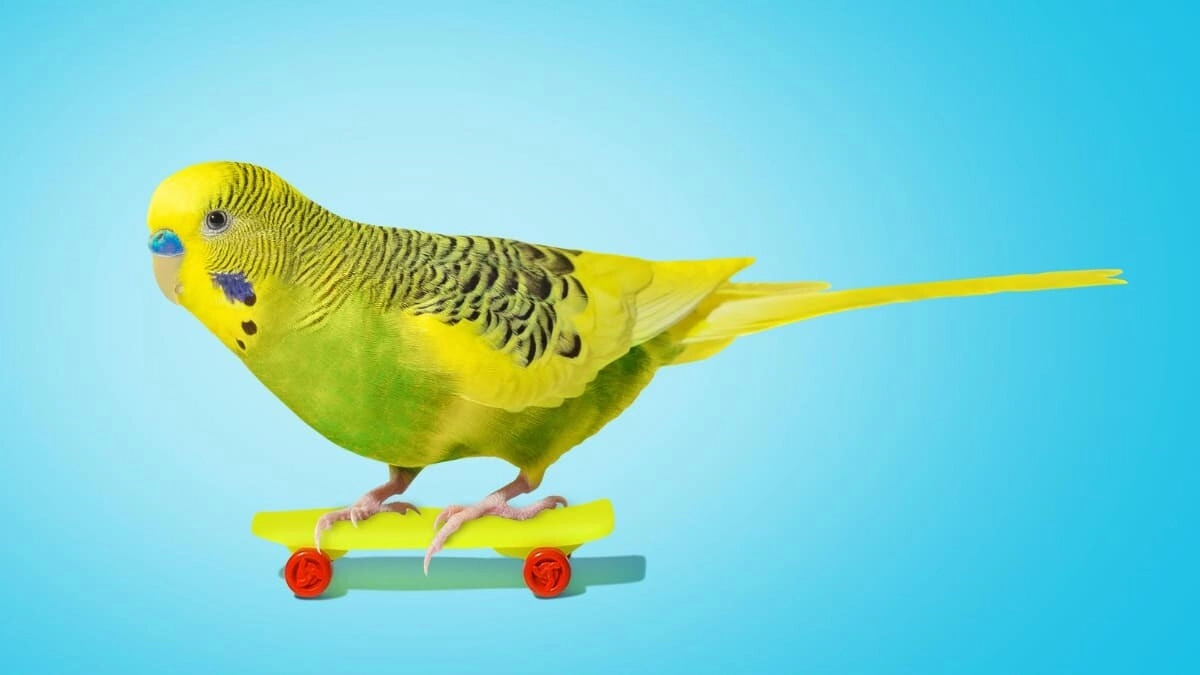
Warning: This content is for informational purposes only. The nutritional requirements of birds may vary depending on species, age, activity level, and general health status. For the most accurate guidance, you can consult your veterinarian. Why is Feed Selection According to Bird Species Important? Each bird species has a different metabolic rate, beak structure, and energy needs. When these biological differences are ignored when choosing bird feed, nutritional deficiencies are frequently encountered. As emphasized in the MSD Veterinary Manual, diets unsuitable for the species can lead to insidious weight problems or vitamin deficiencies that weaken the immune system in birds. Budgies Budgies are genetically predisposed to obesity. They love oily seeds like sunflower seeds. However, these foods should be given to them in a controlled manner. When choosing budgie food, products with low fat content and a balanced variety of seeds (white millet, yellow millet, red millet, etc.) should be preferred. Otherwise, the risk of fatty liver disease may increase.
Why is Feed Selection According to Bird Species Important?

Each bird species has a different metabolic rate, beak structure, and energy needs. When these biological differences are ignored when choosing bird feed, nutritional deficiencies are frequently encountered.
As emphasized in the MSD Veterinary Manual, diets unsuitable for the species can lead to insidious weight problems or vitamin deficiencies that weaken the immune system in birds.
Budgies
Budgies are genetically predisposed to obesity. They love oily seeds like sunflower seeds. However, these foods should be given to them in moderation. When choosing budgie food, products with low fat content and balanced seed variety (white millet, yellow millet, red millet, etc.) should be preferred. Otherwise, the risk of fatty liver disease may increase.
Kanaryalar
The feeding of canaries, which have a high metabolic rate, should be carefully planned. In canaries fed with only one type of seed, feather quality may deteriorate, singing performance may decrease, and overall vitality may decrease. Canary food should have a carbohydrate balance to meet the bird's high energy needs and fatty acids that support feather health.
Parrots
Thanks to their strong beaks, parrots can break all kinds of hard-shelled seeds. However, this does not mean that they can eat everything. Excessively fatty ingredients should be avoided in parrot foods.
Parrot feeding can be planned primarily with pellets and fresh vegetables; seeds and nuts should be added in moderation. Enrichment can help make the parrot's diet more balanced.
In summary, when choosing bird food, the difference between species should be considered first. A food chosen for the wrong species may seem to satisfy the bird in the short term, but it can disrupt the basic nutritional balance in the long term.
What Should and Shouldn't Be in Bird Food?
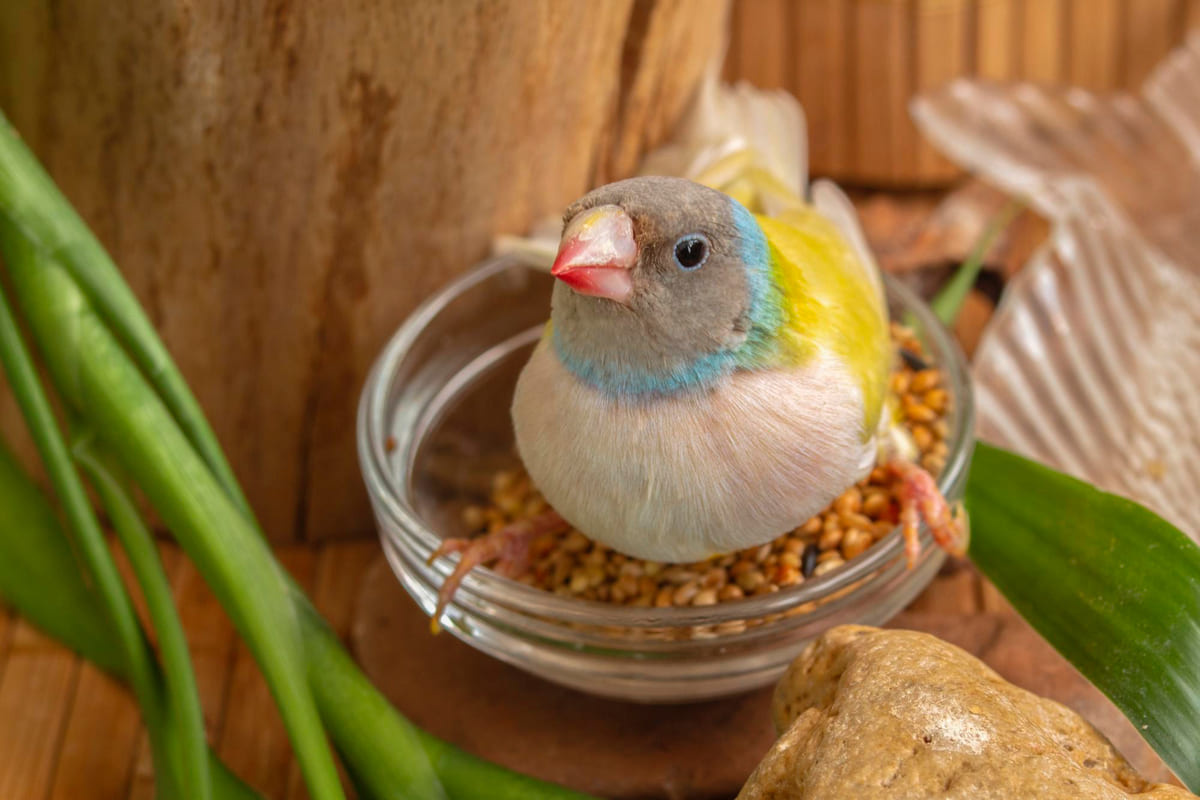
Bird owners are often undecided between packaged ready-made foods and their own homemade mixtures. As emphasized in Chewy Education resources, the quality of a bird food is measured by the ingredients and their proportions. At this point, developing the habit of reading labels is the most practical way to protect your bird from hidden dangers.
Requirements
- Rich seed variety: In nature, birds do not feed on a single type of seed. The feed should contain not only yellow millet, but also a balanced mixture of different seeds such as white millet, red millet, safflower, hemp, or oats. Different seeds offer different vitamin profiles.
Feeding only seeds should not be considered a long-term solution. Prepared feeds and fresh foods are important parts of the diet.
- Vitamin and mineral supplementation: Vitamins and minerals added to the feed are important, especially for birds living in a home environment away from sunlight and natural soil. The appropriate nutritional balance can positively affect immune functions. The decision and dosage of supplementation should be determined with the guidance of a veterinarian.
- Dust-free, natural ingredients: There should be no sediment or dust accumulating at the bottom of the feed package. Simple, clean formulas free from unnecessary chemicals are the safest for birds' sensitive respiratory and digestive systems.
Avoidable or Limited Content
- Excessive sunflower seeds: The answer to the question "Are sunflower seeds harmful to birds?" lies in the quantity. Due to their high fat content, excessive consumption can increase the risk of obesity and fatty liver disease. The amount should be limited in mixes.
- Colored dyes and sugar: Colored particles that appeal to the human eye are not nutritious for birds. On the contrary, artificial dyes and sugary ingredients strain the digestive system.
- Single type of seed: Continuously feeding a bird only one type of seed eliminates nutritional diversity and opens the door to serious vitamin deficiencies.
Warning: The order in the ingredient list is not random. The components that are most prevalent in the feed are listed first.
Are Ready-Made Bird Feeds or Mixed Feeds Healthier?
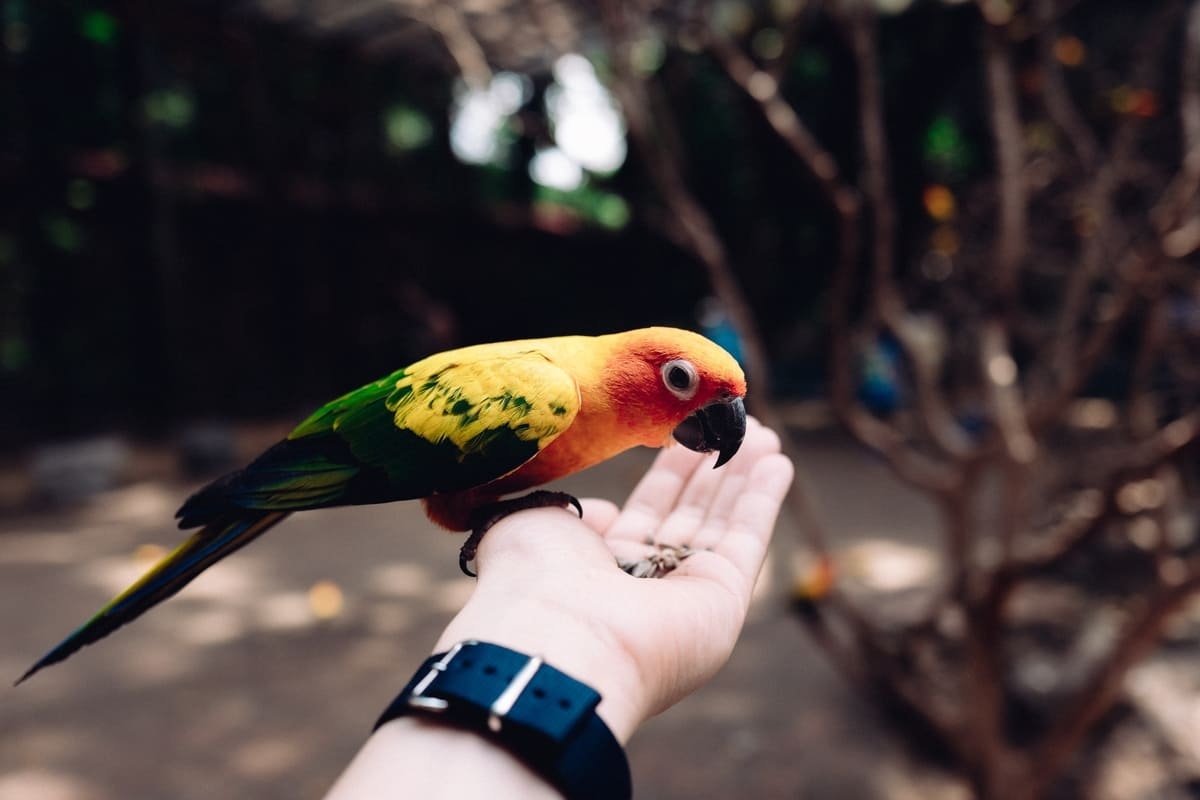
Bird owners are often undecided between packaged ready-made feeds and their own homemade mixes. At this point, the answer to the question "Which is better?" depends on the bird owner's experience and nutritional knowledge. According to VetPharmacy UK evaluations, the main criterion is the nutritional balance offered, rather than the method of preparation.
Packaged Ready-to-Eat Feeds: These are products whose content balance (protein, fat, vitamins) has been pre-formulated by experts.
- Advantage: Offers a standard nutritional value. It is a more controlled and safe option, especially for new bird owners.
- Caution: Not all packaged products are of the same quality. Reliable brands that do not contain powders, dyes, or excessive fillers should be preferred.
Homemade Mixtures: Obtained by individually selecting and mixing seeds according to the bird's taste and needs.
- Advantage: Offers high flexibility; the content can be changed instantly according to seasonal needs such as molting.
- Risk: This method requires serious nutritional knowledge. When ratios are adjusted randomly, an overdose of oilseeds and disruption of the bird's nutritional balance is a common mistake.
If you do not have professional knowledge about the nutritional values and mixing ratios of seeds, it may be a safer choice to start with proven, nutrient-rich packaged feeds.
How Do the Bird's Age, Health Status, and Environment Affect Feed Selection?

Bird feed selection is not a fixed decision. As the bird's life cycle changes, its nutritional needs also differ. As highlighted in PetMD's nutrition guide, factors such as age, molting, and activity level can make a feed that was perfect yesterday inadequate today.
Here are the critical periods requiring feed changes and what to pay attention to:
1. Age Factor (Juvenile vs. Adult): Young birds need much more protein and energy than adults during their growth and development processes. A standard feed for adult birds may be insufficient for a developing chick. During this period, chick feeds come to the forefront. Nutritionally rich mixtures or additional supplements such as egg food should be preferred.
2. Molting (Seasonal Change): Molting is the most tiring process for the metabolism of birds. The body rapidly consumes the vitamins and minerals in its stores to produce new feathers. Continuing with standard feeding during this period can lead to weakness in the bird and deterioration in feather quality. During molting periods, enriched feeds or supplements should be included in the diet.
3. Health and Weight Control: The feeding strategy should change during periods of illness or reduced activity. S063035 Sick Birds: Easily digestible, non-tiring feeds that support immunity should be preferred. Weight Problems: In birds showing signs of obesity, the proportion of oily seeds should be reduced. The diet should be balanced with lighter seeds and pellet feeds. Habitat and Activity: The calorie needs of a parrot that constantly flies in a large area are not the same as those of a budgie that spends most of the day in a cage. Giving high-energy feeds to inactive birds causes the unburned energy to be converted into fat. For cage birds, more balanced, low-fat standard mixes are the healthiest option. How Wrong Feed Selection Harms Your Bird?
- Sick Birds: Easily digestible, non-tiring, and immune-boosting feeds should be preferred.
- Birds with Weight Problems: In birds showing signs of obesity, the proportion of oily seeds should be reduced. The diet should be balanced with lighter seeds and pellet feeds.
4. Habitat and Activity: The calorie needs of a parrot that constantly flies in a large area are not the same as those of a budgie that spends most of the day in a cage. Feeding high-energy foods to inactive birds causes the unburned energy to be converted into fat. For cage birds, more balanced, low-fat standard mixes are the healthiest option.
How Wrong Feed Selection Harms Your Bird?

Incorrect feed selection often manifests its effects silently. Problems don't appear suddenly; they accumulate over time and can easily be overlooked amidst the daily hustle and bustle. As stated in the Merck Veterinary Manual, nutritional imbalances damage bird health in a domino effect.
The most common problems triggered by poor quality or incorrectly selected feeds can be listed as follows:
Excess Weight and Liver Problems: Continuously feeding high-fat seeds can cause significant weight gain, especially in birds living in cages at home with limited movement. Obesity can lead to shortness of breath, reluctance to fly, and an increased risk of liver problems.
Vitamin and Mineral Deficiency: If your bird is constantly fed only one type of seed, its body cannot obtain the necessary vitamins. This situation can weaken the immune system, leaving the bird vulnerable to even the simplest infections.
Deterioration in Feather Quality: A healthy bird's feathers are shiny and vibrant. If the feathers become dull, their colors fade, or they shed prematurely, inadequate nutrition may be the culprit.
Behavioral Disorders: Nutrition affects not only the body but also the psychology. Inadequately fed birds may exhibit signs of depression such as unexplained screaming, aggression, feather plucking, or excessive lethargy.
Frequently Asked Questions
In this section of our content, you will find answers to the most frequently asked questions about bird food selection.
How often should the bird food in the feeder be changed?
Birds leave seed husks in the feeder while eating. This can create a misleading appearance, making it seem as if the feeder is full. According to Merck Vet Manual recommendations, husks should be cleaned from feeders daily, but no food should be added until the feeder is completely empty.
Is it right to constantly feed the same bird food?
Using the same brand or ingredient continuously can create a habit in the bird, triggering selective eating behavior. PetMD recommends periodic and controlled ingredient changes to maintain nutritional balance. Of course, veterinarians will have the final say.
Caution: If you are going to change the brand or type of food, do not do it all at once. Mixing the old food with the new food gradually will prevent digestive problems.
How can I tell if my bird food has spoiled?
Spoiled food reveals itself through its smell and appearance. If you notice a sharp, sour, or stale smell when you open the package, do not use that food.
Visual signs: Seeds sticking together (indicating moisture), discoloration, mold, or webbing/insect infestation inside the package.
Bird's Reaction: According to All About Birds, if your bird suddenly rejects food it always eats, this could be a sign that the food has spoiled.
What should I do if my bird only picks out the foods it likes?
This is known as selective feeding and usually manifests itself when the bird eats the fattiest seeds in the mix and leaves the others. According to Bird Seed and Binoculars, the solution is portion control. Instead of filling the feeder to the brim, putting in only the amount of food the bird will eat daily encourages it to eat the other healthy seeds in the bowl as well.
Is it necessary to provide supplemental food besides bird feed?
While a quality feed meets the basic needs, dietary variety should also be offered to birds in the form of fresh foods. VCA Animal Hospitals states that fresh vegetables (broccoli, carrots, spinach) and limited fruit supplementation support vitamin intake naturally.
Kaynaklar:
https://www.petmd.com/bird/pet-bird-food-seeds-vs-pellets
https://www.petmd.com/bird/feeding-birds-in-your-backyard
https://www.petmd.com/bird/nutrition/how-feed-bird-properly-0
https://www.chewy.com/education/bird/feed-and-nutrition/seeds-vs-pellets
https://www.vetpharmacy.co.uk/blog/bird-food/
https://www.msdvetmanual.com/bird-owners/choosing-and-taking-care-of-a-pet-bird/feeding-a-pet-bird
https://www.merckvetmanual.com/exotic-and-laboratory-animals/pet-birds/management-of-pet-birds
https://vcahospitals.com/know-your-pet/fruits-and-vegetables-in-bird-diets
https://www.allaboutbirds.org/news/types-of-bird-seed-a-quick-guide/
https://birdseedandbinoculars.com/wordpress/choosing-seed-for-backyard-birds/
https://www.birdscanada.org/choosing-the-right-feeder-and-seed-a-guide-to-keeping-backyard-birds-healthy
https://www.fortwhyte.org/bird-seed-guide/
https://www.audubon.org/magazine/how-feed-birds-safely-winter
https://www.massaudubon.org/nature-wildlife/birds/bird-feeding
Advertisement
Advertisement
Keep exploring
Continue reading
Bird Care
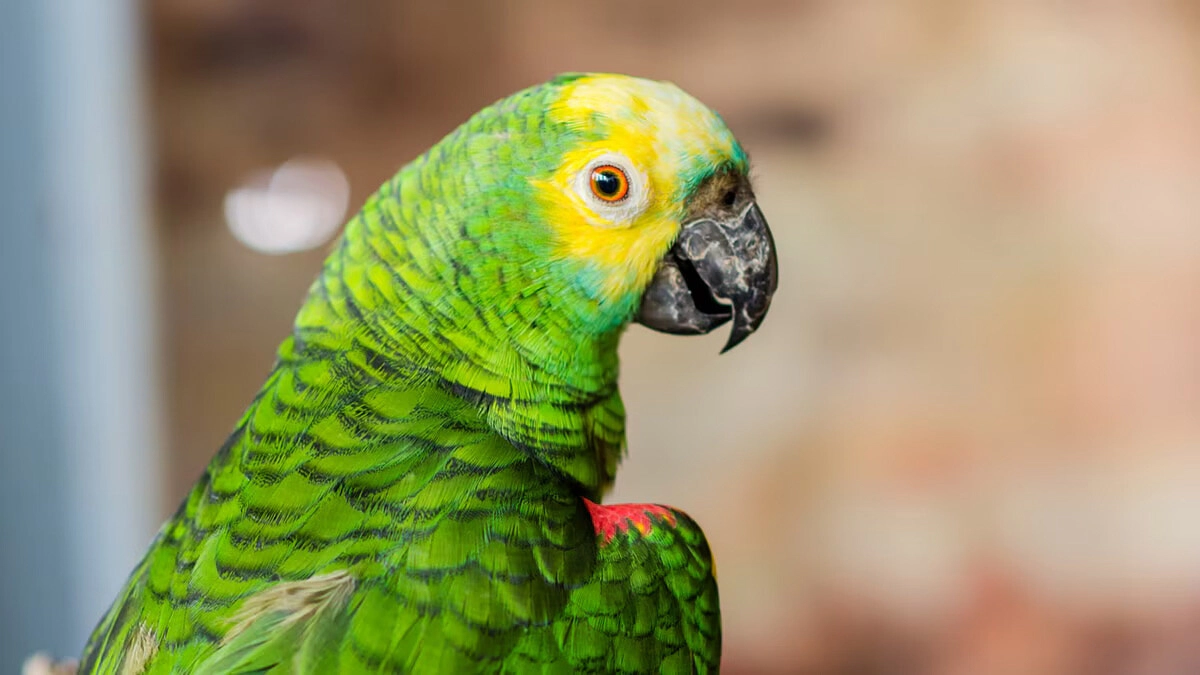
Comprehensive Guide to Amazon Parrot Care, Feeding and Training
Caring for an Amazon Parrot isn't as simple as putting food in the cage, keeping an eye on the water, and getting through the day.
Read guide →
Bird Care
Canary Characteristics, Care and Feeding
If you want a cheerful, loving, and lively energy in your home, canaries can start a wonderful change in your life.
Read guide →
Bird Care
Common Misconceptions About Bird Care: Debunking Myths with Scientific Facts
We can only understand how sensitive and special pet birds are when we own them. The chirping of a budgie or the affectionate gaze of a parrot gives…
Read guide →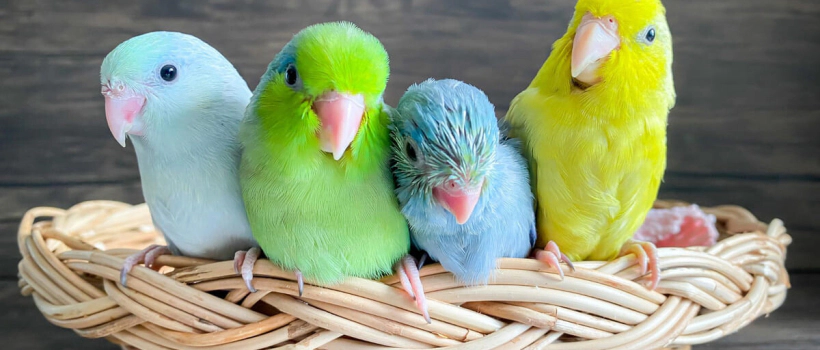
Bird Care
Forpus Parrot Characteristics, Care and Feeding
Forpus parrots, one of the smallest and cutest members of the parrot world, Forpus is a group that is often misunderstood in scientific classification.
Read guide →