Daily Fluid Needs of Cats: How Much? How to Meet Them?
Water consumption is critically important for the health and happiness of our pet cats. Cats naturally have low water consumption habits, so it is important to carefully monitor whether they are consuming the ideal amount of fluids.

Advertisement
Water consumption is critically important for the health and happiness of our pet cats. Cats naturally have low water consumption habits, so it is important to carefully monitor whether they are consuming the ideal amount of fluids. Otherwise, dehydration and dehydration-related health problems may occur in cats. Although it is not always easy for cats to get the ideal amount of fluids, water consumption in cats can be increased with the right steps. The subject of this article is exactly this: "What is the daily fluid requirement of cats?" and "What can be done to increase the fluid consumption of cats?" Here are the answers to your questions…
How Much Fluid Do Cats Need Daily?
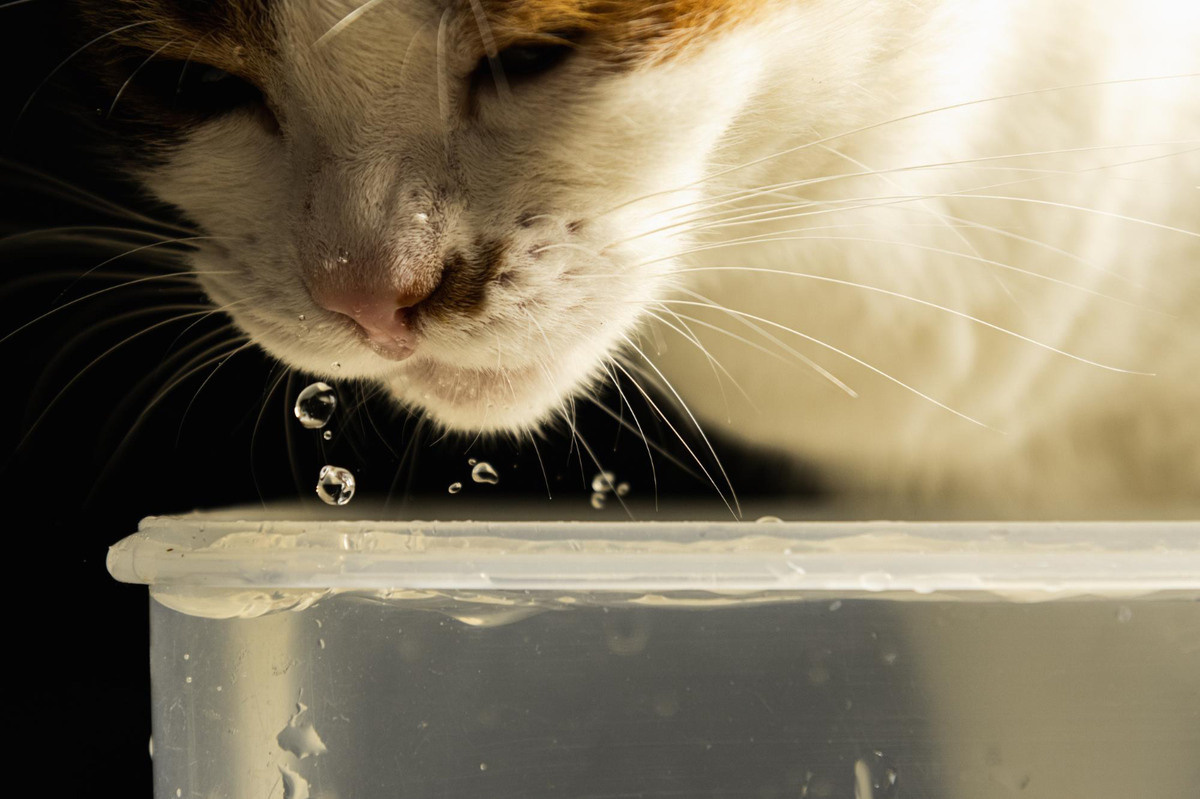
The fluid needs of cats depend on their weight, age, activity level, diet, and season. An average cat should consume approximately 5-10% of its body weight in water daily. This rate varies between 200-400 ml for a 4 kg cat. However, this amount may vary depending on the food the cat consumes and environmental factors.
Cats generally drink approximately 118 ml of water for every 2.27 kilograms of body weight. So, a 4.5 kilogram cat consumes an average of 236 ml of water per day. Larger cats and very active cats may drink more water than smaller or less active cats. Some cats naturally drink very little water, while others prefer to drink water more frequently. While cats that eat wet food meet part of their water needs from this food, cats that eat dry food have a greater need for water. This need may also increase in hot weather or during physical activity. Consulting your veterinarian is the best way to understand your cat's individual fluid needs. For detailed information, you can read our article titled "How Much Water Should Cats Consume?".
Fluid Needs of Kittens
Kittens need more fluids during periods of rapid growth. Their need for water increases when they are weaned from their mother's milk. Kittens should have easy access to clean water, and it is preferable to feed them kitten food with a high moisture content.
Water bowls that will attract the attention of kittens can be used to encourage water consumption. Since the energetic activities of kittens can increase water loss, water bowls should be refilled regularly and cleaned frequently. Dehydration in kittens can weaken their immune systems and lead to growth problems. Your veterinarian can recommend an appropriate feeding and hydration plan to meet your kitten's fluid needs. You can find helpful information in our article, 6 Ways to Encourage Water Consumption in Kittens. Fluid Needs of Adult Cats Fluid needs in adult cats generally depend on the type of food they consume. Since dry food has a very low moisture content, cats that eat dry food should be encouraged to drink more water. Cats that eat canned or wet food can meet some of their fluid needs from these foods. However, these cats should also be provided with an additional source of water. Adult cats are generally attached to their routines and may reduce their water intake when the location of their water bowl changes. To ensure consistency in fluid intake, it is important to keep the water bowl in a fixed location and clean it regularly. To increase your cat's fluid intake, you can opt for automatic water fountains or mobile water bowls.
Fluid Requirements of Adult Cats
The fluid needs of adult cats generally depend on the type of food they consume. Since dry food has a very low moisture content, cats eating dry food should be encouraged to drink more water. Cats eating canned or wet food can meet some of their fluid needs from these foods. However, these cats should also be provided with an additional source of water.
Adult cats are generally attached to their routines and may reduce their water intake when the location of their water bowl changes. To ensure consistency in fluid intake, it is important to keep the water bowl in a fixed location and clean it regularly. You can use automatic water fountains or movable water bowls to increase your cat's fluid intake.
Fluid Needs of Senior Cats
Fluid needs in senior cats become even more important due to possible changes in kidney function. When water consumption decreases, the risk of urinary tract diseases and kidney problems may increase. To ensure senior cats consume more water, attention should be paid to the freshness of the water, and various fluid supplements and wet food options should be offered.
Alternative fluids such as low-sodium broth can be used to increase hydration in senior cats. Having water bowls in an easily accessible location is critical for senior cats with reduced physical activity.
How to Meet Cats' Fluid Needs?
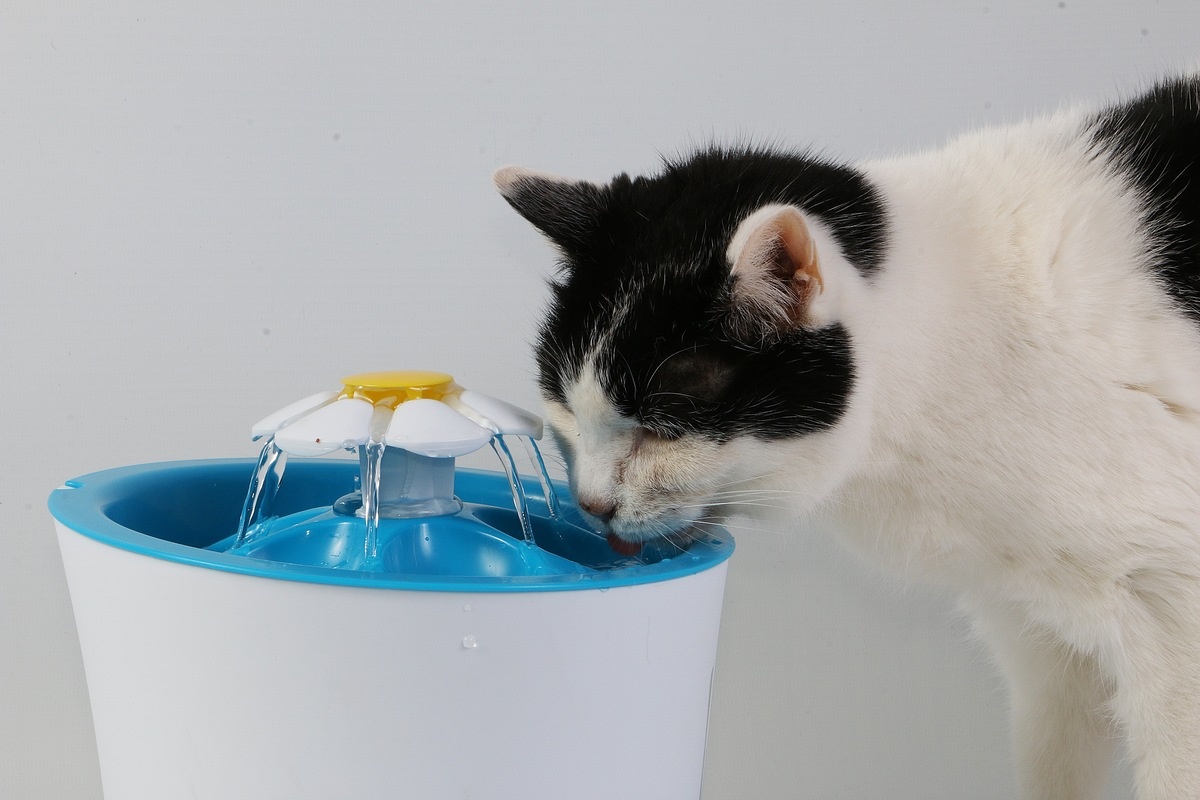
One of the most basic ways to meet cats' fluid needs is to always provide fresh, clean water. To encourage cats to drink water, ways to make them more interested in water can be sought. Flowing water sources generally attract cats' attention and can increase their water intake. Therefore, moving water sources such as water fountains can be preferred.
It is also important to pay attention to cats' food preferences. Wet food, in particular, can contribute to cats' fluid intake due to its high moisture content. Since it may be more difficult for a cat to meet its daily water needs if fed only dry food, it is recommended to plan a balanced diet with both types of food. Of course, what needs to be done to meet cats' fluid needs is not limited to these. Here are the details…
Wet and Canned Cat Foods Increase Fluid Intake
Wet food plays an important role in meeting cats' fluid needs. Wet foods contain 70-80% water and support cats' naturally low water drinking habits. Wet food is a nutritious and hydrating option, especially for kittens and senior cats. Canned foods can be incorporated into the daily feeding routine.
A balanced combination of wet and dry food can increase your cat's fluid intake. Your veterinarian can help you make the right choice by recommending food suitable for your cat's age and health condition. At this point, the hygiene of the food bowl is also important. A clean food bowl can have a positive effect on appetite. You can support your pet's health by reading our article on How Should Cat Food and Water Bowls Be Cleaned?
Water Bowls/Stations for Cats Encourage Fluid Intake
Appropriate water bowls should be chosen to improve cats' drinking habits. Ceramic or stainless steel bowls are healthier than plastic bowls and do not alter the taste of the water. Automatic water dispensers can increase water consumption by attracting cats' attention. To learn about the importance of water fountains for cats, you can read our blog post titled "What Does a Cat Water Fountain Do? Advantages in Feeding Cats at Home".
Water stations placed in different parts of the house can also help your cat drink more water. As always, regular cleaning of the bowls should not be neglected. This prevents bacterial growth and ensures the water stays fresh.
You can try different water bowls to understand your cat's individual preferences. Moving water sources can stimulate your cat's natural hunting instincts, encouraging them to drink more water.
Using Fluid Supplements Ensures Fluid Needs are Met
Special fluid supplements can be used to increase fluid intake in cats. In fact, nutritional supplements that support water intake have become increasingly popular recently. Pro Plan Feline Hydra Care Nutritional Supplement for Cats, which supports water intake, is specially formulated for adult cats. It offers an effective solution, especially for cats that refuse to drink water or consume insufficient fluids. Studies have shown that this Pro Plan fluid nutritional supplement supports hydration and also helps dilute urine.
Thanks to its low calorie content, it helps maintain weight balance, while its taste, which wins the hearts of gourmet cats, also contributes to supporting hydration. You can check out Pro Plan Hydra Care Water Supplement for Cats 85g (10-pack) to support your cat's daily fluid intake and benefit from a 100% original product guarantee to support your cat's health.
Seasonal Precautions Should Be Taken
Temperature and seasonal changes can affect cats' fluid needs. Cats need more water in the summer months and may consume less in the winter months. It is important to check the water bowl frequently and ensure that clean water is constantly available according to the seasons. In addition, humidifiers that increase the humidity level in the home environment can indirectly contribute to your cat's hydration. If you use an air conditioner or heater in your home, you may think that your cat needs more water. Adding a few ice cubes to the water bowls can attract your cat's attention in the summer months. In winter months, it is necessary to check the water bowls to ensure that the water does not freeze. By taking environmental factors into account, you can ensure that your cat gets enough fluids in every season.
Offer Flavored Drinks
Some cats may enjoy consuming natural liquids such as fish oil-enriched water or chicken broth in addition to water. These types of liquids can be an alternative when the cat refuses to drink water. However, care should be taken to ensure that the liquid given is unsalted and unspiced. You can offer special liquids that are compatible with your cat's feeding routine. Alternative liquids may attract your cat's attention and increase its fluid intake. When using these special drinks, you need to make sure that they meet all of your cat's nutritional needs.
In addition to all of this, as we frequently emphasize, keeping water bowls clean and constantly refreshing the water can also increase water consumption in cats. By observing your cat's tendencies, you can easily find the most efficient way specifically for it.

How Do You Know If Your Cat's Fluid Needs Are Being Met?
To determine if your cat is drinking enough water, you can pay attention to the amount of urine, the shine of its fur, and the elasticity of its skin. Cats that urinate more than once a day, have shiny fur, and healthy skin are generally getting enough fluids.
To check skin elasticity, gently lift your cat's neck; if the skin quickly returns to its original state, fluid intake is sufficient. Changes in your cat's behavior can also help you understand its hydration level. Insufficient fluid intake can manifest itself with symptoms such as lethargy and decreased activity.

Frequently Asked Questions About Cats' Fluid Needs
Supporting your cat's fluid intake is of great importance in maintaining its overall health. By paying attention to factors such as daily feeding routine, living environment, and activity level, it is possible to consistently maintain your cat's fluid balance. In this section of our content, you can discover the answers to frequently asked questions about cats' fluid needs.
How much water should cats drink?
Cats' daily water consumption varies depending on their age, health status, diet, and environmental conditions. Cats that eat wet food generally need less extra water as they get most of their water needs from their food, while cats that eat dry food need more water.
To understand if your cat is drinking enough water, you can observe changes in its water bowl and pay attention to signs such as dry mouth, lethargy, or constipation. To increase water intake, you can keep the water bowl clean and fresh, use moving water sources, or increase the amount of wet food or fluid supplements. In cases of excessive or insufficient water consumption, a veterinarian should be consulted.
What should I do if my cat isn't drinking enough water?
If your cat isn't drinking enough water, you can try a few effective ways to increase its water intake. First, you can encourage your cat by cleaning its water bowl daily and filling it with fresh water, as cats may reject stale water. Placing ceramic or glass water bowls in different rooms and ensuring easy access to water is also helpful.
You might consider using a cat water fountain, as they may be attracted to moving water sources. You can also add more fluids to your cat's diet by increasing its wet food intake. Adding a small amount of unsalted and unspiced chicken broth can also make drinking water more appealing. You can reinforce this behavior by rewarding your cat when it starts drinking water. However, if water intake is still low or you observe signs of dehydration, you should definitely consult a veterinarian.
How to increase fluid intake for a cat fed dry food?
To increase fluid intake in cats fed dry food, you can keep their water bowl clean and fresh, place it in easily accessible locations, and opt for glass or ceramic bowls, or, as we emphasized earlier, water fountains. If insufficient fluid intake continues or you observe signs of dehydration, you should definitely consult a veterinarian.
Why do cats refuse to drink water?
There can be several common reasons why cats refuse to drink water. Since desert cats, the ancestors of modern cats, obtained most of their water from their prey, domestic cats naturally have a small instinct to drink water. The location or type of water bowl can also affect this behavior: Cats prefer their water bowls to be clean, wide-mouthed, and in a quiet place.
Some cats, however, do not like stagnant water and prefer moving water sources. Factors such as odors in the water bowl, stale water, or the proximity of a food bowl can also cause cats to avoid drinking water. Additionally, certain health problems can reduce a cat's water intake. In these cases, it's important to consult a veterinarian.
How do I know if my cat is dehydrated?
To understand if your cat is dehydrated, you can look for the following signs:
Decreased Skin Elasticity: If you gently pull and release the skin on your cat's neck and it slowly returns to its original state, it may be a sign of dehydration.
Dry Mouth and Gums: Gums should be shiny and moist; a dry or sticky appearance is a sign of dehydration.
Decreased Urine Production: A decrease in the amount of urine observed in the litter box or difficulty urinating may be associated with dehydration.
Lethargy and Loss of Appetite: Energy levels may drop and appetite may decrease due to dehydration.
Sunken Eyes: Sunken eyes are a sign of severe dehydration.
If you observe one or more of these symptoms in your cat, you should consult a veterinarian immediately to prevent serious health problems.
Do older cats have different fluid needs?
Yes, older cats may need more fluids because various chronic diseases, especially kidney problems, are more common in them. If you are experiencing a similar situation, it is best to consult your veterinarian. This will allow you to create a hydration plan specific to your cat's overall health.
Could there be a problem if my cat drinks too much water?
Unfortunately, yes. Excessive water consumption can be a symptom of health problems such as diabetes, kidney disease, or hyperthyroidism. In this case, a veterinary check-up is necessary.
Can cats drink other liquids instead of water?
The best liquid for cats should be clean water. However, as we mentioned before, fluid supplements that support hydration can also be used to support fluid intake. Veterinary recommendations should be considered during the decision-making process.
Kaynak:
https://stud.epsilon.slu.se/16993/1/Alipourmazandarani_F_210701.pdf
https://www.theveterinarynurse.com/content/clinical/moisture-matters-a-focus-on-feline-hydration/
https://www.vet.cornell.edu/departments-centers-and-institutes/cornell-feline-health-center/health-information/feline-health-topics/hydration
https://www.preventivevet.com/cats/how-much-water-cats-need-tips-for-preventing-dehydration
https://vetfocus.royalcanin.com/en/scientific/the-water-requirements-and-drinking-habits-of-cats
https://catwaterfountains.com.au/blogs/news/cat-water-intake-calculator
https://nowfresh.com/en/blog/how-much-water-should-a-cat-drink
https://www.petmd.com/cat/symptoms/why-my-cat-drinking-lot-water
https://www.purina.co.uk/cat/cat-food/product-proplan-veterinary-diets-hydration-wet-pouch
Advertisement
Advertisement
Keep exploring
Continue reading

Cat Lifestyle & Guides
What is Cat Soup? Is it Beneficial for Cats?
If your cat rarely visits its water bowl, is sometimes reluctant to eat dry food, or shows interest in different textures, liquid products may catch…
Read guide →
Cat Lifestyle & Guides
How to Give Rewards and Snacks to a Neutered Kitten?
The Feline Veterinary Medical Association supports neutering kittens until they are five months old.
Read guide →
Cat Lifestyle & Guides
Benefits of Colostrum for Cats and Dogs
Colostrum is the first milk produced by mother cats and dogs after birth. Thanks to its antibodies and high nutrient content, it responds to the…
Read guide →
Cat Lifestyle & Guides
Why is Gut Health Important in Cats?
In cats, bowel health is linked to many areas, from digestive regularity and immune system-related processes to energy levels and daily comfort.
Read guide →