Dental Health and Its Importance in Dogs
Dental health in dogs is often Bad breath doesn't become a concern until it's noticed. However, the problem often begins before the odor: Plaque adhering to the tooth surface, bacteria accumulating at the gum line, and tartar that hardens over time can create a slowly progressing problem in the…

Advertisement
Dental health in dogs is often Bad breath doesn't become a concern until it's noticed. However, the problem often begins before the odor: Plaque adhering to the tooth surface, bacteria accumulating at the gum line, and tartar that hardens over time can create a slowly progressing problem in the mouth. This process is more difficult to notice because dogs tend to hide their pain. A dog that continues to eat may still have gum inflammation, increased tartar buildup, or discomfort while chewing. Therefore, oral health cannot be reduced solely to the clean appearance of teeth. This article explains the stages of dental disease in dogs, what symptoms to look for at home, why brushing teeth is considered basic care, and when a veterinary check-up should not be delayed. Warning: This content is for general informational purposes only. It does not replace diagnosis and treatment. You can consult a veterinarian to protect your dog's oral health and to diagnose potential health problems early.
This process is more difficult to notice because dogs tend to hide their pain. A dog that continues to eat may still have gum inflammation, increased tartar buildup, or discomfort while chewing. Therefore, oral health cannot be reduced solely to the clean appearance of teeth.
In this article, you can find information about the stages of dental disease in dogs, the symptoms to watch for at home, why brushing teeth is considered basic care, and when a veterinary check-up should not be delayed.
Warning: The content is for general informational purposes only. It does not replace diagnosis and treatment. You can consult a veterinarian to protect your dog's oral health and to diagnose potential health problems early.
How Does Dental Disease Begin and Why Does It Progress in Dogs?

Dental disease in dogs progresses in successive stages, and each stage has a different degree of reversibility. The process begins with plaque formation; this soft, pale yellow layer of bacteria and food particles adheres to the tooth surface and can be removed with regular cleaning.
When plaque remains, it hardens and mineralizes, turning into tartar, also known as dental calculus. This hard buildup makes it easier for new plaque to adhere, and brushing a dog's teeth at home is insufficient at this stage, requiring professional dental cleaning.
The Merck Veterinary Manual describes the condition as progressing in two ways. In gingivitis, also known as gum inflammation, the gums become red, swollen, and prone to bleeding on contact. In this case, the ligaments holding the tooth and the bone are not yet affected, so this stage is largely reversible with proper care. In periodontitis, also called advanced gum disease, the gums, ligaments, and surrounding bone are permanently damaged. The damage in this final stage is irreversible. Some dogs are more prone to gum disease. Small breeds tend to have more problems with advanced gum disease than large breeds. Back teeth are affected more often than front teeth, and upper teeth more often than lower teeth. Gum inflammation is usually noticed around the age of two, while the advanced stage is more often observed between the ages of four and six. How Does Dental Health Affect a Dog's Overall Health? The negative effects of oral problems may not be limited only to chewing function. Bacteria in plaque can enter the bloodstream and reach organs such as the heart, kidneys, and liver.
In periodontitis, also called advanced gum disease, the gums, ligaments, and surrounding bone are permanently damaged. This final stage of damage is irreversible.
Some dogs are more prone to gum disease. Small breeds tend to experience more problems with advanced gum disease than large breeds. Back teeth are affected more often than front teeth, and upper teeth more often than lower teeth. Gum inflammation is usually noticed around the age of two, while advanced stages are more commonly observed between the ages of four and six.
How Does Dental Health Affect a Dog's Overall Health?

The negative effects of oral problems may not be limited to chewing function alone. Bacteria in plaque can enter the bloodstream and reach organs such as the heart, kidneys, and liver.
The entry of bacteria into the bloodstream is called bacteremia. In advanced oral infections, this condition is reported to increase risks related to general health. This relationship is not established in the same way in every dog. Age, existing diseases, and oral findings should be evaluated together.
In addition to the effect on general health, oral problems also determine the quality of life of the dog. Weakening of tooth support can lead to tooth loss and significant pain. Halitosis, also known as bad breath, is often a sign of an underlying problem. A healthy mouth helps prevent each of these consequences.
Bad odor, loss of appetite, or bleeding gums; each of these can be caused by different reasons. Symptoms of oral and dental problems in dogs should be considered together with the dog's age, breed, and general condition.
What are the Signs of Dental Problems in Dogs?

Regular observation at home is the most practical way to catch the problem early. Checking the teeth and gums every few weeks can make it easier to notice any changes in the mouth. Of course, it is also necessary to know what is ideal:
Healthy gums are pink. A white, red, or swollen appearance may require a veterinary check.
Teeth are expected to be clean and free of brown tartar buildup.
A noticeable, unpleasant bad breath is also a common sign of dental disease.
Because dogs can hide their pain, toothache or inflammation may go unnoticed for a long time. Unusual irritability, lethargy, and loss of appetite in a dog can be a sign of an oral problem. Important: If you notice symptoms such as bleeding gums, facial swelling, reluctance to eat when the mouth is touched, dropping food, or decreased appetite, consult a veterinarian immediately. Since dogs mask pain, the problem is often advanced by the time these signs appear. Early intervention helps prevent pain and more serious consequences. How to Care for Dogs' Dental Care at Home? The basis of at-home dog dental care is regular brushing. A large-scale study published in the journal Frontiers in Veterinary Science identifies daily brushing as the gold standard in preventing periodontal disease in dogs.
Important: Seek immediate veterinary attention if you notice any of the following: bleeding gums, facial swelling, reluctance to eat when the mouth is touched, dropping food, or decreased appetite. Because dogs mask pain, these signs often mean the problem is already advanced. Early intervention helps prevent pain and more serious consequences.
How to Care for Dogs' Teeth at Home?
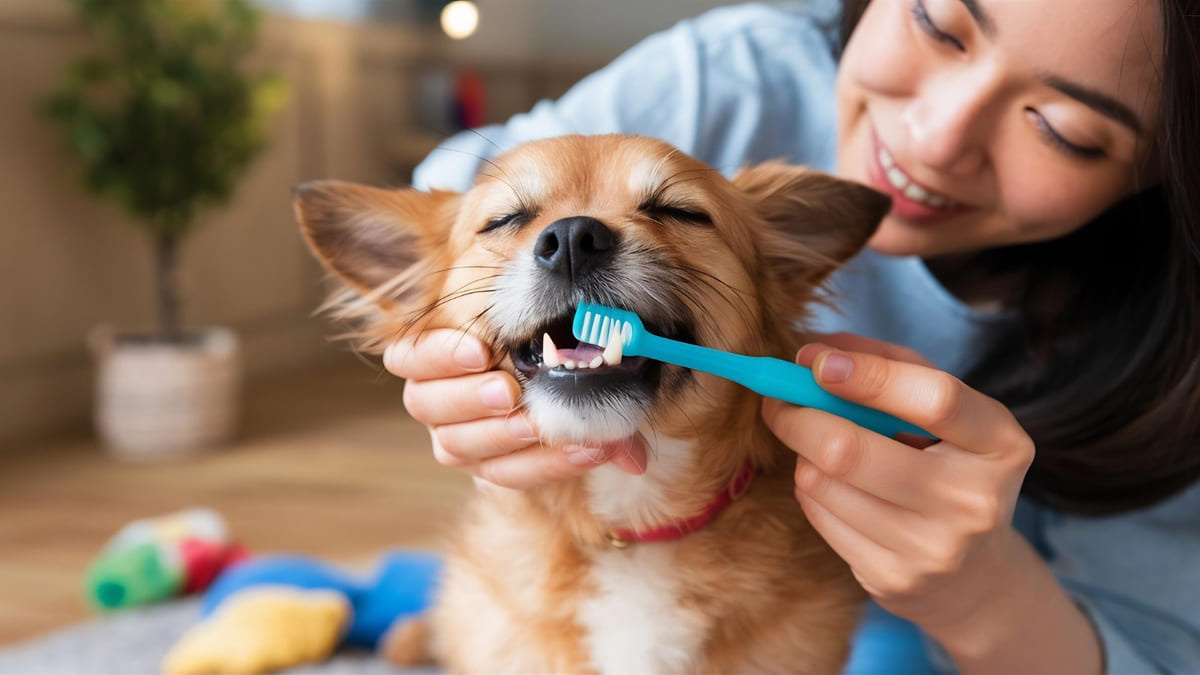
The foundation of at-home dog dental care is regular brushing. A large-scale study published in the journal Frontiers in Veterinary Science identifies daily brushing as the gold standard in preventing periodontal disease in dogs.
Raising awareness about common misconceptions regarding canine dental care is just as important as performing dental care itself. For example, the idea that chewing bones or natural feeding cleans teeth is frequently mentioned. However, supporting evidence for preventing periodontal disease is limited.

On the contrary, chewing hard objects like bones has been associated with an increased risk of tooth fractures; traumatic tooth fractures are reported in up to 26% of dogs. Similarly, chewing carrots has not been shown to have a positive effect on gum health. While there are products that can help control tartar to some extent, these products do not replace brushing; they complement it. Regular brushing as much as possible, choosing dog-specific products, and selecting independently proven effective chewing products are a meaningful starting point. When choosing products, dog treats known for their mechanical properties that help reduce plaque and tartar formation can be preferred. Is Professional Dental Care Necessary for Dogs? Regular professional check-ups are as important as home care for maintaining the dental health of dogs. The general approach is to have at least one oral and dental examination per year for dogs. The frequency of professional cleaning is determined according to tartar accumulation, signs of periodontal disease, age, breed, and the veterinarian's examination results.
Regular brushing as much as possible, using dog-specific products, and choosing independently proven effective chewing products are a meaningful starting point. When choosing products, dog treats known for their mechanical properties that help reduce plaque and tartar formation can be preferred.
Is Professional Dental Care Necessary for Dogs?

Regular professional check-ups are as important as home care for maintaining the dental health of dogs. The general approach is to have at least one oral and dental examination per year for dogs. The frequency of professional cleaning is determined according to tartar buildup, signs of periodontal disease, age, breed, and the veterinarian's examination results.
Before the procedure, the dog's health status is checked, and if necessary, additional tests are performed to ensure the safety of anesthesia.
The reason professional cleaning is performed under anesthesia is that the area below the gum line can also be cleaned. The veterinarian, just like a dentist, examines and records each tooth individually, and investigates problems that are not visible to the naked eye with the help of probes and X-rays.
Teeth are cleaned and polished above and below the gum line; fluoride application and a protective layer may be added to reduce plaque buildup in the future. It is a common approach to start the treatment around one year of age in small breeds and two years in large breeds.
Recovery after the procedure varies from dog to dog. Most dogs begin to recover from the effects of anesthesia within a few hours, but full recovery can take 24-48 hours in some cases. During this time, lethargy and temporary loss of appetite may occur. These are expected effects, however, it is advisable to contact your veterinarian in case of anything unusual.
What You Need to Know About Dog Oral and Dental Health
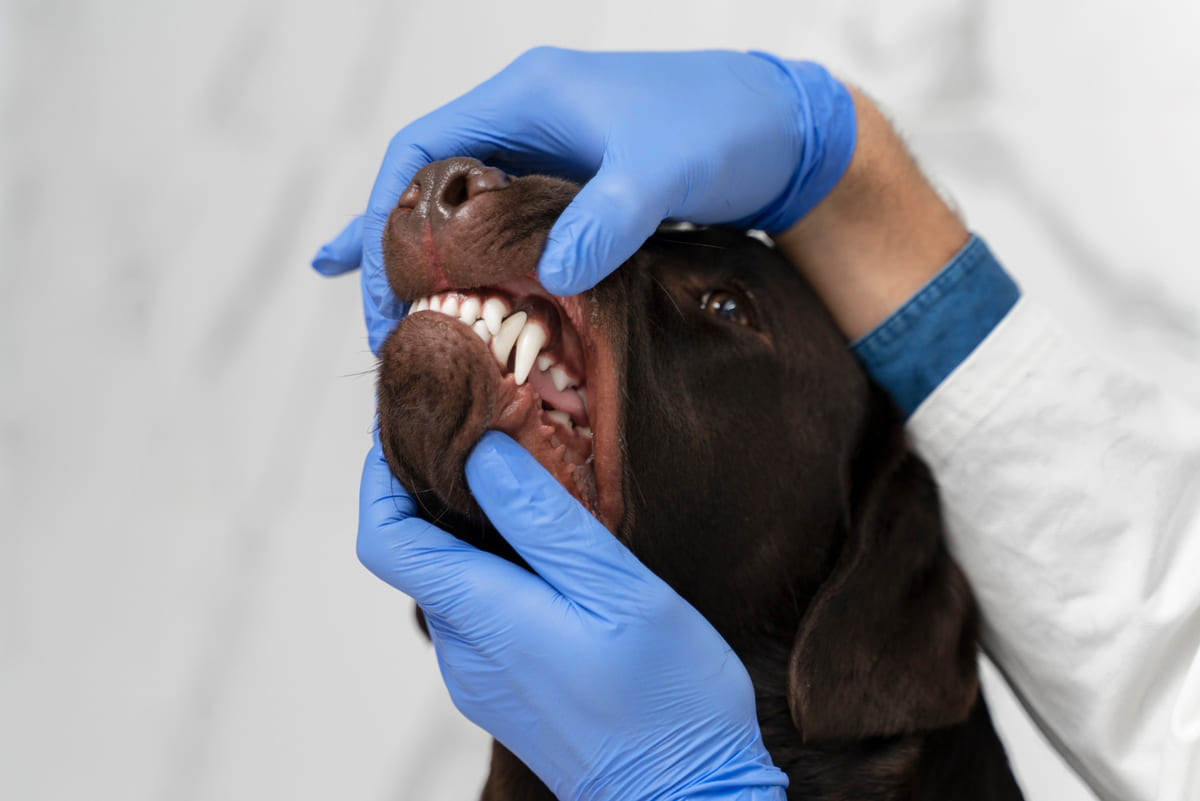
A dog's oral health is an invisible but real part of the decision to adopt. The following headings will help you weigh the responsibility correctly from the start:
- Small breeds may be more prone to dental problems.
- Regular brushing is a habit, and getting your dog used to having its mouth touched at a young age makes this habit easier.
- Professional cleaning under anesthesia is a cost item; those considering adopting a dog are advised to accept this cost from the outset.
- Checking for baby teeth, bite irregularities, and missing or extra teeth is valuable during puppyhood.
- Professional cleaning alone, without home care, largely provides only temporary results. Ideally, both home care and periodic professional cleaning should be carried out together.
Important: Oral and dental health in dogs can progress in different directions depending on whether a small layer of plaque is regularly controlled or not. Home observation and brushing, when combined with veterinary examination, helps in the early detection of problems. If bad breath, bleeding, difficulty chewing, or swelling in the facial area are noticed, a professional evaluation should be sought instead of waiting.
Frequently Asked Questions

How often should a dog's teeth be brushed?
Ideally, dogs' teeth should be brushed every day. If your dog doesn't allow brushing, wiping their teeth with dog dental care products can also help remove some plaque. Gradually getting your dog used to it is more effective than forcing them to maintain consistency.
Can toothpaste made for humans be used on dogs?
No. Toothpastes sold for human use are not suitable for dogs. Therefore, dog toothpastes formulated specifically for dogs, ensuring they won't cause problems if swallowed, should be preferred.
Does chewing bones really clean a dog's teeth?
The evidence on this is limited and controversial. While there are small studies suggesting that chewing may reduce tartar somewhat, there is no strong evidence that it prevents periodontal disease. Hard marrow bones can also lead to tooth fractures, so caution is extremely important.
Do dogs get tooth decay?
Tooth decay is rare in dogs. While decay is the most common dental problem in humans, the main issue in dogs is gum disease. When decay occurs, it usually appears as small pits on the chewing surfaces of the back teeth.
Why is professional dental cleaning performed under anesthesia?
In professional cleaning, the area below the gum line needs to be safely assessed. Anesthesia allows the veterinarian to examine each tooth individually, assess bone support with X-rays if necessary, and perform the cleaning procedure more controllably for the dog.
References
https://www.petmd.com/news/view/5-reasons-why-dog-dental-care-important-38003
https://www.akcchf.org/disease-history/dental-health-for-dogs/
https://www.madisonparkvet.com/site/blog/2023/04/19/dog-dental-care
https://www.webmd.com/pets/dogs/tips-better-dental-health-dogs
https://www.merckvetmanual.com/dog-owners/digestive-disorders-of-dogs/dental-disorders-of-dogs
https://www.aaha.org/wp-content/uploads/globalassets/02-guidelines/dental/aaha_dental_guidelines.pdf
https://www.aaha.org/resources/2019-aaha-dental-care-guidelines-for-dogs-and-cats/resource-center/
https://avdc.org/
https://avdc.org/veterinary-oral-health-council/
Brunius Enlund K, Pettersson A, Eldh AC. Dog Owners' Ideas and Strategies Regarding Dental Health in Their Dogs. Frontiers in Veterinary Science, 2022: https://pmc.ncbi.nlm.nih.gov/articles/PMC9113195/
Advertisement
Advertisement
Keep exploring
Continue reading

Dog Lifestyle & Guides
The Unseen Risks of Excess Weight in Small Breed Dogs
Small breed Weight gain in dogs sometimes progresses unnoticed. Extra food added to the food bowl, treats given during the day, food offered from the…
Read guide →
Dog Lifestyle & Guides
Hachiko: The True Story and Monument of the Dog Symbolizing Loyalty
The crowd gathered in front of the Hachiko statue in Shibuya shows that a wait that began years ago is not forgotten today.
Read guide →
Dog Lifestyle & Guides
Nasal Discharge in Dogs
If your dog has a runny nose, the first question that usually comes to mind is: Is this normal, or is there something I should be concerned about?
Read guide →
Dog Lifestyle & Guides
5 Exercise Suggestions for Overweight Dogs
Excess weight in dogs is a health problem that increases the load on the joints, reduces respiratory capacity, and silently lowers the quality of…
Read guide →