Diseases Transmitted from Dogs to Humans
It has been a frequently mentioned fact for many years, and supported by various studies, that dogs have many psychological and physical benefits for the people who live with them. First and foremost, the love they show us and the friendship they demonstrate make us feel better, while the benefits…

Advertisement
It has been a frequently mentioned fact for many years, and supported by various studies, that dogs have many psychological and physical benefits for the people who live with them. First and foremost, the love they show us and the friendship they demonstrate make us feel better, while the benefits dogs bring to our lives, from helping children develop a stronger immune system, are countless. However, there is another side to the coin: diseases transmitted from dogs to humans, or in other words, zoonotic diseases. To reduce the risk of transmission of these diseases, it is necessary to be informed about the types and symptoms of zoonotic diseases and to comply with the necessary protection methods. In this way, it becomes possible to live a happy and healthy life with our furry friends. You can find more about diseases transmitted from dogs to humans in the following sections of our article.

Zoonotic Diseases and Dogs
Zoonotic disease is a term used to describe diseases that can be transmitted from animals to humans or from humans to animals. Pathogens that cause zoonotic diseases include viruses, bacteria, fungi, and parasites. Zoonotic diseases can be transmitted from both domestic and street animals. In addition to dogs and cats, farm animals can also cause the transmission of zoonotic diseases. We have compiled the most prominent diseases transmitted from dogs to humans for you.
Brusellozis
Brucellosis is a bacterial disease that causes flu-like symptoms in humans. Although rare, it can be transmitted through contact with dogs and other animals carrying the bacteria. Symptoms of brucellosis include: Loss of appetite, Weight loss, Chills, Lethargy, Fever, Back or abdominal pain, Headache. It can take anywhere from one week to two months for symptoms to appear after contracting the disease. Therefore, people who had contact with a dog carrying the bacteria months ago may have already contracted brucellosis. Antibiotics are generally used in the treatment of the disease.
• Loss of appetite,
• Weight loss,
• Shivering,
• Lethargy,
• Fever,
• Back or abdominal pain,
• Headache.
Symptoms can appear from 1 week to 2 months after contracting the disease. Therefore, people who had contact with a dog carrying the bacteria months ago may have contracted brucellosis. Antibiotics are generally used in the treatment of the disease.
Campylobacteriosis
Campylobacteriosis is a bacterial infection that can be transmitted through contact with the feces of a dog carrying the bacteria. When a person becomes infected, they may experience the following symptoms of stomach and intestinal infection:
• Diarrhea
• Abdominal Pain
• Cramps
• Fever
It may take 2 to 5 days for symptoms of the disease to appear. Typically, no treatment is needed, and symptoms disappear within 1 week. However, it can also lead to illnesses requiring medical intervention.
Leptospirosis
Leptospirosis, a type of bacterial infection, can be transmitted to humans from the urine of infected dogs. While most symptoms are mild, the disease can cause the following in infected individuals:
• High fever
• Digestive upset
• Aches and pains.
However, it should not be overlooked that the disease carries the risk of causing more serious problems. Meningitis, kidney damage, respiratory problems, and other potentially fatal side effects can occur, so medical attention should be sought if this disease is suspected.
Rabies
Rabies is a very serious viral disease that can be transmitted to humans through bites or scratches. Although rarely seen today thanks to vaccination programs, the fact that treatment may be delayed once symptoms appear makes vigilance against this deadly disease a necessity. If you are bitten or scratched by a dog whose vaccination status you do not know, it is recommended that you go to a healthcare facility immediately. Also, if possible, you can keep the dog that bit or scratched you under observation to check for rabies.
Rabies, which has serious effects on the central nervous system, can cause the following symptoms:
• Fever
• Muscle weakness
• Tingling
• Burning sensation in the bitten or scratched area
Rabies is a disease that can occur not only in dogs but also in cats. Similarly, it can be transmitted from cats to humans. You can access our content about what you need to know about rabies in cats here.
Fungal Infections
Fungal infections, which can be transmitted from dogs to humans through contact, can cause problems in the skin and scalp. Fungus can spread through a wide variety of surfaces, from furniture and carpets to clothing and pet belongings. You may notice scaling, crusting, and red spots on the hairless areas of a dog infected with fungus. In humans, it manifests as scaly, red, circular, and itchy rashes. With regular use of medication, it is possible to get rid of fungal infections within 2 to 4 weeks. However, it is essential to follow the instructions of doctors and veterinarians, as it can recur if not fully treated.
Salmonella
Salmonella, which is transmitted to humans through contact with the feces or saliva of an infected dog, can also spread through infected objects. Symptoms include:
• Fever
• Diarrhea
• Vomiting

Methods of Preventing Zoonotic Diseases
There are certain points you can pay attention to in order to protect yourself from zoonotic diseases. Especially children, people aged 65 and over, pregnant women, and people with weakened immune systems due to various conditions are more susceptible to diseases transmitted from dogs to humans, so it is necessary to minimize their risk of contracting such a disease. The best way to combat zoonotic diseases is through proper hygiene practices.
Cleaning Dog Feces: To clean dog feces, it is necessary to collect them after a reasonable amount of time. During this process, ensure that feces do not get on your hands or that your clothing and surfaces, which you might later come into contact with, are not exposed to feces. You can find products you can use to clean up dog feces here.
Hand Washing: You should wash your hands with soap and water after any contact with your dog or its feces, food and water bowls, toys, in short, any contact where there is a risk of contracting a potential zoonotic disease from your dog.
Your Dog Licking Your Face: Do not allow your dog to lick your face, especially your mouth, nose, and eyes. If it licks your face and/or these areas, immediately wash the area it licked.
Reduce the Risk of Bites and Scratches: Do not interact with dogs that appear frightened or angry. If you are going to pet someone else's dog, first ask the owner if petting the dog will cause any problems. Stay away from unfamiliar dogs or limit your interaction to a safe distance.
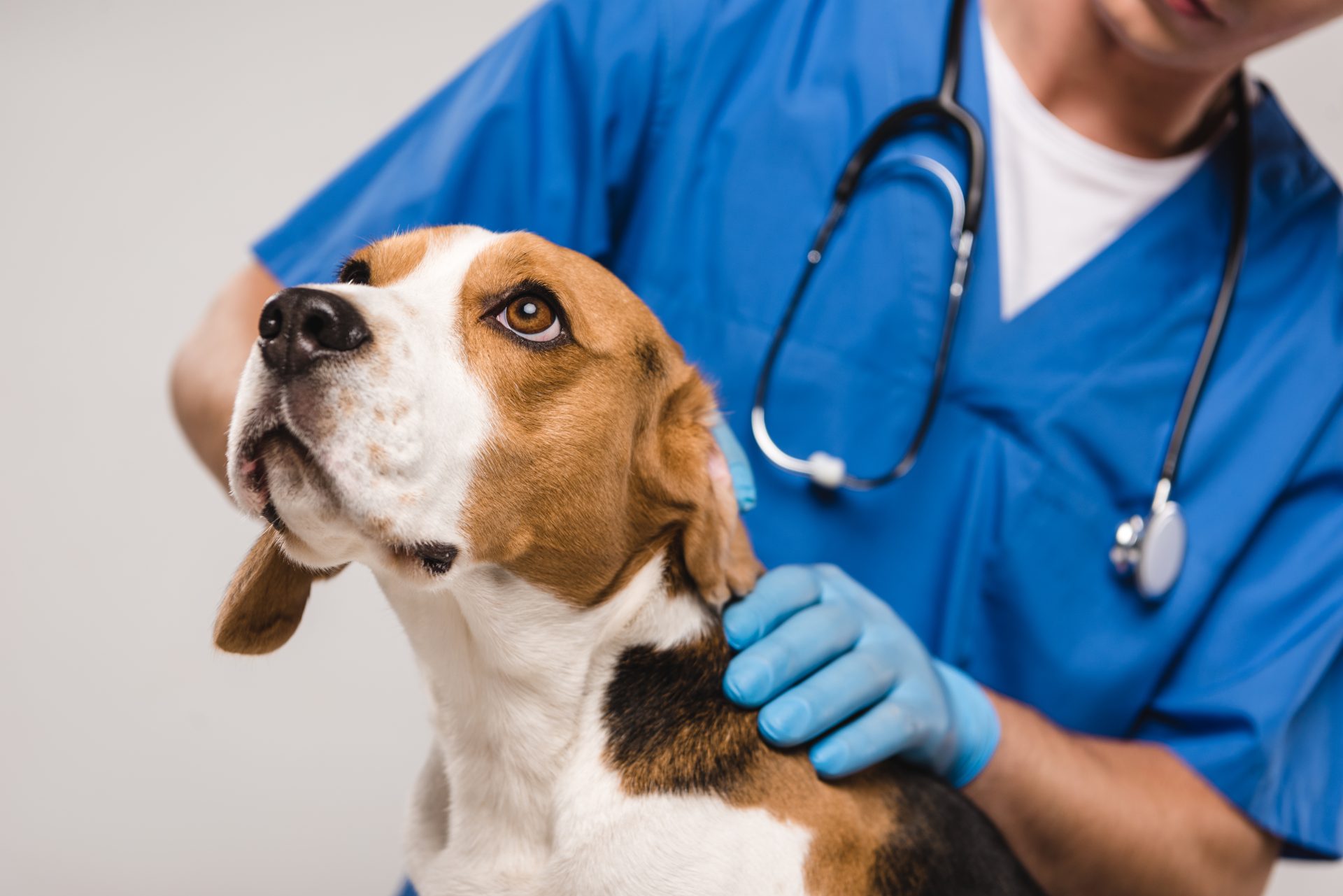
Veterinary Care and Regular Health Checkups
Regular veterinary checkups play a critical role in combating dog-to-human diseases. Regular veterinary checkups allow for early diagnosis of zoonotic diseases, and health problems, including parasites and infectious diseases, can be treated before they become bigger problems for both your dog and you. Furthermore, keeping your dog's vaccination schedule up-to-date also helps prevent zoonotic diseases.
Advertisement
Advertisement
Keep exploring
Continue reading
Dog Health
7 Mistakes Made in Dog Training and Correct Approaches
A dog's failure to respond immediately to commands is often interpreted as stubbornness or disobedience.
Read guide →
Dog Health
Symptoms, Causes and Treatment of Enlarged Heart in Dogs
Your dog stops earlier than usual during walks, stops playing quickly, has noticeably faster breathing when climbing stairs, or If your dog has a dry…
Read guide →
Dog Health
Causes, Symptoms, and Treatment Methods of Oral Melanoma in Dogs
Imagine you notice a small lump in your dog's mouth one morning. This lump, which might be mistaken for an insignificant wound or gum problem, could…
Read guide →
Dog Health
Beyond the Itch: Causes and Treatment Methods of Skin Diseases in Dogs
Skin diseases in dogs should not be perceived as merely negative changes in aesthetic appearance.
Read guide →