Do Aquarium Fish Sleep? Sleep Schedule, Resting Habits and Care Guide
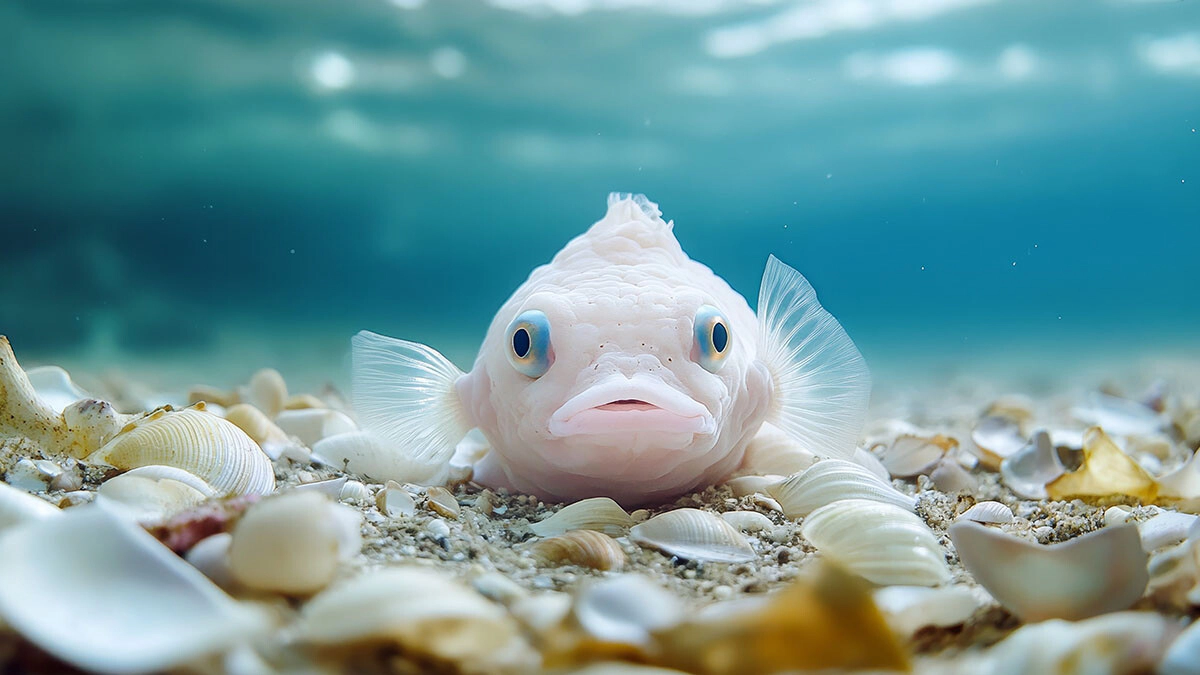
You may have noticed your fish quietly hanging in a corner, retreating among the plants, or remaining motionless at the bottom for a long time while sitting by your aquarium. At those moments, the question "Do aquarium fish sleep?" may come to your mind.
Advertisement
You may have noticed your fish quietly hanging in a corner, retreating among the plants, or remaining motionless at the bottom for a long time while sitting by your aquarium. At those moments, the question "Do aquarium fish sleep?" may come to your mind.
The answer to your question is both yes and a little complicated. Aquarium fish sleep, but it is not easy to notice because they do not have eyelids. The answer to the question "How do fish sleep?" varies from species to species: Some rest at night, some during the day, some sink to the bottom, some hang near the surface of the water, and some become pale in color during sleep.
If your fish remains motionless or hides for a while, it may initially cause concern. However, once you learn to read subtle behavioral cues, you can more easily distinguish when it is resting and when it is showing a change that requires attention.
In this article, you can find answers to questions such as "How do fish sleep, how can you tell the sleeping positions of fish, should the aquarium light be turned off at night, and how can you support a sleep routine during home fish care?"
Warning: This content is for general informational purposes only. If you notice prolonged inactivity, loss of appetite, rapid breathing, discoloration, difficulty swimming, or unusual hiding behavior in your aquarium fish, it is recommended that you seek support from a veterinarian.
Do Aquarium Fish Really Sleep?
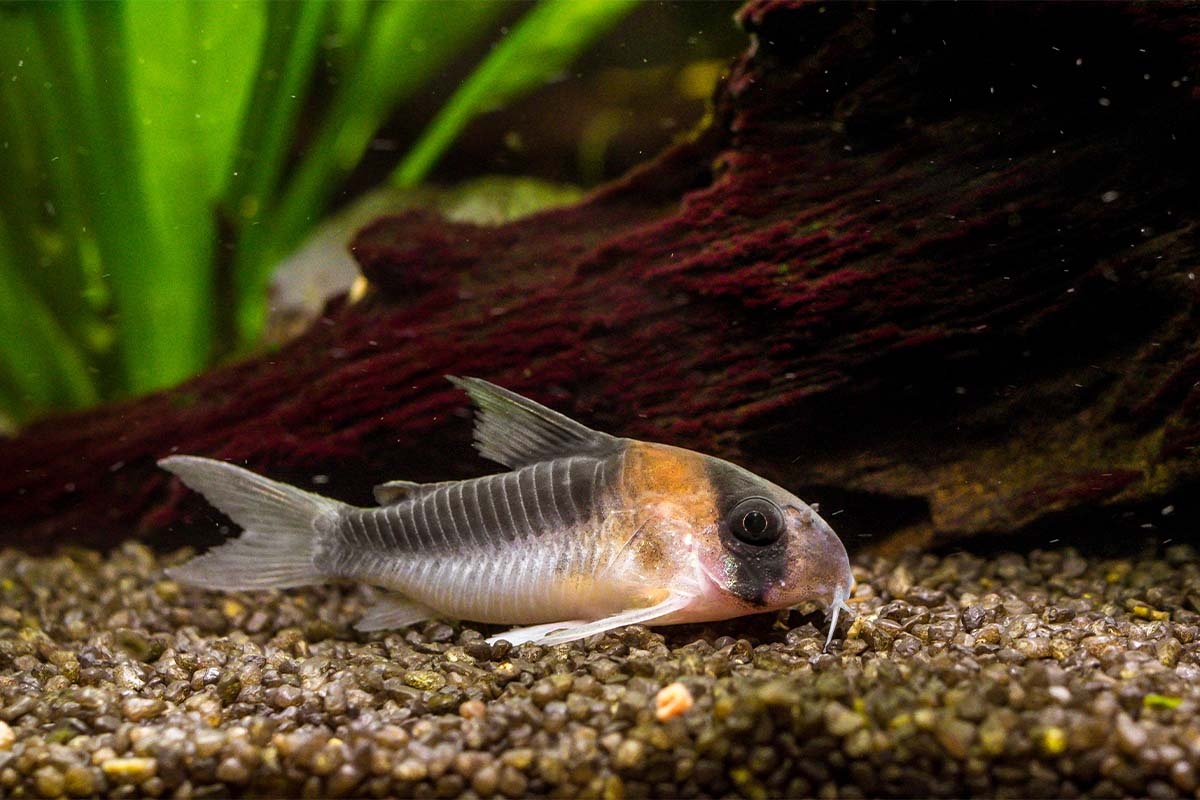
Yes, aquarium fish sleep. The difference is that this process is not exactly like sleep in humans. Sleep in fish is generally recognized by reduced movement, decreased responsiveness to environmental stimuli, and the emergence of specific resting behaviors.
A 2024 review published in the Journal of Experimental Biology lists low activity levels, decreased responsiveness to stimuli, and the species' preference for a particular resting place or position as key indicators of behavioral sleep in fish.
Because fish do not have eyelids, whether they are sleeping or not cannot be determined from their eyes. Instead, their behavior is observed. Staying in the same area for a long time, slowed swimming movements, and less responsiveness to small changes in the environment may indicate a resting period.
Important: However, not every instance of inactivity in fish means sleep. Bottom-dwelling, hiding, or slow swimming can be normal resting behaviors in some species. Water conditions, stress levels, and overall health should also be considered. Evaluating changes in appetite, respiration, and behavioral patterns together provides a more accurate result.
Natural Sleeping and Resting Habits of Fish
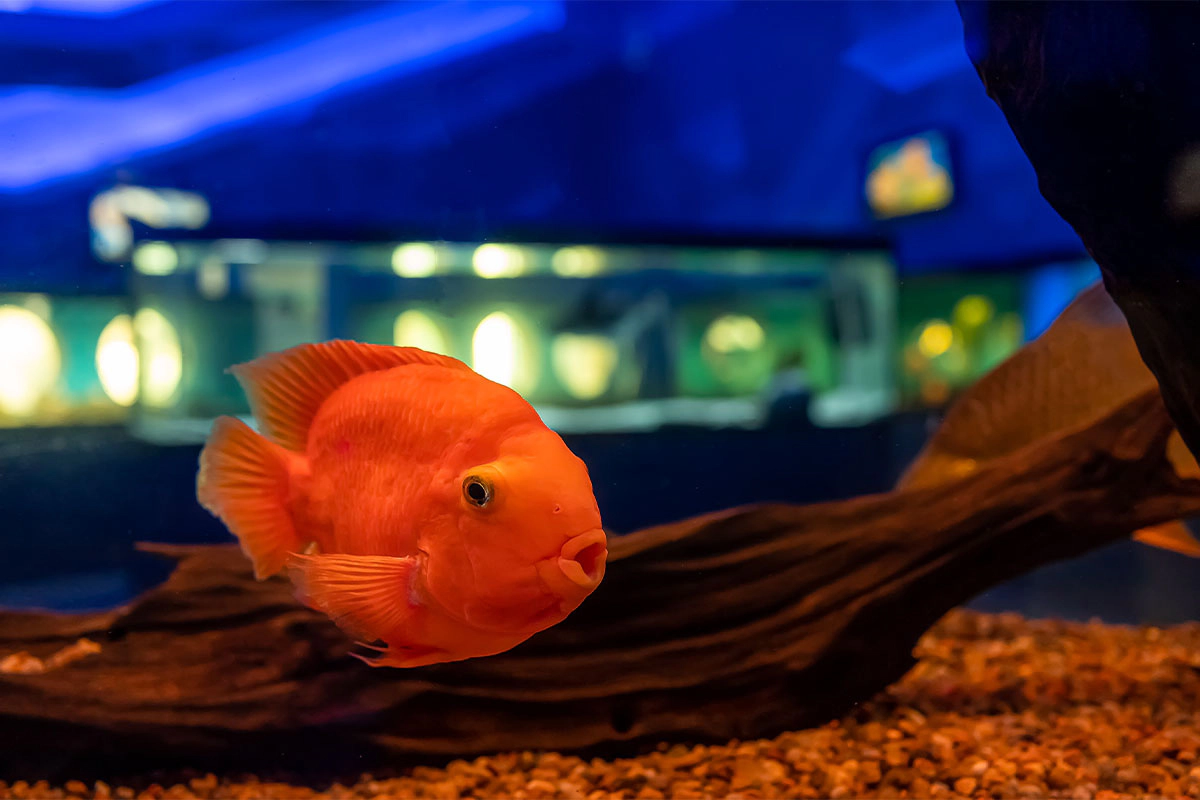 The sleep patterns of fish cannot be explained by a single pattern. Species, habitat, light-dark cycle, feeding time, safe areas in the aquarium, and environmental stress level can all affect when and how resting behaviors are observed.
In aquarium fish, sleep is often like a quiet retreat. The fish swims less, stays in the same area, fin movements slow down, and may react more slowly to small changes in the environment. This pattern, when repeated at similar times of day in a healthy fish, can be considered part of a natural resting pattern.
Differences in sleep patterns between diurnal and nocturnal fish species
Dururnal fish species such as guppies and goldfish generally tend to rest during hours when the light decreases. In these aquarium fish, it is more common to remain calmer throughout the night, retreat among plants, and wait near the bottom or decorations.
In nocturnal species such as catfish, the situation may be reversed. These fish move more in the dark, search for food, or explore the aquarium. Resting behaviors may become more pronounced during daylight hours. Therefore, when evaluating the nocturnal behavior of fish, the natural activity time of the species should be known.
Caution: Continuously on lights, irregular lighting, or frequent nighttime interventions in the aquarium can disrupt the natural resting pattern of some species.
What determines the resting period of fish?
The resting period of fish varies from species to species. Even within the same species, age, environmental conditions, feeding habits, sense of security in the aquarium, and lighting rhythm can lead to behavioral differences.
Some fish rest in short intervals, while others show lower activity for longer periods at certain times of the day. In species with a high need to swim, movement may not completely stop even during rest. In calmer species, the fish may appear to hang in the same area for a long time.
The point to pay attention to when keeping fish at home is to understand the fish's own routine. The behavior of a fish that retreats to the plants at a similar time every evening and returns to normal swimming and feeding in the morning may be consistent with its resting routine. However, if the same behavior is observed together with loss of appetite, rapid breathing, fin closing, or loss of color, a different problem should be considered.
Is it normal for movements to slow down during sleep?
Yes, slowed movements during sleep or rest can be considered normal. Fish swim less during this period, use their fins more calmly, and sometimes remain almost motionless in the water.
Some fish stay at the bottom while resting, some wait near plants or decorations. Some position themselves against a slight current, allowing water to pass through their gills with very little movement. These behaviors alone are not considered a sign of illness.
However, if the decrease in movement is prolonged, if the fish is not interested in food, if breathing is significantly accelerated, or if it has lost its normal swimming balance, this should not be interpreted as sleep behavior. The distinction between sleep and health problems in aquarium fish should be made by looking at the behavior as a whole, not a single pose.
Sleeping Positions and Nocturnal Behaviors of Fish
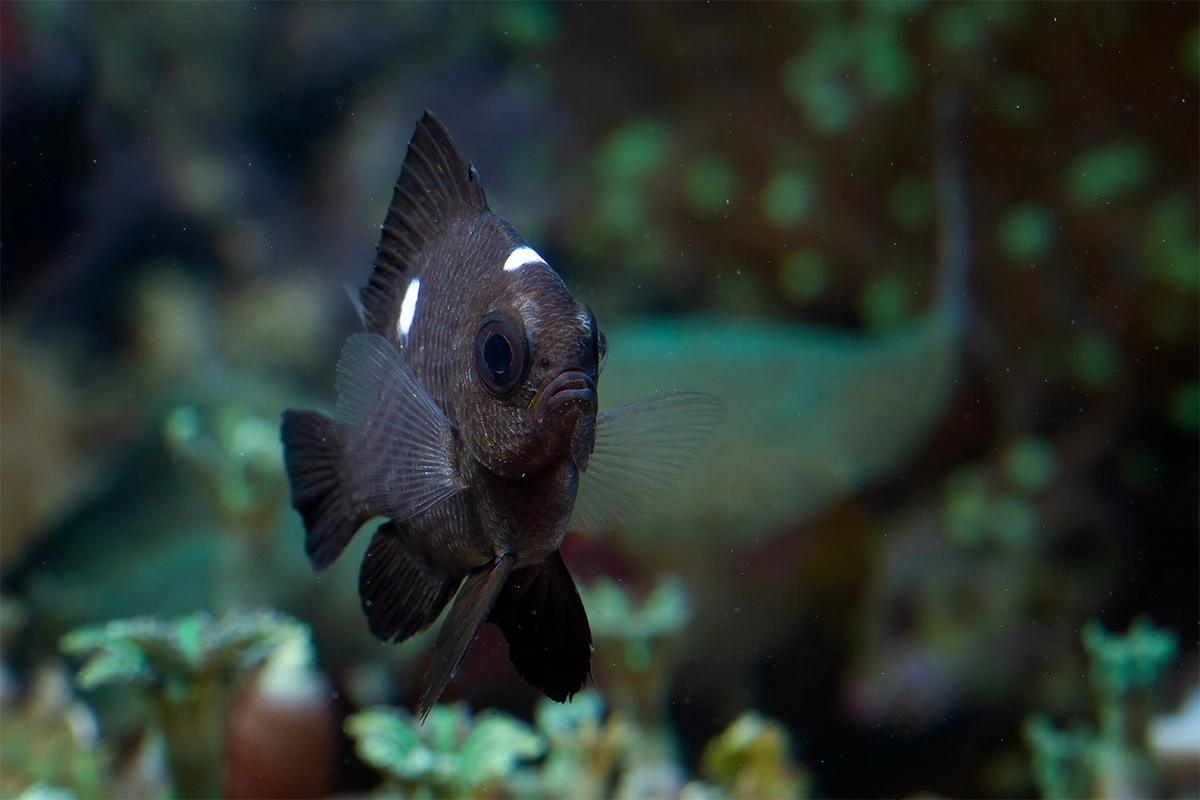
Sleeping positions of fish can also vary depending on the species. Some stay near the bottom of the aquarium, some retreat among the plants, and some choose a more sheltered area behind the decorations. Some fish remain almost stationary in the water and maintain their balance with very slow fin movements.
The Sleep Foundation states that fish may retreat to the upper or lower part of the tank while resting, some stay in sheltered areas, and some may respond to stimuli more slowly.
Rest Behavior at the Bottom, Among Plants, or Near Decorations
Staying at the bottom, going among plants, or waiting at the edge of decorations can be consistent with resting behavior in many aquarium fish. These areas offer the fish a calmer and more sheltered area away from the current.
However, if a fish stays at the bottom all day, shows no interest in food, breathes rapidly, or swims erratically, this behavior should not be interpreted as sleep.
What do staying still in the water, hiding, and swimming slowly mean?
Staying still in the water and swimming slowly may indicate that the fish is in a low-activity period. Hiding behavior may also be related to rest, fear, light discomfort, or social pressure in the aquarium.
The determining factor here is the regularity of the behavior. If the fish calms down at a similar time every night and returns to its normal behavior in the morning, this can be considered consistent with its sleep pattern. Hiding that starts suddenly, lasts all day, or is seen together with other signs should be carefully monitored.
How Does the Aquarium Environment Affect the Sleep Patterns of Fish?
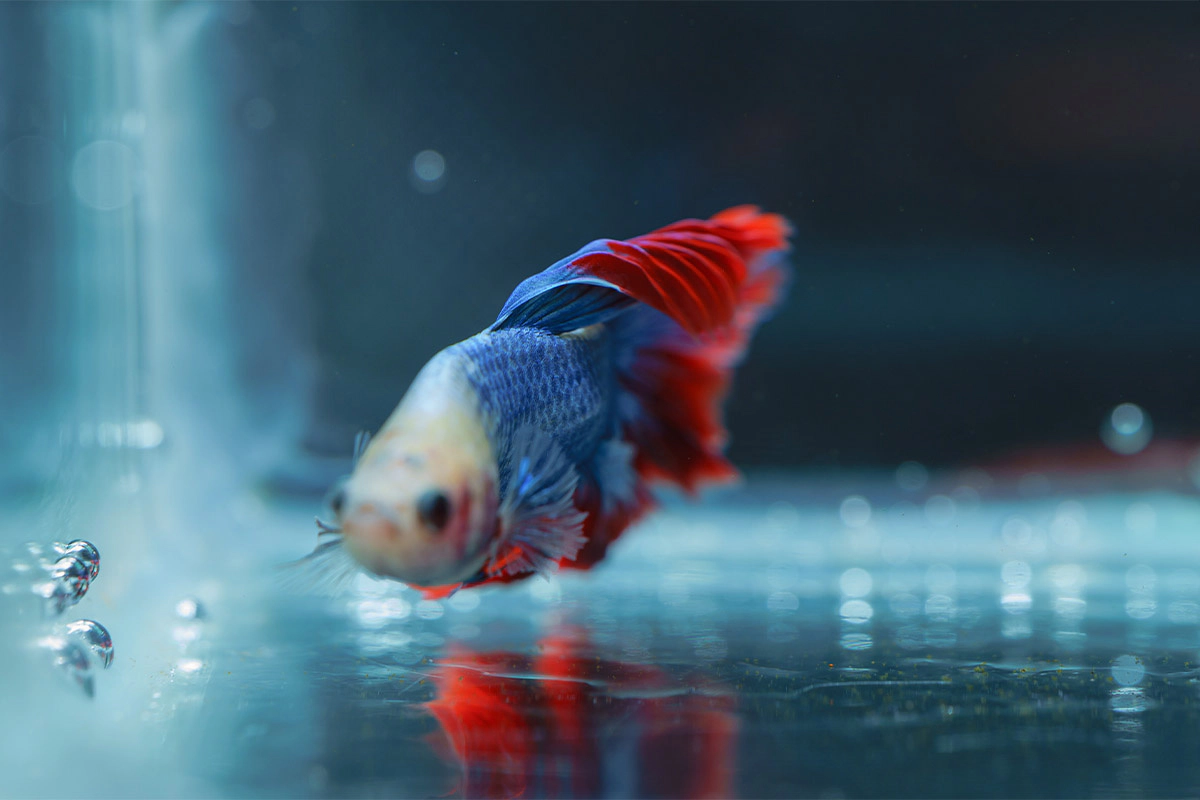
The aquarium environment directly affects how comfortably fish can rest.
The Merck Veterinary Manual lists water quality, cleaning, nutrition, and disease prevention as fundamental aspects of aquarium maintenance for fish health. It also notes that direct sunlight can increase aquarium temperature, and warm water holds less oxygen.
Lighting patterns can also affect nocturnal behavior. Most fish need a regular day-night rhythm. Keeping aquarium lights on constantly can disrupt rest periods, creating stress in fish. This can particularly highlight hiding behavior, restless swimming, or low activity during the day.
Hiding areas help fish feel safe. Plants, rocks, roots, and suitable decorations create more sheltered areas where fish can rest. Especially in shy species, fish forced to stay out in the open may hide more often or behave more restlessly at night.
In crowded aquariums, sleep patterns can be more easily disrupted. Lack of space, territorial competition, cohabitation with aggressive species, and poor filtration can make it difficult for fish to rest. Therefore, aquarium volume, species compatibility, and water tests should not be considered separately from sleep patterns.
Aquarium Lighting and Fish Sleep Health
Aquarium light is an environmental element that supports the day-night rhythm of fish. The duration, intensity, and off time of the light should be as regular as possible.
The RSPCA recommends using artificial light during the day and turning off the light at night for most fish species. It also states that an 8-10 hour light cycle is suitable for many species. This time period should not be considered an unchangeable rule for every aquarium. Live plants, species selection, room light, and algae formation should also be taken into account.
If the aquarium light is left on at night, the fish's resting period may be interrupted. A constantly bright environment can make it difficult for them to calm down at night, especially for diurnal active species. While dim room light can be used for short observation periods, leaving the tank light on all night is not a good routine.
Important: Direct sunlight does not replace aquarium light. Placing the tank in front of a window can increase the water temperature, accelerate algae formation, and negatively affect the oxygen level of the water. Therefore, a controlled LED aquarium light with a timer is a safer solution.
How to Create a Healthy Sleeping Environment for Fish Health?
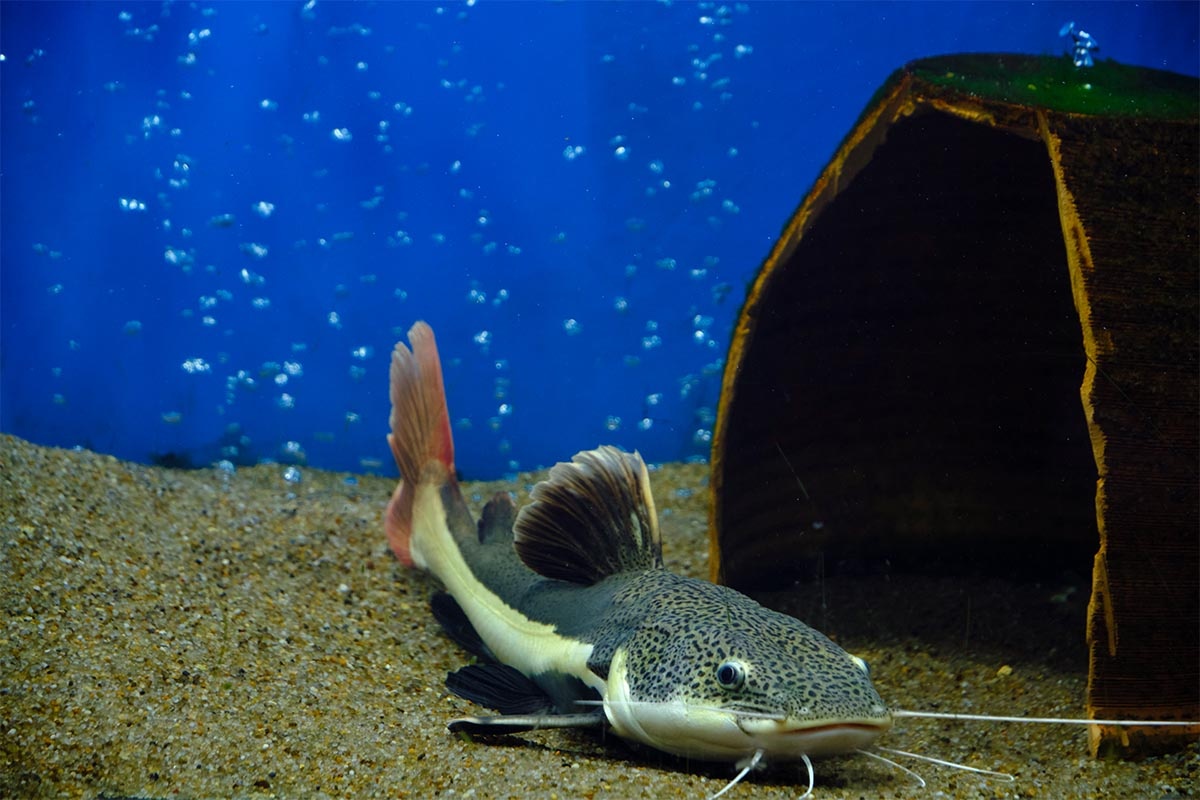
The easiest step in supporting a fish's sleep routine at home is to turn the aquarium light on and off at similar times every day. Turning on bright lights suddenly at night or hitting the glass disrupts this routine, so if nighttime monitoring is necessary, gradually increasing the ambient light is a better habit.
Hiding places are just as important as light. Sheltered corners created with plants, roots, rocks, or suitable decorations make the fish feel safe. Fish forced to stay in the open, especially shy species, may behave much more restlessly at night. Similarly, in a crowded aquarium, lack of space and territorial competition significantly hinder resting; species compatibility and tank volume should therefore be planned together.
Water quality is a frequently overlooked but critical aspect. Deviations in ammonia, nitrite, nitrate, pH, and temperature values can sometimes manifest as inactivity that appears as rest.
Finally, the most valuable habit is to recognize your fish's own routine. A fish that is photographed at the same time every evening and returns to its normal swimming and feeding behavior in the morning is most likely resting healthily. If you notice any deviations such as loss of appetite, rapid breathing, or discoloration, it is best to consult a veterinarian.
Frequently Asked Questions
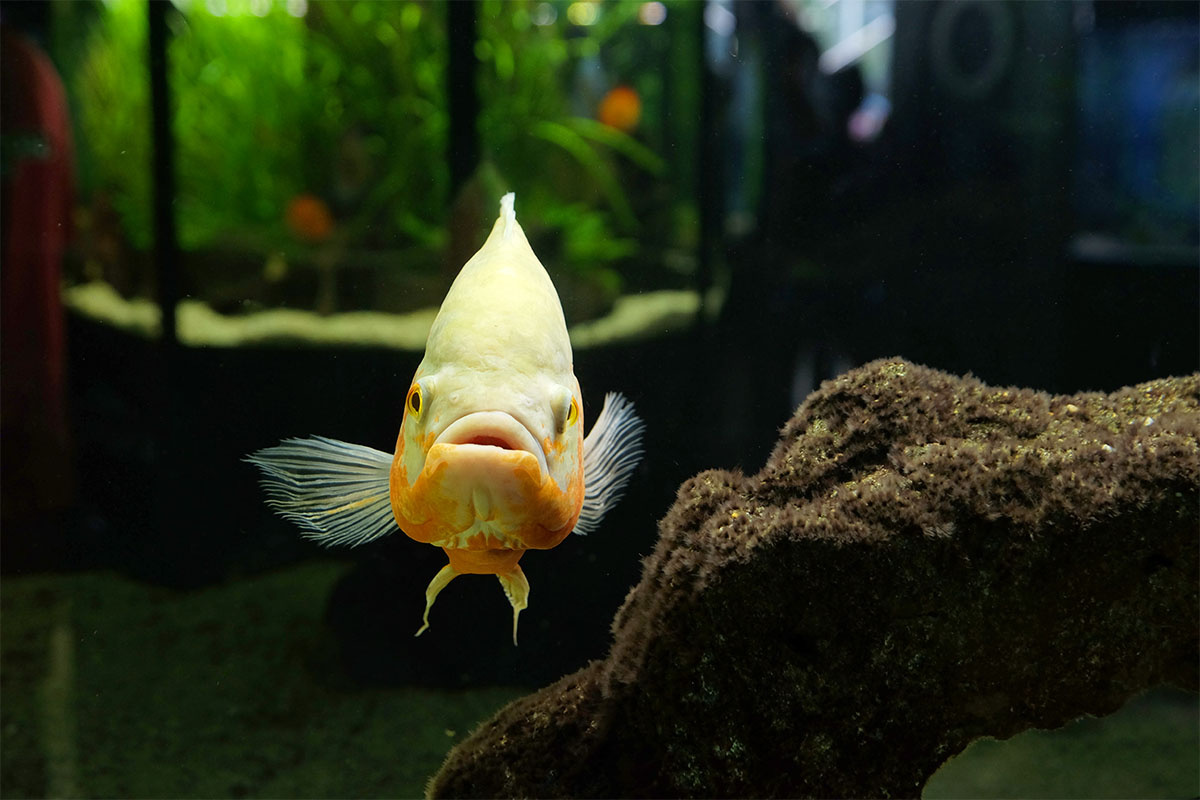
How can I distinguish between sleepiness and signs of illness in fish?
During sleep, fish usually calm down briefly, then return to normal swimming and feeding behavior. If prolonged inactivity, loss of appetite, rapid breathing, or unsteady swimming are observed, this may be a sign of a health problem, not sleepiness.
Does turning on the light suddenly at night in the aquarium affect the fish?
Yes, suddenly turning on bright light at night can startle fish and disrupt their resting patterns. If nighttime monitoring is necessary, it is better to gradually increase ambient light or use dim light.
Do fry have different sleep patterns than adult fish?
Because fry are more sensitive, they can be more affected by regular light-dark cycles and calm environments. Stress, crowded environments, and sudden changes can easily disrupt the resting behavior of fry.
Does an aquarium filter disrupt fish sleep?
A normally functioning filter does not disrupt fish sleep; on the contrary, it can support healthy rest by maintaining water quality. However, very strong currents, noise, or vibrations can make it difficult for some fish to remain calm.
Should fish be fed while they are sleeping?
Feeding fish while they are resting is not correct because they may not be interested in the food, and the increased food intake can degrade water quality. Feeding should be done during the hours when the fish are active and according to a regular routine.
Kaynaklar:
https://journals.biologists.com/jeb/article/227/11/jeb247138/352391/The-interplay-between-sleep-and-ecophysiology
https://www.britannica.com/science/How-Do-Fish-Sleep
https://www.sleepfoundation.org/animals-and-sleep/how-do-fish-sleep
https://www.nationalgeographic.com/animals/article/do-fish-sleep
https://www.merckvetmanual.com/exotic-and-laboratory-animals/aquarium-fish/management-of-aquarium-fish
https://www.merckvetmanual.com/all-other-pets/fish/providing-a-home-for-fish
https://www.rspca.org.uk/adviceandwelfare/pets/fish/environment
https://www.rspcansw.org.au/information-and-advice/caring-for-animals/other-pets/fish/
https://www.thesprucepets.com/do-fish-sleep-7254929
https://www.thesprucepets.com/how-long-should-aquarium-lights-be-left-on-1380774
Advertisement
Advertisement
Keep exploring
Continue reading
Aquarium & Fish
Why Does Aquarium Water Smell?
The water is clear, the fish appear normal. However, a strong odor is present when approaching the aquarium.
Read guide →
Aquarium & Fish
How to Choose Aquarium Lighting?
The whole atmosphere of an aquarium can change the moment you turn on the light. Colors become more vibrant, the depth of the water and movement…
Read guide →
Aquarium & Fish
What are Aquarium Filter Materials? In What Order are They Used?
The water cleaning power of an aquarium filter depends on the materials inside it performing their functions correctly.
Read guide →
Aquarium & Fish
What is an Aquarium Heater, How to Choose One? How Many Watts of Heater are Needed?
The water in the aquarium is the entire environment in which the fish live. Excessively cold water or frequent temperature changes can cause stress…
Read guide →