Do Cats Drink Tea?
No one who lives with cats knows how curious they are. This curiosity reaches its peak especially when people are eating and drinking. Sometimes we want them to taste all the drinks and foods we love, and sometimes we can't resist their curious gazes, so we want to give them various foods and…
Advertisement
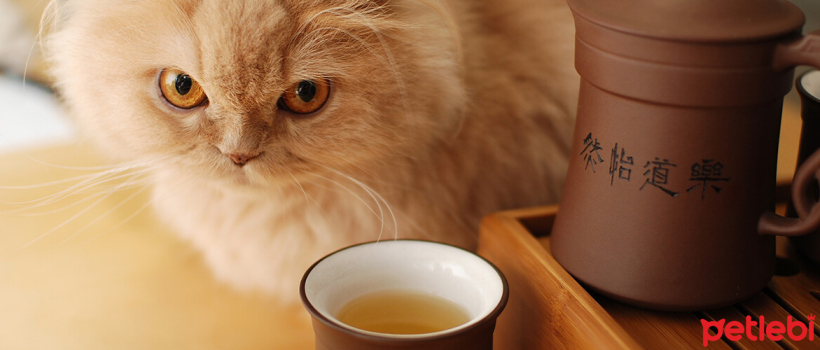
No one who lives with cats knows how curious they are. This curiosity reaches its peak especially when people are eating and drinking. Sometimes we want them to taste all the drinks and foods we love, and sometimes we can't resist their curious gazes, so we want to give them various foods and drinks we eat. At this point, it is necessary to be careful, as many foods and drinks that our digestive system can easily tolerate can be extremely dangerous for cats. The question "Do cats drink tea?", which is frequently asked by cat owners, is therefore quite important. Because tea is among the drinks that are harmful to cats.

Cats' Digestive System and Tea
Cats' digestive systems cannot tolerate all foods and drinks in the same way that humans' digestive systems can. Caffeine and theobromine in tea are among the components that cats cannot metabolize. Theobromine, also found in chocolate, is one of the components known to be very harmful to cats.
In short, tea is one of the most harmful drinks for cats. While licking a few drops of tea that have dripped onto a plate or tray may not cause any problems, the answer to the question "Do cats drink tea?" can easily be "No". Tea can cause serious health problems for cats and can be life-threatening if consumed in large quantities. Therefore, it is very important to keep cats, who have a high tendency to smell and lick tea, away from tea. These warnings are related to the fact that the components of tea are harmful to cats.
Many types of tea contain high levels of caffeine. Caffeine is among the substances that are harmful and even toxic to cats. Some types of tea also contain spices and herbal mixtures that may be harmful to cats.
If cats consume too much tea due to neglect, they may experience caffeine poisoning. In such a case, cats may vomit, become restless, and show symptoms such as excessive vocalization. In addition, symptoms such as diarrhea, rapid heartbeat, and muscle spasms may occur in cats. There are also different symptoms to observe. Allergic reactions may occur in cats that consume tea.

Possible Side Effects of Tea for Cats
The possible side effects of tea for cats may vary depending on the type and amount of tea consumed. For example, teas with high caffeine content can cause increased heart rate, vomiting, seizures, diarrhea, and, if consumed excessively, can be life-threatening in cats. Theobromine, on the other hand, can become a source of poisoning that affects the nervous system, heart, and muscle functions. As mentioned above, some types of tea can be toxic. In such a case, there is a possibility of kidney and liver damage in cats. If you observe your cat drinking tea, you should monitor it. If symptoms such as hyperactivity, rapid breathing, increased or irregular heartbeat, vomiting, and diarrhea appear, you should have your cat checked by a veterinarian immediately. These symptoms are usually observed in cats within the first 12 hours after drinking tea. Complaints may vary depending on the type of tea consumed, the cat's general health, and the amount of tea consumed. Why Do Cats Love Tea?
If you observe your cat drinking tea, you should monitor it. If symptoms such as hyperactivity, rapid breathing, rapid or irregular heartbeat, vomiting, and diarrhea appear, you should have your cat checked by a veterinarian immediately. These symptoms are usually observed in cats within the first 12 hours after drinking tea. Complaints may vary depending on the type of tea consumed, the cat's general health, and the amount of tea consumed.
Why Do Cats Love Tea?
The main reason cats circle around teacups is that tea has a strong and attractive smell for cats. In fact, the situation is not much different for humans. It is also known that cats are quite interested in milk tea, which is not common in our country. In this case, it would not be wrong to say that milk is more attractive to cats than the smell of tea.
Although it is safer not to give tea to cats, it is possible to give them some teas whose ingredients are known and therefore considered healthier when prepared at home.
Safe Alternative Drinks for Cats
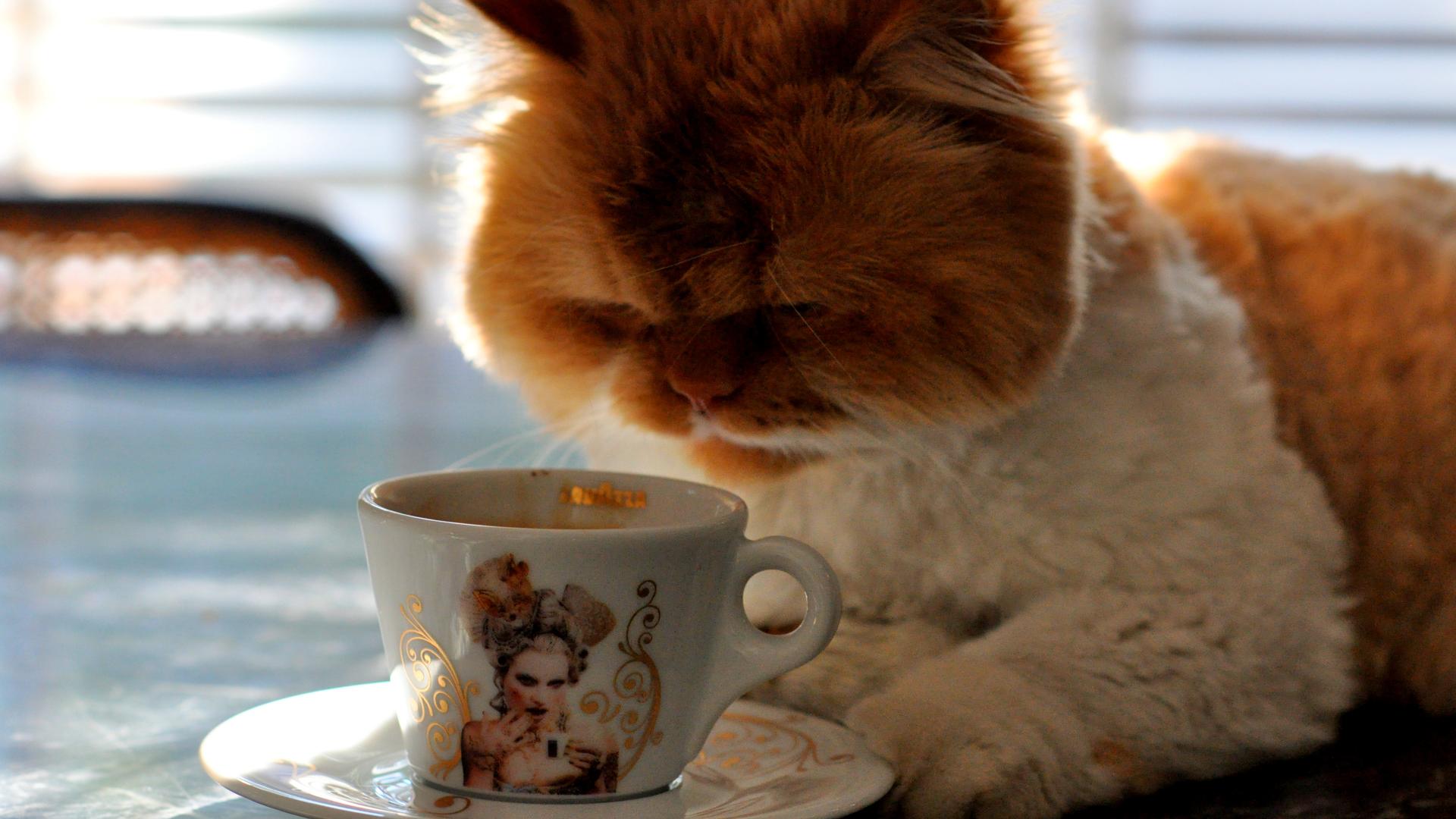
The teas we frequently consume are not beneficial for cats, and can even be extremely harmful to them. However, it is possible for cats to consume small amounts of tea whose ingredients are known or that is specially prepared for them at home. Provided it's done in moderation, small amounts of tea made from fresh fruits known to be harmless to cats, such as seedless apples, bananas, watermelon, blueberries, and strawberries, can be offered to cats. After ensuring the tea is safe for cats, it's crucial to cool it before serving. Tea at room temperature can be a delicious treat for cats. In conclusion, the safest options for cats are cat food and specially formulated treats. You can find a variety of treats to make your cats happy here. However, if you want to introduce your cat to different flavors and are considering a special tea, it's strongly advised that you ensure the tea's ingredients are safe for cats. You can find detailed information on this topic in our article titled "Foods to Keep Away From Cats".
In conclusion, the safest foods for cats are cat foods and treats specially formulated for cats. You can access a variety of treats that will make your cats happy here. However, if you want to give your cat different flavors and are considering the idea of giving them special tea, it is strongly advised that you ensure the tea's ingredients are safe for cats. You can find detailed information on this topic in our article titled "Foods to Keep Away From Cats".
Advertisement
Advertisement
Keep exploring
Continue reading

Cat Lifestyle & Guides
What is Cat Soup? Is it Beneficial for Cats?
If your cat rarely visits its water bowl, is sometimes reluctant to eat dry food, or shows interest in different textures, liquid products may catch…
Read guide →
Cat Lifestyle & Guides
How to Give Rewards and Snacks to a Neutered Kitten?
The Feline Veterinary Medical Association supports neutering kittens until they are five months old.
Read guide →
Cat Lifestyle & Guides
Benefits of Colostrum for Cats and Dogs
Colostrum is the first milk produced by mother cats and dogs after birth. Thanks to its antibodies and high nutrient content, it responds to the…
Read guide →
Cat Lifestyle & Guides
Why is Gut Health Important in Cats?
In cats, bowel health is linked to many areas, from digestive regularity and immune system-related processes to energy levels and daily comfort.
Read guide →