German Shepherd Dog Breed Characteristics, Care and Feeding
When you talk to a German Shepherd owner, they first smile, then say, "It's not easy to explain." And indeed, it's not easy. Living with a German Shepherd means waking up at the first light of dawn and communicating through eye contact, being the first to stand up when you sense a silent threat…
Advertisement
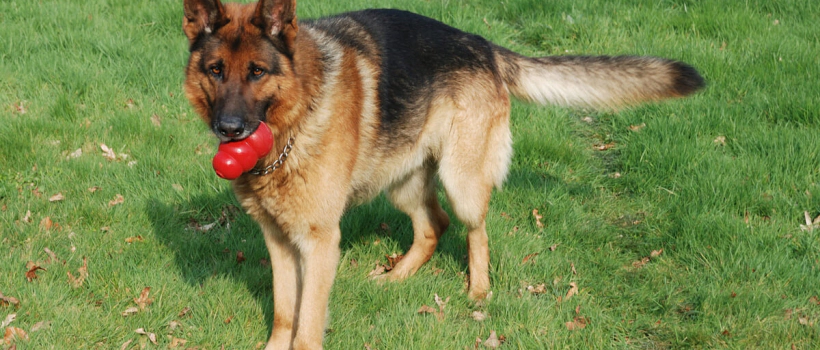
When you talk to a German Shepherd owner, they first smile, then say, "It's not easy to explain." And indeed, it's not easy. Living with a German Shepherd means waking up at the first light of dawn and communicating through eye contact, being the first to stand up when you sense a silent threat, and running after your children like a shadow during playtime.
Sometimes they're the leader in a race to bring the ball first in a park, and sometimes they're the peace of mind you can feel walking down a crowded street without worrying. Loyalty is in their nature, but this loyalty isn't a one-sided attachment; it's more like a mutual understanding. So much so that one day when you're feeling down, they'll curl up beside you and silently offer support, another day they'll wag their tail as if reflecting your excitement.
Even when you don't know what to do, their gaze says, "Don't worry, I'm here." When you start training it, you realize it's actually training you; you learn patience, discipline, and clarity. Indeed, German Shepherd training is considered more about building life habits than simply transferring commands.
In this article, you can find information about German Shepherd characteristics, care needs, nutritional requirements, and much more.
|
Other Names |
German Shepherd, GSD, K9 Dog, wolfdog |
|
Karakteri |
Intelligent, loyal, brave, protective, trainable |
|
Weight |
27 – 39 kg |
|
Shoulder Height |
58 - 65 |
|
Coat Length |
Medium (in some individuals (long) |
|
Coat Colors |
Black & cream, black & red, all black, gray |
|
Coat Patterns |
Usually two-tone, sometimes solid color |
|
Eye Color |
Koyu kahverengi |
|
Average Lifespan |
9–13 years |
|
Origin |
Almanya |
|
Hipoalerjenik mi? |
No |
What Does a German Shepherd Dog Eat, How Should It Be Fed?
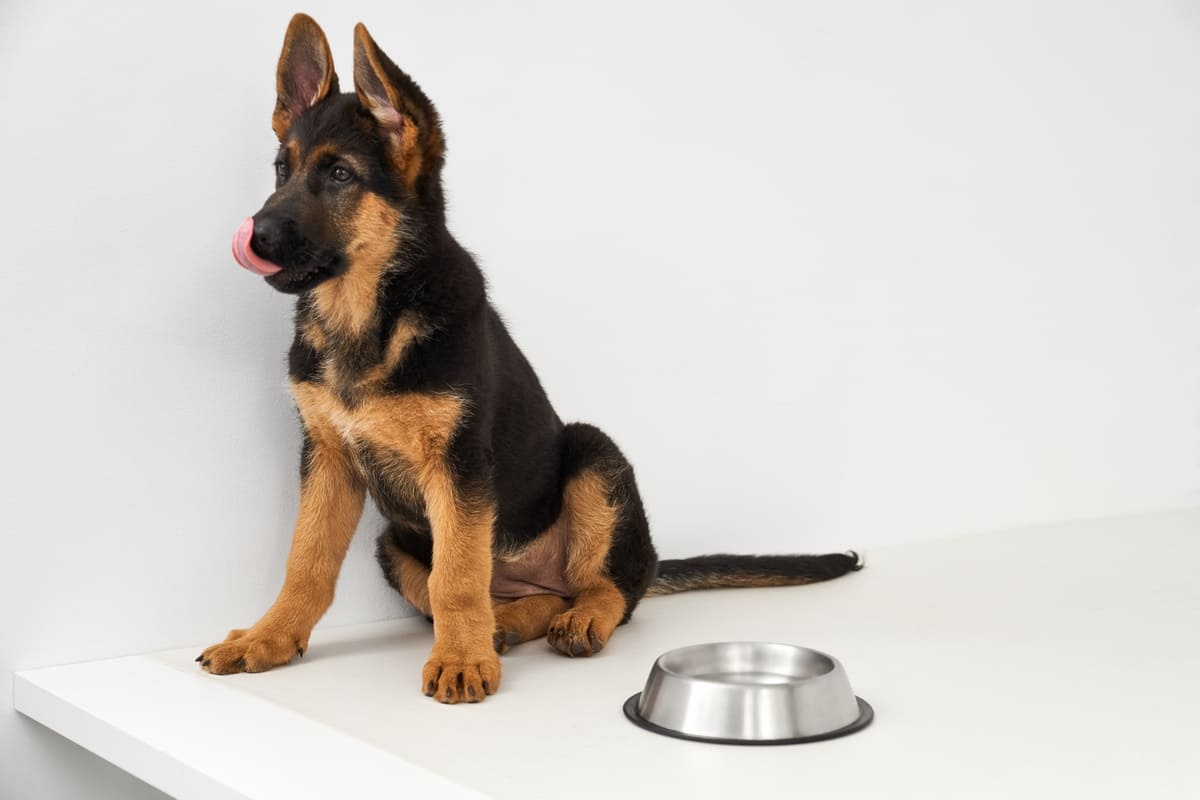
The German Shepherd dog is a large and high-energy breed. Therefore, its feeding program should be planned according to both its physical structure and daily activity level. Puppy foods that support muscle development, are easily digestible, and have a rich content should be preferred from puppyhood. Like other dog breeds, the puppyhood period is one of the most critical stages of development for German Shepherds.
Since German Shepherd puppies grow rapidly in the first few months, foods with a balanced phosphorus-calcium ratio, specifically formulated for large breed puppies, should be preferred during this period. Excessive weight gain during this period can lead to orthopedic problems such as hip dysplasia in later years. Meals should be divided into 3-4 portions for puppies. Free feeding is generally not recommended.
In adulthood, the basis of nutrition should be ingredients that maintain energy levels, support the immune system, and prioritize joint health. Experts recommend choosing from adult dog foods during the adult stage, once puppyhood is behind them.
It is recommended that an adult German Shepherd be fed two meals a day. Medium to large breed dog foods with high protein content and joint-supporting components such as glucosamine and chondroitin are suitable for this breed. Portion sizes may vary depending on age, weight, health status, and activity level. The instructions on the food labels should be carefully examined, and veterinary advice should be sought if necessary.
The need to differentiate nutrition according to age stage continues in old age. Senior dog foods formulated to meet the needs of older dogs help maintain the health of our companions during this period.
German Shepherds, having been bred as working dogs, are mostly quite active. This breed, with its high exercise needs, requires a balanced diet with appropriate carbohydrates and fats. Foods formulated with low-quality ingredients can lead to digestive problems, obesity, and joint disease. To prevent these risks, their diet should be considered part of a long-term health plan.
According to PetMD, German Shepherds are among the breeds prone to digestive system sensitivities. Dogs fed high-quality, easily digestible foods experience fewer gas, diarrhea, or stomach problems.
Boiled vegetables and low-fat protein sources like turkey or chicken can be offered in small portions occasionally. However, foods that are toxic to dogs, such as onions, garlic, grapes, and chocolate, should be strictly avoided. Fresh drinking water should always be available.
Common Diseases in German Shepherd Dogs
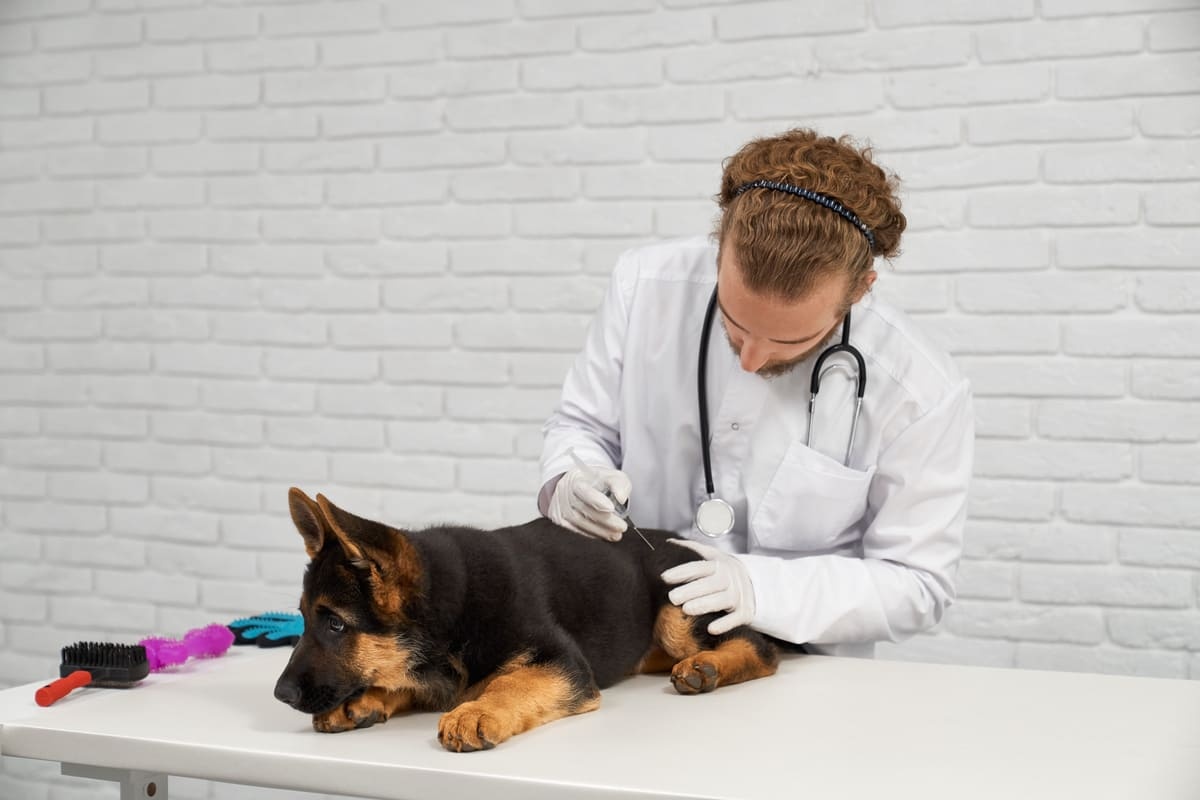 German Shepherd dogs have a genetically strong build. However, they are also known to be prone to certain hereditary and structural diseases. Therefore, regular health checkups and preventive health practices are of great importance for this breed.
Hip and Elbow Dysplasia
Hip and elbow dysplasia are degenerative diseases that occur due to the incompatible development of bone joints, especially common in large breed dogs. Hip dysplasia results from the femoral head not fitting properly into the hip socket. This leads to gait disorders, lameness, and pain.
Elbow dysplasia is characterized by a similar structural abnormality in the forelimbs and may manifest with symptoms such as reluctance to put weight on the dog and difficulty climbing stairs.
Treatment plans may include weight control, exercise restrictions, joint support supplements, and in some cases, surgical intervention.
Degenerative Myelopathy
This neurological disorder affecting the spinal cord is usually seen in middle-aged and older German Shepherd dogs and begins with weakness in the hind legs. In advanced stages, it causes the dog to become unable to walk and leads to bladder control problems. Associated with a SOD1 gene mutation, this disease shows symptoms similar to ALS. Unfortunately, there is currently no cure, but exercise physiotherapy can slow the progression of the disease.
Gastric Dilatation Volvulus (GDV)
Gastric dilation volvulus (GDV), seen in deep-chested and large dogs, is a life-threatening condition requiring immediate intervention. The stomach swells with gas and twists around itself, compressing the blood vessels. This cuts off blood flow and can lead to organ failure if not treated quickly. Symptoms include sudden abdominal distension, empty vomiting, restlessness, and depression. A conservative surgical method called gastropexy prevents the stomach from twisting again by fixing it to the abdominal wall.
Kanser
Certain types of cancer become more common in German Shepherd dogs as they age. Hemangiosarcoma is an aggressive type of tumor that can develop in organs rich in blood vessels, such as the spleen and heart. Bone cancer (osteosarcoma) occurs especially in long bones and usually begins with a painful swelling. Lung and digestive system cancers are also among the types diagnosed in this breed. Treatment methods include surgery, chemotherapy, radiotherapy, and supportive care. Allergic Reactions and Dermatological Problems Skin sensitivity is a common condition in this breed. Allergies can be caused by environmental pollen, house dust, grass, or food. They manifest with symptoms such as itching, redness, ear and eye infections. Treatment involves identifying and removing the allergen, topical or systemic medication, and dietary adjustments with special hypoallergenic dog foods. Some dogs may require immunosuppressive drugs.
Alerjik Reaksiyonlar ve Dermatolojik Sorunlar
Skin sensitivity is a common condition in this breed. Allergies can be caused by environmental pollen, house dust, grass, or food. They manifest with symptoms such as itching, redness, and ear and eye infections. Treatment involves identifying and removing the allergen, topical or systemic medication, and dietary adjustments with special hypoallergenic dog foods. Some dogs may require immunosuppressant medications. According to the GSDCC source (
Heart Diseases
Dilated cardiomyopathy (DCM) and heart valve disorders are among the cardiac conditions that can be seen in German Shepherd dogs. DCM, characterized by the enlargement of the heart and weakening of its pumping function, can cause the dog to tire easily, faint, and experience arrhythmias. Diagnosis is made through physical examination, ECG, and cardiac ultrasound. Treatment includes medications that increase the heart's working capacity, antiarrhythmic therapy, and special nutrition.
Immune System Disorders
Some German Shepherd dogs are genetically predisposed to immune system imbalances. Autoimmune diseases such as systemic lupus erythematosus can cause the body to attack its own cells. Symptoms are highly variable; It can manifest in various forms, from skin lesions to fever, weakness to neurological symptoms. Treatment usually requires lifelong immunosuppressive drugs.
German Shepherd Dog Origin and History
 The German Shepherd Dog was developed in Germany in the late 19th century with the aim of creating a disciplined, intelligent, and hardworking herding dog. The foundations of the breed were laid by carefully selecting the most capable dogs that protected and guided flocks in rural areas. In 1899, a German officer named Max von Stephanitz started the breed's pedigree based on a dog called "Horand von Grafrath," which was notable for its intelligence, endurance, and obedience.
Initially bred only for herding, these dogs gradually began to be used in different tasks thanks to their intelligence and disciplined nature. During World War I, they took on roles such as carrying messages, locating wounded soldiers, and providing logistical support. In the post-war period, their loyalty and superior trainability made them popular worldwide. Today, German Shepherd dogs have found their place in our lives as police dogs, search and rescue dogs, guide dogs, and loyal companions.
Physical Characteristics and Appearance of the German Shepherd Dog
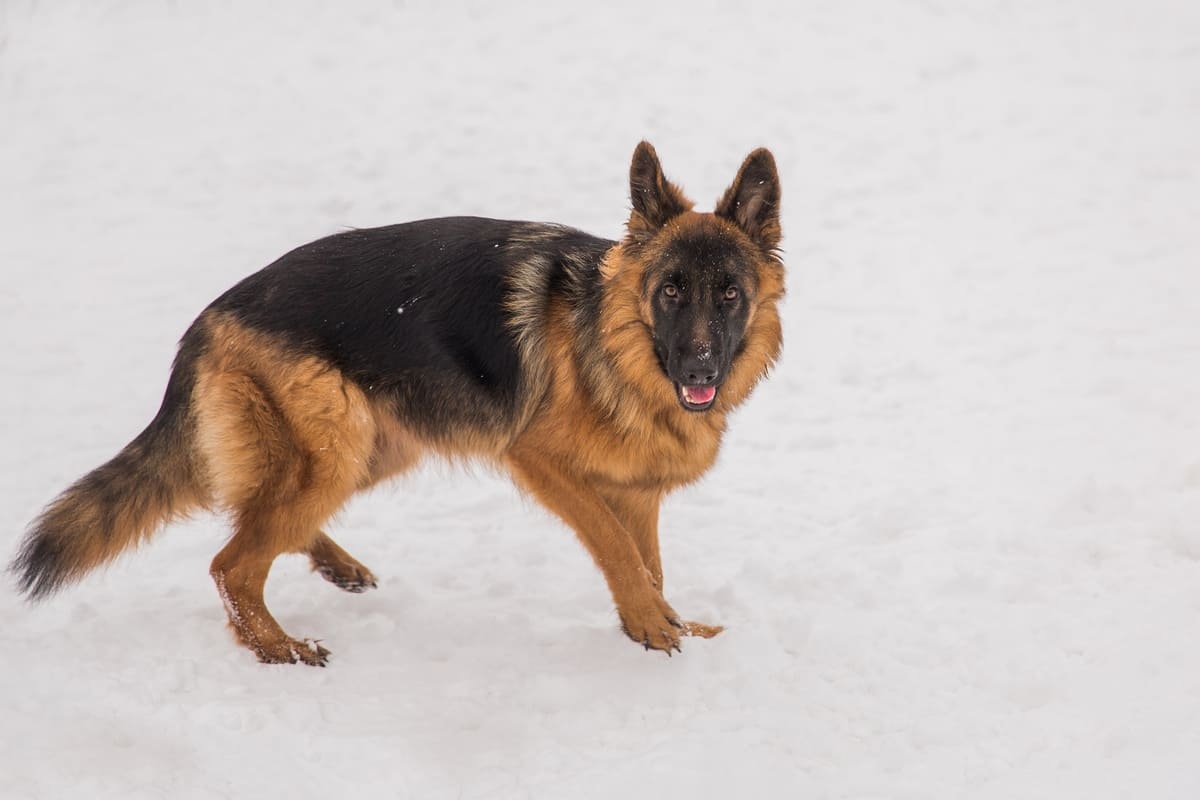
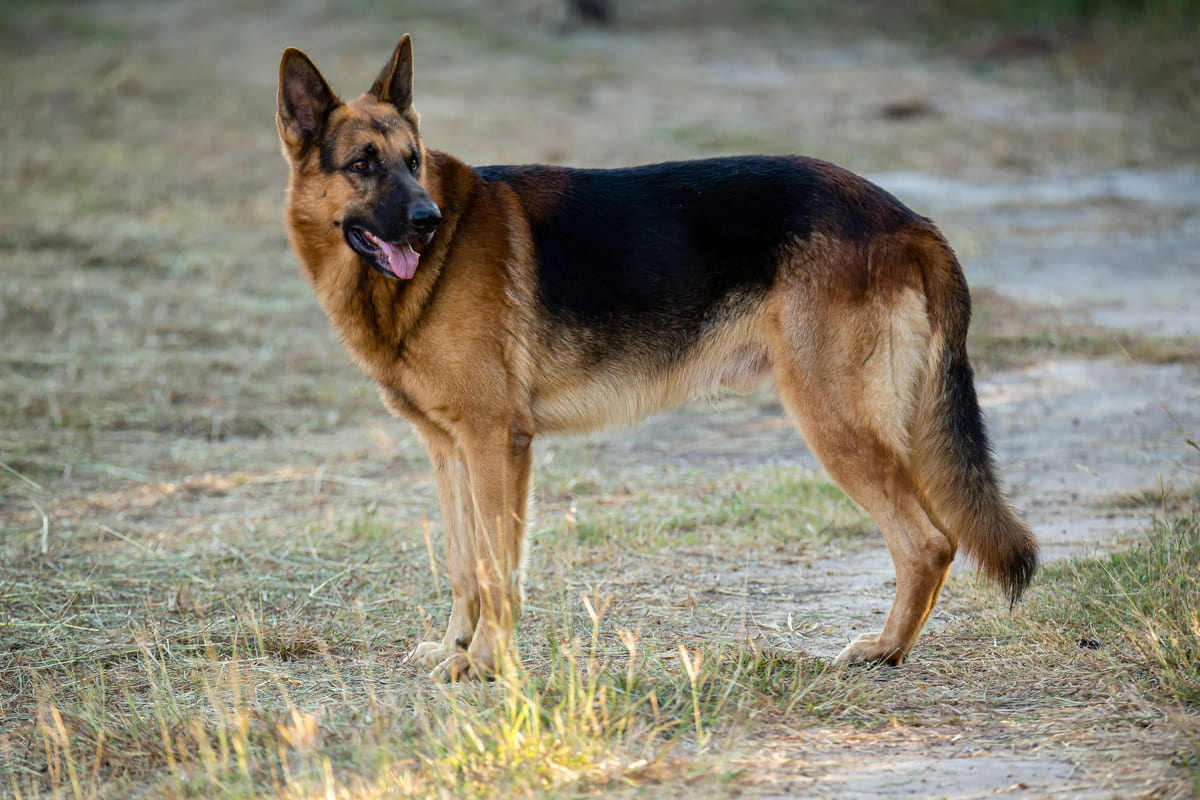 The German Shepherd has a balanced and strong body structure. Its body is of medium length, muscular, and compact. Its back and loins are strong. The chest is quite deep and well-developed; this structure increases the dog's stamina.
), male German Shepherd dogs have a shoulder height of 60–65 cm, while females have a shoulder height of 55–60 cm. These measurements place them in the medium-to-large breed class. There is a proportional balance between height and body length. Male dogs weigh an average of 34–39 kg, and females around 27–32 kg. Maintaining a healthy weight is critical for joint health and lifespan.
This breed has medium-sized, almond-shaped, dark eyes. The skull is broad and has a proportionate posture. The forehead is slightly domed. The nose is straight and strong. The mouth is wide and has strong jaw muscles. The teeth close in a scissor bite.
The ears are erect and triangular in shape. They usually stand parallel to the head. In puppies, the ears may droop for a while, but they naturally become erect as they grow.
The front legs are straight and strong, while the hind legs have good muscle development. This structure allows for long-distance running and sudden changes of direction. The feet are short, round, and firm. The nails are dark and durable.
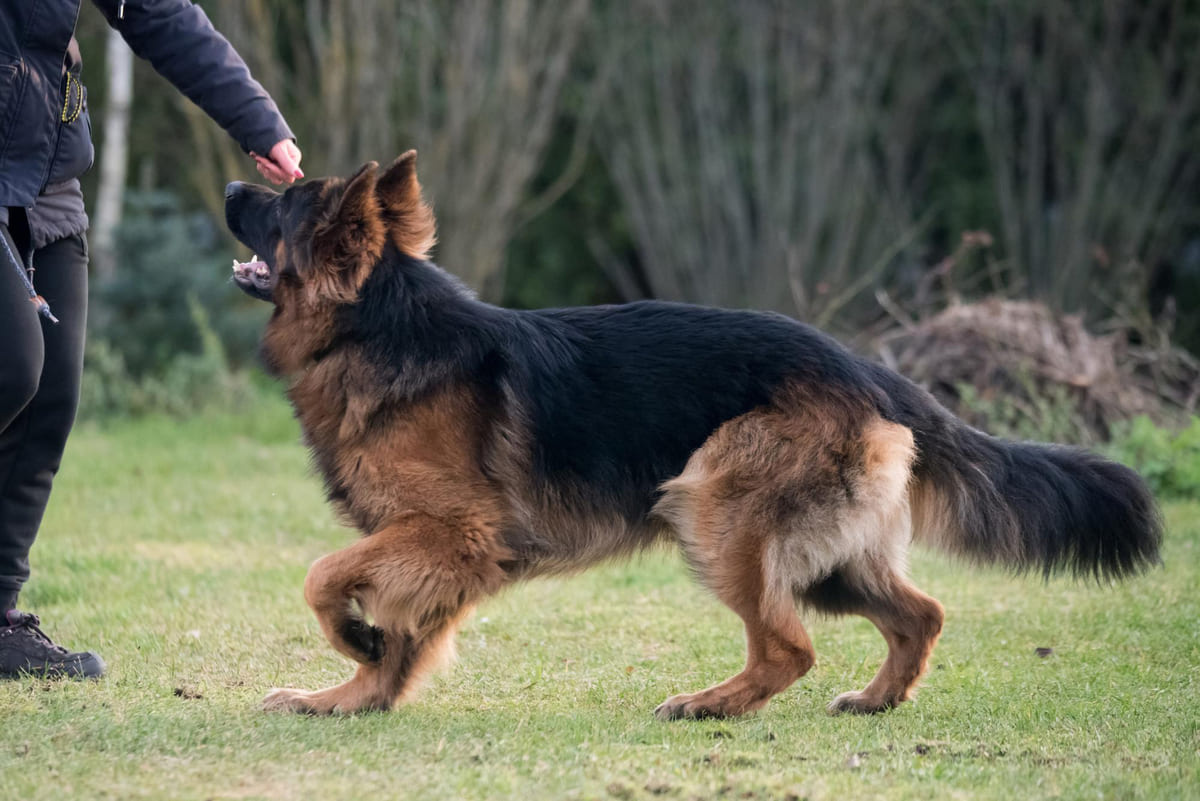
German Shepherds have a double-layered coat. The undercoat is dense and soft, while the topcoat is harder and more weather-resistant. Coat length can vary from individual to individual. Some dogs have a longer coat. They go through two periods of intense shedding per year.
The most common color combinations are black & tan, completely black, or shades of gray. These colors, along with both genetic makeup and coat density, create the breed's iconic appearance.
German Shepherd Dog Character
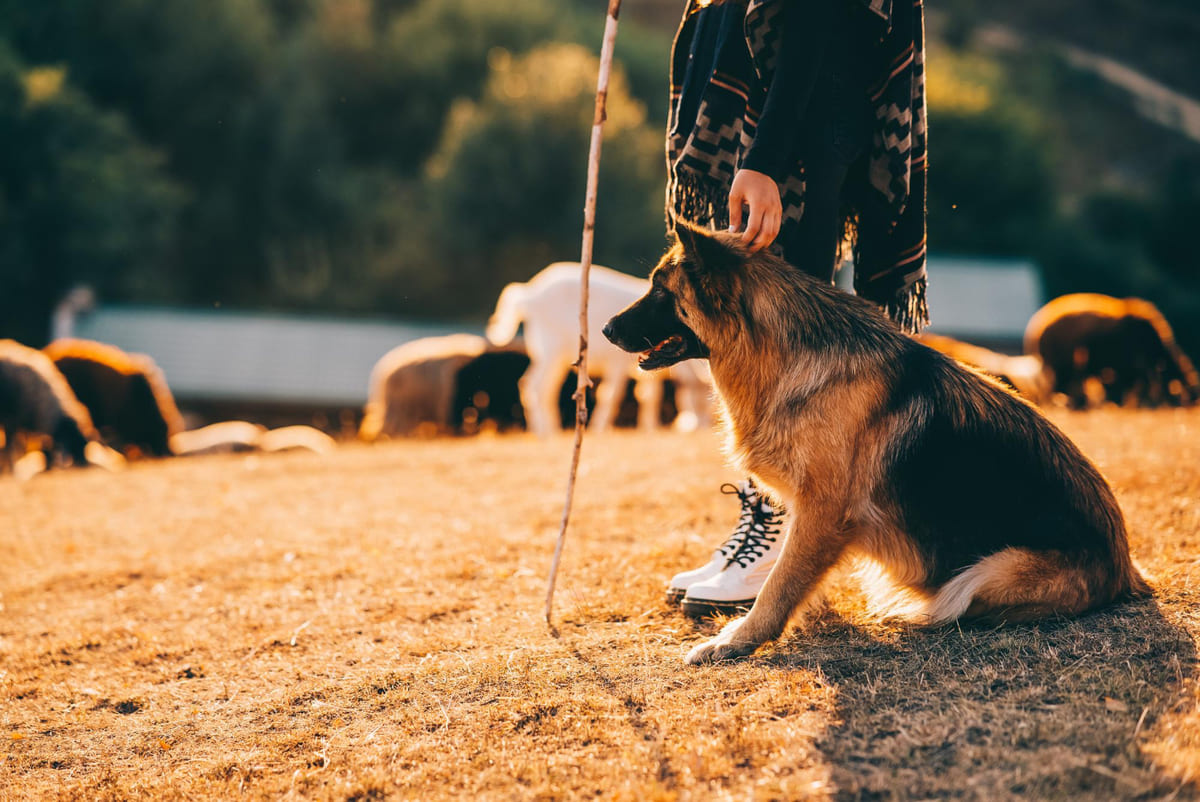 The German Shepherd Dog is a breed that is owner-focused, highly dutiful, and has a well-developed social intelligence. When well-trained, it becomes both a protective and affectionate housemate. It is cautious towards strangers but completely loyal to its family.
The following are some of the prominent character traits of the German Shepherd:
- It is extremely intelligent and open to learning. It responds quickly to commands. It is an indispensable part of the lists of the smartest dogs.
- They develop strong bonds with their owners and are sensitive to their emotions.
- Their legendary protectiveness is no coincidence: Their protective instinct is very high, and they spontaneously defend their family against threats.
- They are gentle with children and adaptable to the elderly; they can adjust their behavior according to their environment.
- With their energetic nature, they need physical and mental activity.
- They are initially distant towards strangers, but easily adapt if they do not perceive danger.
- They are not stubborn but determined; they know their limits if they trust their leader.
- Enjoys both individual play and group work.
According to the DogTime platform, this breed is one of the most successful dog breeds in terms of "high trainability and task-orientedness".
German Shepherd Dog Care and Tips
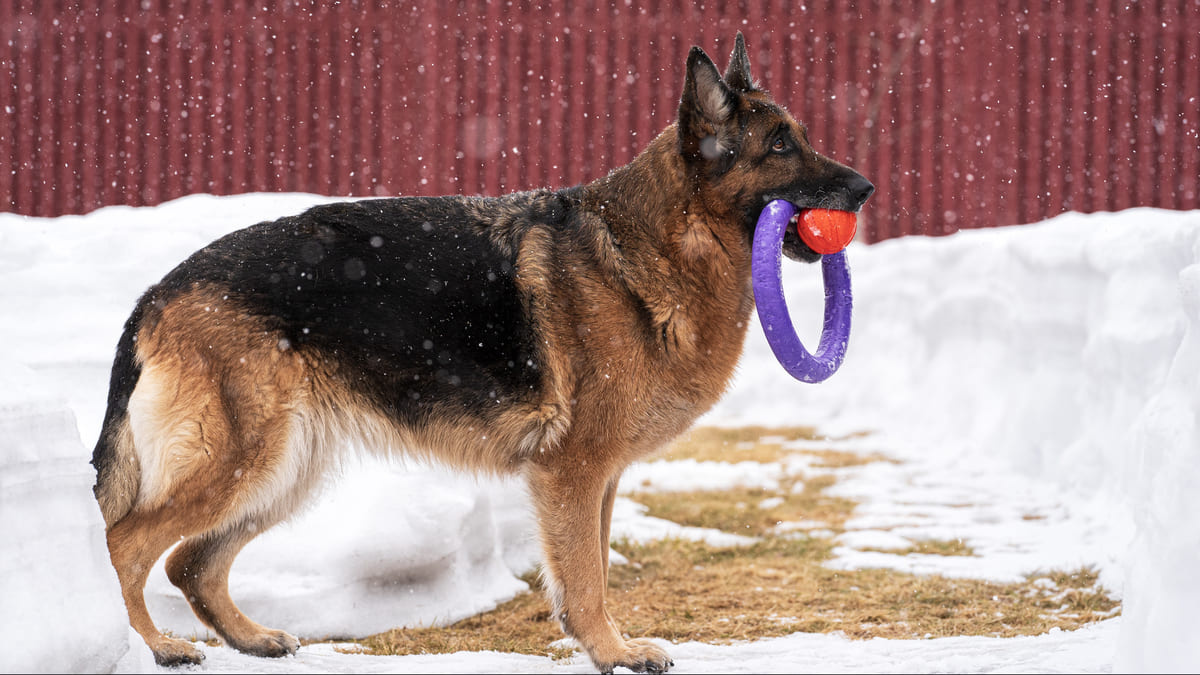 German shepherds require conscious care. A sustainable daily, weekly, and periodic care routine should be established to maintain both their physical health and mood.
The German Shepherd has a double-layered and dense coat. The undercoat acts as insulation, while the topcoat provides protection against external factors. The coat structure causes intense shedding twice a year. Brushing at least 2-3 times a week is important for removing dead hair and maintaining skin health. During shedding periods, this frequency should be increased to daily. Choosing the right comb and brush makes the process easier. Dense fur can restrict skin air circulation, so special attention should be paid to skin and coat care. Regularly checking the areas under the fur allows for early detection of redness, wounds, or parasites. When necessary, it is recommended to wash with natural and dog-friendly shampoos. Bathing every 6-8 weeks is sufficient on average. More frequent washing can disrupt the skin's natural oil balance.
Since dense fur can limit the skin's ability to breathe, special attention should be paid to skin and coat care. Regular inspection of the areas under the fur allows for early detection of redness, wounds, or parasites. Washing with natural, dog-friendly shampoos is recommended when necessary. Bathing every 6-8 weeks is sufficient on average. More frequent washing can disrupt the skin's natural oil balance. Environmental factors such as dust and pollen can irritate the eyes of German Shepherds, especially those that spend time outdoors. The area around the eyes should be gently cleaned with a damp cotton pad several times a week. If there is discharge, especially if it is yellow or green, this may be a sign of infection; veterinary evaluation is absolutely necessary. Although the erect ear structure allows for good air circulation, the open structure does not completely eliminate the risk of ear infections. Weekly ear checks and cleaning with dog-specific ear solutions when necessary help prevent infections. Cotton swabs should not be used.
Environmental factors such as dust and pollen can irritate the eyes of German Shepherd dogs, especially those that spend time outdoors. The area around the eyes should be gently cleaned with a damp cotton ball several times a week. If there is discharge, especially if it is yellow or green, this may be a sign of infection; veterinary evaluation is absolutely necessary.
Although air circulation is good due to the upright ear structure, the open structure does not completely eliminate the risk of ear infections. Weekly ear checks and cleaning with dog-specific ear solutions when necessary help prevent infections. Cotton swabs should not be used.
Plaque and tartar buildup on teeth can lead to tooth loss in large breed dogs as they age. Teeth should be cleaned at least 2-3 times a week with a dog-specific toothbrush and toothpaste. Additionally, toys like dental floss and specially formulated dog dental care products can be used to support dental health.
The exercise needs of German Shepherd dogs should not be considered separately from their grooming routines. They need at least 1-1.5 hours of physical activity and mental stimulation daily. Long walks, nature runs, basic obedience exercises, and problem-solving games meet this need. Insufficient exercise can lead to behavioral problems due to boredom.
German Shepherd Training
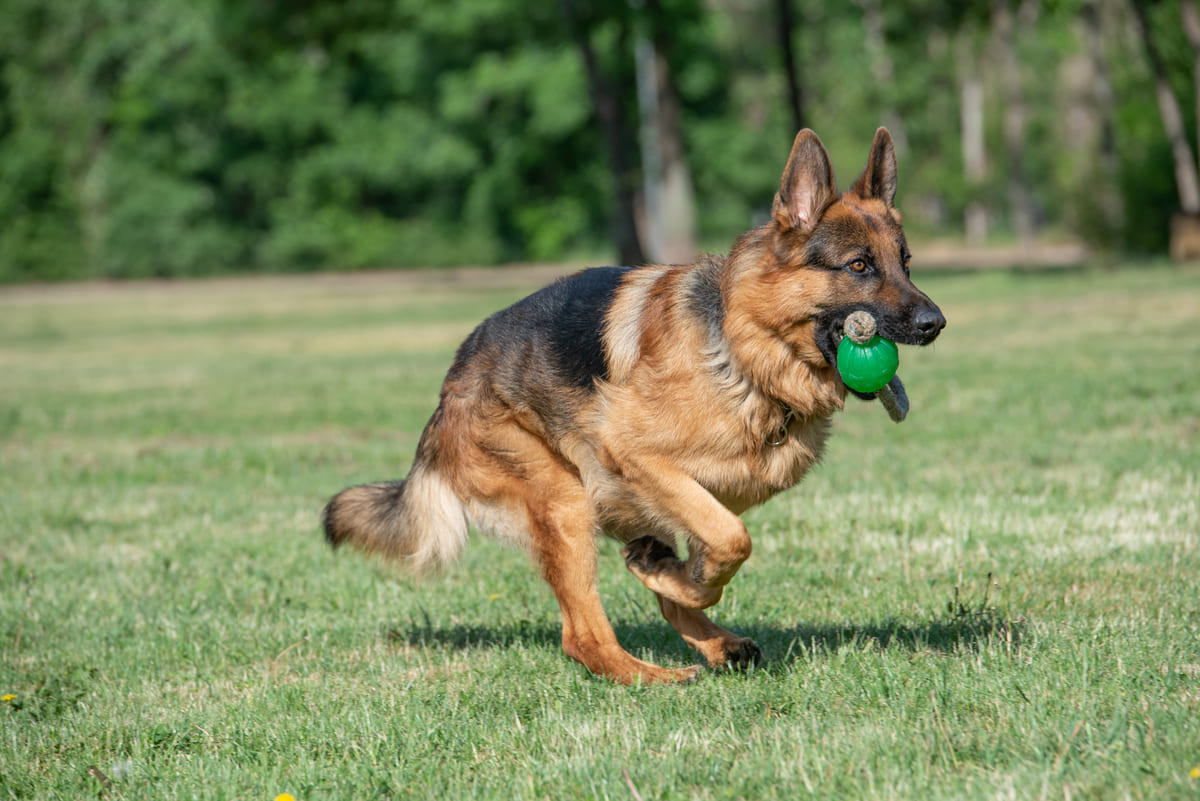 The answer to the question, "How intelligent is a German Shepherd?" lies in the fact that this breed can receive professional-level training in areas such as search and rescue, guidance, and protection.
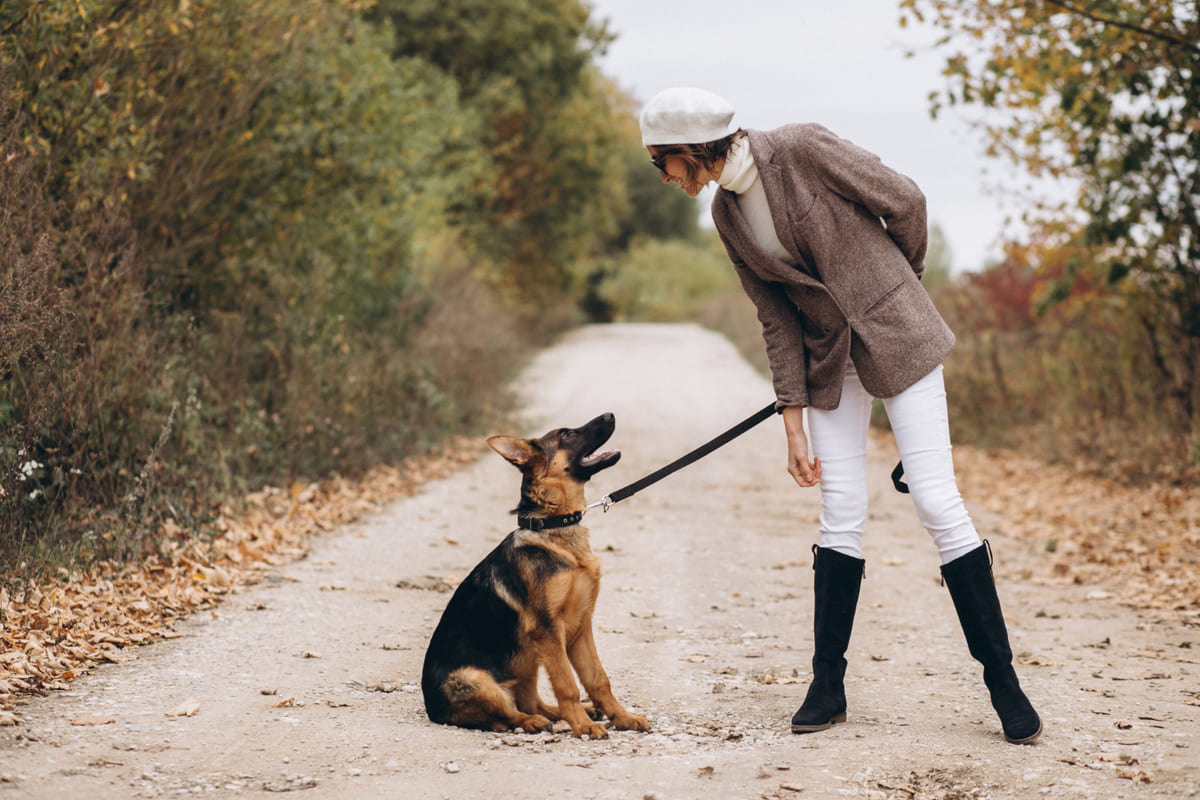
Basic obedience training, which should begin in puppyhood, is critical for a dog's ability to adapt to the social environments it will encounter throughout its life. Simple commands should be taught early and supported with positive reinforcement methods (treats, toys, praise).
German Shepherd puppies should be introduced to different people, animals, and environmental stimuli early on. Dogs that do not experience sufficient socialization may develop an overprotective instinct. This can lay the groundwork for behavioral problems later on. Controlled social interactions, park visits, and play sessions with other dogs should be part of this process.
They may test boundaries from time to time. Therefore, the training process should be conducted with patient, clear, and consistent leadership. Sudden mood swings, punishment, or contradictory commands can disrupt the learning process.
Things to Know When Adopting a German Shepherd
- Be prepared for high exercise needs! This breed needs at least 1-1.5 hours of physical activity daily. Without sufficient exercise, they may misdirect their energy.
- They don't like being idle; they need to be mentally occupied. Activities such as training, playing, and task-taking should be incorporated into their routine.
- Lack of socialization can lead to behavioral problems. They are wary of strangers. Positive interactions with people, children, and other animals should be encouraged early on.
- They have strong protective instincts. They tend to be possessive of their family. If not properly trained, they may exhibit overly protective behavior.
- Apartment living should be carefully considered. They can live in an apartment in a quiet and orderly environment, provided their daily exercise needs are met. However, the ideal living space is a house with a garden.
- Shedding periods are intense. They go through shedding periods twice a year. Frequent brushing and the use of dog grooming products may be necessary during these periods.
- Health costs should be considered. Regular check-ups are essential for health risks such as hip dysplasia, gastric torsion, and degenerative myelopathy.
- The feeding plan should be tailored to age and activity level. Foods specifically formulated for large breeds, with joint support, should be preferred; the feeding plan should be developed in consultation with a veterinarian.
- Basic obedience training should be given at an early age. Although they are open to learning, it requires clear boundaries and consistency. If training is neglected, it can become difficult to control.
- They get along well with children but should not be left unsupervised. Because of their high energy level, supervision may be necessary during playtime with young children.
Frequently Asked Questions About German Shepherd Dogs
 Just like Golden Retrievers, Labradors, and Dobermans, each dog breed has its own unique character, needs, and lifestyle. However, many people wonder if German Shepherds, which are much more than their appearance suggests, are truly a good fit for their lifestyle. Here are the details…
Is a German Shepherd a good family dog?
Yes, a German Shepherd is an excellent family dog as long as it is well-trained and socialized. Thanks to its high sense of loyalty, it develops strong bonds with family members. They are careful and patient when playing with children, and can communicate harmoniously with the elderly. They are a reliable companion both indoors and outdoors. Because of their strong protective instincts, they naturally tend to defend their family against threats.
Are German Shepherd dogs intelligent?
Absolutely! The German Shepherd is one of the most intelligent dog breeds in the world. They can quickly grasp complex tasks, remember command sequences, and have high decision-making skills. Thanks to these characteristics, they are frequently used as police dogs, search and rescue dogs, or guide dogs.
Can a German Shepherd live in an apartment?
With the right conditions, the answer to the question "Can a German Shepherd be kept in an apartment?" is "Yes." However, this breed has high energy and needs to be taken outside and exercised daily. To make them suitable for apartment living, regular walks, socialization, and mental exercises should not be neglected. Social rules should be taught early on so that they behave respectfully towards apartment dwellers. It should be remembered that they may be sensitive to noise and loneliness.
Do German Shepherd dogs bark a lot?
The answer to the question "How much does a German Shepherd bark?" varies depending on the dog's training and its reactions to environmental stimuli. Generally, they bark moderately, but due to their protective instinct, they will give vocal warnings when they perceive a threat or want to attract attention. Obedience training is essential to control unnecessary barking.
Do German Shepherd dogs get along well with children?
When properly socialized, they can form strong relationships with children. They are protective, patient, and attentive towards them. When a German Shepherd puppy grows up with children, a strong bond forms between them.
How long do German Shepherd dogs live?
On average, the lifespan of a German Shepherd dog is between 9 and 13 years. This period varies depending on genetic makeup, lifestyle, quality of nutrition, and regular health checkups. Dogs fed with high-quality large breed dog food, getting regular exercise, and undergoing timely health checkups can live longer.
Are German Shepherd dogs hypoallergenic?
No, German Shepherds are not a hypoallergenic breed. Due to their double-layered coat and tendency to shed regularly, they are not suitable for individuals with allergies. Intense shedding occurs especially during seasonal changes. During this period, airborne hairs and skin flakes can increase allergenic effects.
Does a German Shepherd shed a lot of hair?
Yes, this breed sheds a lot of hair, and this continues throughout the year. However, shedding increases significantly during the shedding periods in spring and autumn. The most effective way to manage this process is regular brushing. Dog grooming products are useful for collecting shed hair and supporting skin health. A healthy diet also plays a role in balancing shedding.
Does a German Shepherd bite?
They may exhibit biting behavior if there is a lack of training and socialization. However, this breed is not aggressive by nature, but a controlled protector. They may act on their defensive instinct when they perceive danger or need to defend their family. With proper guidance from puppyhood, this tendency can easily be controlled. As long as they accept their owner as the leader, they will exhibit obedient behavior.
Is a German Shepherd very expensive?
It requires above-average costs in terms of care and health. Needs such as high-quality large breed dog food, regular veterinary checkups, parasite treatments, and grooming should be considered. It also requires time and energy to meet exercise and training needs.
Can a German Shepherd be kept indoors?
With the right environment, a German Shepherd can be kept indoors. It should not be left passive indoors; physical activity and mental engagement should be included in the daily routine. Frequent exercise, games, and command training make home life easier.
Kaynaklar:
https://www.akc.org/dog-breeds/german-shepherd-dog/
https://timberwolfpet.com/blogs/dog-facts/10-most-interesting-german-shepherd-facts
https://www.rover.com/blog/breeds/german-shepherd/
https://dogtime.com/dog-breeds/german-shepherd-dog
https://www.purina.co.uk/find-a-pet/dog-breeds/german-shepherd
https://www.petmd.com/dog/breeds/german-shepherd
https://www.thekennelclub.org.uk/breed-standards/pastoral/german-shepherd-dog/
https://www.pdsa.org.uk/pet-help-and-advice/looking-after-your-pet/puppies-dogs/large-dogs/german-shepherd
https://www.thesprucepets.com/breed-profile-german-shepherd-dog-1117967
https://www.dogbreedinfo.com/germanshepherd.htm
https://www.fci.be/nomenclature/standards/166g01-en.pdf
https://www.ckc.ca/CanadianKennelClub/media/Breed-Standards/Group%207/German-Shepherd-Dog.pdf
https://www.ukcdogs.com/german-shepherd-dog
https://www.gsdcc.ca/gsd-characteristic
Advertisement
Advertisement
Keep exploring
Continue reading

Dog Nutrition
Can Puppies Eat Salmon? Differences Between Raw, Cooked, and Salmon Food
Puppies being given small amounts of well-cooked, plain, and boneless salmon They can eat it. However, giving raw salmon is not recommended.
Read guide →
Dog Nutrition
How Should Neutered Dogs Be Fed? Food Selection and Weight Control
After neutering, your dog's appetite, activity level, and daily energy needs may change. Continuing to feed the same amount of food may lead to…
Read guide →
Dog Nutrition
What is the purpose of L-Carnitine in dog food? What is its effect on weight control?
L-carnitine, which is frequently seen on the labels of weight-control dog foods, may seem like an ordinary ingredient at first glance.
Read guide →
Dog Nutrition
Can I Feed My Large Breed Dog Small Breed Dog Food?
The question, "Can I feed a large breed dog small breed food?" often arises from a practical need.
Read guide →