Gingivitis in Cats
Gingivitis is a common health problem in cats over three years old. The causes of inflammation can range from diet to physical abnormalities. This condition is quite painful for cats and, if left untreated, can lead to tooth loss, bone infection, or the infection spreading from diseased oral…

Advertisement
Gingivitis is a common health problem in cats over three years old. The causes of inflammation can range from diet to physical abnormalities. This condition is quite painful for cats and, if left untreated, can lead to tooth loss, bone infection, or the infection spreading from diseased oral tissues to the bloodstream. A bacterial infection that spreads throughout the body can cause serious health problems in other organs of the cat.
Gingivitis is inflammation of the area surrounding the tooth. This occurs because plaque that accumulates on the surface of the tooth and gums over time causes inflammation. Mild gingivitis is common in cats of almost all ages and breeds and is considered a sign of periodontal disease. In very severe cases, cats may not be able to eat due to pain and the inflammation may need to be cleaned under general anesthesia.

Symptoms of Gingivitis in Cats
Symptoms of gingivitis are usually easily seen around the mouth. In addition, in cases of severe inflammation, changes in the cat's physical and behavioral condition are also observed. All of these symptoms help the veterinarian diagnose gingivitis.
The first sign of gingivitis in cats is bad breath and red gums. Excessive drooling may also occur due to discomfort in the mouth. However, excessive drooling alone is not considered a sign of gingivitis. Many diseases can cause excessive drooling in cats.
Pain in the gums and teeth can cause symptoms such as loss of appetite and difficulty chewing. Cats with gingivitis often try to eat but spit it out or only try to chew with one side of their mouth. Loss of appetite leads to weight loss.

Causes of Gingivitis in Cats
The most common cause of gingivitis in cats is plaque buildup on the teeth and gums. There are also some risk factors for gingivitis. Problems caused by certain viruses such as feline leukemia virus, calicivirus, or immunodeficiency virus, poor oral hygiene, genetic predisposition, and malformation of teeth are some of the causes of gingivitis.
Cats with excessively short noses, such as Persian, Chinchilla, British, or Exotic Shorthair, may have malformations in their teeth. The jawbones of these cats are too small for the teeth, and excessive crowding occurs when the teeth erupt. This leads to easier plaque accumulation and gingivitis. Also, some cats may not have all their baby teeth fall out. This can cause crowding of teeth and therefore inflammation.
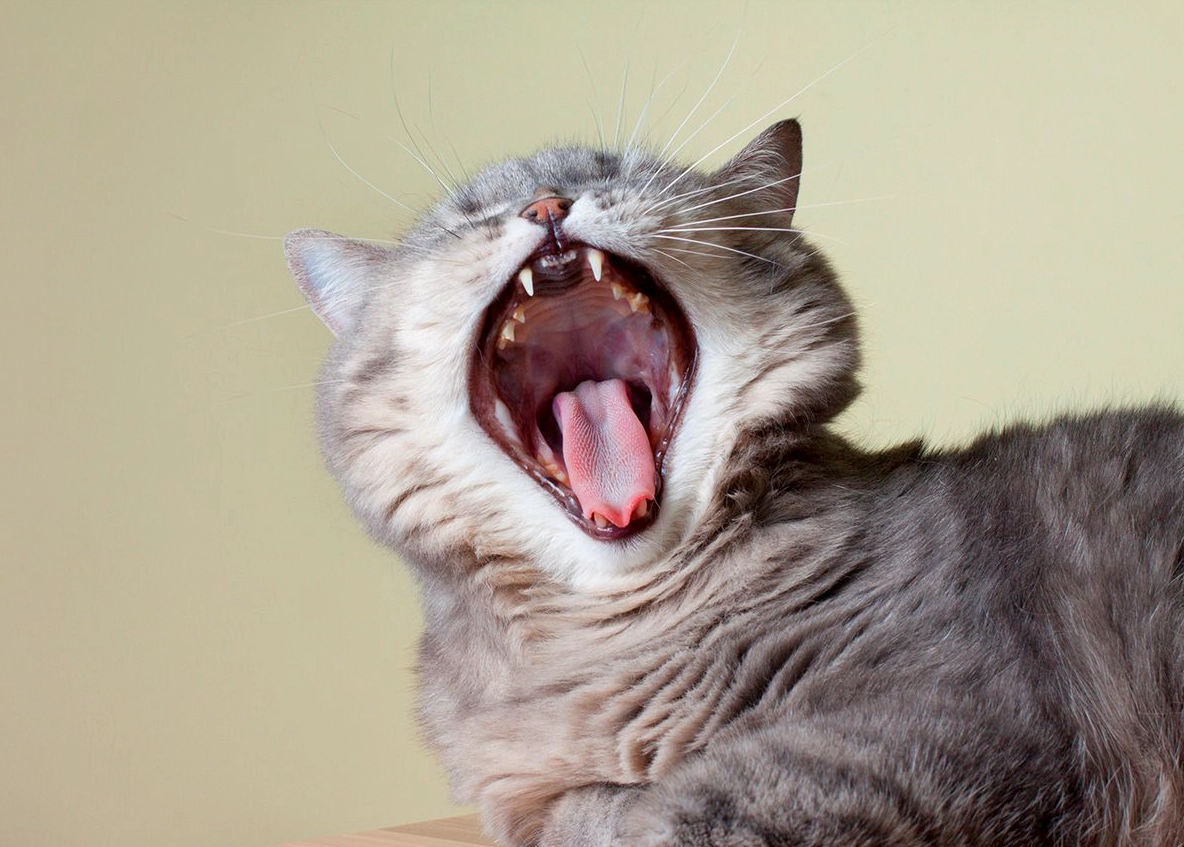
How is Gingivitis Diagnosed in Cats?
Gingivitis is a condition that can be easily noticed by cat owners. If you notice any signs of gum inflammation in your cat, you should contact a veterinarian immediately. A simple oral examination can determine if there is inflammation in the cat. However, if a deeper infection in the oral cavity is suspected, advanced imaging methods are used. For this, an X-ray of the cat is necessary. Treatment and Prevention Methods Treatment for gum inflammation varies depending on the condition. Many treatments can be applied, such as cleaning the plaque accumulated in the mouth and extracting the affected tooth. In cases of severe inflammation, antibiotic treatment may be necessary. Several measures can be taken to minimize the risk of gum inflammation in cats. In this regard, it will be beneficial to not neglect the cat's routine check-ups, to feed it with high-quality dry food, and to perform regular oral care. You can review oral and dental health products for cats here.
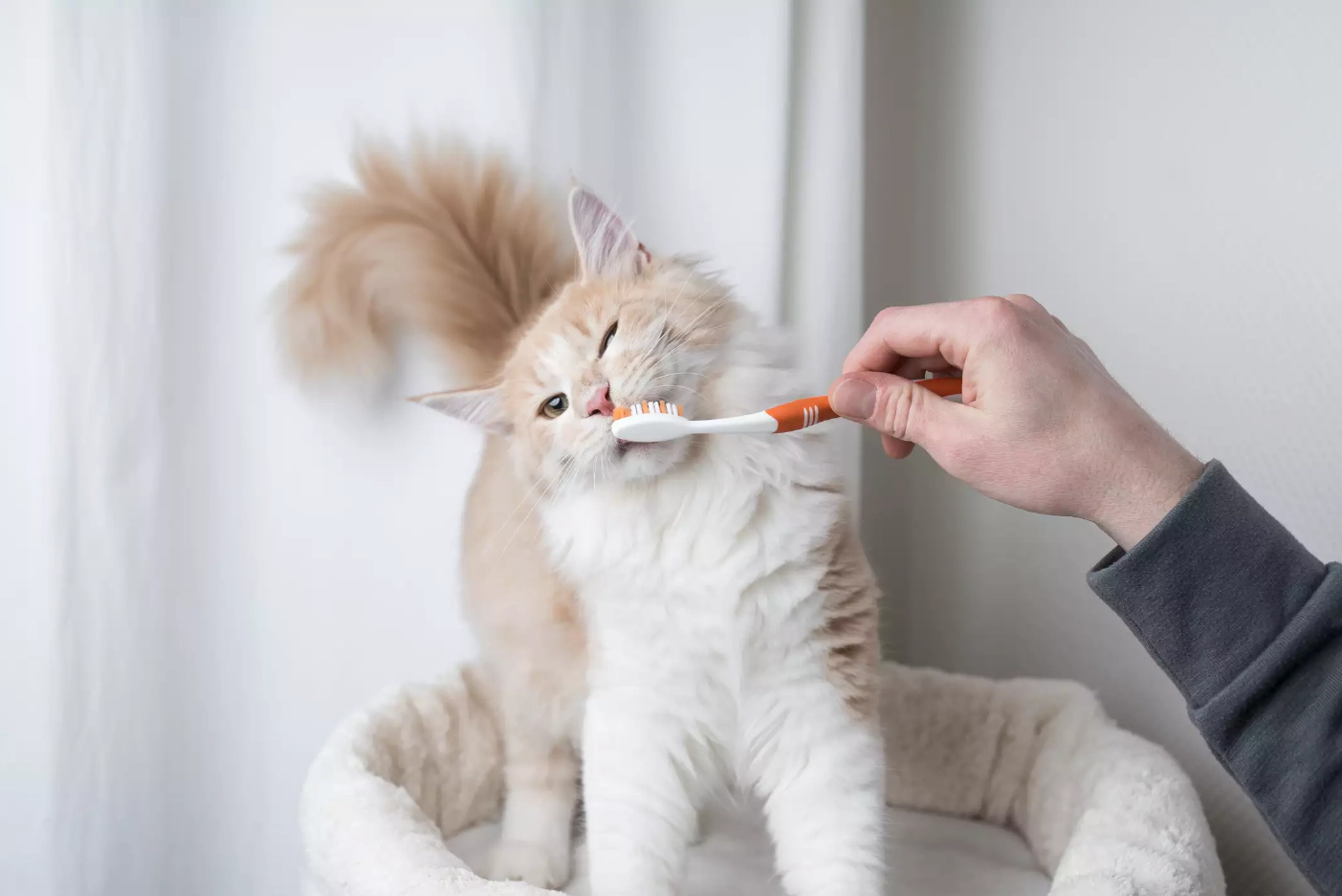
Treatment and Prevention Methods
Treatment for gingivitis varies depending on the severity of the condition. Many treatments can be applied, such as cleaning the plaque accumulated in the mouth and extracting the affected tooth. In severe cases of inflammation, antibiotic treatment may be necessary.
It is possible to take various precautions to minimize the risk of developing gingivitis in cats. In this regard, it will be beneficial to not neglect the cat's routine check-ups, to feed it with high-quality dry food, and to perform regular oral care. You can review oral and dental health products for cats here.
Advertisement
Advertisement
Keep exploring
Continue reading

Cat Lifestyle & Guides
What is Cat Soup? Is it Beneficial for Cats?
If your cat rarely visits its water bowl, is sometimes reluctant to eat dry food, or shows interest in different textures, liquid products may catch…
Read guide →
Cat Lifestyle & Guides
How to Give Rewards and Snacks to a Neutered Kitten?
The Feline Veterinary Medical Association supports neutering kittens until they are five months old.
Read guide →
Cat Lifestyle & Guides
Benefits of Colostrum for Cats and Dogs
Colostrum is the first milk produced by mother cats and dogs after birth. Thanks to its antibodies and high nutrient content, it responds to the…
Read guide →
Cat Lifestyle & Guides
Why is Gut Health Important in Cats?
In cats, bowel health is linked to many areas, from digestive regularity and immune system-related processes to energy levels and daily comfort.
Read guide →