Hearing Problems in Older Cats
Deafness in cats is the result of a disease, a brain abnormality or defect, or the physical underdevelopment of the ear. However, with aging, nerve damage and the gradual fusion of the tiny bones in the cat's inner ear can lead to hearing loss in older cats.
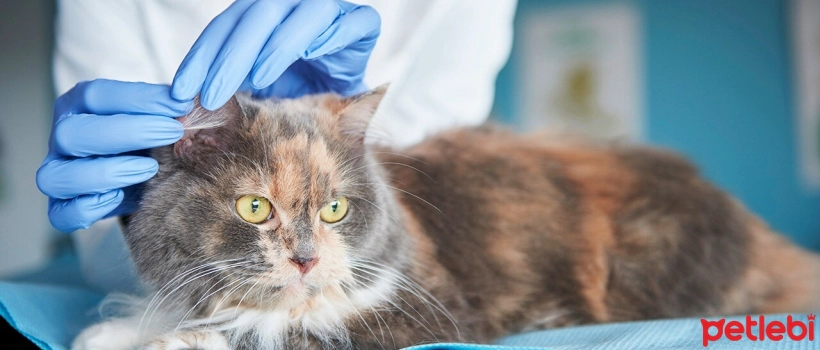
Advertisement
Deafness in cats is the result of a disease, a brain abnormality or defect, or the physical underdevelopment of the ear. However, with aging, nerve damage and the gradual fusion of the tiny bones in the cat's inner ear can lead to hearing loss in older cats. Depending on the cause of hearing loss in cats, deafness can occur in one ear or both ears. The color of a cat's fur and eyes is also an indicator of its predisposition to deafness. Deafness is much more common in cats with white fur and both blue eyes. For more detailed information on this topic, you can read our blog post titled "What You Need to Know About Deafness in White-Furred Cats". Cats have a much more developed sense of hearing than humans and can easily perceive sounds that humans cannot hear. Depending on the problem the cat is experiencing, there may be difficulty hearing or complete deafness.

Symptoms of Deafness in Cats
Hearing problems and deafness in older cats occur gradually over time. This makes it difficult for cat owners to notice the signs of progressive deafness. Common signs of deafness in cats include meowing louder than usual, unresponsiveness to environmental sounds, not responding when called by name, only interacting with people within their field of vision, sleeping more than usual, not waking up in loud environments, and being easily frightened. When deafness occurs as a result of an illness, symptoms such as a bad odor or discharge from the ear, impaired coordination, scaling or pinkness of the ear tips, head shaking, and constant ear scratching are observed. If one or more of these symptoms are observed, the cat should be taken to a veterinarian for examination without delay. What Causes Hearing Problems in Cats? Hearing problems in cats can occur due to genetic factors, diseases, environmental factors, or aging. The most common cause of age-related deafness is the thickening of the eardrum over time. This prevents sounds from passing to the middle ear, leading to deafness. Another cause of deafness is the fusion of bones in the inner ear over time. Nerve damage in the ear that occurs with aging is another cause of hearing problems.
When deafness occurs as a result of an illness, symptoms such as a bad odor or discharge from the ear, impaired coordination, scaling or pinkish discoloration of the ear tips, head shaking, and constant ear scratching are observed. If one or more of these symptoms are observed, the cat should be taken to a veterinarian for examination without delay.

What Causes Hearing Problems in Cats?
Hearing problems in cats can occur due to genetic factors, diseases, environmental factors, or aging. The most common cause of age-related deafness is the thickening of the eardrum over time. This prevents sounds from passing to the middle ear, resulting in deafness. Another cause of deafness is the fusion of bones in the inner ear over time. Nerve damage in the ear that occurs with aging is another cause of hearing problems. For the

How is Deafness Diagnosed in Cats?
To diagnose deafness in cats, the veterinarian must first learn all the symptoms and perform a physical examination. During the physical examination, the cat's reaction to sound and whether it moves its head in response to sound are checked.
An ear examination and neurological examination are performed to ensure that the cat's ear is not blocked due to foreign objects, earwax, or infection. The BERA test is used to diagnose age-related deafness in older cats. The BERA test, an auditory brainstem response test, is based on observing the electrical activity in the cat's cochlea and hearing pathway. For the BERA test, small foam earplugs are placed in the cat's ears. Then, electrodes are attached between its shoulders, on top of its head, and in front of each ear. This allows each ear to be tested individually. The BERA test usually takes no more than 15 minutes. Treatment of Deafness in Cats Treatment for deaf cats actually varies depending on the source of the deafness. Hearing loss caused by infection, earwax, or tumors is treatable. However, there is no cure for genetic or age-related deafness. Instead, the cat needs to learn how to live with deafness.
BERA test, small foam earplugs are placed in the cat's ears. Then, electrodes are attached between the shoulders, on top of the head, and in front of each ear. This allows each ear to be tested individually. The BERA test usually takes no more than 15 minutes.
Treatment of Deafness in Cats
Treatment for deaf cats actually varies depending on the source of the deafness. Hearing loss caused by infection, earwax, or tumors is treatable. However, there is no cure for genetic or age-related deafness. Instead, the cat needs to learn how to live with deafness.
How Should Deaf Cat Care Be?
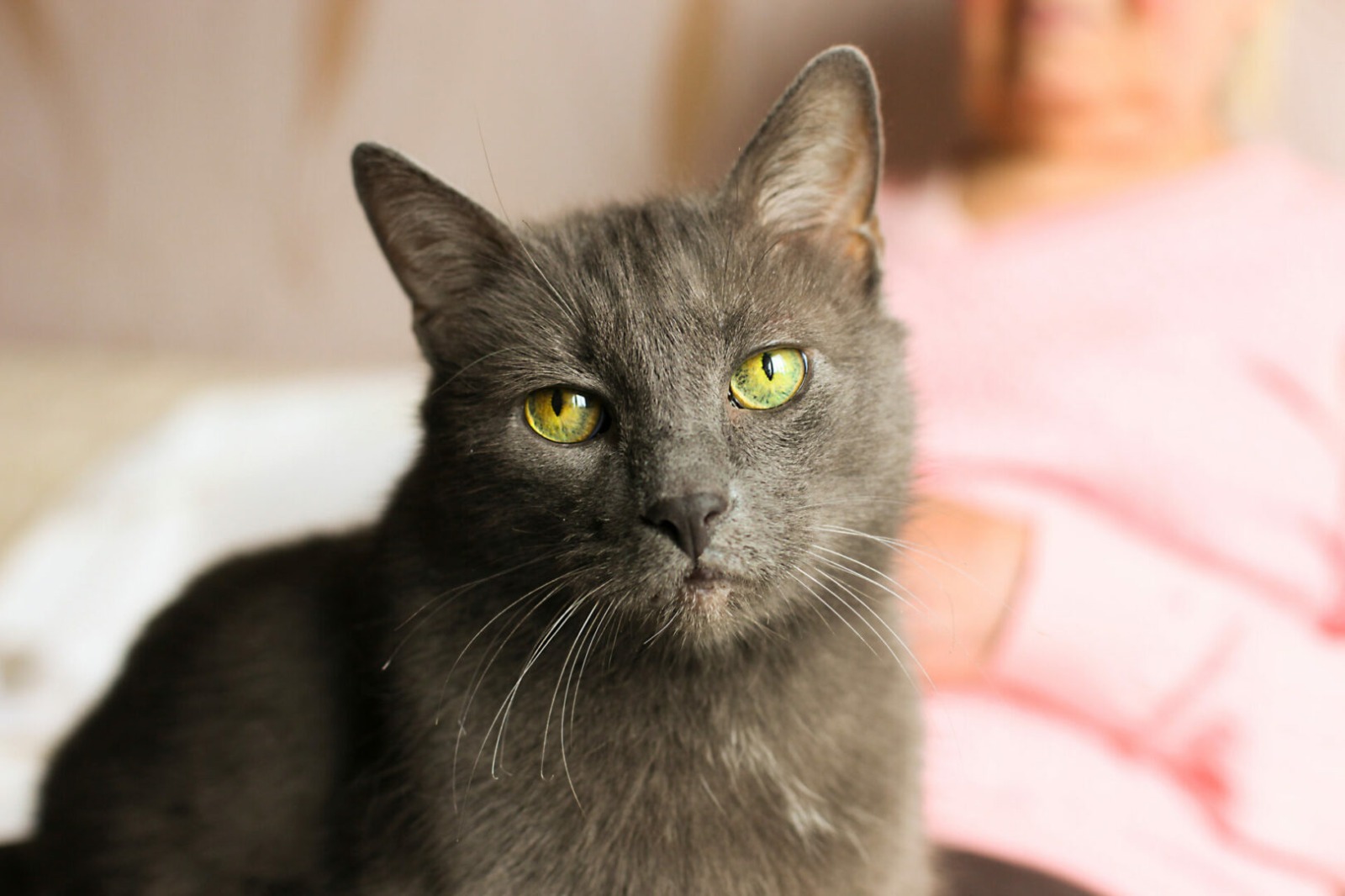
Since age-related deafness cannot be treated, it is necessary to make the cat's life more comfortable from now on. Small changes in daily life can make it easier for it to live. The first rule for caring for a deaf cat is to always approach the cat from its line of sight. Approaching it from the front and in a way that it can see is sufficient. In addition, it is possible to teach cats various movements. You can reinforce movements such as clapping or stomping your foot with various behaviors to help the cat learn them. Cats have a very keen sense of smell. In this way, using perfume or aftershave that has a scent that the cat can associate with its owner will help it recognize you.
You can also teach your cat some movements with light. Turning a light on and off from a source like a flashlight each time you feed your cat is a simple and effective way to teach it when its food is ready. When cats are deaf, it becomes difficult to find them. Because deaf cats may not respond to calls or come to you, it can sometimes be difficult to find where they are hiding in the house. In such a case, using collars with a small bell at the end is the easiest solution. This way, you can find your cat's location at any time. You can examine cat collars with bells designed for cats by clicking here. For more detailed information about caring for deaf cats, you can check out our blog post titled "Adopting a Deaf Cat".
Advertisement
Advertisement
Keep exploring
Continue reading

Cat Lifestyle & Guides
What is Cat Soup? Is it Beneficial for Cats?
If your cat rarely visits its water bowl, is sometimes reluctant to eat dry food, or shows interest in different textures, liquid products may catch…
Read guide →
Cat Lifestyle & Guides
How to Give Rewards and Snacks to a Neutered Kitten?
The Feline Veterinary Medical Association supports neutering kittens until they are five months old.
Read guide →
Cat Lifestyle & Guides
Benefits of Colostrum for Cats and Dogs
Colostrum is the first milk produced by mother cats and dogs after birth. Thanks to its antibodies and high nutrient content, it responds to the…
Read guide →
Cat Lifestyle & Guides
Why is Gut Health Important in Cats?
In cats, bowel health is linked to many areas, from digestive regularity and immune system-related processes to energy levels and daily comfort.
Read guide →