How Can We Keep Cats Away From Flower Pots?
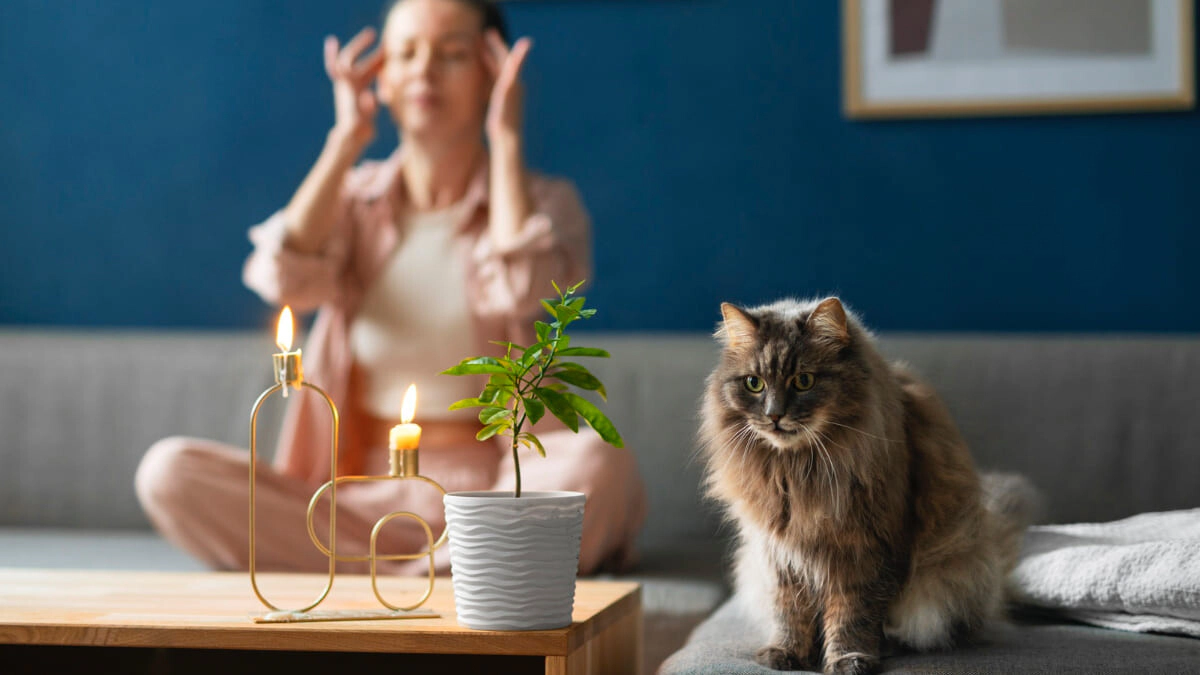
Your cat; It's perfectly natural to wonder, "How do I keep cats away from potted plants?" when you see your cat climbing on your beloved potted plant, digging in the soil with its paws, or knocking the pot over.
Advertisement
Your cat; It's perfectly natural to wonder, "How do I keep cats away from potted plants?" when you see your cat climbing on your beloved potted plant, digging in the soil with its paws, or knocking the pot over. Many cats enjoy exploring potted plants around the house, digging in the soil, or playing with the leaves. This is often less mischievous and more a result of cats' natural need for exploration, play, and interaction with their environment. However, this cannot be ignored due to the possibility of soil being scattered around, plants being damaged, and, more importantly, the potential toxicity of some plants such as lilies, elephant ear (Alocasia spp.), Angelica (Aralia spinosa), and cyclamen (Cyclamen spp.) to cats. There's also the risk of pots being knocked over; this habit should be eliminated for the cats' safety.
Many cats enjoy exploring potted plants, digging in the soil, or playing with leaves. This is often a result of cats' natural need for exploration, play, and interaction with their environment, rather than mischief.
However, this cannot be ignored due to the possibility of potting soil being scattered around, plants being damaged, and, more importantly, the potential toxicity of some plants such as lilies, elephant ear (Alocasia spp.), Angelica (Aralia spinosa), and cyclamen (Cyclamen spp.) to cats. There is also the risk of pots being knocked over, and this habit should be discontinued for the safety of cats.
Keeping cats away from potted plants is possible not by punishing the cat, but by making the pot less appealing and redirecting the cat's behavior by allowing it to meet its needs in other areas. Every cat has a different temperament, energy level, and reactions to its environment. Therefore, it would not be realistic to assume that a method that works in one home will yield the same results in every home.
Caution: The safety of houseplants may vary depending on the type, variety, quantity of the plant, and the cat's contact with it. Since plant names can be confusing in everyday use, it is recommended to check the scientific name (Latin name) when evaluating the safety of a plant. In case of doubt, it is safer to consider the plant toxic and restrict access.
Why Do Cats Show Interest in Potted Plants?

Scattering the soil with their paws is both an extension of their natural toilet behavior and a way for cats to explore their environment. These behaviors are driven by instinctive motivations. According to reliable sources like the ASPCA, many undesirable behaviors in the home stem from cats' hunting and exploration instincts that cannot be satisfied through play. Pots and pans are areas where cats can hide, where small creatures might emerge, or where they can explore. Leaves that sway in a slight breeze trigger the cat's hunting reflex. This can manifest as scratching and sudden leaps around the pot. The level of stimulation in the home environment also affects the intensity of a cat's interest in pots and pans. Cats that don't get enough playtime or mental activity during the day are more drawn to new smells, textures, and objects. The smell of the soil, the structure of the plant, and the shape of the pot can fuel this curiosity. Some cats may perceive the pot as a temporary alternative to a litter box due to its similarity. When the location, cleanliness, or litter box doesn't meet a cat's expectations, potted plants can become more attractive.
Potted plants are, in the eyes of cats, hiding places, areas where small creatures might emerge, or spaces waiting to be explored. Leaves rustling in a slight breeze trigger the cat's hunting reflex. This can manifest as clawing and sudden leaps around the pot.
The level of stimulation in the home environment also affects the intensity of a cat's interest in potted plants. Cats that don't get enough playtime or mental activity during the day are more drawn to new smells, textures, and objects. The smell of the soil, the plant's structure, and the pot's shape can fuel this curiosity.
Some cats may perceive potted plants as a temporary alternative to litter boxes due to their similarity. Potted plants can become more attractive when the location, cleanliness, or quality of the litter box doesn't meet the cat's expectations.
Also, cats tend to repeat behaviors they enjoy or find appealing. A cat that has a positive experience interacting with a potted plant may develop this behavior as a habit over time.
Natural and Safe Ways to Keep Cats Away from Potted Plants

Important: Soil and pot contents can also be problematic for cats. Some fertilizers, pesticide residues, light particles like perlite, mold growth, and a moist environment caused by fungus gnats can create undesirable situations such as mouth and stomach irritation and digestive problems when your cat digs or tries to lick the soil.
The goal when keeping cats away from potted plants is to guide their behavior without harming or frightening them, while protecting the plants. Instead of making the pot forbidden, it's necessary to reduce its attractiveness.
Certain scents that are off-putting to cats can be used to gently deter them from near the pot. Some veterinary behavior resources suggest that citrus scents like orange and lemon can create a mild deterrent around the pot. Essential oils should not be used.
Changing the texture of the soil surface is also an effective method. Cats are generally attracted to soft, easily digging soil. Covering the top of the potting soil with finely ground decorative stones or a thin, water-permeable covering can reduce the soil's attractiveness and your cat's desire to dig and scratch.
Light barriers placed around the pot can also make direct contact difficult. Support rods, decorative rings, or plant cages used not too close to the pot opening prevent the cat from easily reaching the soil.
One of the most important steps is to redirect the cat's attention to alternative areas. Scratching posts, play areas, and interactive toys help the cat expend its energy outside of the pots.
Most of these methods do not produce immediate results; they show their effect over time. Applying multiple approaches together and consistently will make it easier for your cat to adjust to the new routine and ensure lasting results.
Home Measures to Protect Cats and Pots
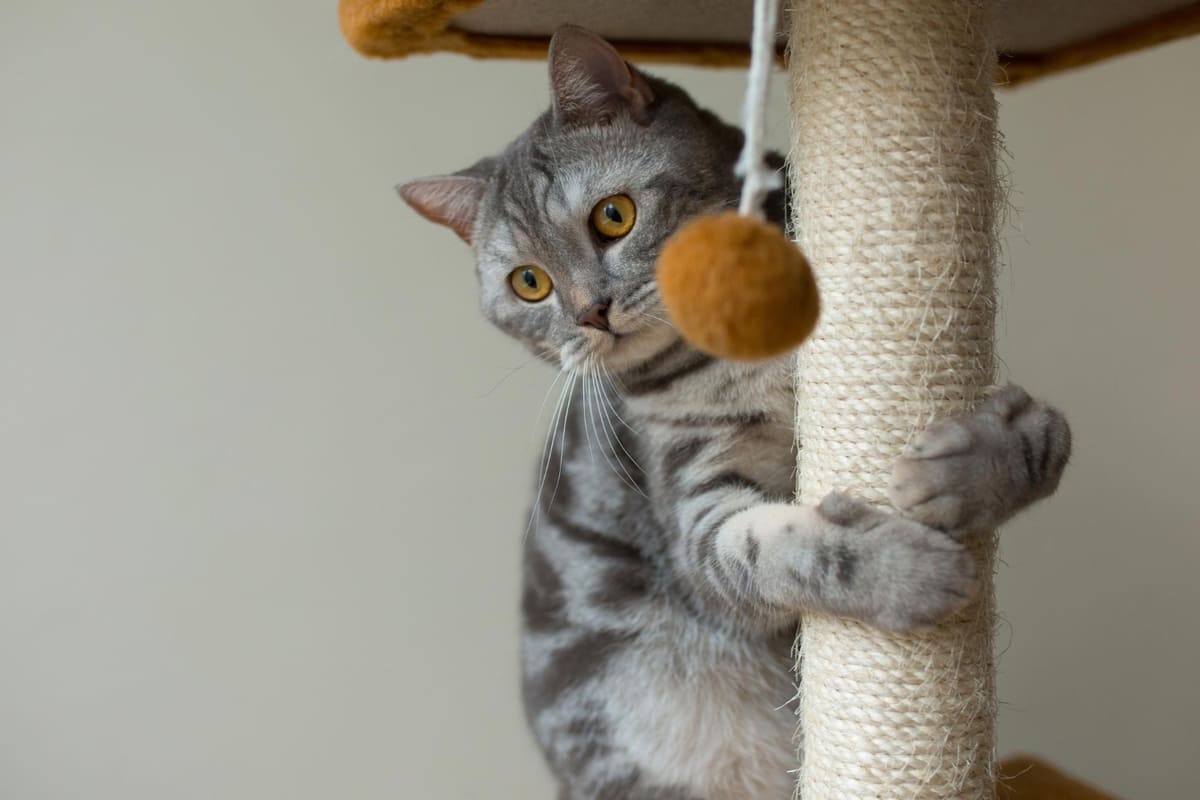
Quick actions:
- Remove toxic plants.
- Securely position the pot.
- Cover the soil with a thin barrier.
- Provide play and environmental enrichment.
- Improve litter box conditions.
Rearranging the environment provides lasting solutions, as do trying to change behavior. The location, height, and surrounding objects of the pots determine how easily your cat can access these areas. Easily accessible tables, windowsills, and empty shelves are inviting entry points for cats.
Moving plants to higher, harder-to-reach areas that are known to be safe is often the first step that works. Hanging pots, wall-mounted shelves, or plants positioned slightly above your cat's jumping distance reduce the likelihood of them reaching directly into the soil. Cats.com also emphasizes that this approach provides a safer environment for both plants and cats.
Increasing the stability of pots is also important. Wide and sturdy pot holders reduce the risk of tipping, while heavy and stationary objects placed around the pot restrict the cat's maneuvering space. Reviewing jumping and climbing routes in the house is also part of these arrangements.
Small adjustments to furniture, moving a potted plant to a different room, or restricting access to it offer more sustainable solutions than constant intervention.
Using cat grass for a cat that enjoys eating plants can also be effective in guiding this desire.
When making all these arrangements, choosing practical solutions that won't make daily plant care difficult will provide convenience in the long run.
Mistakes to Avoid When Keeping Cats Away from Potted Plants
When living with a cat that digs in the potting soil or likes to wander around the plants, sometimes your patience can be tested, and you may want to resort to quick solutions. However, some methods may worsen the problem instead of solving it, so you should be careful.
- Trying to scare a cat, shouting, or startling it with sudden movements may seem to work in the short term, but in the long term, it increases stress. Your cat may learn to stay away from you, not the potted plant.
- Punishment is similarly ineffective. Cats cannot directly associate punishment with their behavior. This only creates insecurity and can lead to the behavior continuing secretly.
- Using strong-smelling or irritating substances is also risky. Pepper, strong vinegar, or chemical sprays can irritate a cat's respiratory system, eyes, and skin.
- Constantly changing the location of the potted plant makes the home environment unpredictable. This can increase stress, especially in sensitive cats, and may intensify the behavior instead of reducing it.
Is the Potting Problem a Behavioral Issue, and When is Support Needed?

It is considered normal for most house cats to occasionally dig in pot soil or play with leaves. If the behavior is short-lived and infrequent, and your cat is generally in good health, it is usually not considered a serious problem.
If the interest in pots increases, becomes an obsession, or is accompanied by soil-eating behavior, more attention should be paid. While soil-eating may be limited to curiosity in some cats, in others it may be related to pica, a tendency to eat non-food substances. In such cases, a veterinarian's opinion should be sought.
In addition, situations such as moving, changes in household routines, or the arrival of a new person or animal can create stress in cats and increase such behaviors. Insufficient play and mental stimulation are also among the factors that strengthen the tendency to dig in pots.
If soil-eating or plant-chewing behavior is accompanied by vomiting, diarrhea, lethargy, or loss of appetite, or if your cat has started using the pot as an alternative litter box, it is safest to consult your veterinarian.
Frequently Asked Questions
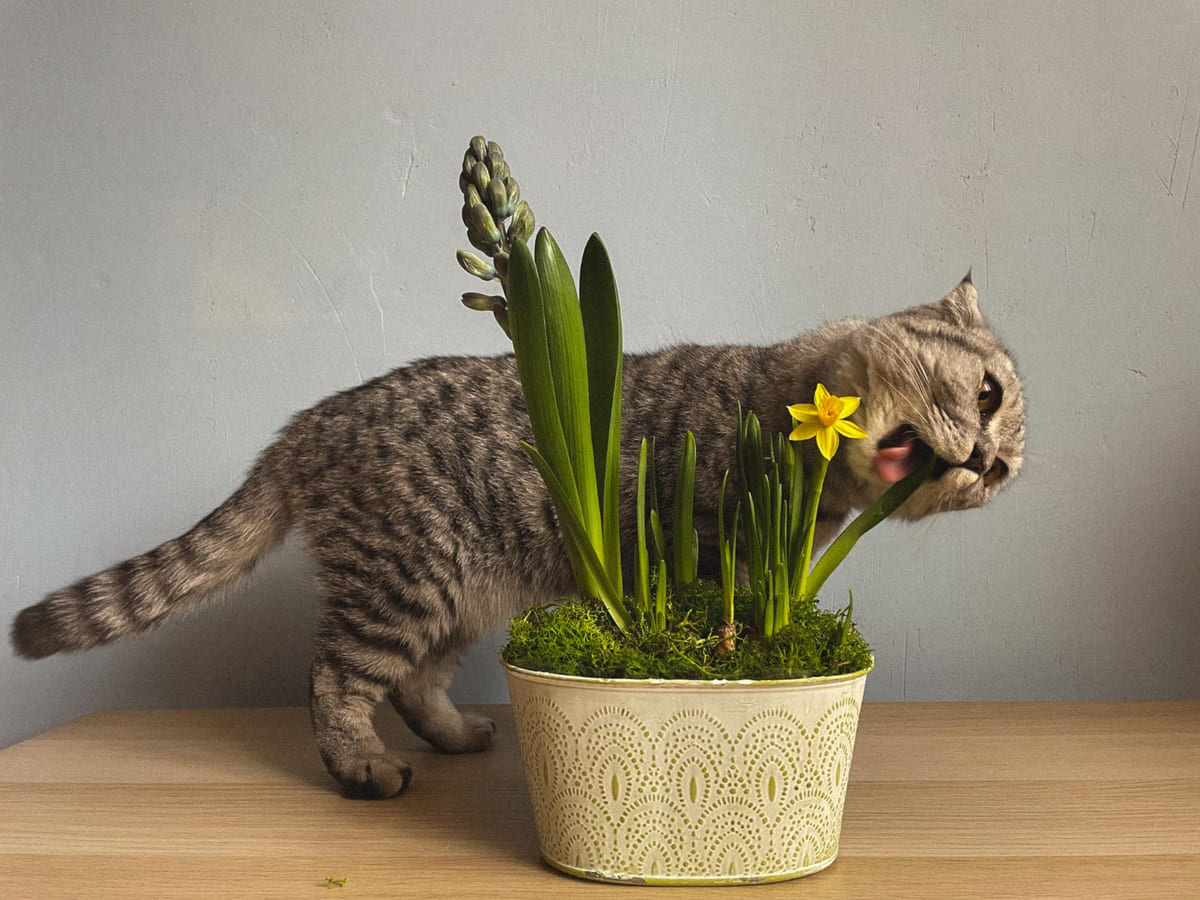
Cat behavior can sometimes be confusing, and sometimes worrying. Below you will find short answers to the most frequently asked questions by cat owners, complementing the topics covered in this guide.
Why do cats eat potting soil?
Some cats may experiment with soil out of curiosity, a desire to play, or an urge to discover a new taste or aroma. However, persistent and frequent soil-eating behavior may be related to a tendency to eat non-food items, boredom, stress, or an underlying health problem. If you notice such a situation, especially if it is accompanied by vomiting, diarrhea, or changes in appetite, you should consult your veterinarian.
Can potted plants be dangerous for cats?
Yes. Some ornamental and indoor plants commonly used in homes can be toxic to cats; if ingested, they can cause consequences such as mouth irritation, vomiting, diarrhea, neurological symptoms, or organ damage. It is important to check which plants are toxic and which are safe for cats.
Are there any houseplants that are completely safe for cats?
There are many non-toxic indoor plants that are considered cat-friendly. Plants such as Areca palm (Dypsis lutescens), prayer plant (Calathea), and Boston fern (Nephrolepis exaltata) are listed as safe options for cats in many sources. However, it is safest to check the toxicity status of each plant according to its name before bringing it home and to observe your cat for stomach upset if it chews excessively.
Is the behavior of kittens playing with potted plants temporary?
Kittens and young cats show more intense interest in everything around them during their exploration and play period. Potted plants can become part of this exploration. As they get older, this behavior can become more manageable and less frequent in most cats when sufficient play opportunities and environmental stimuli are provided.
Could a cat's interest in a potted plant be related to its toilet needs?
Yes, for some cats, potting soil can be perceived as a toilet alternative because it offers a texture similar to a litter box. The location and cleanliness of the litter box, the texture of the litter used, or the litter box simply not being appealing enough to your cat may lead them to use the pot.
If your cat has started using the pot, you should first review the litter box conditions and simultaneously move the plants to safer areas that are more difficult to access. If the problem persists, it would be beneficial to consult your veterinarian.
Kaynaklar:
https://www.aspca.org/pet-care/animal-poison-control/cats-plant-list
https://www.chewy.com/education/cat/training-and-behavior/how-to-keep-cats-away-from-plants
https://www.worldsbestcatlitter.com/blog/how-to-keep-cats-away-from-plants/
https://cats.com/keep-cats-out-of-plants
https://www.aspca.org/news/expert-tips-gardening-pets
Advertisement
Advertisement
Keep exploring
Continue reading

Cat Lifestyle & Guides
What is Cat Soup? Is it Beneficial for Cats?
If your cat rarely visits its water bowl, is sometimes reluctant to eat dry food, or shows interest in different textures, liquid products may catch…
Read guide →
Cat Lifestyle & Guides
How to Give Rewards and Snacks to a Neutered Kitten?
The Feline Veterinary Medical Association supports neutering kittens until they are five months old.
Read guide →
Cat Lifestyle & Guides
Benefits of Colostrum for Cats and Dogs
Colostrum is the first milk produced by mother cats and dogs after birth. Thanks to its antibodies and high nutrient content, it responds to the…
Read guide →
Cat Lifestyle & Guides
Why is Gut Health Important in Cats?
In cats, bowel health is linked to many areas, from digestive regularity and immune system-related processes to energy levels and daily comfort.
Read guide →