How to Clean a Dog After Coming From Outside? Dog Care After Daily Walks
Daily walks with your dog are one of the most important activities that directly affect its quality of life. Regular walks support your pet's physical health and also keep it mentally occupied with environmental stimuli.
Advertisement
Daily walks with your dog are one of the most important activities that directly affect its quality of life. Regular walks support your pet's physical health and also keep it mentally occupied with environmental stimuli. Experiences such as walking in nature, discovering new smells, and meeting other dogs are also very valuable for your dog's mental development.
After each walk, it's important to consider the unseen dangers that may come from the outside environment. Soil, mud, pollen, harmful microorganisms, and even chemical residues can easily stick to your dog's fur, paws, and around their eyes. These substances are not only harmful to your dog's health but can also jeopardize the hygiene of your home and the health of children and other family members.
In this article, we will discuss step-by-step how to properly and effectively clean your dog after outdoor activities. From daily cleaning tips to choosing the right products, from seasonal care differences to common mistakes, we will help you create a conscious and practical grooming routine by covering all the details.
Why is Dog Cleaning Important?

Your dog's daily contact with the outside world is inevitable. While this contact benefits them in many ways, such as physical activity, mental stimulation, and social development, it also brings some hygiene risks. Your dog's body, especially their paws and fur, is in direct contact with contaminants from the external environment. Over time, these contaminants can penetrate the skin and lead to serious health problems.
Contaminants Your Dog is Exposed To
During daily walks, your dog comes into contact with many different surfaces, from grassy areas to muddy streets, from parks to sidewalks. Although these areas may appear clean, they are quite rich in germs and harmful substances. The American Kennel Club (AKC) emphasizes that your dog's paws must be cleaned after each walk. Road salt, asphalt residue, and dirt accumulating on paws can cause cracks and infections over time.
Furthermore, surfaces your dog sits on, rubs against, or sniffs during walks may contain animal fecal matter, insect eggs, or parasite larvae. This can go beyond skin irritation and lead to the transmission of external parasites such as fleas and ticks, and even increase the risk of internal parasites.
The Effects of Hygiene on Dog Health
Dirty fur is not just a visual problem. It is also a harbinger of serious health problems. In particular, mud, moisture, and dirt accumulating on paws create an ideal environment for the growth of bacteria, fungi, and harmful microorganisms. This can manifest itself as cracks between the paws, inflammation, bad odor, and constant itching.
Dogs that are not regularly cleaned are more prone to dermatitis, fungal infections, and parasitic skin diseases. Dirt accumulating around the eyes, inside the ears, and around the nose can also cause irritation in sensitive areas. In addition, microorganisms brought into the house from outside can pose a health risk to other pets and especially to babies and individuals with weakened immune systems in the home.
Therefore, hygiene is critical not only for your dog's individual health but also for the overall quality of life in your home.
Guide to Cleaning Your Dog After Daily Walks

Cleaning your dog after every walk is the most important step to take to remove dirt, bacteria, and parasites that it may bring from outside from the home environment. This cleaning is not only about hygiene; it is also a basic routine for skin health, parasite control, and overall comfort.
Before Entering the House
Post-walk cleaning should begin before your dog even steps inside. This is because paws are the areas that come into the most contact with the outside world and are exposed to many elements during walks, such as soil, mud, insects, grass seeds, or harmful chemicals. These elements pose a threat not only to the dog's health but also to the floors, carpets, and upholstery in the house.
As a first step before entering the house, calmly stop your dog and check its paws. If there is excessive mud or wetness, a special paw towel or mat placed in front of the front door will be very helpful. Not only the tops of the paws but also the spaces between the toes and the bases of the nails should be carefully checked. Dirt or grass particles trapped in these areas can cause inflammation or irritation if left unnoticed.
At this point, one of the most effective products that can be recommended, especially in terms of practicality and skin-friendly ingredients, is Vet’s Plus Aloe Vera Paw Cleaning Foam. This no-rinse foam is applied directly to the paws and gently wiped away. Thanks to its aloe vera content, it also offers softening and soothing care. It is quite safe for dogs with sensitive skin or those who show allergic reactions to the external environment.
After applying the foam, the paws should be gently wiped with a clean cotton cloth or paw towel, and then it should be ensured that no moisture remains. Since fungal infections can occur on paws that remain wet, especially in winter months, the drying step should not be skipped. In summer, the soles of the paws, which become sensitive due to hot asphalt, can be soothed with a refreshing feeling of care along with cleaning.
If your dog is sensitive to water or the feeling of wetness, the foam structure makes the cleaning process more comfortable for them. Moreover, this method saves time after each walk and, when applied regularly, prevents skin problems in the long run.
How to Clean Paws?
The area that gets dirtiest after your dog's daily walks is undoubtedly their paws. Paws are constantly in contact with soil, mud, road salt, grass residue, and microorganisms. Moreover, these contaminants do not only remain on the surface of the paws; they can accumulate between the toes, under the nails, and under the pads. Over time, these accumulations create a favorable environment for the growth of bacteria, fungi, and parasites.
Paw cleaning is a basic routine for maintaining your dog's skin health as well as for keeping your home clean. Regularly cleaned paws prevent problems such as cracking, sores, or bad odor.
Application Steps:
- Before starting cleaning, check the paws for wounds, thorns, excessive wetness, or sensitivity. If your dog is limping or reacts to being touched on a paw, a veterinary check is recommended.
- Clean the paws thoroughly with a paw cleanser that doesn't require rinsing or a damp cloth. The reason for using an appropriate product for paw cleaning is to ensure that environmental pollutants are completely removed.
- Completely drying paws after cleaning is critically important, especially to prevent fungal infections. A cotton, absorbent towel should be used for drying. Leaving paws damp can lead to skin problems and accidents on slippery surfaces.
- If your dog's paws are prone to cracking or have become irritated during walks, a natural paw balm or protective cream can be applied after cleaning.
Paw cleaning is recommended after daily walks, especially after walks in rainy weather or on dirty city streets. Regular care reduces the risk of infection and improves your dog's walking comfort.
Hair Control and External Parasite Screening
The shine, density, and cleanliness level of the fur; Skin health is directly related to nutritional status and the level of protection against external factors. Observing not only the paws but also the fur after daily walks allows you to detect many health problems before they even occur.
Especially during spring and summer, grassy areas, parks, and forest paths are areas where external parasites such as fleas, ticks, and lice are active. Your dog's fur can be both a hiding place and a food source for these parasites. Since some parasites, such as ticks, can cause serious infections such as Lyme disease and blood parasites, regular brushing is essential not only for cleanliness but also for preventing serious health threats.
- Perform a general visual check when your dog comes home. Areas such as the nape of the neck, behind the ears, armpits, abdomen, and base of the tail are the most common places where parasites attach themselves.
- The entire body should be thoroughly brushed with a suitable grooming brush or comb. This process allows you to detect external parasites, remove dead hairs, and allow the skin to breathe. Regular brushing helps you detect problems such as dandruff, scaling, and redness early on, and take preventative measures to prevent their progression.
- If you notice sudden shedding, thinning, stickiness, or a bad odor in the fur, this may be a sign of a skin disease or allergic reaction. In such a case, it is important to consult a veterinarian without delay.
Eye, Ear, and Nose Cleaning
After a walk, not only the paws and fur but also your dog's face should be checked. The areas around the eyes, ears, and nose are sensitive areas where dust, pollen, insect particles, and microorganisms can easily settle. Failure to regularly clean these areas can create a breeding ground for infections and chronic irritation.
Eye Cleaning
The area around the eyes is more prone to staining and discharge, especially in light-colored or short-haired dogs. Dust, pollen, or soil particles carried by the wind during walks can get into the eyes. Over time, this can manifest as brownish stains, discharge, and watery eyes.
Such stains should be taken seriously not only from an aesthetic point of view but also due to the risk of bacterial infection. Cotton pads or wet wipes used by humans should never be used around the eyes.
At this point, Vet’s Plus Tear Stain Cleaning Solution for Cats and Dogs is an effective and safe solution. Thanks to its gentle formula, it is suitable for daily use, reduces stains accumulating around the eyes over time, and helps keep the area clean. It can be applied by gently wiping from the outer edge of the eye inwards with the help of cotton.
Ear Cleaning
The ear structure of dogs, especially those with floppy ears like Cocker Spaniels or Labrador Retrievers, is quite susceptible to moisture and bacterial growth because it is closed to airflow. Dust, pollen, or foreign objects that get into the ears during walks can cause itching, bad odor, and inflammation.
For ear cleaning, only specially formulated ear cleaners should be used; cotton swabs should be avoided. These swabs carry the risk of damaging the eardrum.
Nose Cleaning
Dogs use their noses the most when exploring the outside world. It is very natural for them to stick their noses in the soil, rub against bushes, or sniff the tracks of other animals. However, during this time, dust and dried mucus can accumulate around the nostrils. These accumulations can cause itching or nasal congestion over time.
For nasal cleaning, the outer surface should be gently wiped with a damp, cotton-free cloth, avoiding harsh movements that could cause irritation.
How Often Should You Wash Your Dog?
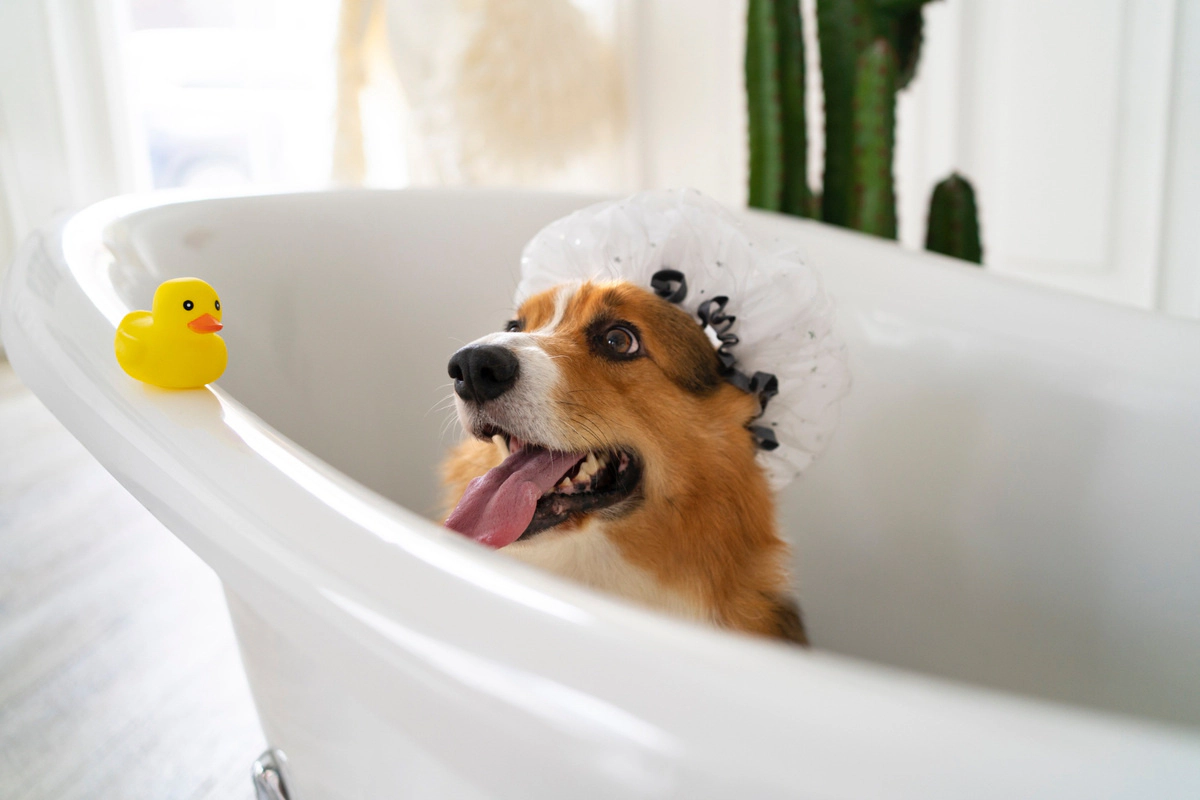
Washing your dog is very important for maintaining its hygiene and preventing bad odors. The question of how often this should be done can be confusing for most pet owners. Unfortunately, the idea that "the more you wash, the cleaner you will be" is not true for dogs. On the contrary, frequent washing can threaten skin health.
Frequency of washing; The frequency of bathing varies depending on your dog's breed, coat type, skin sensitivity, lifestyle, and the season. Therefore, there is no single correct frequency; you need to establish a routine specific to your dog.
Bathing Frequency According to Dog Breed
Different breeds have different grooming needs. For example, bathing once a month is usually sufficient for short-haired dogs without skin problems, while this frequency may increase for long-haired or sensitive-skinned dogs.
- Beagle, Boxer, Doberman short-haired breeds once a month,
- Golden Retriever, Labrador medium-length coat breeds once every 2-3 weeks,
- Shih Tzu, Yorkshire Terrier long-haired breeds up to once a week,
- Breeds with high oil production in their skin, such as Basset Hound, may need to be washed more frequently according to veterinary advice.
Seasonal changes also affect the frequency. More frequent washing may be needed in summer, while this interval may be longer in winter.
The Harms of Excessive Washing and Skin Dryness
Frequent washing of your dog is a well-intentioned but incorrect approach to grooming. This is because dogs have a natural layer of oil on their skin that protects it from external factors. If this layer is damaged by excessive washing:
- Dryness begins.
- Itching and redness occur.
- Hair loss and dullness are observed.
- Skin diseases such as eczema and fungal infections are made more susceptible. Therefore, post-washing care is also important to support the skin.
Vet’s Plus Herbal Shield Moisturizing Dog Shampoo offers a versatile solution in this regard. Enriched with herbal extracts, it also moisturizes the skin, soothes irritation, and maintains the natural oil balance. It can be used with peace of mind on dogs with sensitive skin or those that need frequent washing.
Veterinarians recommend using shampoos formulated with ingredients suitable for the dog's skin type at each wash and ensuring the fur is thoroughly dried after bathing. Fur that remains wet increases the risk of fungal and bacterial infections.
Common Mistakes and Correct Practices in Dog Cleaning
While many pet owners try their best when it comes to dog cleaning, some habits can unfortunately turn into incorrect practices without realizing it. These mistakes can lead to skin problems, infections, and hygiene problems in the long run. Here are some common cleaning mistakes in dog care and the correct precautions that can be taken against these mistakes:
1. Using Human Products on Dogs
Rover.com states that products like wet wipes and soaps used by humans are not suitable for dogs' skin and can cause irritation, dryness, and skin problems in the long term. Products like baby shampoos, although they may seem to have gentle ingredients, are not suitable for dog skin.
Dogs' skin pH is different from humans', and such products can disrupt the skin balance, leading to irritation, itching, and dryness. Instead, cleaning products specifically formulated for dogs should be preferred.
2. Leaving Your Dog Wet
Leaving the fur, and especially the paws, damp after bathing or walking on wet surfaces creates a breeding ground for fungi and bacteria on the skin. Your dog's entire body should be dried with a soft towel, and if necessary, completely dried with a hairdryer on a low heat setting.
3. Focusing Only on Fur Cleaning
Paws are in direct contact with the outside environment and are the areas that get dirtiest after walks. Cleaning only the fur and neglecting the paws is a serious deficiency. Regularly cleaning the paws prevents cracks, fungal infections, and bad odors.
Cleaning should not be limited to the body and paws. Discharge that accumulates around the eyes can form brown spots over time and increase the risk of infection. Dirt and moisture that accumulate in the ears can lead to bad odor, itching, and ear infections.
4. Washing the Dog Too Often
It may be thought that washing the dog after every outing is correct. However, frequent bathing removes the protective oil layer on the dog's skin. This can cause dryness, shedding, and skin sensitivity. It is best to wash your dog at appropriate intervals depending on its lifestyle, coat type, and the season. Dry shampoos or cleansing foams specifically formulated for dogs can be used in between washes.
5. Using Incorrect Brushing Methods
Brushing the fur irregularly and harshly can lead to both skin irritation and hair breakage. Brushing should be done regularly and gently using a brush or comb suitable for your dog's coat type. Brushing is important not only for coat health but also for detecting external parasites.
6. Getting Water in the Ears During Bathing
Water getting into a dog's ears during bathing increases the risk of infection, especially in dog breeds with floppy ears. Therefore, cotton can be placed in the ears to protect them before bathing. Wet ears should be gently dried after the procedure.
Frequently Asked Questions About Cleaning Dogs Coming from Outside

Establishing proper cleaning habits for dog care can sometimes cause confusion. Knowing which method is safe and which is risky is important for every pet owner, especially in situations frequently encountered in daily life. In this section, we answer the most frequently asked questions about dog hygiene, offering both practical and healthy cleaning solutions.
How to clean a dog coming from the street?
Before bringing a dog from the street into the house, its paws, underside of the belly, and fur should be checked; any mud, dirt, or parasite traces should be cleaned. If water cannot be used, cleaning products such as dry shampoo can be preferred. Then, hygiene is completed with a gentle brushing and eye-ear check.
Should dogs' paws be wiped with wet wipes?
Only wet wipes made for dogs can be used safely. Wet wipes made for humans contain alcohol and perfume, which can cause irritation to a dog's skin.
Should a dog's bottom be wiped with wet wipes?
For cleaning this area, only pet-specific, perfume-free and alcohol-free wipes should be used. Water and cotton can also be used if necessary.
Should a dog be wiped with vinegar water?
Although vinegar is a natural cleaner, it can be irritating to a dog's sensitive skin. Especially when used undiluted, it can cause burning and dryness. Therefore, the safest option is to choose cleaning products approved by a veterinarian.
Can you wash a dog with Dalin?
No. Baby products are not suitable for the pH balance of dogs' skin. In the long term, they can cause dryness, itching, and skin problems. You should use specially formulated products for your dog's health.
What smells do dogs dislike?
Dogs do not like strong smells such as lemon, vinegar, and menthol. They do not want to come into contact with such smells. The intensive use of these smells in cleaning products can cause discomfort to the dog.
What should we wash dogs with?
For the skin health of dogs, pH-balanced, natural, and approved dog shampoos should be used.
Kaynaklar:
https://www.akc.org/expert-advice/health/clean-dog-paws/
https://www.hillspet.co.nz/dog-care/routine-care/cleaning-your-dogs-paws
https://wagwalking.com/grooming/clean-a-dog-after-daily-walk
https://www.rover.com/blog/are-pet-wipes-safe/
https://www.petmd.com/dog/general-health/how-often-should-you-bathe-your-dog
https://www.walkervillevet.com.au/blog/how-often-can-you-bath-a-dog/
https://www.petassure.com/maxscorner/10-common-grooming-mistakes-and-how-to-avoid-them/
https://luckydawgsalongrooming.com/top-5-mistakes-owners-make-washing-dog/
https://ckcusa.com/blog/2022/december/four-grooming-mistakes-to-avoid-when-raising-a-dog/
https://www.cascadekennels.com/common-grooming-mistakes-and-how-to-avoid-them/
Advertisement
Advertisement
Keep exploring
Continue reading

Dog Care
English Bulldog Characteristics, Care and Temperament
It's not hard to spot an English Bulldog from afar. Its strong, low-set body, flat face, prominent jawline, and serious gaze give it a look that…
Read guide →
Dog Care
Least Maintenance Dog Breeds
Do you dream of sharing your life with a dog, but don't know how to find the time for its care due to your busy life? Rest assured, you're not alone!
Read guide →
Dog Care
Dog Care at Home: Practical Tips and Daily Routines
Living with a dog at home is one of the best ways to experience unconditional love, but it also means taking on responsibility.
Read guide →
Dog Care
How Should Dog Care Be in Winter Months?
Winter months reduce living standards not only for humans but also for animals. This means differentiation.
Read guide →