How to Prevent Ear Infections in Dogs?
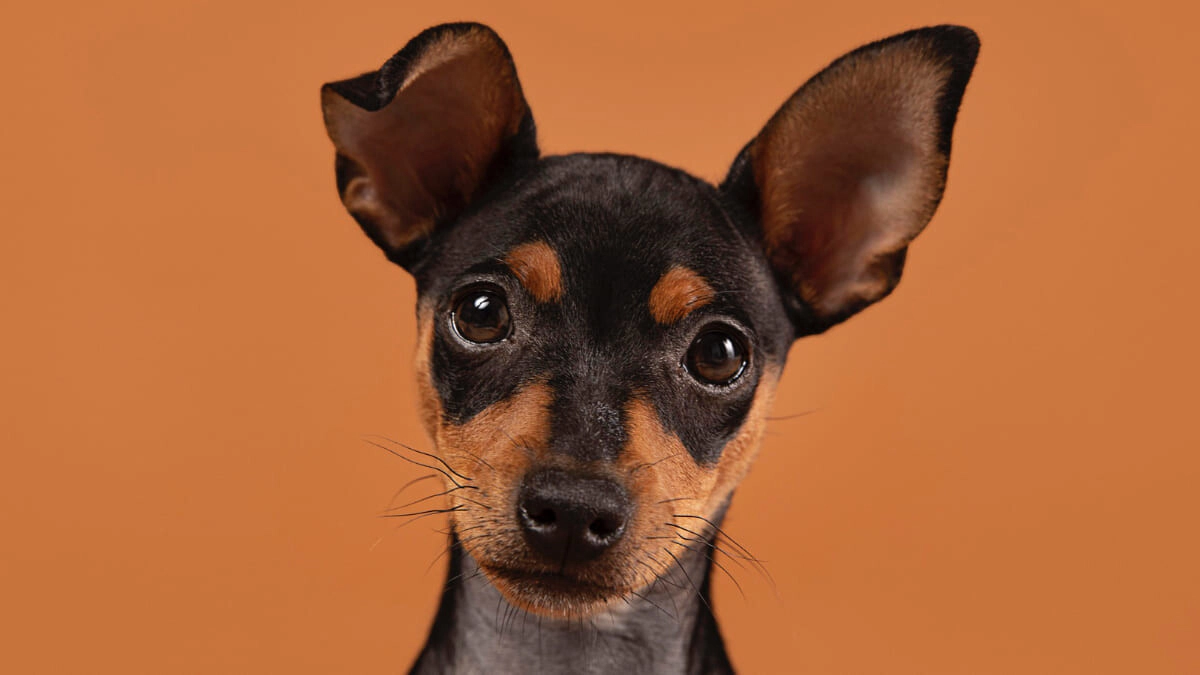
Ear infection, which can be briefly defined as an infection developing in the ear canal; It manifests itself with symptoms such as a distinct odor, persistent itching, or frequent head shaking in the dog. It is more easily managed when diagnosed early.
Advertisement
Ear infection, which can be briefly defined as an infection developing in the ear canal; It manifests itself with symptoms such as a distinct odor, persistent itching, or frequent head shaking in the dog. It is more easily managed when diagnosed early.
However, there is a critical point: Although some cases seem to have resolved, they may recur. Because simply suppressing the symptoms does not provide a permanent solution. The main issue is to find and manage the underlying factor that triggers ear infections in dogs, such as allergies, parasites, foreign objects, or moisture.
This content provides information about the causes, symptoms, treatment process, and precautions to take to prevent ear infections in dogs.
Warning: This content is for general informational purposes only; it does not replace diagnosis and treatment. If you suspect your dog has an ear infection, consult a veterinarian. Do not use random drops, alcohol, or hydrogen peroxide in case of a problem with the eardrum. Veterinary evaluation and determination of the underlying cause are necessary for appropriate treatment.
What is an Ear Infection in Dogs?
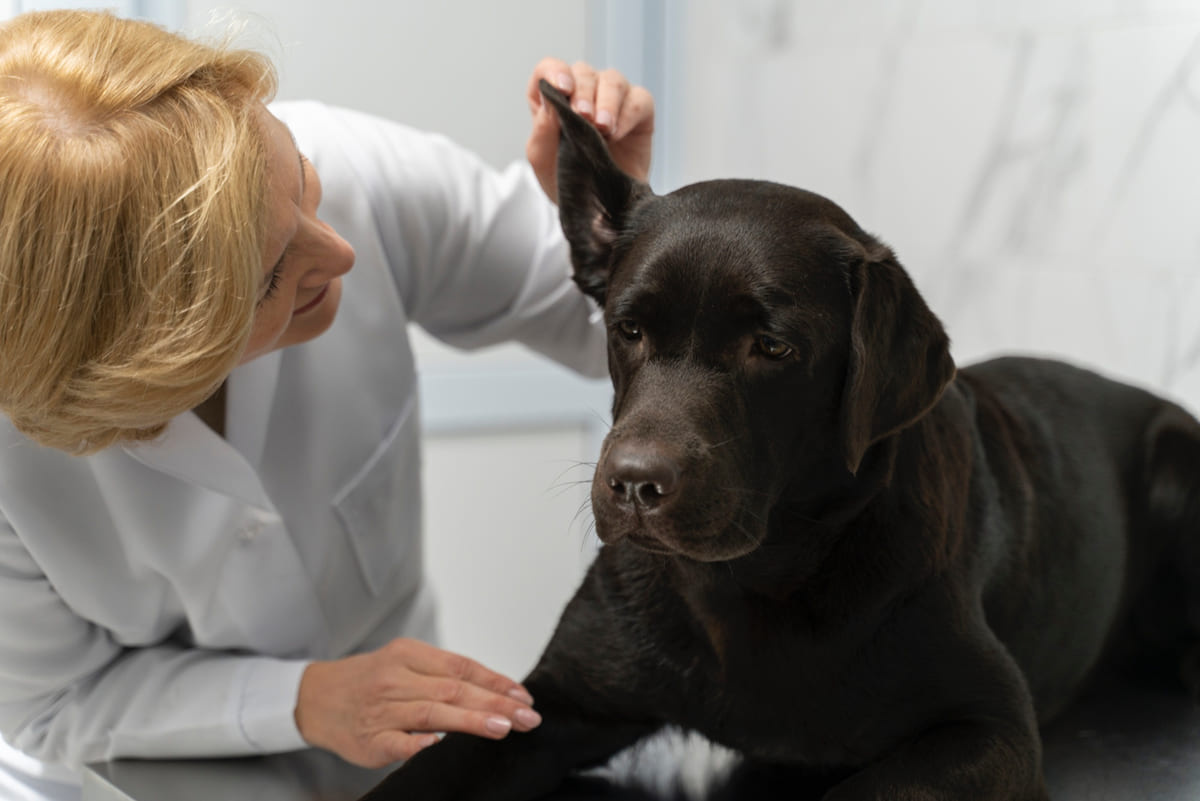
In its simplest definition, an ear infection in dogs is an inflammatory process that develops in the ear canal. The most common condition is otitis externa, which develops when the outer ear canal is affected. That is, the infection starts in the inner part of the earlobe and intensifies in the outer part of the ear canal.
As VCA Hospitals experts also state, the infection can sometimes progress to the middle and inner ear. Conditions that are seen as simple ear problems may require much longer treatment if left untreated.
There is an anatomical fact behind this predisposition: The ear canal in dogs is L-shaped. This structure can cause moisture and dirt to become trapped inside. Therefore, if the conditions that provide a suitable environment for microbes continue in ear infections, the problem may tend to become chronic. Early detection of ear infections provides faster relief and allows for preventative measures to reduce the risk of recurrence.
Symptoms of Ear Infections in Dogs

The first clue when your dog has an ear problem is often a change in behavior. As highlighted in the ear disease information published by the AVMA, ear infections can be extremely painful, and your dog may only show this through restlessness.
Since the same symptoms can occur for different reasons, it is not always correct to make a decision based on a single sign.
Common signs of ear infection in dogs:
- Head shaking
- Ear scratching or constant rubbing
- Distinct odor in the ear
- Redness inside the ear
- Discharge (dirty, wet, or sticky appearance)
- Increased earwax
Emergency signs of ear infection in dogs:
Veterinary evaluation is required for urgent/advanced findings. A veterinary examination should be scheduled urgently if the following symptoms are present.
- The head constantly tilted to one side
- Loss of balance, staggering
- Severe pain and reluctance to let anyone touch the ear
- Swelling (hematoma) in the earlobe
Causes of Ear Infections in Dogs

Ear infections in dogs are generally too complex a process to be dismissed by attributing them to a single cause. Behind problems that persist despite treatment, there are usually three main factors that create a chain reaction:
1. The Main Triggers (Root Causes): These are the real culprits that initiate the infection, but are often overlooked. Allergies (food or pollen/dust), ear mites, hormonal imbalances such as thyroid problems, or foreign objects lodged in the ear canal are in this group. If the root cause is not found and resolved, the ear infection will return shortly after, even if it clears up with medication.
2. The Visible Aspect of Infection (Bacteria and Fungi): This group multiplies in the ear, weakened by the root cause, and creates the main complaints. Bad odor, dark-colored discharge, and intense itching are usually noticed at this stage. The critical question here is: Is the problem bacteria or fungus? Since treatment will be determined according to the causative agent, it is essential for the success of the treatment that the veterinarian identifies the causative agent with a microscope instead of using random drops.
3. Risk-Increasing Factors (Structural and Environmental): These are conditions that make the dog susceptible to infection. In dogs like Beagles, Weimaraners, and Dachshunds, the drooping, long, and heavy ears, narrow ear canals, or dense hair inside the ears prevent proper ventilation. When combined with moisture remaining after bathing or swimming, this creates a perfect breeding ground for bacteria.
The answer to the question "Why does the infection recur despite treatment?" is usually hidden in these structural features and moisture management.
How is an Ear Infection Diagnosed in Dogs?
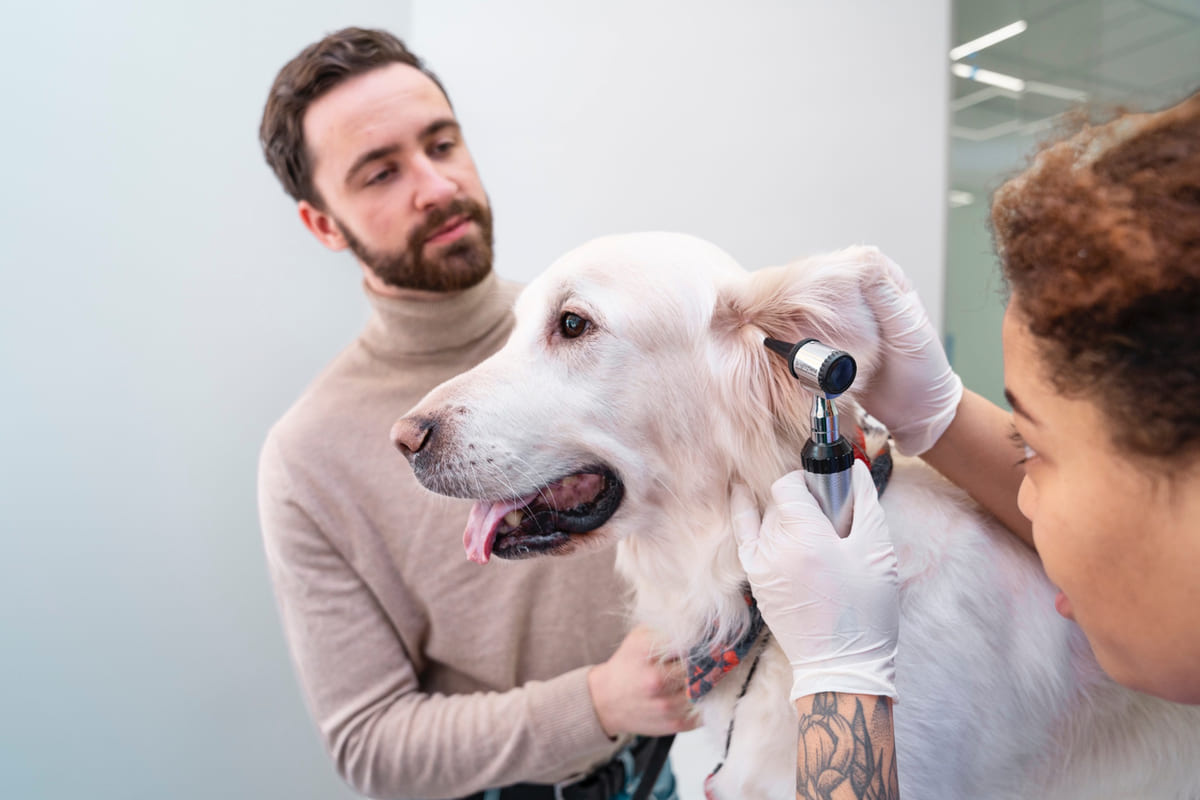
The most critical distinction in ear infections in dogs is between symptom and diagnosis. The smell or discharge you notice is only a suspicion. The diagnosis is made by the veterinarian through otoscopic examination. Otherwise, using the wrong product, even if it provides temporary relief, can prolong the condition or turn it into a recurring cycle.
The veterinarian usually first takes a brief history. Has the dog been swimming/bathing recently, is there a history of allergies, have similar complaints recurred before?
Next, an otoscopic examination is performed to visualize the ear canal and eardrum. This step is important to identify critical points such as suspected foreign bodies in the canal, severe swelling, or tenderness in the eardrum.
The next step is often cytology, which is the microscopic evaluation of a sample taken from inside the ear. This provides information such as whether yeast or bacteria are dominant, and the level of inflammatory cells, and the treatment is shaped accordingly.
As VCA sources also emphasize, especially in cases of otitis externa, the success of treatment depends on correctly identifying the causative agent of the infection.
In recurrent, severe cases, or cases that do not respond to initial treatment, culture-antibiotic susceptibility testing may be considered. This test helps to determine which antibiotic will be most effective in a targeted manner.
How to Prevent Ear Infections in Dogs?
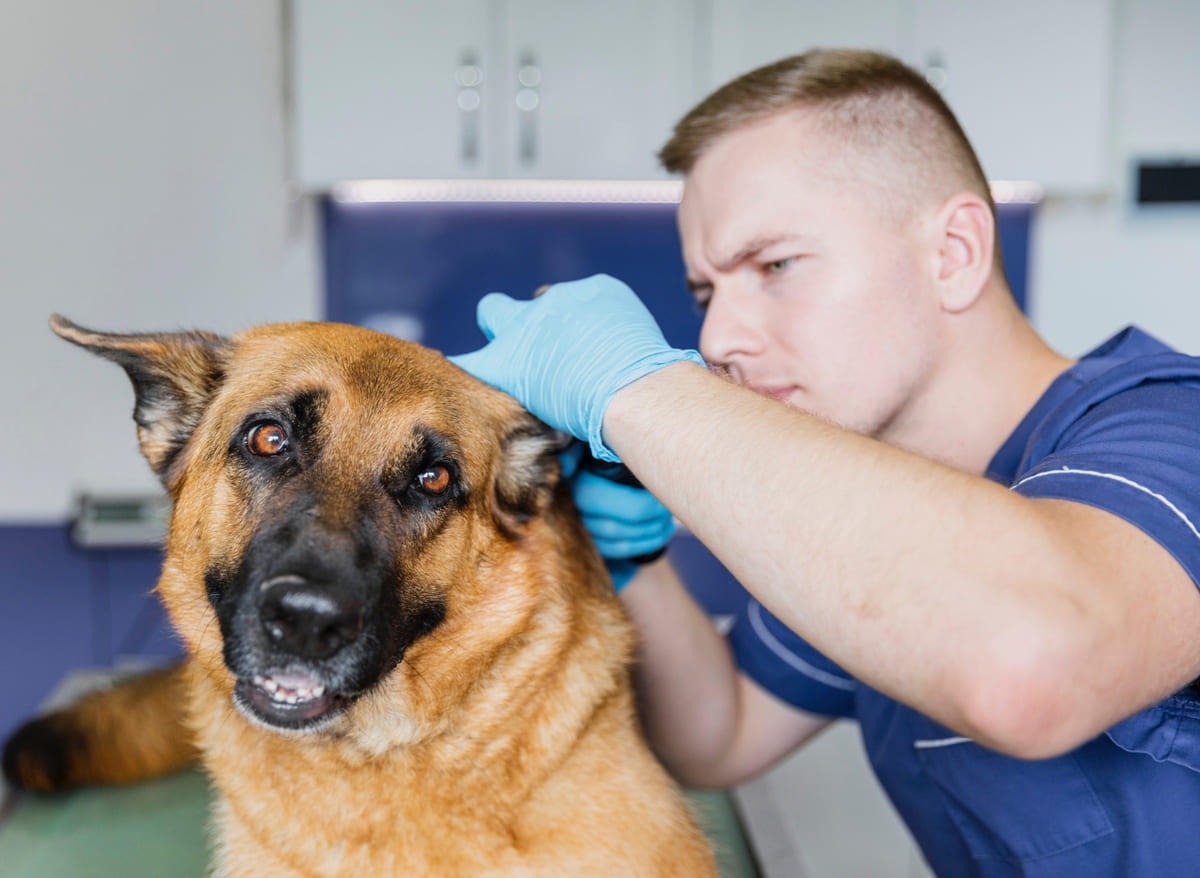
There is no single standard answer to the question, “How to prevent ear infections in dogs?” This is because every dog's ear structure, life routine, and sensitivities are different. However, a sustainable prevention plan generally serves the same goal: protecting the ear canal from unnecessary moisture and buildup, correcting habits that trigger recurrence, and not missing the underlying problem in recurring cases.
PDSA emphasizes that ear infections can recur in some dogs and that a regular check-up and proper care approach is important in breaking this cycle.
Identify the Underlying Causes of Ear Infections
While repeating the same drops often provides short-term relief in dogs with recurring infections, a permanent solution involves managing the underlying cause. For example, if ear infections are accompanied by frequent itching, paw licking, and skin redness, the possibility of allergy should be considered, and the treatment plan may need to be expanded in this direction.
In puppies or those living in high-contact environments, the possibility of parasites may be more prominent. In cases of ear infections, the goal should be to treat the existing infection and prevent the problem from recurring.
Keep Your Dog's Ears Dry
Moisture remaining in the ear canal, especially after swimming and bathing, creates a suitable environment for the growth of bacteria and fungi. Therefore, it's a good habit to gently dry your dog's ears when they come into contact with water. The aim here is not to interfere with the inside of the ear, but to remove the moisture from the ear flap and the entrance area. Trying to go deep into the ear with a cotton swab can push the buildup further inside and irritate the sensitive tissue. Dog ear care products can offer a safe experience in processes such as cleaning and drying the ears. Clean Ears Regularly The frequency of ear cleaning should be determined according to the dog's needs. Especially in dogs with ear structures that trap dirt and moisture, periodic cleaning with solutions recommended by the veterinarian is sufficient. If there is a suspicion of infection, an examination is necessary before ear cleaning. Because the condition of the eardrum and the level of pain can completely change the procedure to be performed.
Trying to go deep into the ear with a cotton swab can push buildup further in and irritate the sensitive tissue. Dog ear care products can offer a safe experience during processes such as cleaning and drying the ears.
Perform Regular Ear Cleaning
The frequency of ear cleaning should be determined according to the dog's needs. Especially for dogs with ears that trap dirt and moisture, periodic cleaning with solutions recommended by a veterinarian is sufficient. If an infection is suspected, an examination is necessary before ear cleaning. Because the condition of the eardrum and the level of pain can completely change the procedure to be performed.
Nutritional Supplements May Be Beneficial
Nutritional and supplement products are not tools that treat ear infections alone. However, supporting the skin barrier, especially in dogs prone to allergies, can help reduce overall sensitivity.
For example, supplements with specific components such as omega-3 fatty acids may contribute to supporting skin integrity in some dogs. If there is a strong suspicion of allergy, these supplements alone will not be sufficient. The real solution is to implement the treatment plan determined by the veterinarian.
How is Ear Infection Treated in Dogs?
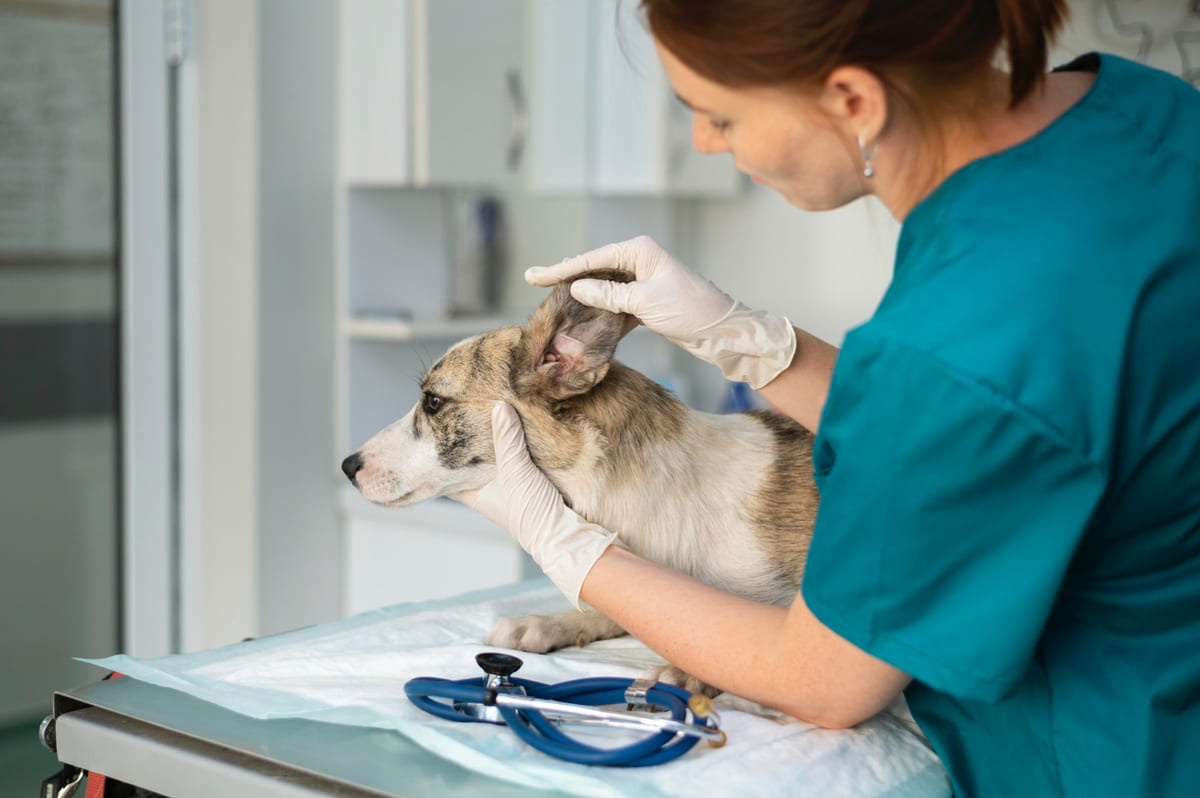
Treatment for ear infections in dogs is a process planned according to the condition of the ear and the underlying cause. Because different triggers can be behind the same appearance of an ear infection.
Treatment for ear infections in dogs aims to reduce discharge and restore the ear canal to a healthy state. Using products without proper knowledge can delay the healing process. More importantly, if there is damage to the eardrum, incorrect applications can lead to permanent health problems.
The veterinarian will first examine the ear canal thoroughly. Professional cleaning may sometimes be necessary to ensure the medication fully penetrates the tissue. Tests are performed to determine the source of the infection, and appropriate medication is initiated. In cases of severe pain or swelling, additional medications may be added.
The biggest mistake in treatment is thinking that healing is complete when the odor or discharge decreases and stopping the medication early. This can cause the infection to recur quickly.
The MSD Vet Manual emphasizes that treatment for otitis externa is not limited to medication alone. For a successful outcome, cleanliness, accurate identification and management of the causative agent of the infection are essential. Frequently Asked Questions Below you can find answers to the most frequently asked questions about ear infections in dogs. Do ear infections in dogs go away on their own? Mild and temporary irritations can sometimes resolve on their own. However, as WebMD also warns, if there is a bacterial or yeast infection, it will not go away without treatment, but will instead worsen. Trying random products at home increases the risk. For complaints that do not go away within 1-2 days, seeking veterinary support is the safest course of action. When should you take your dog to the vet for an ear infection?
Frequently Asked Questions

Below you can find answers to the most frequently asked questions about ear infections in dogs.
Do dog ear infections go away on their own?
Mild and temporary irritations can sometimes resolve on their own. However, as WebMD also warns, if there is a bacterial or yeast infection, it will not go away without treatment; on the contrary, it will worsen. Trying random products at home increases the risk. For complaints that do not go away within 1-2 days, seeking veterinary support is the safest course of action. When should you take your dog to the vet for an ear infection? Mild itching can be monitored for a short time. If your dog doesn't let you touch its ear, is experiencing significant pain, or is restless, you shouldn't wait. Especially if there is a bad odor, heavy discharge, head tilting, or swelling in the ear flap, don't delay. As Chewy points out, early intervention makes treatment easier and reduces the risk of recurrence. How is ear infection treated at the vet, and what antibiotics/drops are used?
When should you take your dog to the vet for an ear infection?
Mild itching can be monitored for a short time. If your dog doesn't let you touch its ears, is experiencing significant pain, or is restless, you shouldn't wait. Especially if there is a bad odor, heavy discharge, head tilting, or swelling in the ear flap, don't delay. As Chewy points out, early intervention makes treatment easier and reduces the risk of recurrence.
How is ear infection treated at the vet and what antibiotics/drops are used?
Treatment is based on testing, not guesswork. Based on the cytology results, the veterinarian usually chooses combinations of antibacterial/antifungal/anti-inflammatory agents or single agents. As the MSD Vet Manual warns, if there is eardrum damage, the wrong drops can lead to permanent problems. Therefore, using medication randomly at home is not safe.
What should be done to prevent recurrent ear infections and what dietary changes should be made?
As Emergency Vet resources also point out, in recurrent cases, the goal is to find the underlying cause of the problem. If the problem is allergy-related, instead of randomly changing food, a special diet (elimination diet) planned by your veterinarian is needed. Also, keeping the ears dry and managing moisture in dogs that swim frequently is vital to breaking this cycle.
How should dog ear cleaning be done at home when there is an infection?
An infected ear is sensitive. It should be remembered that interventions performed without knowing the condition of the eardrum can be risky. Therefore, you should avoid deep cleaning. Do not poke the ear unless your veterinarian has given you a special product, and never use cotton swabs. Gently wiping away only the dirt that comes out is the safest way.
How to treat ear infections in dogs?
Accurate diagnosis and patient application are the foundation of treatment. Many dogs feel better a few days after starting treatment. However, this does not mean that the infection is over. As the VCA strongly warns, it is essential to continue treatment for the duration recommended by the veterinarian, even if the symptoms decrease. Early discontinuation of treatment is the biggest cause of recurrence of the infection.
Which breeds of dogs are commonly prone to ear infections?
Ear structure and lifestyle are important determinants in the occurrence of ear infections in dogs. Especially in breeds with floppy ears, such as Cocker Spaniels and Basset Hounds, moisture is trapped due to poor air circulation. Dogs with fur inside their ears, such as Poodles and Terriers, and those that love water, such as Labradors and Golden Retrievers, are at higher risk.
At what age are ear infections more common in dogs?
Ear infections in dogs can occur at any age. However, the causes differ according to age. According to the MSD Vet Manual, ear mites (parasites) are commonly seen in puppies, while allergy-related problems are more prominent in adults. As age increases, the risk of the infection becoming chronic may also increase.
What should be considered after ear infection treatment in dogs?
The most critical point after treatment is not to stop the process halfway, even if your dog feels better. Even if the symptoms lessen, the problem can return quickly if the infection is not completely cleared. Therefore, it is essential to complete the treatment period determined by the veterinarian and attend follow-up appointments. After treatment, keeping the ear dry and monitoring for early signs such as odor and itching reduces the risk of recurrence. Sources: Healthy Nutrition for Dogs with Kidney Disease Dog drinking water Dog looking at a food bowl full of vegetables Kidney disease in dogs is primarily classified as chronic and acute kidney disease. It is very important that kidney disease in dogs does not cause permanent damage. Therefore, early diagnosis of kidney diseases is necessary. Both observing the dog and not neglecting veterinary check-ups are of great benefit in the early diagnosis of kidney diseases. Waste products in the body are filtered by the kidneys and excreted in urine, but in dogs with chronic kidney disease, the filtering system does not function properly, and waste products begin to accumulate in the bloodstream. Food and nutrition are very important for dogs with kidney disease. There are four important steps to take to control kidney disease in dogs. These steps are: Checking for symptoms to understand the rise in waste product levels in the blood, Ensuring the dog is getting enough fluids and minerals, Providing a balanced diet specific to the dog and its overall health, Establishing a new routine that includes measures to slow the progression of kidney disease.
Kaynaklar:
https://www.petmd.com/dog/conditions/dog-ear-infections
https://vcahospitals.com/know-your-pet/ear-infections-in-dogs-otitis-externa
https://www.pdsa.org.uk/pet-help-and-advice/pet-health-hub/conditions/ear-infections-in-dogs
https://www.msdvetmanual.com/dog-owners/ear-disorders-of-dogs/ear-infections-and-otitis-externa-in-dogs
https://www.greencrossvets.com.au/pet-library/articles-of-interest/ear-infections/
https://www.msdvetmanual.com/dog-owners/ear-disorders-of-dogs/otitis-media-and-interna-in-dogs
https://www.webmd.com/pets/dogs/remedies-for-dog-ear-infections
https://www.chewy.com/education/dog/health-and-wellness/dog-ear-infections
https://mtnviewvets.com/ear-infections-in-dogs-causes-prevention-treatment/
https://wsvh.net/canine-ear-infections-the-complete-guide-to-prevention-treatment-care/
https://www.emergencyvet.com.au/for-vets-and-nurses/resource-centre/pet-parent-education-hub/ear-infections-in-dogs.html
https://lewistonvetclinic.com/ear-infections-in-dogs-how-to-prevent-and-treat-recurring-issues/
https://advancedvmc.net/combatting-canine-ear-infections-expert-tips-from-advanced-veterinary-medical-center/
Advertisement
Advertisement
Keep exploring
Continue reading
Dog Health
7 Mistakes Made in Dog Training and Correct Approaches
A dog's failure to respond immediately to commands is often interpreted as stubbornness or disobedience.
Read guide →
Dog Health
Symptoms, Causes and Treatment of Enlarged Heart in Dogs
Your dog stops earlier than usual during walks, stops playing quickly, has noticeably faster breathing when climbing stairs, or If your dog has a dry…
Read guide →
Dog Health
Causes, Symptoms, and Treatment Methods of Oral Melanoma in Dogs
Imagine you notice a small lump in your dog's mouth one morning. This lump, which might be mistaken for an insignificant wound or gum problem, could…
Read guide →
Dog Health
Beyond the Itch: Causes and Treatment Methods of Skin Diseases in Dogs
Skin diseases in dogs should not be perceived as merely negative changes in aesthetic appearance.
Read guide →