How to Recognize Poisoning in Dogs?
Even if we are unaware, there are many sources of toxins in our homes and surroundings that pose a potential risk of dog poisoning. While the most important recommended measure for dog poisoning is to keep dogs away from foods or substances that are toxic to them, unfortunately, this is not always…

Advertisement
Even if we are unaware, there are many sources of toxins in our homes and surroundings that pose a potential risk of dog poisoning. While the most important recommended measure for dog poisoning is to keep dogs away from foods or substances that are toxic to them, unfortunately, this is not always possible. Since medications, plants, chocolate chips, antifreeze, cleaning products, rodents, ticks, and various garden products can cause poisoning in dogs, it is important to raise awareness about the signs of poisoning in dogs. Seeking veterinary attention as soon as signs of poisoning are noticed in dogs is vital for our furry friends. In this article, we will address the critical points to know about dog poisoning. First, we want to provide brief information about the types of poisoning in dogs.
Types of Poisoning in Dogs
Dogs can be poisoned by many different toxins, foods, or bacteria. Food poisoning, tick poisoning, and toxic poisoning in dogs are the most common types. In addition, salmon poisoning can also occur in dogs. Although toxins are the first thing that comes to mind when salmon poisoning in dogs is mentioned, this is actually a bacterial infection. When dogs consume raw or undercooked salmon containing parasites, these parasites settle in their intestines, and the bacteria enter the bloodstream, causing symptoms of poisoning in dogs.
Poisoning Symptoms in Dogs
Poisoning symptoms in dogs can vary depending on the substance and/or food they are poisoned by; in other words, according to the types of poisoning in dogs. For example, toxic poisoning in dogs can cause a significant increase in saliva consumption, while food poisoning symptoms in dogs can be primarily characterized by vomiting, nausea, and diarrhea.
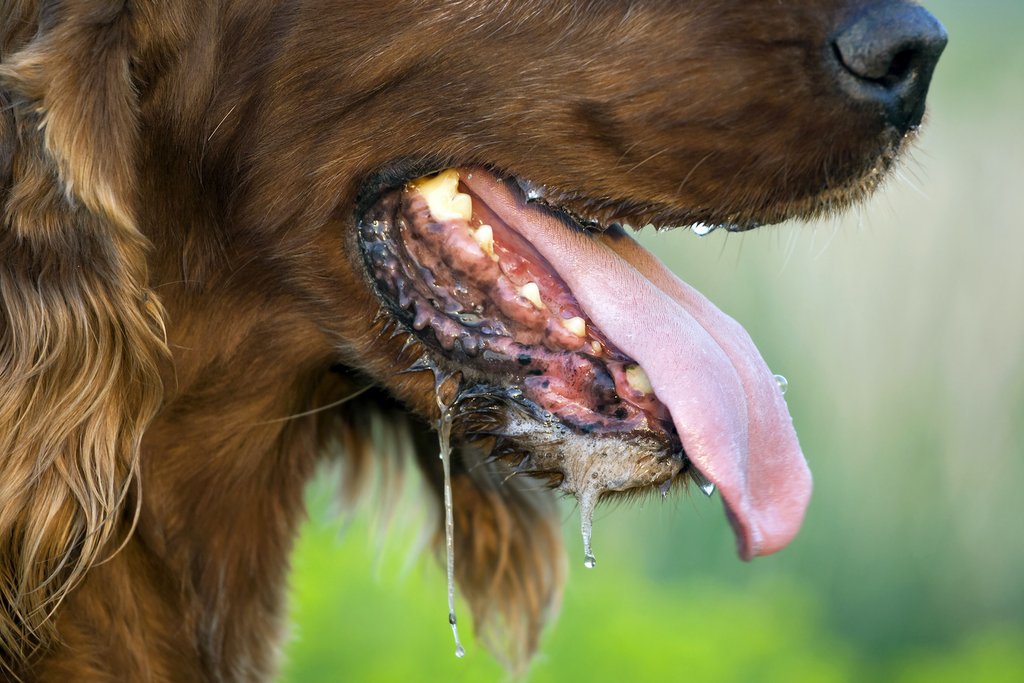
Saliva or Foaming from the Mouth
When dogs chew and eat something toxic to them, irritation occurs in their mouths. Drooling or foaming at the mouth are common symptoms, especially when a dog bites a poisonous plant or licks a toxic chemical. If this symptom is noticed, first check if there is anything in the dog's mouth; if so, remove it and contact a veterinarian immediately.
Gastrointestinal Sorunlar
Many toxins can cause poisoning in dogs, leading to gastrointestinal problems such as nausea, diarrhea, and vomiting. Blood in the vomit or stool may also be present after poisoning, often accompanied by loss of appetite. Vomiting is one of the most common symptoms of antifreeze poisoning in dogs. Additionally, vomiting can occur after consuming poisonous plants or foods. Therefore, if dogs start vomiting without a clear reason, a veterinarian should be consulted. This will allow for the initiation of poisoning treatment in dogs.
Halsizlik
Dog poisoning can affect the organs and organ functions of dogs. This change in their metabolism causes dogs to feel weak and sick. In dogs exposed to some toxins such as rat poison, internal bleeding may occur, and weakness may be experienced due to internal bleeding.
Collapse and Loss of Consciousness
Poisoning symptoms in dogs may not always progress slowly enough to be noticed. Some toxins can act quite quickly and cause collapse and loss of consciousness in dogs before poisoning symptoms appear. In this case, the most important and only thing to do is to go to a veterinarian immediately. Sudden collapse and loss of consciousness in dogs are conditions that require urgent medical treatment.
Nefes Almakta Zorlanma
Dog poisoning can also cause respiratory problems. It should be remembered that if dogs are breathing slower than usual, experiencing shortness of breath, making wheezing sounds while breathing, or having difficulty breathing, they need urgent medical attention. During this time, it is also necessary to check the gums; if the gums have turned a bluish color, a visit to a veterinarian should not be delayed.

Pale, Yellow or Blue Color in Gums
As mentioned earlier, one of the signs of poisoning in dogs is the bluish discoloration of the gums. However, different changes in the gums may be observed in some dogs depending on the type of poisoning. Some toxins affect the mucous membranes in the body. Paleness and discoloration may occur in the gums, tongue, eyelids, and oral cavity. For example, eating onions can cause anemia and paleness of the gums. When dogs have toxic poisoning due to rat poison, the mucous membranes may change color due to internal bleeding. Some poisonous insects and drugs affect the liver, leading to yellow discoloration in the tissues. Toxins affecting the cardiovascular or respiratory system are among the reasons for the appearance of a blue color in the mucous membranes.
Swelling
Swelling in the face or limbs is among the signs of poisoning in dogs. Swelling is especially common when they are bitten by a snake or insect. Therefore, consulting a veterinarian when your dog has swelling can help ensure safety. At this point, we may also need to provide information about tick poisoning in dogs. Tick poisoning in dogs is a very serious and life-threatening condition requiring immediate veterinary examination. This condition, which usually occurs in dogs bitten by a tick of the species Ixodes holocyclus, is based on the fact that ticks release a toxin that paralyzes dogs while feeding.

Seizures or Muscle Spasms
Many toxins that cause dog poisoning affect the central nervous system and muscles of dogs. This mechanism of action can cause seizures and muscle twitching in dogs. Seizures are an unusual symptom in dogs unless a disease such as epilepsy is diagnosed. It requires immediate consultation with a veterinarian.
Behavioral Changes
When poisoning occurs in dogs, behavioral changes such as excessive movement, excitement, and restlessness can also be observed. These changes can be seen especially when consuming stimulants such as chocolate and caffeine. Conversely, when exposed to alcohol or substances with a sedative effect, a slowing of movements may be observed. Therefore, caution should be exercised when sudden behavioral changes are encountered in dogs.

Poisoning Treatment in Dogs
“What is good for poisoning in dogs?” The answer to the question of how to treat poisoning in dogs can vary depending on the cause, so dogs exhibiting unusual symptoms or behavior should be taken to a veterinarian. Treatment for dog poisoning may involve specific procedures tailored to the cause of the poisoning. Therefore, professional assistance is essential to avoid incorrect intervention. Treatment may involve a range of methods, from bathing and inducing vomiting to administering antidotes for specific poisons, removing toxins, and even endoscopy. Treating poisoning in dogs can be a painful process. Early detection of symptoms is crucial, but the main goal is to minimize the possibility of poisoning. Therefore, care should be taken to avoid using cleaning materials and keeping plants that could be toxic to dogs away. Dog repellent products, while varying from dog to dog, can be effective in this regard. You can review dog repellent products and access product details here.
Treating poisoning in dogs can be a painful process. Early detection of symptoms is crucial, but the main goal is to minimize the possibility of poisoning in dogs. Therefore, care should be taken to avoid using cleaning materials and plants that may be poisonous to them. Dog repellent products, although varying from dog to dog, can provide effective results in this regard. You can review dog repellent products and access product details here.
Advertisement
Advertisement
Keep exploring
Continue reading
Dog Health
7 Mistakes Made in Dog Training and Correct Approaches
A dog's failure to respond immediately to commands is often interpreted as stubbornness or disobedience.
Read guide →
Dog Health
Symptoms, Causes and Treatment of Enlarged Heart in Dogs
Your dog stops earlier than usual during walks, stops playing quickly, has noticeably faster breathing when climbing stairs, or If your dog has a dry…
Read guide →
Dog Health
Causes, Symptoms, and Treatment Methods of Oral Melanoma in Dogs
Imagine you notice a small lump in your dog's mouth one morning. This lump, which might be mistaken for an insignificant wound or gum problem, could…
Read guide →
Dog Health
Beyond the Itch: Causes and Treatment Methods of Skin Diseases in Dogs
Skin diseases in dogs should not be perceived as merely negative changes in aesthetic appearance.
Read guide →