How to Trim a Cat's Nails? Trim Your Cat's Nails Effortlessly in 7 Steps
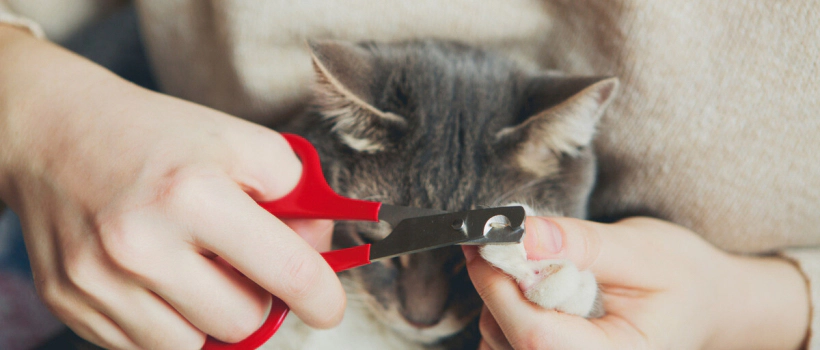
Trimming your cat's nails correctly is of great importance for the continued health and comfort of your cat. Although it is known that cats' nails should be trimmed regularly, this grooming routine is not always easy. In fact, it can be said that it is one of the nightmares of some cat owners.
Advertisement
Trimming your cat's nails correctly is of great importance for the continued health and comfort of your cat. Although it is known that cats' nails should be trimmed regularly, this grooming routine is not always easy. In fact, it can be said that it is one of the nightmares of some cat owners. In this blog post, you'll find detailed instructions on how to trim your cat's nails step-by-step, how to avoid common mistakes, and how to make the process more comfortable for both you and your cat.
The Importance of Cat Nail Trimming
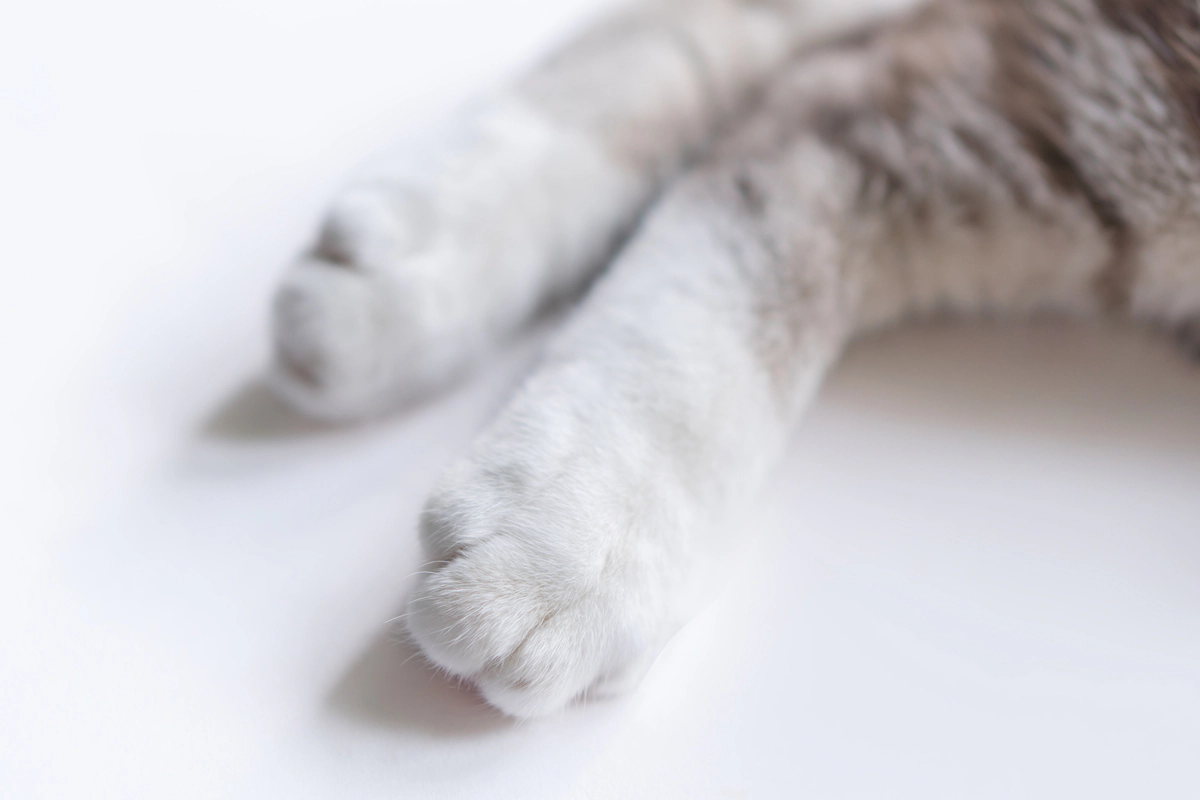
Understanding the importance of cat nail trimming can make the process less stressful. If a cat's nails become excessively long, it can endanger both your cat's comfort and the safety of household items. Neglecting cat nail trimming can cause your cat to have difficulty walking or to wear down its nails. Therefore, it is extremely important to learn about regular nail trimming practices to protect your cat's health and quality of life. Here's a summary of why it's important to regularly trim your cat's nails:
- Prevents Discomfort: When your cat's nails get too long, they can cause discomfort while walking and playing. Very long nails can dig into your cat's paw pads and cause pain.
- Prevents Self-Injury: Long nails can increase your cat's risk of self-injury. Long nails can get caught and cause injuries while playing or climbing.
- Protects Other Pets and People: Your cat may injure other pets or people while playing or defending itself. Regular nail trimming can prevent such accidents.
- Prevents Health Problems: Long nails can increase the risk of infections in your cat's paws. They can also lead to serious health problems such as nails curling and embedding themselves into the skin. All of this can cause pain, reduced mobility, and stress in cats.
- Protects Furniture and Belongings: When your cat's nails grow long, they are more likely to scratch your furniture, carpets, and other belongings. Regularly trimming their nails helps reduce damage in the home.

How to Trim Nails?
Trimming your cat's nails can be daunting and stressful for you as well as for them. And why wouldn't it be! Many cats, especially those who haven't been accustomed to having their nails trimmed since an early age, prefer to avoid this grooming ritual. However, it is possible to trim cats' nails. The important thing is to follow the step-by-step instructions. Here are the steps to follow when trimming cats' nails...
Attention to the Preparation Process for Nail Trimming: Get Them Used to Paw Contact
As we mentioned earlier, many cats do not like having their nails and paws touched in general. The reason cats generally find this type of physical contact uncomfortable is that they are predators by nature and fear that this may harm them. Therefore, in order to get them used to nail trimming, it is necessary to increase their positive experiences with this grooming process.
To prepare your cat for nail trimming, you should communicate with them slowly and gently. First of all, it would be a great start to ensure that your cat is not uncomfortable when you touch their paw, or at least does not overreact. This acclimatization process will of course take time; Every cat is different, and while some adapt faster, others may need more time. Success can be achieved with patience and small training sessions held at the right times. To gain your cat's trust, giving them a treat after each successful attempt is an effective way to provide positive reinforcement. Making these treats a special snack your cat likes will motivate them. Also, being in a calm environment each time you trim their nails or touch their paws will help your cat relax. To contribute to the success of training, it's important to observe your cat's mood and respect their boundaries. Remember, a loving approach will always yield the best results.
To gain your cat's trust, rewarding them with treats after each successful attempt is an effective way to provide positive reinforcement. Making these treats a favorite snack will motivate your cat. Also, ensuring a calm environment each time you trim their nails or touch their paws will help them relax. To contribute to successful training, it's important to observe your cat's mood and respect their boundaries. Remember, a loving approach will always yield the best results.
Prepare the Right Equipment
Using cat nail clippers is important. Using human nail clippers or standard scissors can break your cat's nails and cause injuries. It is also possible for the resulting wounds to become infected. While cat nail clippers are among the most important pieces of equipment, it should also be remembered that treats and, especially in the first few times, a support team of a few people may be needed.
Make Sure Your Cat Is Calm and Comfortable
Choose a calm moment for nail trimming when your cat is not energetic. Find a place where your cat can be held comfortably and make sure it is held securely. If your cat isn't calming down, you can try different methods. Cats can be stressed or restless for various reasons, but there are many effective ways to calm them. Providing a quiet area away from noise and playing relaxing music can help your cat relax. Play and exercise can reduce your cat's stress by allowing it to expend its energy. Establishing a regular routine and providing safe hiding places helps your cat feel secure. Gentle touches and massages can be considered important strategies that contribute to your cat's relaxation. You can click here for detailed information about methods to reduce stress in cats. Gently but firmly hold their paws Once your cat is securely held, gently grasp their paws to make them feel comfortable. During this time, try to reassure them by speaking softly in a calm tone of voice. Gently press down between your fingers and thumb to expose your cat's nails. Observe your cat's reactions while doing this; if it seems restless, pause for a moment and give it space. Avoid applying too much pressure, as this can be uncomfortable and stressful for your cat. Making your cat comfortable will make the nail trimming process easier. Trimming the Tips of Nails When trimming the tips of nails, absolutely avoid cutting the pink part closest to the nail bed. This delicate tissue consists of blood vessels and nerves, and cutting it will hurt your cat and cause bleeding. Regularly trimming your cat's nails is important for both their health and the preservation of your household items. If you accidentally cut the nail too short, gently apply pressure with a paper towel or cotton ball to stop the bleeding. However, if the bleeding doesn't stop or significant bleeding occurs, you should consult your veterinarian immediately. Your veterinarian can recommend appropriate treatments to stop the bleeding from your cat's nails. Remember that it's also very important to keep your cat calm during nail trimming and make the process as stress-free as possible. Give Your Cat the Reward It Deserves Giving your cat a reward after each nail trim makes the experience more positive and reduces stress. Your cat will feel more relaxed after the nail trimming thanks to this reward. This method also helps strengthen the bond between you and your cat and makes the grooming process more enjoyable. Pay Attention to Your Cat's Body Language Watching your cat's body language is one of the best ways to understand its mood. Signs of tension include ears being pushed back, a tail being sharply raised or lowered, a hunched body, and widened eyes. If you see your cat's fur standing on end or suddenly bristling, this could also be a sign that it is tense. Also, rapid, shallow breathing or wheezing sounds are signals that it is under stress. If this happens, try to provide your cat with a calm environment and offer toys to distract it and soothe it.
Gently but Firmly Hold Their Paws
Once your cat is securely held, gently grasp their paws to make them feel comfortable. During this time, try to reassure them by speaking softly in a calm tone of voice. Gently press down between your fingers and thumb to expose their claws. While performing this procedure, observe your cat's reactions; if it seems restless, pause for a moment and give it space. Avoid applying too much pressure, as this can be uncomfortable and stressful for your cat. Making your cat comfortable will make the nail trimming process easier.
Trim the Tips of the Nails
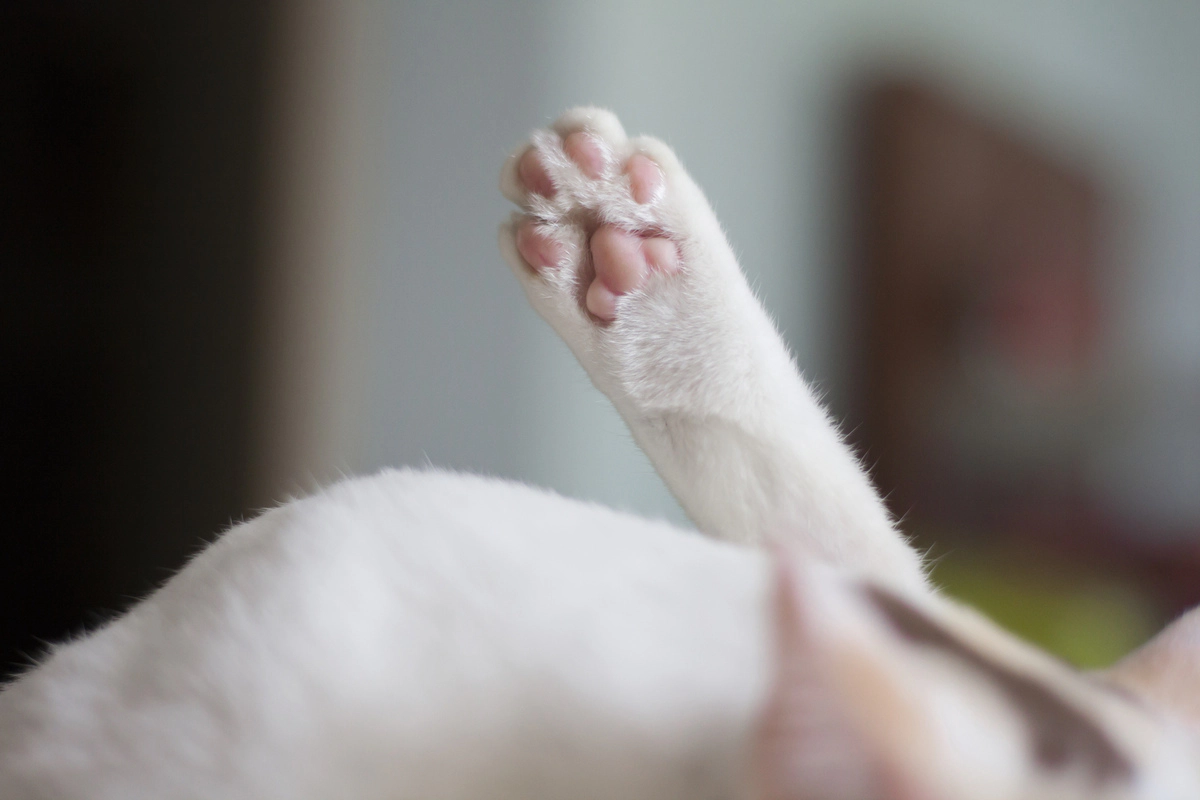
When trimming the tips of the nails, absolutely avoid cutting the pink part closest to the nail bed. This delicate tissue consists of blood vessels and nerves, and cutting it will cause your cat pain and bleeding. Regularly trimming your cat's nails is important for both their health and the preservation of your household items.
If you accidentally cut the nail too short, gently apply pressure with a paper towel or cotton ball to stop the bleeding. However, if the bleeding does not stop or significant bleeding occurs, you should consult your veterinarian immediately. Your veterinarian can recommend appropriate treatments to stop the bleeding from your cat's nails. Remember that keeping your cat calm during nail trimming and making the process as stress-free as possible is also very important.
Give Your Cat the Reward It Deserves
Giving your cat a reward after each nail trim makes the experience more positive and reduces stress. Your cat will feel more relaxed after the nail trimming thanks to this reward. This method also helps strengthen the bond between you and your cat and makes the grooming process more enjoyable.
Pay Attention to Your Cat's Body Language
Observing your cat's body language is one of the best ways to understand its mood. Signs of tension include ears pushed back, a tail held stiffly upright or down, a hunched body, and widened eyes. If you see your cat's fur standing on end or suddenly bristling, this could also be a sign of tension. Rapid, shallow breathing or wheezing sounds are also signals of stress. If this happens, try to provide a calm environment for your cat and offer toys to distract it and soothe it.
Mistakes to Avoid When Trimming Cat Nails
Avoiding certain mistakes when trimming your cat's nails can make the process safer and less stressful for both you and your cat. Here are some common mistakes to avoid when trimming cat nails:
- Using Regular Scissors: Use cat nail clippers or cat nail trimmers instead of regular nail clippers. Regular scissors can crush or break your cat's nails.
- Cutting the Part Where Blood Vessels Are Located: Be careful of the part of the nail where blood vessels are located. Cutting this pink area will hurt your cat and cause bleeding. Only cut the tip of the nail.
- When Your Cat Is Stressed: Trim your cat's nails when they are relaxed and calm. They are usually calmer right after waking up or after eating.
- Not Having Blood Stopper Powder or Pen: Have blood stopper powder or pen on hand to stop the bleeding if you accidentally cut the tip. Flour or cornstarch can also be used.
- Disturbing the Cat: Make sure your cat is in a comfortable position and hold them gently. Tightening too much can make your cat uncomfortable and stressed.
- Slow and Careful Trimming: Only trim the tip of the nail at a time. Be slow and careful. If your cat's nails are very long, you can trim them gradually over several days.
Frequently Asked Questions About Cat Nail Trimming
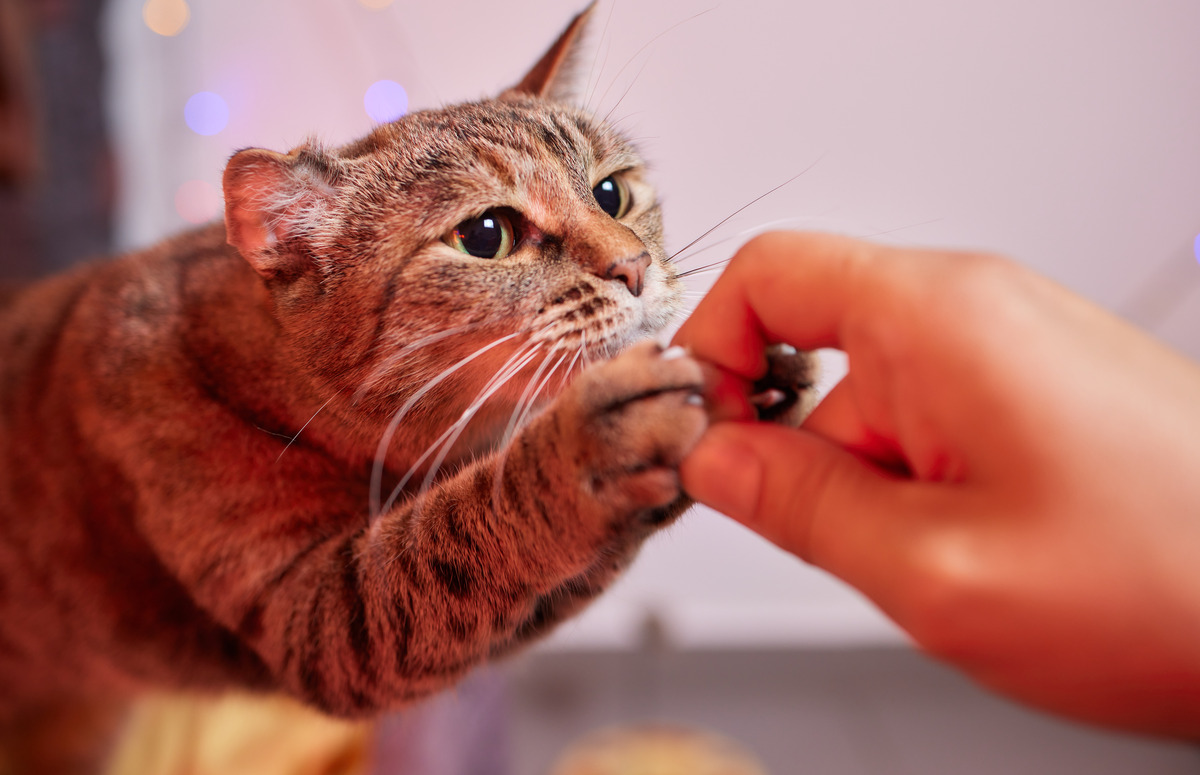
It's important to address common questions and concerns that may arise when learning about the cat nail trimming process. In this section, you can find answers to the most frequently asked questions about trimming your cat's nails.
How often should cats' nails be trimmed?
How often cats' nails should be trimmed; The frequency of trimming depends on factors such as the cat's lifestyle, age, and nail growth rate. Generally, it's recommended that indoor cats have their nails trimmed every 2-4 weeks. This is important to prevent your cat's nails from growing too long and causing health problems. If your cat is active and spends time outdoors, trimming may be less frequent as their nails naturally wear down. Regularly checking and trimming your cat's nails is best practice. Also, observing your cat's behavior during the trimming process can help you determine the most suitable time. This way, you can protect your cat's health and safeguard your belongings at home.
Can you trim a cat's nails with regular nail clippers?
It is not recommended to trim cat nails with regular nail clippers. Cat claws have a different structure than human claws, and human nail clippers are not suitable for trimming cats' claws. Cat nail clippers are designed to fit the structure of cats' claws and provide a cleaner, smoother cut. Regular nail clippers can crush or break your cat's claws. Most cat nail clippers have a guard that prevents overcutting, which prevents you from accidentally hurting your cat. Trimming your cat's claws becomes much more comfortable and stress-free with the right tools. Less stress for your cat makes the nail trimming process easier. Therefore, you should always use cat nail clippers when trimming your cat's claws. How to trim a kitten's claws? Trimming kittens' claws requires a special approach compared to older cats, as they are initially more delicate and playful. First, it's important to get your kitten used to the nail trimming process. Spend time with them in a calm environment and try to make nail trimming a routine. Before you start trimming your kitten's nails, you can motivate them by giving them positive reinforcement with treats. As for the nail trimming process, start by gently holding your kitten's paw. Be careful to see the blood vessel, which is the pink part of the nail, and only cut the white part. Cutting the nail at approximately a 45-degree angle will help your kitten walk more comfortably. If your kitten becomes restless during this process, don't hesitate to take short breaks. Moving slowly and carefully will reduce their stress and make nail trimming easier. Patience and prioritizing your cat's comfort are very important during this process. How to trim a grumpy cat's nails? Trimming a grumpy cat's nails can be challenging, but there are some tips to make the process easier. Choosing a time when your cat is calm, gently holding their paws to get them used to being touched, and keeping the sessions short are helpful. Giving rewards during the process makes nail trimming a positive experience. It's also important to use special nail clippers for cats and seek veterinary help if needed. Patience and understanding can make the process less stressful. When should you trim a cat's nails?
Cutting your cat's nails becomes much more comfortable and stress-free with the right tools. Less stress for your cat makes the nail trimming process easier. Therefore, you should always use cat nail clippers when trimming your cat's nails.
How to trim a kitten's nails?
Trimming kittens' nails requires a special approach compared to older cats, as they are initially more delicate and playful. First, it's important to get your kitten used to the nail trimming process. Try to make nail trimming a routine by spending time with them in a calm environment. Before you start trimming your kitten's nails, you can motivate them by providing positive reinforcement with treats. When it comes to trimming the nails, start by gently holding your kitten's paw. Be sure to see the blood vessel, which is the pink part of the nail, and only cut the white part. Cutting the nail at approximately a 45-degree angle will help your kitten walk more comfortably. If your kitten becomes restless during this process, don't hesitate to take short breaks. Moving slowly and carefully will reduce their stress and make the trimming easier. Patience and prioritizing your cat's comfort are very important during this process. How to trim a grumpy cat's nails? Trimming a grumpy cat's nails can be difficult, but there are some tips to make the process easier. Choosing a time when your cat is calm, gently holding their paws to get them used to being touched, and doing short sessions are helpful. Giving rewards during the process makes nail trimming a positive experience. It's also important to use special nail clippers for cats and seek veterinary help if needed. Patience and understanding can make the process less stressful. When should you trim your cat's nails? Knowing when to trim your cat's nails is crucial for their health and comfort. If their nails get too long, causing them to catch on the floor while walking, damaging furniture, or if the tips of their nails curve inwards, it's time for a trim. If you see scratches on furniture, carpets, or your skin, you can tell your cat's nails are too long. Additionally, hearing squeaking sounds when walking on the floor also indicates that the nails need trimming. Checking your cat's nails once a week and trimming them every 2-4 weeks is usually sufficient. You can choose times when your cat is playing and calm, or after eating, for nail trimming. This makes the nail trimming process less stressful and easier for both you and your cat.
When it comes to nail trimming, start by gently holding your kitten's paw. Be sure to see the blood vessel in the pink part of the nail and only trim the white part. Trimming the nail at approximately a 45-degree angle will help your kitten walk more comfortably. If your kitten becomes restless during this process, don't hesitate to take short breaks. Moving slowly and carefully will make the nail trimming process easier and reduce stress. Patience and prioritizing your cat's comfort are crucial during this process.
How to trim a grumpy cat's nails?
Trimming a grumpy cat's nails can be difficult, but there are some tips to make the process easier. Choosing a time when your cat is calm, gently holding their paws to get them used to being touched, and doing short sessions are helpful. Giving rewards during the process makes nail trimming a positive experience. It's also important to use special nail clippers for cats and seek veterinary help if needed. Patience and understanding can make the process less stressful.
When to trim a cat's nails?
Knowing when to trim your cat's nails is very important for their health and comfort. When your cat's nails get too long, catching on the floor while walking, damaging furniture, or the tips of the nails curving inwards, it's time for a trim. If you see scratches on furniture, carpets, or your skin, you can tell your cat's nails are overgrown. Additionally, hearing the sound of nails squeaking on the floor is another indication that they need trimming. Checking your cat's nails once a week and trimming them every 2-4 weeks is usually sufficient. You can choose times when your cat is calm and playing, or after a meal, for nail trimming. This makes the process less stressful and easier for both you and your cat.
How much should you trim a cat's nails?
Knowing the correct answer to this frequently asked question, "How to trim a cat's nails?", is extremely important. Generally, trimming your cat's nails by 1-2 mm is sufficient. It's important not to cut the nails too much. Inside the nail, there is a pink section containing blood vessels that appears opaque, unlike other parts of the nail; cutting this area will hurt your cat and cause bleeding. Using good lighting, you can easily see the pink part of your cat's nail, especially in white or light-colored nails. Since the tip of the nail is transparent, it is generally safe to cut this part.
What to do if a cat's nail bleeds?
If you accidentally damage a blood vessel while trimming your cat's nails, it can cause some bleeding and pain. However, this is usually not serious and can be easily managed at home. First, you should remain calm and not panic. Your cat will also be less stressed sensing your calmness. To stop the bleeding, you can use hemostatic powder or pens sold in pharmacies or pet stores. Apply these products to the tip of the bleeding nail and gently press to quickly stop the bleeding. If you don't have these products, flour or cornstarch found at home will also work; simply apply these materials to the tip of the bleeding nail and gently press.
To stop the bleeding, you can wrap gauze or a clean cloth around the bleeding nail and gently apply pressure for a few minutes. During this time, help your cat calm down, show it affection, speak to it in a calm tone, and be gentle with it. After the bleeding stops, it might be a good idea to reward your cat and give them a favorite treat. The bleeding usually stops within a few minutes, but if it doesn't stop or starts again, call your veterinarian for professional help.
Should cats' nails be removed?
Declawing, or removing cats' nails, is a highly controversial and generally discouraged procedure. This procedure involves surgically removing a portion of the bone in the cat's toes. As a result, it can cause the cat significant pain and discomfort. Furthermore, this procedure can negatively affect a cat's gait, balance, and overall mobility.
Declawing also negatively impacts a cat's natural behaviors. Cats use their nails to defend themselves, climb, and play. Removing their nails inhibits many of these natural behaviors and reduces the cat's quality of life. In addition, behavioral changes may be observed in cats after the procedure. Some cats may become more aggressive or experience problems with litter box habits. Many veterinarians and animal rights organizations consider nail removal to be an unnecessary and cruel practice. Therefore, instead of nail removal, more humane and effective methods such as regularly trimming their nails and guiding their scratching behavior by providing appropriate scratching posts should be preferred. Should cat nails be cut with regular scissors? No, cat nails should not be cut with regular scissors. Regular scissors may not cut your cat's nails properly, causing them to crack or split. The wrong equipment can hurt your cat and increase the risk of infection. Instead, nail clippers specifically designed for cats will help you cut their nails more safely and properly.
Many veterinarians and animal rights organizations consider nail removal to be an unnecessary and cruel practice. Therefore, instead of nail removal, more humane and effective methods should be preferred, such as regularly trimming their nails and guiding their scratching behavior by providing appropriate scratching posts.
Should cat nails be cut with regular scissors?
No, cat nails should not be cut with regular scissors. Regular scissors may not cut your cat's nails properly, causing them to crack or split. The wrong equipment can hurt your cat and increase the risk of infection. Instead, nail clippers specifically designed for cats will help you cut their nails more safely and properly.
Advertisement
Advertisement
Keep exploring
Continue reading

Cat Lifestyle & Guides
What is Cat Soup? Is it Beneficial for Cats?
If your cat rarely visits its water bowl, is sometimes reluctant to eat dry food, or shows interest in different textures, liquid products may catch…
Read guide →
Cat Lifestyle & Guides
How to Give Rewards and Snacks to a Neutered Kitten?
The Feline Veterinary Medical Association supports neutering kittens until they are five months old.
Read guide →
Cat Lifestyle & Guides
Benefits of Colostrum for Cats and Dogs
Colostrum is the first milk produced by mother cats and dogs after birth. Thanks to its antibodies and high nutrient content, it responds to the…
Read guide →
Cat Lifestyle & Guides
Why is Gut Health Important in Cats?
In cats, bowel health is linked to many areas, from digestive regularity and immune system-related processes to energy levels and daily comfort.
Read guide →