Kedilerde Horlama Normal midir?
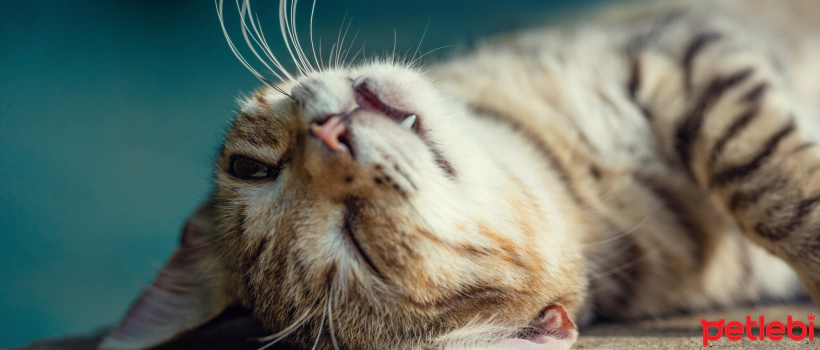
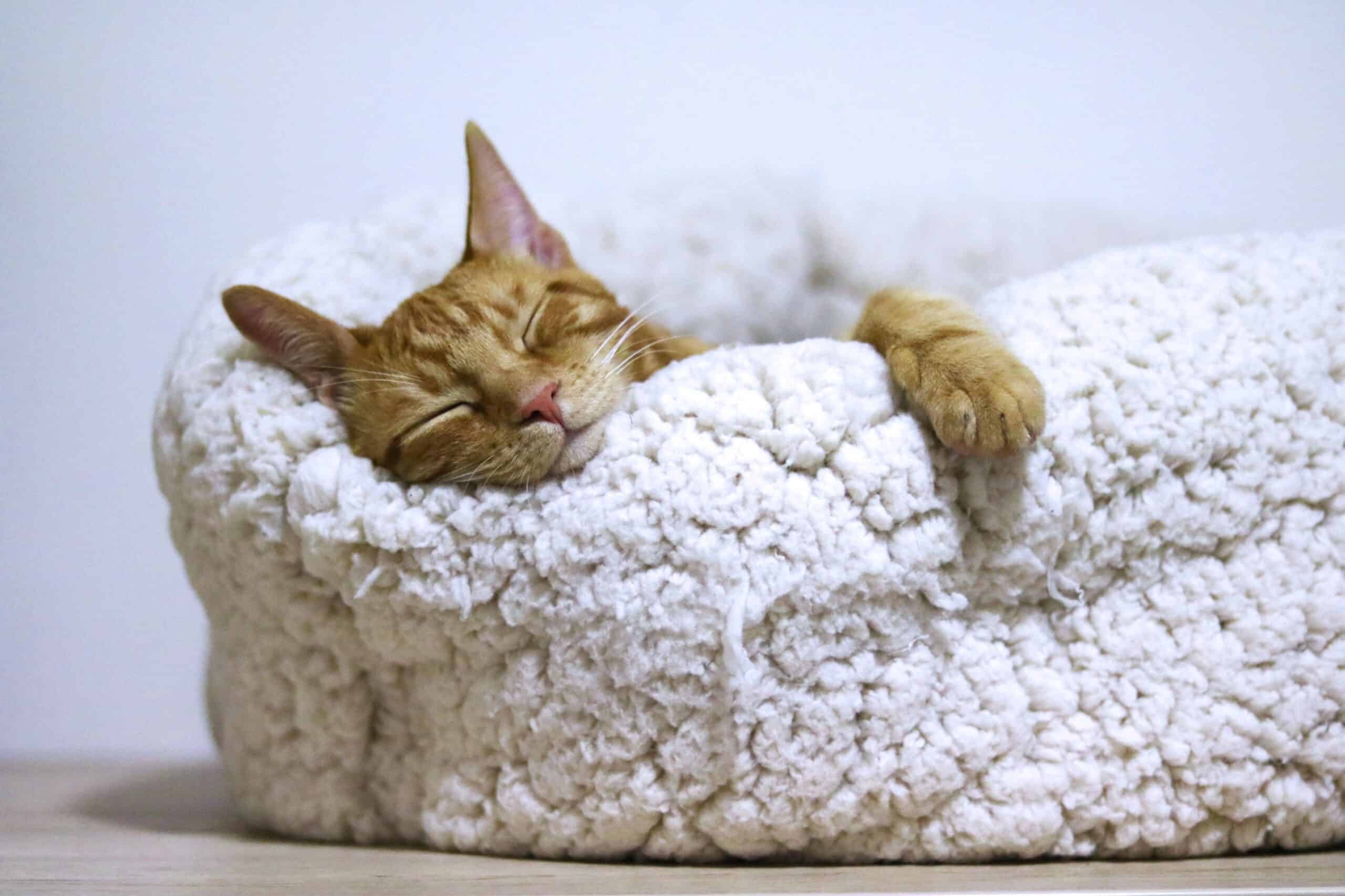
We all know that cats love to sleep. It's normal for cats to sleep an average of 12-16 hours a day. Sometimes you might see them snore in their sleep, just like humans. At this point, the question "Do cats snore?" becomes one of the most frequently asked. Moreover, some cats can snore quite loudly.
Advertisement
We all know that cats love to sleep. It's normal for cats to sleep an average of 12-16 hours a day. Sometimes you might see them snore in their sleep, just like humans. At this point, the question "Do cats snore?" becomes one of the most frequently asked. Moreover, some cats can snore quite loudly. Snoring in cats is rarer than in dogs. Snoring can be a symptom of a major health problem, or it can be caused by your cat's current sleeping position. If your cat snores constantly, you should observe it closely for a while and check for any changes in its movements and routine. If you observe other changes, you may need to contact a veterinarian.
What is Snoring?
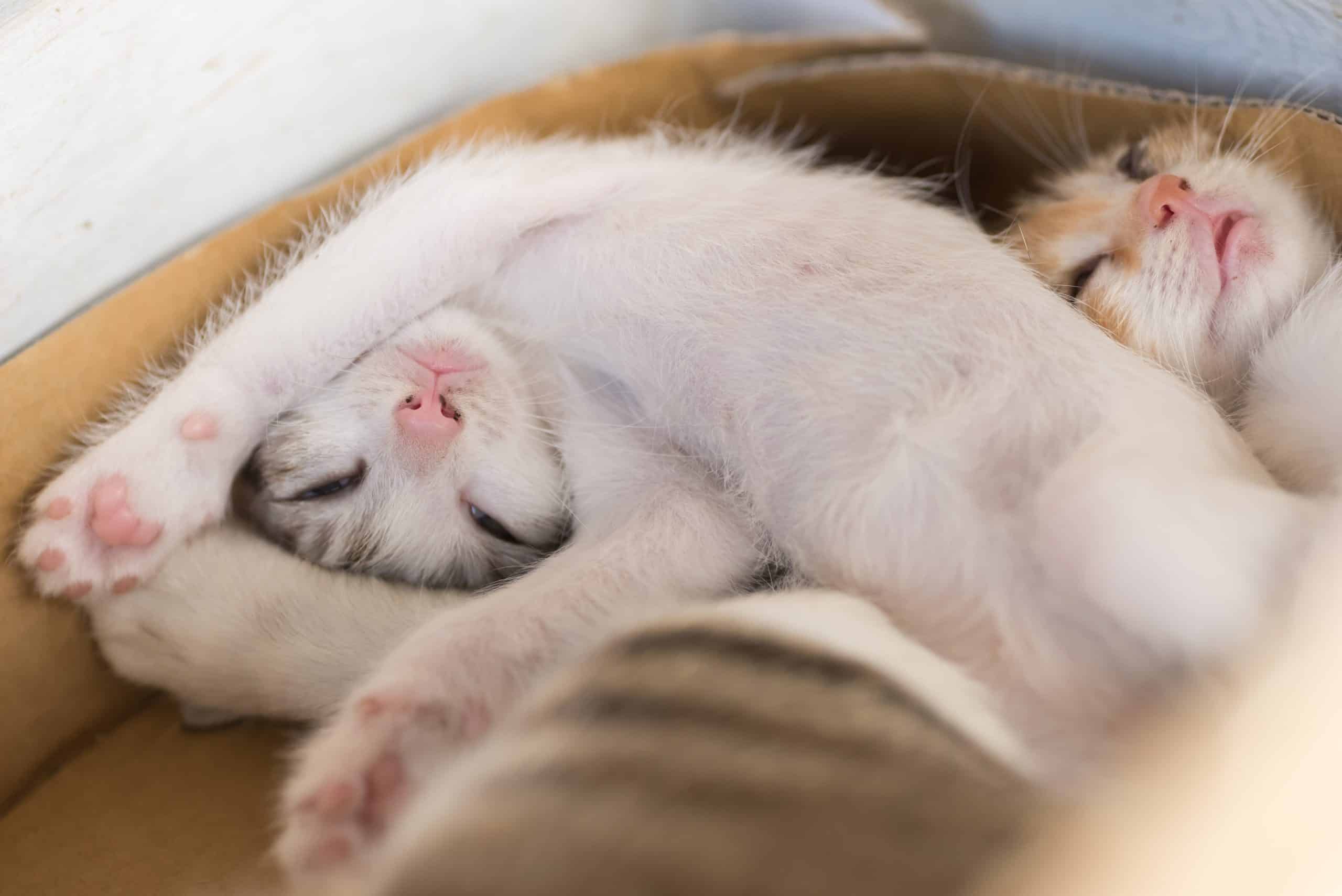
Snoring is a sound produced by the vibration of the loose tissue in the upper respiratory tract during sleep. Vibrations occurring with breathing at passages such as the nose, the back of the mouth, or the throat cause the snoring sound. The relaxation and loosening of tissues in the upper respiratory tract during sleep is the cause. Everyone who notices "My cat snores" wonders about the underlying reason.
Why do cats snore?
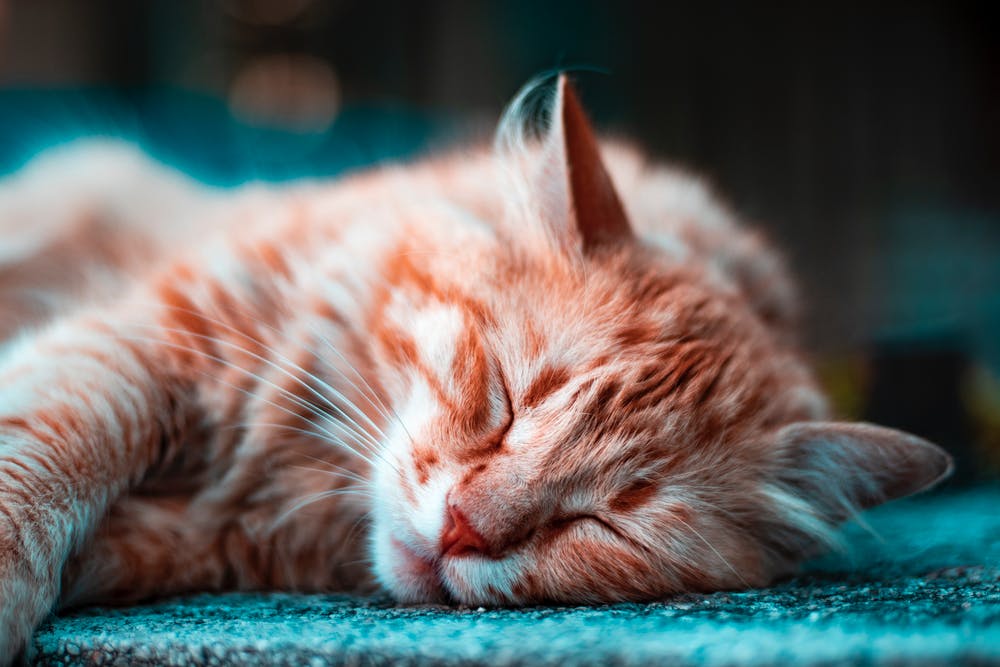
Cats can snore for many reasons while sleeping. Some of these reasons are more common. The most common reason for snoring in cats is the brachycephalic facial characteristic. Persian, Burmese, and Himalayan cats are more prone to snoring because they have flatter faces. Brachycephaly is a combination of the words "brachy," meaning short, and "cephalic," meaning head. Brachycephalic cats have narrower skulls, resulting in a flatter face and nose. Due to their facial features, their nasal passages are also shorter, leading to many breathing problems, including snoring. Another common cause of snoring in cats is excess weight. Fat deposits around the upper respiratory tract due to excess weight cause snoring. Obesity has many other harmful effects on cats besides snoring, some of which are serious health problems. Therefore, if your cat snores due to excess weight, you need to help it lose weight. Sleeping position is also one of the causes of snoring. Cats have very flexible bodies, and you can see them sleeping in almost unbelievable positions. Sometimes these strange sleeping positions can lead to snoring. If your cat doesn't start snoring again when you change its sleeping position, it's likely due to its sleeping position.
Another common cause of snoring in cats is excess weight. Fat deposits around the upper respiratory tract resulting from excess weight cause snoring. Obesity has many other harmful effects on cats besides snoring. Some of these are serious health problems. Therefore, if your cat snores due to being overweight, you need to help it lose weight.
Sleeping position is also one of the causes of snoring. Cats have very flexible bodies, and you can see them sleeping in almost unbelievable ways. Sometimes these strange sleeping positions can lead to snoring. If your cat doesn't start snoring again when it changes its sleeping position, it's a problem with its sleeping position. When is Snoring
Another condition that can cause snoring is respiratory problems; bacterial or fungal infections or conditions like asthma often lead to snoring in cats. In such cases, your cat will also show other symptoms of the disease. Inflammation in the respiratory tract, in addition to snoring, leads to discharge from the eyes and nose, sneezing, coughing, decreased activity, and loss of appetite. If you notice these symptoms along with snoring in your cat, you should contact a veterinarian immediately for treatment.
Foreign objects are also among the common causes of snoring in cats. When grass, leaves, or a small piece of a cat toy gets stuck in the back of the mouth or nose, it causes coughing and snoring.
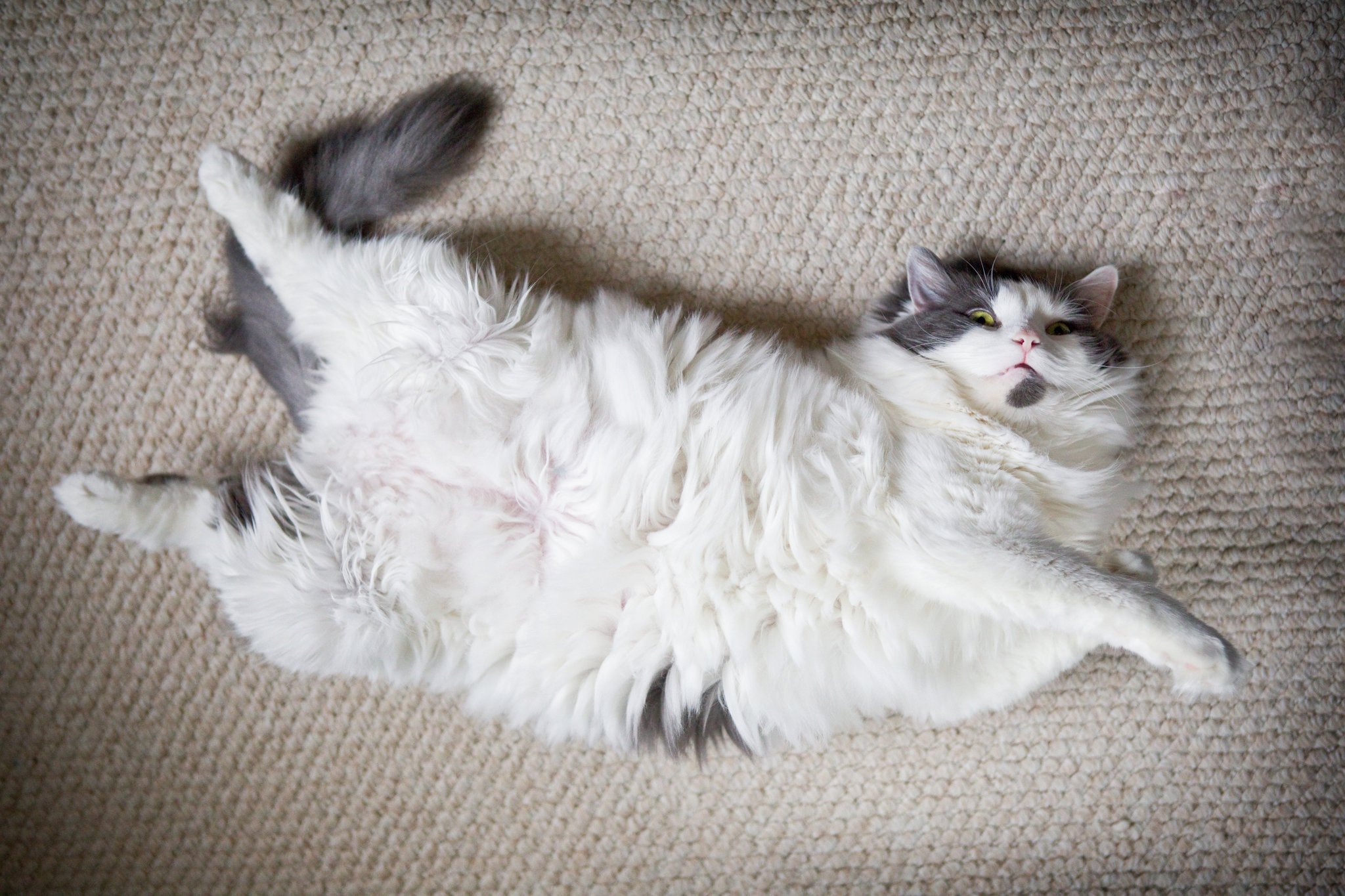
The causes of snoring in cats are not limited to these. Allergies, such as food or dust allergies, polyps, masses, trauma or inflammation in the nose can also cause snoring. When is Snoring Not Normal in Cats? Although the phrase "My cat snores while sleeping" may sound a little strange, snoring in cats is actually quite normal. Moreover, some of the underlying causes of snoring, such as obesity, sleeping position, or infection, are common to the causes of snoring in humans. Although snoring is considered normal among cats, one of the questions that is often asked is "Do kittens snore?". Snoring is normal in kittenhood if the cat is obese or sleeps upside down. However, there are also situations where snoring is not considered normal. One of these is when snoring becomes chronic and gradually louder. If snoring is accompanied by other symptoms such as sneezing, coughing, loss of appetite, or changes in behavior, it is necessary to contact a veterinarian. If there are symptoms other than snoring, such as rapid breathing, difficulty breathing, or wheezing while breathing, urgent treatment may be needed. In such cases, it is necessary to consult a veterinarian without delay.
Not Normal in Cats?
Although the phrase "My cat snores while sleeping" may sound a little strange, snoring in cats is actually quite normal. Moreover, some of the underlying causes of snoring, such as obesity, sleeping position, or infection, are common to the causes of snoring in humans. Although snoring is considered normal among cats, one of the questions that is often asked is, "Do kittens snore?" If the cat is obese or sleeps upside down, snoring is also normal in kittenhood. However, there are also situations where snoring is not considered normal. One such situation is when snoring becomes chronic and progressively louder. If snoring is accompanied by other symptoms such as sneezing, coughing, loss of appetite, or behavioral changes, it is necessary to contact a veterinarian. If there are other symptoms besides snoring, such as rapid breathing, difficulty breathing, or wheezing during breathing, urgent treatment may be needed. In such cases, it is necessary to consult a veterinarian without delay. [
Ways to Prevent Snoring in Cats
Snoring in cats that develops due to an illness usually disappears when the illness is treated. For example, in obese cats, snoring disappears after weight loss. It is also possible to prevent snoring with some changes at home.
Egzersiz
Hunting exercise in cats is an interactive game that is vital for the cat's development and quality of life. You need to meet your cat's exercise needs with various engaging toys such as fishing rods or toy mice. Cats are also unique creatures in terms of personality. Some prefer to play with toys with feathered ends, while others like to play with bouncy balls. Therefore, you can try different alternatives to find a toy that will attract your cat's attention. You can examine cat toys designed to suit cats' instincts by clicking here. Providing a Climbing Area Climbing is a great exercise for balance. You can keep your cat constantly active with climbing ladders that can be fixed to walls. One of the reasons cats love climbing ladders so much is that they need their own space. Cat ladders allow them to stay physically active while also giving them a space to go to when they want to get away.
Providing a Climbing Area]
Climbing is a great exercise for balance. With climbing ladders that can be fixed to walls, you can keep your cat constantly active. One reason cats love climbing ladders so much is that they need their own space. Cat ladders allow them to stay physically active while also providing a space they can go to when they want to get away.
Slow Feeding Bowl
Using a slow feeding bowl can be preferred to prevent obesity and obesity-related snoring in cats. Cats can easily access their food in normal bowls, but the situation is different with slow feeding bowls. Cats have to struggle to get their food. This allows your cat to eat the same amount of food over a longer period, preventing weight gain. In addition, slow feeding bowls satisfy cats' hunting instinct for food. You can examine slow feeding bowls that you can use for weight control in cats by clicking here.
Advertisement
Advertisement
Keep exploring
Continue reading

Cat Lifestyle & Guides
What is Cat Soup? Is it Beneficial for Cats?
If your cat rarely visits its water bowl, is sometimes reluctant to eat dry food, or shows interest in different textures, liquid products may catch…
Read guide →
Cat Lifestyle & Guides
How to Give Rewards and Snacks to a Neutered Kitten?
The Feline Veterinary Medical Association supports neutering kittens until they are five months old.
Read guide →
Cat Lifestyle & Guides
Benefits of Colostrum for Cats and Dogs
Colostrum is the first milk produced by mother cats and dogs after birth. Thanks to its antibodies and high nutrient content, it responds to the…
Read guide →
Cat Lifestyle & Guides
Why is Gut Health Important in Cats?
In cats, bowel health is linked to many areas, from digestive regularity and immune system-related processes to energy levels and daily comfort.
Read guide →