Kittens: Time Spent with Mothers, Weaning, and Adoption Time
If you are considering adopting a new cat, there is a detail that directly affects its future health and psychology: the process of separation from its mother. When do mother cats leave their kittens?

Advertisement
If you are considering adopting a new cat, there is a detail that directly affects its future health and psychology: the process of separation from its mother. When do mother cats leave their kittens? Finding the right answer to this question helps prevent premature adoptions before the kitten is ready and the potential problems associated with early adoption.
When adopting a kitten, the timing of its separation from its mother should be considered along with the weaning process. Kittens can start eating kitten food around 3-4 weeks. Weaning is gradual and is completed around 8 weeks in most cases. During the time they spend with their mother and siblings, they develop play and social behaviors in addition to nutrition.
In a planned adoption, the kitten should not be separated from its mother before 8 weeks. If conditions permit, they can be allowed to stay together for up to 10-12 weeks. The kitten's ability to feed itself, its health status, and its development should be evaluated together when determining the separation time.
Warning: If the mother cat cannot care for her kittens, or if a kitten is found orphaned, weak, or unable to feed, the scheduled adoption period should not be waited for. A veterinarian should be contacted immediately for the kitten's care and feeding needs.
When are kittens weaned?
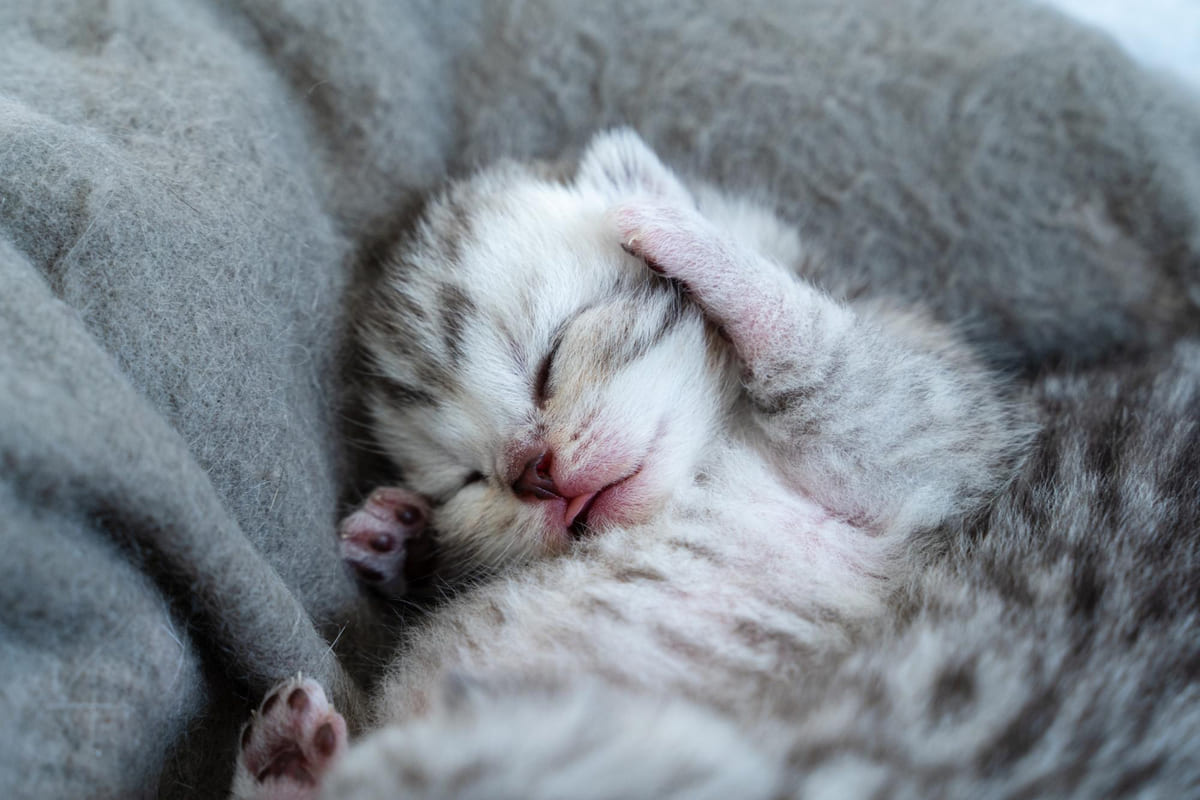
Kittens can start trying soft kitten food in addition to mother's milk when they are about 3-4 weeks old. As mentioned earlier, weaning doesn't happen suddenly: the kitten eats more and more food while the frequency of suckling decreases.
How does the transition to solid food progress when kittens are weaned?
In the first attempts, kittens can be offered wet kitten food or kitten food softened with warm water in a shallow bowl. During this introduction, which begins around the 4th week, the kitten may continue to nurse from its mother. It is possible for the kitten to sniff the food at first, stir it with its paw, or eat very little.
In the following weeks, as the kitten eats more regularly, the consistency of the food can be gradually increased. Fresh water should be available, and the amount it eats and its development should be monitored. Every kitten's growth rate is different. Kittens that cannot continue eating, do not gain weight, vomit, have diarrhea, or appear lethargic should be evaluated by a veterinarian.
What does a kitten eat after weaning? Does it drink milk?
The main food for a weaned kitten is a complete and balanced kitten food appropriate for its growth period. Wet food or dry food prepared for kittens can be given. Homemade foods such as chicken, rice, or pumpkin are not a substitute for kitten food. Cow's milk is not a suitable alternative to mother's milk and can cause digestive problems. If the kitten is not getting enough nutrition, it should be evaluated by a veterinarian whether it needs a substitute. What Happens If a Kitten Is Separated From Its Mother Early? If cats leave their kittens early, or if kittens are separated from their mothers prematurely, risks may arise in terms of nutrition, health, and behavioral development. The first few weeks after the kittens are born are critical for their development. Colostrum and mother's milk are important for the kitten's nutrition in the early period and for receiving antibodies from the mother.
Cow's milk is not a suitable alternative to breast milk and can lead to digestive problems. If the kitten is not getting enough nutrition, a veterinarian should be consulted to determine if a substitute is needed.
What Happens If a Kitten Is Separated Early?

If cats leave their kittens early, or if kittens are separated from their mothers prematurely, risks to their nutrition, health, and behavioral development can arise.
The first few weeks after birth are critical for the kitten's development. Colostrum and breast milk are important for the kitten's initial nutrition and the acquisition of antibodies from the mother.
The care of kittens separated from their mothers early and unable to feed themselves should be planned with a veterinarian. In this case, age-appropriate kitten milk powder products should be used, and the transition to solid food should be continued according to the kitten's development.
Mother cats help their kittens learn grooming behaviors and how to interact with other cats. At the very least, kittens learn to groom themselves from their mothers, a behavior that is much more important than just cleanliness. While playing with their siblings, they also begin to recognize the reactions of other cats and adjust their behavior during play.
When a mother cat abandons her kittens early or experiences an early separation for other reasons, it can be difficult for the kittens to adapt to their new homes. Some kittens may exhibit shyness, fear, or behaviors such as biting hard during play.
When Does a Mother Cat Start Distancing Herself from Her Kittens?
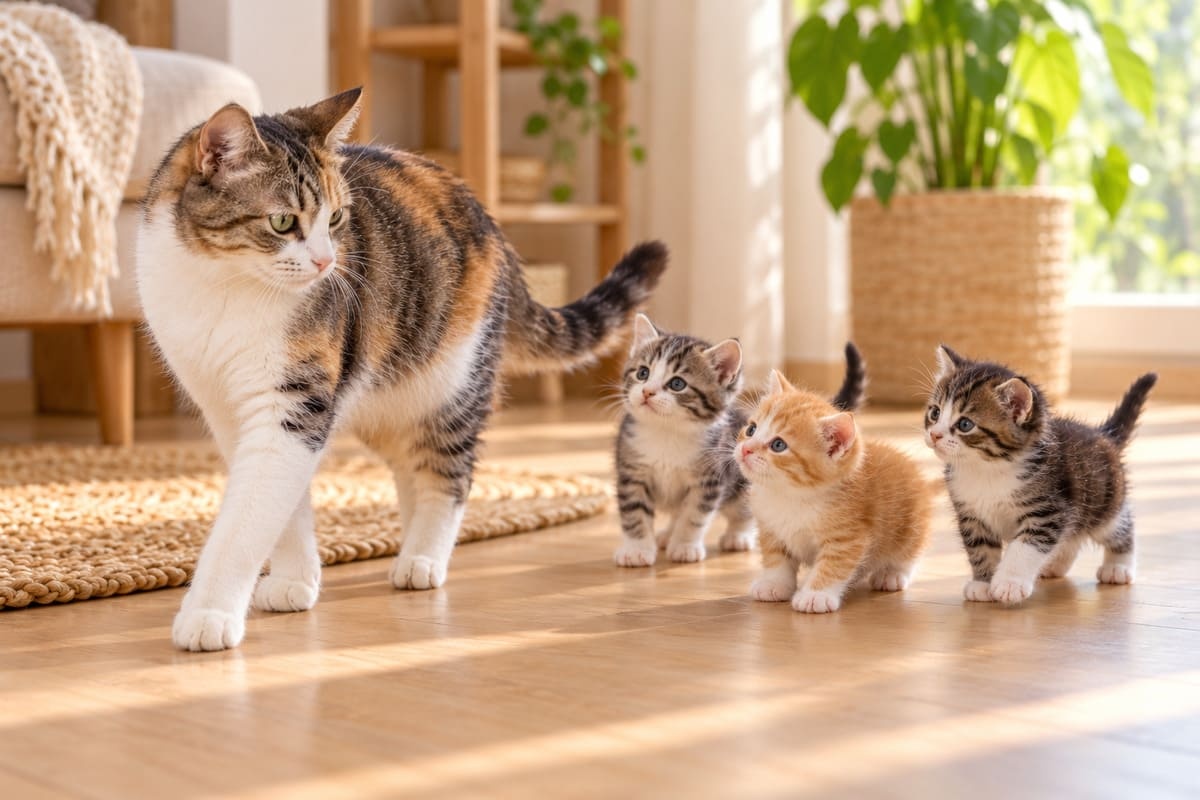
As kittens are introduced to solid food, the mother cat may more frequently refuse nursing attempts and take more time to rest. This change may be part of the weaning process. While nursing decreases, the mother and kittens continue to live together.
If the mother cat is not interested in a kitten at all, is not nursing it, or the kitten appears weak, the situation should be evaluated by a veterinarian without delay.
When are Kittens Separated from Their Mothers and Adopted?
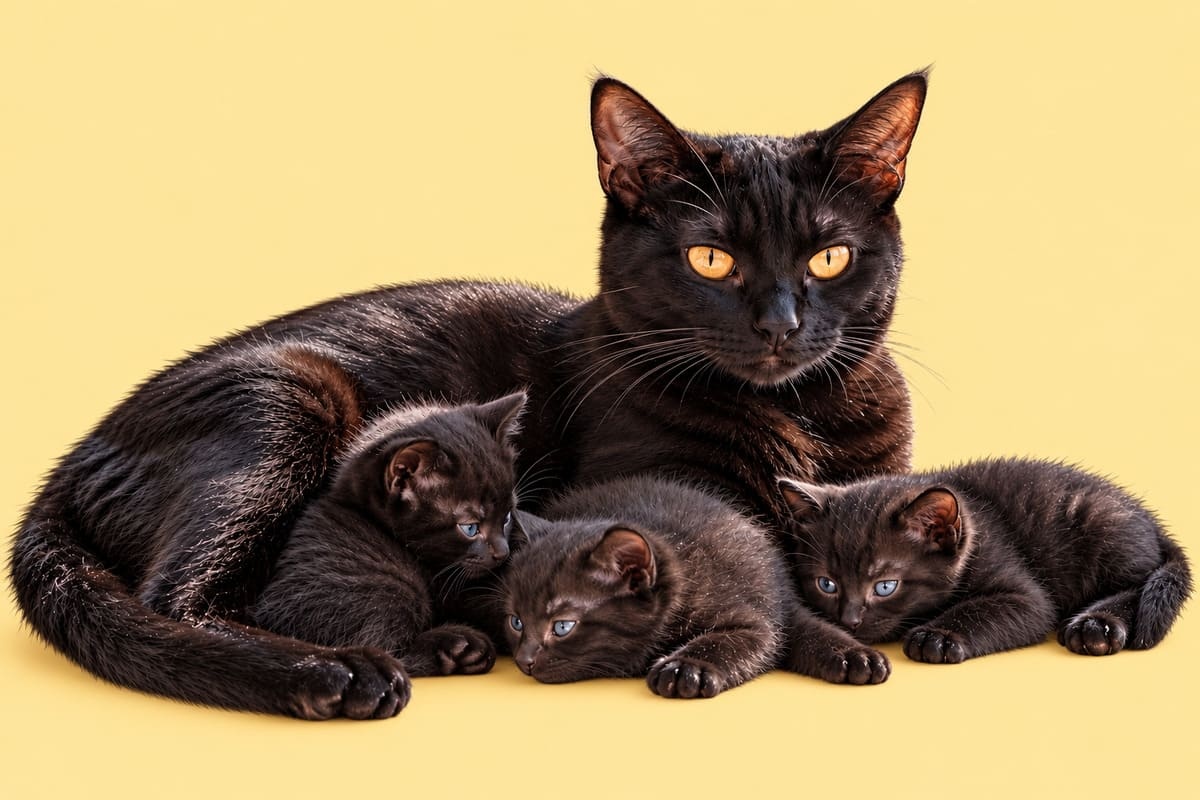
While age is the most important criterion in the adoption decision, the kitten's daily condition should also be considered. For a planned separation, it is expected that the kitten will be at least 8 weeks old, weaned, and able to feed itself regularly. The mother cat reducing nursing alone does not indicate that the kitten is ready for its new home.
As the day of separation approaches, the kitten's diet, feeding schedule, and health checks should be communicated to the new caregiver. Having the kitten's familiar food readily available in the new home facilitates uninterrupted care. If a safe environment is available where the kitten can stay with its mother and siblings, the option of waiting up to 10-12 weeks can also be considered.
What should be prepared at home before adopting a kitten?
A quiet area should be prepared for the kitten's first days, with easily accessible water and litter boxes, and a place to rest. Suitable options for play and scratching should be provided, and safety measures on windows and balconies should be checked.
Before making the decision to adopt, the time to be allocated for daily care and regular expenses such as food, litter, and veterinary check-ups should also be considered. To help the kitten adjust to its new environment, it is necessary to establish a patient and consistent routine in the first few days.
Frequently Asked Questions
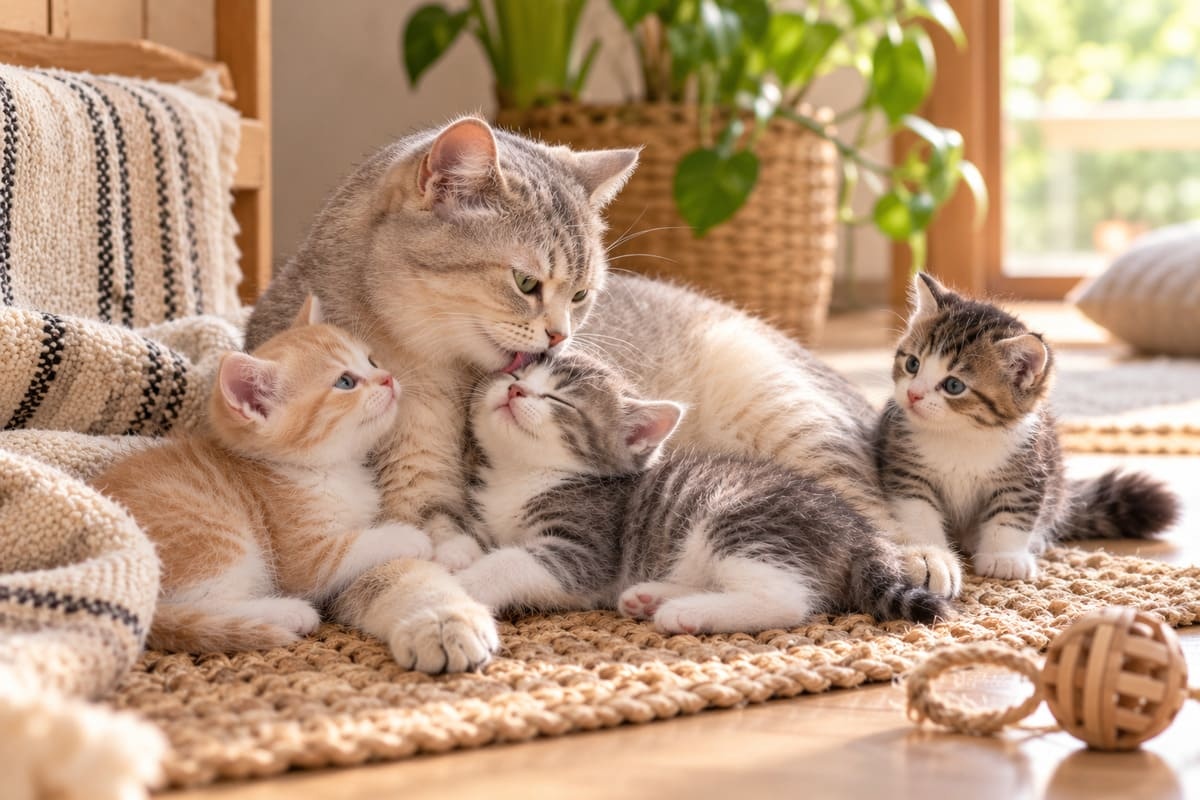
I don't know how many weeks old my kitten is. How can I tell if it's ready to be weaned?
According to PetMD, signs that the kitten is ready for the transition include increased activity, the emergence of milk teeth, and interest in solid food. These signs do not definitively determine the kitten's age or whether it is adequately fed on its own.
My bottle-fed kitten has started eating solid food. Should I stop giving it kitten milk replacer immediately?
Eating solid food once or twice is not a sufficient criterion to stop giving it kitten milk replacer. Whether it is regularly eating sufficient amounts of kitten food and its weight development should be monitored. If it is undernourished, a transition plan should be discussed with a veterinarian.
My kitten is eight weeks old but isn't gaining weight and has diarrhea. Should I change the adoption date?
A veterinary evaluation is needed first. Even if it has reached the age limit, its nutrition and health status should be clarified if it has diarrhea and insufficient weight gain. The timing of the move to a new home should be planned according to the results of this evaluation.
If a kitten stays with its mother for up to 12 weeks, will it have difficulty adjusting to people?
While living with its mother and siblings, it can also have positive experiences with people. Opportunities should be provided for calm interactions and for it to adjust to daily life safely. The extra time spent with its mother does not necessitate delaying its introduction to people.
Is it necessary to adopt two kittens from the same litter together? What should I pay attention to if they will go to separate homes?
Joint adoption should not be presented as a mandatory condition. What is important is that the kittens spend enough time playing and interacting with their mother and siblings before the planned separation. The decision to adopt two kittens together should be made based on the ability to provide long-term care for both.
My newly adopted kitten isn't eating its usual food. Does this indicate that it was separated from its mother too early?
We cannot attribute the loss of appetite solely to the time of separation. The kitten should be offered its usual food in a calm area, and how much it eats should be monitored. If it continues not eating, or if vomiting, diarrhea, or lethargy are present, a veterinarian should be consulted immediately.
My cat, whom I adopted early, is sucking on a blanket. Is this behavior due to early separation?
A cause cannot be determined from a single behavior. Brief periods of sucking on blankets while resting may occur. If the cat is constantly sucking on itself or another cat, or if there is wetness or shedding of fur, a veterinarian should be consulted.
Kaynaklar:
https://www.thesprucepets.com/when-can-kittens-leave-mothers-555163
https://catprotection.org.au/wp-content/uploads/2021/06/Factsheet_Why_Kittens_Should_Stay_With_Their_Mums_June_2021.pdf
https://kb.rspca.org.au/categories/companion-animals/choosing-a-pet/how-old-should-a-kitten-be-before-they-are-adopted-purchased
https://www.petmd.com/cat/general-health/weaning-kittens
https://www.purina.com/articles/cat/kitten/feeding/weaning-kittens
https://www.chewy.com/education/cat/new-cat/best-age-to-get-a-kitten
Advertisement
Advertisement
Keep exploring
Continue reading

Cat Lifestyle & Guides
What is Cat Soup? Is it Beneficial for Cats?
If your cat rarely visits its water bowl, is sometimes reluctant to eat dry food, or shows interest in different textures, liquid products may catch…
Read guide →
Cat Lifestyle & Guides
How to Give Rewards and Snacks to a Neutered Kitten?
The Feline Veterinary Medical Association supports neutering kittens until they are five months old.
Read guide →
Cat Lifestyle & Guides
Benefits of Colostrum for Cats and Dogs
Colostrum is the first milk produced by mother cats and dogs after birth. Thanks to its antibodies and high nutrient content, it responds to the…
Read guide →
Cat Lifestyle & Guides
Why is Gut Health Important in Cats?
In cats, bowel health is linked to many areas, from digestive regularity and immune system-related processes to energy levels and daily comfort.
Read guide →