Low WBC (White Blood Cell) Count in Cats
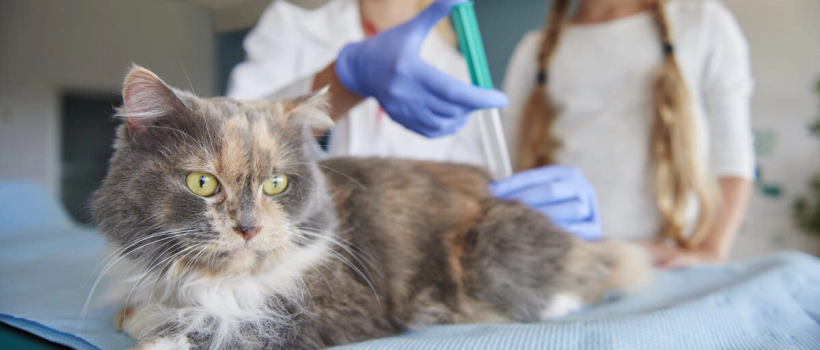
If your cat is lethargic, has a poor appetite, or frequent infections, one of the underlying causes may be low white blood cell (WBC) count. This condition, called leukopenia in medical terms, weakens the immune system and leaves your cat vulnerable to infections.
Advertisement
If your cat is lethargic, has a poor appetite, or frequent infections, one of the underlying causes may be low white blood cell (WBC) count. This condition, called leukopenia in medical terms, weakens the immune system and leaves your cat vulnerable to infections. Low WBC count is often not noticeable to the naked eye but can lead to serious consequences. Therefore, understanding the symptoms, consulting a veterinarian at the right time, and supporting your cat's immunity is extremely important. In this article, you can find answers to the most frequently asked questions such as "What is low WBC count in cats, what causes it, what are the symptoms, and how is it treated?" and discover suggestions to support your pet's health. First, let's look at the answer to the question "What is a white blood cell?". White blood cells are cells that play a critical role in the immune system of cats. As stated in the MSD Veterinary Manual, a low WBC count increases susceptibility to infections and weakens the body's defense mechanism. These cells, also known as leukocytes, form the first line of defense against bacteria, viruses, parasites, and foreign substances entering the body. When cats have low WBC counts, their immune system weakens, and their capacity to fight infections decreases. White blood cells consist of different subgroups: neutrophils, lymphocytes, monocytes, eosinophils, and basophils. Each of these groups performs a different task. For example, neutrophils fight bacteria, while lymphocytes are effective in antibody production. When the amount of WBCs in a cat's blood decreases, it becomes more difficult for these cells to perform their functions. The normal white blood cell count in cats is generally considered to be between 5,500 and 19,500/µL. These values may vary slightly according to laboratory standards. If a value below this range is seen in the test results, this is considered leukopenia (low WBC count).
Low WBC count is a condition that is often not noticeable to the naked eye but can lead to serious consequences. Therefore, understanding the symptoms, consulting a veterinarian at the right time, and supporting your cat's immunity are extremely important.
In this article, you can find answers to the most frequently asked questions such as "What is low WBC count in cats, what causes it, what are the symptoms, and how is it treated?" and discover suggestions to support your pet's health. First, let's look at the answer to the question "What is a white blood cell?".
What is WBC (White Blood Cell) in Cats?

White blood cells (WBCs) play a critical role in the immune system of cats. As stated in the MSD Veterinary Manual, a low WBC count increases susceptibility to infections and weakens the body's defense mechanism.
Also known as leukocytes, these cells form the first line of defense against bacteria, viruses, parasites, and foreign substances entering the body. When cats have low WBC counts, their immune system weakens, and their capacity to fight infections decreases.
White blood cells consist of different subgroups: neutrophils, lymphocytes, monocytes, eosinophils, and basophils. Each of these groups undertakes a different task. For example, neutrophils fight bacteria, while lymphocytes are effective in antibody production. When the amount of WBCs in a cat's blood decreases, it becomes more difficult for these cells to perform their functions.
In cats, the normal white blood cell count is generally considered to be between 5,500 and 19,500/µL. These values may vary slightly according to laboratory standards. If a value below this range is seen in the test results, this is considered leukopenia (low WBC count).
Causes of Low WBC Count in Cats
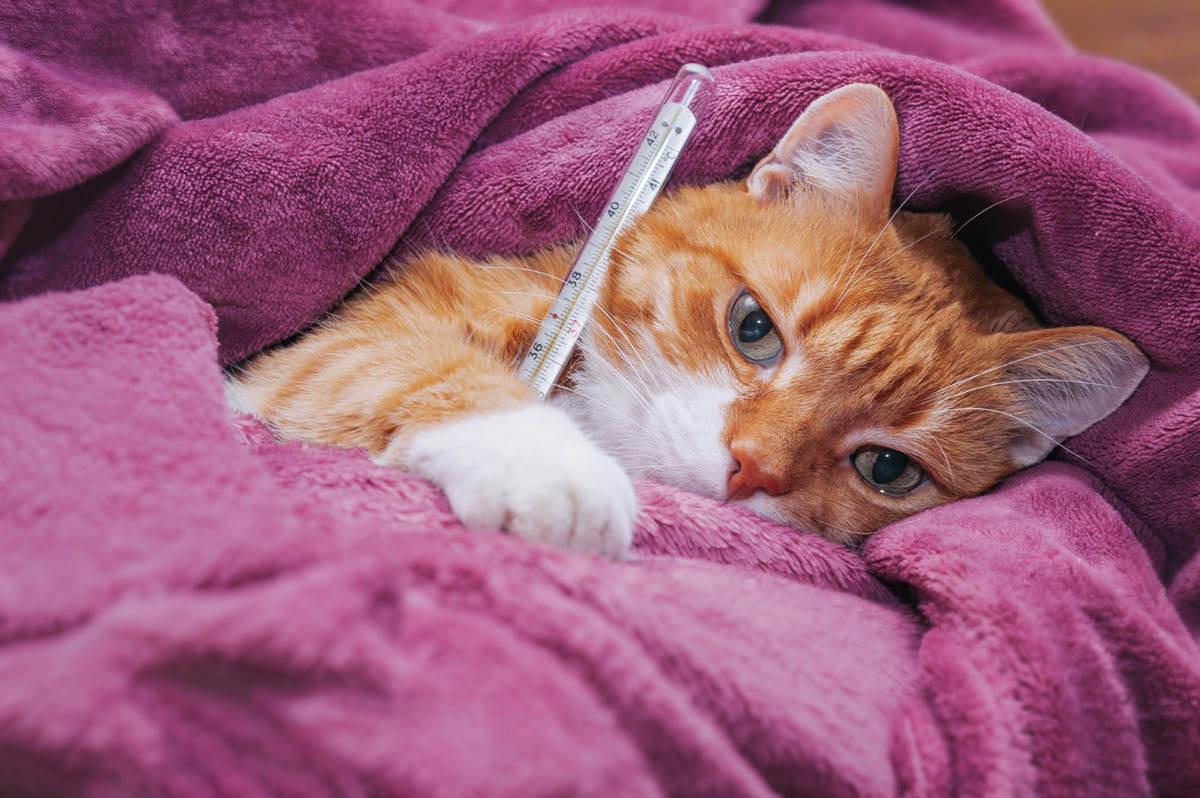
Low white blood cell count in cats is not due to a single cause. Various infections, immune system disorders, side effects of medications, or bone marrow diseases can lead to this condition. Correctly determining the cause is the most critical step in the treatment process.
Viral Enfeksiyonlar (FIV, FeLV vb.)
One of the most common causes of low WBC count in cats is viral infections. Feline Immunodeficiency Virus (FIV) and Feline Leukemia Virus (FeLV) suppress the immune system, reducing the production of blood cells. According to the CVETS source, FeLV specifically affects blood cell production in the bone marrow, leading to a decrease in leukocyte count.
Parazit ve Bakteriyel Enfeksiyonlar
Some parasites and bacteria can also affect blood cells. These types of infections can cause a decrease in WBC values over time by constantly stimulating the immune system. In bacterial and parasitic infections, the blood count is usually increasing; however, a decrease may be seen in severe sepsis or due to consumption/suppression in some agents.
Side Effects of Medications
Long-term use of some chemotherapy drugs or some specific antibiotics can suppress the bone marrow. This can reduce the production of white blood cells, causing leukopenia. The PetMD source emphasizes that this effect is frequently seen, especially in cats undergoing cancer treatment.
Autoimmune Diseases
Autoimmune diseases in cats occur when the immune system targets its own cells. In this case, white blood cells (WBCs) are mistakenly destroyed and their numbers decrease. Although rare, it can lead to serious problems if left untreated for a long time.
Cancer and Bone Marrow Problems
Tumor formation, leukemia, or other structural abnormalities in the bone marrow prevent the production of white blood cells. The MSD Veterinary Manual explains that if the bone marrow cannot produce enough cells, pancytopenia (a decrease in all blood cells) may develop.
Symptoms and Diagnostic Methods of Low White Blood Cell Count in Cats
Low WBC count in cats often progresses insidiously, and the initial symptoms may be mild. As the immune system weakens, the cat's health problems become more apparent.
Signs of low WBC count in cats include:
- Lethargy and easy fatigue
- Loss of appetite and weight loss
- Dehidrasyon
- Behavioral changes
- Frequent respiratory or intestinal infections
- Mouth and gum infections
- Non-healing skin sores
According to Cornell Feline Health Center, these symptoms usually occur when the immune system is weakened and may be seen in conjunction with other blood count problems such as anemia.
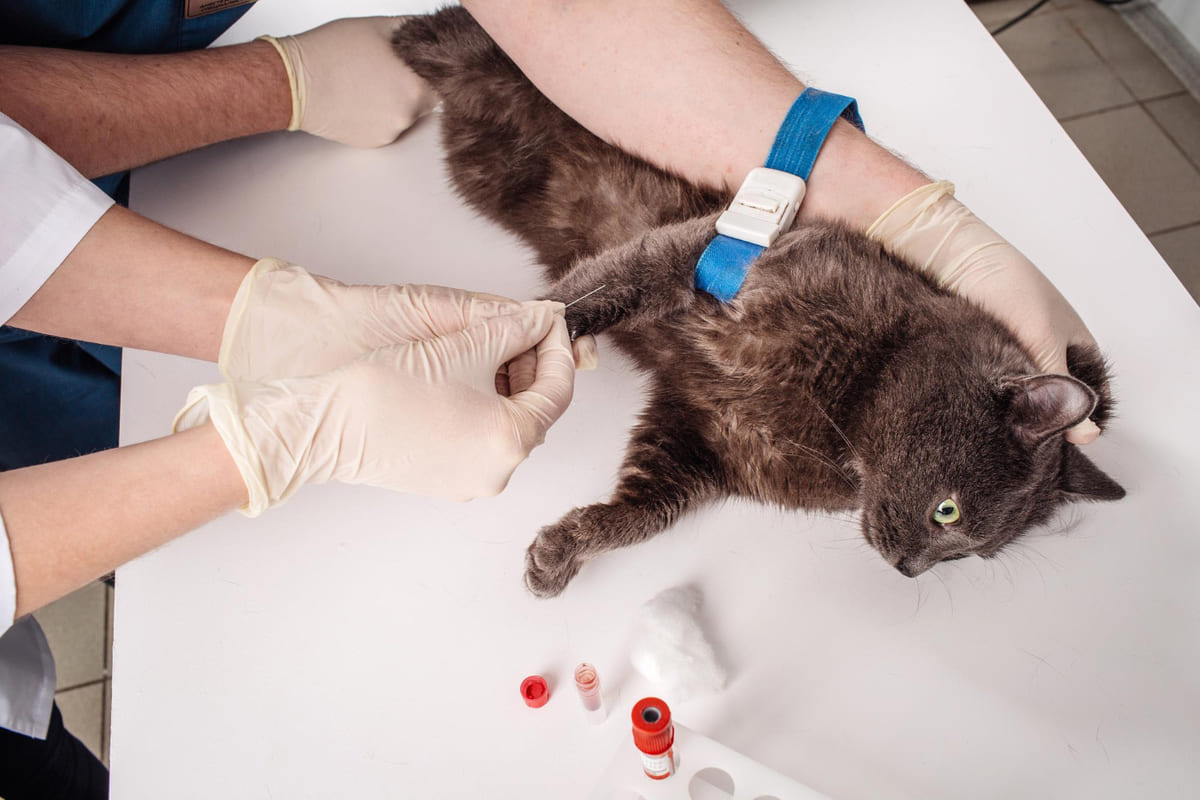
A complete blood count (CBC) is necessary for a definitive diagnosis. This test shows your cat's white blood cell count and subtypes in detail. The veterinarian will evaluate the test results along with the examination findings to investigate the cause of leukopenia.
In some cases, additional tests such as viral tests and bone marrow biopsy may be required. This ensures that not only the low WBC count but also the underlying disease is correctly diagnosed.
Treatment Methods for Low White Blood Cell Count in Cats
In clinical evaluation, looking only at total WBC is not sufficient. Infection risk and treatment decisions are often based on absolute neutrophil count (ANC). Eosinopenia (decrease in eosinophils) can be seen in stress responses or during corticosteroid treatment and is considered a significant finding in differential leukocyte counts.
It is recommended that the results be interpreted holistically by a veterinarian in conjunction with the CBC and clinical picture, and that further investigations be planned if necessary.
If the cause of the low WBC is a viral infection, treatment focuses on controlling the symptoms. In bacterial or parasitic cases, appropriate antibiotics or antiparasitic drugs are used.
In some cases, the veterinarian may prescribe medications that support the immune system. The aim is to strengthen the cat's immune response and make it more resistant to infections.
Nutrition has a direct effect on the immune system. A balanced diet rich in protein is recommended. In some cases, vitamin and mineral supplements may be used to support immune function. The use of vitamin and mineral supplements should be done in accordance with the recommendations of a veterinarian.
Home Care and Prevention Methods

If your cat has been diagnosed with low WBC count, in addition to the treatment recommended by your veterinarian, you can take steps to strengthen its immune system at home. These supportive methods will help your cat become more resistant to diseases.
Balanced nutrition: High-quality protein-rich foods should be preferred. Ensure that the necessary vitamins and minerals for immunity are complete.
Clean living space: To reduce the risk of infection, the litter box and food bowls should be cleaned regularly.
Stress control: Cats may experience immune problems under stress. Providing a quiet, peaceful environment is important.
Regular health checkups: Regular veterinary checkups and blood tests for your cat will help detect conditions like low WBC count early.
When to See a Veterinarian?
It's not always easy to detect low WBC count in your cat. In some cases, you should see a veterinarian without delay.
- If your cat frequently gets infections,
- If its appetite has decreased or there is significant weight loss,
- If it has lethargy, high fever, or repeated vomiting,
- If its wounds heal slowly or if it has mouth infections, health checks should be done urgently.
Frequently Asked Questions (FAQ)
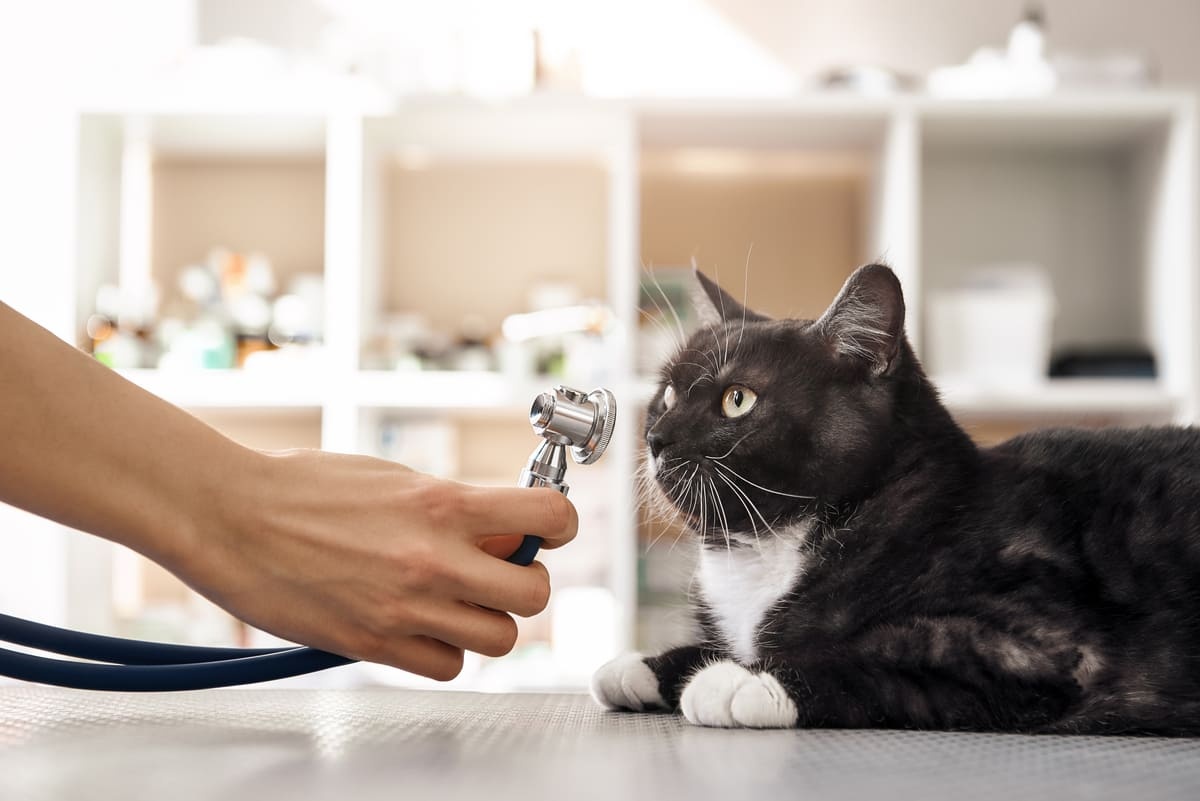
In this section of our content, you can find answers to the most frequently asked questions about low white blood cell count in cats.
Is low WBC count dangerous in cats?
Yes. Low WBC (white blood cell) count indicates a weakened immune system in your cat. This makes the body vulnerable to bacteria, viruses, and parasites. If left untreated, it can lead to frequent infections, severe illnesses, and non-healing wounds. In advanced cases, it can be life-threatening.
What should the normal WBC count be in cats?
The normal white blood cell count in cats is generally between 5,500 and 19,500 /µL. However, reference values may vary slightly between laboratories. If your cat's blood test results fall below these values, it is considered "leukopenia" (low WBC count). Therefore, the results must be interpreted by a veterinarian.
Can low WBC count resolve on its own?
Generally no. Low WBC count is often caused by serious underlying conditions such as an infection, drug side effect, autoimmune disease, or bone marrow problem. Blood counts cannot return to normal without treating the underlying cause. Some mild infections may cause temporary fluctuations, but professional treatment is required for lasting improvement. What types of treatments are used for low WBC count in cats? Treatment varies depending on the cause of the low count: For viral infections, supportive treatment and immune-boosting medications may be given. For bacterial or parasitic infections, appropriate antibiotic or antiparasitic treatments are applied. In cases caused by drug side effects, the responsible drug is discontinued and an alternative treatment is started.
What types of treatments are used for low WBC count in cats?
Treatment varies depending on the cause of the low count:
- In viral infections, supportive treatment and immune-boosting drugs may be given.
- In bacterial or parasitic infections, appropriate antibiotic or antiparasitic treatments are applied.
- In cases caused by drug side effects, the responsible drug is discontinued and an alternative treatment is started.
- Chemotherapy or special drug protocols may be necessary in bone marrow and cancer-related conditions.
- All treatments should be done under the guidance of a veterinarian.
Do cats with low WBC counts get sick more often?
Yes. Low white blood cell counts indicate a weak immune system in the cat. Therefore, even simple microbes can lead to serious infections. Frequent respiratory illnesses, oral infections, and intestinal problems are more common in these cats.
Can WBC counts be increased with home feeding?
It is not possible to increase WBC counts with home feeding alone. A balanced and high-quality diet supports the immune system. Foods rich in protein and with a balanced amount of vitamins and minerals should be preferred. Additionally, vitamin B12, omega-3, and antioxidant supplements can be used as recommended by a veterinarian. This approach plays a supportive role in treatment.
Can low WBC count in cats be fatal?
WBC counts that are left untreated for a long time or that drop to very low levels can cause severe and widespread infections. The condition can be fatal, especially in immunosuppressive diseases such as panleukopenia (feline distemper) or FeLV. Therefore, low WBC count should absolutely not be taken lightly and should be treated under the supervision of a veterinarian.
Kaynaklar:
https://www.msdvetmanual.com/cat-owners/blood-disorders-of-cats/white-blood-cell-disorders-of-cats
https://vcahospitals.com/know-your-pet/feline-panleukopenia
https://www.petmd.com/cat/conditions/cardiovascular/c_ct_pancytopenia
https://www.msdvetmanual.com/cat-owners/blood-disorders-of-cats/white-blood-cells-of-cats
https://www.dahnc.com/articles/feline-distemper
https://cvets.net/what-are-the-key-facts-about-cat-leukemia/
https://wagwalking.com/cat/condition/low-white-blood-cell-count
https://www.vet.cornell.edu/departments-centers-and-institutes/cornell-feline-health-center/health-information/feline-health-topics/anemia
Advertisement
Advertisement
Keep exploring
Continue reading

Cat Lifestyle & Guides
What is Cat Soup? Is it Beneficial for Cats?
If your cat rarely visits its water bowl, is sometimes reluctant to eat dry food, or shows interest in different textures, liquid products may catch…
Read guide →
Cat Lifestyle & Guides
How to Give Rewards and Snacks to a Neutered Kitten?
The Feline Veterinary Medical Association supports neutering kittens until they are five months old.
Read guide →
Cat Lifestyle & Guides
Benefits of Colostrum for Cats and Dogs
Colostrum is the first milk produced by mother cats and dogs after birth. Thanks to its antibodies and high nutrient content, it responds to the…
Read guide →
Cat Lifestyle & Guides
Why is Gut Health Important in Cats?
In cats, bowel health is linked to many areas, from digestive regularity and immune system-related processes to energy levels and daily comfort.
Read guide →