Meanings of Cat Body Language
Cats express their complex emotions through body language. Every movement, posture, or vocalization carries important clues for understanding your cat's mood and current situation. For cat owners, correctly interpreting these signs is critical for both responding immediately to the cat's needs and…

Advertisement
Cats express their complex emotions through body language. Every movement, posture, or vocalization carries important clues for understanding your cat's mood and current situation. For cat owners, correctly interpreting these signs is critical for both responding immediately to the cat's needs and building a healthier relationship with it. In this article, we will discuss in detail how to interpret cats' body language.
General Body Language of Cats
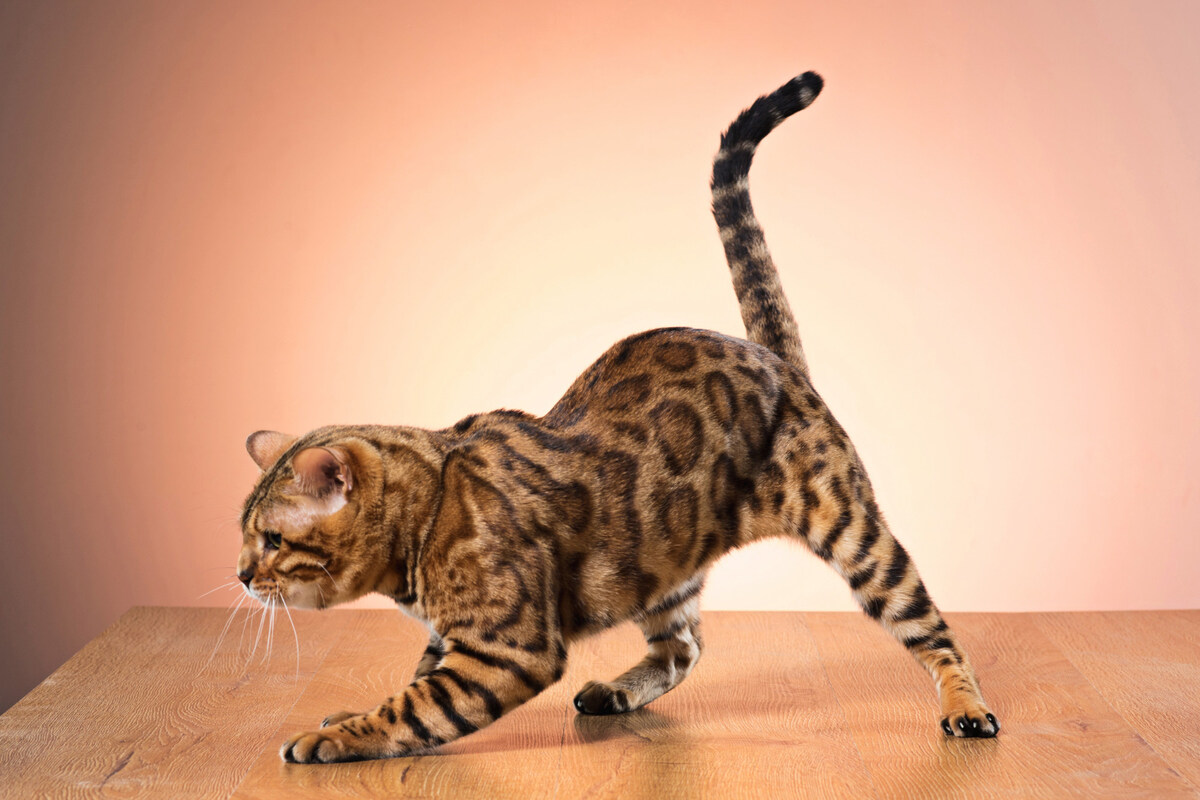
A cat's general body posture clearly reflects its mood. A cat can show through its body language that it is calm, stressed, aggressive, or curious. For example, if a cat's body is relaxed and its muscles are soft, it can be understood that the cat is peaceful and comfortable. Conversely, a cat with a stiff or tense body may be feeling stressed or threatened.
Cats showing their bellies often do so to show they feel safe and/or trust their owners, but this isn't always an invitation to pet their bellies. Some cats show their bellies but don't like being touched. While a relaxed body posture may indicate that your cat feels safe and peaceful in its environment, if this posture is accompanied by slowed movements or a low energy level, the body language may indicate that your cat is experiencing discomfort or stress.
Tail Movements and Their Meanings
Cats use their tails as an effective means of communication. The position and movement of the tail offer important clues to understanding the cat's emotional state.
Tail Held Upright
If your cat's tail is held completely up, especially if the tip is slightly twitching, this tail position indicates that it is in a happy, confident, and curious mood. This tail position can also signal that your cat wants attention and closeness. When a cat approaches you with its tail held high, it is a sign that it is happy to see you.
Rapid Tail Wagging
A sharp and rapid tail wagging from side to side indicates that your cat is restless or nervous. Rapid tail wagging shows the cat's intolerance and may be a sign of possible aggression. If your cat is focused on something and its tail is moving rapidly, it may feel threatened or be preparing for an attack.
Tuil Curling
If you see your cat tightly wrapping its tail around its body, it's a sign that your cat is stressed, scared, or feeling insecure. You can observe that your cat curls its tail in this way to protect itself when it encounters a new environment or an unfamiliar person.

Ear Positions and Their Meanings
Ears play an important role in expressing a cat's reactions to its environment and its mood. By paying attention to your cat's ear positions, you can understand how it is feeling at that moment.
Forward-Pointing Ears
If your cat's ears are pointed forward, this indicates that it is alert and curious. It is focused on the events around it and is watching what is happening with interest. You can also see this ear position when it is playing with its favorite cat toys or when it is in hunting mode. Forward-pointing ears are a posture often seen when your cat is relaxed and does not perceive a threat.
Ears Flattened Back
If your cat's ears are flattened back, this indicates that it feels threatened or is nervous. This can be a sign of aggression or fear. Especially if the ears are flattened back along with ruffled fur or a growling sound, you can understand that your cat is on the defensive.
Ears Flattened to the Side
A slight flattening of the ears to the side indicates that your cat is hesitant or uneasy. This is a posture that occurs especially when your cat is thinking about how to react to new or unexpected situations. You can observe this ear position when your cat is paying attention but cannot quite decide what to do.

Eye Movements and Meanings of Cats
Eye movements and blinking of cats are quite important for understanding their emotional state. By paying attention to your cat's eyes, you can understand how you should approach it.
Slow Blinking
Slow blinking is a kind of "affection" and "trust" indicator among cats. When your cat blinks slowly at you, it expresses that it feels safe and loved in your presence. To strengthen this bond with your cat, you can also blink slowly at it, using this friendly gesture as a sign of mutual trust.
Fixed Eye Contact
If you notice your cat staring at you for a long time and in a fixed manner, this can often be interpreted as a perceived challenge or threat. Fixed eye contact indicates that your cat is alert and on guard. In this case, it is important to approach your cat slowly and gently, otherwise it may react aggressively.
Pupil Dilation
If you observe your cat's pupils dilating, this may indicate that it is excited, frightened, or aggressive. You will often see this behavior, especially during play. A cat that is alert to the outside world will usually dilate its pupils.

Moods Revealed by Cats' Body Postures
Cats' body postures offer some of the clearest clues about their moods. Below, you can find some important information that will help you understand what your cat is feeling based on its posture.
Aggressive or Defensive Postures
Cats clearly show through their body language whether they are aggressive or defensive.
- Flocked tail: Indicates that it is threatened and is on the defensive.
- Humpback: Means your cat is trying to appear larger, which is a sign that it is in a defensive position.
- Ears pulled back: Indicates that your cat is uncomfortable and may potentially become aggressive.
Calm and Relaxed Posture
You can tell if your cat is calm just like you can tell if it's aggressive from its body language.
- Relaxed body language: If your cat's muscles are soft and relaxed, this indicates that it is comfortable and peaceful.
- Slowly moving tail: A gently wagging tail indicates that your cat feels peaceful.
- Slow blinking: This is one of the most obvious signs that your cat trusts you and feels comfortable.

The Relationship Between Cats' Vocal Communication and Body Language
Cats express themselves not only through body language but also through the sounds they make. Understanding how sounds like purring, meowing, and hissing combine with body language allows you to better interpret your cat's needs.
Meowing and Body Language
Cats convey many different messages with their meows. When you combine their meows with their body language, it becomes much easier to understand what your cat wants.
- Seeking Attention: When your cat meows softly and loudly, it usually indicates that it wants attention or play. In such a case, their tails will be erect and their ears will be turned forward.
- Hunger sign: More intense and continuous meowing may indicate that your cat is hungry. This meowing may be accompanied by circling the food bowl or trying to lead you to where its food is.
- Discomfort or irritability: Deep, low-pitched meows indicate that your cat is uncomfortable or irritated about something.
Purring and Body Language
While purring is one of the most common signs of comfort in cats, in some cases it can also indicate that your cat is stressed. If the body posture is relaxed and/or comfortable while purring, you might think it's relaxed. However, purring that occurs when the body is stiff and tense can be a sign of stress. Observing the body language your cat displays while purring will help you understand its true mood. For detailed information, see Why Do Cats Purr? You can read our content titled "Reasons and Communication Tips".
Growling/Histing and Body Language
Cats may make aggressive sounds, especially when they feel threatened or scared, and these sounds, along with body language, support their aggressive behavior.
Growling and hissing are clear signs that your cat perceives a threat. Along with these sounds, the ears are usually flattened back, the fur is bristled, and the body goes into a defensive position. In this situation, your cat may be giving the message "Don't come near!" to the other party. You can find information to help you understand your pet's movements and sounds in our content "What Do the Sounds Your Cat Makes Mean?".
Wide eyes and a hunched back indicate that your cat feels threatened and is preparing for a potential attack. This is also supported by sounds such as rapid hissing and low meows. Your cat may be preparing for a perceived threat.
Understanding your cat's aggressive behavior and approaching it appropriately is important for both its safety and yours. Minimizing environmental stressors and avoiding triggers is the best way to prevent aggressive reactions.
Body Language of Cats in Social Interactions
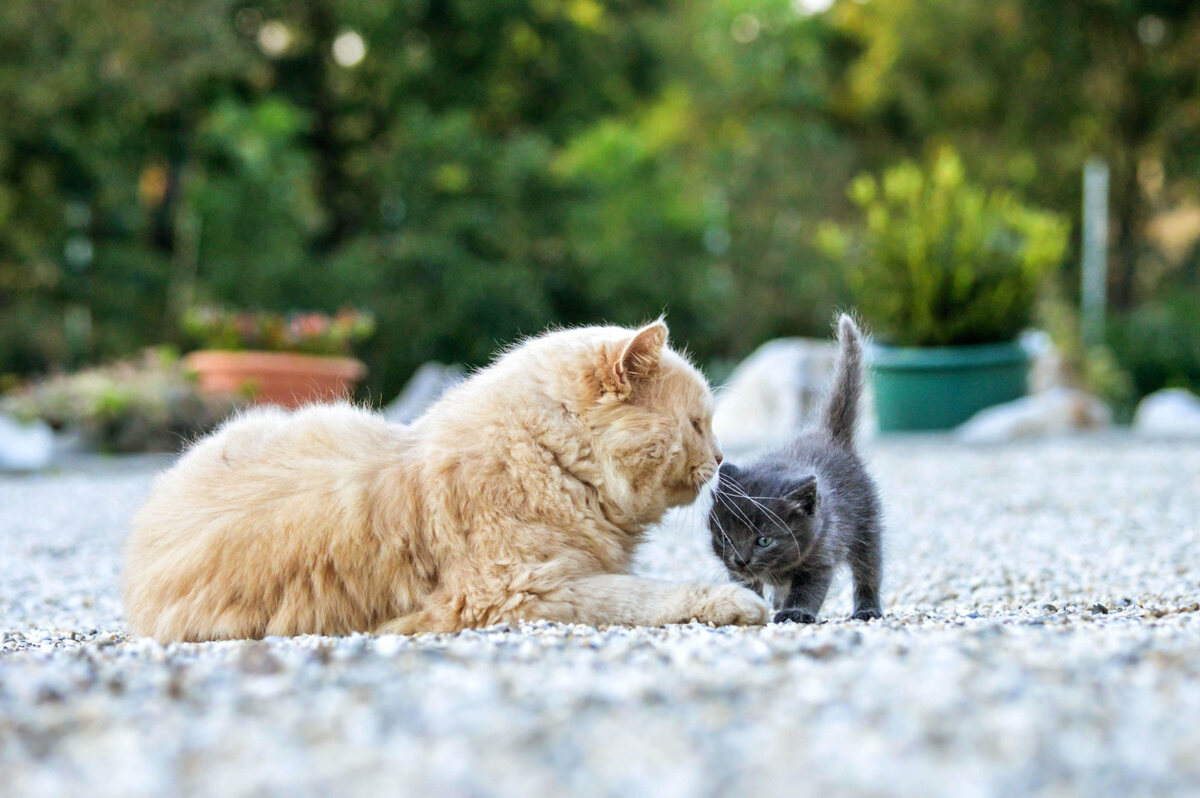
Cats actively use body language in their social interactions with both other cats and humans. The body language they display during these interactions allows us to understand whether they feel friendly or threatened.
Body Language Towards Other Cats
The body language cats display in their interactions with other cats reveals their intentions.
- Friendly Posture: If the tail is erect, the ears are turned forward, and the steps are light, your cat is exhibiting a friendly approach.
- Threatening Posture: If the tail is puffed up and wagging with harsh movements, this indicates that your cat is exhibiting an aggressive attitude.
- Shy Posture: If the tail is tucked between the legs and the body is close to the ground, you can understand that your cat is shy or scared.
Body Language Towards Humans
The body language cats display in their interactions with humans is also quite distinct. Here are some body language signs your cat may exhibit in its interactions with you:
- Showing Attention: Coming to you and rubbing against you, with a slight meow, shows that it wants attention.
- Sign of Trust: Lying on its side with its belly exposed means it completely trusts you.
- Avoidance: Pulling its ears back and avoiding eye contact shows that your cat wants to get away.
Cats' Play Behaviors and Body Language
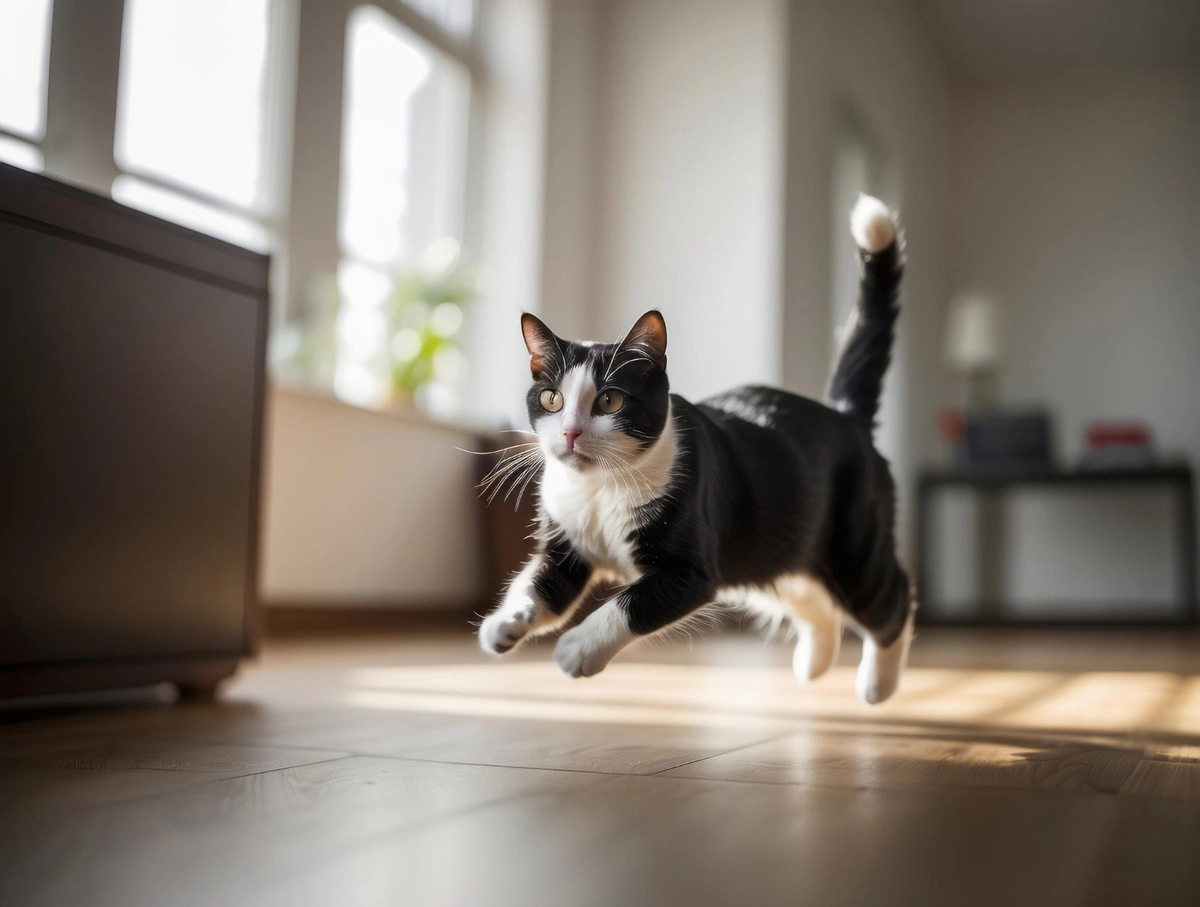
Cats give various body language signals during play. The movements they exhibit during play offer many clues about their mood and also make it easier to decide whether the game will continue or not.
- Rapid tail wagging: Indicates that your cat is excited or nervous.
- Dilated pupils: Indicates that your cat is taking the game very seriously and is on alert.
- Ears pulled back: Indicates that your cat is preparing to exhibit aggressive behavior.
- Ears completely retracted: Your cat may be scared and on the defensive.
- Tail tucked between legs: Indicates your cat is insecure and frightened.
- Ruffled fur: Means your cat perceives a threat and has gone into defensive mode.

What Do Cats' Body Language Tell Us About Their Health?
Cats' body language also gives many clues about their health. Understanding if your cat is experiencing pain or discomfort is possible by observing small changes in its behavior.
Signs of Pain and Discomfort in Cats
Here are some ways to tell if your cat is experiencing pain or discomfort:
- Hiding: If your cat is hiding more than usual, it may be a health problem.
- Restricted movement: If your cat is having difficulty jumping or moving, it may be experiencing problems such as joint pain.
- Excessive licking: Intense licking of fur, especially in a specific area, may indicate pain in that area.
Kedilerin Stres Belirtileri
The body language of cats under stress can manifest in the following ways:
- Scratching and frequent licking: When your cat is stressed, it may scratch or lick itself more to relieve stress.
- Excessive meowing: Making more noise than usual can be a sign that your cat is stressed.
- Tensioned posture: Tense body muscles, ruffled fur, and stiff movements indicate that your cat is under stress.
Kedilerin Beden Dilini Yorumlarken Dikkat Edilmesi Gerekenler
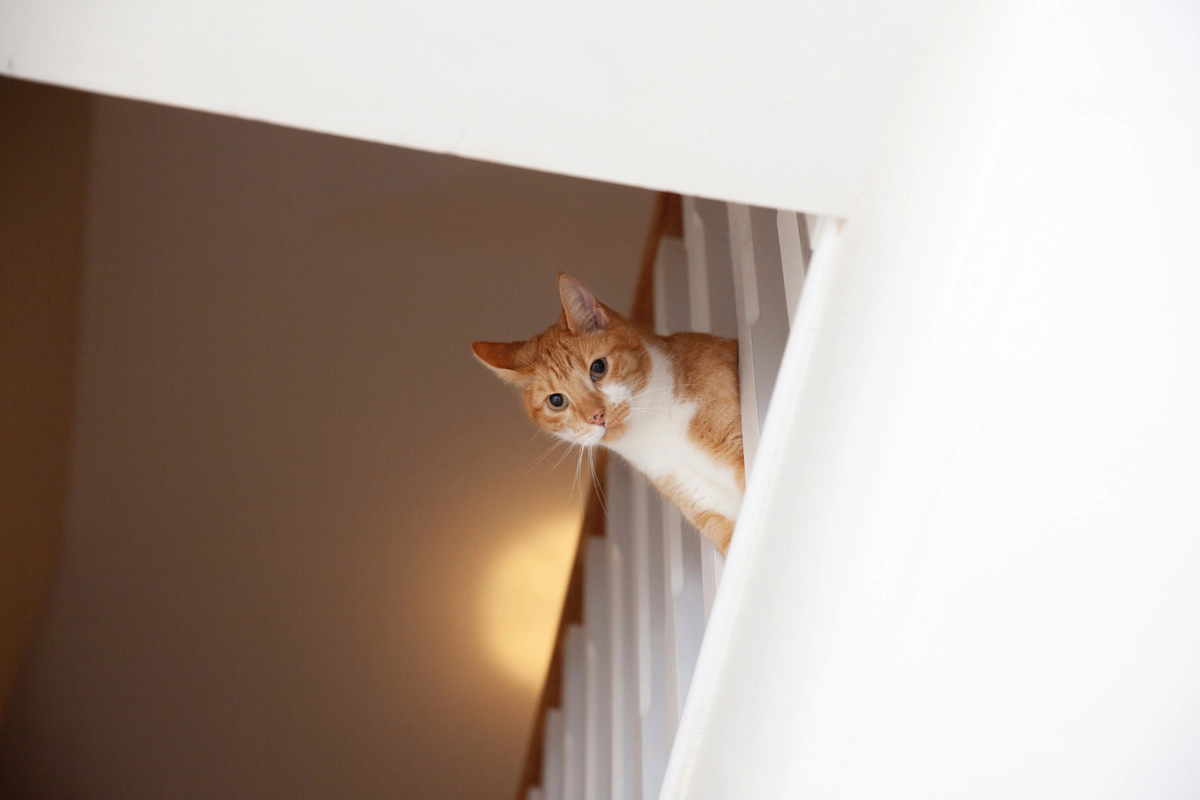
There are some important points to consider in order to correctly interpret a cat's body language. Instead of focusing only on a single movement, considering your cat's overall posture and environmental factors will help you reach accurate conclusions.
The Role of Environmental Factors
Your cat's environment can directly affect its body language. Factors such as a new environment, loud noises, or a new person coming to the house can lead to changes in your cat's behavior. It is important to consider environmental variables when interpreting your cat's body language.
Common Mistakes in Understanding Cat Body Language
One of the common mistakes made when interpreting cat body language is evaluating only a single movement. For example, purring is often known as a sign of comfort, but a cat under stress may also purr. Similarly, constant eye contact doesn't always mean interest; sometimes it can signify a perceived threat. Therefore, it's important to evaluate your cat's body language as a whole.
Kaynaklar:
https://www.petmd.com/cat/behavior/cat-body-language
https://www.cats.org.uk/help-and-advice/cat-behaviour/cat-body-language
https://www.rspca.org.uk/adviceandwelfare/pets/cats/behaviour/understanding
https://www.humanesociety.org/resources/understanding-feline-language
https://www.ministryofcat.com/blog/understanding-cat-body-language-and-communication
https://www.petmd.com/news/view/cat-language-101-how-do-cats-talk-each-other-37620
https://www.feliway.co.uk/blogs/news/understanding-kitten-body-language-12-things-you-need-to-know?
https://www.webmd.com/pets/cats/features/cat-body-language
Advertisement
Advertisement
Keep exploring
Continue reading

Cat Lifestyle & Guides
What is Cat Soup? Is it Beneficial for Cats?
If your cat rarely visits its water bowl, is sometimes reluctant to eat dry food, or shows interest in different textures, liquid products may catch…
Read guide →
Cat Lifestyle & Guides
How to Give Rewards and Snacks to a Neutered Kitten?
The Feline Veterinary Medical Association supports neutering kittens until they are five months old.
Read guide →
Cat Lifestyle & Guides
Benefits of Colostrum for Cats and Dogs
Colostrum is the first milk produced by mother cats and dogs after birth. Thanks to its antibodies and high nutrient content, it responds to the…
Read guide →
Cat Lifestyle & Guides
Why is Gut Health Important in Cats?
In cats, bowel health is linked to many areas, from digestive regularity and immune system-related processes to energy levels and daily comfort.
Read guide →