My Dog's Eye is Discharging, What Should I Do? Eye Discharge in Dogs
The question, "My dog's eye is discharging, is this normal?", puzzles many dog owners. A slight, clear discharge around the eye can sometimes be the result of simple irritation. However, awareness should be raised about changes in eye discharge: Thick, colored, and foul-smelling discharges in…
Advertisement
The question, "My dog's eye is discharging, is this normal?", puzzles many dog owners. A slight, clear discharge around the eye can sometimes be the result of simple irritation. However, awareness should be raised about changes in eye discharge: Thick, colored, and foul-smelling discharges in dogs may indicate an eye infection, allergy, foreign body in the eye, or more serious eye diseases.
The location, color, and consistency of the discharge, as well as any accompanying symptoms such as redness, tearing, light sensitivity, squinting, or rubbing the eye with the paw, provide important clues for the veterinarian during the diagnostic process. While some conditions resolve spontaneously, others can develop into emergencies that can lead to vision loss if treatment is delayed.
This article answers important questions such as "What causes eye discharge in dogs?", "What are the types of eye discharge in dogs?", and "How is treatment planned for eye discharge in dogs?".
Important: The information contained in this content is for general informational purposes only and does not replace professional veterinary advice. You should consult a veterinarian immediately if you observe severe, prolonged, or worsening eye discharge in your dog.
What Causes Eye Discharge in Dogs?
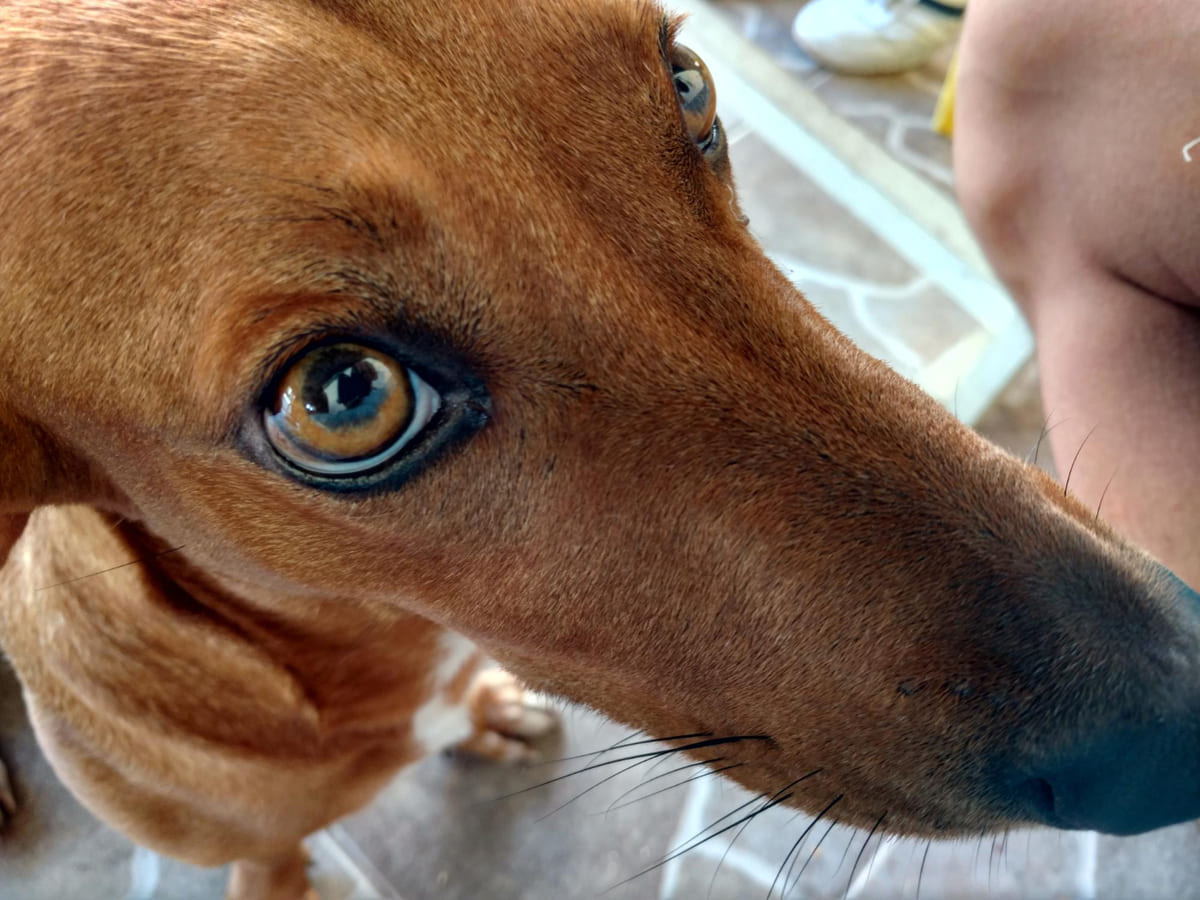
Eye discharge in dogs is often the result of a disruption in the normal flow of tears. When tear production increases or tear ducts become blocked, the area around the eyes appears constantly wet. As highlighted by VCA Hospitals, this condition is called "epiphora" and is considered a symptom of underlying problems, not a disease in itself.
A small amount of gray or slightly transparent, crust-like buildup can occur as a result of mucus cells in the eye collecting dust, pollen, and particles, and is often a physiological process if your dog is otherwise healthy. However, if the amount of discharge increases, stains the fur, and makes the area around the eyes constantly look dirty and wet, the possibility of an underlying irritation, infection, or other eye disease should definitely be considered.
Irritants and allergens are among the most common causes of clear, watery eye discharge in dogs. Dust, pollen, smoke, wind, cleaning chemicals, perfumes, or a small foreign object in the eye can irritate the eye surface and increase tear production. Seasonal or year-round allergic reactions can also be accompanied by tearing, redness, itching, and sometimes nasal discharge.
In cases of thicker, more viscous discharge, conditions such as conjunctivitis, eye infections, dry eye syndrome, and corneal ulcers may be more prominent.
In some dogs, problems related to eyelid and facial anatomy predispose to eye discharge. Inward turning of the eyelids (entropion), outward turning of the eyelids (ectropion), eyelashes touching the eye at the wrong angle, congenitally narrow or blocked tear ducts, and very protruding eyes can cause constant irritation of the eye surface and impaired tear drainage. In addition to all these, more serious diseases such as corneal injuries, glaucoma (increased intraocular pressure), tumors, and severe systemic infections can also manifest as eye discharge in dogs. Caution: If the color and consistency of the discharge change, if the eye appears noticeably red or swollen, if your dog starts squinting, rubbing its eyes with its paws, or having difficulty looking at light; the answer to the question "My dog's eye is discharging, what should I do?" should be sought from a veterinarian.
In addition to all this, more serious diseases such as corneal injuries, glaucoma (increased intraocular pressure), tumors, and severe systemic infections can also manifest as eye discharge in dogs.
Caution: If the color and consistency of the discharge change, if the eye appears noticeably red or swollen, if your dog starts squinting, rubbing its eyes with its paws, or having difficulty looking at light; the answer to the question "My dog's eye is watering, what should I do?" should be sought from a veterinarian.
Types of Eye Discharge in Dogs
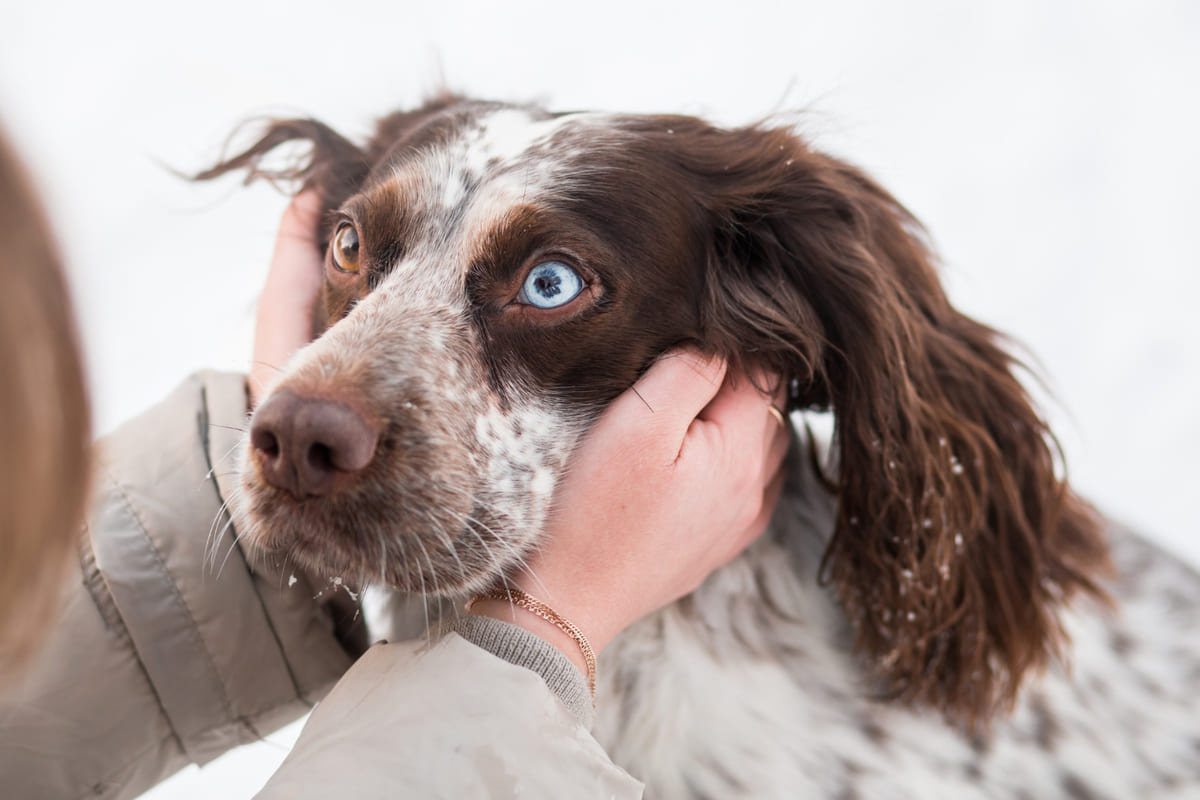
The types of eye discharge in dogs cannot be reduced to a single category: Each type of discharge in the eye gives a different message with its amount, consistency, and color. Therefore, recognizing the type of discharge is important in understanding when you need to see a veterinarian.
Eye crusts: This is one of the most common types of eye discharge noticed by dog owners. These deposits, formed by the combination of tears, oil, mucus, dead cells, and dust particles, are considered physiological when seen in small amounts, especially in the morning. If you notice more crusting than usual at the edge of the eyelid and in the corners of the eyes, dark and thick deposits, or a bad odor, this may be a sign of an underlying eye disease.
Clear and watery discharge: This is called epiphora in medicine. Foreign objects in the eye, irritants such as wind, dust, smoke, and perfume, allergies, eyelashes in the eye, tear duct blockage, or diseases like glaucoma can all result in watery eyes in dogs. If the discharge is prolonged, the eyes appear red, or your dog starts squinting, it shouldn't be dismissed as just "watery discharge." Sticky, mucous eye discharge: White, gray, or stringy mucus buildup may be associated with dry eye syndrome. Insufficient tear production prevents the cornea from being adequately moistened, and the body tries to compensate with a thick mucus secretion. This is both uncomfortable and, if left untreated, increases the risk of secondary infection and vision loss.
Sticky, mucous eye discharge: White, gray, or stringy mucus accumulations can be associated with dry eye syndrome. Insufficient tear production causes the cornea to not be adequately moistened, and the body tries to compensate for this with a thick mucus secretion. This is both uncomfortable and, if left untreated, increases the risk of secondary infection and vision loss.
Yellow or green purulent eye discharge: This type of discharge, especially if accompanied by symptoms such as eye redness, significant discomfort, and keeping the eye closed, often raises suspicion of an eye infection in dogs. Infections can develop on their own or following problems that weaken the eye's natural defenses, such as dry eye syndrome or corneal injury.
Warning: If you notice any unusual type of discharge, increased amount, or new color change in your dog's eye, note it and bring this information to your veterinarian for examination to help speed up the diagnostic process.
What Colors of Eye Discharge Occur? What Do Eye Discharge Colors Mean?
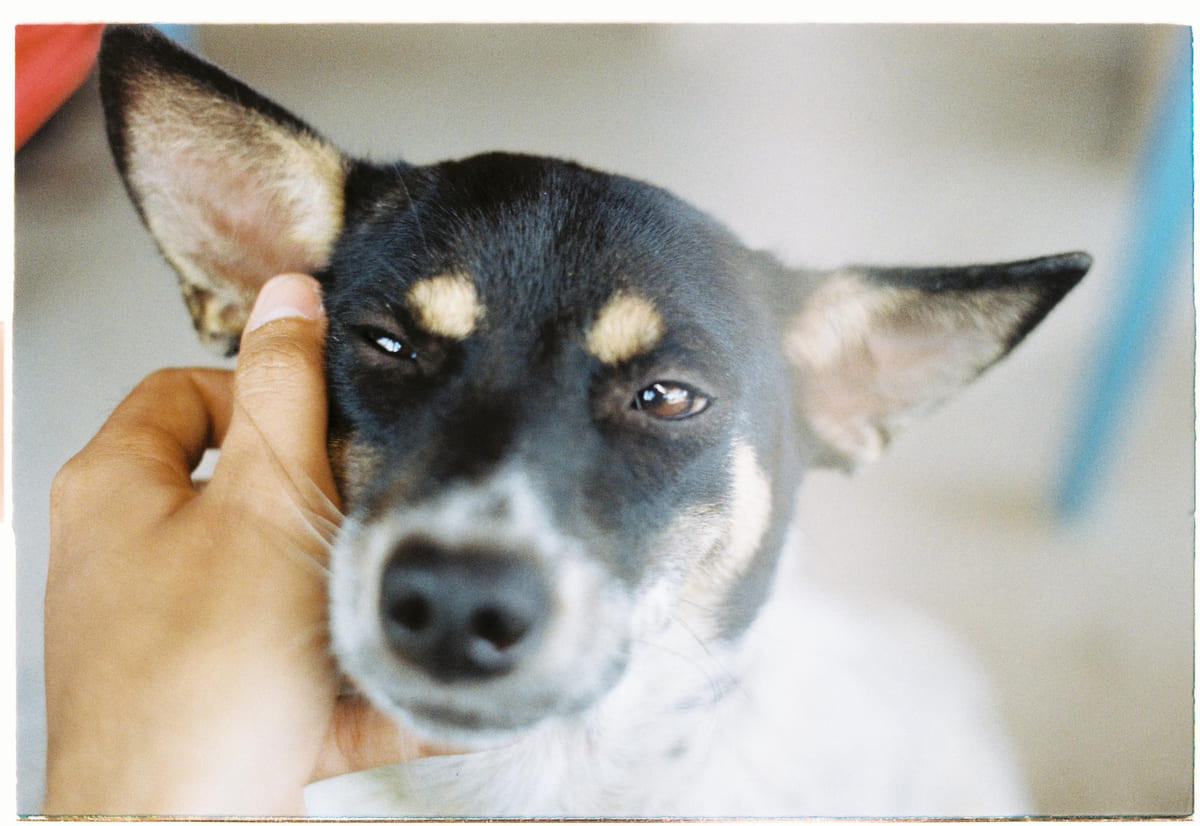
When it comes to eye discharge in dogs, the color of the discharge is an important clue for the veterinarian.
Clear and Watery Eye Discharge
This is usually associated with factors that irritate the eye surface, such as dust, wind, smoke, detergent vapors, or allergic reactions. If the discharge is short-lived, and your dog opens and closes its eyes normally and is generally fine, the situation is probably simple. However, if the clear discharge lasts for days, and redness and discomfort in the eye become pronounced, causes such as allergies or tear duct blockage should be evaluated.
White, Gray, and Mucous Eye Discharge
This is one of the answers to the question, "Which type of eye discharge in dogs should be most attention-grabbing?" If left untreated, the risk of secondary infection and corneal damage may increase.
Yellow or Green Eye Discharge
If it is thick and has an odor, it is often considered a sign of infection. Bacterial conjunctivitis, some viral infections, or secondary infections developing after corneal injury can cause this type of discharge.
If it is accompanied by symptoms such as noticeable redness, swelling, squinting, inability to look at light, or rubbing the eye with its paw, this may strengthen the suspicion of infection and requires immediate veterinary assistance.
Brown Spots and Reddish Discharge
In some dogs, brown-reddish patches of fur extending downwards from the corner of the eye may be noticeable. These are often tear stains due to increased tear production. While aesthetically bothersome, they don't always indicate a serious illness on their own. However, it's useful to evaluate them for other causes such as tear duct blockage. A rarer but very important color change is reddish or bloody eye discharge. This can occur as a result of trauma, corneal ulcers, advanced inflammation, or certain tumors. If bloody discharge is accompanied by severe pain, sudden cloudiness, or a feeling of enlargement in the eye, this is considered an eye health problem requiring urgent veterinary intervention. It is not accurate to interpret the discharge based solely on color. A veterinary examination is necessary for a definitive diagnosis. For example, clear discharge may be related to allergies, while yellow-green discharge does not always mean infection at the same level.
A rarer but very important color change is reddish or bloody eye discharge. This can occur as a result of trauma, corneal ulcers, severe inflammation, or some tumors. If bloody discharge is accompanied by severe pain, sudden cloudiness or swelling in the eye, this is considered an eye health problem requiring urgent veterinary intervention.
Interpreting symptoms based on color alone is not accurate. A veterinary examination is necessary for a definitive diagnosis. For example, clear discharge may be related to allergies, while yellow-green discharge does not always indicate a high level of infection.
Treatment Methods for Eye Discharge in Dogs
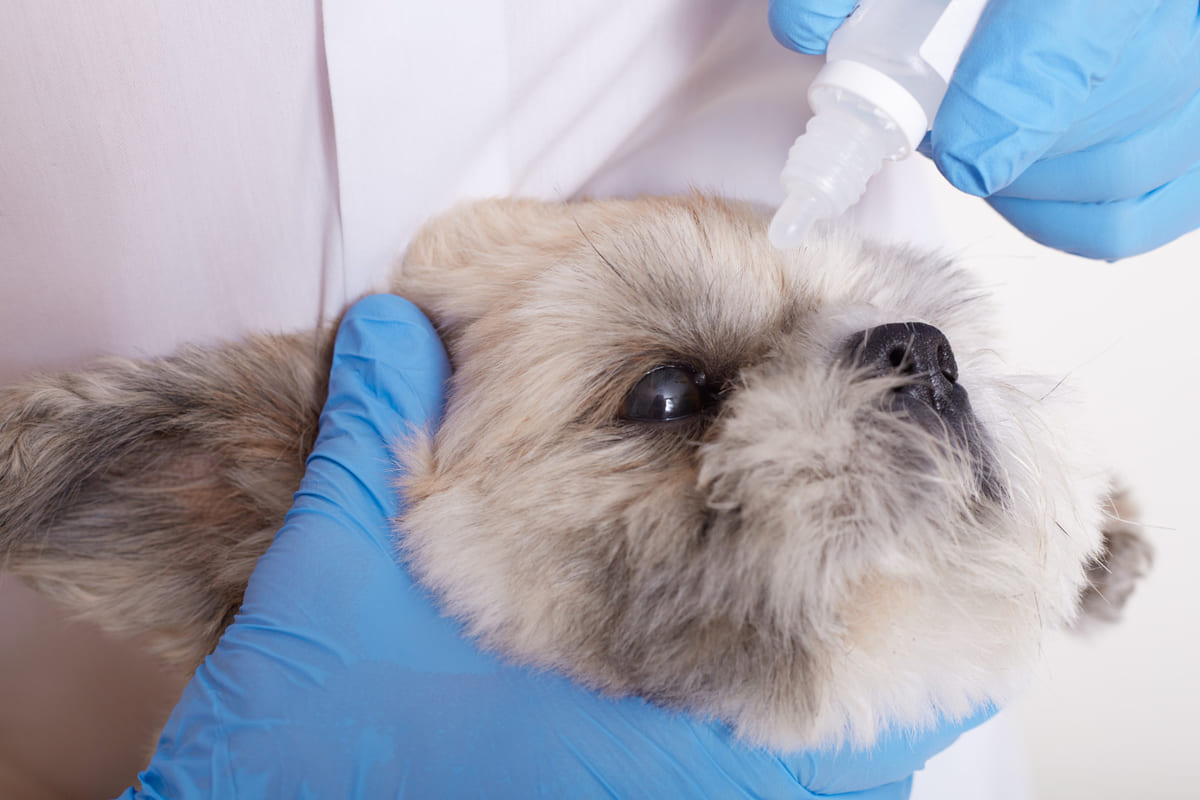 Treatment for eye discharge in dogs must be planned according to the underlying cause. The color, consistency, duration of the discharge, whether it is in one or both eyes, the structure of the eyelid and eyelashes, the surface of the eye, and if necessary, tear production and intraocular pressure are evaluated.
Using antibiotic or cortisone eye drops indiscriminately without knowing the cause can damage the surface of the eye and worsen the course of the disease.
In infections, drops/ointments with appropriate content, in allergies, avoidance of triggers and antiallergic treatment, in dry eye syndrome, artificial tears and special drops, and in tear duct obstruction or eyelid anomalies, surgical correction may be considered if necessary.
In cases of eye discharge due to trauma, foreign bodies, or corneal damage, protecting the eye and supporting healing are paramount.
To support treatment, eye cleaning in dogs should be done gently using the correct products. Using a sterile gauze pad or disposable pad soaked in warm water, and using different materials for each eye, you can gently wipe the discharge from the corner of the eye outwards.
The veterinarian's recommendation is always paramount in this process. Follow-up examinations may be necessary to assess the course of treatment and to see if the drops used are sufficient. Since eye diseases can change rapidly in some cases, adhering to the follow-up program determined by the veterinarian increases the success of the treatment.
Warning: Drops made for humans, randomly purchased medicated drops, tea, saline solution, cologne, vinegar, and similar substances should not be applied to the eye.
Frequently Asked Questions About Eye Discharge in Dogs
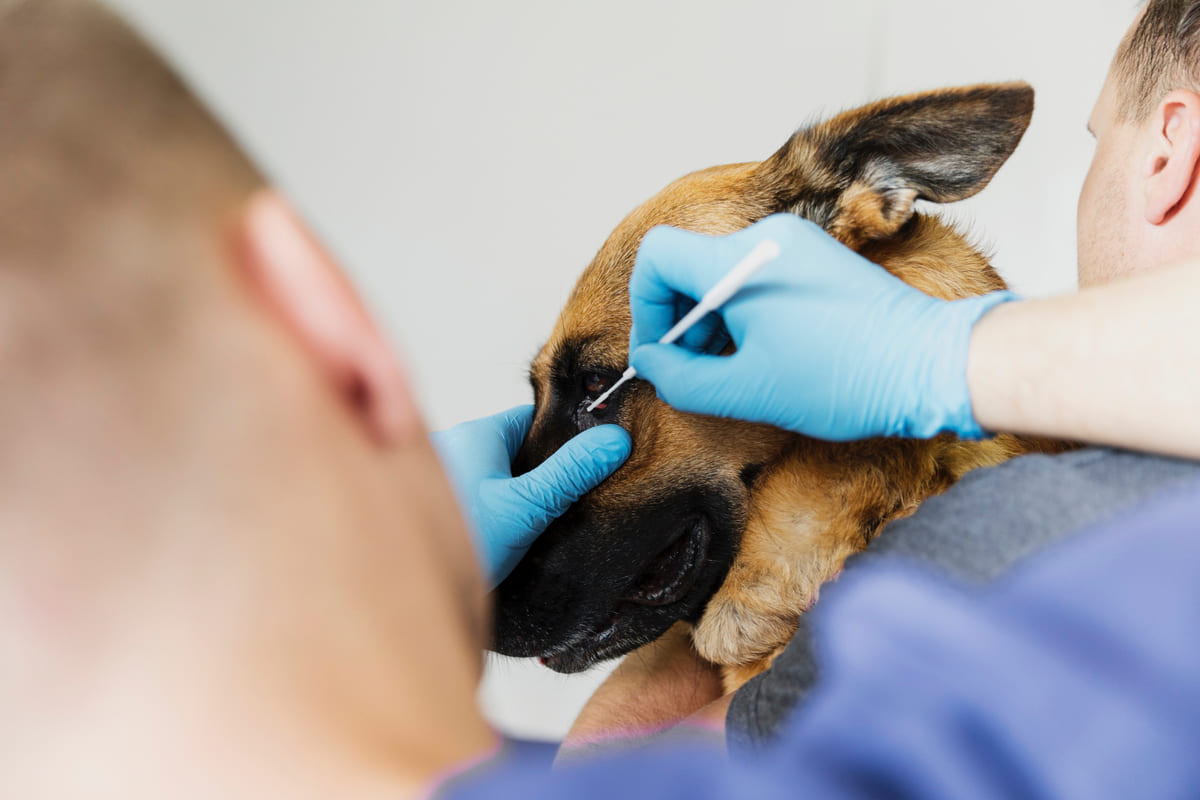
Eye discharge is common in dogs, so there are many questions about it. Here are some of those questions…
Do seasonal allergies and dust trigger eye discharge?
Yes. Irritants can cause clear and watery eye discharge in dogs. In such cases, tearing in both eyes, slight redness, and sometimes nasal discharge are usually seen. In eye discharge due to allergies, ventilation of the environment, avoidance of dusty areas, and supportive drops recommended by a veterinarian are important.
Can eye discharge be a sign of infection?
Eye discharge in dogs alone is not a diagnosis, but a thick, purulent discharge that is yellow-green often increases the suspicion of infection. In bacterial conjunctivitis, some viral infections, or secondary infections developing after corneal damage, redness, swelling, light sensitivity, squinting, and pain accompany the discharge.
When should you see a veterinarian in case of eye discharge in your dog?
An increase in the amount of discharge, a change in its color, or other accompanying symptoms increase the severity of the condition. You should consult a veterinarian immediately if you notice any of the following:
- Thick yellow-green discharge,
- Clear or mucous discharge lasting longer than a few days,
- Significant redness and swelling,
- The eye appears dull or cloudy,
- The eyelid remains closed,
- Severe scratching,
- Avoiding light,
- Sudden discharge after trauma, and
- Lethargy or loss of appetite.
How to perform daily eye cleaning and prevent eye discharge at home?
Gentle eye cleaning at home both supports treatment and makes it easier to notice new discharge. Using sterile gauze or disposable pads soaked in warm water, separate materials for each eye, and gently wipe away accumulated discharge with outward movements.
Cleaning should be done without rubbing or pressing. Drops made for humans, randomly purchased medicated eye drops, tea, saline solution, cologne, vinegar, or mixed solutions should not be applied to the eye.
Regular trimming of the hair around the eyes in long-haired dog breeds, avoiding dusty and smoky environments, and requesting that the eyes be evaluated during routine checkups are simple steps that help control eye discharge.
Which dog breeds are prone to eye discharge?
Due to eye structure and facial anatomy, eye discharge and crusting are more common in some breeds. Dogs with short noses and large, protruding eyes stand out in this group.
In Pekingese, Shih Tzu, Pug, Lhasa Apso, Maltese, and some toy breeds, chronic tearing and tear stains are frequently observed due to tear duct obstruction, eyelid deformities, and increased contact of the eye surface with the environment.
Kaynak:
https://www.petmd.com/dog/general-health/dog-eye-discharge
https://www.reedanimalhospital.com/blog/five-types-of-dog-eye-discharge-meaning/
https://www.webmd.com/pets/dogs/dog-discharge-from-eye
https://www.vravet.com/site/blog/2022/07/08/eye-discharge-in-dogs
https://vcahospitals.com/know-your-pet/eye-discharge-or-epiphora-in-dogs
https://www.greencrossvets.com.au/pet-library/articles-of-interest/what-is-the-gunk-that-gets-stuck-in-a-dogs-eye/
https://www.airvet.com/blog/dogs-eye-discharge-types-and-meaning
Advertisement
Advertisement
Keep exploring
Continue reading
Dog Health
7 Mistakes Made in Dog Training and Correct Approaches
A dog's failure to respond immediately to commands is often interpreted as stubbornness or disobedience.
Read guide →
Dog Health
Symptoms, Causes and Treatment of Enlarged Heart in Dogs
Your dog stops earlier than usual during walks, stops playing quickly, has noticeably faster breathing when climbing stairs, or If your dog has a dry…
Read guide →
Dog Health
Causes, Symptoms, and Treatment Methods of Oral Melanoma in Dogs
Imagine you notice a small lump in your dog's mouth one morning. This lump, which might be mistaken for an insignificant wound or gum problem, could…
Read guide →
Dog Health
Beyond the Itch: Causes and Treatment Methods of Skin Diseases in Dogs
Skin diseases in dogs should not be perceived as merely negative changes in aesthetic appearance.
Read guide →