Our Responsibilities Towards Kittens
If you have decided to adopt a kitten, congratulations! All the joys of bringing a new life into your life await you. Of course, so do the responsibilities. Kittens, being babies, are creatures with special needs. Unlike adult cats, kittens require special care.

Advertisement
If you have decided to adopt a kitten, congratulations! All the joys of bringing a new life into your life await you. Of course, so do the responsibilities. Kittens, being babies, are creatures with special needs. Unlike adult cats, kittens require special care. It wouldn't be wrong or an exaggeration to say that raising kittens can bring a long list of responsibilities, from their feeding and socialization to their training and healthy development. There are many things we can do and many responsibilities we must fulfill to ensure their happy and healthy development. In this article, you can find information about the most basic responsibilities towards kittens.

They Need to Go for Health Checkups
One of the most basic responsibilities for cats to live a happy and healthy life is to take them for regular health checkups. The kitten stage is critically important in this respect. Basic vaccinations must be given during kittenhood. Vaccinations should be carried out at the times recommended by veterinarians to protect kittens from possible diseases and prevent potential health problems. You can access our previous article on this topic, "Vaccination Schedule for Kittens and Adult Cats," here.
The Importance of Feeding According to Developmental Stages
Ensuring a healthy and balanced diet for cats is one of the primary responsibilities for everyone living with them. Cats should not be separated from their mothers before 2 months of age, but if for some reason a kitten younger than 2 months needs to be adopted, it is recommended to use milk powders formulated to meet their developmental needs. Milk powders contain similar ingredients to mother's milk and are enriched with vitamins and minerals to keep the kittens' immune systems strong. After using milk powder, it is possible to start feeding them kitten food. Cats develop very quickly during their kittenhood, and this development requires them to be fed kitten food. You can access our content titled "Kitten Feeding Between 2-6 Months" here. You can review the types of kitten food that will support the development of kittens by clicking here.
Socialization Should Not Be Delayed
Kittens are very curious and exploratory. If they are not socialized correctly at the right time, they cannot form close relationships with other pets or humans. Socialization in the first 2-7 weeks of their lives is one of the most important requirements for them to avoid possible behavioral problems and to be peaceful in other parts of their lives. During the socialization of kittens, they need to be exposed to new sounds, people, objects, and toys. It should not be forgotten that the consequences of individuals' behaviors during this process, where interaction with them is very important, can be permanent. Socialization, which should be considered as a whole process of getting them used to love, care processes, and play, is among the most important responsibilities towards kittens.
Kittens Need to Play with "Humans"
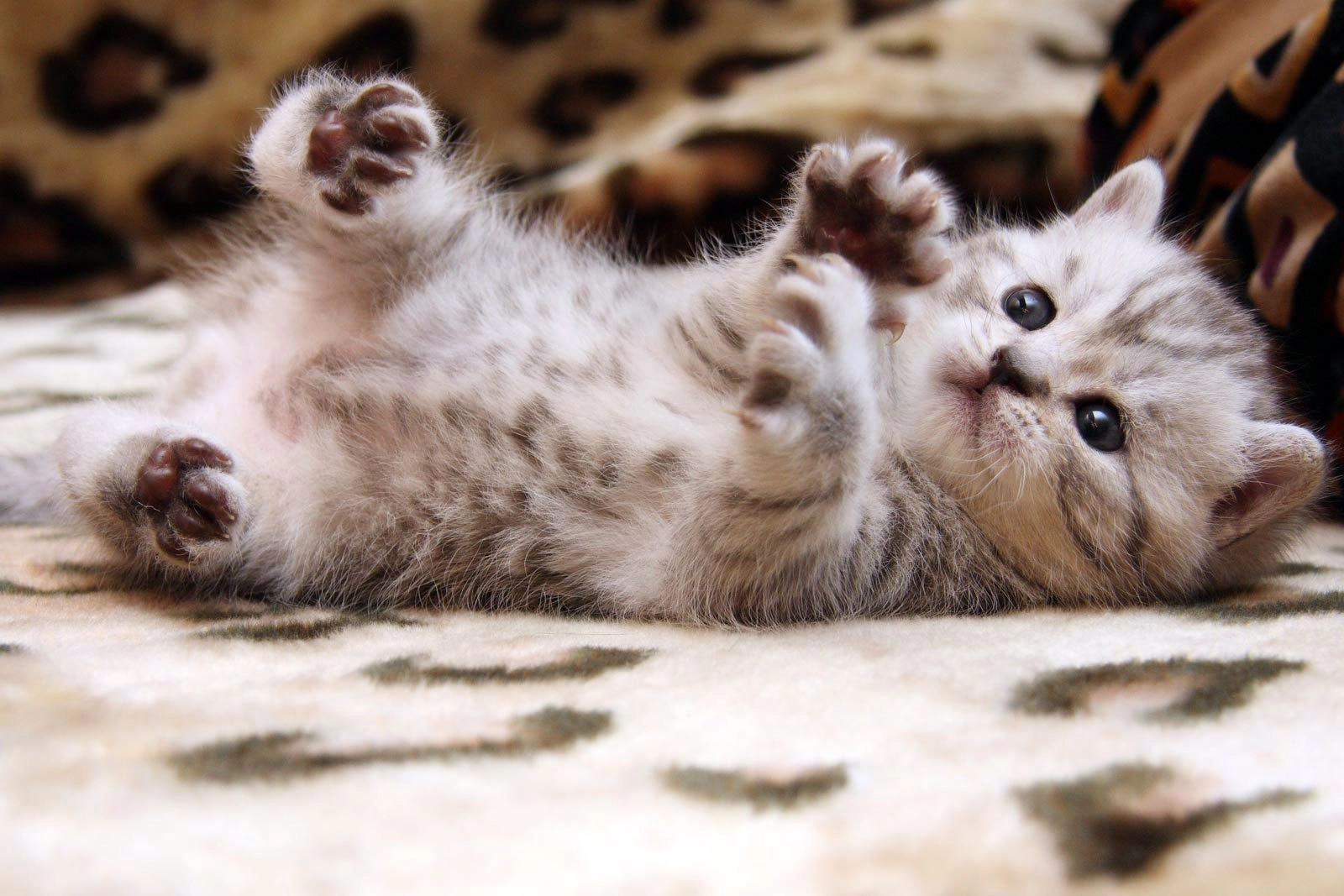
Playing is the primary way for them to fulfill their nature. Cats hunt, track, catch, move, and because they cannot truly perform all these activities indoors, they need to play. Playing is both an important requirement for their socialization process, as mentioned earlier, and a supporter of their healthy development. There are also misconceptions about cats playing. While it is possible for them to play alone, cats also need games where they interact with humans. Interactive games should not be neglected for both their physical and cognitive development. Moreover, these games will remain important not only during kittenhood but throughout their lives. At least 10 minutes should be set aside twice a day for playing with cats. During this time, the focus should be entirely on the cats, and interaction with them should be maintained.
Adapting to Kitten Care Procedures
Kittens' nails should be trimmed regularly, their ears cleaned, their eyes cared for, their teeth brushed, and of course, their fur combed. All these processes are closely related to their health. When cats' teeth are not brushed regularly, they are more likely to experience dental and gum diseases; when their ears are not cleaned, they risk ear infections; or when their fur is not regularly combed, hairballs can accumulate in their stomach and intestinal system, leading to blockages. Applying all these care procedures from kittenhood strengthens the bonds that will be established with cats and makes it possible for them to get used to the care procedures in later years. You can access our kitten care product category here, and our oral and dental health products here.
The Idea That “It’s a Cat, It Can Stay Home Alone for Long Periods” Is Wrong
Unfortunately, many people considering adopting a cat think that cats are animals that can stay home alone for long periods and not be bothered by it. The fact that they can survive without going outside, unlike dogs, forms the basis of misconceptions about cats. Cats can stay home alone, yes, but how long they are alone is important. Kittens need attention, and being left alone at home for long periods can cause them to become depressed and prevent them from forming secure bonds with people. Since even adult cats should not be left alone for more than 24 hours, it is known that this period should be kept shorter when it comes to kittens.

Clean Water and Fresh Food Are Essential for Kittens
Kitten, adult, or senior; All cats need access to clean water and fresh food throughout their lives. Bacteria can accumulate in unclean water, threatening the health of kittens whose immune systems are not yet fully developed. Additionally, cats instinctively avoid drinking dirty, stagnant water, and insufficient water intake can lead to dehydration. Access to fresh food is equally important. Food left out for extended periods loses its aroma and vitamin content. This can lead to decreased appetite and inadequate nutrition for their development.
All Cats' Litter Boxes Must Always Be Clean
One of the most important things first-time kitten owners should pay attention to is the cleanliness of their litter boxes. Cats are fastidious creatures, and it's crucial that their litter boxes are cleaned daily. They prefer not to use a dirty litter box, and dirty litter boxes can increase the risk of infection. Therefore, litter boxes should be cleaned at least once a day, and the litter should be replaced every 15 days.
Advertisement
Advertisement
Keep exploring
Continue reading

Cat Lifestyle & Guides
What is Cat Soup? Is it Beneficial for Cats?
If your cat rarely visits its water bowl, is sometimes reluctant to eat dry food, or shows interest in different textures, liquid products may catch…
Read guide →
Cat Lifestyle & Guides
How to Give Rewards and Snacks to a Neutered Kitten?
The Feline Veterinary Medical Association supports neutering kittens until they are five months old.
Read guide →
Cat Lifestyle & Guides
Benefits of Colostrum for Cats and Dogs
Colostrum is the first milk produced by mother cats and dogs after birth. Thanks to its antibodies and high nutrient content, it responds to the…
Read guide →
Cat Lifestyle & Guides
Why is Gut Health Important in Cats?
In cats, bowel health is linked to many areas, from digestive regularity and immune system-related processes to energy levels and daily comfort.
Read guide →