Parvovirus in Dogs
Parvovirus, also known as parvo for short, is one of the most serious viruses for dogs. Parvovirus is easily preventable with a vaccine, so vaccination is of great importance for the health of dogs. First discovered in 1967, the virus quickly became a very serious threat to the health of dogs.

Advertisement
Parvovirus, also known as parvo for short, is one of the most serious viruses for dogs. Parvovirus is easily preventable with a vaccine, so vaccination is of great importance for the health of dogs. First discovered in 1967, the virus quickly became a very serious threat to the health of dogs. Its characteristics, such as being very difficult to eradicate, its long survival time, and its high prevalence in infected dogs, make it a serious threat to canine health.
Parvovirus is highly contagious, and therefore, vaccination is essential for dogs. Although the vaccine is very effective and minimizes the risk when administered regularly, the virus is still present and frequently seen in both young and adult dogs. Vaccination is crucial for the health of our furry friends, so regular vaccinations should be among the top priorities. For detailed information on vaccination schedules for cats and dogs, you can check out our blog posts titled "Vaccination Schedule for Puppies and Adult Dogs" and "Vaccination Schedule for Puppies and Adult Cats".
Parvovirus causes serious illnesses in young and unvaccinated dogs. The virus affects rapidly dividing cells. Therefore, it is known to particularly affect the digestive system and bone marrow more severely. Although parvo is seen in young and adult dogs, it can also affect unvaccinated older dogs.

How Does Parvovirus Spread in Dogs?
Parvovirus is a highly contagious virus and spreads very quickly. Its ability to survive for a long time on many surfaces is one of the biggest factors in its high contagiousness. Parvo is transmitted through contact with contaminated feces. However, it can also be transmitted through collars, people's hands, or clothing. Parvovirus can live in the fur and paws of dogs. Parvo can survive for months in the external environment and is resistant to many disinfectants. Special cleaning materials are used against parvo in veterinary clinics.
Parvovirus is a strain-dependent virus and therefore does not spread from dogs to humans or from humans to dogs. There is also a type of parvovirus that affects humans. However, you still need to be very careful if your dog gets parvovirus. Even if you don't get sick, you have a very high risk of spreading the virus to other dogs.
Parvovirus causes a serious health problem in cats called feline panleukopenia. Feline parvovirus does not spread from cats to dogs, but canine parvovirus can infect cats. In cats, canine parvovirus does not cause very serious symptoms, but it still poses a risk to the cat's health.

What are the Symptoms of Parvovirus in Dogs?
Symptoms appear approximately 3-7 days after exposure to parvovirus in dogs. The first sign in infected dogs is easily noticeable fatigue. This is followed by loss of appetite and fever. As the infection progresses, dogs experience severe vomiting and diarrhea. In untreated dogs, serious problems such as high heart rate and hypothermia occur.
Parvovirus in dogs is diagnosed with an ELISA test. A stool sample is required for the test, which takes about 10 minutes. Although the test results are reliable, a negative test result does not always mean that the dog does not have parvovirus.
Parvovirus Treatment in Dogs
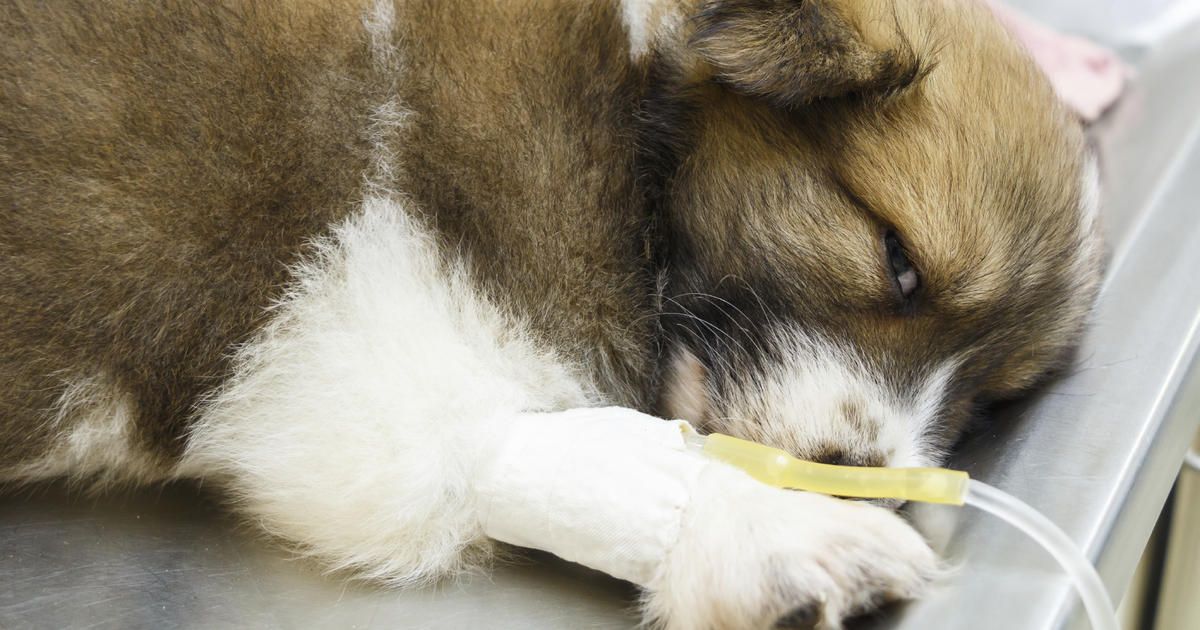
There is no cure for parvovirus. Treatment for parvovirus infection is planned to support the dog's body in fighting the viruses. Serum therapy, anti-vomiting medications, special nutrition, and maintaining electrolyte balance are some of the methods used. In some dogs, the bacteria are seen to leak from the intestines into the bloodstream. In such cases, antibiotic treatment is necessary. Dogs usually need to stay in the clinic for 5-7 days for parvovirus treatment. However, this varies depending on the amount of virus and the severity of the symptoms. The 24-72 hours after the onset of symptoms are a very critical period. Most parvo-related deaths occur during this period. Dogs hospitalized are kept in intensive care. The survival rate in dogs infected with parvo ranges from 75% to 80%. Delaying treatment leads to a decrease in these rates. Therefore, dogs showing symptoms of parvo need to receive immediate medical attention.
Dogs usually need to stay in the clinic for 5-7 days for parvovirus treatment. However, this varies depending on the amount of virus and the severity of the symptoms. The first 24-72 hours after the onset of symptoms are critical. Most parvovirus-related deaths occur during this period.
Dogs hospitalized are kept in intensive care. The survival rate in dogs infected with parvovirus ranges from 75% to 80%. Delaying treatment leads to a decrease in these rates. Therefore, dogs showing symptoms of parvovirus need to receive immediate medical attention.
Advertisement
Advertisement
Keep exploring
Continue reading
Dog Health
7 Mistakes Made in Dog Training and Correct Approaches
A dog's failure to respond immediately to commands is often interpreted as stubbornness or disobedience.
Read guide →
Dog Health
Symptoms, Causes and Treatment of Enlarged Heart in Dogs
Your dog stops earlier than usual during walks, stops playing quickly, has noticeably faster breathing when climbing stairs, or If your dog has a dry…
Read guide →
Dog Health
Causes, Symptoms, and Treatment Methods of Oral Melanoma in Dogs
Imagine you notice a small lump in your dog's mouth one morning. This lump, which might be mistaken for an insignificant wound or gum problem, could…
Read guide →
Dog Health
Beyond the Itch: Causes and Treatment Methods of Skin Diseases in Dogs
Skin diseases in dogs should not be perceived as merely negative changes in aesthetic appearance.
Read guide →