Prebiotics and Probiotics in Dog Nutrition
The happiness and health of our dogs are our top priority. Naturally, the health problems they experience from time to time become common concerns. Many dog owners frequently encounter digestive problems such as diarrhea, constipation, gas, or bloating.
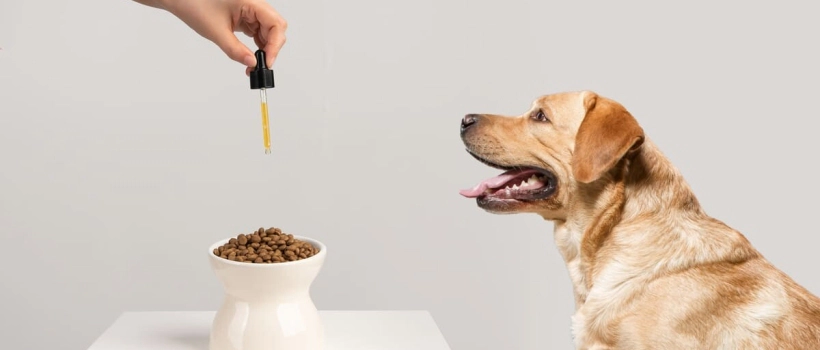
The happiness and health of our dogs are our top priority. Naturally, the health problems they experience from time to time become common concerns. Many dog owners frequently encounter digestive problems such as diarrhea, constipation, gas, or bloating. While these problems may seem simple, they can indicate a disruption of an important underlying balance: gut health.
The gut flora, or microbiome, affects many systems of the dog, from digestion to immunity. When this balance is disrupted, both the digestive system and the immune system weaken. This is where prebiotics and probiotics come into play.
Especially incorrect information circulating on the internet can mislead dog owners. For example, giving human probiotics to dogs is generally not correct and can lead to imbalances in the digestive system. Products used without veterinary supervision can weaken your dog's intestinal health instead of supporting it. This article provides information about the role of prebiotics and probiotics in dog nutrition, their possible benefits, deficiency symptoms, and correct usage methods. What are Prebiotics and Probiotics? The two most commonly heard concepts for protecting the intestinal health of dogs are prebiotics and probiotics. Although their names are similar, their functions are different and they have a complementary effect. Probiotics are live microorganisms that are naturally found in the intestines and provide health benefits. The most common types are Lactobacillus and Bifidobacterium bacteria. These bacteria; They contribute to the digestive process, help suppress the population of harmful bacteria in the gut, and may have a supportive effect on the immune system. As stated in PetMD, probiotics can play a supportive role in alleviating diarrhea and digestive problems in dogs. Probiotics temporarily colonize the intestinal mucosa of the dog. That is, they do not settle permanently and need to be taken regularly. This increases the importance of supplements and foods with the right ingredients. Prebiotics are indigestible fiber-like compounds. They are not digested by the dog's body but serve as a food source for probiotic bacteria. Thus, they help beneficial bacteria multiply. Prebiotics can contribute to balancing the gut microbiome while also strengthening digestive system health in the long term.
This article provides information about the role of prebiotics and probiotics in dog nutrition, their potential benefits, deficiency symptoms, and correct usage methods.
Prebiyotikler ve Probiyotikler Nedir?
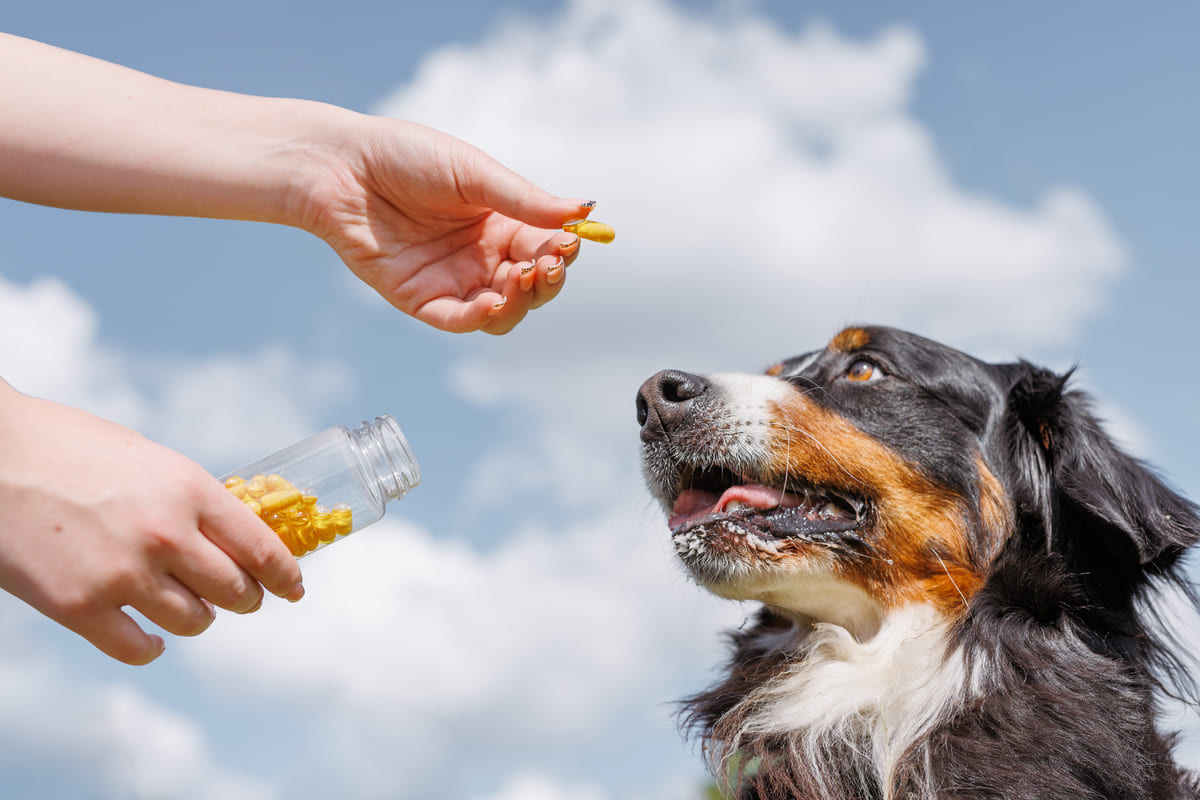
Prebiotics and probiotics are two of the most commonly heard concepts for protecting the intestinal health of dogs. Although their names are similar, their functions are different and they have a complementary effect.
Probiotics are live microorganisms that are naturally found in the intestines and provide health benefits. The most common types are Lactobacillus and Bifidobacterium bacteria. These bacteria contribute to the digestive process, help suppress the population of harmful bacteria in the intestines, and can have a supportive effect on the immune system.
As stated in the PetMD source, probiotics can play a supportive role in alleviating diarrhea and digestive problems in dogs.
Probiotics temporarily colonize the intestinal mucosa of the dog. This means they don't settle permanently and need to be taken regularly. This increases the importance of supplements and the right type of food.
Prebiotics are indigestible fiber-like compounds. They are not digested by the dog's body but serve as a food source for probiotic bacteria. Thus, they help beneficial bacteria multiply. Prebiotics contribute to balancing the gut microbiome while also strengthening digestive system health in the long term.
Now let's take a closer look at the importance of the microbiome, the area where these two work together for gut health in dogs.
The Importance of the Microbiome in Dog Gut Health
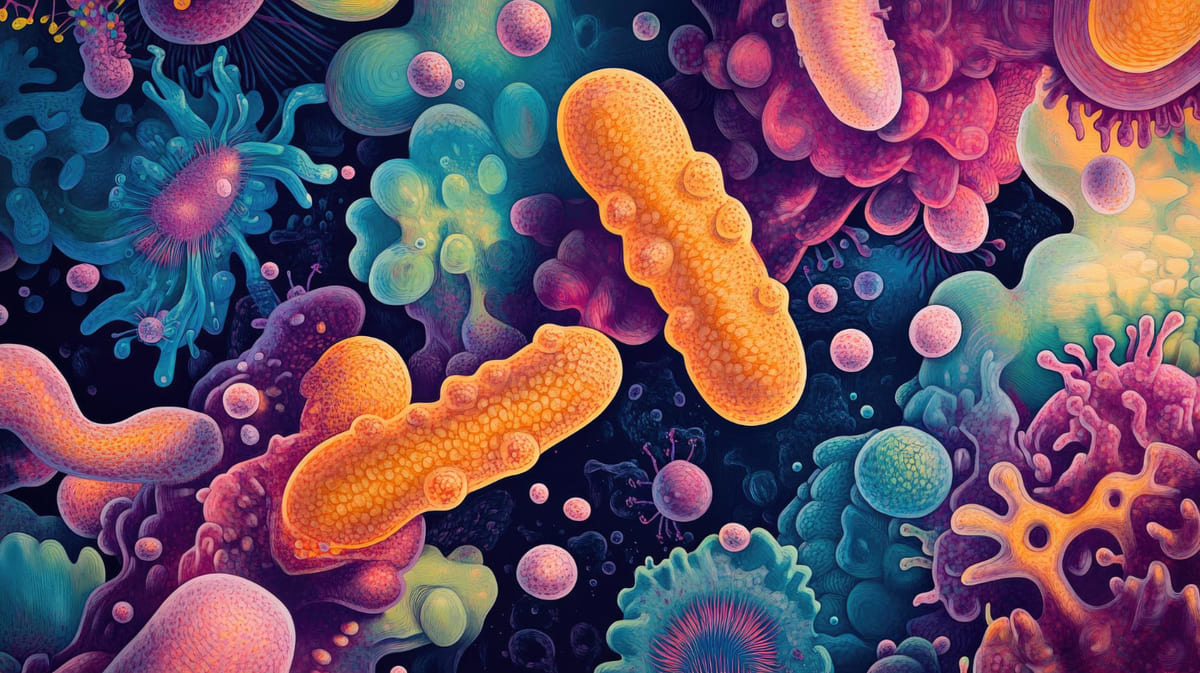
The billions of microorganisms living in your dog's gut together form an ecosystem called the microbiome. This ecosystem also plays an important role in immunity and overall health.
The microbiome can stay healthy by maintaining a balanced presence of beneficial bacteria, fungi, and other microorganisms. When the balance is disrupted, harmful bacteria can become dominant, resulting in diarrhea, gas, loss of appetite, or weakened immunity. Prebiotics and probiotics help maintain the balance of the microbiome.
Probiotic bacteria such as Lactobacillus and Bifidobacterium can prevent the passage of harmful microorganisms by forming a barrier on the intestinal wall. WebMD also states that probiotics can contribute to making dogs more resistant to infections by regulating the immune response.
Benefits of Probiotics for Dogs
Probiotics, which play important roles in the digestive and immune systems of dogs, support the population of beneficial bacteria in the gut. These microorganisms can be particularly beneficial for dogs experiencing digestive problems or whose gut flora has weakened after antibiotic use.
The benefits of probiotics for dogs can be listed as follows:
They can alleviate digestive problems: They can have a regulating effect on digestive problems such as diarrhea, gas, and constipation.
Can balance the gut flora: It can suppress the growth of harmful bacteria, creating an environment for the development of beneficial bacteria.
Can support the immune system: Species such as Lactobacillus and Bifidobacterium can help strengthen the immune response.
Can aid recovery after antibiotics: Antibiotic treatments in dogs can weaken the gut flora; probiotics play a supportive role in restoring this balance.
Can reduce stress-related problems: It can help alleviate digestive upset that occurs during moving, travel, or environmental changes.
Can contribute to skin and coat health: Research shows that probiotics can indirectly have a positive effect on skin health.
The effects of probiotics may not be the same in every dog. Therefore, veterinary advice should be sought before regular use, taking into account the dog's age and health condition.
Benefits of Prebiotics for Dogs

Prebiotics are indigestible fibers that support the growth of probiotics. They do not directly participate in the gut flora on their own; they contribute to the balanced functioning of the digestive system by providing an energy source for beneficial bacteria.
The benefits of prebiotics for dogs can be listed as follows:
They can support digestive health: By increasing the number of beneficial bacteria in the gut, they can help reduce problems such as diarrhea and constipation.
It can maintain intestinal pH balance: By creating an acidic environment, it can limit the growth of harmful bacteria.
It can increase mineral absorption: By facilitating the absorption of minerals such as calcium and magnesium, it can support bone health.
It can have an indirect effect on the immune system: By strengthening beneficial bacteria, it can contribute to the body's defense mechanisms.
It can play a long-term protective role: While probiotics generally have limited persistence in the intestine, prebiotics, when taken regularly, make the growth of beneficial bacteria sustainable.
The effect of prebiotics appears over time. Therefore, regular use and appropriate dosage are important. Choosing the right prebiotic source under veterinary supervision can support your dog's intestinal health in the long term.
The Combined Use of Prebiotics and Probiotics in Dog Nutrition

Prebiotics and probiotics, while beneficial individually, produce a more powerful effect when used together. This synergy is called the synbiotic effect. Synbiotics enable probiotic bacteria to survive longer and multiply actively in the gut.
Prebiotics act as nutrients for probiotics. This increases the number of beneficial bacteria in the gut flora and creates a more balanced microbiome. According to Vetnique, the use of synbiotics can be effective in restructuring the gut flora in dogs, especially after antibiotic treatment.
Symptoms of Prebiotic and Probiotic Deficiency in Dogs

When the balance of a dog's intestinal flora is disrupted, significant problems can occur in the digestive system and immunity. This is often an indication of a prebiotic or probiotic deficiency. Early detection of deficiency symptoms is crucial for protecting your dog's health.
The following symptoms may occur in dogs due to prebiotic and probiotic deficiency:
- Frequent diarrhea or constipation
- Excessive gas and abdominal bloating
- Sudden loss of appetite or irregular feeding
- Irregularities in stool consistency and color
- Increased tendency to get sick more often
- Slow wound healing
- Lower resistance to infections
- Allergic reactions Increased
- Dull and lifeless-looking fur
- Redness, itching, and irritation on the skin
- Enerji seviyesinde azalma, hâlsizlik
Natural Prebiotic and Probiotic Sources in Dogs

In addition to supplements, there are also natural prebiotic and probiotic sources that can be added to a dog's diet. These nutrients can support the intestinal flora and contribute to a more balanced functioning of the digestive system. Every dog's digestive system is different; therefore, additions made at home should always be done with the advice of a veterinarian.
Natural prebiotic sources
Beet fiber, oats and barley: Support the growth of beneficial bacteria thanks to their indigestible fiber content.
Banana (especially unripe): The fructooligosaccharides they contain have a prebiotic effect.
Apple peel: Rich in pectin, it contributes to the development of probiotics in the gut.
Jerusalem artichoke and asparagus: Contain inulin, which is an important compound that provides a prebiotic effect.
Natural probiotic sources
Natural yogurt (unsweetened and plain): Contains live cultures; should not be given to dogs with lactose intolerance.
Kefir (unsweetened): Contains various types of probiotics and can support the gut flora.
Fermented vegetables (unsalted and unspiced): Foods like sauerkraut can be used in limited quantities.
Natural probiotic sources can play a role in supporting gut health in dogs; of course, dosage and content selection are very important. Excessive amounts should be avoided in home applications. Excessive fiber intake can make digestion difficult, and excessive probiotic consumption can lead to side effects such as diarrhea.
Choosing the Right Prebiotics and Probiotics for Your Dog
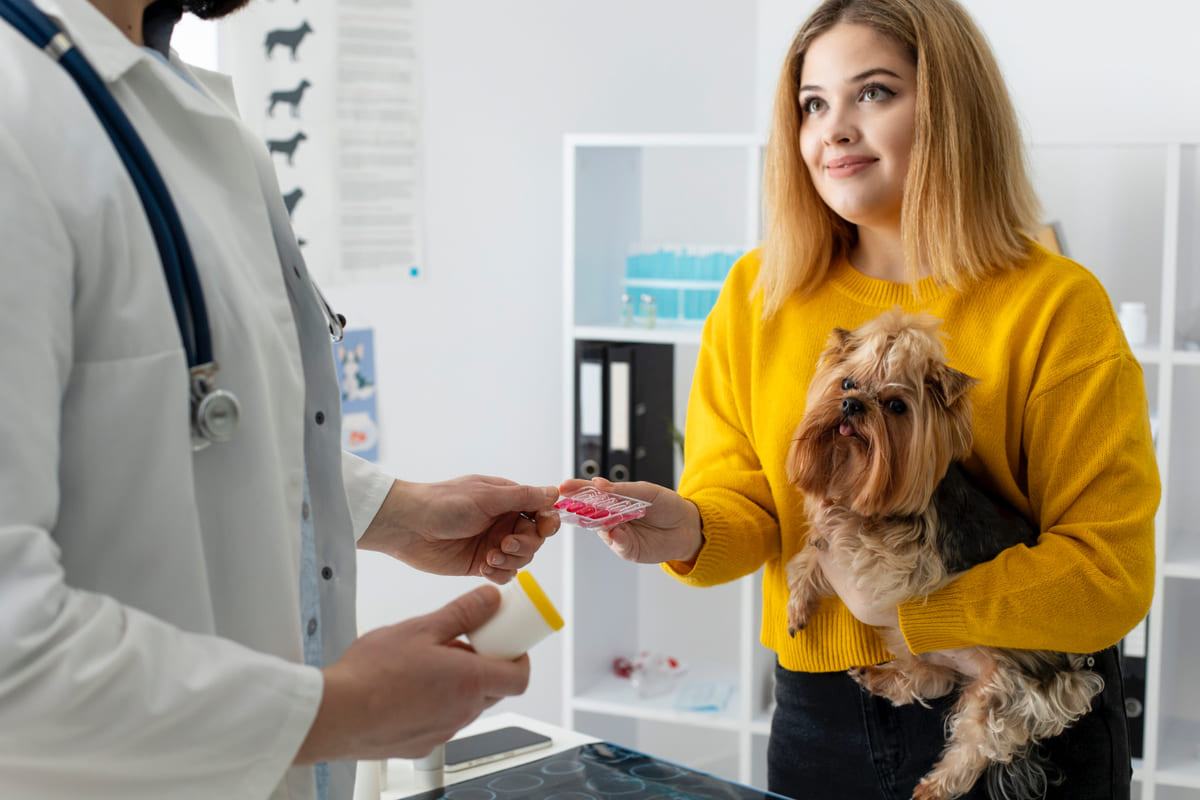
When choosing suitable prebiotics and probiotics for dogs, it can sometimes be difficult to make the right choice as there are many products on the market. At this point, the product's content, the types of bacteria used, prebiotic support, and reliability are the most important criteria. When choosing prebiotics and probiotics for your dog, consider the following factors: Bacteria type and variety: Products containing Lactobacillus species should be preferred. These bacteria are the most researched and proven beneficial types in dogs. Live bacteria count (CFU): The effectiveness of probiotics is directly related to the amount of live bacteria they contain. Products with sufficient CFU values are more effective in the gut flora. While the CFU amount is an important indicator, the type of bacteria and the dog's health status should also be considered. Veterinary advice is essential. Prebiotic support: The presence of prebiotics such as inulin or fructooligosaccharide (FOS) along with probiotics ensures that beneficial bacteria remain alive in the gut for a longer period.
When choosing prebiotics and probiotics for your dog, you should pay attention to the following factors:
Type and variety of bacteria: Products containing Lactobacillus species should be preferred. These bacteria are the most researched and proven beneficial types in dogs.
Number of live bacteria (CFU): The effectiveness of probiotics is directly related to the amount of live bacteria they contain. Products with sufficient CFU values are more effective in the intestinal flora. While CFU quantity is an important indicator, the type of bacteria and the dog's health status should also be considered. Veterinary advice is essential.
Prebiotic support: The presence of prebiotics such as inulin or fructooligosaccharide (FOS) along with probiotics ensures that beneficial bacteria remain alive in the gut for a longer period.
Ingredient safety: The package contents should not contain artificial sweeteners, preservatives, or additives that may be toxic to dogs.
Every dog's digestive system is different. Choosing the wrong product for puppies, senior dogs, or dogs with chronic illnesses can lead to unwanted side effects. Therefore, veterinary advice should always be sought when choosing prebiotics and probiotics.
Frequently Asked Questions (FAQ) About the Use of Prebiotics and Probiotics in Dogs

We've seen why prebiotics and probiotics are important for your dog; but what about the practical side of things? Every dog owner who wonders, "Am I doing the right thing?" at the food bowl actually struggles with similar questions. Now, it's time to put those practical questions that are bothering you on the table!
Can human probiotics be given to dogs?
Many probiotics specifically formulated for humans may not be suitable for dogs. The bacterial strains, dosage, and carrier ingredients may not be compatible with a dog's digestive system. Therefore, they should not be used without veterinary approval.
Should prebiotics and probiotics be used at the same time?
Yes. When used together, a synbiotic effect occurs. Probiotics transport beneficial bacteria directly to the intestines, while prebiotics provide nourishment for these bacteria, helping them remain active for longer. This combination provides a more lasting balance in a dog's digestive system.
Are probiotics safe for puppies?
When used with the correct product and dosage, and under the recommendation of a veterinarian, it is safe for puppies. During puppyhood, the immune and digestive systems are not yet fully mature. Therefore, probiotics can contribute to the healthy development of the intestinal flora. Incorrect dosage or unsuitable product selection can lead to serious digestive problems in puppies. At this point, using puppy food appropriate for the dog's breed and overall health is also critically important.
Do probiotics cause diarrhea in dogs?
When used correctly, it is expected to reduce the risk of diarrhea. It can particularly help alleviate diarrhea seen after stress, food changes, or antibiotic treatment. However, if the wrong dose, low-quality products, or bacteria types unsuitable for the dog's digestive system are used, side effects such as diarrhea, vomiting, and abdominal pain may develop. If such side effects occur, the supplement should be discontinued immediately and a veterinarian should be consulted.
How long does it take for probiotic and prebiotic supplements to take effect?
Regular use is necessary for a lasting improvement in the gut flora. In most cases, noticeable improvements in digestion can be seen within 2–4 weeks. However, the effects on the immune system take longer to appear. For lasting benefits, it is important that these supplements are administered regularly under the supervision of a veterinarian.
Should every dog be given probiotic supplements?
Routine probiotic use is not necessary in dogs with a healthy gut flora and no digestive problems. It can be used as a supplement in dogs undergoing antibiotic treatment, those experiencing frequent digestive problems, elderly dogs, or dogs with weakened immune systems. The decision should be made according to the dog's health condition and the veterinarian's recommendation.
Kaynaklar:
https://www.akc.org/dog-breeds/dalmatian/
https://www.hillspet.com/dog-care/dog-breeds/dalmatian
https://www.petmd.com/dog/breeds/dalmatian
https://www.purina.co.nz/find-a-pet/dog-breeds/dalmatian
https://www.thekennelclub.org.uk/search/breeds-a-to-z/breeds/utility/dalmatian/
https://www.petplan.co.uk/dog-insurance/dog-breeds/dalmatian.html
https://croatia.hr/en-gb/culture-and-arts/a-bit-of-trivia/dot-the-d-the-story-of-the-dalmatian
https://www.pdsa.org.uk/pet-help-and-advice/looking-after-your-pet/puppies-dogs/large-dogs/dalmatian
https://www.akc.org/expert-advice/dog-breeds/dalmatian-history/
https://www.thesprucepets.com/breed-profile-dalmatian-1117960
https://www.purina.co.uk/find-a-pet/dog-breeds/dalmatian
https://www.webmd.com/pets/dogs/what-to-know-about-dalmatians
https://wagwalking.com/breed/dalmatian
https://dalmatianrescueco.org/dr_feeding.shtml
Keep exploring
Continue reading

Dog Nutrition
Can Puppies Eat Salmon? Differences Between Raw, Cooked, and Salmon Food
Puppies being given small amounts of well-cooked, plain, and boneless salmon They can eat it. However, giving raw salmon is not recommended.
Read guide →
Dog Nutrition
How Should Neutered Dogs Be Fed? Food Selection and Weight Control
After neutering, your dog's appetite, activity level, and daily energy needs may change. Continuing to feed the same amount of food may lead to…
Read guide →
Dog Nutrition
What is the purpose of L-Carnitine in dog food? What is its effect on weight control?
L-carnitine, which is frequently seen on the labels of weight-control dog foods, may seem like an ordinary ingredient at first glance.
Read guide →
Dog Nutrition
Can I Feed My Large Breed Dog Small Breed Dog Food?
The question, "Can I feed a large breed dog small breed food?" often arises from a practical need.
Read guide →