Prostate in Dogs: Causes, Symptoms, and Treatment
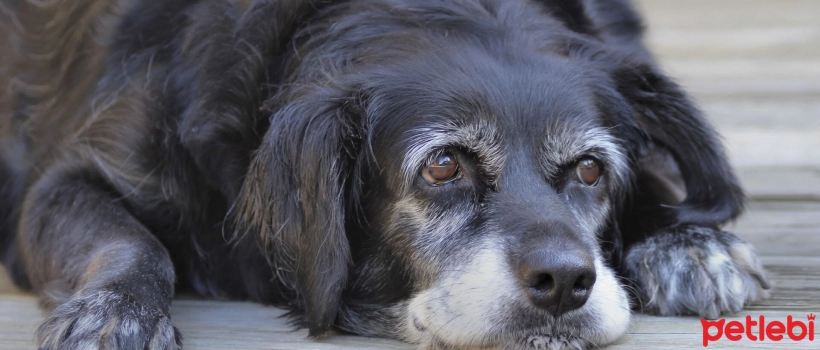
Prostate problems in dogs are a health issue directly related to both age and neutering. Today, some pet dogs are neutered while others are not. In 50% of unneutered dogs, prostate changes occur after the age of 4. In dogs older than 8 years, this rate can reach up to 80%.
Advertisement
Prostate problems in dogs are a health issue directly related to both age and neutering. Today, some pet dogs are neutered while others are not. In 50% of unneutered dogs, prostate changes occur after the age of 4. In dogs older than 8 years, this rate can reach up to 80%. These age-related changes are perfectly normal. In this article, you can find information about prostate problems in dogs.

What is Prostate Enlargement?
Prostate enlargement is a normal condition in dogs that occurs with age. However, problems that may arise due to changes in the prostate should be monitored. An enlarged prostate can cause problems with bowel and urinary tract movements in dogs. However, conversely, it may not cause any symptoms. The prostate is quite close to the bladder, and the prostate can begin to enlarge after a change in this area. Prostate enlargement is generally benign. However, it still needs to be treated. Because if left untreated, it can lead to serious consequences, even death.
What are the Symptoms of Prostate Enlargement in Dogs?
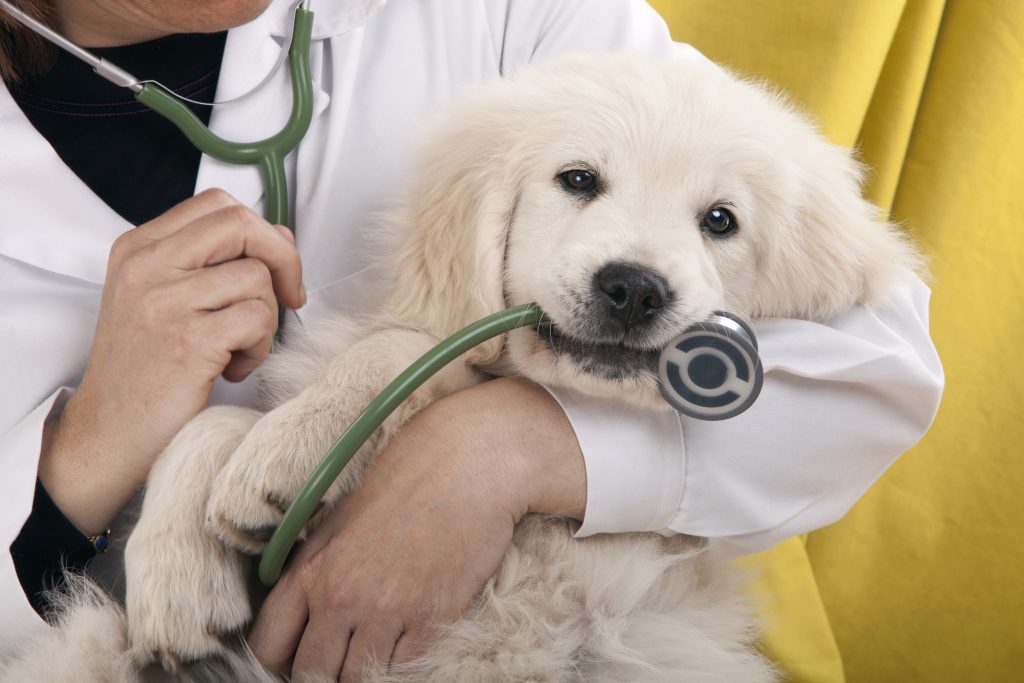
Prostate symptoms in dogs can vary. In fact, prostate enlargement can occur in some dogs without any symptoms. While some dogs experience localized pain as a result of the enlargement, others do not experience this at all. In general, prostate symptoms in male dogs include pain during urination and defecation, difficulty walking or unsteady gait, constipation, or abnormal bowel movements. Mild or severe pain may also occur.
What are the Types of Prostate Enlargement?
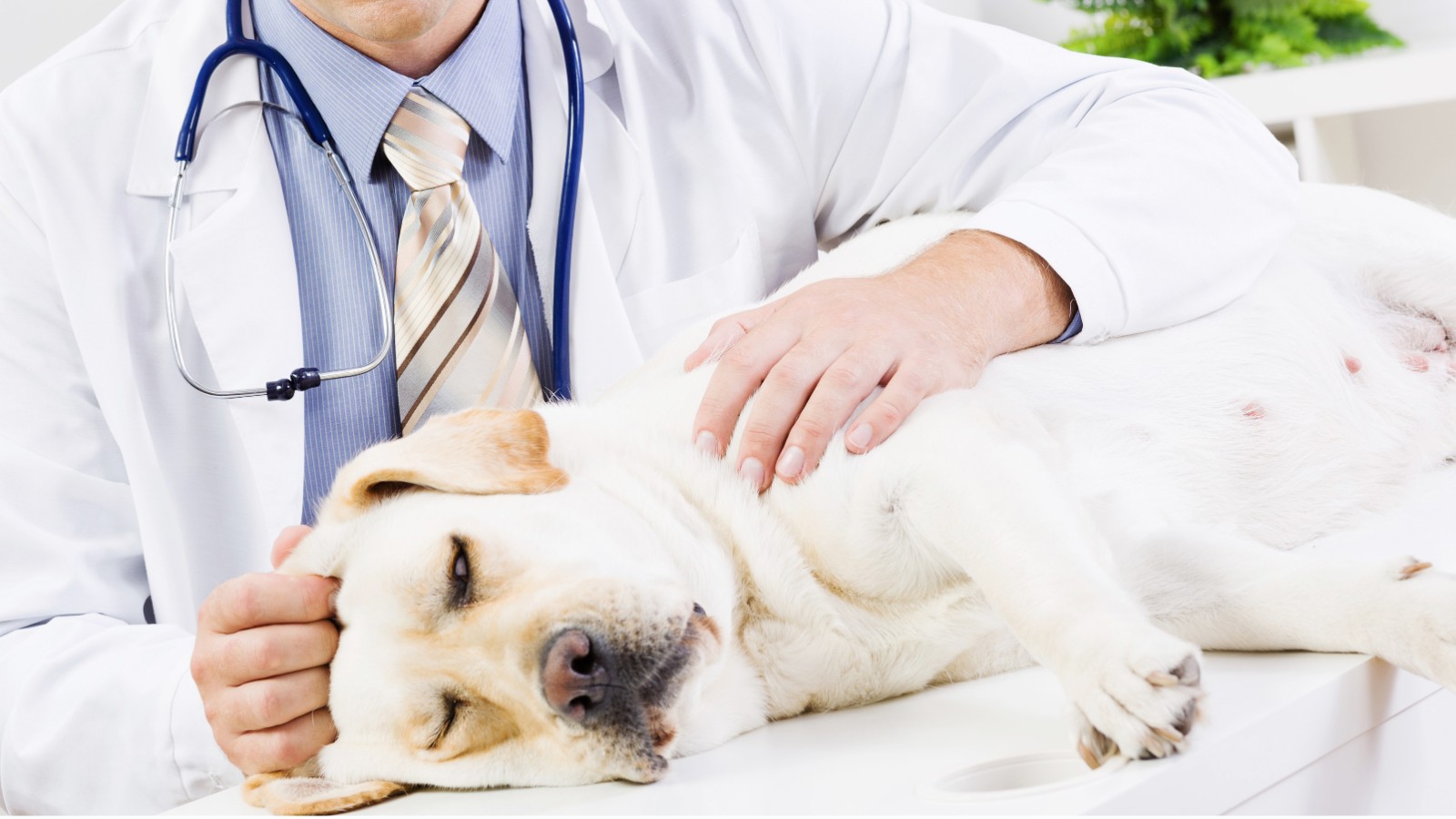
Prostate enlargement in dogs is divided into different types. These differences depend on the cause of the enlargement. Prostate enlargement in dogs is basically divided into three different types.
Benign Prostatic Hyperplasia
BPH, benign prostatic hyperplasia, or benign prostate enlargement, is the most common type of prostate enlargement. It usually occurs in unneutered dogs as a natural consequence of aging. This condition is not seen in neutered dogs. As a dog ages, the number of cells in the prostate gland increases and their size grows. As a result, benign cysts may develop. In this case, pressure on the surrounding tissues increases and causes discomfort. Bacterial Infection The most common type of prostate enlargement in dogs is bacterial infection. Enlargement occurs when bacteria entering the prostate from the circulatory system or urinary tract cause infection. Bacterial infections can be acute or chronic. They also cause abscesses, which are sac-like sacs containing pus, in the prostate gland. In addition to normal symptoms, high fever is also seen in prostate enlargement caused by bacterial infection. Cancer Prostate cancer in dogs is quite rare. Less than 10% of prostate enlargement cases are cancer-related. However, treatment is quite difficult in this case, and the cancer can often spread to other parts of the body. Prostate enlargement caused by cancer is usually fatal. Prostate cancer can metastasize to the liver, lungs, kidneys, lymph nodes, spinal cord, or pelvic bones in the body. Prostate enlargement can also occur as a metastasis of transitional cell bladder cancer. How is Prostate Diagnosis Made in Dogs? In older dogs, prostate health is one of the important aspects of overall health. Many veterinarians perform prostate checks during routine examinations. In some cases, prostate enlargement can be detected during these routine checks before symptoms appear. Apart from routine checkups, if any signs of prostate enlargement are observed in dogs, they should be taken to a veterinarian immediately. During the examination, the veterinarian can determine the size, shape, and any anomalies of the prostate, and even whether it is causing pain. A blood count is performed to check for infection in the blood and to count the number of white blood cells. Urine and semen analysis in unneutered dogs can show whether there is an infection or cancer. X-rays or ultrasounds should also be performed to assess the condition of the prostate gland and surrounding tissues and organs. Prostate Treatment in Dogs Prostate treatment in dogs varies depending on the type and cause of the prostate problem. Surgical neutering is preferred for benign prostatic hyperplasia (BPH). This allows the prostate gland to naturally shrink and provides relief. If cyst formation is observed, drainage of the cyst contents is also a preferred method. Neutering is also considered the first option for prostate enlargement caused by bacterial infection. Bacterial infections are treated with antibiotics or antimicrobial drugs. In severe or chronic cases, injections, enemas, or surgical intervention may be necessary. Abscesses are drained. There is no cure for prostate cancer. The only option is to apply palliative treatment methods to maintain the dog's quality of life.
Bakteriyel Enfeksiyon
The most common type of prostate enlargement in dogs is bacterial infection. Enlargement occurs when bacteria enter the prostate from the circulatory system or urinary tract, causing an infection. Bacterial infections can be acute or chronic. They can also cause abscesses, which are sac-like sacs containing pus, in the prostate gland. In addition to normal symptoms, high fever is also seen in prostate enlargement caused by bacterial infection.
Kanser
Prostate cancer in dogs is quite rare. Less than 10% of prostate enlargement cases are cancer-related. However, treatment is quite difficult in this case, and the cancer can often spread to other parts of the body. Cancerous prostate enlargement is usually fatal. Prostate cancer can metastasize to the liver, lungs, kidneys, lymph nodes, spinal cord, or pelvic bones. Prostate enlargement can also occur as a metastasis of transitional cell bladder cancer.
How is Prostate Diagnosis Made in Dogs?
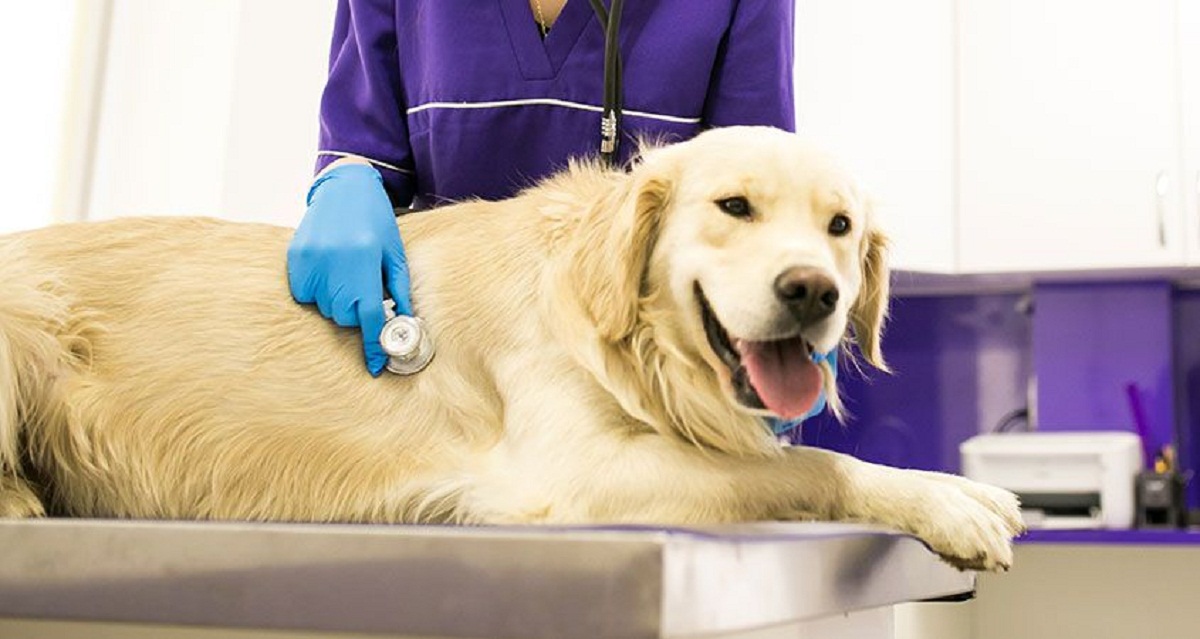
In older dogs, prostate health is one of the important aspects of overall health. Many veterinarians perform prostate checks during routine examinations. In some cases, prostate enlargement can be detected during these routine checks before symptoms appear. Apart from routine checkups, if any signs of prostate enlargement are observed in dogs, they should be taken to a veterinarian immediately. During the examination, the veterinarian can determine the size, shape, and any anomalies of the prostate, and even whether it is causing pain. A blood count is performed to check for infection, measuring the number of white blood cells. Urine and, in unneutered dogs, semen analysis can reveal the presence of infection or cancer. X-rays or ultrasounds should also be performed to assess the condition of the prostate gland and surrounding tissues and organs.
Treatment of prostate problems in dogs varies depending on the type and cause of the condition.
In benign prostatic hyperplasia, surgical neutering is preferred. This allows the prostate gland to naturally shrink and provides relief. If cyst formation is observed, drainage of the cyst contents is also a preferred method. In prostate enlargement caused by bacterial infection, neutering is considered the first option. Bacterial infections are treated with antibiotics or antimicrobial drugs. In severe or chronic cases, injections, enemas, or surgical intervention may be necessary. Abscesses are drained out. There is no cure for prostate cancer. The only option is to apply palliative treatment methods to maintain the dog's quality of life.
Advertisement
Advertisement
Keep exploring
Continue reading
Dog Health
7 Mistakes Made in Dog Training and Correct Approaches
A dog's failure to respond immediately to commands is often interpreted as stubbornness or disobedience.
Read guide →
Dog Health
Symptoms, Causes and Treatment of Enlarged Heart in Dogs
Your dog stops earlier than usual during walks, stops playing quickly, has noticeably faster breathing when climbing stairs, or If your dog has a dry…
Read guide →
Dog Health
Causes, Symptoms, and Treatment Methods of Oral Melanoma in Dogs
Imagine you notice a small lump in your dog's mouth one morning. This lump, which might be mistaken for an insignificant wound or gum problem, could…
Read guide →
Dog Health
Beyond the Itch: Causes and Treatment Methods of Skin Diseases in Dogs
Skin diseases in dogs should not be perceived as merely negative changes in aesthetic appearance.
Read guide →