The Process of Cats Adjusting to a New Home and Change of Owners
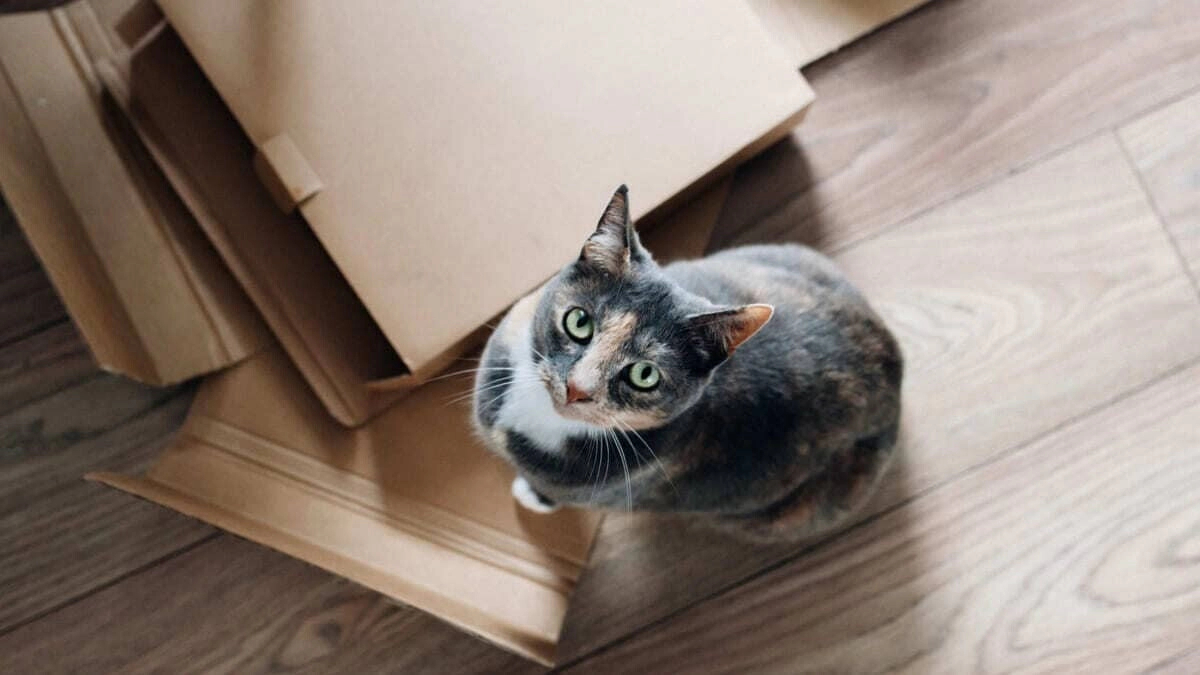
Cats are creatures that are attached to their living spaces and love their routines. Because of this characteristic, moving to a new home or changing owners can be a stressful process for them.
Advertisement
Cats are creatures that are attached to their living spaces and love their routines. Because of this characteristic, moving to a new home or changing owners can be a stressful process for them.
In the first few days, the cat may withdraw, hide, or behave differently than usual. Instead of trying to speed up this process, maintaining familiar smells and daily routines allows the cat to get to know its new environment at its own pace. Trust with the new owner can also develop over time with a calm, consistent, and predictable approach.
Warning: This content is for general informational purposes only. The time it takes for cats to adjust to a new home or owner may vary depending on age, temperament, past experiences, and health status. If hiding, loss of appetite, excessive meowing, or changes in toilet habits occur, a veterinarian should be consulted.
Why is it difficult for cats to adjust to a new home?
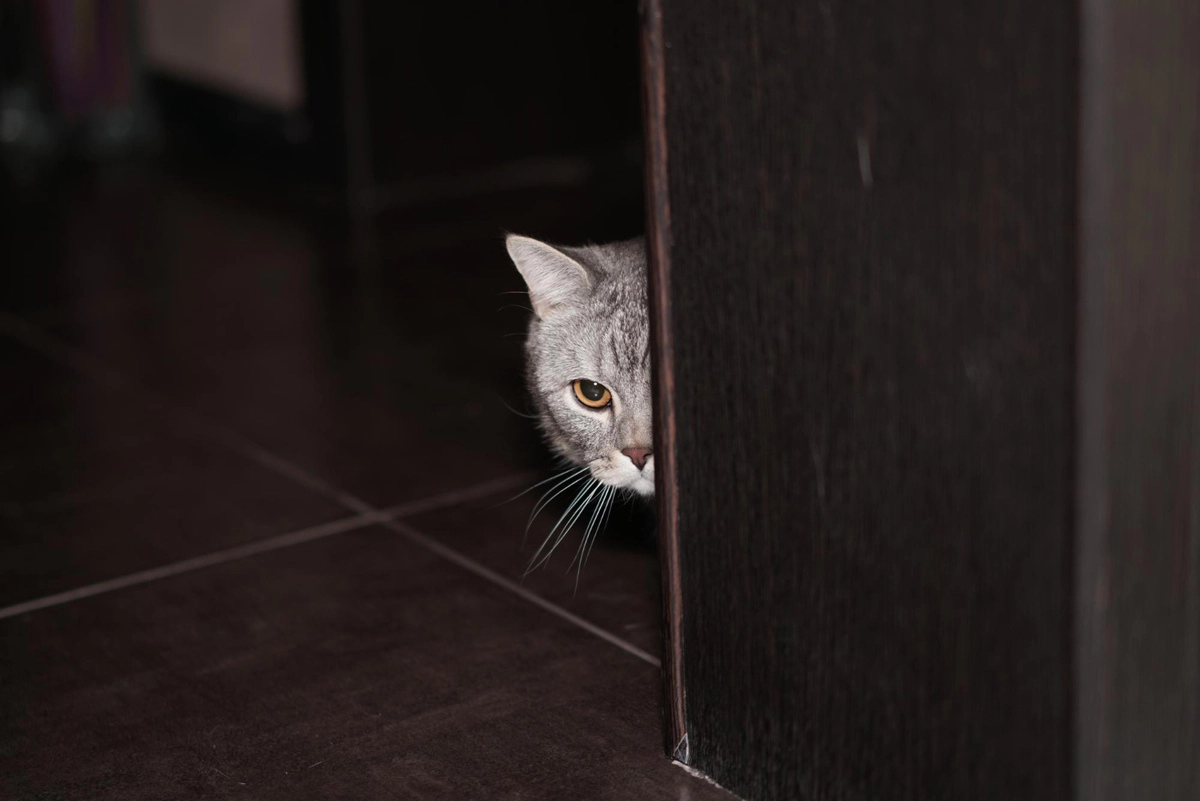
Cats are creatures that bond with their environment through habit and trust. The process of adapting to a new home environment can be stressful due to the change in familiar smells, space, and daily routine.
1. Need for Security in Area
For cats, the feeling of security is one of the cornerstones of their quality of life. A cat entering an unfamiliar environment may feel vulnerable. The smells, sounds, people, and hiding places in the new home are not yet familiar. Loud noises, heavy human traffic, or the lack of a safe hiding place can make it difficult for the cat to explore its surroundings.
2. Adherence to Routines
Cats may feel more secure within a predictable daily routine. Simultaneous changes in feeding times, litter box schedules, and resting habits can increase stress in some cats. Maintaining routines as much as possible helps make the new environment more predictable.
How Does a Change of Owner Affect Cats?

A change of owner can manifest as stress, shyness, and restlessness in some cats. Since cats can form bonds with their caregivers, a change in their familiar person and daily routine means a new situation requiring adjustment. The process can be difficult if a new home, different smells, and different grooming times coincide with the same period.
Some cats may not show a noticeable reaction to radical changes. The intensity and duration of reactions vary depending on the cat's temperament, past experiences, health status, and how the new environment is arranged.
It cannot be definitively said from the outside that the cat thinks it has been abandoned, is looking for its former owner, or is necessarily grieving. Instead of attributing its behavior to a specific emotion, it is safer to focus on the cat's need for a safe space, familiar routine, and effortless interaction.
Preparing Before Moving

Moving can be tiring for you as well as your cat. A few preparations beforehand will help you manage the activity more effectively on moving day.
Getting Your Cat Used to a Carrier
A cat carrier is an indispensable item to ensure your cat's safety during the move. Many cats associate carriers with stressful experiences, often getting inside them during vet visits or travel. Therefore, you should place the carrier in an area where your cat is usually present beforehand to help them get used to it. You can encourage your cat to spend time in the carrier by putting a soft blanket, a favorite toy, and treats inside. Create a Space for Your Cat in Your New Home Before arriving at your new home, prepare a quiet room with low human traffic. Place the litter box away from the food and water bowls. Include your cat's bed, scratching post, and hiding place in the room. This way, you won't have to rush to arrange their basic needs when you arrive home. How to Ensure Your Cat's Safety During a Move?
Therefore, you should place the carrier in an area where your cat is usually located beforehand to allow your cat to get used to it. You can encourage your cat to spend time there by putting a soft blanket, a favorite toy, and treats inside the carrier.
Create a Space for Your Cat in Your New Home
Before arriving at your new home, prepare a quiet room with low human traffic. Place the litter box away from the food and water bowls. Include your cat's bed, scratching post, and a hiding place in the room. This way, you won't have to rush to arrange its basic needs when you arrive home.
How to Ensure Your Cat's Safety During a Move
On moving day, open doors, strangers, and moving items can cause your cat to become frightened and hide or run away. Before this hustle and bustle begins, take your cat to a quiet room with the door closed. Place its food, water, and litter box in this room to create a small area where it can feel safe.
Do not remove your cat from its carrier during the journey. When you arrive at your new home, take the carrier directly to the room you prepared beforehand. After closing the door of the room, open the carrier and allow your cat to come out at its own pace.
How to Make the Right Start in Your New Home?

Don't expect your cat to explore all the rooms as soon as you arrive at your new home. First, give it time to get used to the quiet room you prepared for it. Leave the carrier on the floor of the room and open the lid. Let it decide when to come out of the carrier. If it chooses to hide, don't try to get it to move from its hiding place. When it feels ready, it will begin to explore its surroundings on its own.
Introduce Rooms One by One
Once your cat is comfortable moving around in the first room, you can allow it to explore another part of the house. Protect access so it can return to its first room. Introduce new areas for short periods and under supervision. If it chooses to retreat, don't rush to expand its exploration area.
Check Home Security
Take necessary safety precautions at windows and balconies before opening areas your cat can access. Check narrow spaces behind furniture, exposed cables, and items that could tip over. Remove breakable items from shelves and cabinets.
Let Your Cat Find Its Own Territory
Allowing your cat to establish its own territory in the house speeds up the adaptation process. Cats naturally tend to mark their territory and create safe zones for themselves. You can provide opportunities for exploration and rest by providing high shelves, hiding spots, and enclosed areas.
While watching outside from windows can also be a relaxing experience for cats, make sure that windows are closed and safety measures are taken on balconies. Don't forget to install safety nets for windows and balconies in your new home. You can review safety nets, which are important for the safety of cats, by clicking here.
Hiding spots and tunnels can help reduce your cat's stress. If your new home doesn't have a hidden area where your cat can hide, you can also make it feel more comfortable by getting it a tunnel or a cat house.
Suggestions for Helping Cats Adjust to Their New Owners
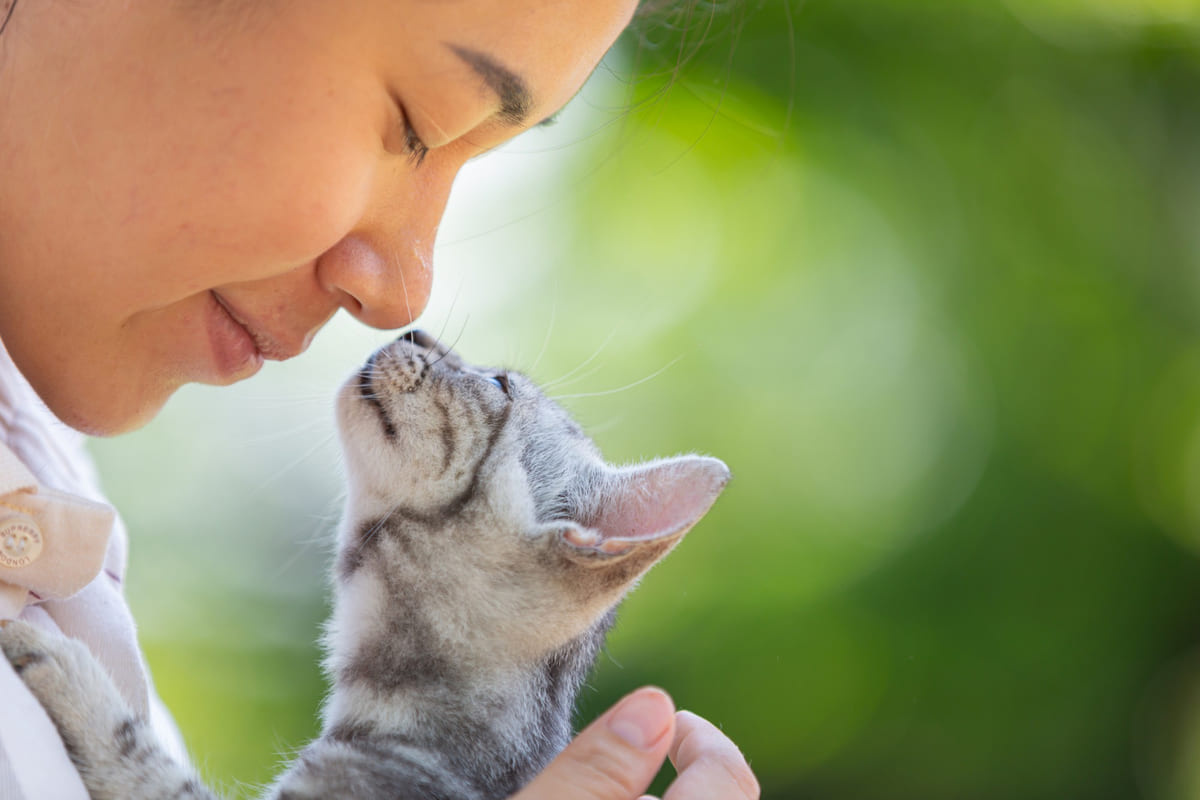
It may take time for a cat experiencing a change of owner to get used to the new person. Trust develops through consistent interactions that respect the cat's boundaries, rather than through frequent contact.
Let Your Cat Initiate Contact
You can sit quietly near your cat and wait for it to approach you. When it approaches, let it sniff you first. If it moves away, don't chase after it. Don't force it to be picked up or to continue unwanted contact.
Build Connection Through Play and Activities
Start with short sessions when your cat shows interest in playing. Fishing rod-type toys can help you interact without getting too close. If it refuses to play, try again later.
Reinforce Positive Interactions with Rewards
When your cat comes to you willingly, you can offer a small treat. Do not use the treat to coax the cat out of hiding or to direct it towards unwanted contact. Keep the amount limited to maintain daily nutritional balance.
Establish Calm and Consistent Communication
Move slowly and use a calm tone of voice around your cat. If people in the household maintain a similar approach, it can help make interactions more predictable. Withdraw when your cat shows it doesn't want contact.
Observe Your Cat's Proximity Preferences
Not every cat enjoys the same type of proximity. Some cats will approach during play, while others may prefer to be quietly present in the same room. Rubbing its head against you, resting near you, or participating in play can indicate the development of trust.
How to Maintain Care and Routines During a Change of Owner?

A new home, different smells, and a new person are a big change for your cat. Maintaining familiar food, litter type, feeding, and playtime can give it a sense of security during this period. Learn the cat's daily routine in detail from the previous owner or adoption agency. If you cannot maintain the same routine entirely, spread the changes out over time. Give your cat a chance to get used to one new thing, then move on to the next.
Make Food and Litter Changes Gradually
Using the food and litter type your cat is used to in the first few days can make the transition easier. If the food is changing, switch to the new food gradually. Also, avoid changing the litter type or litter box at the same time.
Beslenme ve Oyun Saatlerini Koruyun
Keeping your cat's mealtimes regular helps maintain its habits. Also, schedule playtime and rest time similar to the previous routine. If the new home requires a different schedule, adjust the times gradually.
Update Health Records and Identification Information
If possible, obtain information about vaccinations, parasite treatments, medications used, and past health records. Do not change or discontinue regularly used medications without the advice of a veterinarian. Update the contact information in the microchip registration. If the veterinary clinic is changing, obtain previous health records and share them with the new clinic.
How to Recognize Adjustment Stress in Cats During New Home or New Owner Change?
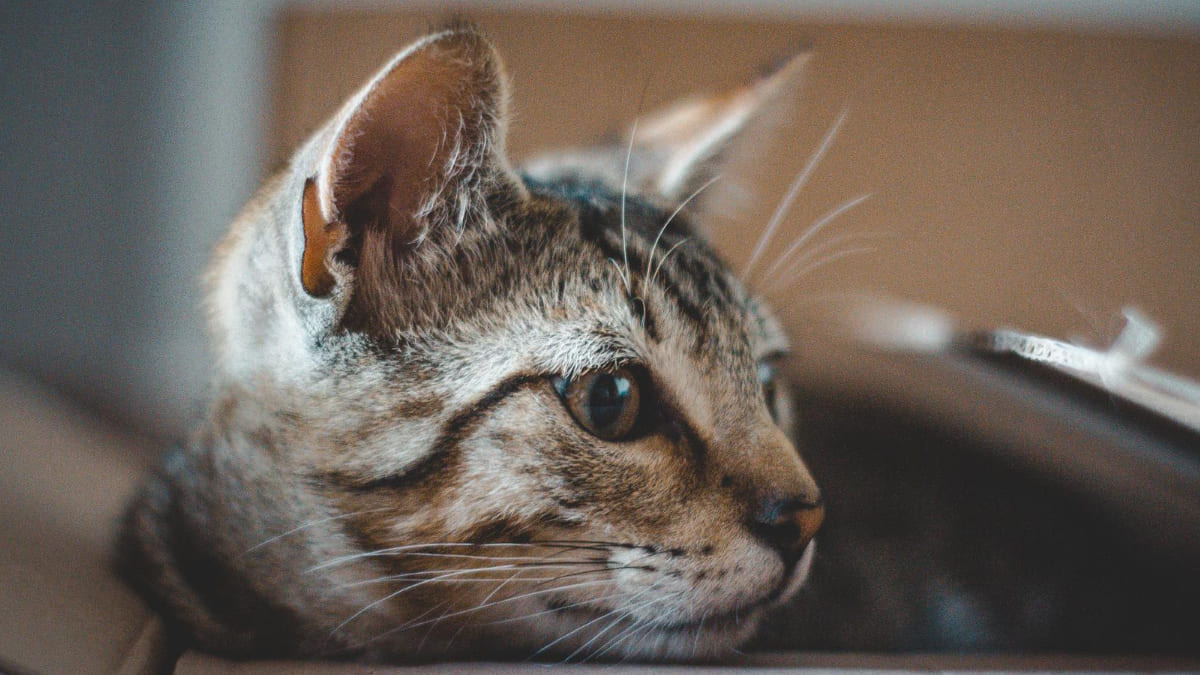
Hiding, avoidance of people, decreased appetite, excessive meowing, and changes in toilet habits may be seen with adjustment stress. Significantly increased or decreased grooming, loss of desire to play, frequent startling, and urine spraying may also be observed.
None of these behaviors alone indicate the cause of the problem. Pain and illnesses can also lead to similar changes.
What to Do When Stress Signs Appear?
First, check the cat's eating, drinking, and litter box use. Note the time the symptoms started and their changes over the days. Reduce the number of visitors in the first few days. Postpone loud household chores and non-essential changes.
Pheromone diffusers or sprays made for cats may provide support in some cats. It is best to use these products after veterinary evaluation.
When to Consult a Veterinarian?
Consult your veterinarian if your cat has not eaten for more than 24 hours. Do not wait if loss of appetite is accompanied by not drinking water, repeated vomiting, diarrhea, or significant lethargy. Kittens, elderly cats, or cats with chronic illnesses may require earlier evaluation.
Seek veterinary support if behavioral changes are becoming increasingly intense or do not decrease over time.
What to Do If There Are Other Cats or Animals in the New Home?

If there is another cat or dog in the new home, don't try to cram the introductions into a single moment. Manage the process in small steps. First, create separate areas and allow them to get to know each other without seeing each other through scent exchange. As you see curious and calm reactions, move on to short, controlled meetings. If tension rises, interrupt the meeting. Let the animals' behavior determine the pace of the introductions, not the schedule.
If the cat you adopted is an adult, some strategies may need to be modified. If you want to learn more about adopting an adult cat, you can check out our article titled "Advantages and Challenges of Adopting an Adult Cat".
Territory Sharing
Animals, especially cats, are very attached to their territory. When a new cat comes into the home, separate areas should be created for both sides. You can prevent the new cat from having direct contact with the existing pet by keeping it in a separate room initially.
During this time, allowing both to share their scents can help them get used to each other. For example, you can exchange blankets used by both animals to help them get used to each other's scents. This method can help make the introduction process less stressful.
Slow Introduction
Rushing to introduce pets can lead to undesirable results. It is important to proceed step by step in the introduction process. In the first stage, introducing their scents to each other behind closed doors is a suitable starting method. Cats recognize and perceive each other through scents.
Once the animals' reactions to the scents have calmed down, you can arrange short, supervised encounters. During these encounters, you can create a positive experience by using toys or treats. Keep the first meeting short and watch for signs of tension.
What to Do If Tension Appears?
If there is another cat or dog in the new home, don't try to fit the introduction into a single moment. Manage the process in small steps. First, create separate areas and allow them to get to know each other without seeing each other through scent exchange. As you see curious and calm reactions, move on to short, controlled meetings. If tension rises, interrupt the meeting.
Frequently Asked Questions

How long does it take for cats to adjust to their new homes?
The adjustment period is not the same for every cat. Some cats become more comfortable within a few days, while others may remain cautious for weeks. Instead of focusing on a fixed timeframe, track progress in appetite, play, exploration, and social behavior.
Is it necessary to turn on lights at night for cats?
Most healthy cats don't need extra lights throughout the night. Cats can see better than humans in low light. A low-level night light can be used if parts of the new home are completely dark. Older cats or cats with vision problems may have different needs.
Does a cat miss its old owner after changing owners?
It's not possible to definitively tell from a cat's behavior whether it's experiencing a subjective emotion like longing. Separation from its caregiver can affect it. Hiding, meowing, or decreased appetite should be considered in conjunction with the new environment and changes in routine.
How can you tell if a cat has adjusted to its new owner?
Eating, playing, and willingly approaching its new owner are positive signs. Resting nearby, rubbing its head against them, or receiving regular grooming can also indicate increased comfort. Every cat shows affection differently.
Does a cat that changes owners try to return to its old home?
A frightened cat may try to escape from its new home. However, this behavior does not prove that it wants to return to its old home or owner. It may be at higher risk of getting lost because it is unfamiliar with its new environment.
Should a cat be taken outside before it gets used to its new home?
First of all, it is generally not recommended to take house cats outside. If it is a cat that has access to the outside, it should not be let out before it settles into its new home. Approximately one month of indoor acclimatization can be a good starting point, but time alone is not sufficient. The cat's comfort level at home, updated microchip information, vaccinations, and neutering status should all be assessed. Initial outings should be short and supervised.
Kaynaklar:
https://www.paws.org/resources/helping-your-cat-adjust/
https://www.rover.com/blog/cats-choose-favorite-person/
https://www.paws.org/resources/helping-your-cat-adjust/
https://www.cats.org.uk/help-and-advice/home-and-environment/bringing-a-cat-home
https://cats.com/tips-to-help-your-cat-adjust-to-your-home
https://kb.rspca.org.au/categories/companion-animals/cats/caring-for-my-cat/how-can-i-help-my-cat-adjust-to-a-new-home
Advertisement
Advertisement
Keep exploring
Continue reading

Cat Lifestyle & Guides
What is Cat Soup? Is it Beneficial for Cats?
If your cat rarely visits its water bowl, is sometimes reluctant to eat dry food, or shows interest in different textures, liquid products may catch…
Read guide →
Cat Lifestyle & Guides
How to Give Rewards and Snacks to a Neutered Kitten?
The Feline Veterinary Medical Association supports neutering kittens until they are five months old.
Read guide →
Cat Lifestyle & Guides
Benefits of Colostrum for Cats and Dogs
Colostrum is the first milk produced by mother cats and dogs after birth. Thanks to its antibodies and high nutrient content, it responds to the…
Read guide →
Cat Lifestyle & Guides
Why is Gut Health Important in Cats?
In cats, bowel health is linked to many areas, from digestive regularity and immune system-related processes to energy levels and daily comfort.
Read guide →