The Secrets of Sagging Belly in Cats
Fat cats look quite cute, and their sagging bellies create an image that evokes compassion and affection in people. However, as with many things about cats, there is a secret to their sagging bellies.
Advertisement
Fat cats look quite cute, and their sagging bellies create an image that evokes compassion and affection in people. However, as with many things about cats, there is a secret to their sagging bellies. The structure located in the belly area, called the primordial pouch, makes them very cute to our eyes, but in essence, it can be considered evolutionary evidence that they are hunters. In this article, we will discuss the unknowns about the primordial pouch, which is referred to as belly sagging in cats.
What is the Primitive Pouch in Cats?
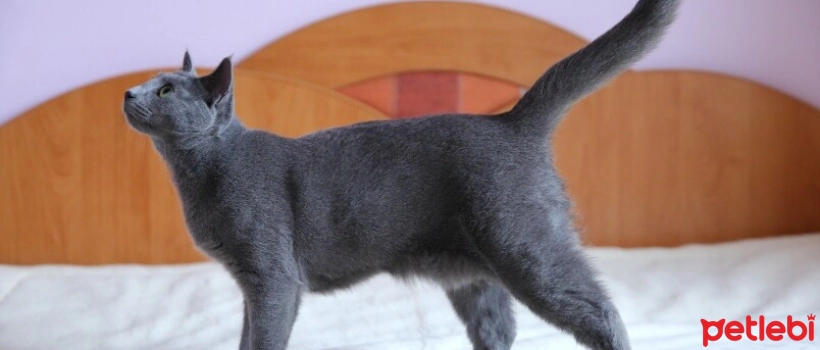
A cat has a soft tissue on its abdomen that sways from side to side when it walks. Although this tissue might initially bring to mind a sagging belly in cats, this assumption is actually incorrect. What is referred to as a sagging belly in cats does not necessarily mean deformation due to obesity or weight loss. In short, not every cat with a sagging belly is overweight or has gained or lost weight.
The tissue in the abdominal region of cats that has a sagging belly appearance is called the primordial pouch. Composed of skin, fur, and a layer of fat, this pouch is not a sign of any disease or obesity and is a natural part of cats. The primordial pouch is present in all cats. However, the size of the pouch can vary from cat to cat. Some cats have a fairly large pouch, while in others it is so small that it is barely noticeable. The primordial pouch is easily visible, especially when cats are running around. When the area where the primitive pouch is located in cats is touched, a very soft, jelly-like tissue is felt. Some cats do not like this area being touched at all. This does not mean that they are uncomfortable with the pouch, it simply means that they do not like being touched in their abdominal area.
The Function of the Primitive Pouch in Cats
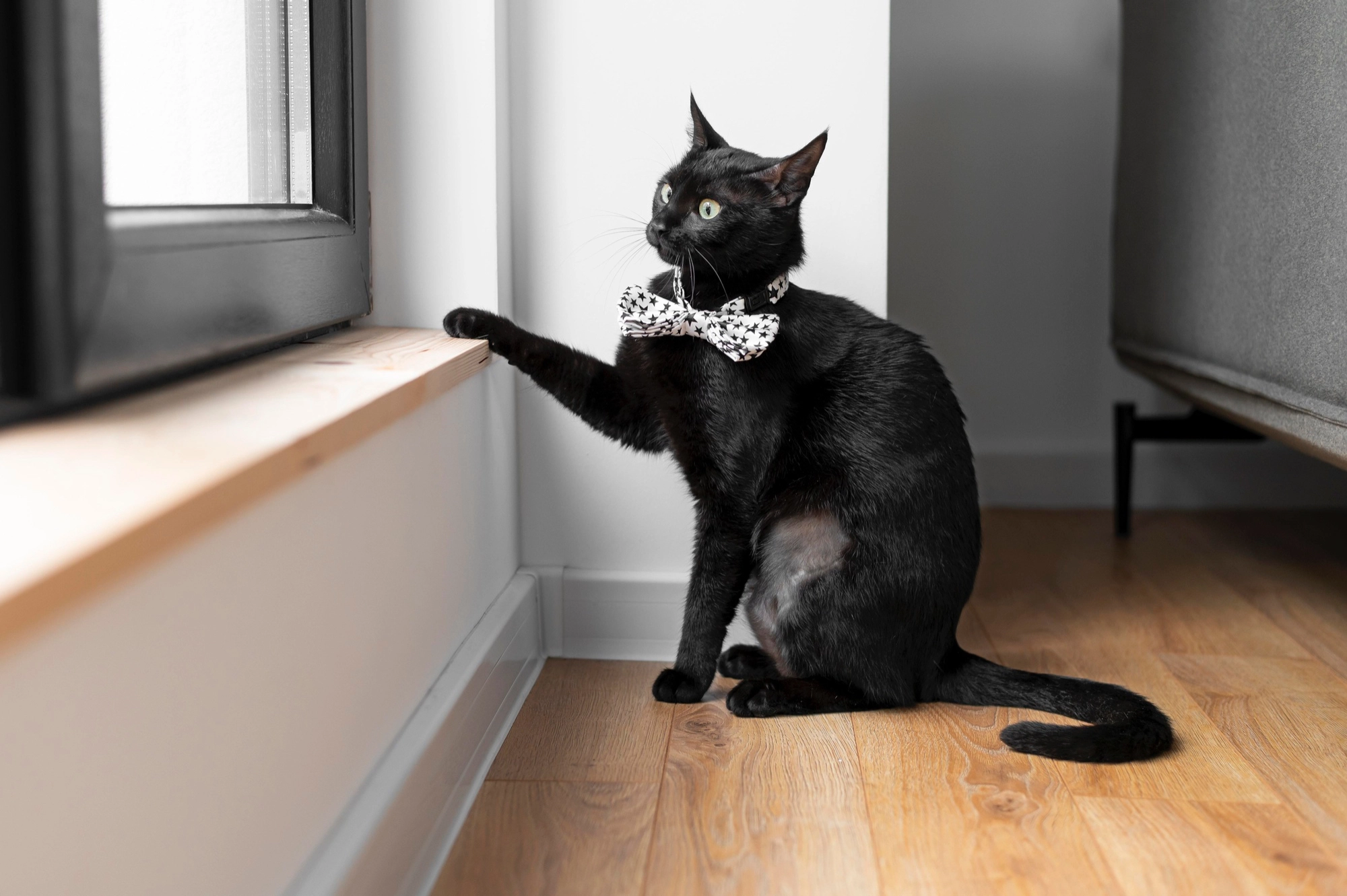
The exact reason why the primitive pouch exists in cats is not known. However, there are some theories about this tissue.
Protection
Although the function of the primitive pouch in cats is not fully known, there are many theories about the role of this tissue. Three of these theories are generally accepted. The first theory is that it provides protection to cats. The pouch is strategically located above the internal organs. When cats play or fight, they deliver kicks with their hind paws called "hare kicks." While these kicks may seem harmless, a well-aimed kick can cause serious damage to internal organs. However, the sagging sac acts as an extra layer protecting the cat's internal organs, preventing potential injuries.
Movement Advantage
Cats are extremely agile animals. The primitive pouch helps them move faster. This pouch, which stretches as they run, provides them with extra flexibility and the ability to reach further. Thanks to these features, cats can escape predators or easily catch their prey.
Ekstra Alan
Another benefit of the primitive pouch is thought to be providing storage space for a large meal. Cats living in the wild cannot eat 2-3 meals a day like domestic cats. When they hunt, they eat as much as possible and can store large amounts of fat in these pouches. Primitive pouches are found not only in domestic cats but also in all other cat species such as lynx, cheetah, lion, or tiger. Moreover, it serves the same function in large cat species, that is, it allows cats to store food.
Differences Between Obesity and the Primitive Pouch
Obesity is often confused with primitive pouches. This confusion is based on the fact that weight problems are common in domestic cats. Obesity, just like in humans, is a condition that can cause serious problems in domestic cats. Therefore, obese cats need to be carefully monitored and fed. It is recommended that diet cat food be preferred in the feeding plans of obese cats with the approval of veterinarians. You can browse specially formulated diet cat food varieties for cats with weight problems by clicking here.
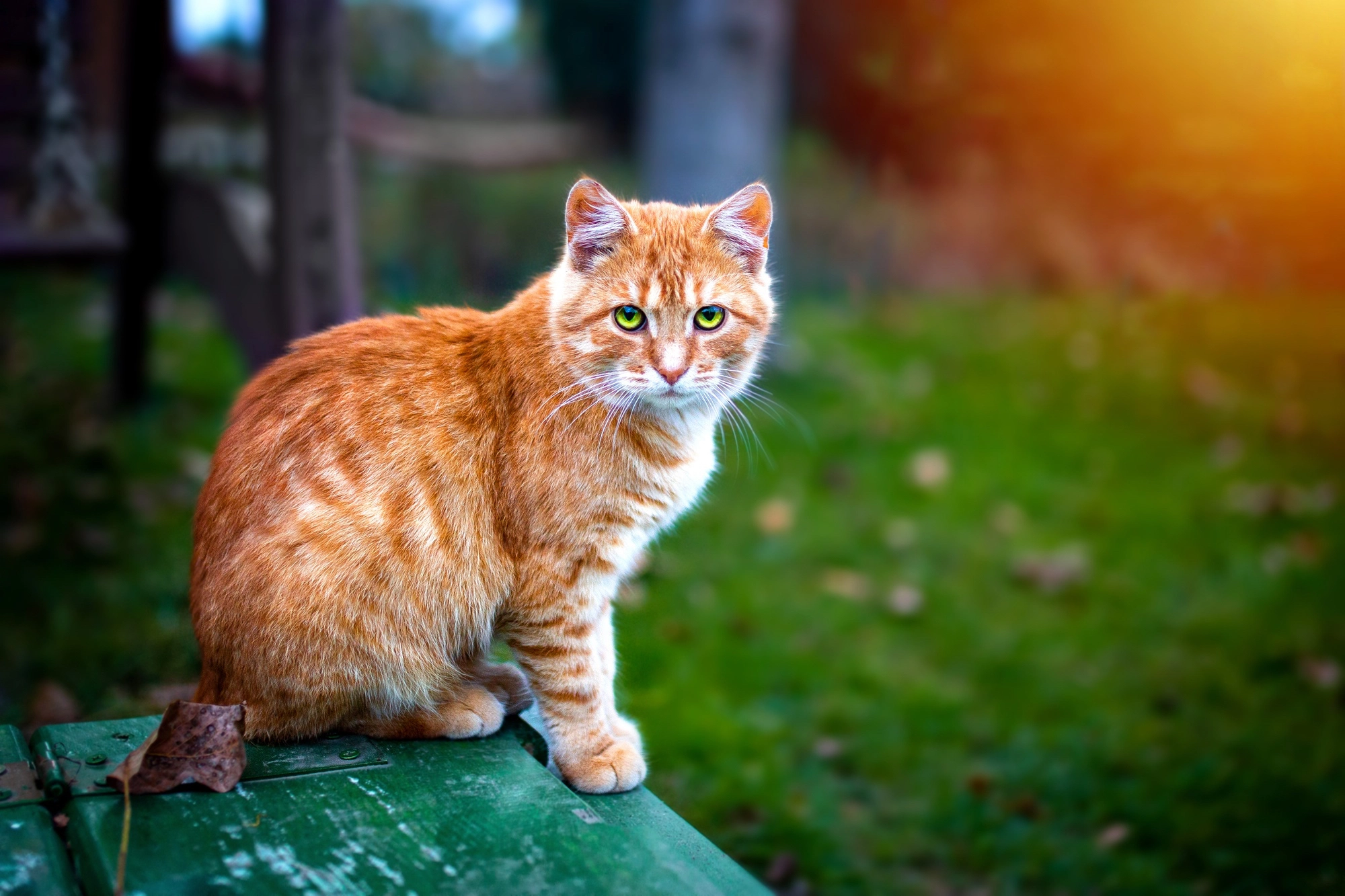
The primitive pouch is sagging skin that sways from side to side when cats run. It is not visible when viewed from above. The abdomens of obese cats are more rounded in shape. When cats run, their ribs should be visible from the outside. Otherwise, it is understood that the cat is obese. Obese cats exhibit enlargement not only in the abdominal area but throughout their entire body. On the other hand, a flaccid sac is a structure that is noticeable only as excess tissue in the abdominal region.
Does the Primitive Sac Appear After Neutering?
Some people think that the primitive sac appears after neutering. However, this is not entirely accurate. It is known that there is no connection between neutering and the development of the primitive sac. The primary reason for this common belief is the developmental period of the primitive sac. In cats, the primitive sac begins to develop around the sixth month. Domestic cats are also typically neutered or spayed starting around six months of age. The coincidence of these periods leads many people to believe that the primitive sacs in cats appear after neutering.
Advertisement
Advertisement
Keep exploring
Continue reading

Cat Lifestyle & Guides
What is Cat Soup? Is it Beneficial for Cats?
If your cat rarely visits its water bowl, is sometimes reluctant to eat dry food, or shows interest in different textures, liquid products may catch…
Read guide →
Cat Lifestyle & Guides
How to Give Rewards and Snacks to a Neutered Kitten?
The Feline Veterinary Medical Association supports neutering kittens until they are five months old.
Read guide →
Cat Lifestyle & Guides
Benefits of Colostrum for Cats and Dogs
Colostrum is the first milk produced by mother cats and dogs after birth. Thanks to its antibodies and high nutrient content, it responds to the…
Read guide →
Cat Lifestyle & Guides
Why is Gut Health Important in Cats?
In cats, bowel health is linked to many areas, from digestive regularity and immune system-related processes to energy levels and daily comfort.
Read guide →